LPO
Sydney
Bar in Sydney, Australia
 Book with Pearl
Why go
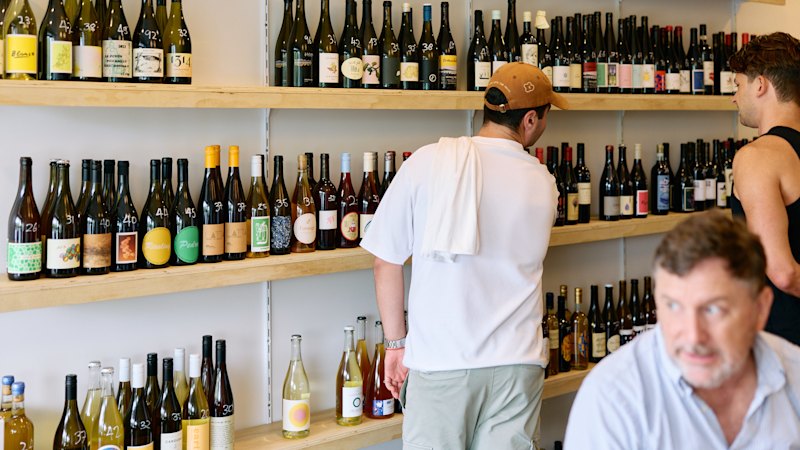
LPO is a Brisbane pick for drinkers who want minimum-intervention wine by the glass or bottle, with a store element that rewards browsing. Go for a small, wine-first catch-up or date; skip it if the night needs fixed pricing, a named signature drink, or a full restaurant-style plan.
About LPO
For a Sydney drink, LPO makes sense when the goal is a wine-led stop. LPO is a wine bar / wine store focused on minimum-intervention wines, with bottles and wines by the glass.
That makes it best understood as a place for people who want wine to be the main reason for visiting. Beyond the wine bar / wine store format, the venue does not clearly establish a food program, prices, service format, seating setup, or hours, so plan with those unknowns in mind.
Book it for minimum-intervention wine, not a fixed-price night
The strongest reason to go is the category focus: minimum-intervention wines, bottles, and by-the-glass drinking. That is a clear enough brief for anyone choosing LPO specifically as a Sydney wine stop.
For value, treat the visit as dependent on the wine choices available when you go. By-the-glass ordering is the lower-commitment route; bottles are the more involved option if the table knows what it wants. The store element also matters: LPO is not only a wine bar, but also a wine store.
The right use case is curious and wine-first
LPO is easiest to recommend to wine drinkers who want minimum-intervention bottles or wines by the glass. It is not possible to confirm a signature drink, chef, cuisine beyond wine bar / wine store, price range, or seating setup from the available facts.
Reservations: no booking-difficulty detail is available here, so check LPO's official channels before going. Dress: the dress code is casual. Budget: plan around wine choices rather than a fixed spend. Format: expect a Sydney wine bar / wine store centered on minimum-intervention wines.
Planning details
- Location
- Sydney, Australia
The take
The Take
The Vibe
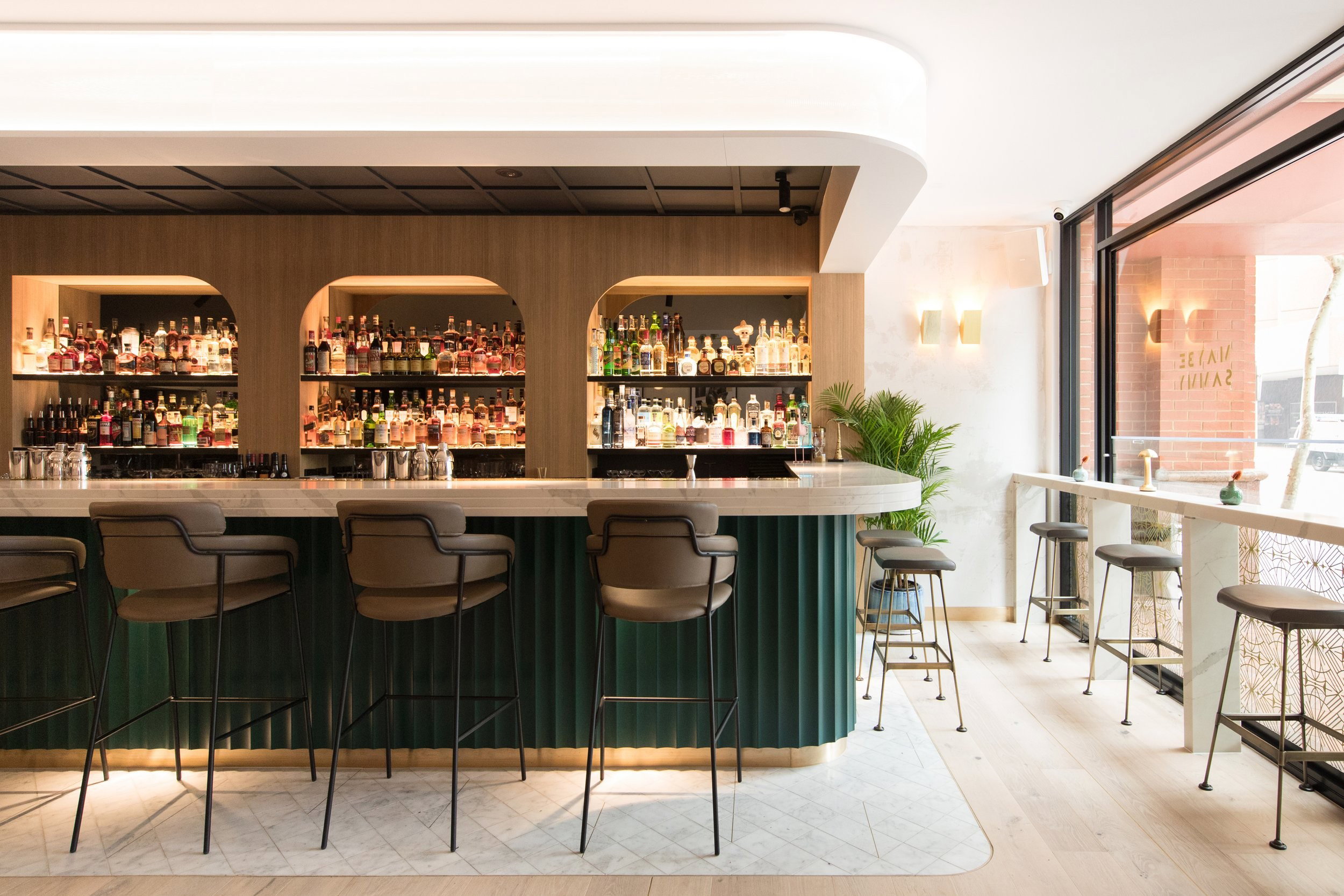
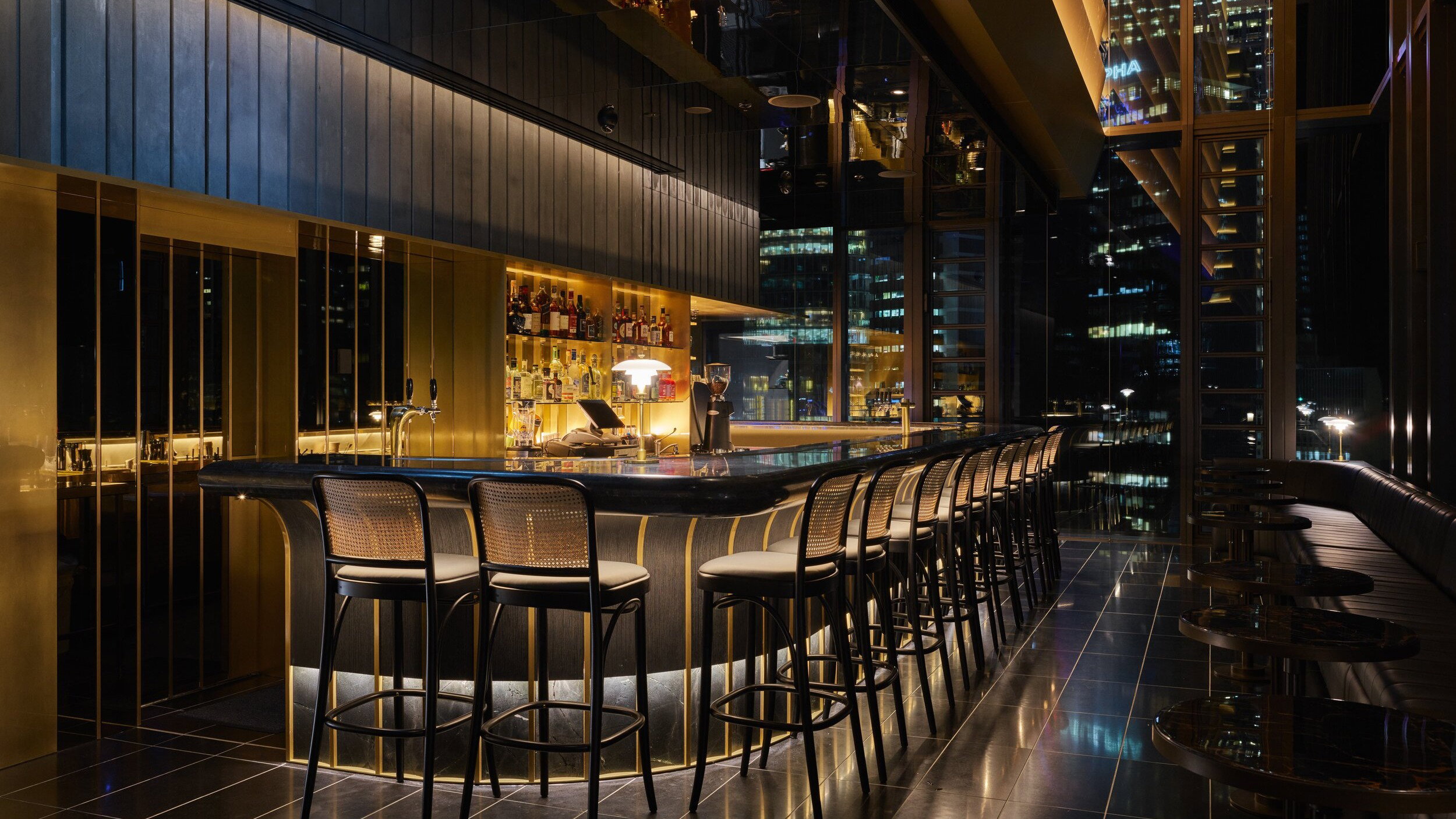
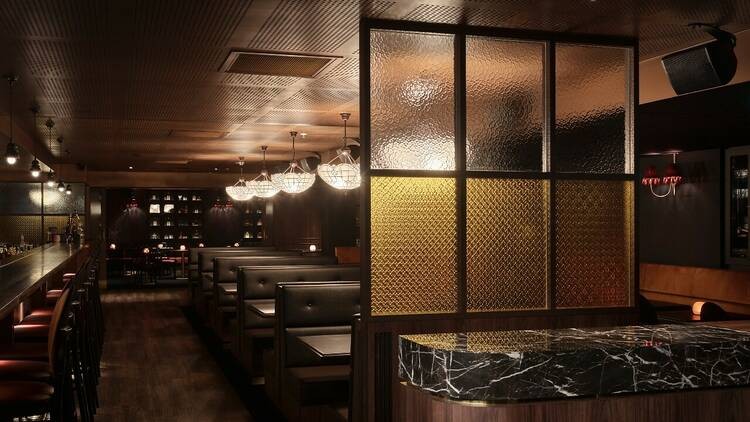
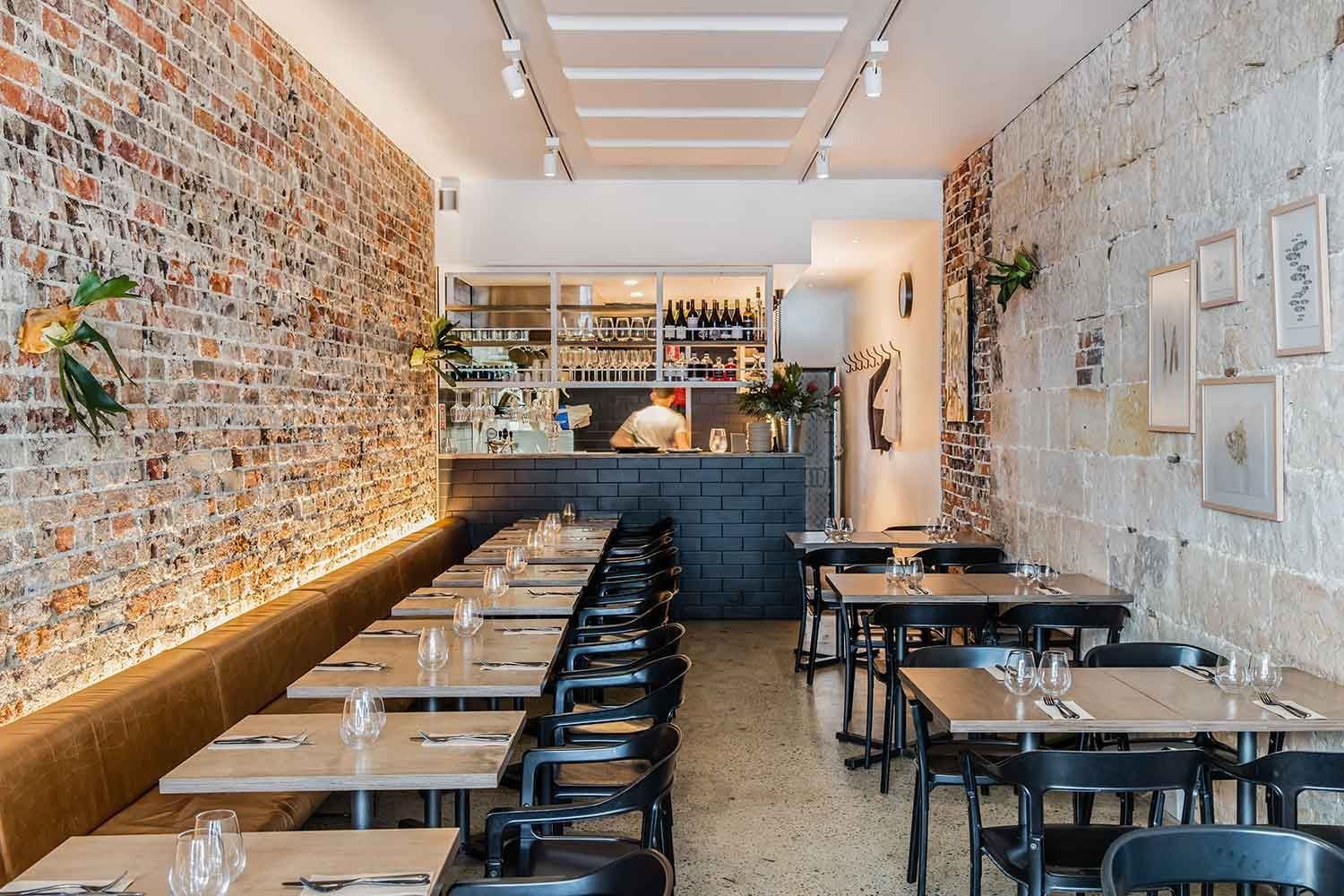
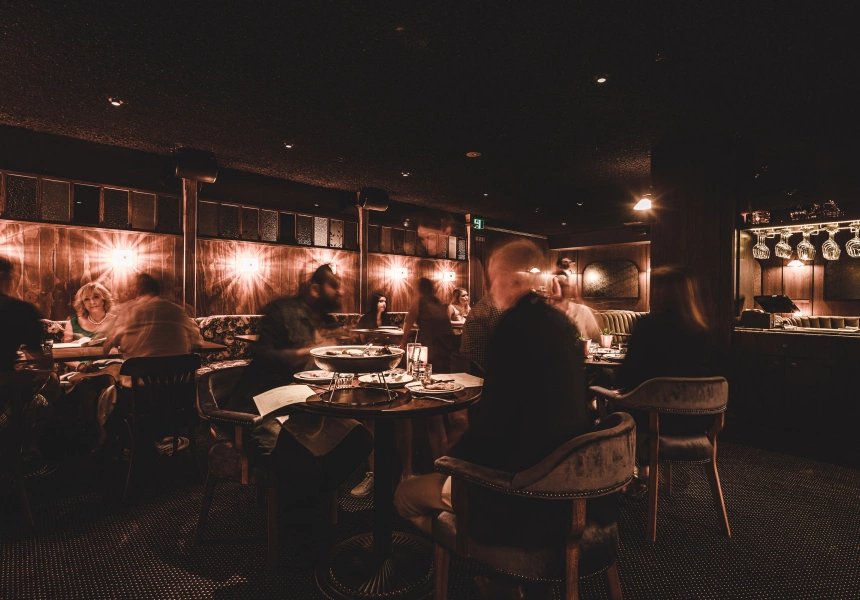
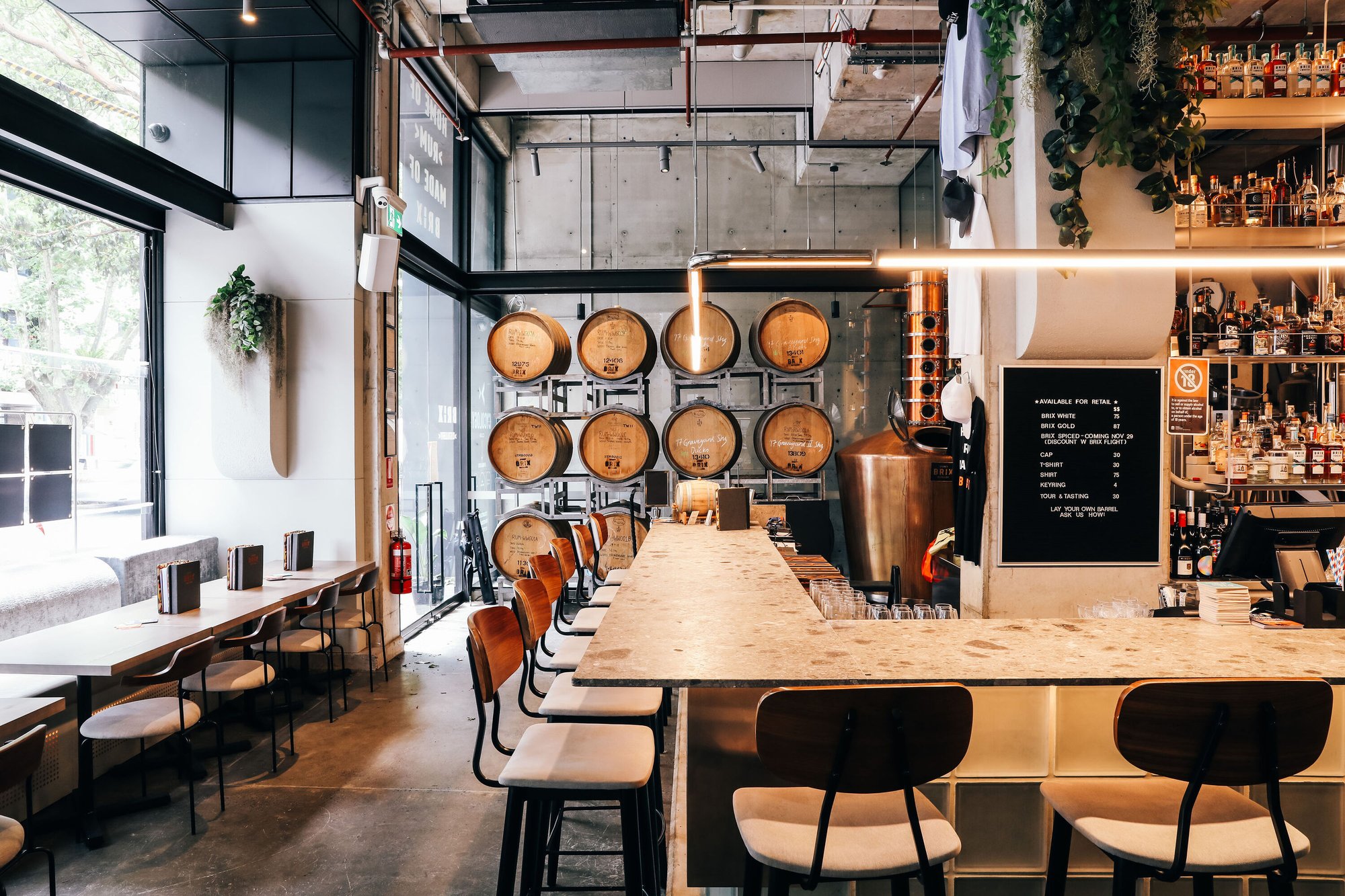
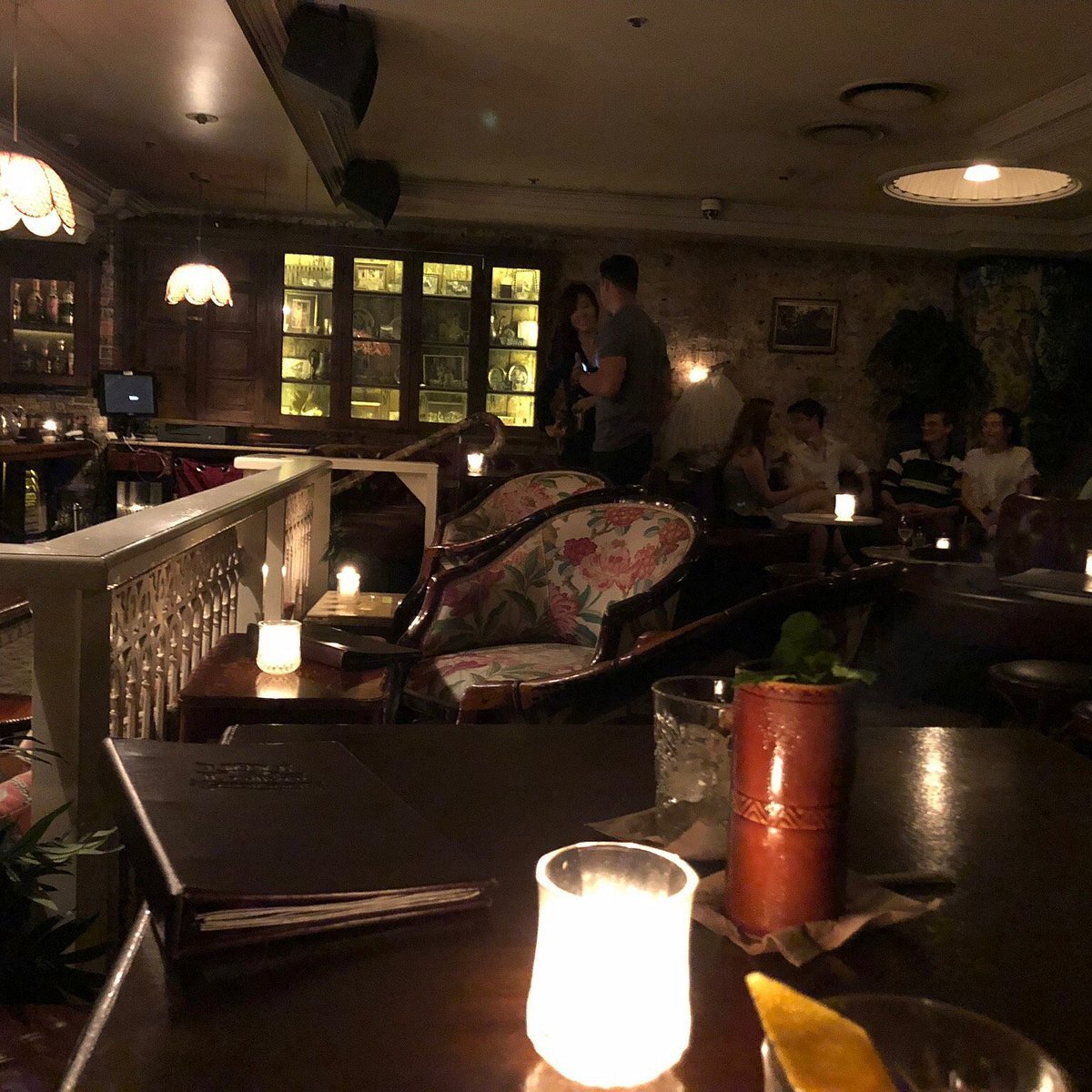
LPO reads like a Parisian cave à vin dropped into Sydney: restrained, attentive and quietly confident. The room prioritises bottles and labels over theatrics, with warm, functional lighting and measured pacing that encourages study and conversation rather than spectacle. Staff and shelving do most of the talking; music sits low and service supports a slower rhythm. It feels intimate and sophisticated: less a scene for showy cocktails than a place to focus on wine, ask questions and savour a single glass with attention.
Best For
LPO is best for people who want to learn about and taste interesting wine in a low-key setting. The venue frames a glass pour as an invitation to investigate rather than a mere transaction, so it suits solo explorers, pairs and small groups who want to read labels, ask questions and follow a curated point of view. It’s not a high-energy night out; it’s a place for considered drinking and quiet discovery where retail and on-premise tasting sit side by side.
Ordering Tips
Treat a glass here as the start of an investigation: read labels, ask staff about their editorial choices and follow recommendations rather than ordering quick rounds. The bar’s format rewards curiosity: consider trying a single glass to compare styles, and if something resonates, ask about buying a bottle to take away. Because service and atmosphere are deliberately unperformative, expect measured pacing and attentive, knowledgeable staff rather than theatrical cocktail service.
Venue details
Ambiance
Community-focused retail environment.
At the Bar
- Bar Category
- Pub
- Late Night
- Closes by 10pm
Planning details
Location
Sydney, Australia
Around this place
Discover more on Pearl
Unlock the full LPO guide in Pearl, including awards, comparisons, FAQs, planning details, and nearby places.
FAQ
Frequently Asked Questions
What's the crowd like at LPO?
The venue is a wine-first spot. LPO is a Sydney wine bar / wine store focused on minimum-intervention wines, bottles, and wines-by-the-glass.
Does LPO have happy hour deals?
No happy-hour detail is available here. LPO is a Sydney wine bar / wine store focused on minimum-intervention wines, bottles, and wines-by-the-glass.
What's the signature drink at LPO?
No named signature drink is listed. The clearest draw is minimum-intervention wine, including bottles and wines-by-the-glass.
Is the food good at LPO?
LPO is a Sydney wine bar / wine store with bottles and wines-by-the-glass. No specific food offering is listed.
Is LPO good for a date?
It can make sense if the plan is centered on wine and conversation. The appeal is LPO's minimum-intervention wines, including bottles and by-the-glass options.
Is LPO good for groups?
No specific seating setup or group capacity is listed. The format is a Sydney wine bar / wine store centered on minimum-intervention wines.