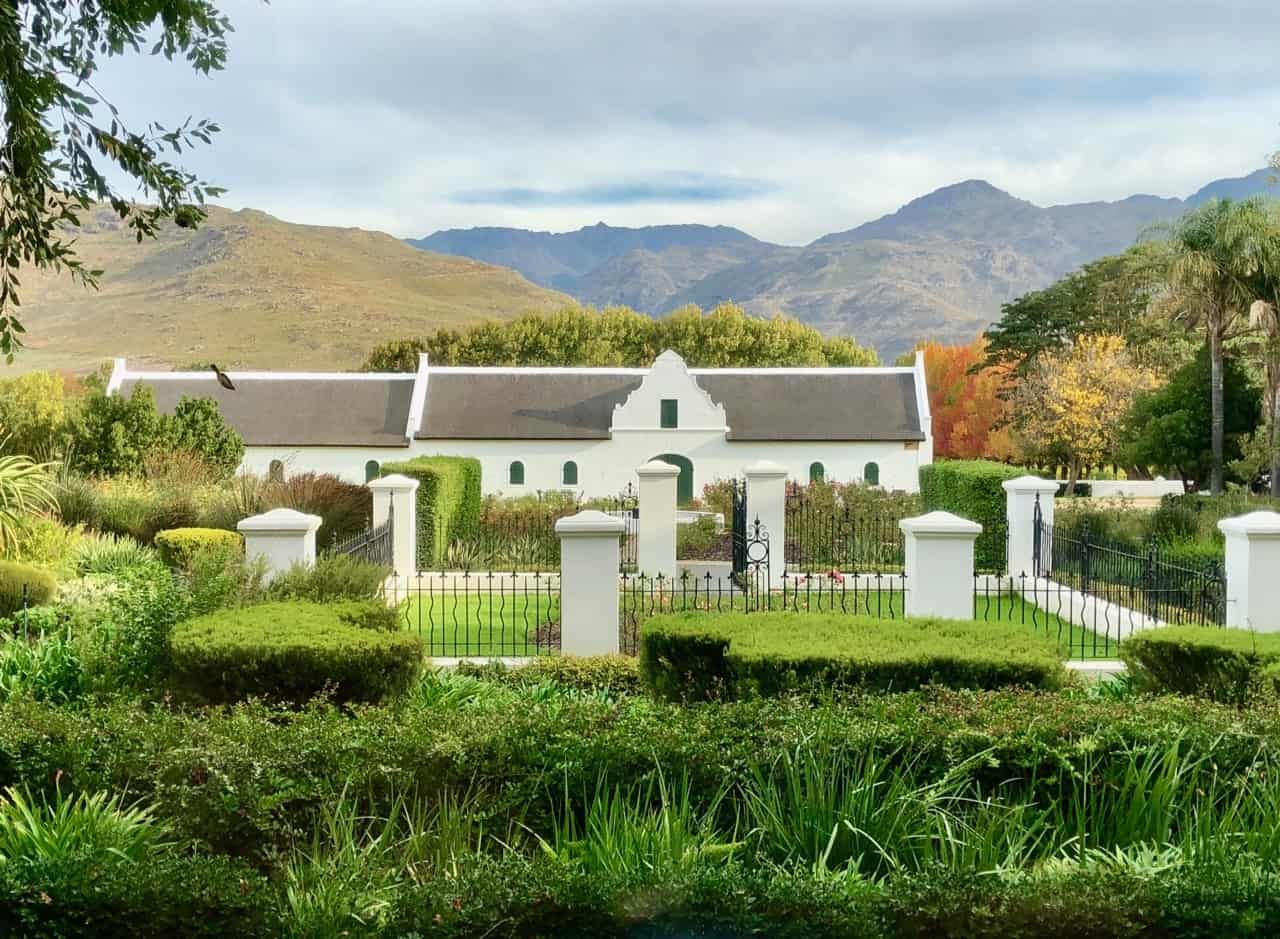
La Motte Wine Farm
Franschhoek, Stellenbosch
Bar in Stellenbosch, South Africa
 Book with Pearl
Why go
La Motte Wine Farm is a better fit for a daytime Stellenbosch wine-route plan than a late-night drinks brief. Choose it for a date, small celebration, or polished estate stop on the R45; cross-shop central Stellenbosch bars if flexibility and evening momentum matter more.
About La Motte Wine Farm
For Stellenbosch planning, La Motte Wine Farm is best treated as a daytime stop with confirmed daily hours, rather than a late-night option. The verified details are limited: it is in Stellenbosch, it is open 9 AM–5 PM every day, the dress code is smart casual.
The verdict: consider it if those confirmed basics fit your itinerary. If you need specifics on food, tastings, reservations, seating, or services, check the venue's official channels before making firm plans.
Better for a daytime plan than a late evening plan
La Motte Wine Farm's confirmed schedule makes it a clearer fit for a daytime visit than for an evening out. The smart-casual dress code also points to a more polished plan than a completely casual drop-in.
The trade-off is timing. This is not the right pick if the brief is a late dinner, after-hours drinks, or a night that can stretch without watching the clock. For that, compare other options such as Stellenbosch Wine Bar, Simon Wine Emporium, or Spek & Bone.
Who should put it on the shortlist
Planners should choose La Motte Wine Farm when the confirmed daily 9 AM–5 PM schedule and smart-casual dress code suit the day. It can be considered as one stop in a wider Stellenbosch plan, especially alongside a broader food plan from our full Stellenbosch restaurants guide.
If the day needs a tighter route, use our full Stellenbosch bars guide and keep hotel logistics separate with our full Stellenbosch hotels guide. For visitors building a wider itinerary, use a broader Stellenbosch planning layer.
Planning details
- Location
- R45, Franschhoek, 7691, South Africa
- Website
- la-motte.com
- Phone
- +27 21 876 8000
The take
The Take
The Vibe
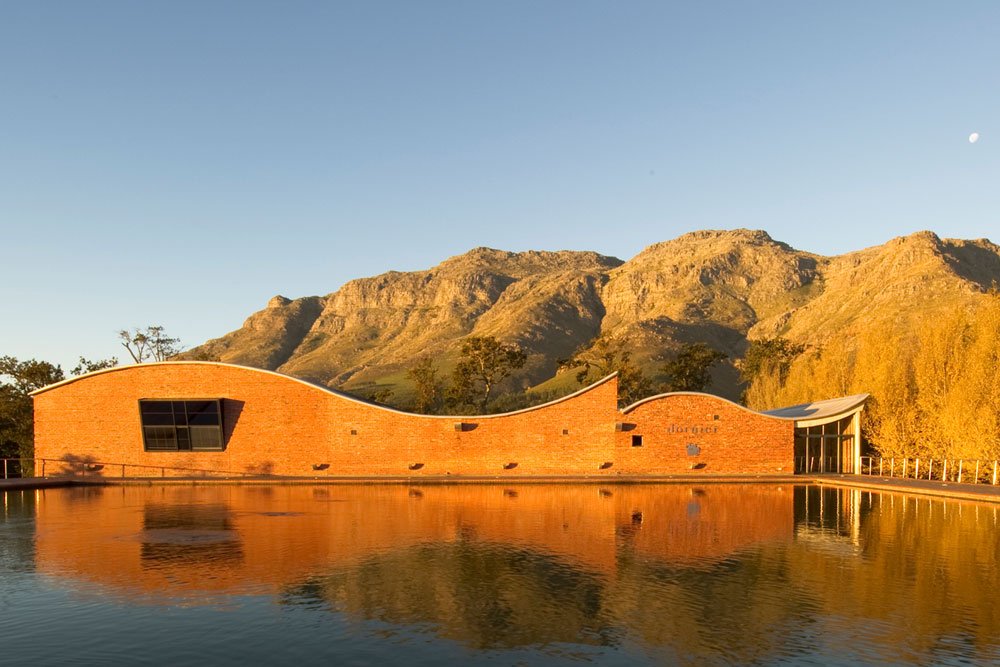
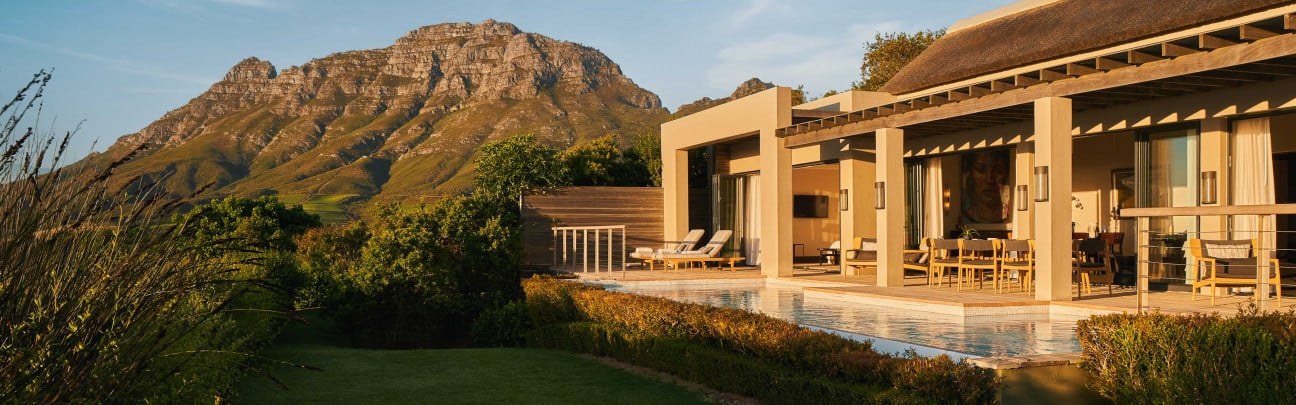
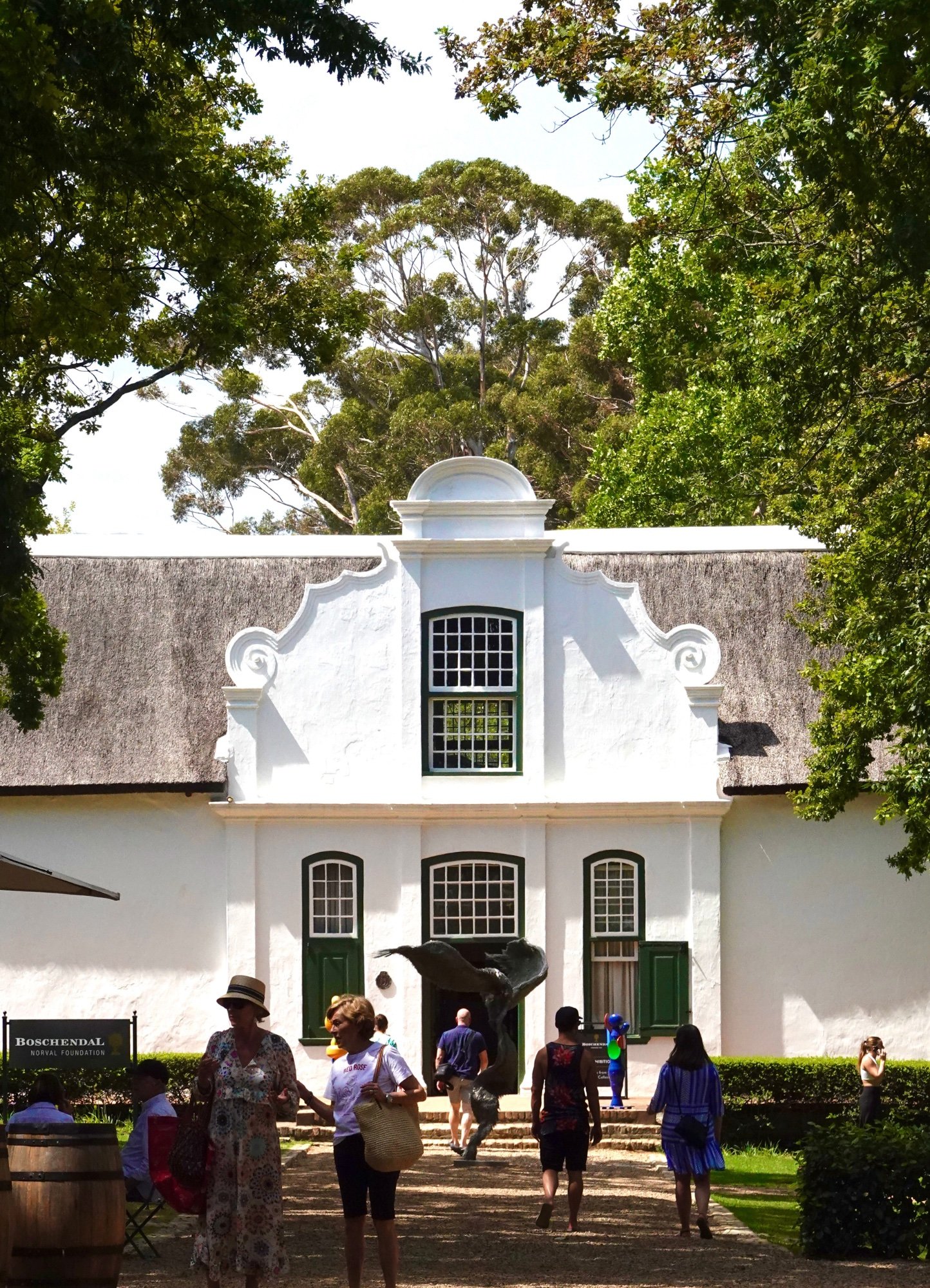
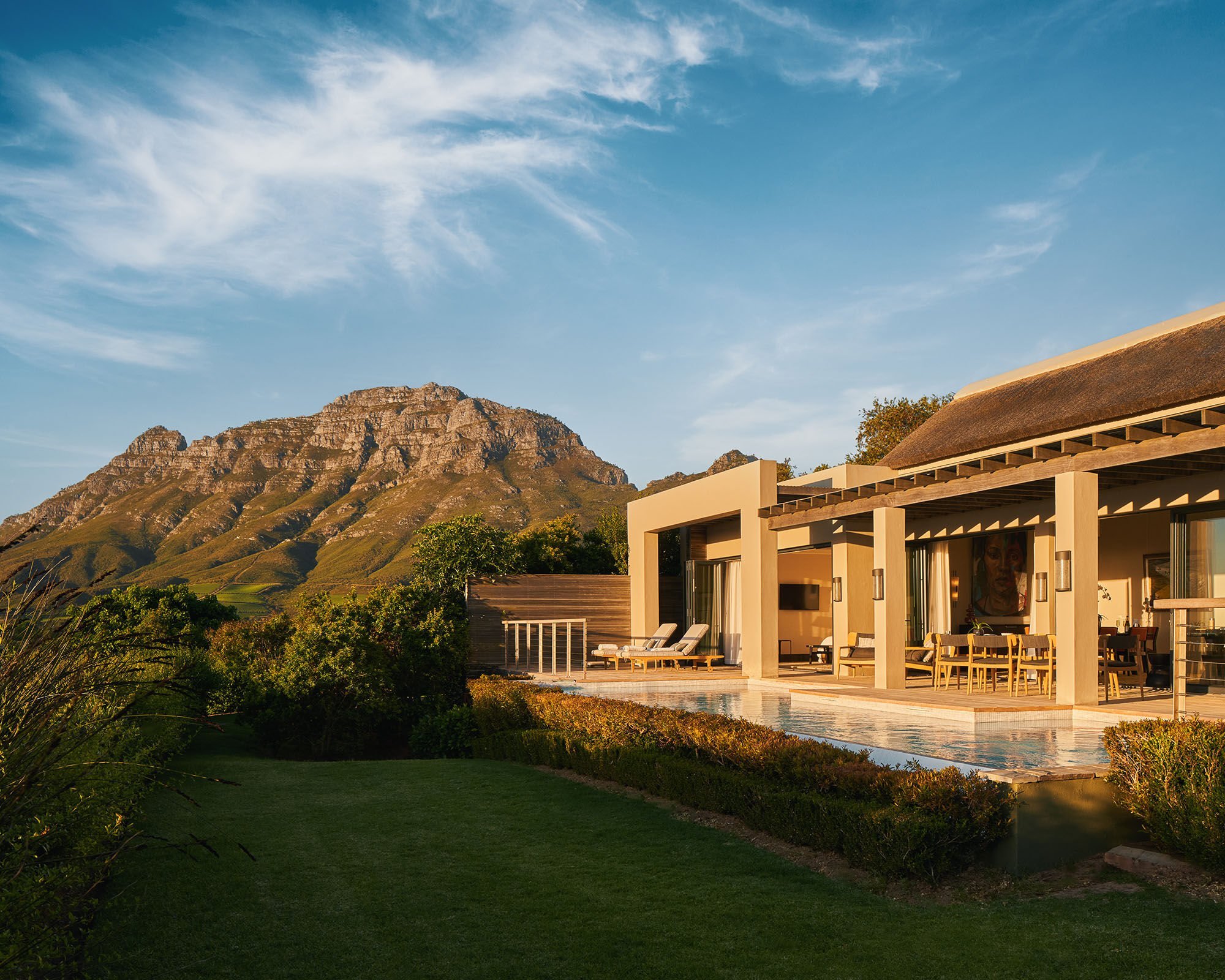
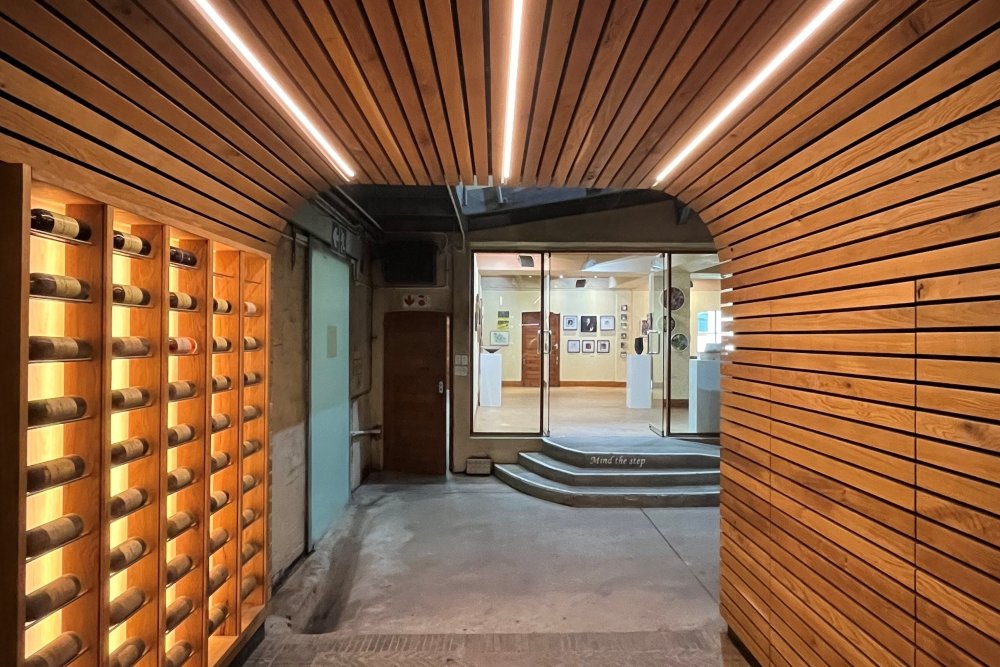
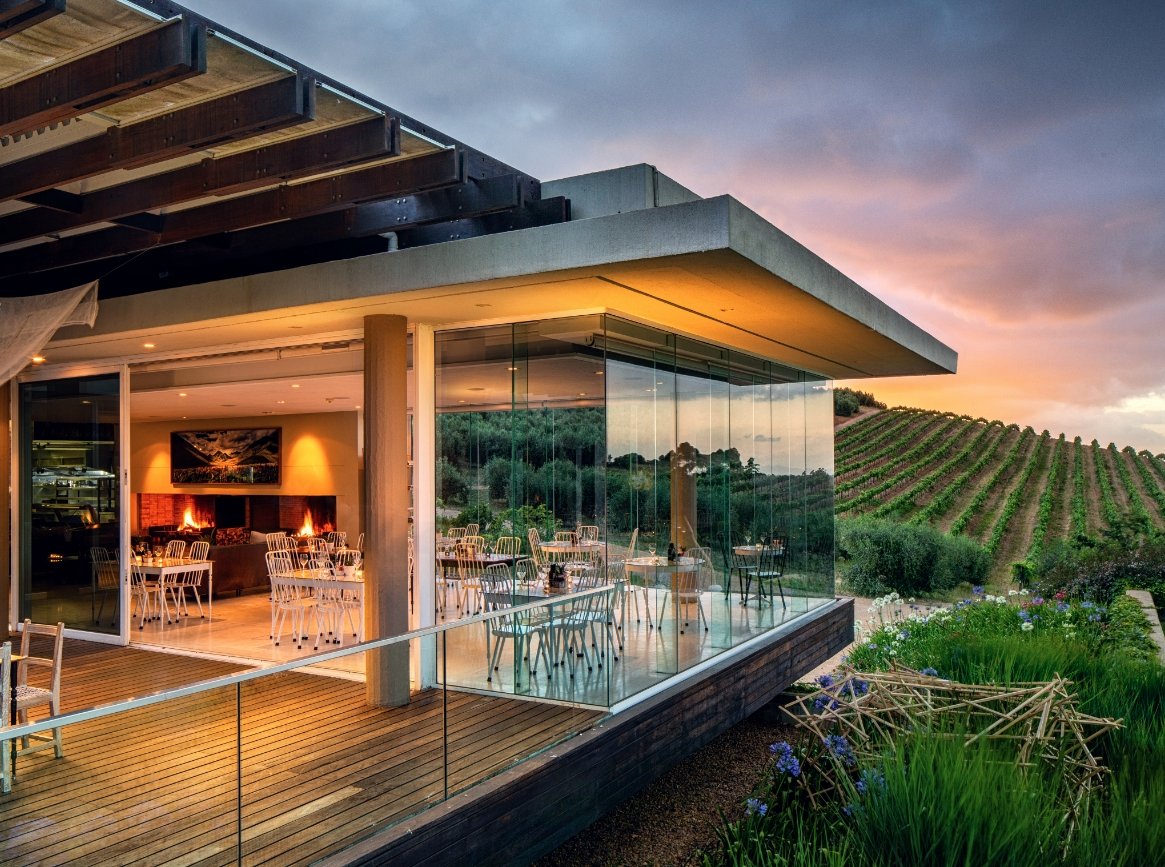
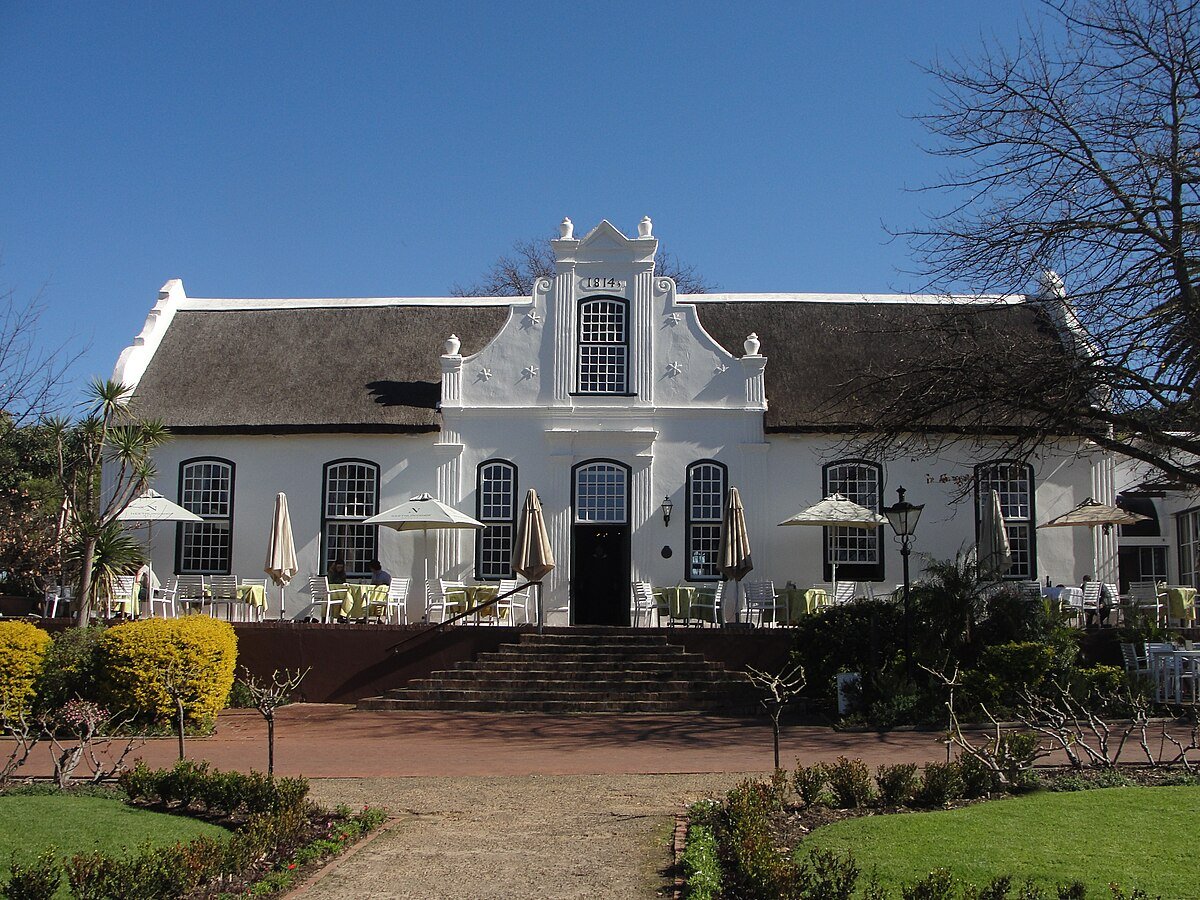
La Motte reads like a cultivated country estate where the landscape, cellar and cultural programming share equal billing. The copy presents an estate that has moved beyond brief cellar-door visits into a layered hospitality proposition: thoughtfully composed wines, art collections and heritage initiatives set against vineyard-dominated grounds. That combination gives La Motte a quietly authoritative, historic character—refined yet rooted in place—where visitors encounter a sense of tradition and curatorial intent rather than a single tasting-room moment.
Best For
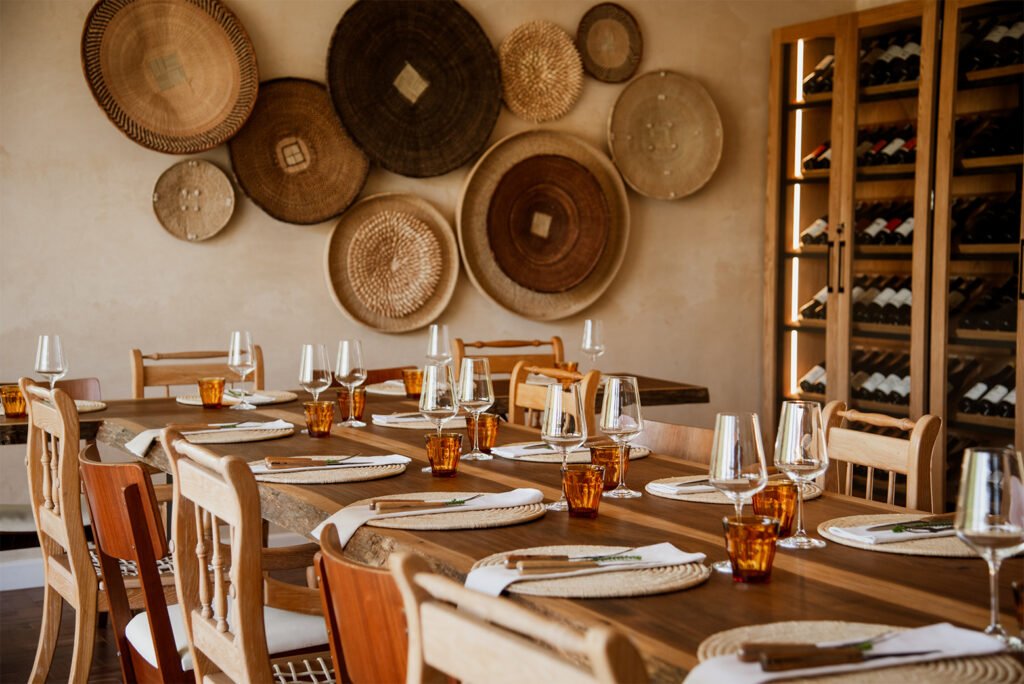
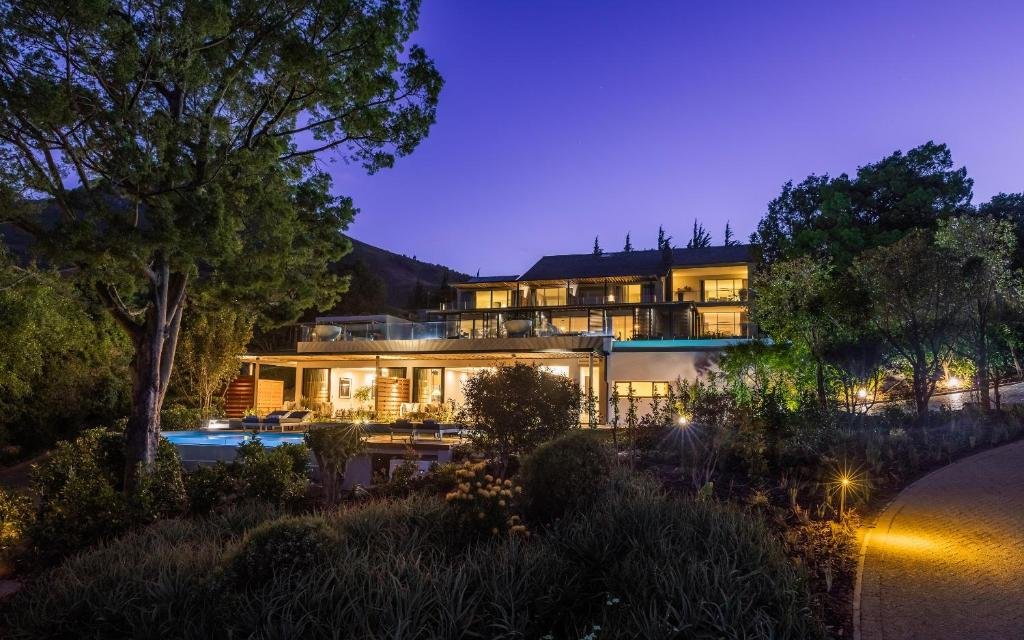
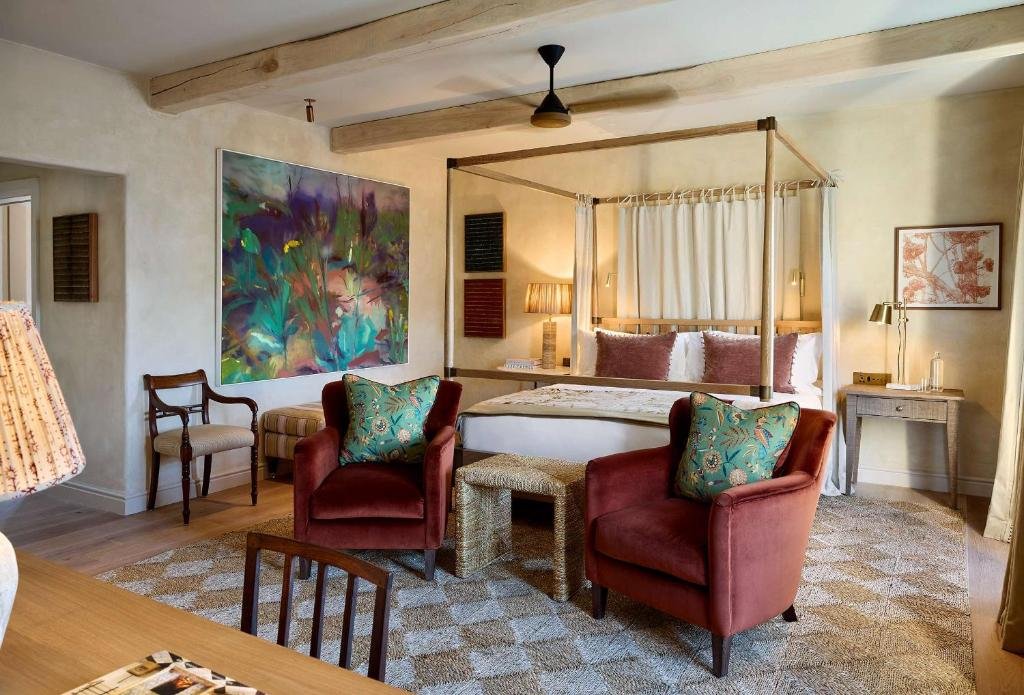
This estate rewards visitors who want more than a quick tasting—it is best suited to half-day or overnight visits focused on wine education and cultural discovery. La Motte’s restaurants, art collection and accommodation make it a natural fit for wine-focused learning, leisurely weekend escapes and celebrations that pair food and cellar experiences. Guests who appreciate estate narratives—the farm-to-glass story, heritage programming and vineyard exploration—find the property especially rewarding.
Ordering Tips
Plan ahead and set aside several hours: the estate’s programme is designed for a half-day or longer visit. Reserve restaurant seating and guided tastings where offered to ensure time with the cellar team, and allow space in the itinerary for the art and heritage elements on the grounds. If you’re moving between estates on the R45 corridor, treat La Motte as a destination rather than an incidental stop so you can fully sample its wines and on-site offerings.
Venue details
Ambiance
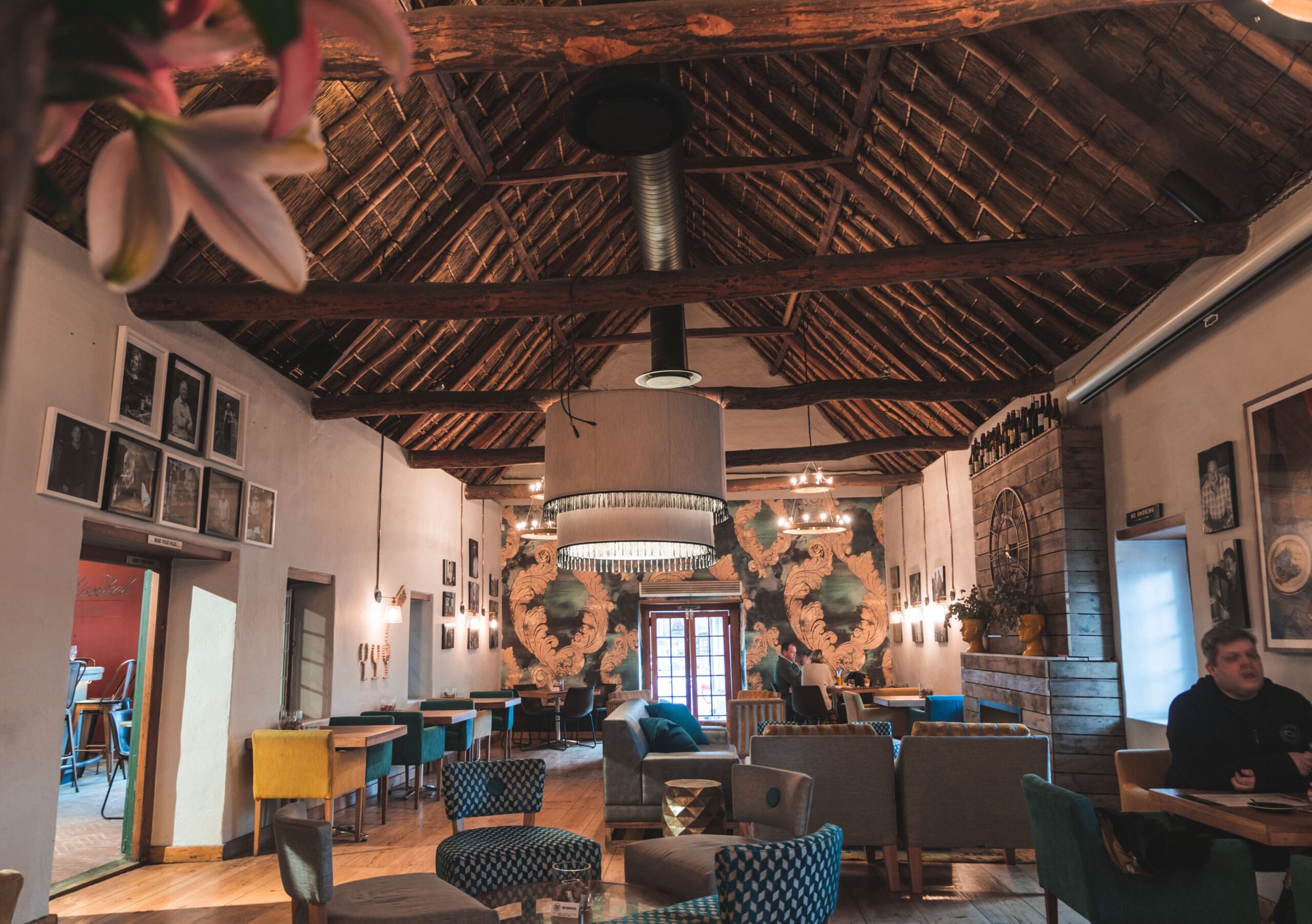
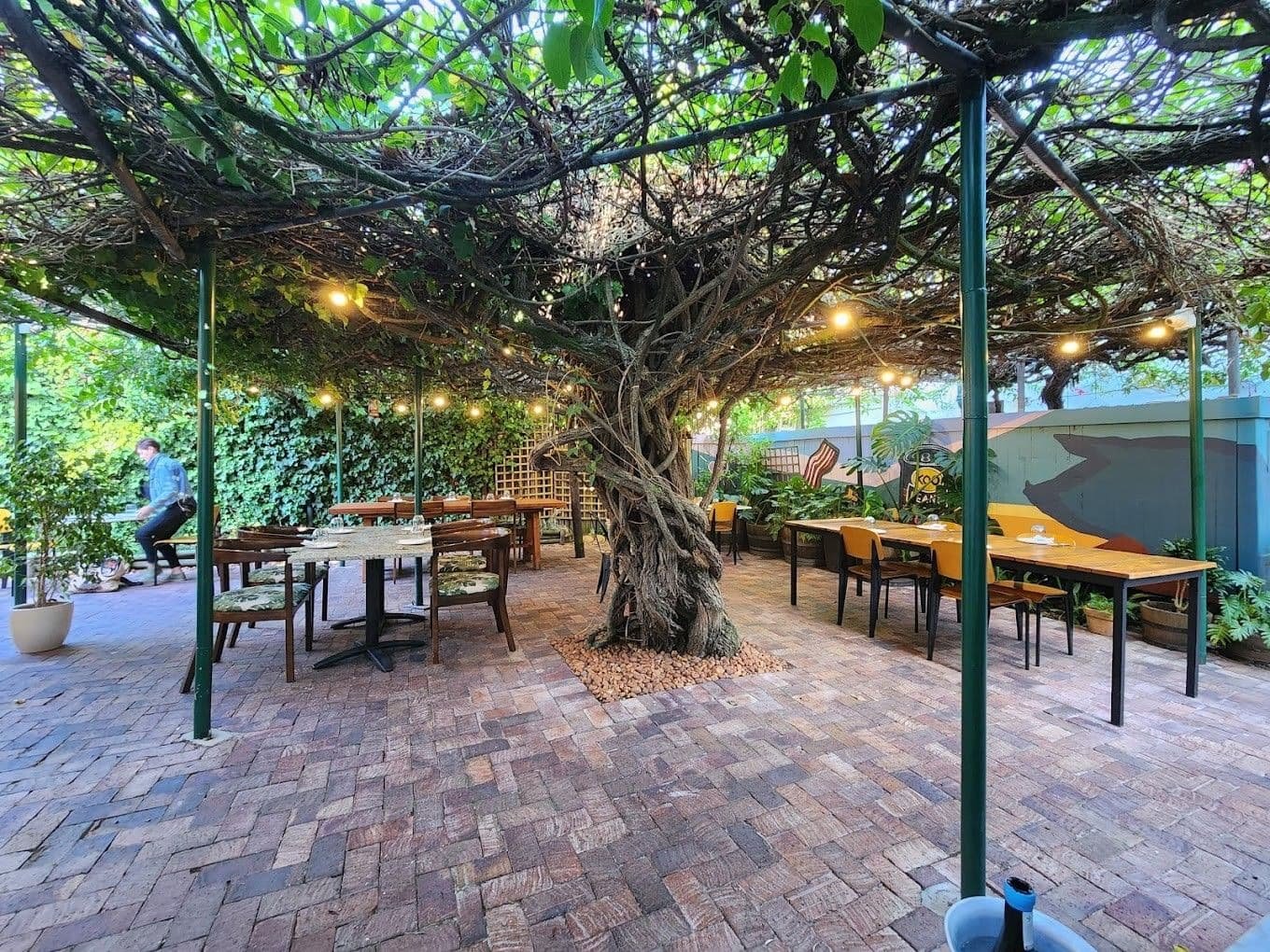
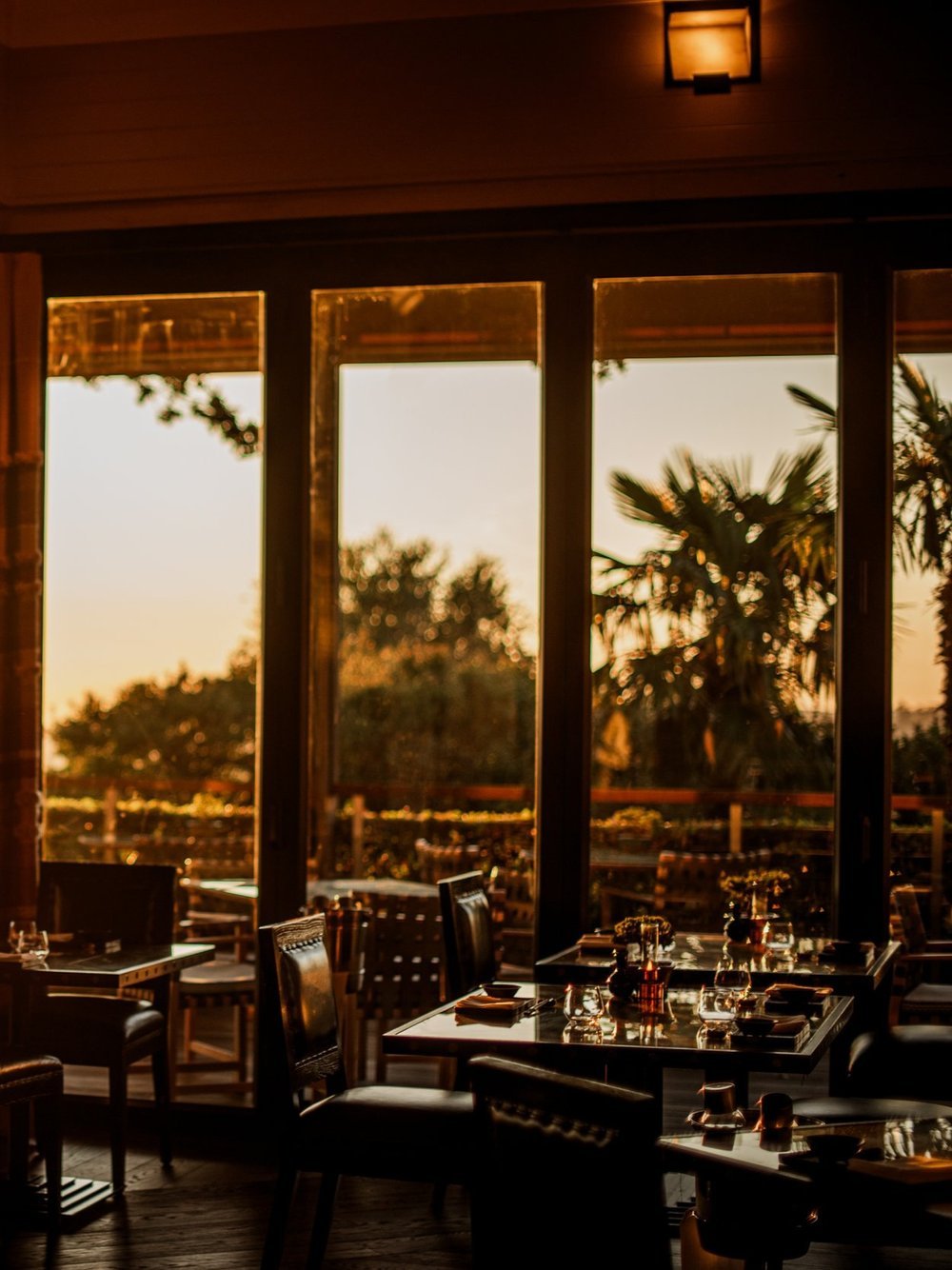
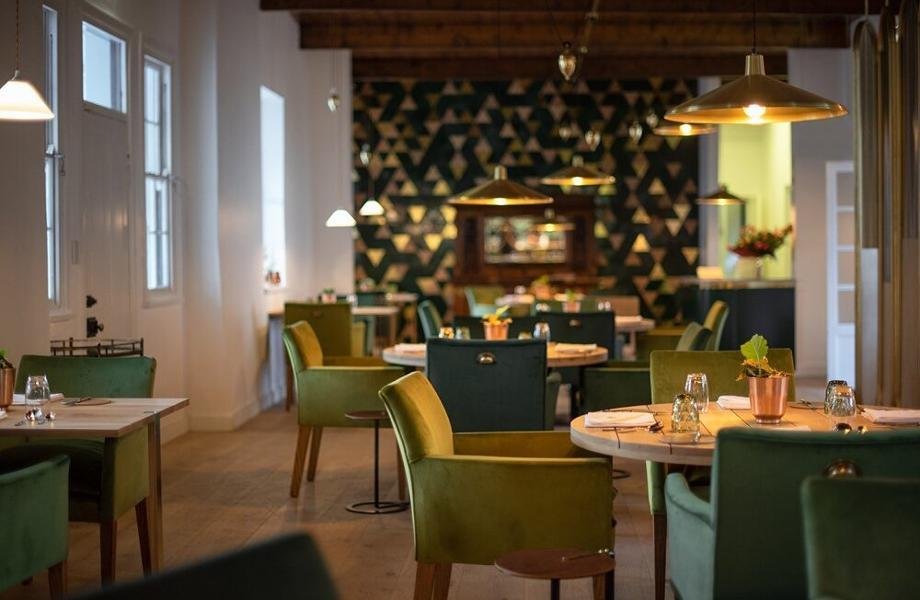
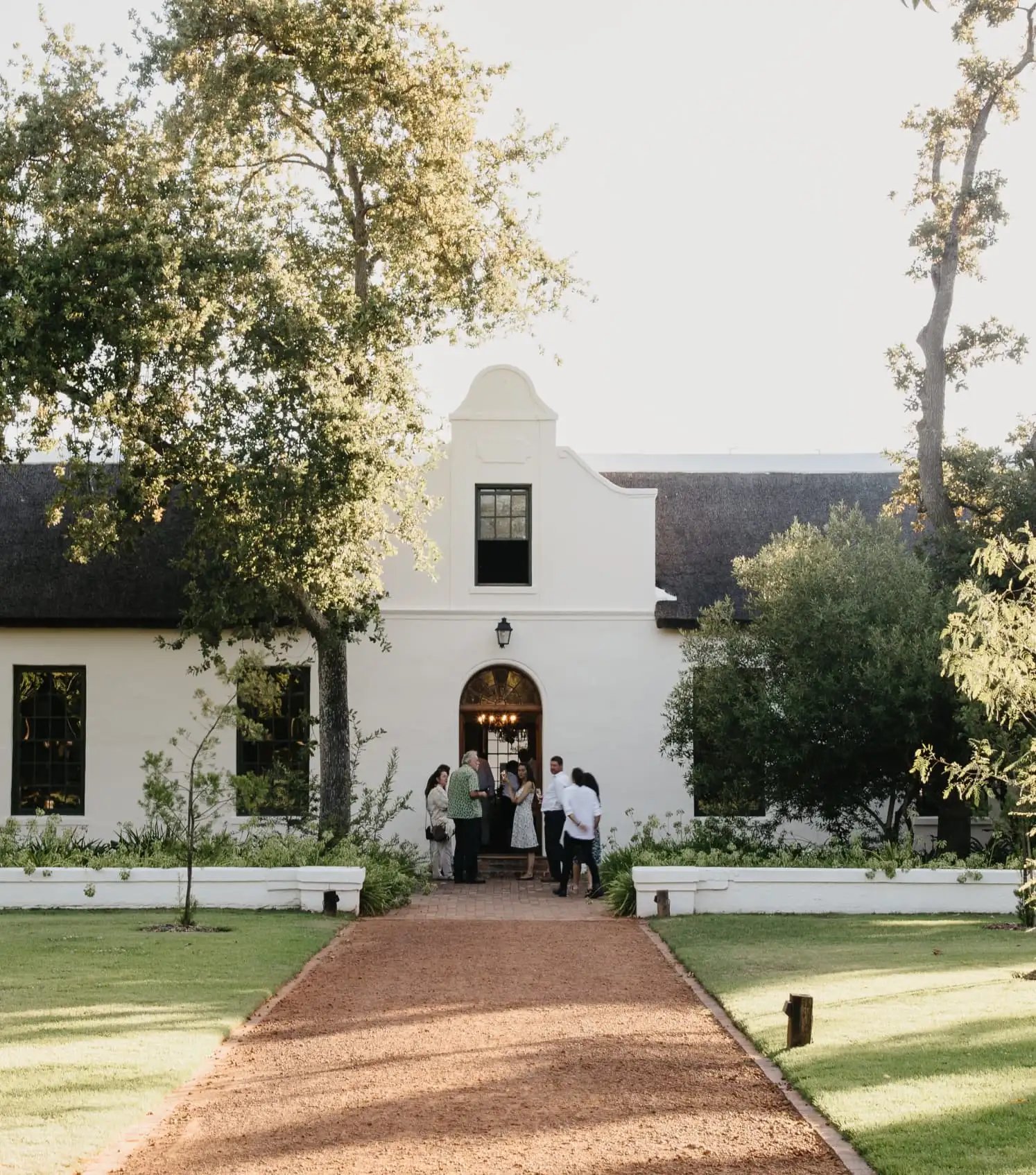
Serene and relaxed with immaculately maintained gardens, age-old oaks, and elegant historic interiors.
Tags
Vibe
Best For
Experience
Format
View
Accessibility
At the Bar
- Bar Category
- Wine Bar
- Late Night
- Closes by 10pm
- Music
- Classical
- Live Music
- Yes
Planning details
Location
Also consider
Also Consider
- Simon Wine Emporium, Notable alternative
- The Wine Glass, Notable alternative
- Stellenbosch Wine Bar, Notable alternative
- Spek & Bone, Notable alternative
- Dornier Wine Estate, Notable alternative
Bar context
How it compares in Stellenbosch
Choose La Motte Wine Farm when the goal is an estate-led wine-country stop with easier planning friction. Dornier Wine Estate is the closest peer in spirit, so the decision is less bar versus bar and more which estate better fits the route for the day.
For a town-centre wine-bar plan, Simon Wine Emporium, The Wine Glass, Stellenbosch Wine Bar are more practical if the group wants to stay flexible, move between venues, or avoid building the day around driving between estates.
Spek & Bone is the stronger cross-shop when food is the centre of the plan rather than the wine-farm setting. If the trip continues beyond Stellenbosch, keep city-bar references separate: Akra Bar in Cape Town, Aduna Bar in Johannesburg, ¡BE! Club in San Sebastián serve different occasions, not direct wine-route alternatives.
Around this place
Discover more on Pearl
Unlock the full La Motte Wine Farm guide in Pearl, including awards, comparisons, FAQs, planning details, and nearby places.
Compare La Motte Wine Farm
| Venue | Location | Awards |
|---|---|---|
| La Motte Wine Farm | Stellenbosch | No published awards |
| Simon Wine Emporium | Stellenbosch | No published awards |
| The Wine Glass | Stellenbosch | No published awards |
| Stellenbosch Wine Bar | Stellenbosch | No published awards |
| Spek & Bone | Stellenbosch | No published awards |
| Dornier Wine Estate | Stellenbosch | No published awards |
How La Motte Wine Farm Stellenbosch compares with similar nearby venues.
FAQ
Frequently Asked Questions
What's the crowd like at La Motte Wine Farm?
The verified hours point to a daytime visit rather than a late-night scene: La Motte Wine Farm is open 9 AM–5 PM every day in Stellenbosch. The confirmed dress code is smart casual. For comparison, Stellenbosch Wine Bar is worth considering.
Is La Motte Wine Farm good for a date?
It can fit a planned daytime date if the 9 AM–5 PM daily schedule and smart-casual dress code suit your plans. Specific details about food, seating, tastings, or special-occasion services are not verified here. For comparison, Spek & Bone is another option to consider.
Is La Motte Wine Farm good for groups?
It may work for groups that can plan around a daytime slot, since La Motte Wine Farm is open 9 AM–5 PM every day. Group booking requirements, seating arrangements, service details are not verified here, so confirm directly before committing. Simon Wine Emporium is another option to compare.
Is La Motte Wine Farm open late?
No. La Motte Wine Farm is open 9 AM–5 PM every day, so it is not a late-night option. If you want something later in the day, compare other options such as Stellenbosch Wine Bar.