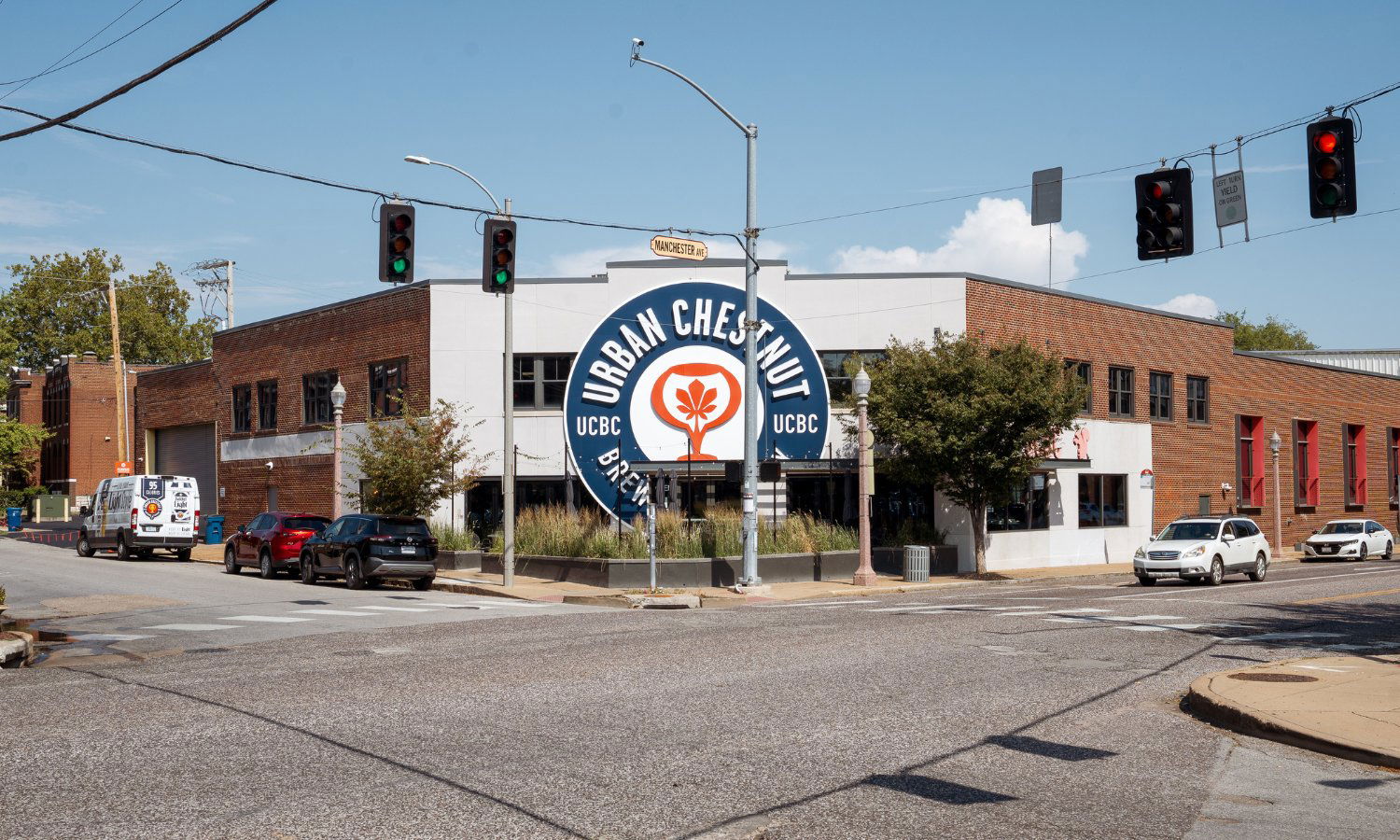
Urban Chestnut Grove Brewery and Bierhall
Forest Park Southeast, St Louis
Bar in St Louis, United States
 Book with Pearl
Why go
Urban Chestnut Grove Brewery and Bierhall is worth choosing for an easy St Louis beer night, especially with a group that wants space and a casual Grove setting. Skip it for a serious wine-by-the-glass plan or a quiet date, and look toward cocktail-led peers instead.
About Urban Chestnut Grove Brewery and Bierhall
Urban Chestnut Grove Brewery and Bierhall is a casual St Louis option with evening hours most days and earlier openings from Thursday through Sunday. The safest way to plan around it is simple: use the published schedule, keep the dress code casual, and plan ahead for menu, pricing, seating, or special services.
The right expectation is practical rather than formal. If the goal is to compare other options, look at The Vandy or Platypus. If the goal is an easygoing St Louis visit built around the venue's published hours and casual dress code, Urban Chestnut Grove Brewery and Bierhall remains a direct pick. For a broader browse, use Our full St Louis bars guide, then branch into Our full St Louis restaurants guide or Our full St Louis hotels guide if the night needs a fuller plan.
Pick it for a casual St Louis outing
The information supports a low-maintenance visit rather than a destination-dining claim. There is no award signal, chef detail, cuisine type, price range, or menu format here, so the decision should stay practical: go when the hours work for your group and when casual dress fits the occasion.
Within St Louis, Rockwell Beer Company, HandleBar, O'Connell's Pub, The Vandy, and Platypus are natural comparison points depending on the kind of night you want. Urban Chestnut Grove Brewery and Bierhall is best evaluated on its basics: St Louis location, casual dress code, and posted weekly hours.
Who should choose it next time
Choose it when you want a casual St Louis stop and the schedule lines up: Monday through Wednesday from 3–10 PM, Thursday from 11 AM–10 PM, Friday and Saturday from 11 AM–12 AM, and Sunday from 12–9 PM. Check directly with the venue about food, service style, outdoor seating, takeout, reservations, or special promotions before you go.
Planning details
- Location
- 4465 Manchester Ave, St. Louis, MO 63110
- Website
- urbanchestnut.com
- Phone
- +1 314 222 0143
The take
The Take
The Vibe
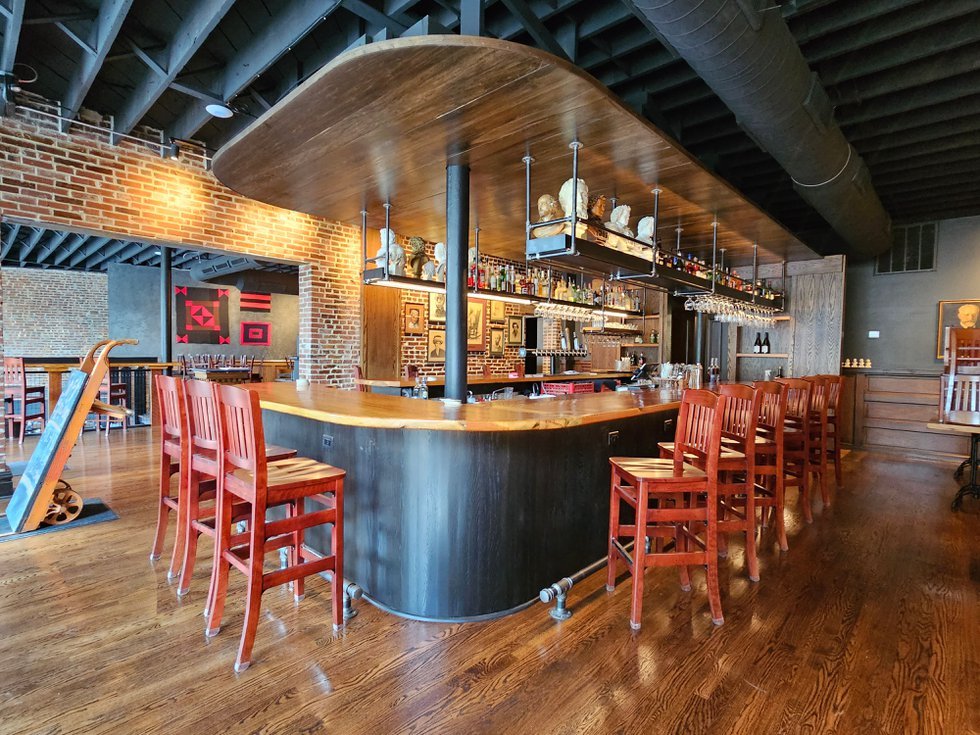
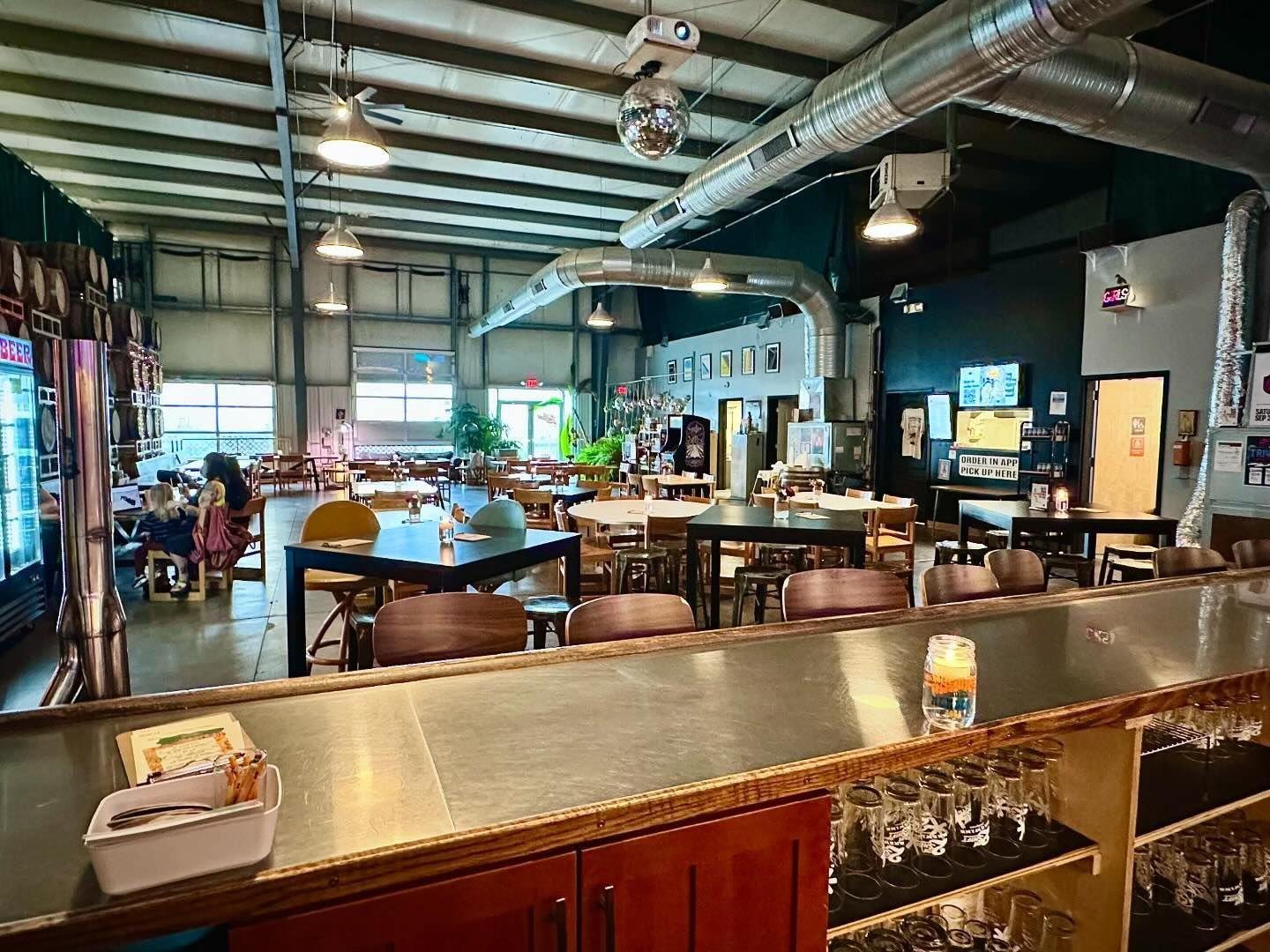
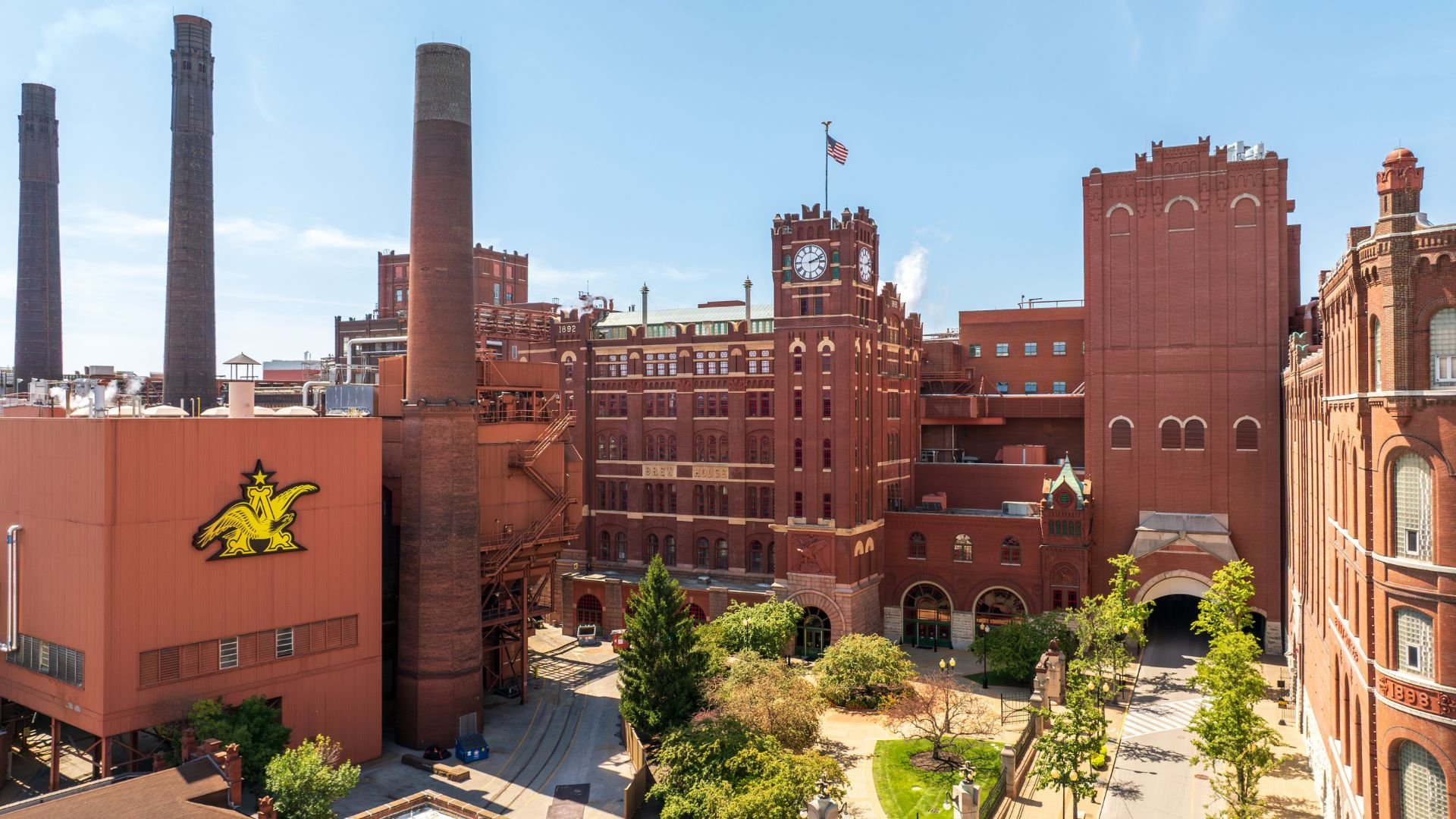
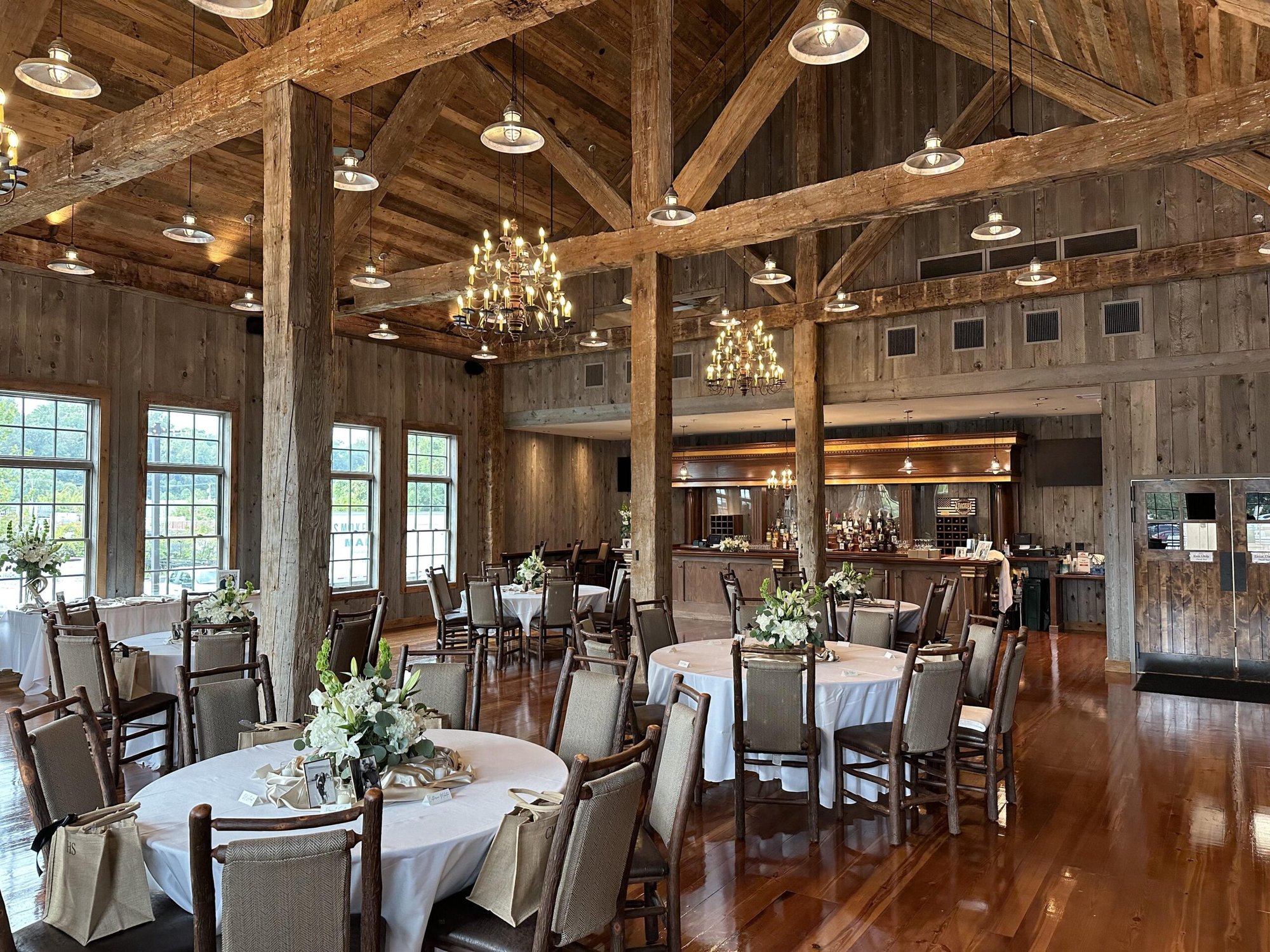
Urban Chestnut Grove Brewery and Bierhall leans into a beer-first identity inside a repurposed industrial building. High ceilings, long communal tables and the low hum of fermentation tanks create a room where the brewery is literally part of the experience. The bierhall format keeps things unfussy and social: conversations move laterally across long tables, and the space reads as both workmanlike and convivial. A deliberate nod to German brewing tradition threads through the atmosphere, so the place feels rooted in classic lager culture even as it plugs into the Grove’s energetic evening life.
Best For
This is a place built for groups and social evenings: the communal seating encourages merging conversations and makes it easy to join a larger party. Weekday afternoons quiet down and let natural light cross the main floor, while early evenings accentuate the neighborhood’s neon and bring a livelier social temperature. It’s a natural stop for after-work drinks, casual hangouts and small celebrations where beer is the shared focus. The format suits shifting rhythms—calmer daytime visits and more animated early-night gatherings—rather than formal, reservation-only meals.
Ordering Tips
Order this place by leaning into what it makes best: lagers and lager-adjacent styles. The brewery explicitly references Kölsch, Märzen and Hefeweizen, so sampling those styles gives a clear sense of Urban Chestnut’s approach and how it positions itself relative to broader American craft trends. Because the brewing operation is visible in the room, ask staff about the tanks and which fresh-house offerings showcase their interpretation of those German styles. Expect straightforward, process-driven pours rather than highly embellished one-off beers.
Venue details
Ambiance
Spacious industrial hall with long communal tables, lively social atmosphere, and good vibes enhanced by recent multimedia and sound system upgrades.
Tags
Vibe
Best For
Experience
Format
Accessibility
At the Bar
- Bar Category
- Beer Bar
- Late Night
- Closes by Midnight
Know before you go
Know Before You Go
- Getting there
- 4465 Manchester Ave, St. Louis, MO 63110
Planning details
Location
Also consider
Also Consider
- Platypus, Notable alternative
- Rockwell Beer Company, Notable alternative
- The Vandy, Notable alternative
- HandleBar, Notable alternative
- O'Connell's Pub, Notable alternative
Bar context
How it compares in St Louis
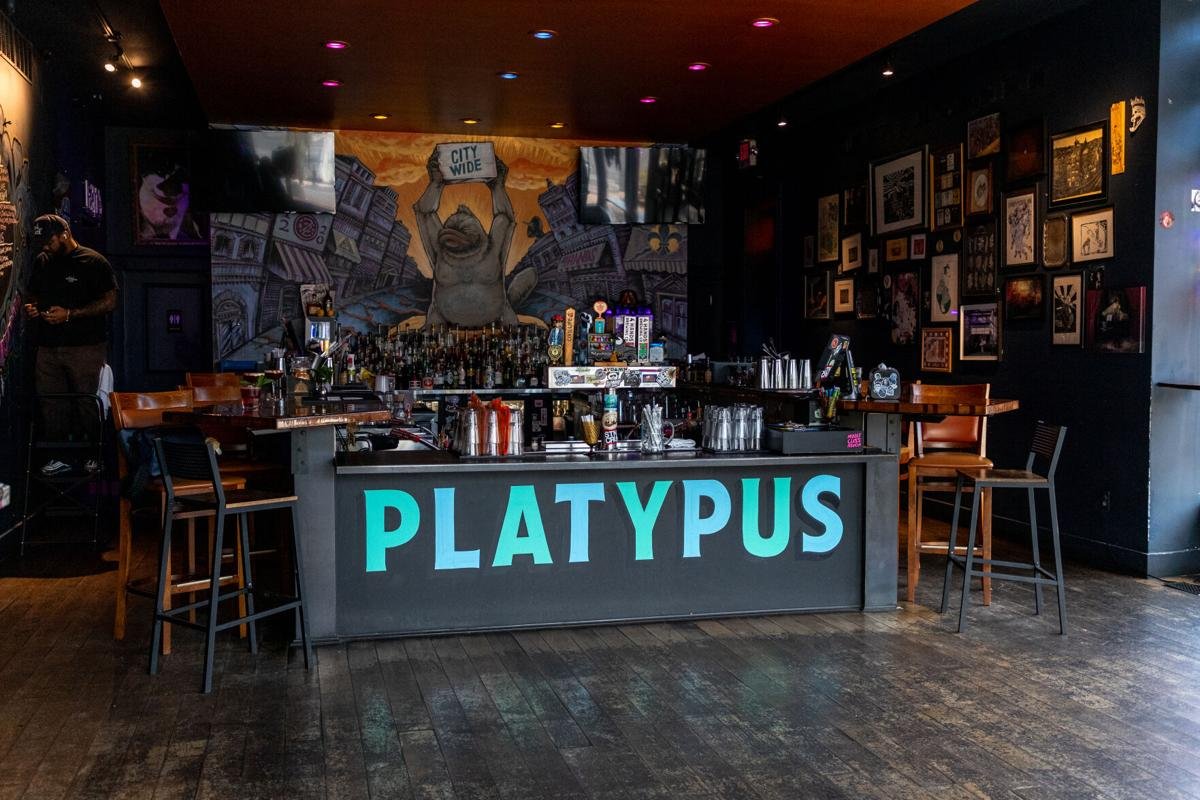
Urban Chestnut Grove Brewery and Bierhall is the practical pick when beer and room energy matter more than cocktail precision. Rockwell Beer Company is the closest cross-shop for a brewery-led night, while Platypus is a better fit when the group wants a bar with more drinks-program intent than bierhall atmosphere.
For date-night drinking, The Vandy is the stronger call because the format reads more focused and less group-driven. For a looser neighborhood-bar night, HandleBar is easier to treat as a casual stop, while O'Connell's Pub makes more sense when the brief is pub comfort rather than brewery scale.
On booking difficulty, this is an easy choice compared with more occasion-led bars: better for spontaneous plans, less suited to a polished celebration. Pick it for value through flexibility and space; pick Platypus or The Vandy when the drinks list is the point of the night.
Explore St Louis
Around this place
Discover more on Pearl
Unlock the full Urban Chestnut Grove Brewery and Bierhall guide in Pearl, including awards, comparisons, FAQs, planning details, and nearby places.
Compare Urban Chestnut Grove Brewery and Bierhall
| Venue | Location | Awards |
|---|---|---|
| Urban Chestnut Grove Brewery and Bierhall | St Louis | No published awards |
| Platypus | St Louis | No published awards |
| Rockwell Beer Company | St Louis | No published awards |
| The Vandy | St Louis | No published awards |
| HandleBar | St Louis | No published awards |
| O'Connell's Pub | St Louis | No published awards |
How Urban Chestnut Grove Brewery and Bierhall compares with similar nearby venues.
FAQ
Frequently Asked Questions
Does Urban Chestnut Grove Brewery and Bierhall have happy hour deals?
The confirmed schedule is Monday through Wednesday from 3–10 PM, Thursday from 11 AM–10 PM, Friday and Saturday from 11 AM–12 AM, and Sunday from 12–9 PM.
Is Urban Chestnut Grove Brewery and Bierhall good for groups?
It may work for a casual group outing, but specific seating capacity and group policies are not available here. For a larger party, confirm directly with the venue before you go.
Is Urban Chestnut Grove Brewery and Bierhall good for a date?
It can make sense for a casual date, especially if you want an easygoing St Louis stop. If you want to compare the mood with other options, consider The Vandy, Platypus, O'Connell's Pub, HandleBar, or Rockwell Beer Company.
Does Urban Chestnut Grove Brewery and Bierhall have outdoor seating?
Outdoor seating is not available here. The location is St Louis, and the operating hours should be checked against your planned visit time.
What's the crowd like at Urban Chestnut Grove Brewery and Bierhall?
The dress code is casual, but specific crowd descriptions are not available here. Plan for a casual St Louis visit and check current venue information if atmosphere is important to your decision.