
Ida
가회동, Seoul
Bar in Seoul, South Korea
 Book with Pearl
The Read
Price
$30–50per person
Why go
Ida is worth considering when wine credibility is the priority, with 2026 Star Wine List recognition giving it a stronger case than a typical casual bar. Treat it as a Jongno drinks stop first, not a guaranteed dinner destination, since verified cuisine, price, and seating details are thin.
About Ida
Star Wine List recognition in 2026 is the clearest reason to put Ida on a Seoul shortlist. The available details support planning around its confirmed hours, smart casual dress code, and wine-related recognition, while leaving other specifics open.
Use Ida as a flexible Seoul stop rather than a venue to judge by details. Cuisine type, menu specifics, price range, seating format, and service style are not listed here, so treat those as questions to confirm directly with the venue before building a full evening around them.
Choose it for wine recognition, not a guaranteed dinner plan
The recommendation is simple: go with the confirmed Star Wine List (2026) recognition in mind, then decide on any food ordering once you have current details from the venue. There is no cuisine style or named dish here to support treating the kitchen as the main event. If the night needs a dependable full meal, start with Our full Seoul restaurants guide and consider Ida as one possible stop in the wider plan.
For a date, the strongest case is practical: Ida has both afternoon and evening opening windows, and the dress code is smart casual. Confirm any details that matter to your plan before arriving. For a broader search, compare it with Our full Seoul bars guide, or consider other options such as The Edge, Ace 4 club, Gong-Gan, Tabacchi, and other venues.
How to use it on a second visit to Seoul
For someone who has been to Seoul before, the smarter move is to place Ida as one part of the day rather than crossing town solely for an food program. The listed schedule is broad: Monday through Friday, 12–3 PM and 5–10 PM; Saturday and Sunday, 12–10 PM. That makes it workable for an afternoon visit, an evening stop, or a weekend plan. If the group is larger, confirm seating and booking details with the venue's own channels.
Travel planning around Seoul is easier if Ida is one piece of the night rather than the entire itinerary. Pair it with restaurant research, then decide whether to keep the evening nearby or move elsewhere in the city. For wider trip planning, use Our full Seoul hotels guide, Our full Seoul wineries guide, and Our full Seoul experiences guide. If the search is simply for more options, compare the mood against The Edge, Ace 4 club, Gong Gan, Tabacchi, or other dining and drinking rooms.
Planning details
- Location
- 153 Seosulla-gil, Gwonnong-dong, Jongno District, Seoul, South Korea
- Phone
- +82 2 744-3979
The take
The Take
The Vibe
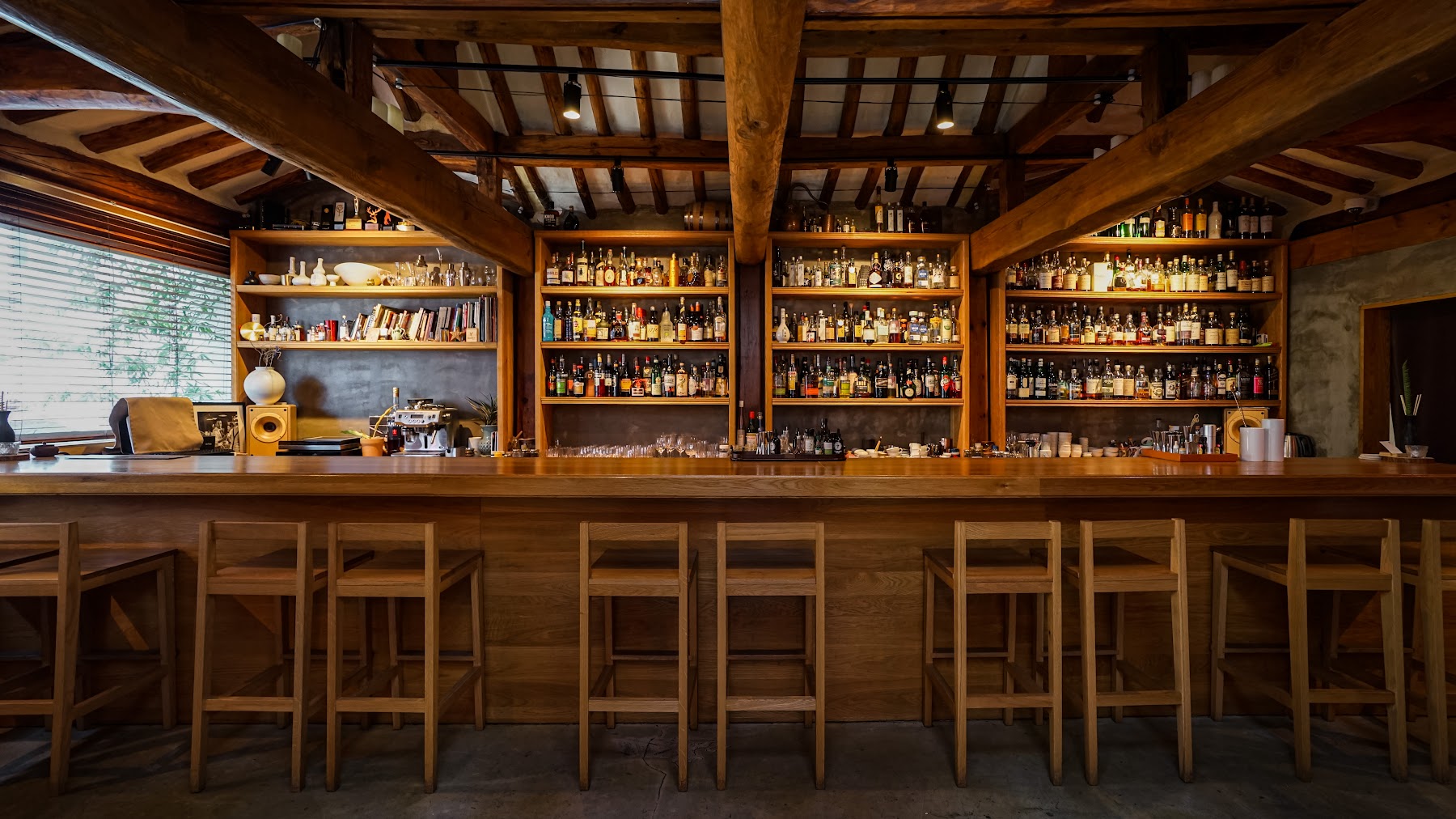
Ida anchors itself in Jongno’s quieter, historic quarter, sitting just off the walls of Changgyeonggung Palace. The neighbourhood’s stone walls and ginkgo-lined lanes set a restrained tone that the bar amplifies: this is a place that asks visitors to slow down rather than perform. Rather than chasing cocktail theatrics, Ida stakes a deliberate claim as a natural-wine destination, pairing a sophisticated, low-key sensibility with the kind of historic streetscape that makes the experience feel more considered than trendy. The overall mood is quietly refined, rooted in place and oriented toward conversation.
Best For
Ida suits evening visits where the focus is on wine and conversation — think date nights and relaxed catch-ups with friends who appreciate low-intervention bottles. Its location and temperament also appeal to anyone seeking a more measured, late-afternoon or evening wine experience away from Gangnam’s after-work bustle. Because the bar foregrounds natural wine and a quieter setting, it’s well matched to solo diners who want to linger over a bottle and to small groups who prefer intimate, seated evenings rather than loud, energetic nights out.
Ordering Tips
The list leans into natural, low-intervention wines, so expect bottles that can be volatile, funky, or texturally distinct. Skip looking for flashy signature cocktails — the programme is wine-forward — and ask staff for guidance if you’re unsure; the description emphasizes a serious natural-wine focus, so the team is likely attuned to matching bottles to tastes. Be ready to embrace unconventional flavours, order by the bottle if you’re sharing, and let the staff steer you toward approachable entries if you’re new to natural wine.
Venue details
Ambiance
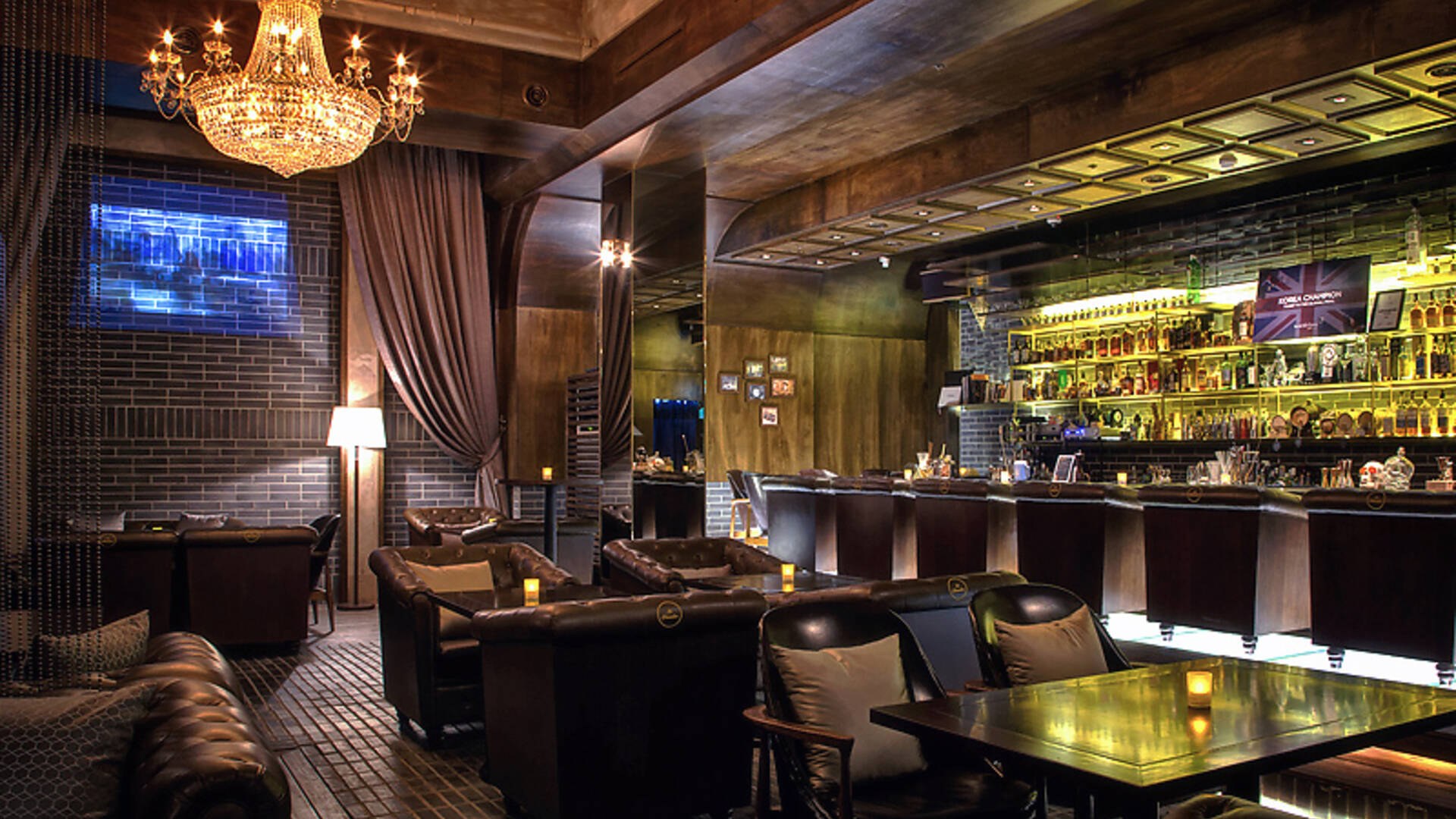
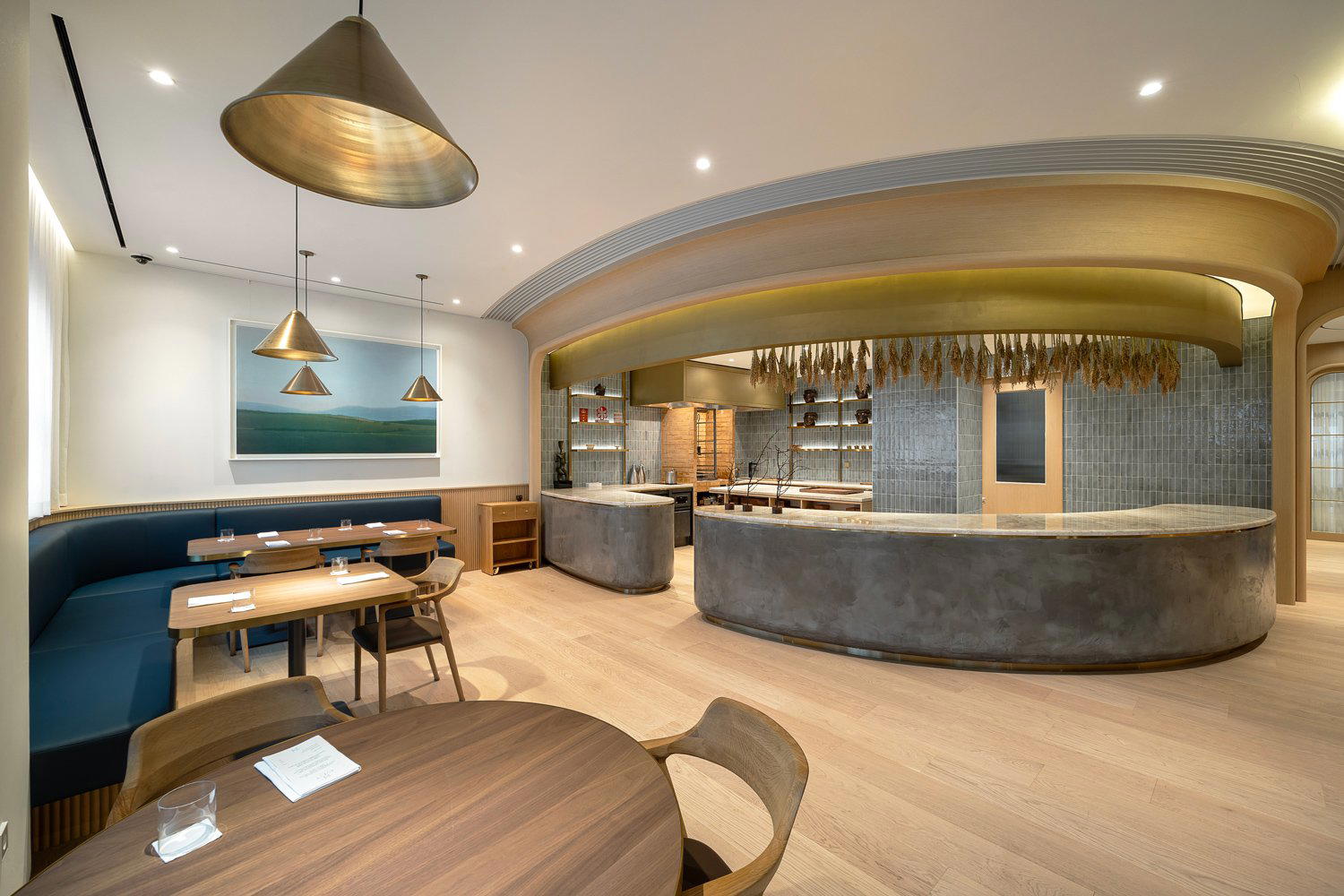
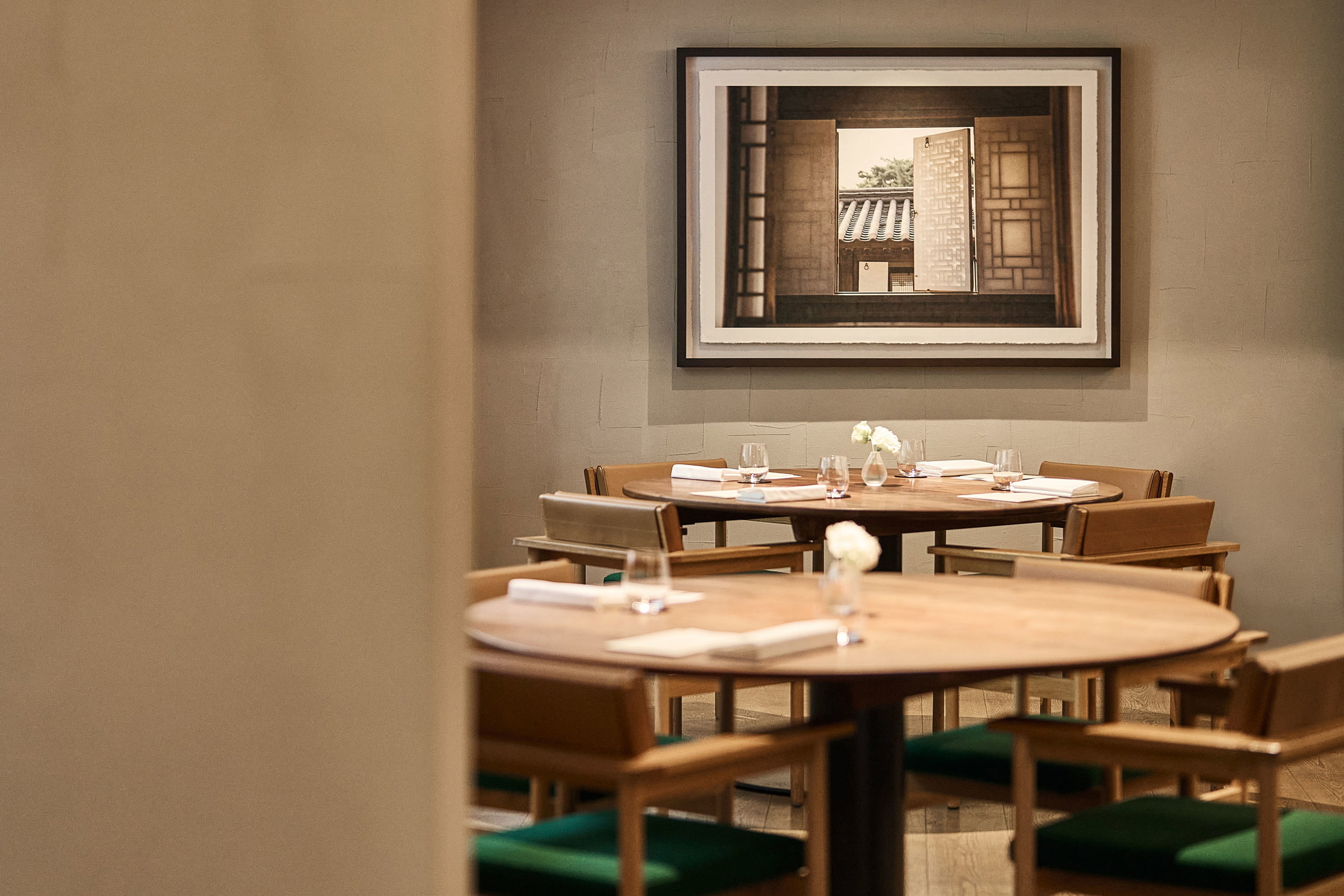
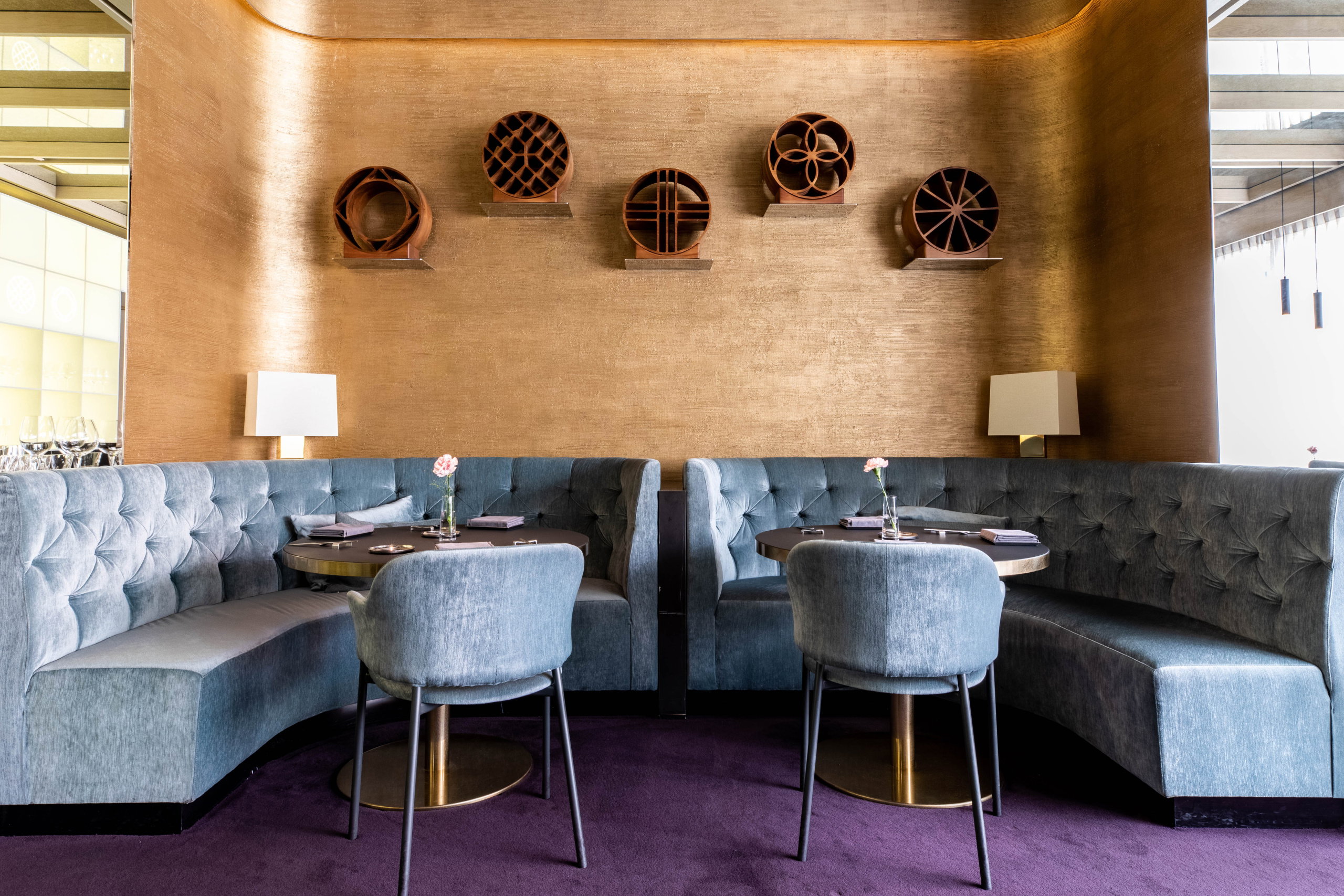
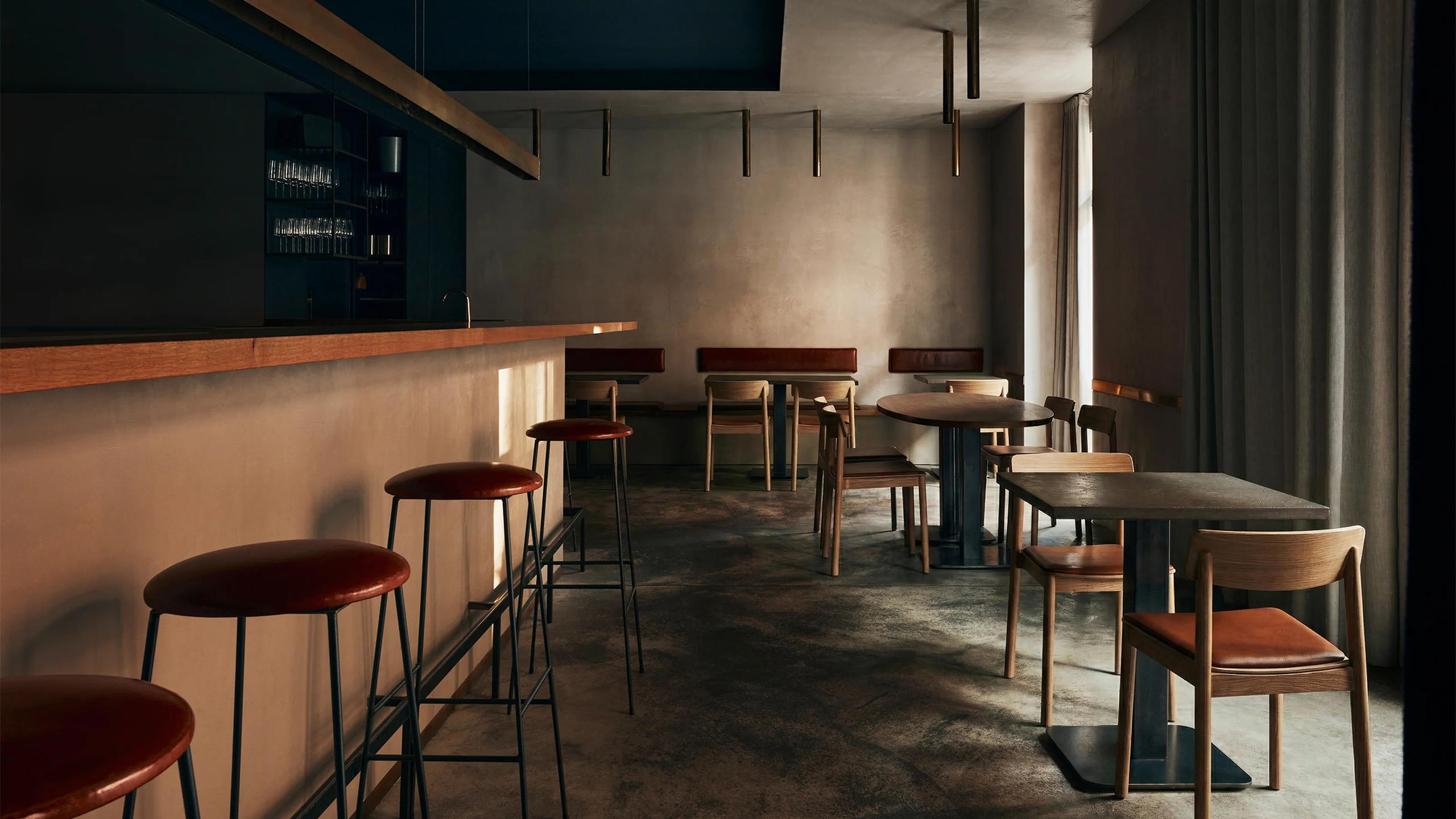
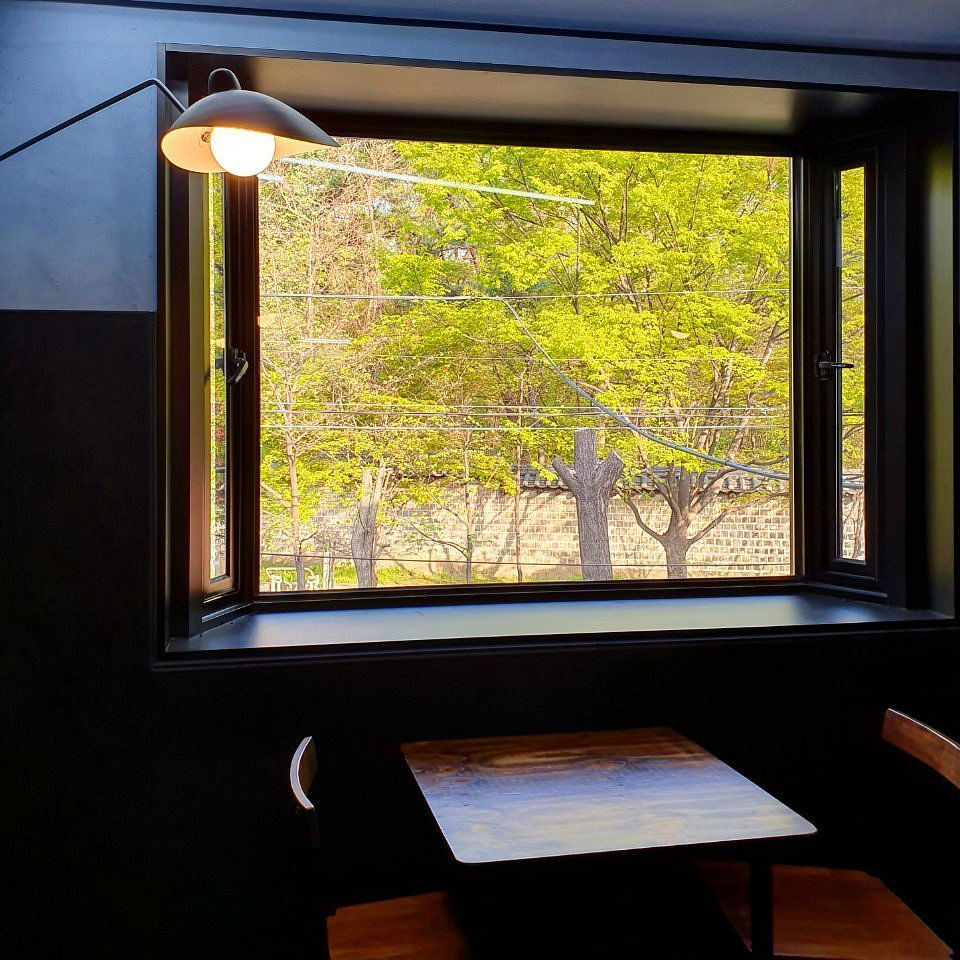
Quaint and cozy with natural lighting, clean Scandinavian style, diffusers for pleasant scent, and a traditional Korean wall view from the second floor.
Tags
Vibe
Best For
Experience
Format
View
At the Bar
- Bar Category
- Wine Bar
- Late Night
- Closes by Midnight
Know before you go
Know Before You Go
- Getting there
- 153 Seosulla-gil, Gwonnong-dong, Jongno District, Seoul, South Korea
Planning details
Location
153 Seosulla-gil, Gwonnong-dong, Jongno District, Seoul, South Korea · Directions
Recognition and awards

Also consider
Also Consider
- Gong Gan, Notable alternative
- Gong-Gan, Notable alternative
- Ace 4 club, Notable alternative
- Tabacchi, Notable alternative
- The Edge, Notable alternative
Bar context
How Ida compares in Seoul
Pick Ida if wine-list credibility is the deciding factor. Its 2026 Star Wine List recognition gives it a clearer signal than Ace 4 club, Tabacchi, or The Edge when the plan is a focused drink rather than a louder bar stop.
Gong Gan and Gong-Gan are the closer cross-shops if the night needs another Seoul bar option with a similar search profile. Ida is the safer choice for wine-led ordering; choose the others when location, availability, or a different room feel matters more than a listed wine credential.
On value, there is no published price range here, so do not assume bargain territory. The practical move is to use Ida for one or two considered rounds, then compare spend and mood against Tabacchi or The Edge if the group wants to keep moving.
Explore Seoul
Around this place
Discover more on Pearl
Unlock the full Ida guide in Pearl, including awards, comparisons, FAQs, planning details, and nearby places.
Compare Ida
| Venue | Location | Awards |
|---|---|---|
| Ida | Seoul | Star Wine Lists 2026 |
| Gong Gan | Seoul | 2026 Asia's 50 Best Bars 51-100 · #742025 Asia's 50 Best Bars · #63Top 500 Bars 2025 · #458Tatler Best Bars Asia-Pacific 20252024 Asia's 50 Best Bars · #89 |
| Gong-Gan | Seoul | 2026 Asia's 50 Best Bars 51-100 · #742025 Asia's 50 Best Bars · #63Top 500 Bars 2025 · #458Tatler Best Bars Asia-Pacific 20252024 Asia's 50 Best Bars · #89 |
| Ace 4 club | Seoul | No published awards |
| Tabacchi | Seoul | No published awards |
| The Edge | Seoul | No published awards |



How Ida Seoul compares with similar nearby venues.
FAQ
Frequently Asked Questions
Is Ida good for a date?
It can be, if the plan fits the details. Ida has Star Wine List (2026) recognition, smart casual dress code, and opening hours that cover afternoon and evening windows. For a more food-led date, confirm the current menu and dining format directly with the venue before booking.
Does Ida have outdoor seating?
Outdoor seating is not here. The confirmed details are that Ida is in Seoul, follows a smart casual dress code, and opens Monday through Friday from 12–3 PM and 5–10 PM, and Saturday and Sunday from 12–10 PM. If outdoor space is essential, confirm directly before you go.
Is the food good at Ida?
Ida's clearest confirmed recognition is Star Wine List (2026), so it is easier to assess from a wine-recognition standpoint than from a food-specific one. If food is the priority, confirm the current dining details before committing.
Is Ida open late?
Ida is open until 10 PM. Its hours are Monday through Friday, 12–3 PM and 5–10 PM, and Saturday and Sunday, 12–10 PM. For a later visit than that, look for a venue with later confirmed hours.
Does Ida have happy hour deals?
Happy hour details are not here, so do not plan around discounts. Ida's confirmed details are its Seoul location, smart casual dress code, hours, and Star Wine List (2026) recognition. If promotions matter, check the venue's current channels before visiting.
Is Ida good for groups?
Group suitability is not here because seating format and capacity are not listed. Ida may still work for a group, but the safest move is to confirm booking, seating, and any minimum requirements directly with the venue. If the group wants a broader plan, The Edge or Ace 4 club may also be worth comparing.
What's the crowd like at Ida?
The crowd profile is not here. The confirmed signal is Star Wine List (2026) recognition, which makes Ida relevant for guests interested in wine, but it does not prove a specific atmosphere or crowd. Gong-Gan is another venue to compare if you are considering multiple options.