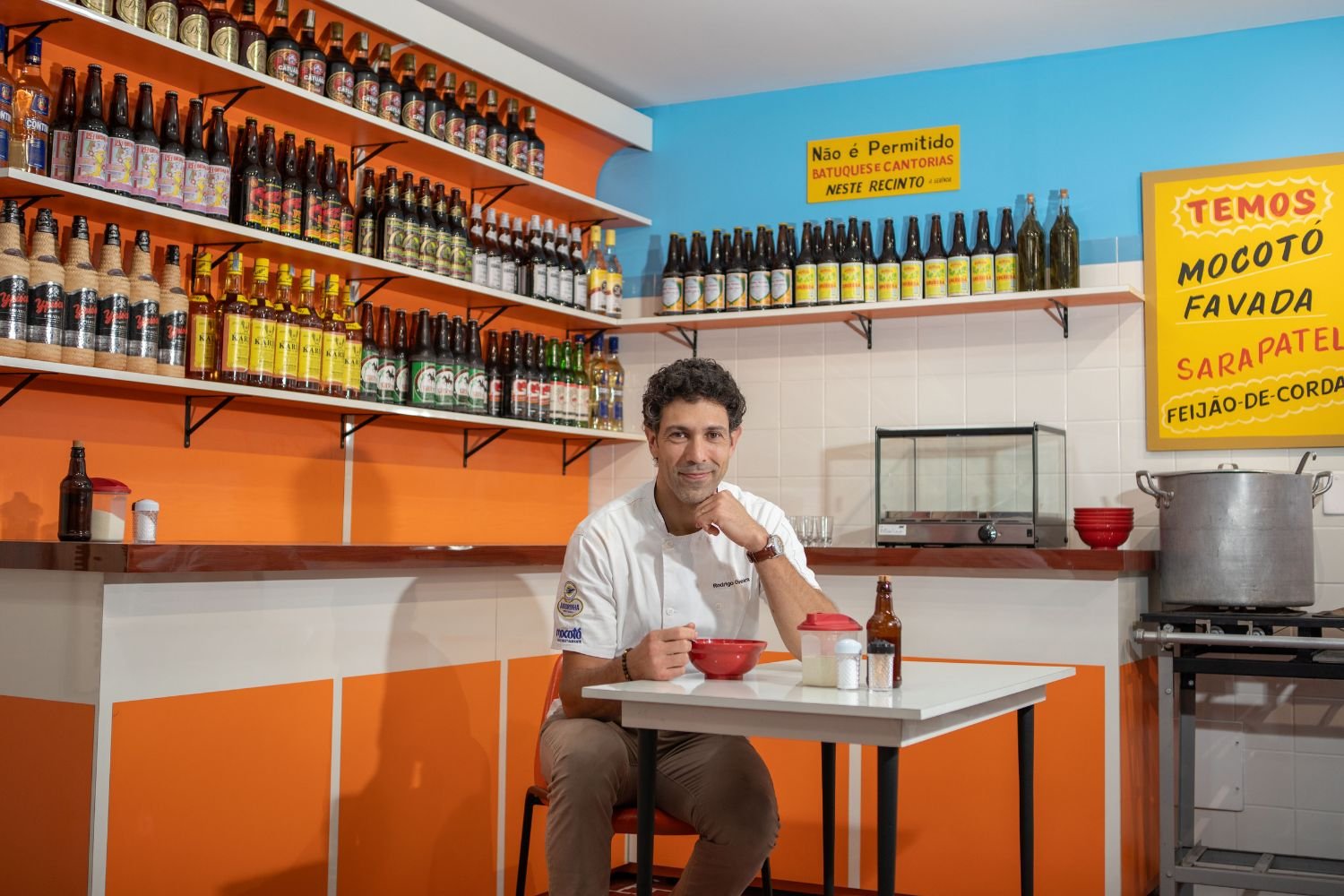
Bar in São Paulo, Brazil
Mocotó Vila Medeiros
100ptsCachaça-Forward Northeastern

About Mocotó Vila Medeiros
Mocotó Vila Medeiros sits deep in São Paulo's north zone, well outside the Pinheiros-to-Itaim corridor that dominates most international itineraries. The restaurant has built its reputation on northeastern Brazilian cooking and a drinks programme that treats cachaça and regional spirits with the same seriousness that Paulistano cocktail bars reserve for imported whisky. Getting there is part of the point.
North of the Centre, Outside the Circuit
São Paulo's bar and restaurant conversation defaults to a familiar geography: Vila Madalena, Pinheiros, Jardins, Itaim Bibi. The addresses that attract international attention cluster inside a few square kilometres of the city's wealthier west side. Mocotó Vila Medeiros operates outside that circuit entirely, occupying a corner on Avenida Nossa Senhora do Loreto in Vila Medeiros, a working-class neighbourhood in the city's north zone that most guidebooks and short-stay itineraries skip without comment. That distance from the approved dining corridor is, in part, what gives the place its credibility. Venues in Pinheiros perform for an audience that includes food tourists and expense-account tables. A restaurant in Vila Medeiros that draws serious drinkers and food-focused visitors from across the city is doing something more durable.
What Northeastern Cooking Looks Like in a São Paulo Context
Brazilian cuisine in São Paulo has historically meant two things at once: a highly developed fine-dining scene with European and Japanese influences, and a large population of migrants from the northeast who brought their food culture with them. The latter story rarely makes it onto international radar, but it shapes how the city eats at a practical level. Dishes built around sun-dried meat, manioc preparations, beans cooked with cured pork, and cachaça-based drinks represent a parallel culinary tradition that runs alongside the tasting-menu circuit rather than feeding into it. Mocotó sits firmly within that tradition. The restaurant's name references a slow-cooked calf's trotter broth that is a staple of northeastern Brazilian home cooking, a dish that requires patience rather than technique and communicates where the kitchen's priorities lie. This is food that belongs to a specific regional inheritance, not to a chef's personal reinvention of that inheritance.
In São Paulo's wider drinks scene, cachaça occupies a complicated position. The spirit is Brazil's most-produced distillate and the base of the caipirinha, but for decades it carried associations with cheap production and low-prestige consumption. The last fifteen years have produced a significant shift, with artisanal producers from Minas Gerais and the northeast generating aged and single-barrel expressions that are now treated seriously by bartenders working at the level of venues like SubAstor, Guilhotina, and Exímia. Mocotó operates within that rehabilitation but from a different angle. Where the west-side cocktail bars approach cachaça as a premium spirit to be framed through technique and presentation, Mocotó approaches it as a cultural material, something that belongs to northeastern Brazilian identity and should be understood on those terms first.
The Drinks Programme: Cachaça as Cultural Argument
The cocktail programme at Mocotó has always been structured around the argument that cachaça deserves the same depth of selection and contextualisation that a serious whisky bar applies to Scotch or bourbon. That means stocking a range that goes well beyond the usual bar-call bottles, drawing on small producers and regional expressions that reflect the diversity of Brazilian sugarcane distillation. The caipirinha here functions less as a default tropical drink and more as a benchmark: the quality of the lime, the sugar balance, and the specific cachaça used communicate the seriousness of the programme immediately.
Beyond the caipirinha, the drinks list extends into cocktails that use regional fruit, herbs, and flavour combinations drawn from northeastern cooking. Umbu, tamarind, cashew fruit, and various preparations of cane juice and fermented fruits appear alongside the spirit base rather than as garnish. This is a different register from the clarified-drink and technique-forward programmes at Sky Bar at Hotel Unique or the international-spirit focus of other Paulistano cocktail destinations. The intent here is regional specificity rather than technical display. Across Brazil, bars working in this register include Bar de Copa in Rio de Janeiro and, further north, venues like Acarajé da Dinha in Salvador, where drinks exist within a broader context of northeastern food culture rather than as a standalone programme.
The Room and the Regulars
The physical environment at Mocotó reads as a large, informal space designed for sustained occupation rather than quick turnover. Tables fill with groups across multiple generations, which is typical for restaurants in this part of the city: Vila Medeiros is a neighbourhood where people stay for hours, and the format reflects that. Weekend lunchtimes, in particular, function as long communal events. The contrast with the sleeker, quieter formats at venues like Bar da Lora in Belo Horizonte or the wine-forward Dionisia in Porto Alegre is sharp: this is a restaurant that measures success in volume and duration of occupation, not in quiet, precisely-timed courses.
The queue is a feature rather than a flaw. Saturdays in particular generate lines that stretch along the avenue, a phenomenon that has been consistent for years and functions as the restaurant's most-read trust signal. In São Paulo, where competition for attention is relentless and restaurants open and close on short cycles, sustained queues in a residential north-zone neighbourhood represent a genuine data point about local loyalty. International visitors should factor that into planning: arriving early in the service or visiting on a weekday changes the experience considerably.
Placing Mocotó in the Brazilian Drinks Map
For visitors building a broader picture of how Brazilian bar culture operates across different cities and registers, Mocotó sits at one specific coordinate: northeastern cultural identity expressed through food and cachaça, in a working-class São Paulo neighbourhood, at a volume and informality that distinguishes it from the city's premium cocktail circuit. That circuit, represented by venues like SubAstor and Exímia, operates with a different set of reference points. Neither is more valid. They are answers to different questions about what drinking in Brazil can mean.
Further afield, bars like Vivan Wine Bar in Balneário Camboriú and SEEN Belém in Belém represent other coordinates in the Brazilian hospitality map, each shaped by regional identity and local clientele. The comparison is useful for visitors trying to understand how decentralised the country's drinking culture actually is. No single city or format defines it. Internationally, the technique-led approach at Bar Leather Apron in Honolulu illustrates how far the craft cocktail conversation has spread, but Mocotó's interest lies elsewhere: in the argument that cultural rootedness is its own form of quality.
Planning a Visit
Mocotó Vila Medeiros is located at Avenida Nossa Senhora do Loreto, 1100, in Vila Medeiros, a significant distance from the city's southern hotel and business districts. The journey by ride-share from Jardins or Pinheiros runs roughly 30 to 40 minutes depending on traffic, and São Paulo's traffic is a variable that must be built into any scheduling. Arriving at opening time on a weekday avoids the weekend queue dynamic. The restaurant operates at a price point that reflects its neighbourhood and its positioning as a democratically accessible space: this is not expensive dining by São Paulo standards, which is part of the original proposition. For a fuller picture of how Mocotó fits into the city's food and drinks scene, see our full São Paulo restaurants guide.
Frequently Asked Questions
- What should I expect atmosphere-wise at Mocotó Vila Medeiros?
- Mocotó operates in the casual, high-volume register typical of family-style restaurants in São Paulo's north zone. The room is large, noise levels are high, and weekend service stretches across long, communal meals. It is not a quiet, intimate space; it is a place that prizes occupation and community over ceremony. By São Paulo's fine-dining standards in Jardins or Itaim Bibi, the environment is deliberately informal. Prices reflect that positioning.
- What cocktail do people recommend at Mocotó Vila Medeiros?
- The caipirinha functions as the benchmark drink and the entry point for understanding what the bar programme is doing. The quality of the cachaça selection is the differentiating factor. Beyond that, the drinks list extends into regional fruit and flavour combinations drawn from northeastern Brazilian cooking, a different orientation from the technique-led cocktail programmes recognised by awards bodies at venues like SubAstor or Guilhotina in the same city.
- What is Mocotó Vila Medeiros known for?
- The restaurant's reputation rests on northeastern Brazilian cooking, particularly dishes built around sun-dried meat, manioc, and slow-cooked preparations, combined with a cachaça-focused drinks programme that treats regional Brazilian spirits seriously. Its location in Vila Medeiros, outside São Paulo's standard dining corridor, and the sustained weekend queues it generates are both part of its identity. The price positioning is accessible by São Paulo standards, which broadens the clientele considerably.
- What's the leading way to book Mocotó Vila Medeiros?
- Booking details are not confirmed in our current data. Given the restaurant's reputation for long weekend queues, arriving early in service or choosing a weekday visit is the most reliable way to manage wait times. If you are travelling specifically for this venue, it is worth checking current booking arrangements directly before your trip, as the format may have changed.
- Is Mocotó Vila Medeiros worth the journey from central São Paulo?
- For visitors interested in how northeastern Brazilian food culture translates into a major city context, the journey to Vila Medeiros is the point rather than the obstacle. The distance from the Pinheiros-to-Itaim dining corridor is what preserves the restaurant's character and clientele. The cachaça programme and regional cooking tradition it represents are not easily found at the same depth or cultural coherence closer to the city centre.
Related editorial
- Asia's 50 Best Restaurants 2026: The Chairman and Wing Go 1-2 from the Same BuildingThe Chairman takes No. 1 and Wing climbs to No. 2 at Asia's 50 Best Restaurants 2026. Both operate from the same Hong Kong building. Here's what it means.
- Four Seasons Yachts Debut: 95 Suites, 11 Restaurants, and a March 2026 Maiden VoyageFour Seasons I launches March 20, 2026, with 95 suites, a one-to-one staff ratio, and 11 onboard restaurants. Worth tracking if you want hotel-grade service at sea.
- LA Michelin Guide 2026: Seven New Restaurants from Tlayudas to Uzbek DumplingsMichelin's March 2026 California Guide update adds six LA restaurants and one Montecito newcomer, spanning Oaxacan tlayudas, Uzbek manti, and Korean-Italian pasta.
Save or rate Mocotó Vila Medeiros on Pearl
Keep this venue in your Pearl passport, rate it after you visit, and track it alongside every other place you collect.