Alamo Beer Company
Alamodome District, San Antonio
Bar in San Antonio, United States
 Book with Pearl
The Read
Texas-Rooted Craft Brewing
Price
$20–30per person
Why go
Compared with San Antonio's cocktail bars and rooftop rooms, Alamo Beer Company is the casual beer-first choice for groups and low-pressure meetups. Go when flexibility matters more than polish; choose a cocktail-led peer if the night needs quieter conversation, food certainty, or a more dressed-up feel.
About Alamo Beer Company
Alamo Beer Company is a San Antonio venue with a casual dress code. Plan around it as an informal option rather than relying on specific details about food, seating, reservations, prices, hours, or special services.
Casual and low ceremony
The dress code is casual. That makes Alamo Beer Company a direct choice when you want a low-key setting in San Antonio, but choose another spot if you need a specific menu, beverage list, happy hour, outdoor seating, or booking policy. If you are comparing options for a different kind of night, consider alternatives such as Smoke Skybar, Paramour At The Phipps, Hot Joy, Pastiche, or Hops & Hounds depending on the outing you want.
Who should pick it, and who should trade up
Pick Alamo Beer Company if a casual San Antonio venue is the main requirement. Compare elsewhere if your decision depends on food details, a specific drinks program, reservations, outdoor seating, pricing, or a more defined setting. For broader planning, use San Antonio guide alongside other San Antonio dining and nightlife resources.
Quick reference: San Antonio venue; casual dress code; best approached as an informal option.
Planning details
- Location
- 202 Lamar St, San Antonio, TX 78202
- Website
- alamobeer.com
- Phone
- +1 210 872 5589
The take
The Take
The Vibe
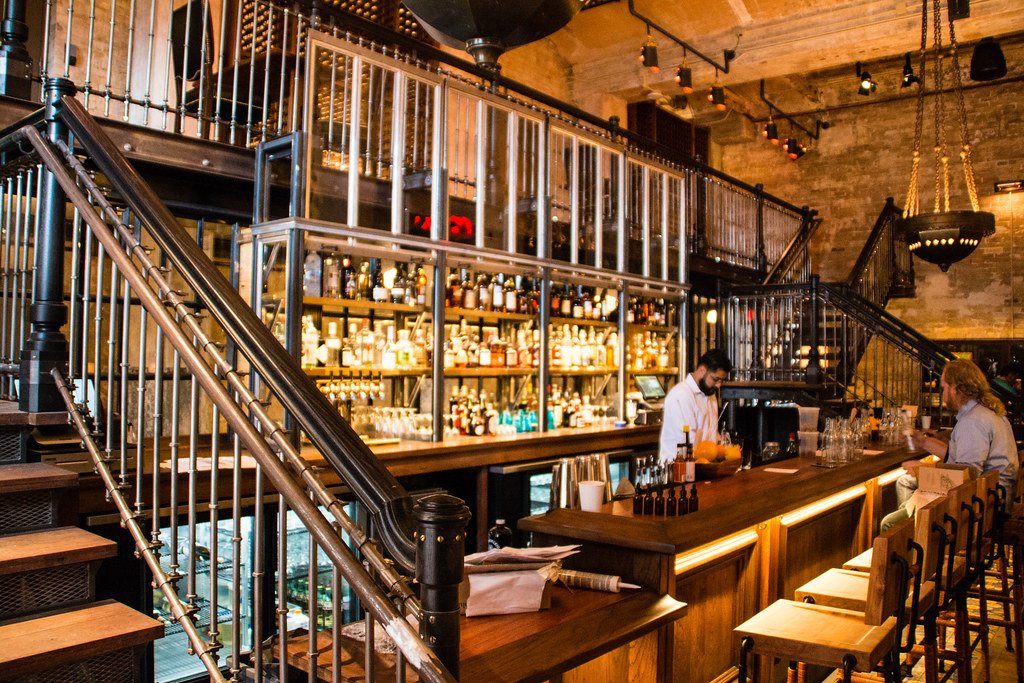
Alamo Beer Company reads like a working brewery first and a taproom second. The space foregrounds fermentation tanks and an industrial footprint, leaning into San Antonio’s brewing past rather than adopting the polished craft-taproom gloss common elsewhere. That transparency, beer made here, sold here, consumed here, gives the room a direct, unpretentious feel rooted in Germanic brewery-tavern traditions. It’s historically minded without being museumlike: the place feels like a practical, convivial production site where process is part of the atmosphere and the beer itself takes center stage.
Best For
This is a straightforward spot for people who want to focus on beer and convivial company. The production taproom setup and visible tanks make it well suited to casual hangouts and group outings where conversation centers on pours rather than elaborate plating. Visitors curious about San Antonio’s brewing lineage or interested in how local ingredients and methods shape familiar European styles will find the setting especially rewarding. The tone is approachable and communal: come to sample how local conditions reinterpret classic brewing approaches in a functioning brewery environment.
Ordering Tips
Order simply and let the beer speak: pours are drawn close to the source, and the menu is intentionally direct to support the brews. Ask staff about the methods and which beers are leaning on Germanic techniques versus those that embrace local Texas conditions: this is a venue that frames those choices as part of the story. Because production is visible, request beers that showcase the house’s core process; staff can point out what’s fresh from the tanks and how local water and grain profiles influence each pour.
Venue details
Ambiance
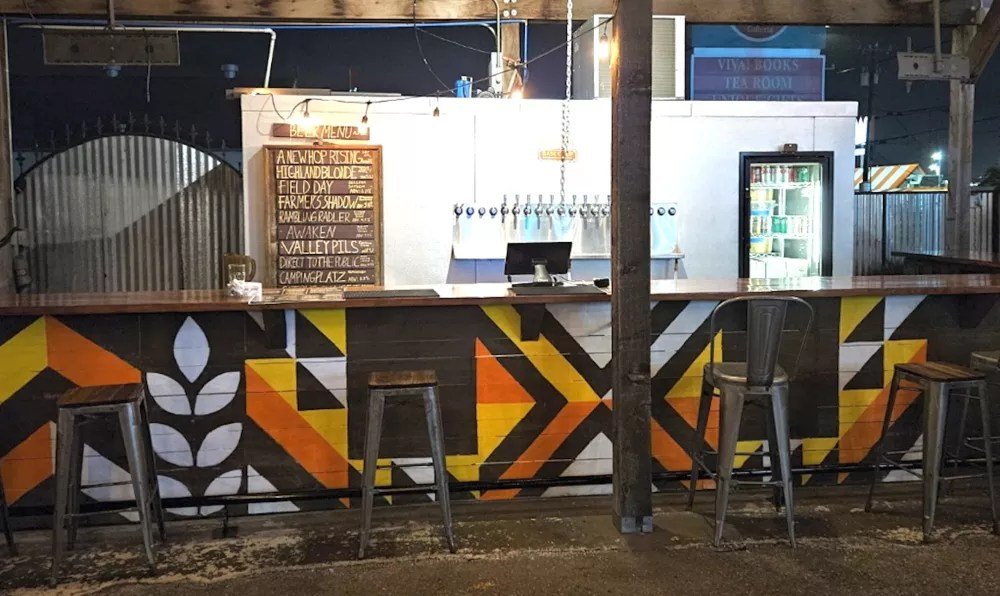
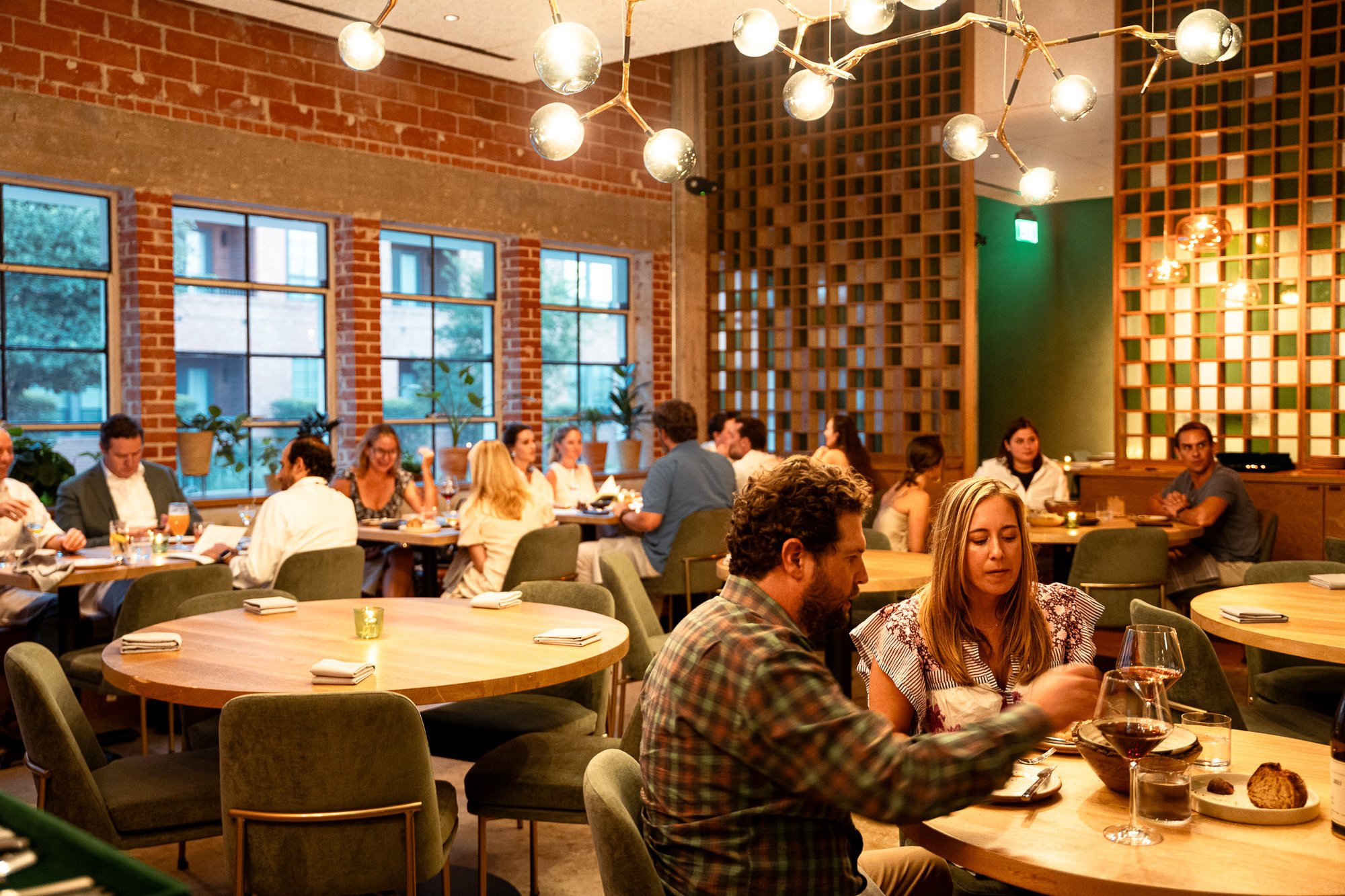
Spacious indoor and outdoor seating in a glass-fronted taproom and beer garden with a casual, riverside industrial vibe.
Tags
Vibe
Best For
Experience
Format
At the Bar
- Bar Category
- Beer Bar
- Late Night
- Closes by Midnight
- Music
- Live Acoustic Americana
- Live Music
- Yes
Signature Pours
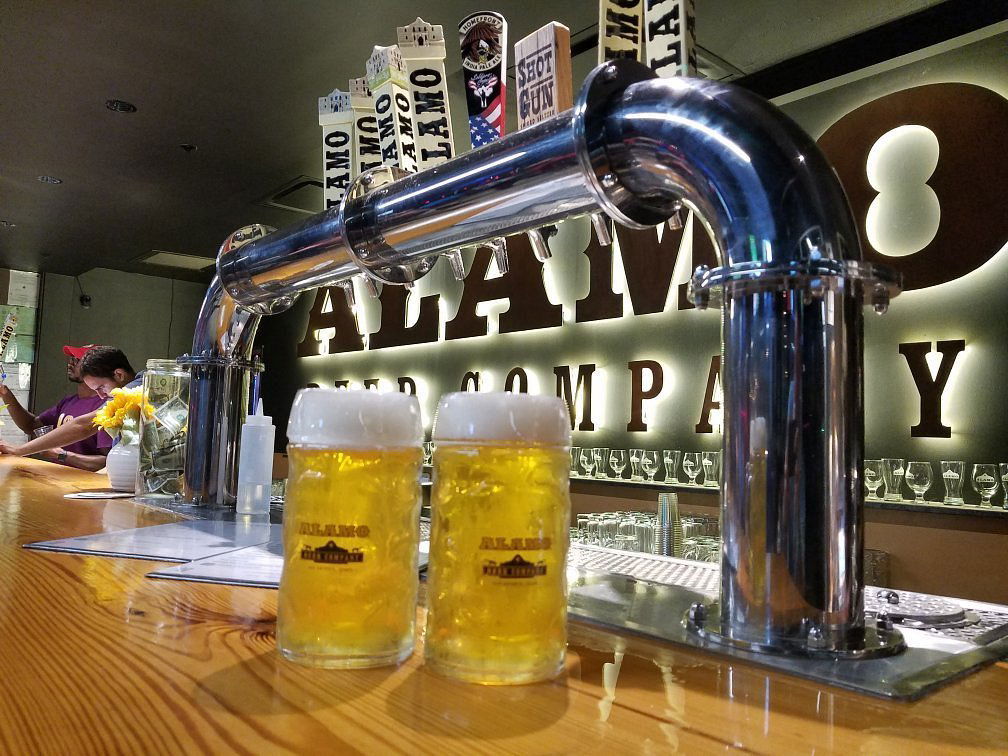
- Golden Ale
- Hayz Street IPA
Know before you go
Know Before You Go
- Getting there
- 202 Lamar St, San Antonio, TX 78202
Planning details
Location
Also consider
Also Consider
- Smoke Skybar, Notable alternative
- Pastiche, Notable alternative
- Hot Joy, Notable alternative
- Hops & Hounds, Notable alternative
- Paramour At The Phipps, Notable alternative
Bar context
How it compares in San Antonio
Choose Alamo Beer Company over Pastiche or Paramour At The Phipps when the brief is casual, beer-led, and easy to arrange. Those peers make more sense for a cocktail-focused night with a sharper sense of occasion; Alamo is the lower-ceremony option for groups who do not want the room to drive the evening.
Smoke Skybar is the better cross-shop for skyline energy and a louder night out, while Alamo is the calmer call for a simpler drink plan. If outdoor-friendly, casual energy is the priority, Hops & Hounds sits closer to that lane; if food and late-night personality matter more, Hot Joy is the stronger alternative.
Alamo is the easiest recommendation when the group wants beer, space, and minimal friction; pick the peers when the venue itself needs to carry the night.
Around this place
Discover more on Pearl
Unlock the full Alamo Beer Company guide in Pearl, including awards, comparisons, FAQs, planning details, and nearby places.
Compare Alamo Beer Company
| Venue | Location | Awards |
|---|---|---|
| Alamo Beer Company | San Antonio | No published awards |
| Smoke Skybar | San Antonio | No published awards |
| Pastiche | San Antonio | No published awards |
| Hot Joy | San Antonio | No published awards |
| Hops & Hounds | San Antonio | No published awards |
| Paramour At The Phipps | San Antonio | No published awards |
How Alamo Beer Company San Antonio compares with similar nearby venues.
FAQ
Frequently Asked Questions
Is Alamo Beer Company good for groups?
The casual dress code can suit an informal outing. Smoke Skybar or Paramour At The Phipps may also be worth comparing.
What's the crowd like at Alamo Beer Company?
The dress code is casual. Treat it as a casual San Antonio option and compare with Hops & Hounds or Smoke Skybar if you are deciding between options.
Is Alamo Beer Company good for a date?
Alamo Beer Company has a casual dress code, so it may fit a relaxed plan. If atmosphere is the priority, compare it with Smoke Skybar or other San Antonio venues.
Does Alamo Beer Company have outdoor seating?
Check directly with Alamo Beer Company before planning around patio or open-air seating. If you need a specific setting, compare with Paramour At The Phipps or another San Antonio option.
Does Alamo Beer Company have happy hour deals?
Check directly with Alamo Beer Company before planning around a discount. If value, food, or a specific mood is the priority, compare it with Hot Joy, Smoke Skybar, or other San Antonio venues.