Ordinaire Wine Shop & Wine Bar
Lakeshore, Oakland
Bar in Oakland, United States
 Book with Pearl
Why go
Ordinaire Wine Shop & Wine Bar is worth choosing for a casual Oakland wine stop, especially when flexibility matters more than a full dining experience. Treat the food as secondary unless a current menu gives you a specific reason to eat seriously; for dinner-led plans, anchor elsewhere and use this for wine before or after.
About Ordinaire Wine Shop & Wine Bar
Ordinaire Wine Shop & Wine Bar is a wine shop and wine bar in Oakland with casual dress and daily hours. Do not build a plan around a specific cuisine, chef, signature dishes, prices, seating setup, or a formal dining format.
The practical read is simple: use it as an Oakland wine stop rather than assuming it can replace a restaurant meal. If dinner is the priority, plan food separately.
Wine-shop flexibility is the reason to choose it
The format is the point: Ordinaire Wine Shop & Wine Bar is a wine shop and wine bar, and its casual dress code keeps the decision low-pressure. It is open daily, from 12–9 PM Monday through Thursday and Sunday, and from 12–10 PM Friday and Saturday.
For a broader night out, pair it mentally with city guides rather than forcing it to do every job. Our full Oakland bars guide is the right next click if the priority is drinks; our full Oakland restaurants guide is better if food quality is the deciding factor.
Use it for a casual wine decision, not a destination meal
The recommendation is yes if you want a casual Oakland wine shop and wine bar with daily hours. It is a weaker fit for anyone who needs details about seating, a defined food program, prices, or a celebratory dinner structure.
Cross-shop it with Bay Grape if you are comparing other options, or consider other Oakland bars and restaurants depending on whether drinks or food matter more to the night. Other options include Heart & Dagger Saloon, MAMA Oakland, Room 389, and Smitty's Lounge.
Planning details
- Location
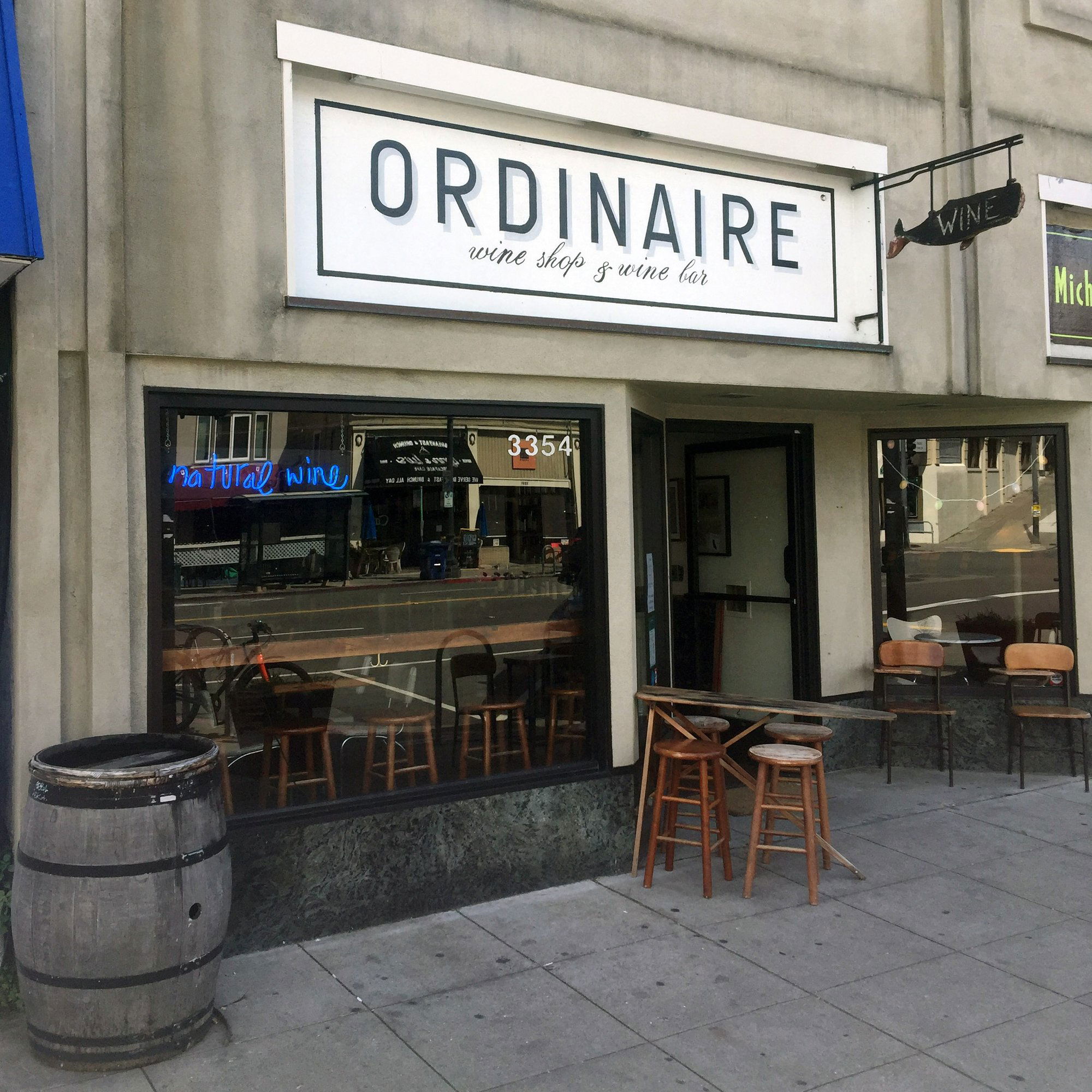
- 3354 Grand Ave, Oakland, CA 94610
- Website
- ordinairewine.com
- Phone
- +1 510 350 7524
The take
The Take
The Vibe
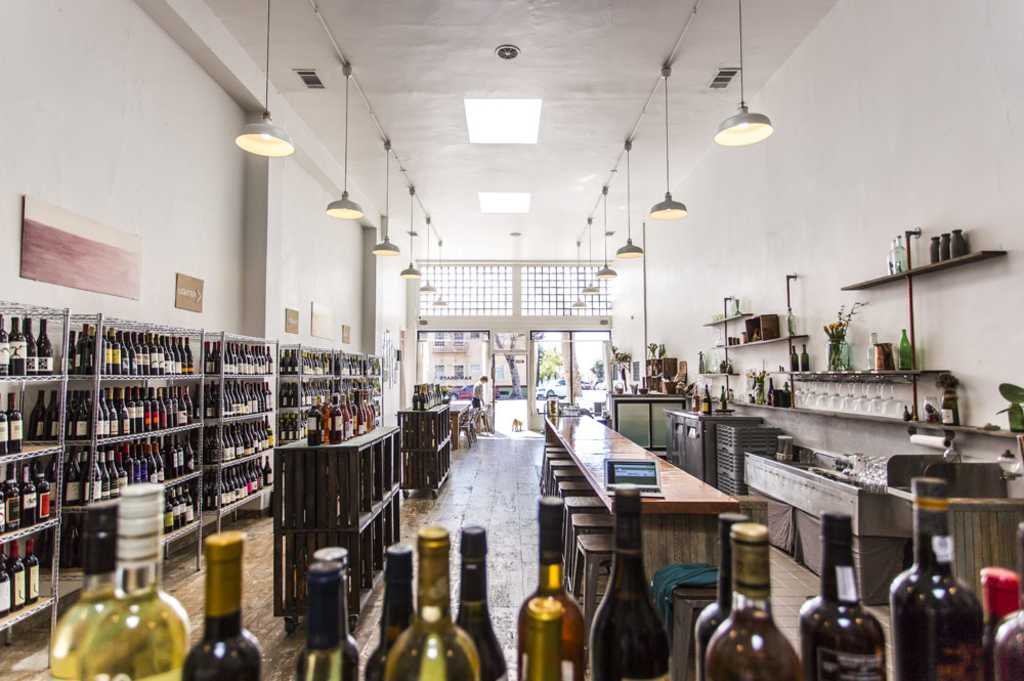
Ordinaire reads like an editorial project translated into a neighborhood wine bar: carefully curated, quietly confident and oriented around discovery. The shop‑bar format foregrounds small, allocation‑driven producers and natural, low‑intervention bottlings, so the tone is thoughtful rather than flashy. Staff and bottles do the talking, and the space functions as a focused, established anchor in Grand Lake for people who care about provenance and context. Expect an experience that favors knowledgeable service, close attention to selections, and a refined but unpretentious atmosphere that rewards lingering and conversation.
Best For
This is a place for people who want to engage with wine deliberately: solo tasters exploring a by‑the‑glass rotation, curious groups comparing small allocations, and anyone looking to learn more about natural producers. The shop‑bar setup makes it useful for both pre‑dinner stops and extended after‑work visits: you can taste a glass at the bar, get context from the buyer or staff, and walk out with the bottle you tried. It also suits date nights and casual hangouts where conversation and discovery are the point.
Ordering Tips
Use the hybrid model to your advantage: order a glass at the bar to sample a producer or style, ask staff for sourcing and allocation context, then buy the same bottle off the shelf if you want to take it home. The program privileges small producers and natural wines, so be prepared for limited availability and rotating selections; staff recommendations are particularly valuable here. Because the drinks program is presented as an argument—glass and shelf working together—ask for pairing guidance and tasting notes when you want a clearer match with the kitchen offering.
Venue details
Ambiance
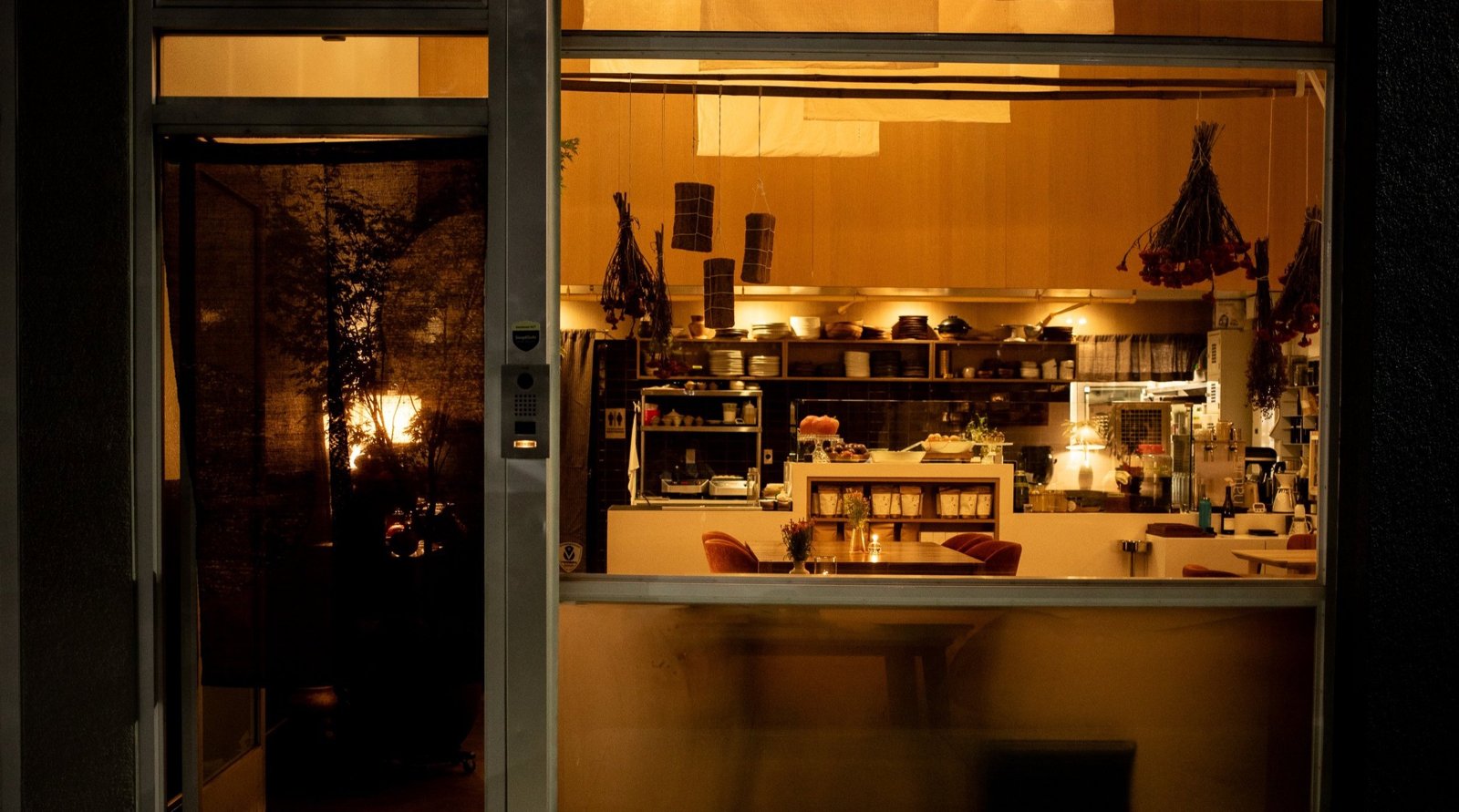
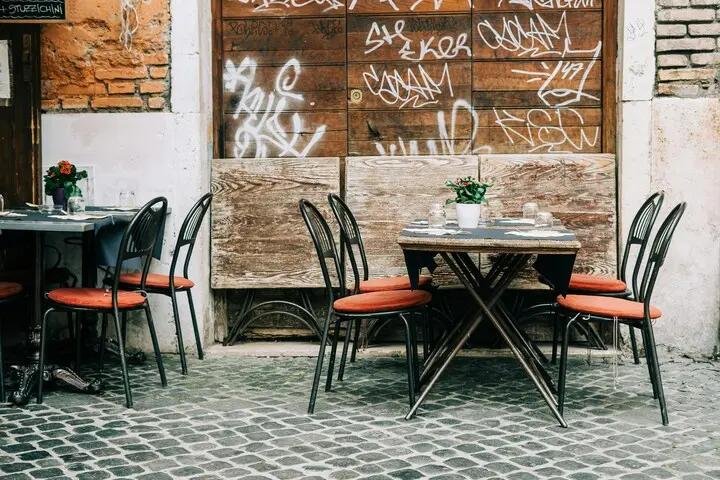
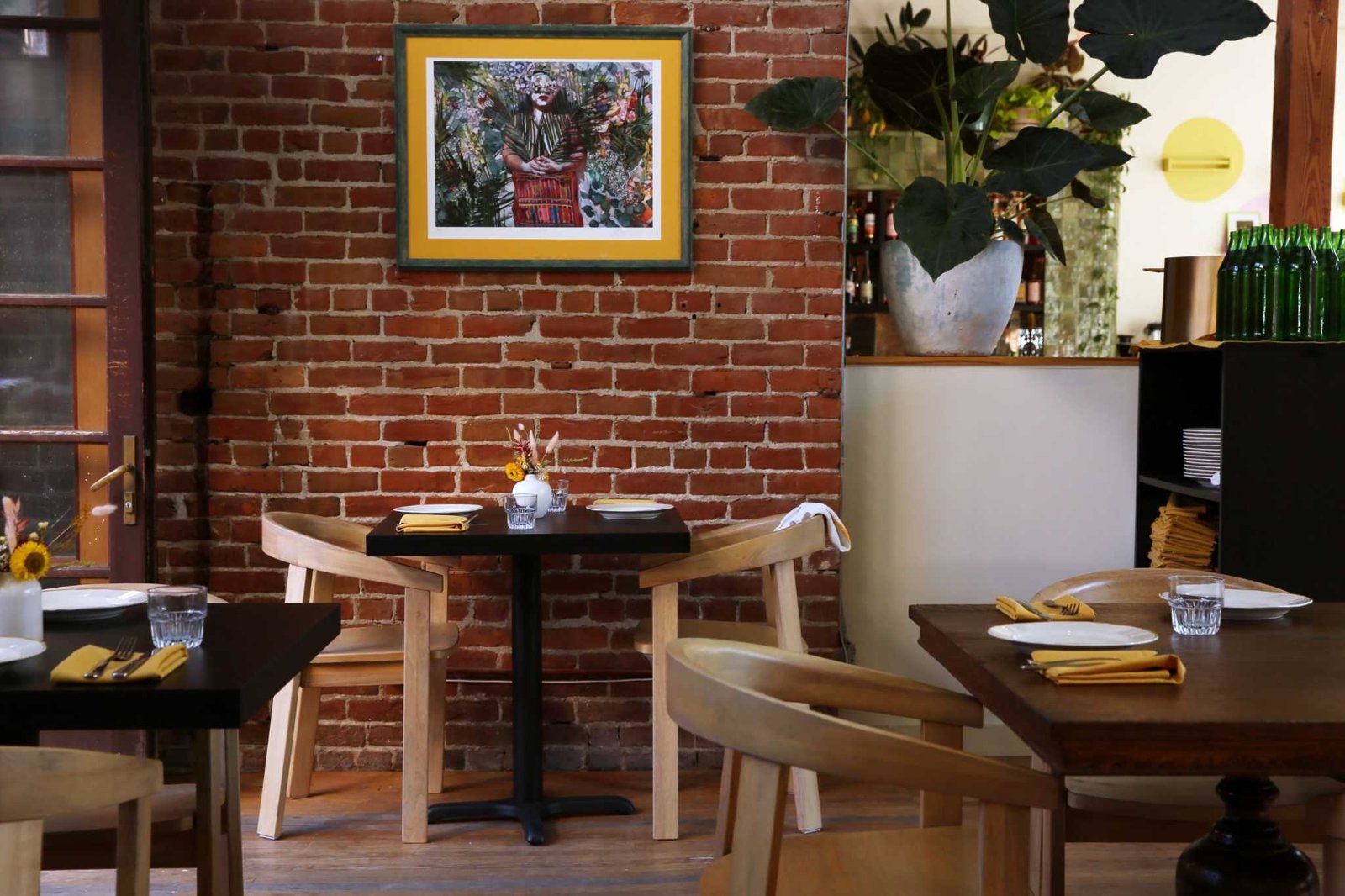
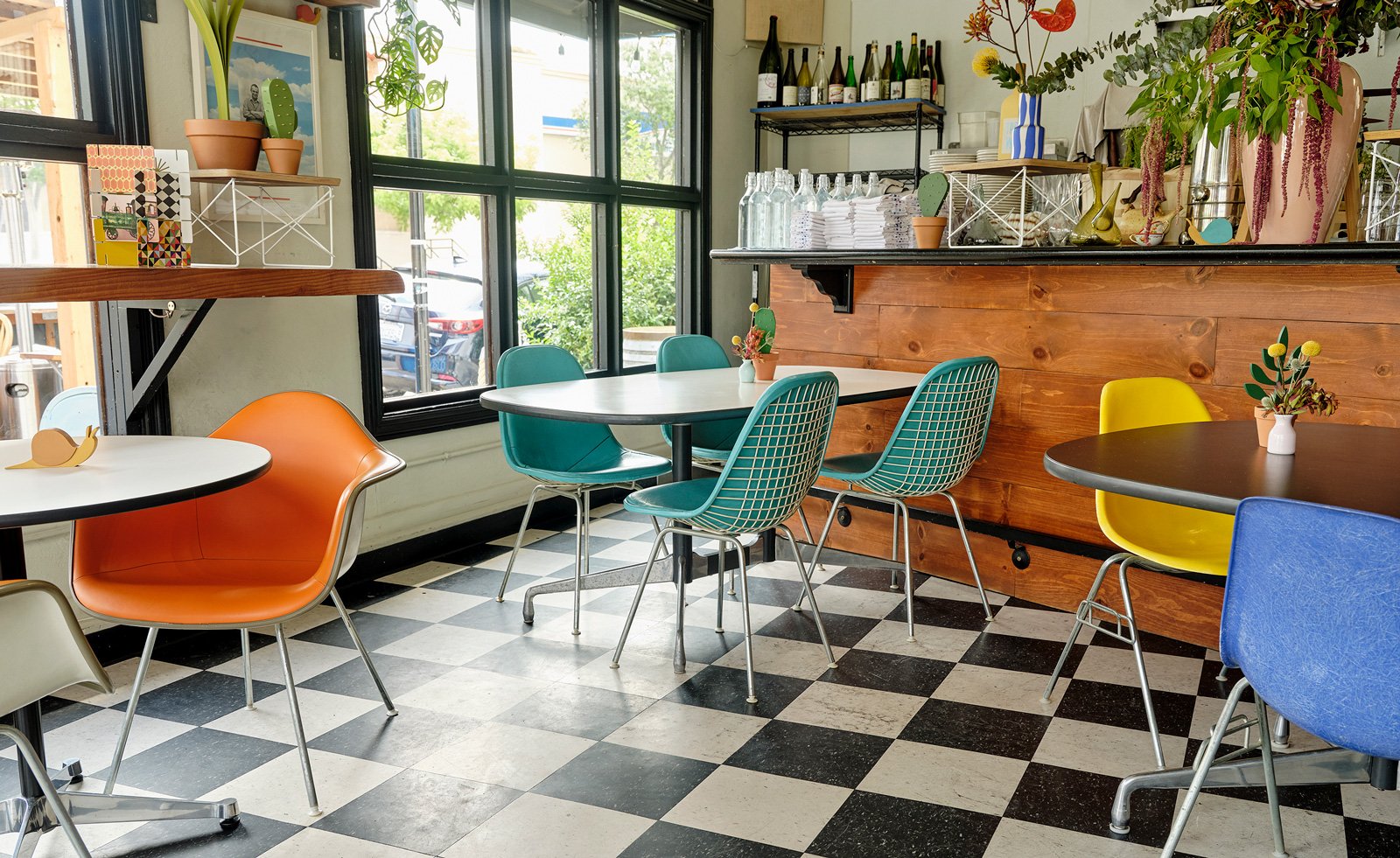
Cozy and inviting with communal seating, mezzanine level, and street-facing outdoor lounge creating a casual European-inspired atmosphere.
Tags
Vibe
Best For
Experience
Format
At the Bar
- Bar Category
- Wine Bar
- Late Night
- Closes by Midnight
Know before you go
Know Before You Go
- Getting there
- 3354 Grand Ave, Oakland, CA 94610
Planning details
Location
Also consider
Also Consider
- Smitty's Lounge, Notable alternative
- Heart & Dagger Saloon, Notable alternative
- MAMA Oakland, Notable alternative
- Room 389, Notable alternative
- Bay Grape, Notable alternative
Bar context
How It Compares
Choose Ordinaire Wine Shop & Wine Bar over Smitty's Lounge, Heart & Dagger Saloon, or Room 389 when the priority is wine selection and a lower-pressure Oakland night. Those peers make more sense for a conventional bar mood; Ordinaire is the better fit when browsing and drinking are part of the same decision.
Bay Grape is the closest cross-shop because the wine-shop angle overlaps. If you want the clearest wine retail-to-glass experience, compare those two first. If the night needs more of a meal structure, MAMA Oakland is the more relevant alternative, while Ordinaire works better as the wine stop around that plan.
For value, Ordinaire is strongest when you do not want to commit to a full restaurant spend. For ambiance, pick it for casual conversation and wine focus rather than a louder bar night. For booking difficulty, it reads as an easier, more flexible choice than restaurant-led plans, but small parties will get the cleanest experience.
Explore Oakland
Around this place
Discover more on Pearl
Unlock the full Ordinaire Wine Shop & Wine Bar guide in Pearl, including awards, comparisons, FAQs, planning details, and nearby places.
Compare Ordinaire Wine Shop & Wine Bar
| Venue | Location | Awards |
|---|---|---|
| Ordinaire Wine Shop & Wine Bar | Oakland | No published awards |
| Smitty's Lounge | Oakland | No published awards |
| Heart & Dagger Saloon | Oakland | No published awards |
| MAMA Oakland | Oakland | No published awards |
| Room 389 | Oakland | No published awards |
| Bay Grape | Oakland | No published awards |
How Ordinaire Wine Shop & Wine Bar Oakland Guide compares with similar nearby venues.
FAQ
Frequently Asked Questions
Do I need a reservation at Ordinaire Wine Shop & Wine Bar?
For reservations, check directly. Ordinaire Wine Shop & Wine Bar is in Oakland, has a casual dress code, and is open daily: 12–9 PM Monday through Thursday and Sunday, and 12–10 PM Friday and Saturday.
Is the food good at Ordinaire Wine Shop & Wine Bar?
Treat Ordinaire Wine Shop & Wine Bar as a wine shop and wine bar in Oakland, and plan a separate restaurant stop if food is the main priority. MAMA Oakland is another venue to consider for a different kind of night.
Is Ordinaire Wine Shop & Wine Bar good for a date?
It can work for a casual date if a wine shop and wine bar setting is what you want. It is in Oakland, dress is casual, and it is open daily, with Friday and Saturday hours until 10 PM. Room 389 is another option to compare for a different outing.
What's the crowd like at Ordinaire Wine Shop & Wine Bar?
Expect a casual Oakland wine shop and wine bar. If you are comparing different bar choices, Smitty's Lounge and Heart & Dagger Saloon are other names to keep in mind.
Is Ordinaire Wine Shop & Wine Bar open late?
It is open until 9 PM Monday through Thursday and Sunday, and until 10 PM on Friday and Saturday. That makes it better suited to daytime, afternoon, and evening plans than to an after-midnight stop.
Is Ordinaire Wine Shop & Wine Bar good for groups?
For groups, check directly before relying on it for a larger plan. Room 389 is another venue you may want to compare.
What's the best time to go to Ordinaire Wine Shop & Wine Bar?
The hours give you flexibility: 12–9 PM Monday through Thursday and Sunday, and 12–10 PM Friday and Saturday. Choose the time that fits your plan, and compare Bay Grape if you are looking at other options.