

New Glarus Brewing Company
New Glarus
Bar in New Glarus, United States
 Book with Pearl
The Read
Price
$10–20per person
Why go
New Glarus Brewing Company is worth planning as a daytime beer-focused stop in New Glarus, especially for couples who want an easy, casual outing rather than a formal date-night room. It is not the right pick for late-night drinks or a food-led celebration, so pair it with a separate dinner or bar plan if the occasion needs more structure.
About New Glarus Brewing Company
For a low-pressure outing in New Glarus, New Glarus Brewing Company is in New Glarus, features a casual dress code, and has a daytime-only schedule. It is open Tuesday through Saturday from 10 AM to 5 PM and closed Sunday and Monday.
The practical appeal is timing. This is a better fit for a casual daytime stop than for a late-night plan, because its hours do not extend into the evening. It is a weaker choice if the occasion depends on late service or a formal dress expectation.
A daytime New Glarus stop, not a late-night fallback
The clearest planning signal is the schedule. Go during the posted Tuesday-through-Saturday window, and do not treat it as an option for Sunday, Monday, or a late night. Readers building a fuller local plan should use Our full New Glarus bars guide and Our full New Glarus restaurants guide to pair this with another stop.
Reservations: Not specified. Dress: casual. Budget: Not specified. Timing: go during posted daytime hours, not as a late-night fallback. Location: New Glarus.
Use it as the anchor for a New Glarus day
The stronger recommendation is to treat New Glarus Brewing Company as a daytime anchor, then build the rest of the outing around its hours. If the trip includes more than this stop, scan Our full New Glarus hotels guide, Our full New Glarus wineries guide, and Our full New Glarus experiences guide before locking the order of the day.
For readers comparing options, the useful lens is timing and occasion. New Glarus Brewing Company fits a casual daytime plan in New Glarus, while other venues may be better for a later outing, a more formal meal, or a different kind of night out. The verdict is simple: choose New Glarus Brewing Company when the posted daytime hours work for your plan.
Planning details
- Location
- 218 Hoesly Dr, New Glarus, WI 53574
- Website
- newglarusbrewing.com
- Phone
- +1 608 527 5850
The take
The Take
The Vibe
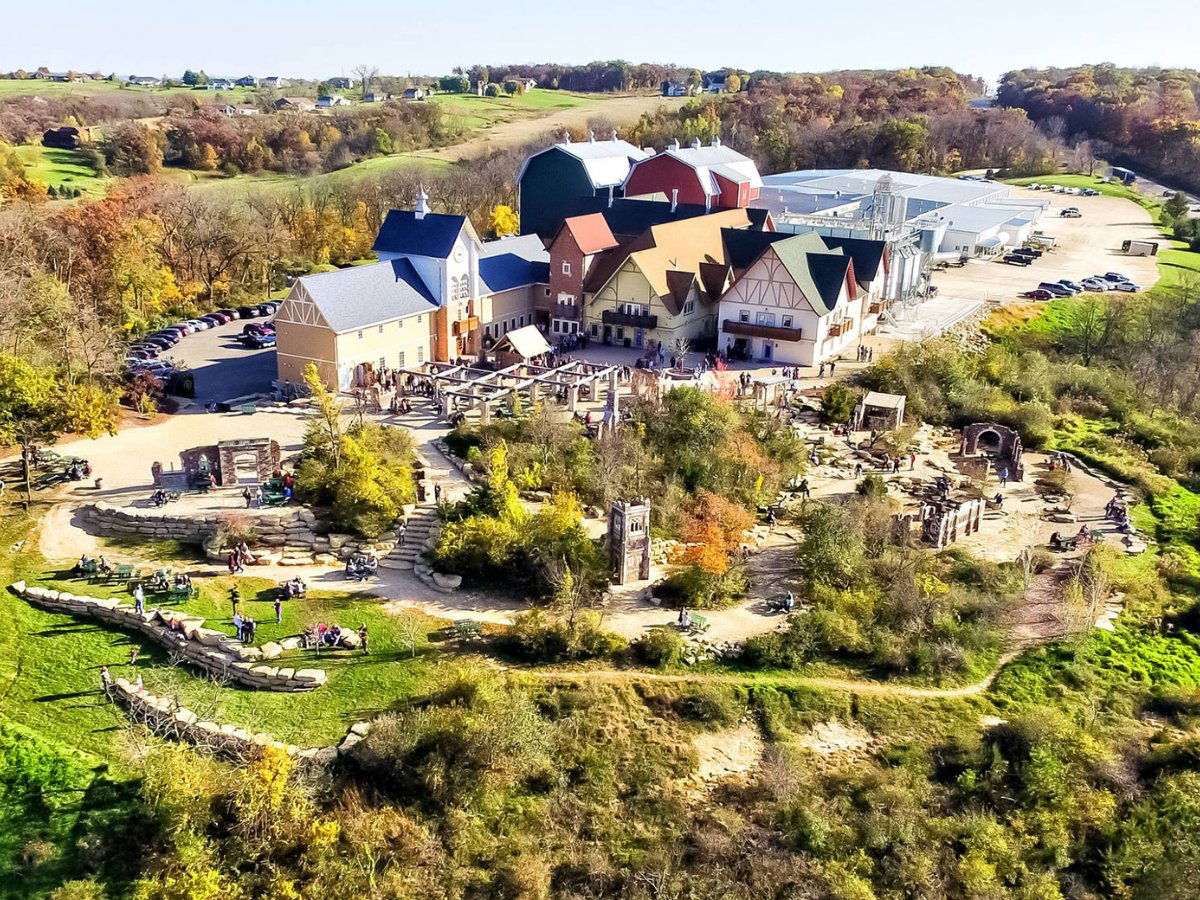
New Glarus Brewing Company reads like a destination rather than a typical taproom. The complex sits on a hill above the village and feels like a Bavarian hill town translated for American production: multiple buildings, outdoor spaces and broad sightlines across surrounding farmland. The town’s Swiss heritage, visible in main-street architecture and local cheese shops, frames a visit with a small‑town, historic charm. At the same time, the pilgrimage-style demand for beers that remain in Wisconsin gives the place an iconic, event-like energy: people come to seek out the brewery’s reputation as much as its pints.
Best For
This is a brewery built for destination-minded visitors and group outings who are happy to travel for something distinctive. It’s well suited to weekend escapes from nearby cities and casual daytime pilgrimages from Madison, roughly 30 miles away. The setting is better for exploring outdoors and moving between buildings than for formal dining: visitors arrive expecting a production-focused site with tap access, a lively crowd and small‑town charm. If you want a low‑stakes, communal beer experience steeped in local history, this is an ideal stop.
Ordering Tips
The brewery’s Wisconsin-only distribution means drinking these beers in person is the most complete experience. Expect limited availability and a crowd drawn specifically to on-site offerings, so sample flights or tap pours are logical ways to taste more of the lineup. Treat the visit as a destination, arrive prepared to explore the outdoor spaces and multiple buildings rather than to linger at a formal table, and factor travel time from Madison into your plans.
Venue details
Ambiance
Outdoorsy, welcoming taproom atmosphere with scenic hilltop views of Wisconsin countryside, evoking a hikers-and-cyclists vibe.
Tags
Vibe
Best For
Experience
Format
At the Bar
- Bar Category
- Beer Bar
- Late Night
- Closes by 10pm
Signature Pours
- Spotted Cow
- Raspberry Tart
- Moon Man
Know before you go
Know Before You Go
- Getting there
- 218 Hoesly Dr, New Glarus, WI 53574
Planning details
Location
Also consider
Also Consider
- Le Tigre Lounge, Notable alternative
- La Mestiza, Notable alternative
- Gates & Brovi, Notable alternative
- Village Bar, Notable alternative
- Oakcrest Tavern, Notable alternative
Bar context
How it compares for a New Glarus drinks plan
New Glarus Brewing Company is the easier choice when the goal is a daytime brewery stop with low planning pressure. Compared with Le Tigre Lounge and La Mestiza, it is less of a late-evening or cocktail-style decision and more of an activity-led visit. Pick it when beer is the point; look elsewhere when the room, date-night pacing, or dinner adjacency matters more.
For a casual bar backup, Village Bar and Oakcrest Tavern read as more natural cross-shops for a relaxed drinks plan after the brewery window. Gates & Brovi is the better comparison if the group wants a broader meal-and-drinks setup rather than making beer the main event.
Value depends on the occasion: New Glarus Brewing Company wins for ease and a clear daytime purpose, while the other options are stronger when the plan needs nighttime ambiance, table comfort, or food as part of the decision.
Explore New Glarus
Around this place
Discover more on Pearl
Unlock the full New Glarus Brewing Company guide in Pearl, including awards, comparisons, FAQs, planning details, and nearby places.
Compare New Glarus Brewing Company
| Venue | Location | Awards |
|---|---|---|
| New Glarus Brewing Company | New Glarus | No published awards |
| Le Tigre Lounge | Madison | No published awards |
| La Mestiza | Madison | No published awards |
| Gates & Brovi | Madison | No published awards |
| Village Bar | Madison | No published awards |
| Oakcrest Tavern | Madison | No published awards |
How New Glarus Brewing Company compares with similar nearby venues.
FAQ
Frequently Asked Questions
Is New Glarus Brewing Company open late?
No. It is open Tuesday through Saturday, 10 AM to 5 PM, and it is closed Sunday and Monday. Plan it as a daytime stop in New Glarus.
Is New Glarus Brewing Company good for a date?
It can work for a casual daytime date in New Glarus if the 10 AM–5 PM Tuesday-through-Saturday schedule fits your plan. It is not a fit for a late-night date given its hours.