Spice Spirit Chinese Cuisine and Bar 麻辣诱惑
Mesa
Bar in Mesa, United States
 Book with Pearl
Why go
A practical Mesa pick for a casual Chinese dinner with bar potential, especially for a low-pressure date or repeat local night out. Choose it when a full meal matters more than a polished scene; cross-shop Arizona Distilling Co. or Oro Brewing Company if drinks are the main reason for going.
About Spice Spirit Chinese Cuisine and Bar 麻辣诱惑
For a two-person night in Mesa, the picture is simple: Spice Spirit Chinese Cuisine and Bar 麻辣诱惑 is a casual venue with posted midday and evening hours. It is worth considering when the goal is an easy Mesa outing and the plan does not depend on a specific dish, drink program, service style, or address-level location detail.
Pearl has the venue name, Mesa location, casual dress code, and weekly hours, but not menu specifics, prices, seating details, booking policies, awards, chef information, or special services. Treat it as a practical Mesa option rather than building the night around an signature item or format.
Better for a low-pressure date than a big-deal dinner
For date night, the appeal is ease. A casual dress code and evening hours make it a reasonable fit for a low-pressure plan when the priority is keeping things simple. If you are comparing other options, il Vinaio, Arizona Distilling Co. and Oro Brewing Company may also be worth checking depending on what kind of night you want.
For a different kind of casual stop, Worth Takeaway is another option to compare.
How to use it in a Mesa night out
The practical play is to use Spice Spirit Chinese Cuisine and Bar 麻辣诱惑 when a casual Mesa venue fits the plan and the posted hours work for your schedule. hours include 11 AM to 3 PM daily, with evening service from 5 PM to 9:30 PM Sunday through Thursday and 5 PM to 10 PM Friday and Saturday.
Compared with the broader Mesa set, this is best treated as a general venue with limited public detail. Choose it when the name, casual dress code, and hours match your needs; compare it with Frutilandia Country Club Dr. or other venues if you are still deciding what kind of outing fits. For a fuller scan of the area, use Pearl's Mesa restaurants guide, Mesa bars guide, or Mesa experiences guide to match the plan to the room.
Quick reference: consider it for a casual Mesa outing; confirm any menu, booking, seating, or service details directly before making the plan depend on them.
Planning details
- Location
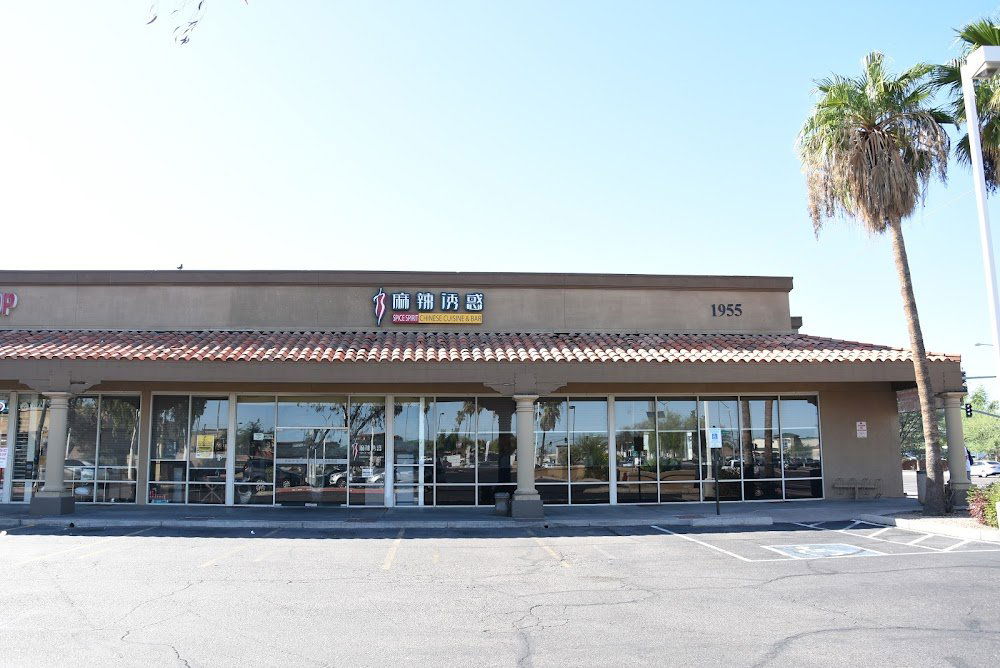
- 1955 W Main St #101, Mesa, AZ 85201
- Reservations
- Book on the venue's website
- Website
- azspicespirit.com
- Phone
- +1 480 809 6030
The take
The Take
The Vibe
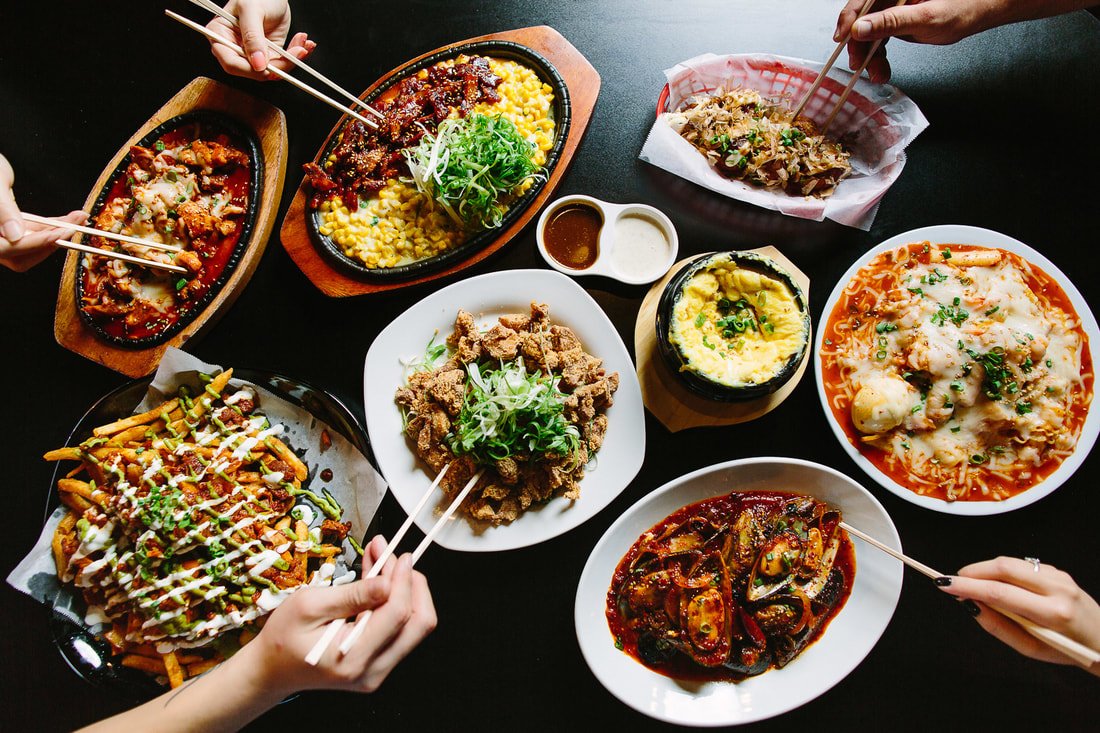
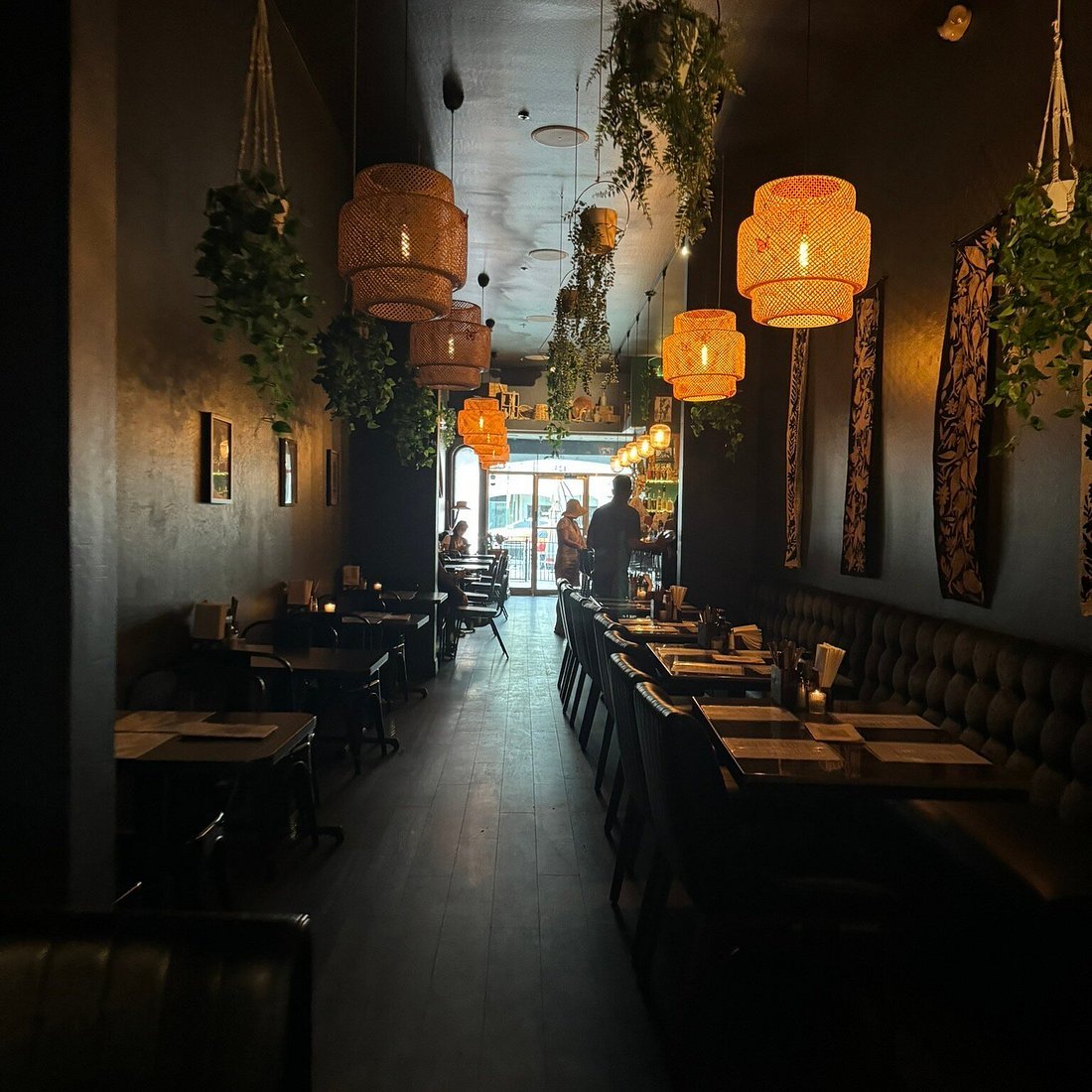
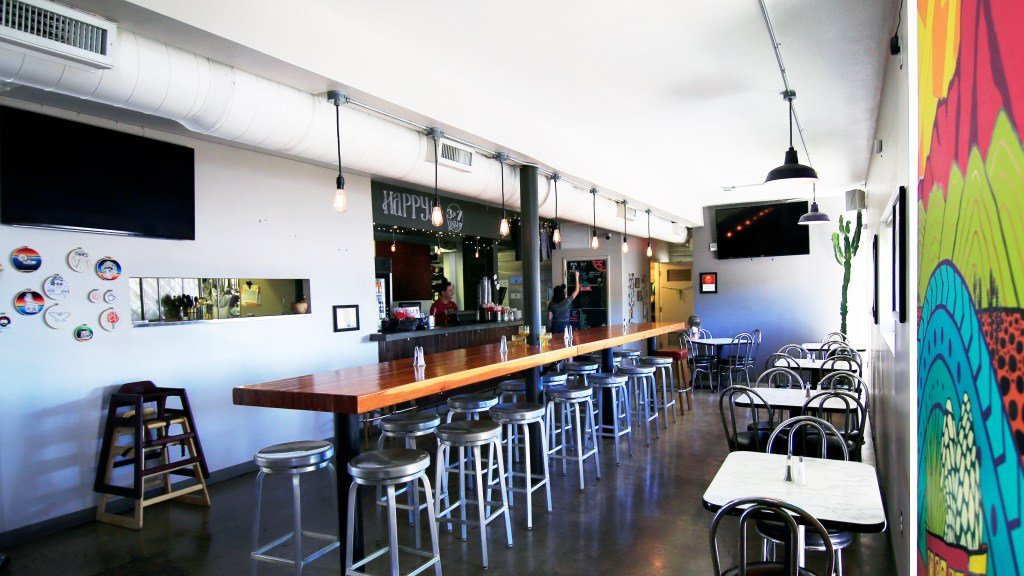
Spice Spirit frames itself as a Sichuan-first bar in an unassuming West Main Street strip-mall, translating its name as 'mala temptation' and making spice the house statement. The writing stresses the electric peppercorn tingle and accumulating chili burn that organize the kitchen’s plates, while the combination of Chinese food culture and deliberate bar programming positions the room as contemporary and energetic. Diners who follow the region’s growing Chinese scene are the primary audience; the venue reads like a focused neighborhood pick that trades on bold flavors rather than décor theatrics.
Best For
The restaurant is best suited to evening outings where a group can lean into progressive heat — think after-work gatherings and casual hangouts that appreciate a lively, spice-forward menu. Its bar element makes it a natural spot for friends to share plates and drinks, and the meal structure described in the copy points toward multi-course dinners rather than quick lunches. Though the setting is a commercial corridor, the kitchen’s clear commitment to mala-driven cooking draws diners looking for spirited, social meals rather than quiet, formal dining.
Ordering Tips
Approach the menu with heat architecture in mind: start with the cold dishes — sliced beef or pork in chili oil, wood ear salads, cucumber with garlic — which introduce mala in a tempered way through temperature and acidity. Use those chilled plates to calibrate your tolerance before moving into mid-meal dry-pot preparations, where oil and spice concentrate directly on proteins and vegetables and the heat intensifies. Think in terms of contrast and accumulation, balancing numbing peppercorn sensations with cooling, acidic starters so the burn builds deliberately rather than overwhelming the table.
Venue details
Tags
Vibe
Best For
Format
At the Bar
- Late Night
- Closes by Midnight
Know before you go
Know Before You Go
- Getting there
- 1955 W Main St #101, Mesa, AZ 85201
Planning details
Location
1955 W Main St #101, Mesa, AZ 85201 · Directions
Also consider
Where to go if this is not the right fit
Choose il Vinaio for a more traditional date-night dinner with an Italian and wine-led feel. Choose Arizona Distilling Co. if the evening should center on drinks rather than a full meal.
Bar context
How it compares in Mesa
il Vinaio is the better choice for a wine-led Italian dinner or a more conventional date-night setup. Spice Spirit Chinese Cuisine and Bar 麻辣诱惑 makes more sense when the night calls for a casual Chinese meal with bar flexibility and less ceremony.
Worth Takeaway is stronger for a quick, efficient meal, while this is better when the plan needs a sit-down dinner. Frutilandia Country Club Dr. works for a lighter, more casual stop; choose this venue when dinner is the anchor.
For drinks-first plans, Oro Brewing Company and Arizona Distilling Co. are cleaner fits. This is the better pick when food drives the decision and the bar is a useful add-on rather than the whole point.
Explore Mesa
Around this place
Discover more on Pearl
Unlock the full Spice Spirit Chinese Cuisine and Bar 麻辣诱惑 guide in Pearl, including awards, comparisons, FAQs, planning details, and nearby places.
Compare Spice Spirit Chinese Cuisine and Bar 麻辣诱惑
| Venue | Location | Awards |
|---|---|---|
| Spice Spirit Chinese Cuisine and Bar 麻辣诱惑 | Mesa | No published awards |
| il Vinaio | Mesa | No published awards |
| Frutilandia Country Club Dr. | Mesa | No published awards |
| Worth Takeaway | Mesa | No published awards |
| Oro Brewing Company | Mesa | No published awards |
| Arizona Distilling Co. | Mesa | No published awards |
How Spice Spirit Chinese Cuisine and Bar Mesa compares with similar nearby venues.
FAQ
Frequently Asked Questions
Does Spice Spirit Chinese Cuisine and Bar 麻辣诱惑 have outdoor seating?
What's the best time to go to Spice Spirit Chinese Cuisine and Bar 麻辣诱惑?
Use the hours as the starting point. Spice Spirit Chinese Cuisine and Bar 麻辣诱惑 is listed from 11 AM to 3 PM daily, then 5 PM to 9:30 PM Sunday through Thursday and 5 PM to 10 PM Friday and Saturday.
Is Spice Spirit Chinese Cuisine and Bar 麻辣诱惑 good for groups?
Is Spice Spirit Chinese Cuisine and Bar 麻辣诱惑 good for a date?
It can be a reasonable fit for a low-pressure Mesa date if casual dress and the posted hours suit your plan.
Is the food good at Spice Spirit Chinese Cuisine and Bar 麻辣诱惑?
The safest verdict is to treat it as a Mesa venue to consider when its name, casual dress code, and hours match what you want.
Does Spice Spirit Chinese Cuisine and Bar 麻辣诱惑 have happy hour deals?
Plan around the posted hours rather than any unconfirmed discount or drinks promotion.