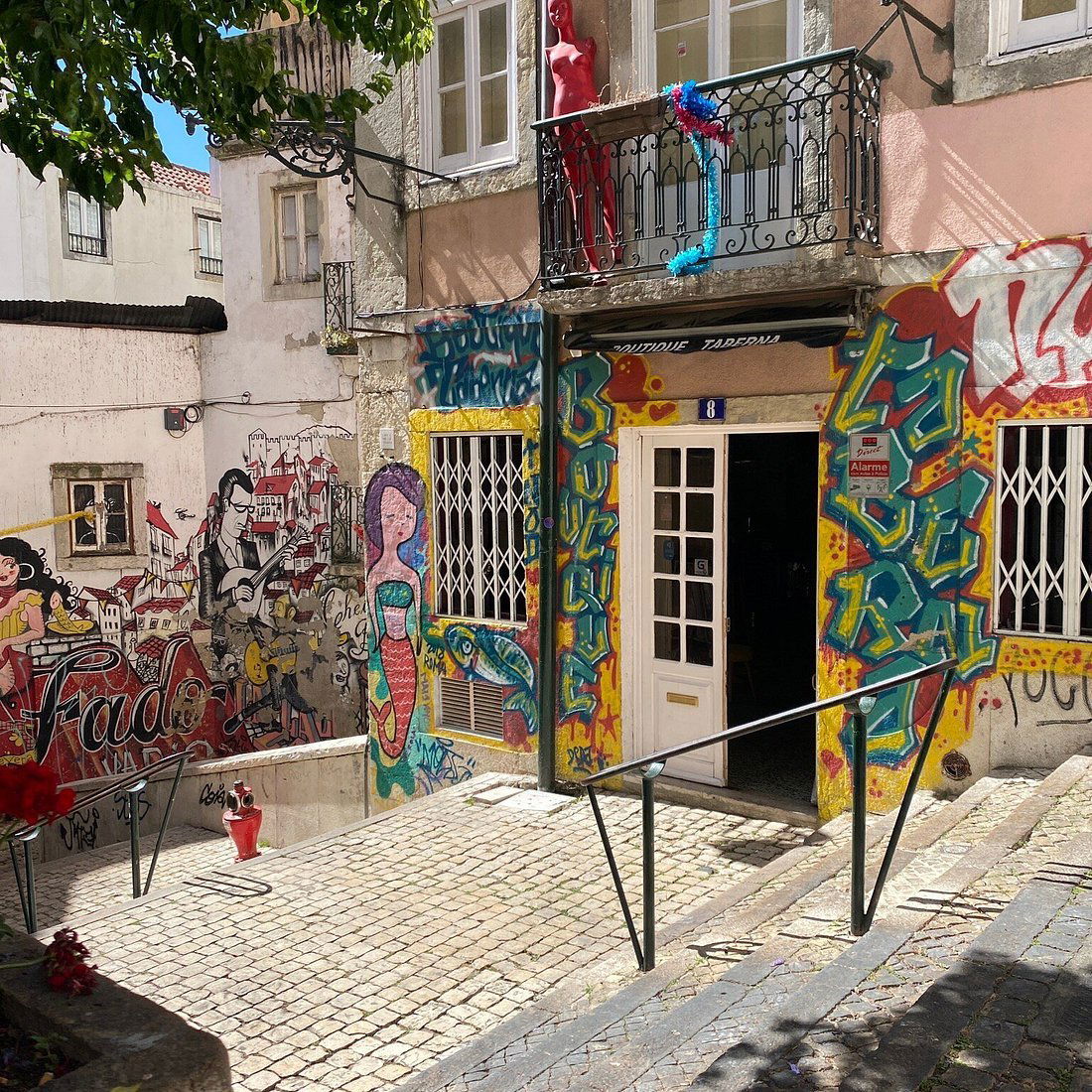
Boutique Taberna
Baixa, Lisbon
Bar in Lisbon, Portugal
 Book with Pearl
Why go
Boutique Taberna is a flexible Lisbon option rather than a lock-in celebration booking. With no confirmed public detail on pricing, hours, menu, or a defined spirits specialty, it works better as a casual São Cristóvão stop than as the centerpiece of a planned night.
About Boutique Taberna
Boutique Taberna is a Lisbon venue with a casual dress code. Beyond that, details about the menu, drinks, pricing, hours, service style, or format should be checked directly before planning a visit.
That makes Boutique Taberna easier to consider for a flexible Lisbon plan than for an evening that depends on confirmed details in advance. If timing, budget, food or drink specifics, or group logistics need to be locked down, plan with caution and verify directly before going.
Book it only if the plan can stay flexible
For a special occasion, choose Boutique Taberna only when the group is comfortable with limited information beyond its Lisbon location and casual dress code. If the evening needs a clearer match in advance, compare it with another option such as A Ginjinha, or browse Our full Lisbon bars guide. For a broader Lisbon plan, you can also use Our full Lisbon restaurants guide and Our full Lisbon hotels guide.
For wider planning, keep other Lisbon guides handy. Boutique Taberna is best framed with the information that is confirmed: Lisbon, casual dress, and the need to verify any other details directly before building a night around it.
Planning details
- Location
- Escadinhas de São Cristóvão 8, 1100-177 Lisboa, Portugal
- Website
- boutiquetaberna.pt
- Phone
- +351 912 690 795
The take
The Take
The Vibe
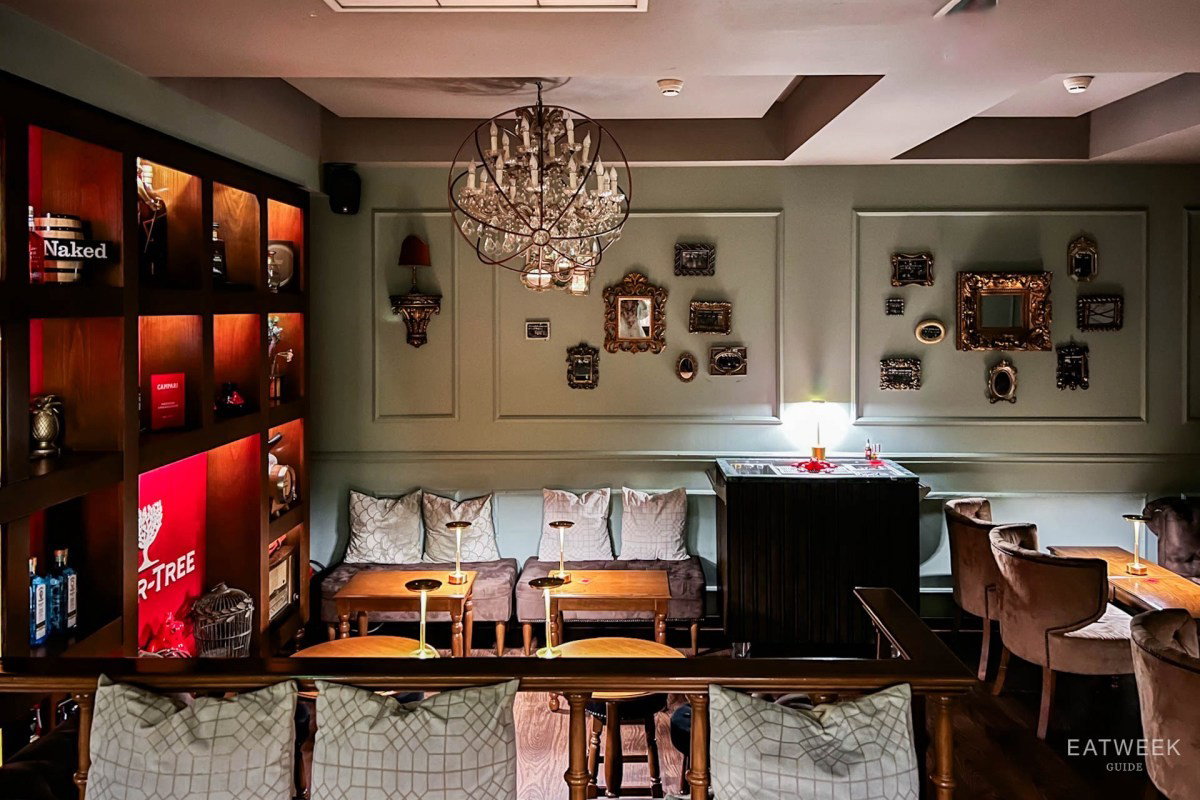
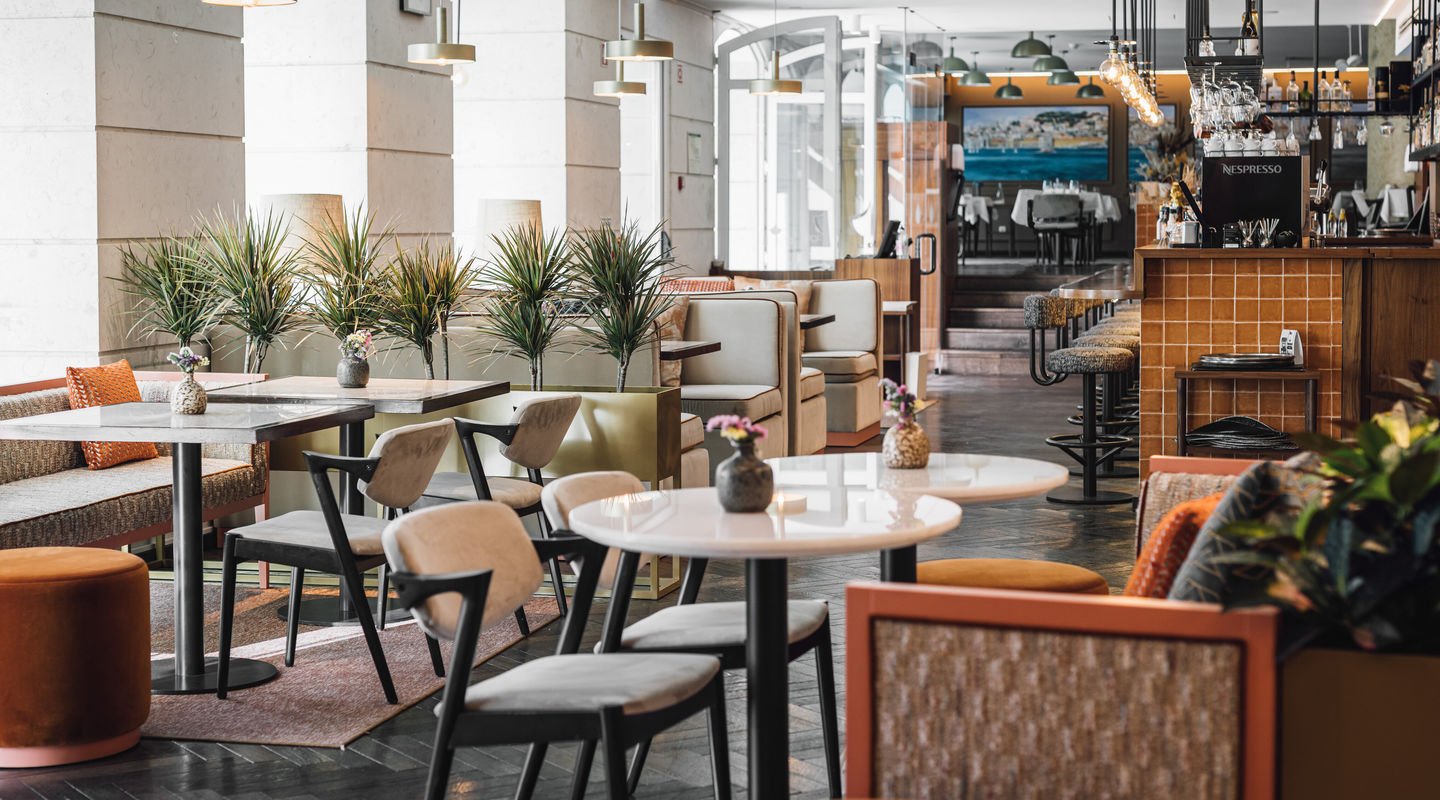
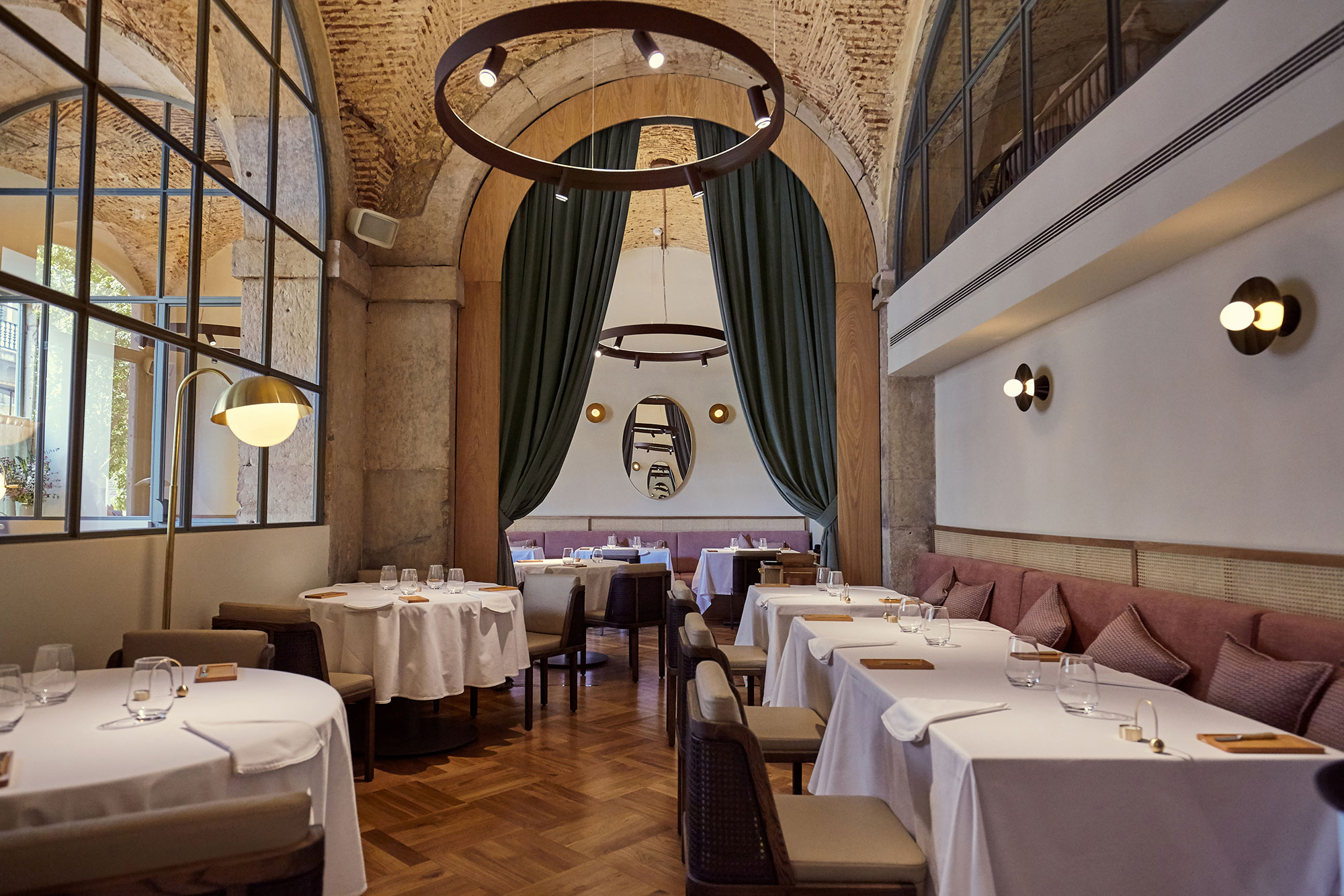
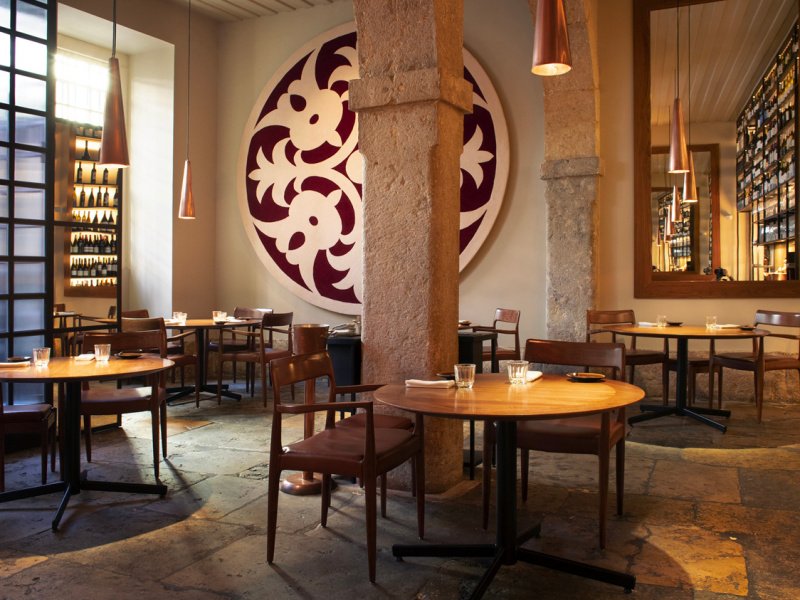
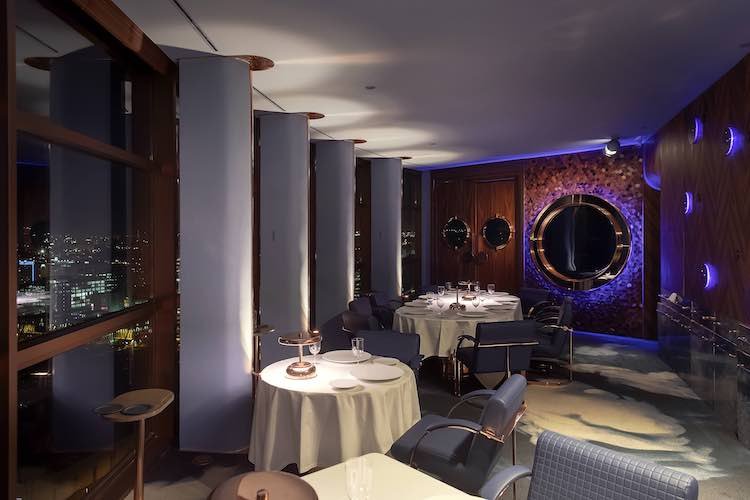
Boutique Taberna sits discreetly on a stepped alley in Mouraria, one of Lisbon’s oldest surviving neighbourhoods, and it reads like a preserved example of the traditional taberna. Interiors follow the format — stone or tiled surfaces and a compact room that serves both local regulars and diners seeking a more considered experience. The wine list leans regional, the small plates focus on preserved and cured products, and the overall tone feels quietly assured rather than trendy. It’s a place anchored in place and practice, where provenance and restraint shape the experience more than spectacle.
Best For
This is a neighbourhood spot that doubles as a restrained yet properly formed dining destination: ideal for a focused evening of wine and small plates. It suits couples or pairs seeking a low-key date night and wine-focused visitors who want to explore Portuguese regions without the tourist trappings of more commercial areas. Regulars and locals add to the conversational energy, so it also works well for solo visits or a late-night stop after the city’s busier districts have quieted down.
Ordering Tips
Lean into the taberna’s strengths: ask to see or hear about the bottle list weighted toward the Alentejo and the Douro and choose a few small plates that showcase preserved or cured products. The write-up stresses supply-chain discipline and proximity to sources, so expect a seasonal, provenance-minded approach rather than à la carte theatrics. If you want a straightforward evening, order by the bottle or a few sharing plates and let the staff guide you toward regional pairings.
Venue details
Ambiance
Cozy and vibrant with live music creating a bohemian, nostalgic atmosphere.
Tags
Vibe
Best For
Experience
Format
View
At the Bar
- Bar Category
- Pub
- Late Night
- Closes by Midnight
- Music
- Live Fado
- Live Music
- Yes
Signature Pours
sangria
Know before you go
Know Before You Go
- Getting there
- Escadinhas de São Cristóvão 8, 1100-177 Lisboa, Portugal
Planning details
Location
Escadinhas de São Cristóvão 8, 1100-177 Lisboa, Portugal · Directions
Also consider
Also Consider
- Quattro Teste, Notable alternative
- Association Renovar a Mouraria, Notable alternative
- Boca D'uva, Notable alternative
- A Ginjinha, Notable alternative
- R. do Comércio 32, Notable alternative
Bar context
How it compares in Lisbon
Choose Boutique Taberna when location and informality matter more than a clearly signposted drinks program. A Ginjinha is the cleaner pick for a classic Lisbon spirits stop, especially if the goal is a focused, quick drink rather than a sit-down evening.
Quattro Teste, Boca D'uva, and R. do Comércio 32 are better cross-shops if the decision depends on ambiance and a more intentional night out. Without confirmed pricing or format for Boutique Taberna, value is hard to judge, so it is safer for flexible plans than spend-sensitive occasions.
If ease is the priority, Boutique Taberna's assigned booking difficulty is low, but Association Renovar a Mouraria may suit readers who want to stay in the Mouraria orbit while keeping the evening casual. For celebrations, pick the venue with clearer published details before committing a group.
Around this place
Discover more on Pearl
Unlock the full Boutique Taberna guide in Pearl, including awards, comparisons, FAQs, planning details, and nearby places.
Compare Boutique Taberna
| Venue | Location | Awards |
|---|---|---|
| Boutique Taberna | Lisbon | No published awards |
| Quattro Teste | Lisbon | Top 500 Bars 2026 · #319Top 500 Bars 2025 · #492 |
| Association Renovar a Mouraria | Lisbon | No published awards |
| Boca D'uva | Lisbon | No published awards |
| A Ginjinha | Lisbon | No published awards |
| R. do Comércio 32 | Lisbon | No published awards |

How Boutique Taberna Lisbon compares with similar nearby venues.
FAQ
Frequently Asked Questions
Does Boutique Taberna have happy hour deals?
If deals are important, verify directly before planning around them.
What is Boutique Taberna known for?
Boutique Taberna is a Lisbon venue with a casual dress code. Specific details about its menu, drinks, pricing, hours, or service format should be checked directly.