
Ristoro di Lamole
Lamole
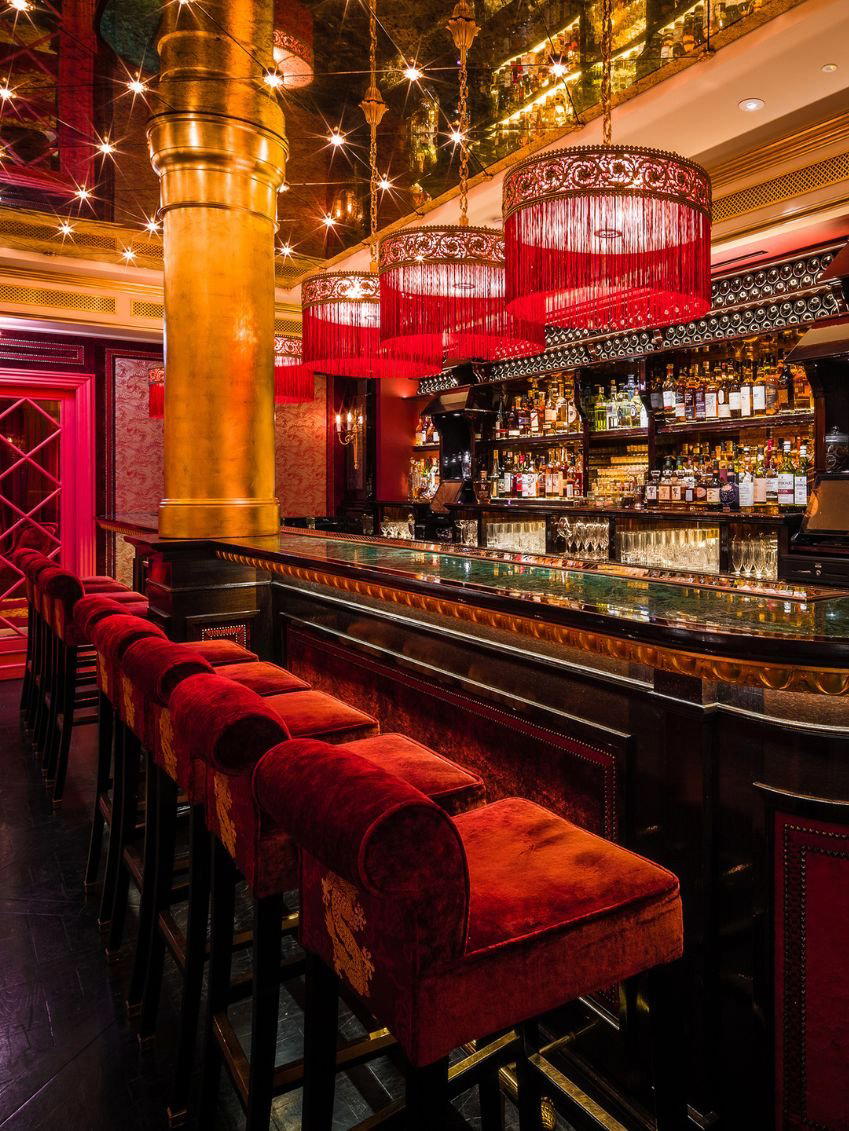
Bar in Lamole, Italy
 Book with Pearl
The Read
Price
$50–100per person
Why go
Ristoro di Lamole is worth booking for a wine-focused Chianti lunch, especially for groups that want one seated meal rather than a loose bar crawl. The key constraint is timing: listed service is lunch-only on open days, with Wednesday closed, so treat it as the day's anchor rather than a late fallback.
About Ristoro di Lamole
For a return trip to Lamole, the reason to consider Ristoro di Lamole is direct: it is a midday option with Star Wine List (2026) recognition. Treat it as a planned midday stop rather than a loose late-day fallback.
The useful context is the schedule. Ristoro di Lamole is open on Monday, Tuesday, Thursday, Friday, Saturday, and Sunday from 12:00 PM to 2:30 PM, and it is closed on Wednesday. Smart casual dress is listed. That makes timing the key planning point: build the day around the midday window rather than assuming there will be a later service.
Book this for a Lamole midday plan, not a late-night plan
The clearest reason to consider Ristoro di Lamole is its Star Wine List recognition in 2026. That gives the venue a wine-related signal, without needing to make claims about a specific list, cellar, menu, cuisine, or price point.
For someone who has already been once, the second-visit move is to use it more deliberately: plan around the group's timing and the day's route. If several people are going together, treat it as the main midday plan, not an add-on squeezed between other stops. With no late service listed, a delayed arrival can make the visit feel rushed. Build the day around the hours instead.
There is not enough menu or price detail here to promise a specific dish, cuisine style, or spend per head. The safer recommendation is schedule-based: choose it when the group wants a midday plan in Lamole and values the venue's wine recognition. If the group mainly wants a different kind of stop, compare the details before deciding.
Who should choose it over a bar stop
Ristoro di Lamole is better for a group that wants one central midday plan during the service window. It is less useful if the group is splitting up, arriving at different times, or looking for a late plan. Since only 12:00 PM to 2:30 PM hours are listed, timing should be part of the plan.
Use the facts as the planning frame: Ristoro di Lamole is in Lamole, has smart casual dress listed, is closed on Wednesday, and is otherwise listed only for the midday window. For anything beyond that, such as exact dishes, pricing, seating, or later service, check directly before locking the route.
Planning details
- Location
- Via Lamole, 6, 50022 Greve in Chianti FI, Italy
- Website
- ristorodilamole.it
- Phone
- +39 055 854 7050
The take
The Take
The Vibe
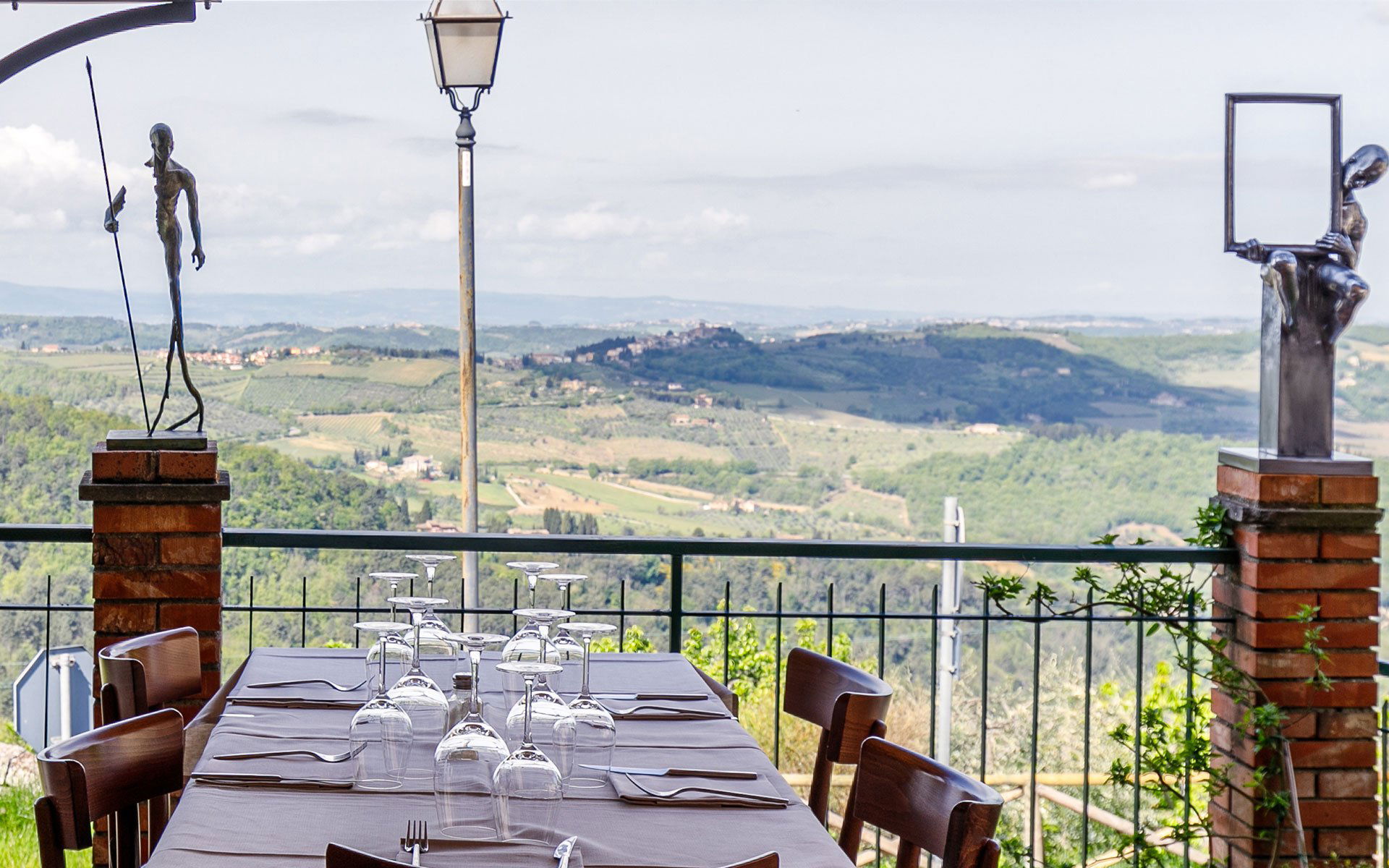
Ristoro di Lamole sits high in the Chianti Classico hills, framed by vineyards and a scatter of stone buildings on the ridgeline. The drive up narrow, switchbacking roads screens out casual traffic, creating a calm, self-selecting clientele and an intimate dining atmosphere. The operation reads as quietly assured rather than flashy: three decades of steady stewardship have yielded a refined, regionally rooted table that complements the hamlet’s unhurried pace. Expect a charming, classic Tuscan mood — small-scale, peaceful and centered on what’s coming from the kitchen rather than on spectacle.
Best For
This is a destination for diners who plan to be here for the food. The setting and service favor intimate meals and special evenings — think date nights and celebrations that prioritize regional cooking and a relaxed, unhurried rhythm. Because Lamole is a small, high-elevation hamlet with limited passing traffic, the restaurant also suits visitors seeking a quiet, scenic escape from busier towns. It’s not a stopover; it’s a place people intentionally make time for, often as the primary reason for the trip.
Ordering Tips
The menu reflects seasonal produce anchored to the Arno valley, so lean into dishes that change with the harvest and foreground local ingredients. Given the kitchen’s long-standing reputation for consistency, consider letting the staff guide selections toward what’s freshest that day. Logistics matter here: the road climbs sharply into a small hamlet and the restaurant isn’t on a typical tourist circuit, so plan your journey with time to spare and expect the meal to be the focus of the outing rather than a quick stop.
Venue details
Ambiance
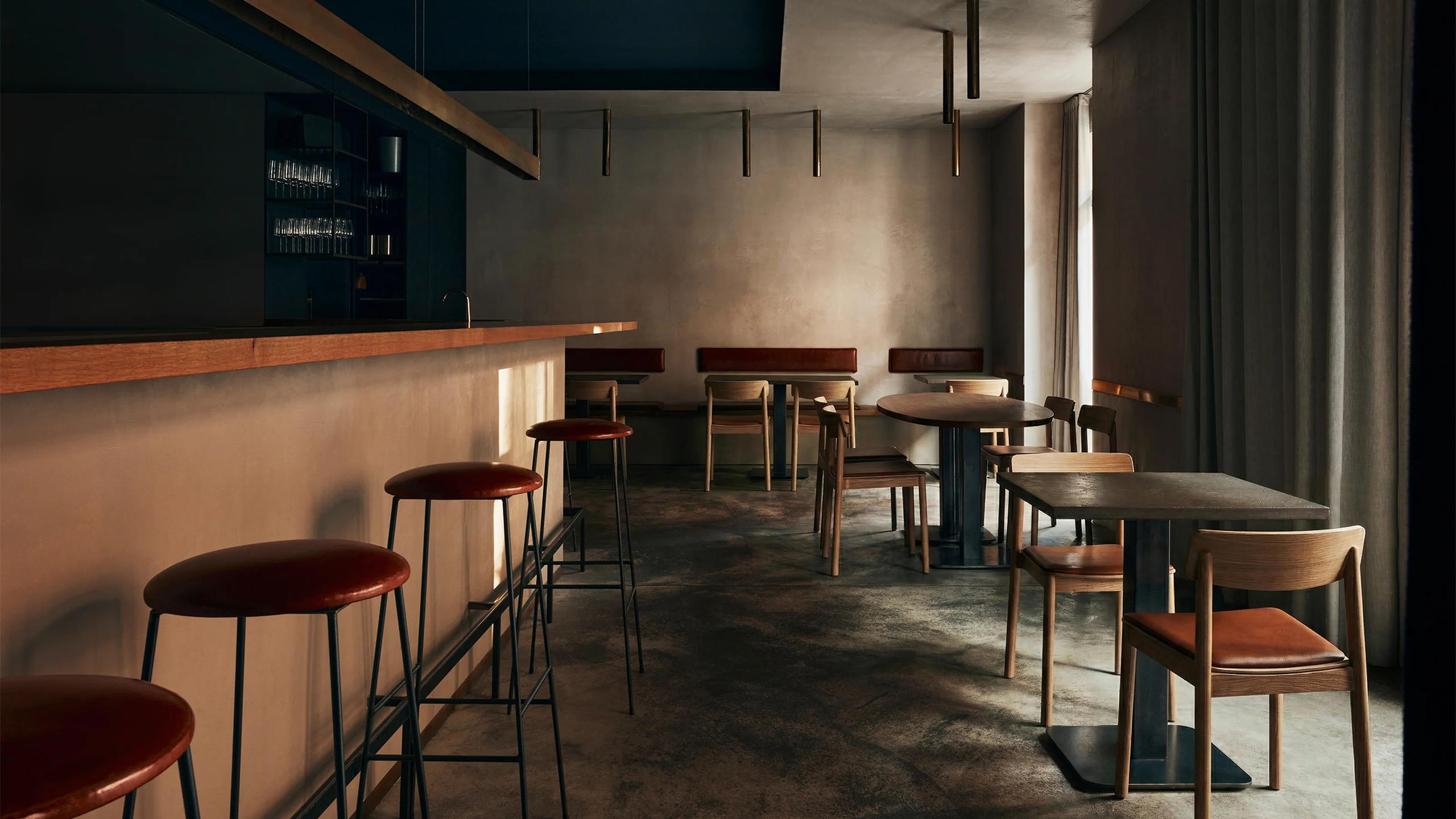
Relaxed and elegant Tuscan atmosphere with warm hospitality, tasteful art decor, and stunning sunset views from the terrace.
Tags
Vibe
Best For
Experience
Format
View
At the Bar
- Bar Category
- Wine Bar
- Late Night
- Closes by Midnight
Know before you go
Know Before You Go
- Getting there
- Via Lamole, 6, 50022 Greve in Chianti FI, Italy
Planning details
Location
Recognition and awards

Also consider
If you cannot make this timing work
Pick Enoteca Falorni if the group wants wine without committing to a full restaurant lunch. Pick Bar Il Castello if the plan needs to stay casual and flexible.
Bar context
How it compares in Lamole
Choose Ristoro di Lamole when the group wants a restaurant meal with a wine-led reason to commit. Enoteca Falorni is the more flexible alternative if the priority is tasting and browsing rather than sitting down for a full lunch.
Bar Il Castello and Bar Archi make more sense for a lighter stop, especially if the group is not aligned on a full meal. Ristoro di Lamole is the better call when one booking needs to satisfy the table and keep the itinerary contained.
Al Fresco Pool Bar and Cocktail Bar Amarantho are stronger for a drink-led plan or a hotel-style pause. They are not like-for-like substitutes for a lunch booking; use them when ambiance and ease matter more than the meal itself.
Explore Lamole
Around this place
Discover more on Pearl
Unlock the full Ristoro di Lamole guide in Pearl, including awards, comparisons, FAQs, planning details, and nearby places.
Compare Ristoro di Lamole
| Venue | Location | Awards |
|---|---|---|
| Ristoro di Lamole | Lamole | Star Wine Lists 2026 |
| Enoteca Falorni | Greve in Chianti | No published awards |
| Bar Il Castello | Siena | No published awards |
| Al Fresco Pool Bar | Castelnuovo Berardenga | No published awards |
| Cocktail Bar Amarantho | Castelnuovo Berardenga | No published awards |
| Bar Archi | Castelnuovo Berardenga | No published awards |
How Ristoro di Lamole compares with similar nearby venues.
FAQ
Frequently Asked Questions
What's the crowd like at Ristoro di Lamole?
The schedule points to a midday plan rather than a late-night scene: service is listed from 12:00 PM to 2:30 PM on open days. Star Wine List (2026) recognition is the main wine-related signal. If you want another comparison point, Bar Il Castello may be worth considering.
Is Ristoro di Lamole good for groups?
It can be a good fit if the group wants one shared midday plan in Lamole during the service window. It is less useful for a loose, split-up format, because the practical appeal here is the schedule. For another comparison point, Enoteca Falorni may be useful.
Does Ristoro di Lamole have outdoor seating?
Outdoor seating is not listed, so do not make that the main reason to go. Plan around the confirmed service, which runs Monday, Tuesday, Thursday, Friday, Saturday, and Sunday from 12:00 PM to 2:30 PM. If you are comparing it with another option, Al Fresco Pool Bar may also be on your shortlist.
Is the food good at Ristoro di Lamole?
There is not enough detail to make specific claims about dishes, cuisine, or pricing. The confirmed draw is that Ristoro di Lamole is a midday option in Lamole with Star Wine List (2026) recognition. If you want a different kind of outing, Cocktail Bar Amarantho is a useful comparison.
Is Ristoro di Lamole good for a date?
It may fit a date if the plan is built around the midday hours in Lamole. It is not a dinner-date option based on the hours, since service ends at 2:30 PM and the venue is closed on Wednesday. If you want another option, Bar Archi may be worth comparing.
Is Ristoro di Lamole open late?
No. The schedule is 12:00 PM to 2:30 PM on Monday, Tuesday, Thursday, Friday, Saturday, and Sunday, with Wednesday closed. That makes it a poor choice for a late plan in Lamole. For another comparison point, Bar Il Castello may be relevant.
What's the best time to go to Ristoro di Lamole?
Go during the window: 12:00 PM to 2:30 PM on Monday, Tuesday, Thursday, Friday, Saturday, or Sunday. Wednesday is closed. If the goal is a wine-recognized midday stop in Lamole, arriving with enough time before the end of service is the safest plan.