
Vinoteka Brda
Šmartno, Kojsko, Kojsko
Bar in Kojsko, Slovenia
 Book with Pearl
The Read
Price
$30–50per person
Why go
Vinoteka Brda is worth considering in Kojsko if the plan is wine-led and conversation-first, not a high-energy bar night. Star Wine List recognition in 2026 is the main trust signal; choose it for a calmer Brda stop, and compare Konvin if you want another local bar option before committing.
About Vinoteka Brda
Vinoteka Brda is a Kojsko venue with Star Wine List recognition in 2026. Practical details are limited, so it's best to plan around the known information: it is in Kojsko, the dress code is casual, and it is open Wednesday through Sunday from 11 AM to 9 PM, with Monday and Tuesday closed.
The decision is simple: choose it if you want a Kojsko stop with a wine-list recognition and you are comfortable checking any menu, booking, or service details directly before you go. If your plans depend on a specific food offering, cocktail format, seating setup, price range, or reservation policy, those details should be confirmed with the venue.
Best planned around the basics
The clearest highlight is the Star Wine List recognition, not a detailed public breakdown of the room, menu, or service style. That makes Vinoteka Brda easier to plan around as a Kojsko stop with limited details than as a venue to choose for additional features. Use the hours as the anchor: Wednesday to Sunday, 11 AM to 9 PM.
If you are comparing options, keep the comparison practical rather than assuming the same format. Konvin, Aperitiv Bar Park, Aperitiv Bar Toplice, Harry's Bar, and Koželj may suit different plans, while Vinoteka Brda is the Kojsko option with the Star Wine List signal.
Who should choose it next
Vinoteka Brda is best considered by travelers or locals who want a Kojsko venue with a wine-list recognition and casual dress code. Because details such as seating style, food service, prices, and reservations are not available, plans that depend on those specifics should be checked directly with the venue.
For a wider itinerary, treat Vinoteka Brda as one Kojsko stop rather than the whole plan. If you are comparing the purpose of the visit, look at Aperitiv Bar Park, Aperitiv Bar Toplice, Harry's Bar, Konvin, or Koželj as separate options, and confirm current details with each venue before committing.
Planning details
- Location
- Šmartno 26, 5211 Kojsko, Slovenia
- Website
- vinotekabrda.si
- Phone
- +386 31 342 369
The take
The Take
The Vibe
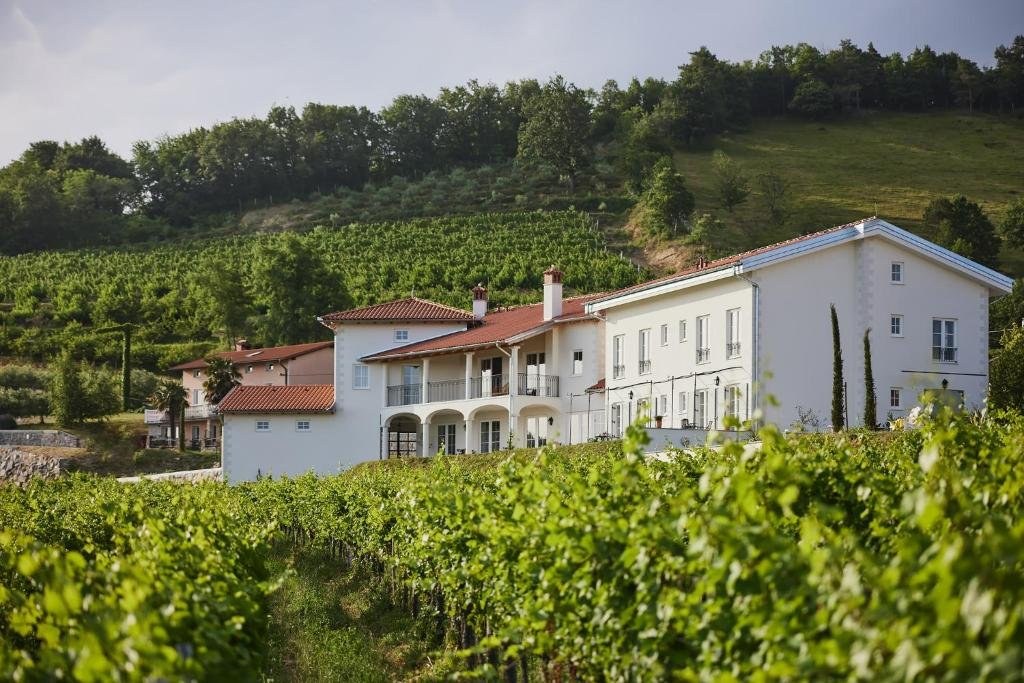
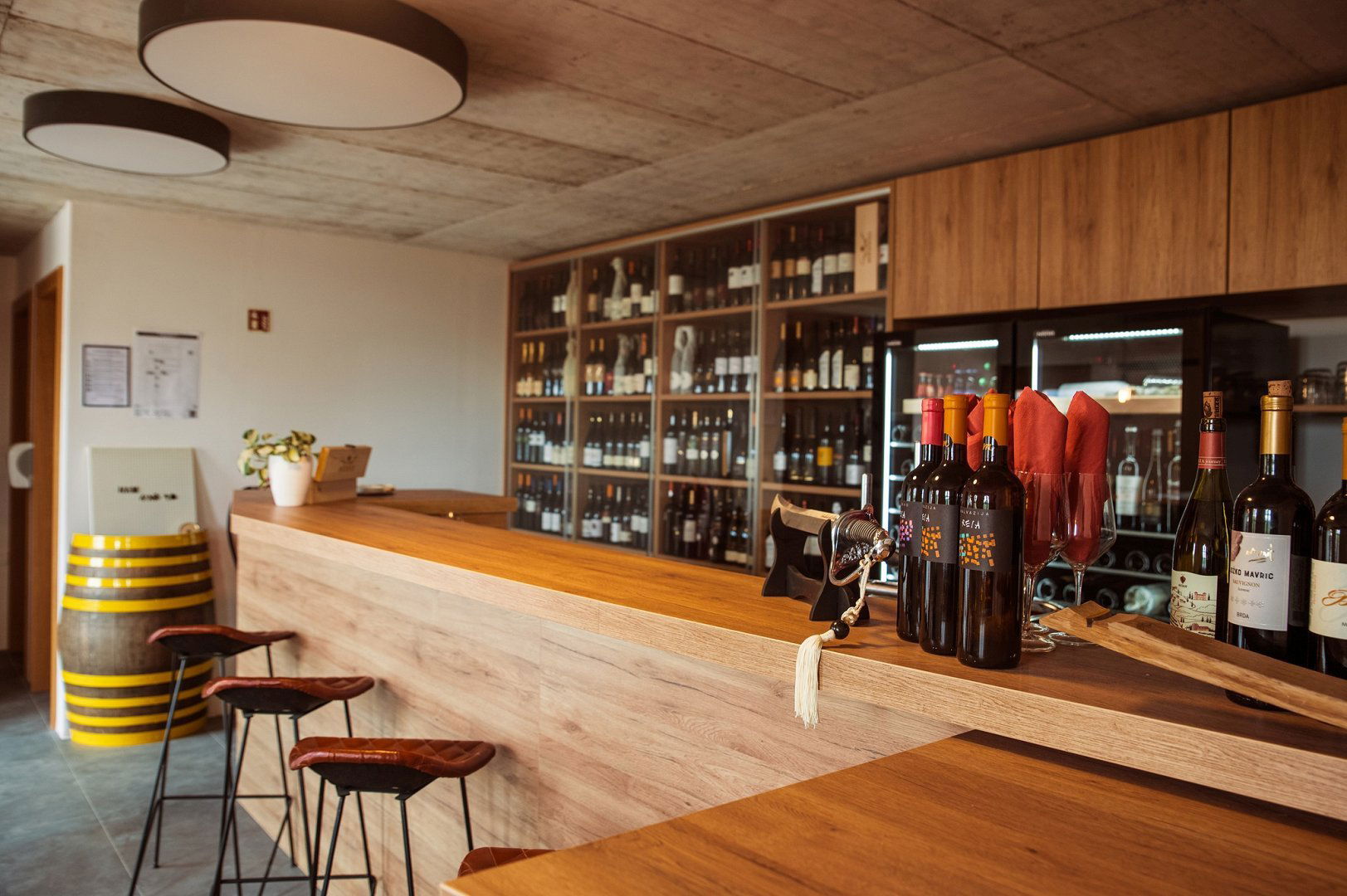
Vinoteka Brda anchors itself in the built landscape of Šmartno: a compact, walled village on the ridge above the Brda hills. Stone walls and altitude shape both the approach and the mood, and the room reads like an extension of the terroir it represents. Rather than a tourist spectacle, the space emphasizes sober curation and a focused authority on local varieties. The tone is serious and quietly refined — the sort of place where the architecture and the bottle list together signal provenance and tradition more than spectacle.
Best For
This vinoteka is best for visitors who want to taste place as much as wine. Because the collection concentrates on producers from the flysch slopes of Goriška Brda, it suits people seeking deeper knowledge of regional styles — structured Rebula whites and earthier Merlot- and Cabernet-driven reds — and those who appreciate a thoughtful, place-driven tasting. It also works well for low-key special occasions and intimate evenings where the emphasis is on conversation and exploration rather than loud socializing.
Ordering Tips
Approach the list with a sense of curiosity about terroir: ask for wines that exemplify the flysch soils and the region’s signature grapes. The text highlights Rebula (Ribolla Gialla) for structured whites and local Merlot and Cabernet for reds, so request those as starting points. Treat the cellar and back bar as a mapped collection — the curator’s choices tell a story about what the appellation values and what it omits, so ask staff to guide a tasting that illustrates that argument rather than chasing familiar, nonregional labels.
Venue details
Ambiance
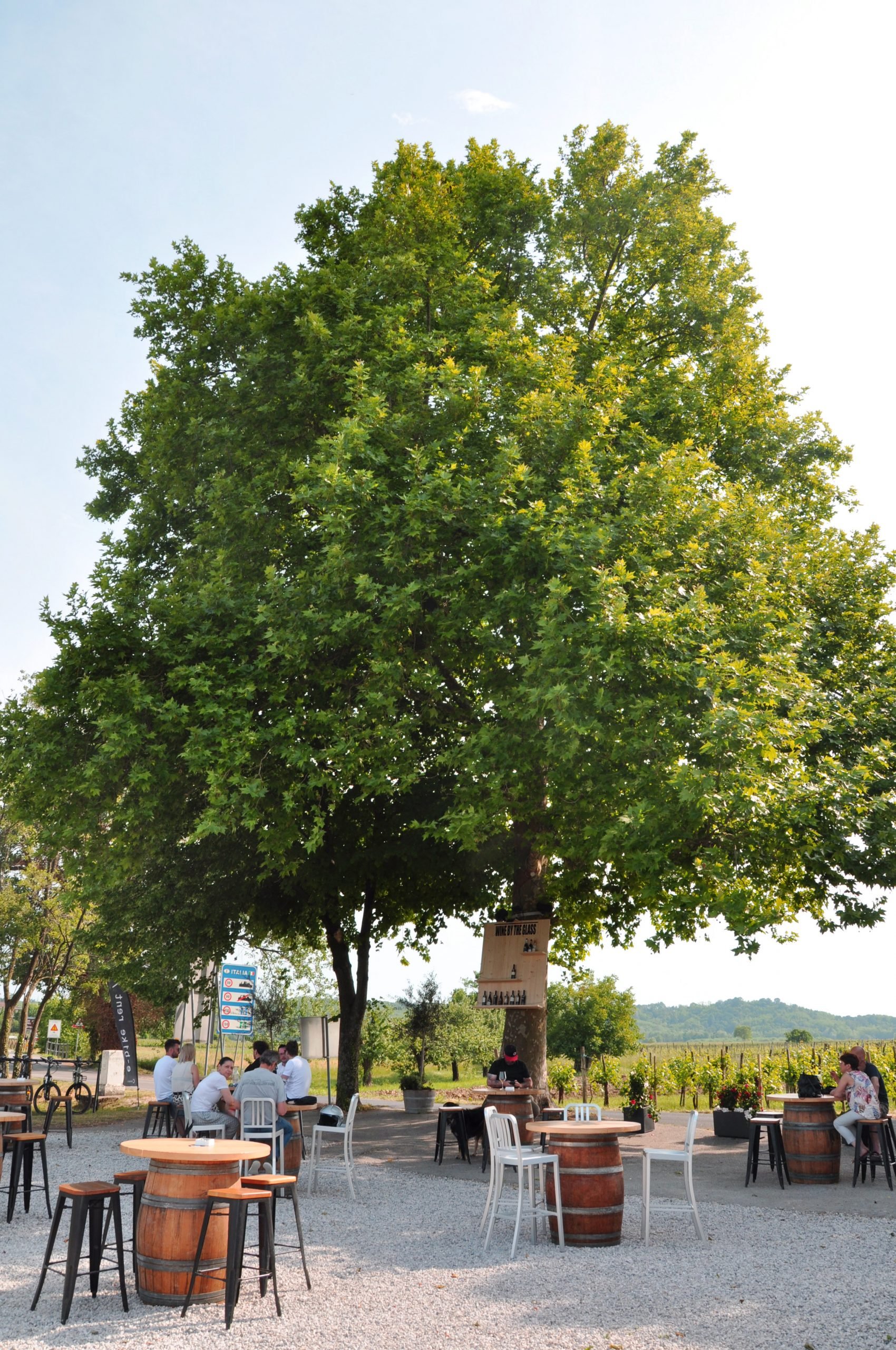
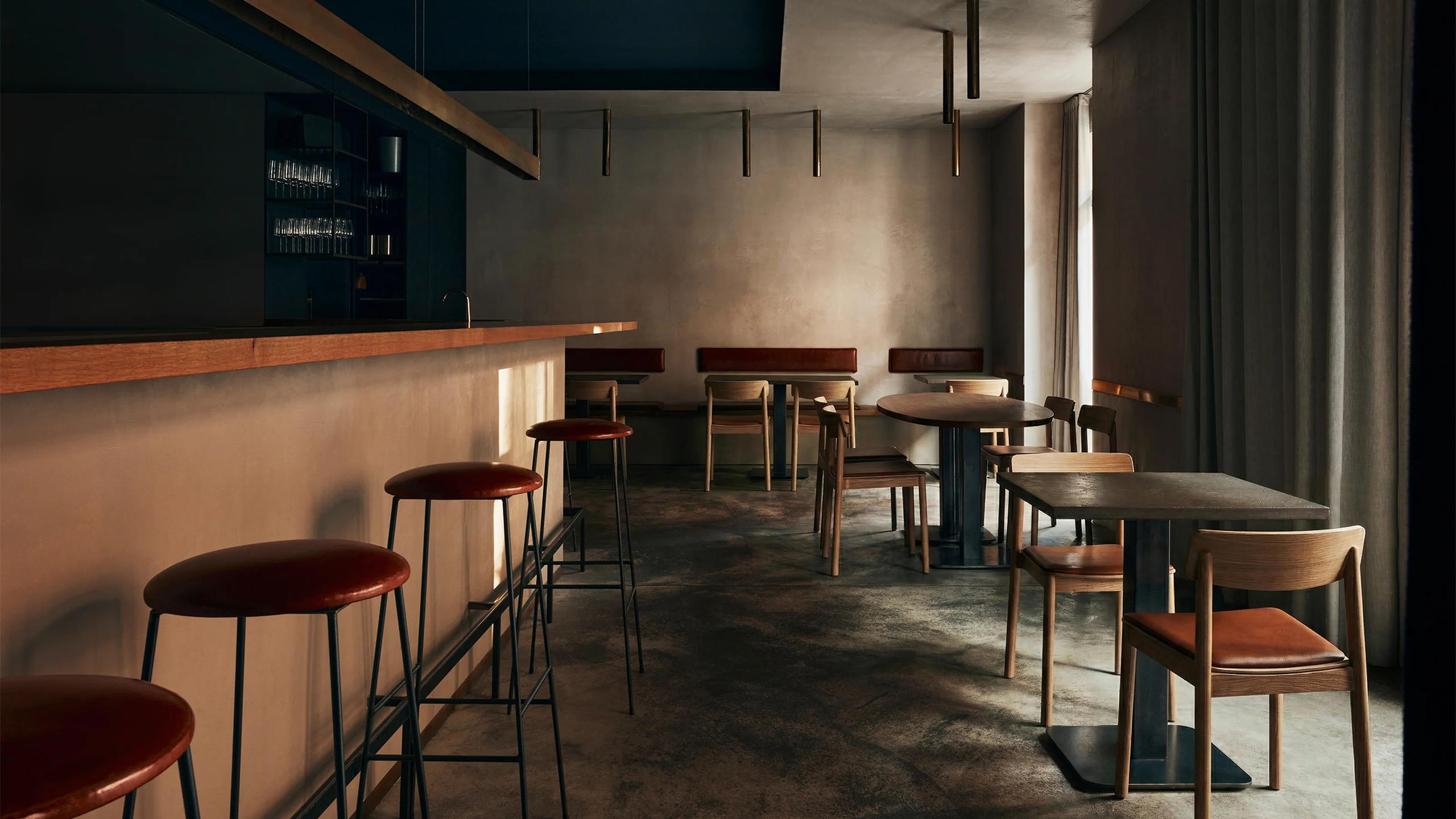
Intimate setting within thick protective stone walls of a medieval village, with warm lighting and rustic charm overlooking vineyards and orchards of Goriška Brda.
Tags
Vibe
Best For
Experience
Format
View
At the Bar
- Bar Category
- Wine Bar
- Late Night
- Closes by Midnight
Know before you go
Know Before You Go
- Getting there
- Šmartno 26, 5211 Kojsko, Slovenia
Planning details
Location
Recognition and awards

Also consider
Also Consider
- Konvin, Notable alternative
- Harry's Bar, Notable alternative
- Koželj, Notable alternative
- Aperitiv Bar Park, Notable alternative
- Aperitiv Bar Toplice, Notable alternative
Bar context
How it compares in and around Kojsko
Vinoteka Brda is the wine-focused choice in this set, helped by Star Wine List recognition in 2026. Konvin is the clearest local cross-shop if you want to stay in Kojsko but compare atmosphere before deciding. Pick Vinoteka Brda when the night is about a serious glass in a calmer Brda setting; look at Konvin when the group wants another nearby bar option and less of a wine-list-led decision.
Harry's Bar, Koželj, Aperitiv Bar Park, and Aperitiv Bar Toplice are better comparisons for travelers deciding how much of the evening should feel like a destination bar stop rather than a Brda wine-country pause. Choose those if location flexibility matters more than staying in Kojsko.
On booking difficulty, Vinoteka Brda is the easier call: it suits a plan that does not need a high-pressure reservation strategy. On ambiance, it is the quieter, conversation-friendly option in this group. For value, the right question is not whether it is cheaper than the others, but whether the group will use the wine focus. If yes, it earns the slot; if not, cross-shop the broader bar options first.
Explore Kojsko
Around this place
Discover more on Pearl
Unlock the full Vinoteka Brda guide in Pearl, including awards, comparisons, FAQs, planning details, and nearby places.
Compare Vinoteka Brda
| Venue | Location | Awards |
|---|---|---|
| Vinoteka Brda | Kojsko | Star Wine Lists 2026 |
| Konvin | Kojsko | No published awards |
| Harry’s Bar | Trieste | No published awards |
| Koželj | Portorož | No published awards |
| Aperitiv Bar Park | Bled | No published awards |
| Aperitiv Bar Toplice | Bled | No published awards |
How Vinoteka Brda Kojsko compares with similar nearby venues.
FAQ
Frequently Asked Questions
Is Vinoteka Brda good for groups?
Information on seat count, room layout, or group policy is not available. For any group plan, use the hours as a starting point: Vinoteka Brda is closed Monday and Tuesday, and open Wednesday through Sunday from 11 AM to 9 PM. If group size matters, check directly before going.
Does Vinoteka Brda have happy hour deals?
Happy hour details are not available. Plan around the basics instead: Vinoteka Brda is in Kojsko, has a casual dress code, and is open Wednesday through Sunday from 11 AM to 9 PM.
Does Vinoteka Brda have outdoor seating?
Outdoor seating information is not available. If seating type is important, confirm directly with Vinoteka Brda before visiting, or compare current details with another option such as Koželj or Aperitiv Bar Toplice.
Is the food good at Vinoteka Brda?
Cuisine, dishes, chef, or kitchen format are not listed. It has Star Wine List recognition (2026), so food-specific expectations should be checked directly with the venue.
Is Vinoteka Brda good for a date?
It may work for a simple Kojsko outing if the details fit your plan: casual dress and opening hours of Wednesday through Sunday, 11 AM to 9 PM. Specific atmosphere, seating, and reservation details are not available, so confirm directly if those details matter.
What's the crowd like at Vinoteka Brda?
The crowd is not described. It is known that Vinoteka Brda is in Kojsko, has a casual dress code, and has Star Wine List recognition in 2026.