

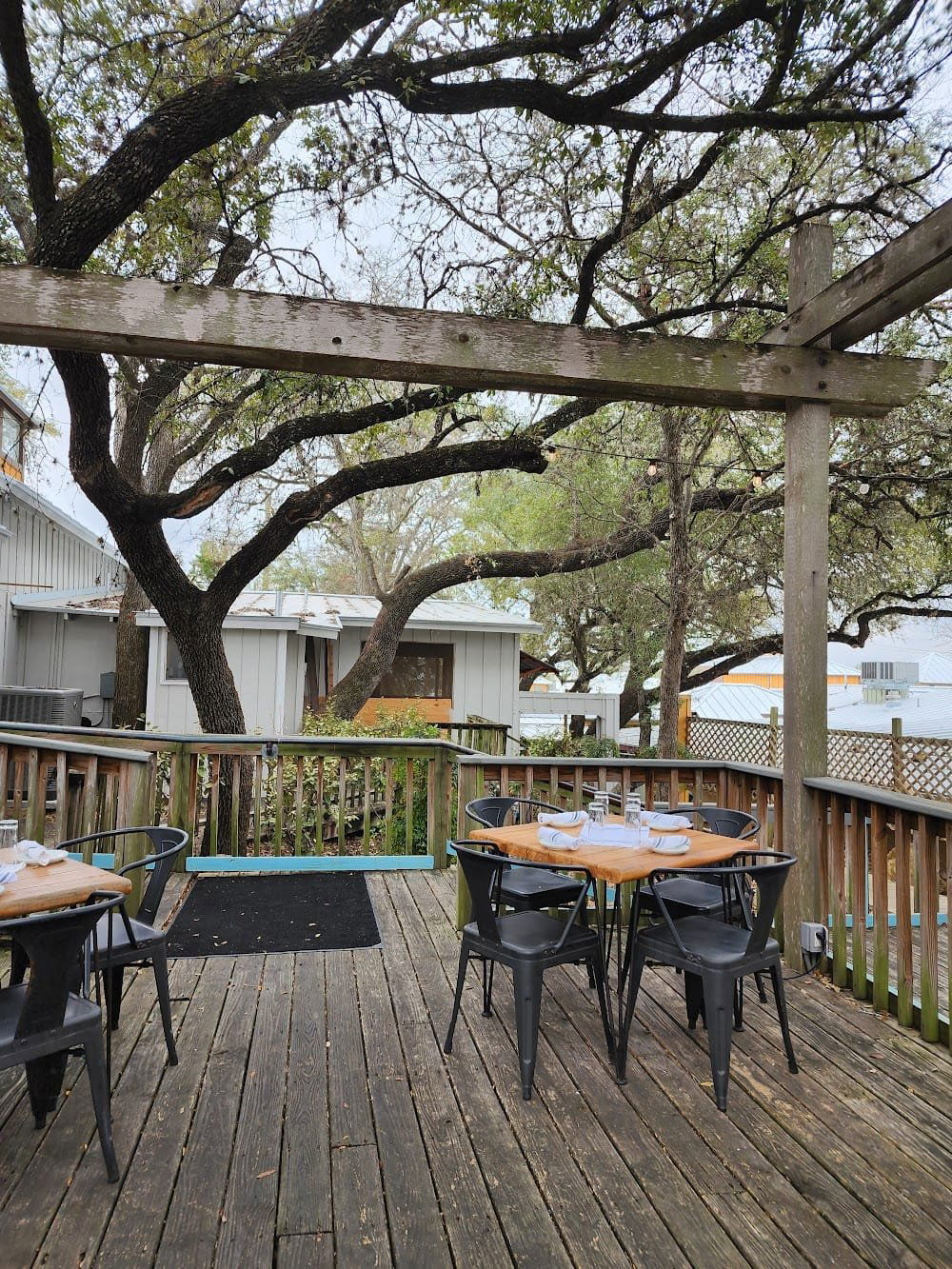
Meadow Neighborhood Eatery + Bar
Hill Country Village
Bar in Hill Country Village, United States
 Book with Pearl
The Read
Price
$30–50per person
Why go
Meadow Neighborhood Eatery + Bar is easiest to recommend for flexible group meals in Hill Country Village: casual dates, family brunch, work lunches, and low-pressure dinners near Bitters Road. Skip it if the occasion needs a documented chef, awards signal, or clearly defined cuisine before booking.
About Meadow Neighborhood Eatery + Bar
Meadow Neighborhood Eatery + Bar is a Hill Country Village option for plans that need useful daytime and evening windows rather than a destination-dining hook. It is closed Monday, open for midday and evening periods on Tuesday, Wednesday, Friday, and Saturday, open Thursday from 11 AM to 1 PM, and open Sunday from 10 AM to 2 PM.
This is not the place to sell a chef counter, tasting menu, signature dish, or award-chasing night out. The safest planning read is practical: use the hours and the smart-casual dress code to decide whether it fits the occasion. For broader planning around Hill Country Village, compare nearby dining options rather than treating this as a stand-alone special-trip booking.
Book it for flexible timing, not for a trophy dinner
The case for considering Meadow Neighborhood Eatery + Bar is convenience. Its Hill Country Village location and hours give diners several useful windows: midday service on multiple weekdays, evening service on several open days, and weekend daytime hours. That matters when the hardest part of the plan is finding a time that works.
The tradeoff is that the recommendation is narrower but clearer: choose it when the meal needs to be direct and easy to fit into the day. The dress code is smart casual. If the occasion needs a highly specific cuisine, a known chef, or a splurge signal, compare options before committing.
How to use it in Hill Country Village
For a date, Meadow Neighborhood Eatery + Bar is a relaxed Hill Country Village choice rather than a heavily produced celebration. For a group, the useful part is the service pattern: weekend daytime hours and several weekday evening windows can make planning simpler than a narrower schedule.
It can also fit as one stop in a simple Hill Country Village plan rather than the whole evening. If the meal is part of a wider local itinerary, pair the decision with other Hill Country Village planning. The smart read: choose it when ease matters, compare when the night needs a sharper food or bar identity.
Planning details
- Location
- 555 W Bitters Rd #110, San Antonio, TX 78216
- Reservations
- Book on OpenTable
- Website
- meadowsanantonio.com
- Phone
- +1 210 481 4214
The take
The Take
The Vibe
Meadow reads like a considered neighborhood bar that refuses to hide behind its strip-mall address. The room is organized around the bar as the focal point, which creates an intimate, bar-first atmosphere rather than a generic dining slot. It balances the practical accessibility of its location with a clear craft-cocktail intent: the interior signals that drinks matter here and that the experience is deliberate. That combination gives Meadow a relaxed, familiar energy while still feeling purposeful: the sort of place where the design choices quietly elevate an otherwise everyday setting.
Best For
This is a neighborhood drinking destination for people who want a thoughtful cocktail without pretense. Meadow suits folks who stop by for after-work drinks, couples or friends who linger over multiple rounds, and locals who appreciate a bar program that is built with intention. Because the space is bar-forward and approachable, it works well for casual meet-ups and low-key special nights out when a better-than-average cocktail is the point. The emphasis is on craft and atmosphere rather than formal dining, so expectations should align with a serious neighborhood bar experience.
Ordering Tips
Treat the bar as the primary service point: the room is organized around it, and the cocktail program is the central thesis of the place. Ask the bartender about what they’re focusing on and whether they’re showcasing a house take on a classic or a more program-driven creation. Come ready to order drinks rather than relying on a prix-fixe meal rhythm, and be prepared to stay for another round if you like what you find; lingering is part of the experience here.
Venue details
Ambiance
Meadow has a friendly, fun, warm and relaxing environment with a neighborhood feel in a shopping center.
Tags
Vibe
Best For
Experience
Format
At the Bar
- Bar Category
- Cocktail Bar
- Late Night
- Closes by Midnight
- Spirits Focus
- Wine, Craft Spirits
Signature Pours
Red Sangria
Know before you go
Know Before You Go
- Getting there
- 555 W Bitters Rd #110, San Antonio, TX 78216
Planning details
Location
555 W Bitters Rd #110, San Antonio, TX 78216 · Directions
Also consider
Also Consider
- El Bucanero - Blanco, Notable alternative
- Godai Sushi Bar & Japanese Restaurant, Notable alternative
- DASHI Chinese Kitchen + Bar, Notable alternative
- LUNA, Notable alternative
- Hanzo, Notable alternative
Bar context
How It Compares
Meadow Neighborhood Eatery + Bar is the practical choice in this set if the priority is a flexible Hill Country Village meal rather than a cuisine-specific night. Compared with El Bucanero - Blanco, Godai Sushi Bar & Japanese Restaurant, and DASHI Chinese Kitchen + Bar, it reads less like a targeted craving pick and more like the safer all-purpose option for mixed groups.
For diners choosing by food category, the peers give clearer lanes: Godai Sushi Bar & Japanese Restaurant is the better cross-shop when sushi is the point, while DASHI Chinese Kitchen + Bar is the cleaner choice for a Chinese kitchen-and-bar format. Hanzo and LUNA make more sense if the decision is driven by bar energy or a drinks-led evening.
On booking difficulty, Meadow is the low-drama pick based on its broad lunch, dinner, and weekend brunch schedule. Choose it for value through convenience: easier timing, broader occasion fit, and less pressure to make the meal the main event. Choose one of the peers when the group agrees on a specific cuisine or wants a stronger nightlife angle.
Explore Hill Country Village
Around this place
Discover more on Pearl
Unlock the full Meadow Neighborhood Eatery + Bar guide in Pearl, including awards, comparisons, FAQs, planning details, and nearby places.
Compare Meadow Neighborhood Eatery + Bar
| Venue | Location | Awards |
|---|---|---|
| Meadow Neighborhood Eatery + Bar | Hill Country Village | No published awards |
| El Bucanero - Blanco | San Antonio | No published awards |
| Godai Sushi Bar & Japanese Restaurant | San Antonio | No published awards |
| DASHI Chinese Kitchen + Bar | San Antonio | No published awards |
| LUNA | San Antonio | No published awards |
| Hanzo | San Antonio | No published awards |
How Meadow Neighborhood Eatery + Bar compares with similar nearby venues.
FAQ
Frequently Asked Questions
Is Meadow Neighborhood Eatery + Bar good for a date?
It can work for a relaxed date in Hill Country Village, especially if the hours fit your plan. The dress code is smart casual, so it is better framed as easy and polished rather than formal.
What's the crowd like at Meadow Neighborhood Eatery + Bar?
Plan around its Hill Country Village location, smart-casual dress code, and available daytime or evening service windows.
Is Meadow Neighborhood Eatery + Bar open late?
Not especially. The latest closing time is 9:30 PM on Tuesday, Wednesday, Friday, and Saturday. Thursday closes at 1 PM, Sunday closes at 2 PM, and Monday is closed.
Is Meadow Neighborhood Eatery + Bar good for groups?
It may make sense for groups that want a Hill Country Village meal with several service windows across the week. For larger parties or peak times, check directly with the restaurant before finalizing plans.
Is the food good at Meadow Neighborhood Eatery + Bar?
Use the hours, Hill Country Village location, and smart-casual dress code as the grounded planning cues, and check the current menu directly if the food style is the deciding factor.