
Bar in Garden Grove, United States
Taira Sushi&Sake
100ptsSake-Paired Counter Dining
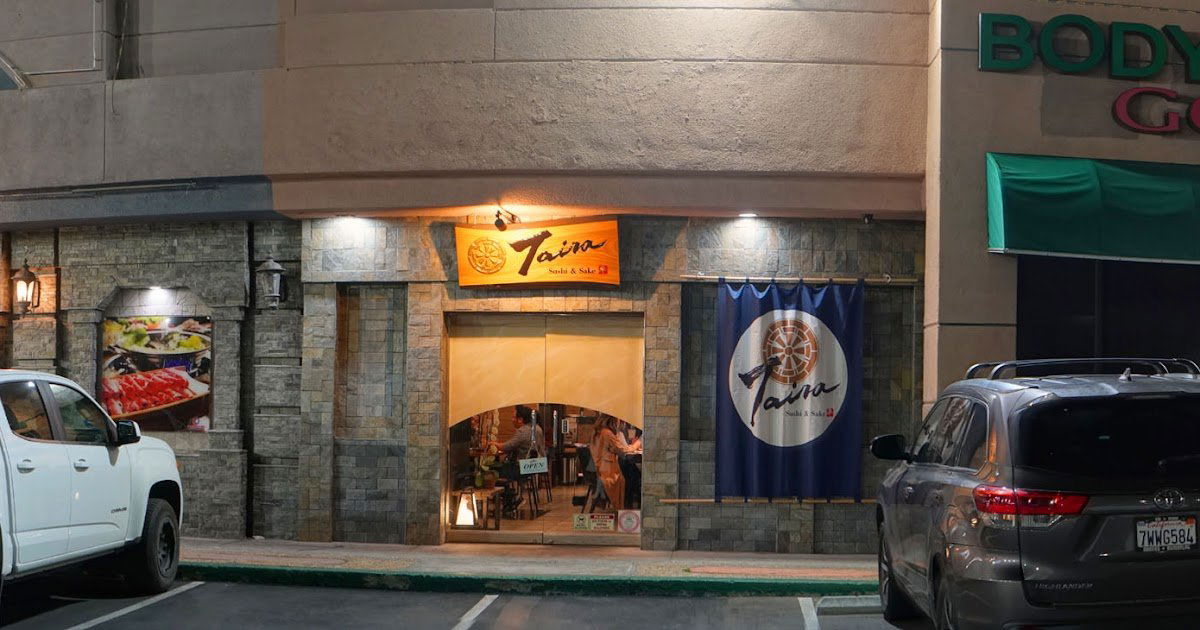
About Taira Sushi&Sake
Taira Sushi & Sake sits on Garden Grove Boulevard in the heart of Orange County's densely layered dining corridor, where Japanese restaurants compete at every price point. The format pairs sushi with a sake program, positioning it within a local scene that takes both fish quality and rice wine seriously. It draws from the same customer base that has made this stretch of Southern California a credible address for Japanese dining outside Los Angeles.
Garden Grove's Japanese Dining Corridor and Where Taira Sits
The stretch of Garden Grove Boulevard running through Orange County's Little Saigon-adjacent commercial zone is one of Southern California's more quietly competitive dining corridors. Vietnamese restaurants dominate the visible streetscape, but Japanese kitchens have carved out a durable presence here, drawing from a dense local residential population with genuine expectations about fish quality, rice preparation, and sake selection. This is not a market where novelty carries a restaurant. Repeat custom does, and that means the ritual of the meal matters as much as the menu on any given visit.
Taira Sushi & Sake operates at 8851 Garden Grove Blvd, Suite 113, within this corridor. The combination of sushi and sake in the name signals a dual-track program that places the venue in a specific subcategory: Japanese restaurants that treat the beverage side of the table as a considered counterpart to the food, rather than an afterthought. In a region where sushi restaurants often compete on price per roll or volume of combination platters, a sake focus repositions the offer toward a more deliberate dining pace.
The Ritual of the Sushi Counter
Sushi, at its most considered, is a paced format. The counter or table becomes a sequence of decisions and deliveries rather than a single transaction. In Japanese dining tradition, the relationship between itamae and guest at an omakase counter is one of trust extended in small increments — each piece an endorsement of what came before. Even at casual sushi-and-sake formats that sit below the omakase tier, the underlying logic of that sequencing shapes how good operators present the meal.
The sake dimension adds a parallel track to that ritual. Where wine pairings in Western tasting menus tend to be presenter-led, sake service in Japanese settings often invites more active guest participation: choosing between junmai, ginjo, and daiginjo styles; deciding between warm and chilled service temperatures; reading the balance between umami weight in the fish and the clean acidity or sweetness of the pour. These are not passive choices. They're part of what makes the meal more than a series of bites.
For diners approaching Taira from this perspective, the sake component is not decoration. It is a structural element of how the meal unfolds, and restaurants that maintain a considered sake list in the Garden Grove market are making a deliberate positioning choice within a competitive field that includes strong Vietnamese, Korean, and pan-Asian alternatives on the same boulevard. Nearby, Bullgogi Korean BBQ and Grams BBQ-Premium AYCE represent the Korean end of the local dining spectrum, while Brodard Chateau anchors the Vietnamese side. Japanese restaurants in this environment compete for a diner who has strong options across multiple Asian cuisines and tends to know the difference between a considered program and a generic one.
Sake as a Structural Part of the Meal
Across the United States, the bars and restaurants doing the most interesting work with Japanese spirits and rice wine tend to occupy a similar programmatic space: they treat sake as a category with its own depth, comparable to how craft cocktail programs in cities like New York or Chicago approach their work. Kumiko in Chicago represents one version of that ambition, where Japanese ingredients and technique shape the entire beverage framework. Bar Leather Apron in Honolulu brings precision and restraint to a Pacific-inflected program. These are not direct comparators for Taira, but they represent the broader trajectory of how Japanese beverage culture is being taken seriously at American restaurant tables.
For a Garden Grove venue pairing sushi with sake, the peer set is more local: Orange County Japanese restaurants that maintain a real sake list rather than a token one. The question a repeat visitor will ask is whether the sake selection turns over with the seasons, whether the staff can speak to the difference between a junmai daiginjo from Niigata and one from Kyoto, and whether the temperature of service varies by style. These are the signals that distinguish a sake program with genuine commitment from one that exists for optics.
The Garden Grove Dining Context
Garden Grove's dining identity has been shaped primarily by its Vietnamese-American community, making it one of the highest-density Vietnamese restaurant markets in the country outside of metropolitan Houston or Northern Virginia. That context creates an interesting backdrop for Japanese restaurants operating nearby: the customer base is sophisticated about Asian food generally, price-aware, and resistant to the kind of premium positioning that might work in Newport Beach or Laguna Beach. Japanese restaurants here tend to earn loyalty through consistency and specificity rather than ambiance or novelty.
This is a useful frame for understanding what Taira Sushi & Sake is likely doing. The address on Garden Grove Boulevard places it in a commercial strip-mall format typical of the area, which means the physical environment asks little of the venue and everything of the food and drink. For context on the full range of dining options in this corridor, see our full Garden Grove restaurants guide, which also covers venues like Azteca Restaurant & Lounge on the cocktail and casual dining side.
Planning Your Visit
Taira Sushi & Sake is located at 8851 Garden Grove Blvd, Suite 113, Garden Grove, CA 92844. Current booking and hours information is leading confirmed through direct contact or a current search, as those details are not available in our database at time of writing. For diners coming from Los Angeles, the venue sits roughly in the mid-Orange County corridor, accessible via the 22 or 5 freeways depending on your origin point. Arriving with a clear intention around sake — knowing whether you want to work through a range of styles or focus on a single category alongside the food , will make the interaction with staff more productive and the meal more structured.
For those interested in how other serious beverage programs operate across the country as a point of comparison, Jewel of the South in New Orleans, Julep in Houston, Superbueno in New York City, ABV in San Francisco, and The Parlour in Frankfurt each represent the kind of beverage-led thinking that is increasingly shaping how diners across categories engage with drinks as a structural part of the meal.
Frequently Asked Questions
- What should I drink at Taira Sushi & Sake?
- The sake list is the core of the beverage program. For sushi pairings, junmai and junmai ginjo styles work well alongside lighter fish and shellfish, while richer preparations can carry a junmai daiginjo with more aromatic complexity. If the menu extends to cooked dishes, a slightly warmer tokuri of honjozo can shift the register of the meal productively. Ask staff about what is currently being poured by the carafe rather than just the bottle.
- What makes Taira Sushi & Sake worth visiting?
- In a Garden Grove dining corridor where Vietnamese restaurants dominate and most Asian alternatives compete on volume or price, a Japanese venue that treats sake as a genuine program element occupies a distinct position. The combination of a focused sushi format with a structured sake list is not the default offer in this part of Orange County, which makes Taira a more deliberate destination for diners who want to engage with both sides of the menu.
- Do I need a reservation for Taira Sushi & Sake?
- Current reservation and hours details are not available in our database, and the venue's phone and website contacts are not on record here. Checking a current search or arriving early on weeknights is the most reliable approach. Japanese sushi counters with considered sake programs in suburban Southern California tend to be smaller operations, which means capacity can be tighter than the strip-mall format suggests.
- Is Taira Sushi & Sake better for first-timers or repeat visitors?
- The venue is likely to reward repeat visitors more than first-timers. Restaurants with dual sushi-and-sake programs benefit from accumulated familiarity: knowing which sake styles the house pours with confidence, which fish preparations to prioritize on a given visit, and how the pacing of the meal is managed. First-timers should treat the first visit as orientation, particularly around the sake list, rather than expecting to extract the full depth of the offer on a single outing.
- How does Taira Sushi & Sake fit into Orange County's Japanese restaurant scene?
- Orange County carries a credible Japanese dining scene that operates partly in the shadow of Los Angeles, where the concentration of high-end omakase counters and Japan-trained chefs is denser. Within that context, Garden Grove-area Japanese restaurants tend to compete on consistency and value rather than spectacle. A venue pairing sushi with a sake focus positions itself toward the more engaged end of that local spectrum, appealing to diners who follow the Japanese dining tradition of treating rice wine as integral to the meal rather than incidental to it.
Related editorial
- Asia's 50 Best Restaurants 2026: The Chairman and Wing Go 1-2 from the Same BuildingThe Chairman takes No. 1 and Wing climbs to No. 2 at Asia's 50 Best Restaurants 2026. Both operate from the same Hong Kong building. Here's what it means.
- Four Seasons Yachts Debut: 95 Suites, 11 Restaurants, and a March 2026 Maiden VoyageFour Seasons I launches March 20, 2026, with 95 suites, a one-to-one staff ratio, and 11 onboard restaurants. Worth tracking if you want hotel-grade service at sea.
- LA Michelin Guide 2026: Seven New Restaurants from Tlayudas to Uzbek DumplingsMichelin's March 2026 California Guide update adds six LA restaurants and one Montecito newcomer, spanning Oaxacan tlayudas, Uzbek manti, and Korean-Italian pasta.
Save or rate Taira Sushi&Sake on Pearl
Keep this venue in your Pearl passport, rate it after you visit, and track it alongside every other place you collect.