
Standby
Downtown, Detroit
Bar in Detroit, United States
 Book with Pearl
Why go
Standby is a strong Detroit pick for a cocktail-led date night, especially if the plan is two people, a focused bar stop, and a downtown setting. It is a better fit for a planned evening than a loose group crawl; for dinner-first or casual beer plans, cross-shop nearby alternatives instead.
About Standby
Standby in Detroit is closed Monday and Tuesday, opens at 5 PM Wednesday through Sunday, stays open until midnight on Wednesday, Thursday, and Sunday, and runs until 2 AM on Friday and Saturday. It also holds Pinnacle Guide 2 Pins for 2026.
Use those facts as the planning frame. If you are building a broader night in Detroit, start with our full Detroit restaurants guide or our full Detroit bars guide, then decide whether Standby's evening and late-night hours fit the itinerary.
Plan from the basics
Seating capacity, reservation style, group accommodations, menu format, and service details are not specified here. For that reason, the safest planning advice is to confirm current details directly before building a larger night around it, especially on Friday or Saturday when the hours extend to 2 AM.
Standby is easiest to evaluate on the basics: Detroit location, evening opening time, late weekend hours, and Pinnacle Guide 2 Pins recognition. If the plan depends on a specific setup, check the venue's official channels before you go.
What to do next if you have already been once
Repeat visitors should plan around the schedule: earlier in the evening if timing is tight, or Friday and Saturday if a later night is the priority. Do not assume lunch, happy hour, outdoor seating, a particular menu, or a specific group setup unless the venue confirms it directly.
For out-of-town readers comparing options, keep the decision narrow and factual: Standby is a Detroit venue with Wednesday-to-Sunday evening hours, late Friday and Saturday hours, and Pinnacle Guide 2 Pins recognition in 2026.
Planning details
- Location
- 225 Gratiot Ave, Detroit, MI 48226
- Reservations
- Book on OpenTable
- Website
- standbydetroit.com
- Phone
- (313) 241-5719
The take
The Take
The Vibe
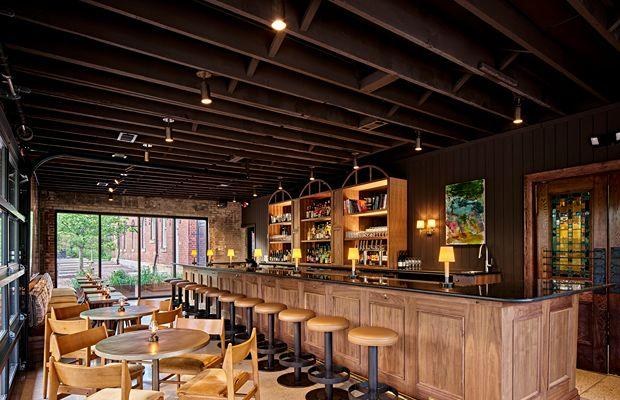
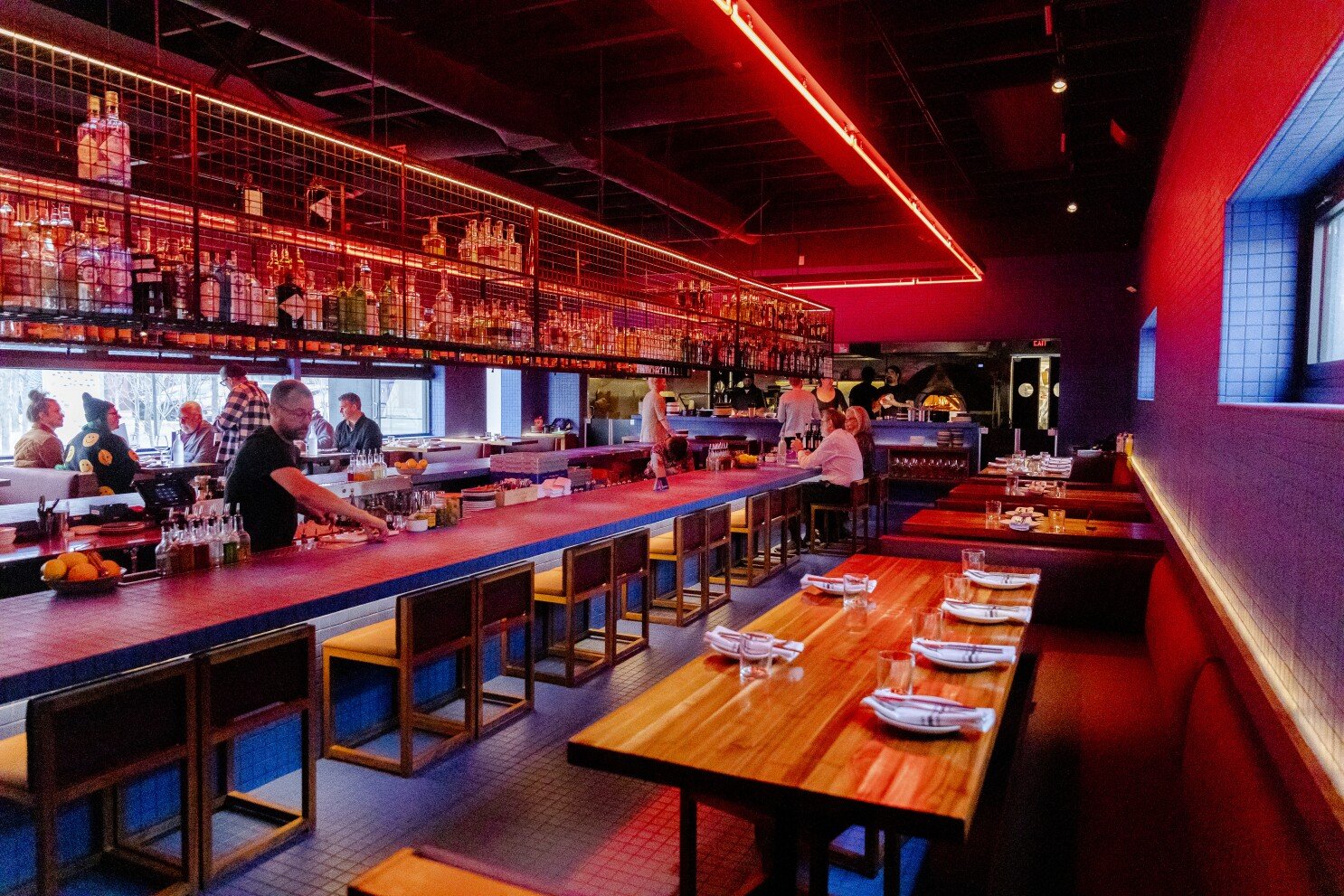
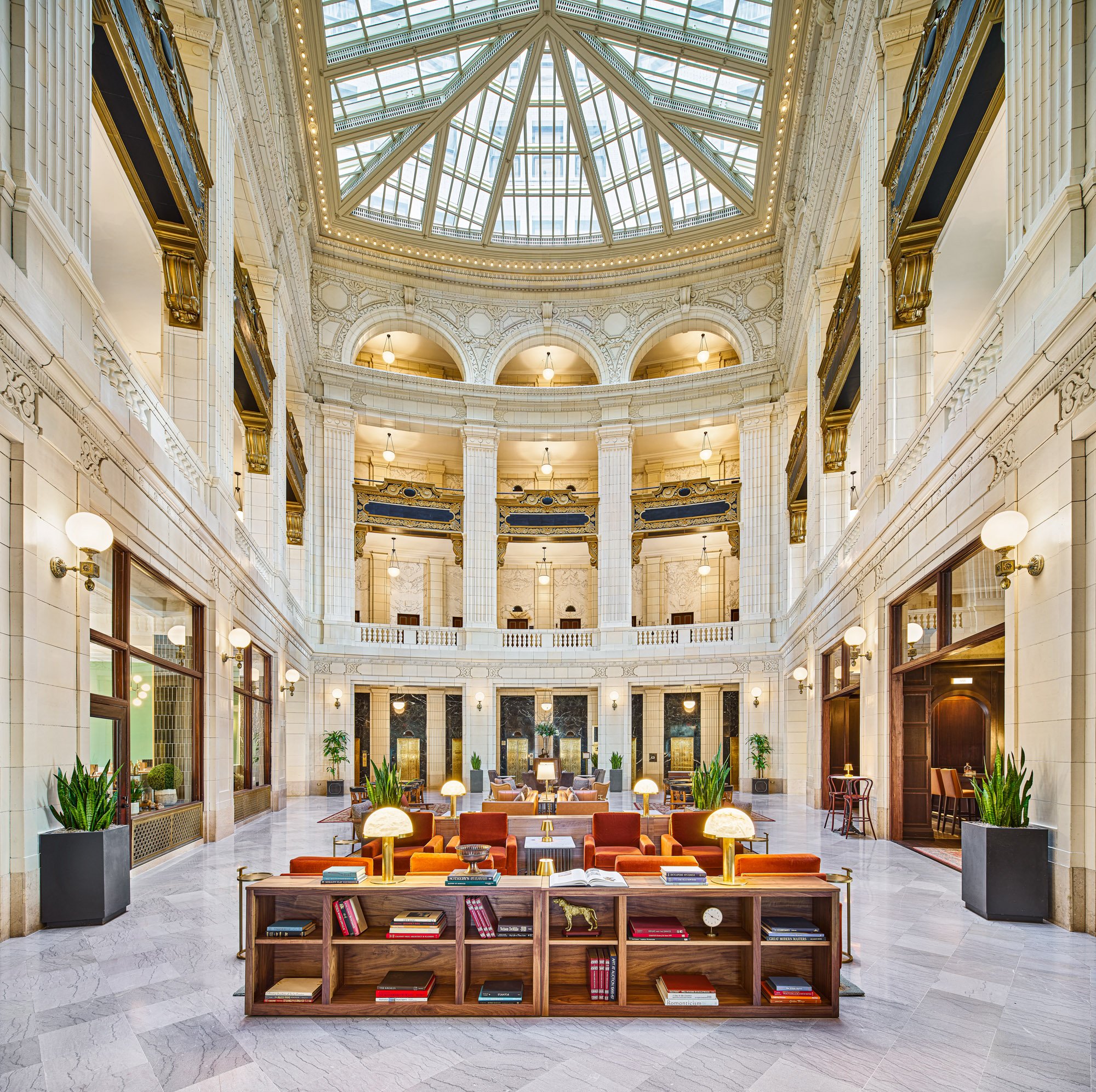
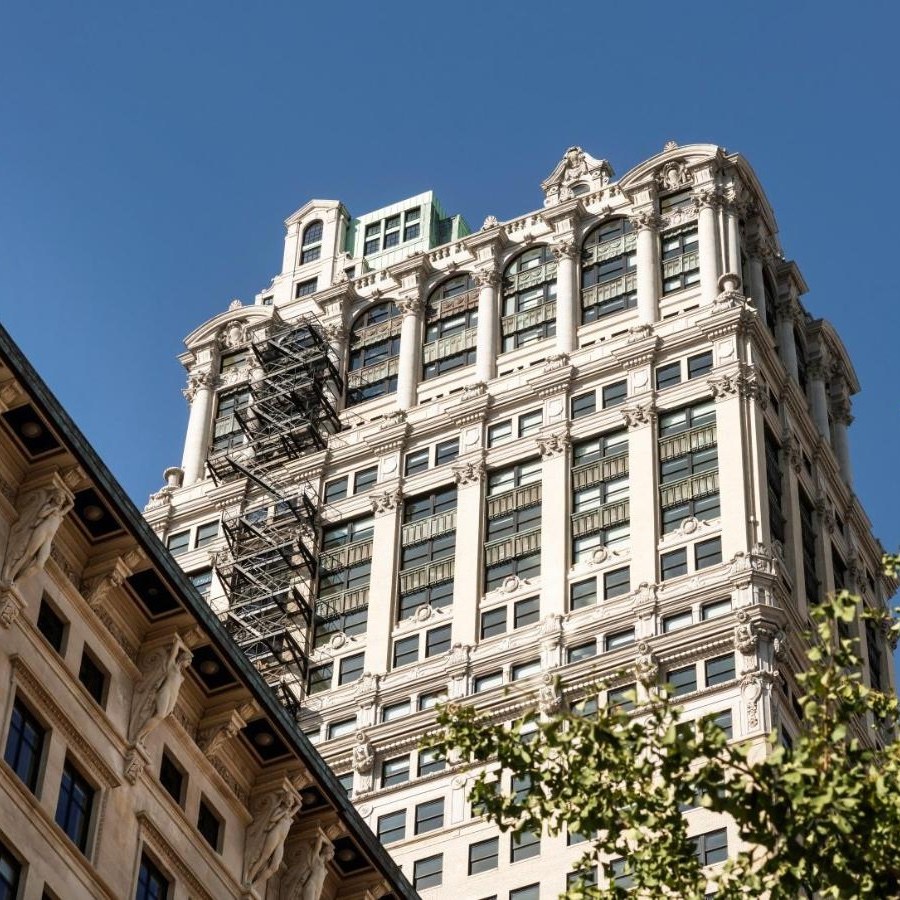
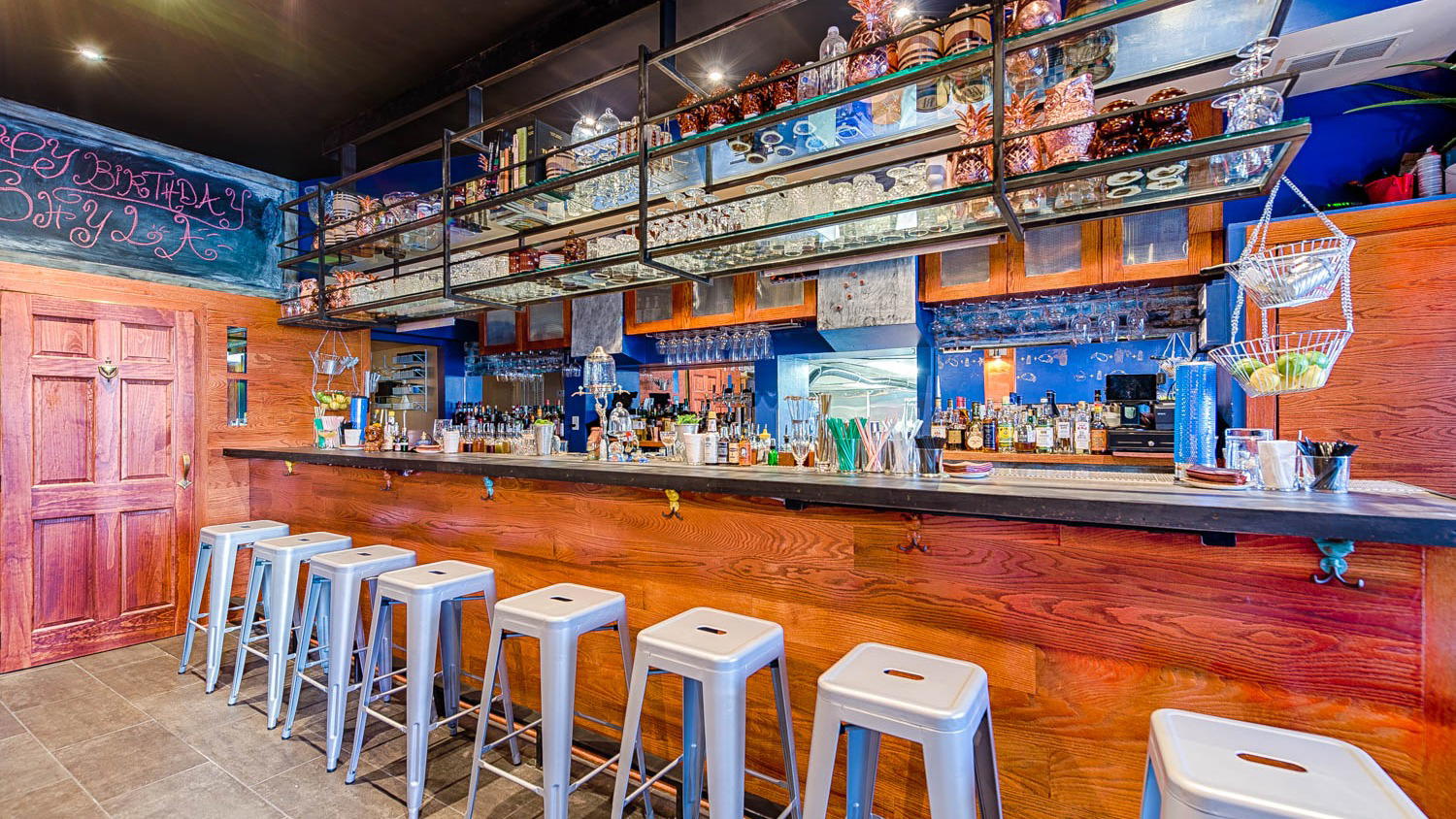
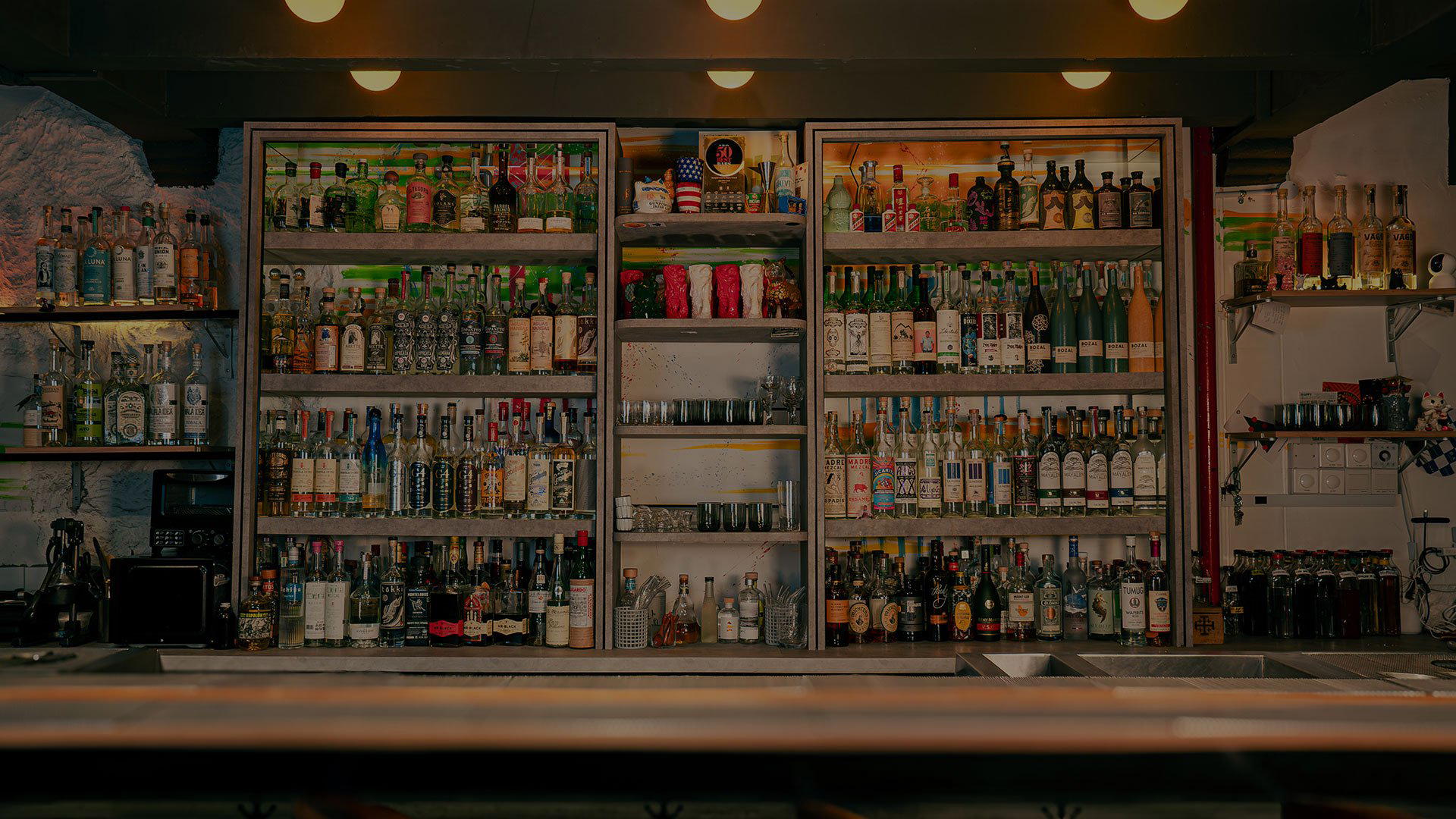
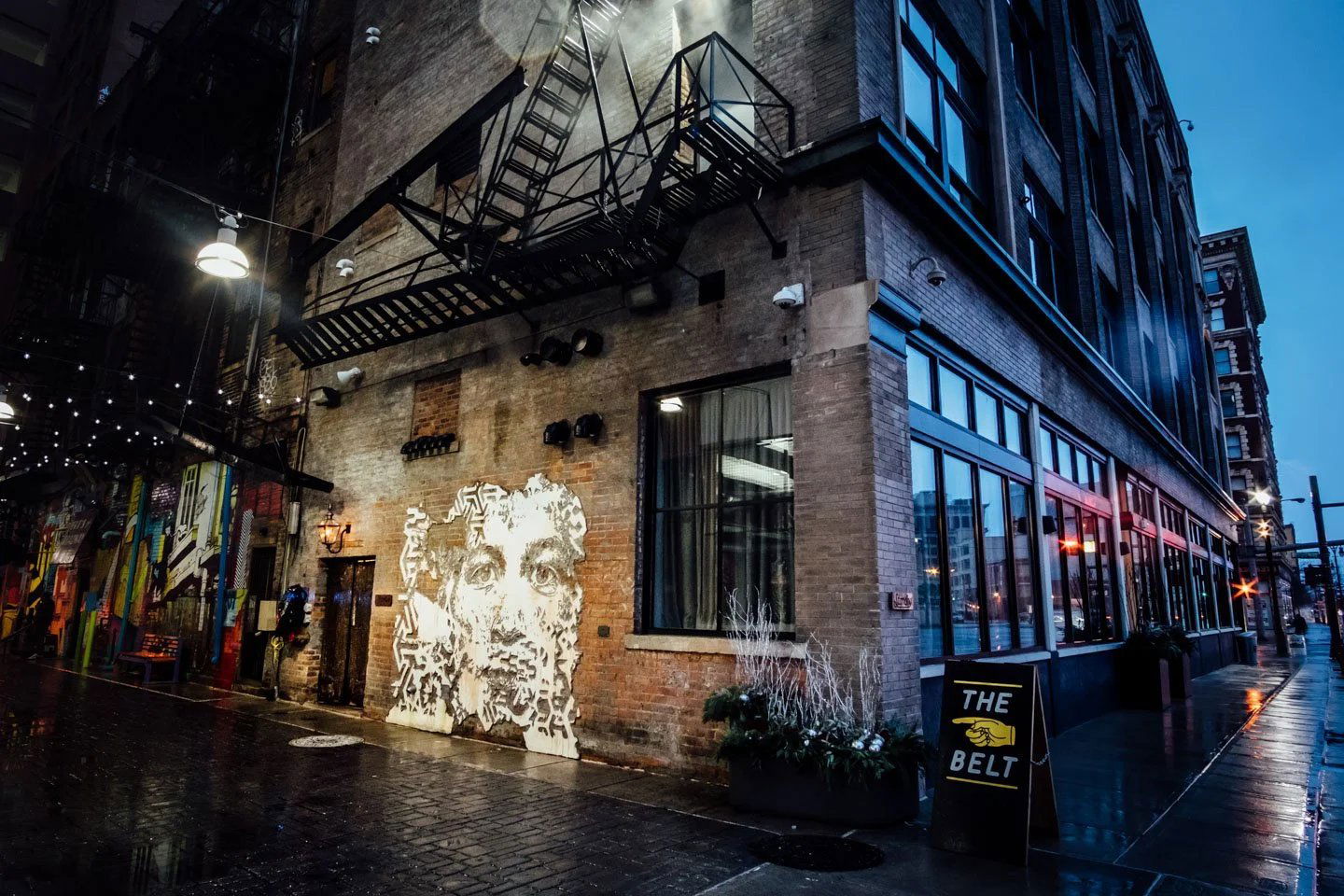
Standby sits at the heart of the Belt, a transformed service alley framed by murals and overhead light installations, and reads as a measured, craft-forward bar. The writing frames it as an anchor for the neighbourhood—a place that exerts social gravity rather than chasing spectacle. Inside, the focus is on disciplined, product-led bartending: the bar itself is treated as the venue’s main stage. That low-ego attention to technical execution and menu coherence gives Standby a sophisticated, quietly authoritative presence that feels both of its city and part of a larger national conversation about serious cocktail bars.
Best For
Standby is best for drinkers who make the cocktail itself the occasion. Its reputation as a nationally recognized, product-led bar makes it a natural stop for late-night or after-work drinks when you want something crafted rather than casual. The counter-focused format suits small groups or pairs who want to engage with bartenders and the program; it also functions well as a destination for visitors exploring the Belt’s cluster of nightlife. Because the bar emphasizes technical execution and menu identity, it rewards patrons who come with attention on the glass.
Ordering Tips
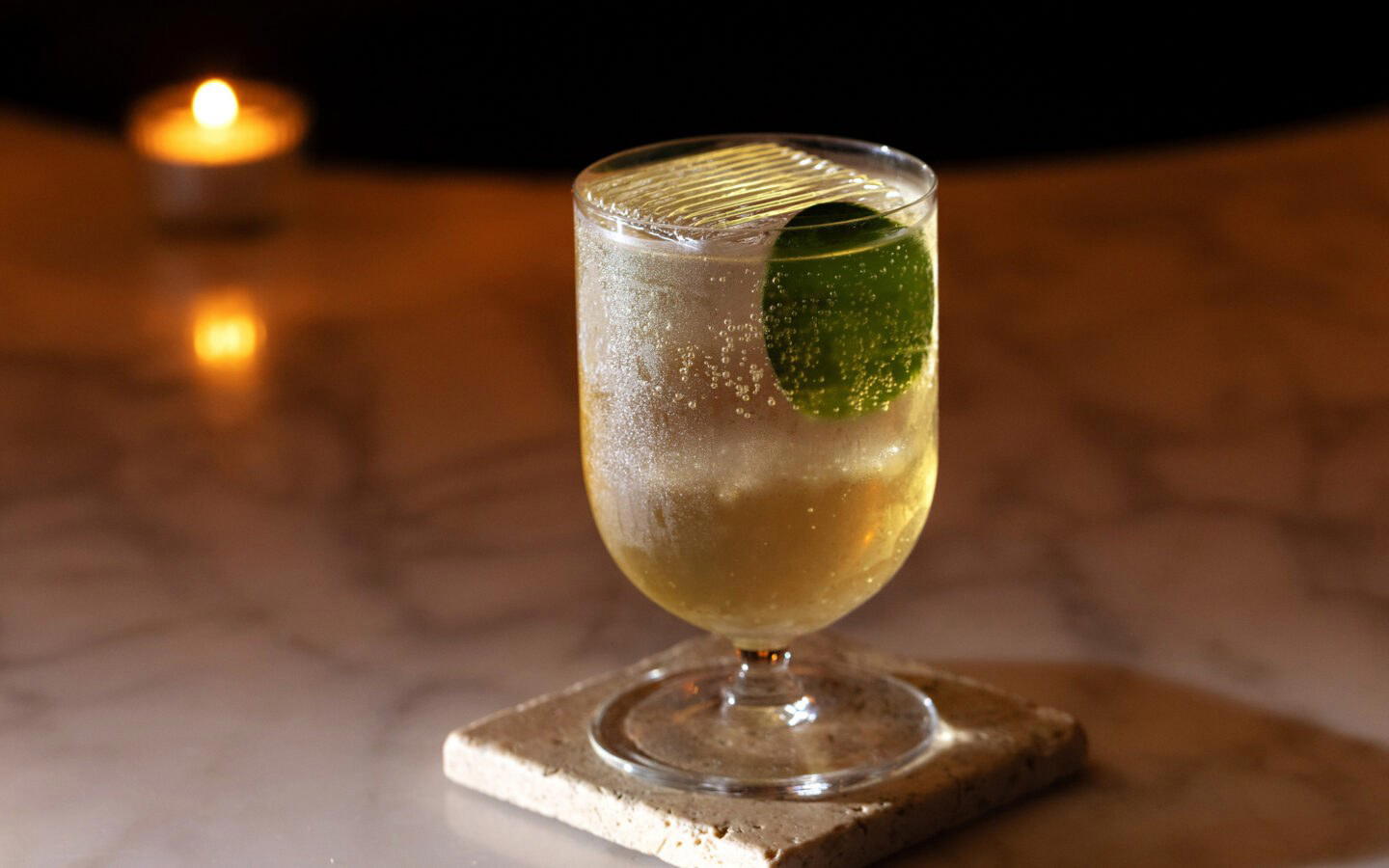
Treat the bar as the primary attraction: Standby’s program is product-led and disciplined, so prioritize cocktails over novelty. If you want the clearest sense of what defines the place, order from the curated cocktail menu and lean on the bartender’s guidance—the venue’s acclaim is built on consistent technical execution and a coherent menu identity. Expect drinks that foreground craft and balance rather than theatrical presentation, and plan to focus on the tasting experience rather than food-driven pairings.
Venue details
Ambiance
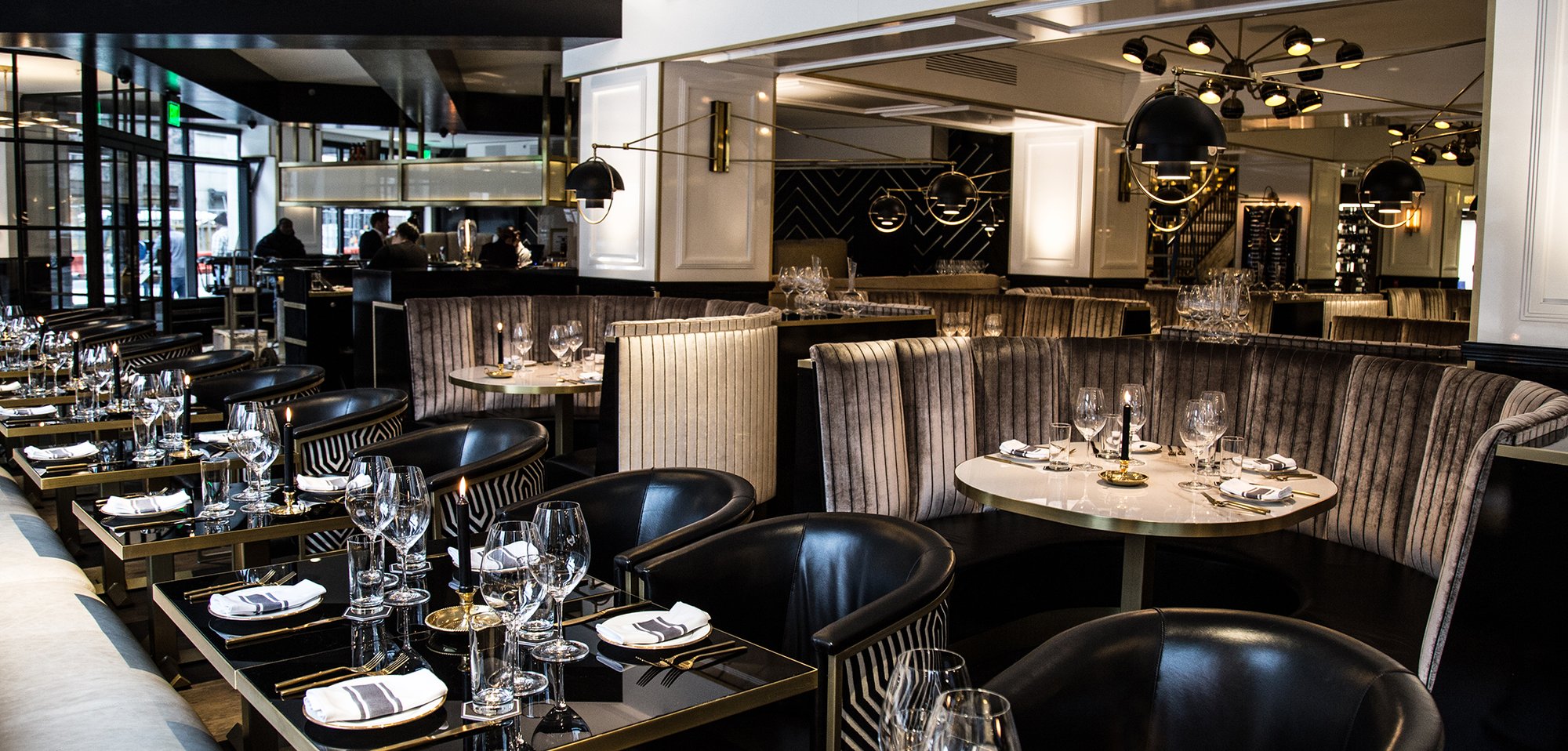
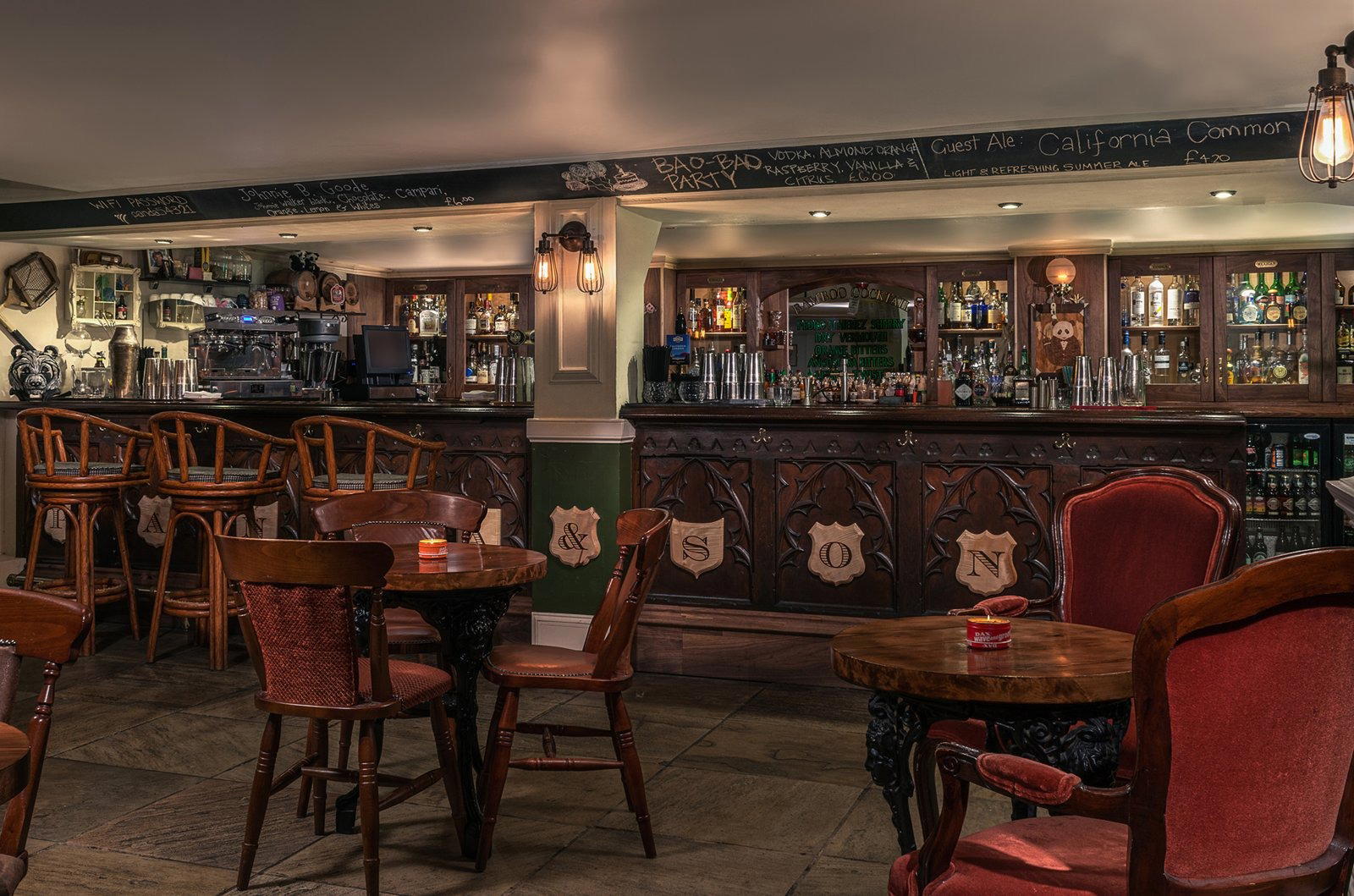
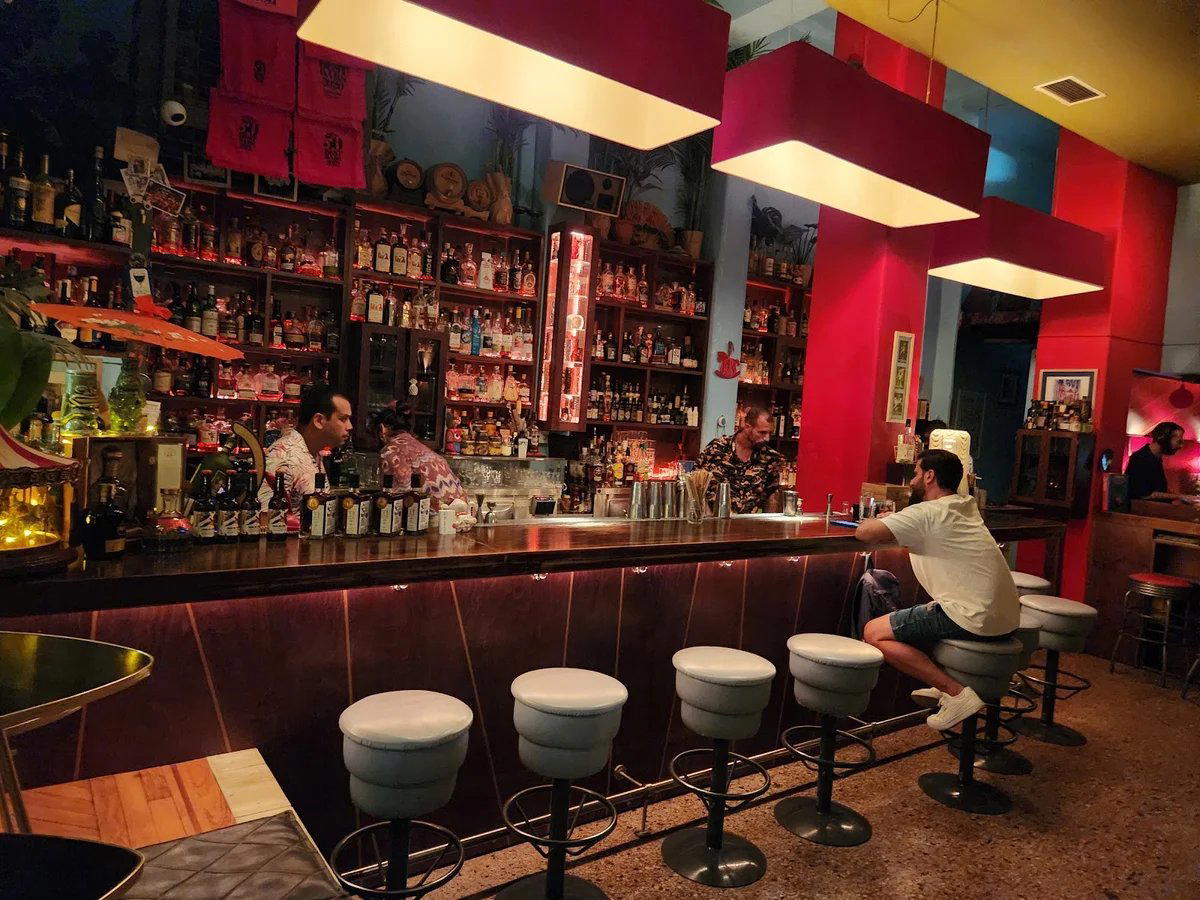
Dimly lit, dark and smoky with urban-chic decor, low lights, great soundtrack, and effortlessly stylish atmosphere.
Tags
Vibe
Best For
Experience
Format
At the Bar
- Bar Category
- Cocktail Bar
- Late Night
- Open Until 2am
- Music
- Great Soundtrack
Know before you go
Know Before You Go
- Getting there
- 225 Gratiot Ave, Detroit, MI 48226
Planning details
Location
Recognition and awards
Also consider
Also Consider
- Mootz Pizzeria + Bar, Notable alternative
- Vicente's Cuban Cuisine, Notable alternative
- Karl's, Notable alternative
- Chenin, wine bar / natural wines, wine bar / natural wines
- Candy Bar, Notable alternative
Bar context
How Standby compares in Detroit
Choose Standby when the night is cocktail-first and date-focused. Candy Bar is the closest cross-shop for a moodier drinks room, while Chenin is the better call when wine, especially natural wine, matters more than cocktails. For two people, Standby is the more direct pick if the goal is a polished bar stop rather than a wine-bar evening.
Mootz Pizzeria + Bar and Vicente's Cuban Cuisine make more sense when food is doing equal work with drinks. They are safer choices for groups or dinner-led plans. Standby is less useful as an all-purpose meal venue, but stronger when the brief is drinks, downtown energy, and a more deliberate two-person night.
Karl's is the more practical backup if the evening needs an easier, lower-stakes sit-down feel. Standby should stay ahead of it for a cocktail-centered date, while Karl's is the better hedge when the party is mixed, the timing is uncertain, or the night needs to stay casual.
Explore Detroit
Around this place
Discover more on Pearl
Unlock the full Standby guide in Pearl, including awards, comparisons, FAQs, planning details, and nearby places.
Compare Standby
| Venue | Location | Cuisine | Awards |
|---|---|---|---|
| Standby | Detroit | , | 2026 Pinnacle Guide |
| Mootz Pizzeria + Bar | Detroit | No published awards | , |
| Vicente’s Cuban Cuisine | Detroit | No published awards | , |
| Karl's | Detroit | No published awards | , |
| Chenin | Detroit | wine bar / natural wines | No published awards |
| Candy Bar | Detroit | No published awards | , |
How Standby Detroit compares with similar nearby venues.
FAQ
Frequently Asked Questions
Is Standby good for a date?
It can be a useful Detroit option if the timing works for an evening plan. Standby is open Wednesday, Thursday, and Sunday from 5 PM to 12 AM, and Friday and Saturday from 5 PM to 2 AM. It also holds Pinnacle Guide 2 Pins for 2026. Vicente's Cuban Cuisine is another venue you may want to compare.
Is the food good at Standby?
Standby's cuisine, dishes, menu format, and food service details are not specified here. The strongest confirmed trust signal is Pinnacle Guide 2 Pins in 2026. If food is the main goal, Mootz Pizzeria + Bar or Vicente's Cuban Cuisine may be worth comparing.
What's the crowd like at Standby?
A specific crowd, atmosphere, or service style is not specified here. What is confirmed is that Standby is in Detroit and stays open until 2 AM on Friday and Saturday, with midnight closing on Wednesday, Thursday, and Sunday. Candy Bar is another option to compare if you are choosing between venues.
Does Standby have happy hour deals?
Do not plan around happy hour here unless you can confirm it separately, because the details here only confirm hours and Pinnacle Guide 2 Pins recognition. Treat any pricing or deal details as something to check through the venue's official channels. Karl's is another venue to compare if you are weighing different plans.
Is Standby open late?
Yes. Standby is open until 2 AM on Friday and Saturday. It is open until 12 AM on Wednesday, Thursday, and Sunday, and it is closed Monday and Tuesday.
Is Standby good for groups?
Group accommodations, seating capacity, and reservation setup are not specified here. The late Friday and Saturday hours may help with planning, but confirm current details directly before organizing a group visit. Mootz Pizzeria + Bar may be worth comparing as another option.