
Bottega Seppel
Charlottenburg, Berlin
Bar in Berlin, Germany
 Book with Pearl
Why go
A calm Charlottenburg wine-bar pick with Star Wine List recognition for 2026. Book Bottega Seppel when the goal is a conversation-friendly evening built around wine rather than a cocktail scene or a fully defined dinner format.
About Bottega Seppel
Bottega Seppel is a Berlin evening option with a simple profile: evening hours, a smart-casual dress code, and Star Wine List recognition in 2026. The available details support planning around those basics rather than building expectations around a specific cuisine, chef, tasting-menu format, seat count, or price point.
Use it when the brief is a Berlin night with known opening times and a smart-casual dress expectation. If you are comparing other options, consider Bottega Seppel alongside Vesper Bar, GRACE Bar, Kurpfalz Weinstuben, or Viniculture based on the kind of evening you want.
Plan around the recognition and confirmed basics
The clearest distinction for Bottega Seppel is its Star Wine List recognition in 2026. That is a useful signal, but it does not verify a particular menu format, cuisine, chef-led concept, price level, or service style. The safer recommendation is to treat the venue as a Berlin evening option with confirmed hours and to check any food or budget details directly before making plans.
For comparison planning, Viniculture, Kurpfalz Weinstuben, Vesper Bar, and GRACE Bar may also be relevant depending on the mood of the night. Bottega Seppel sits in a Berlin shortlist as a venue with evening hours, smart-casual dress, and confirmed Star Wine List recognition.
Berlin planning notes
The practical details are direct. Bottega Seppel is closed Monday and Sunday, open Tuesday through Thursday from 6 PM to 10 PM, and open Friday and Saturday from 6 PM to 10:30 PM. For broader planning, use Our full Berlin restaurants guide, Our full Berlin hotels guide, and Our full Berlin bars guide to keep the route tight.
Do not assume lunch service, late-night hours, a specific price bracket, or a particular food format from the information. The confirmed planning points are Berlin location, evening opening hours, smart-casual dress, and Star Wine List recognition. For a wider night out, compare Bottega Seppel with other Berlin dining and bar options based on the kind of evening you want.
Planning details
- Location
- Wielandstraße 38, 10629 Berlin, Germany
- Website
- bottega-seppel.de
- Phone
- +49 1520 5891043
The take
The Take
The Vibe
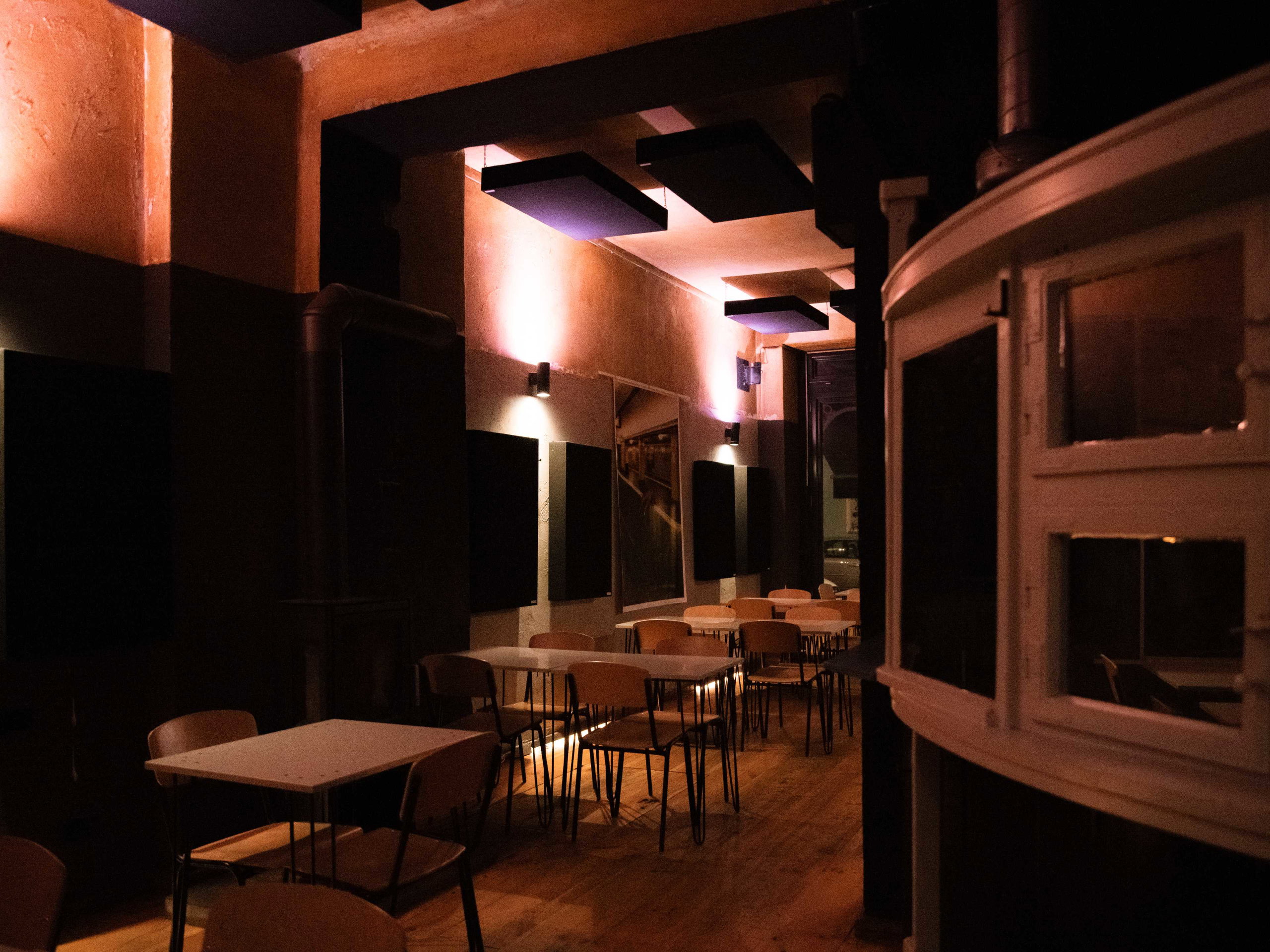
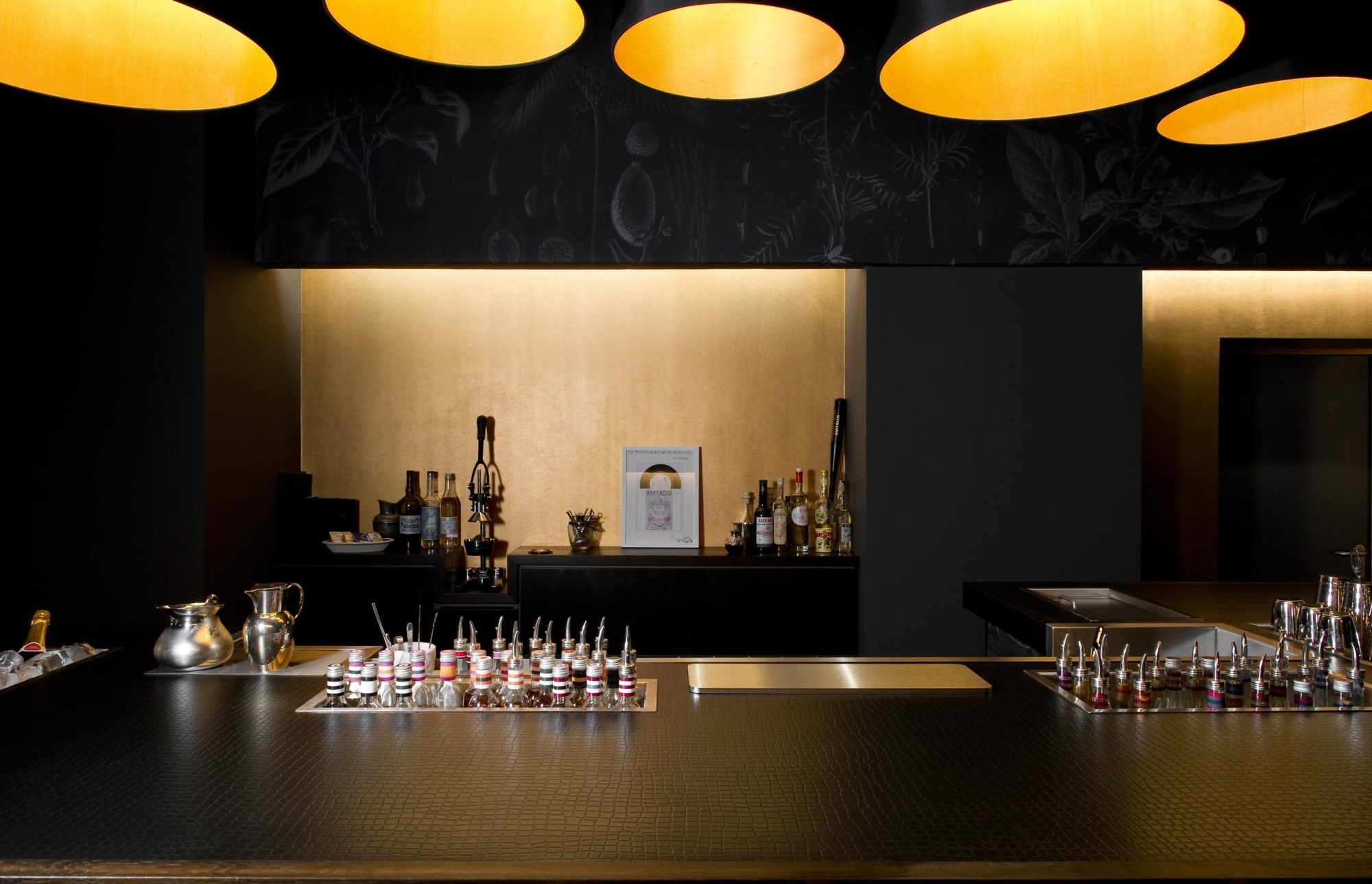
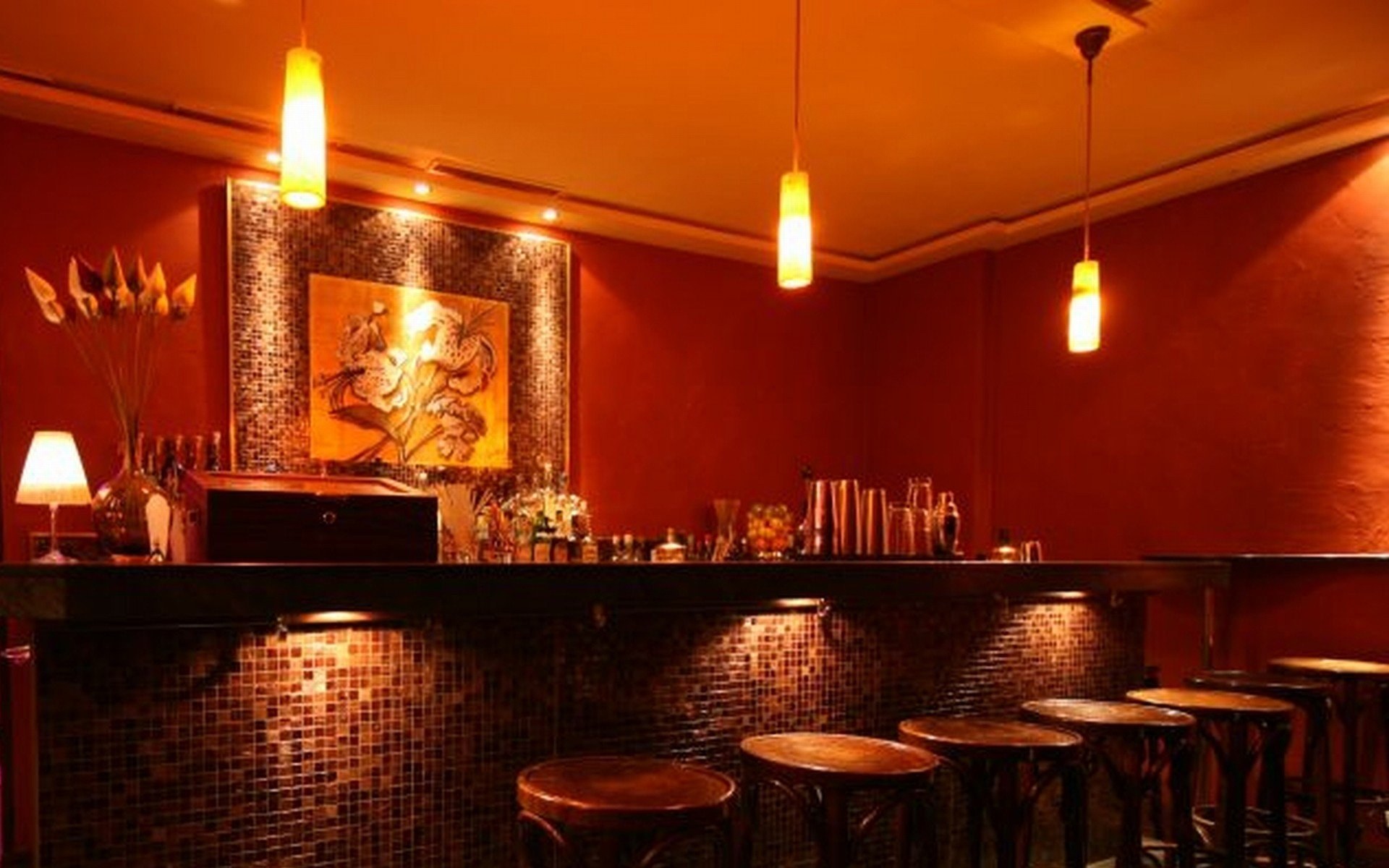
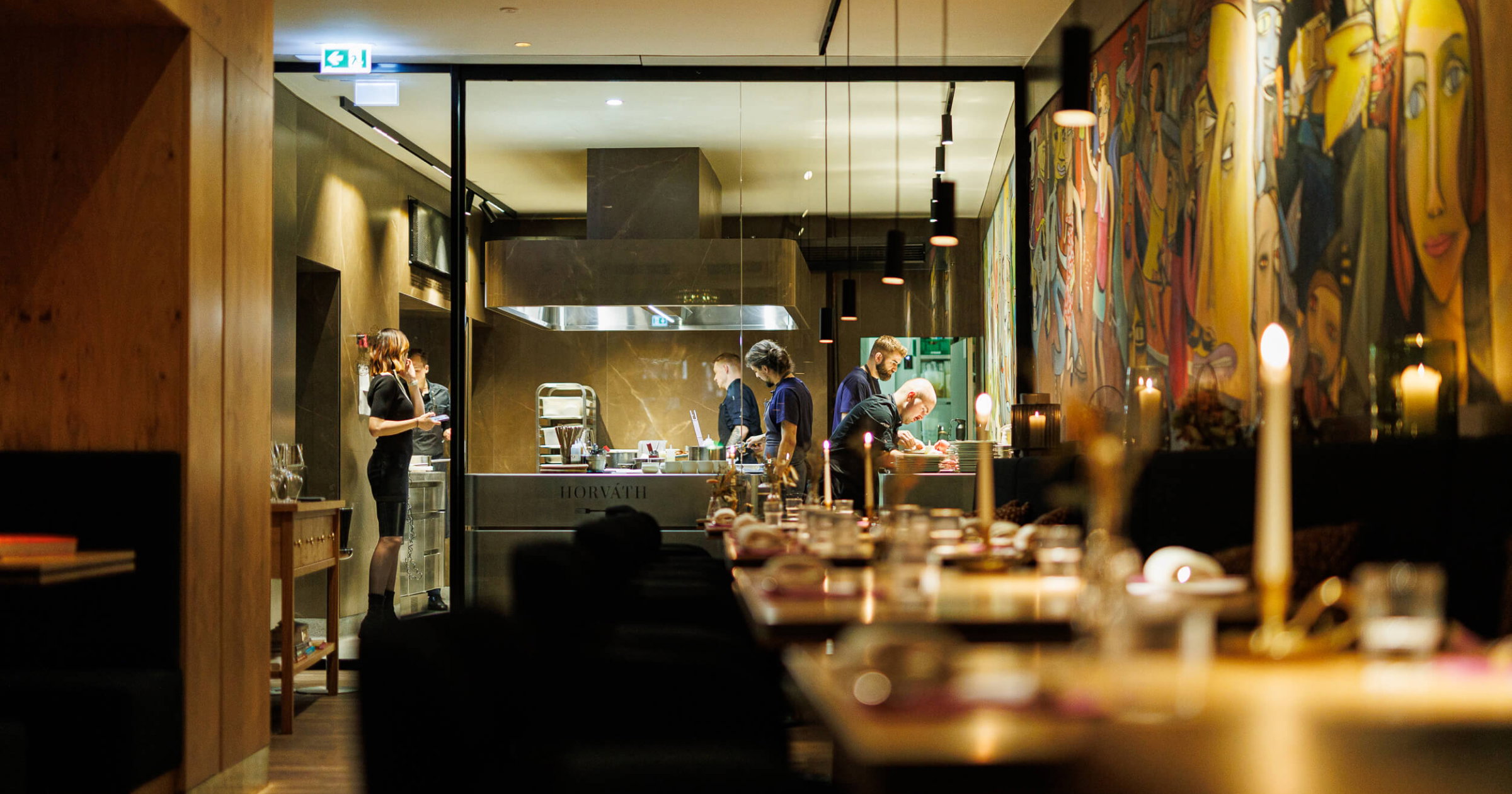
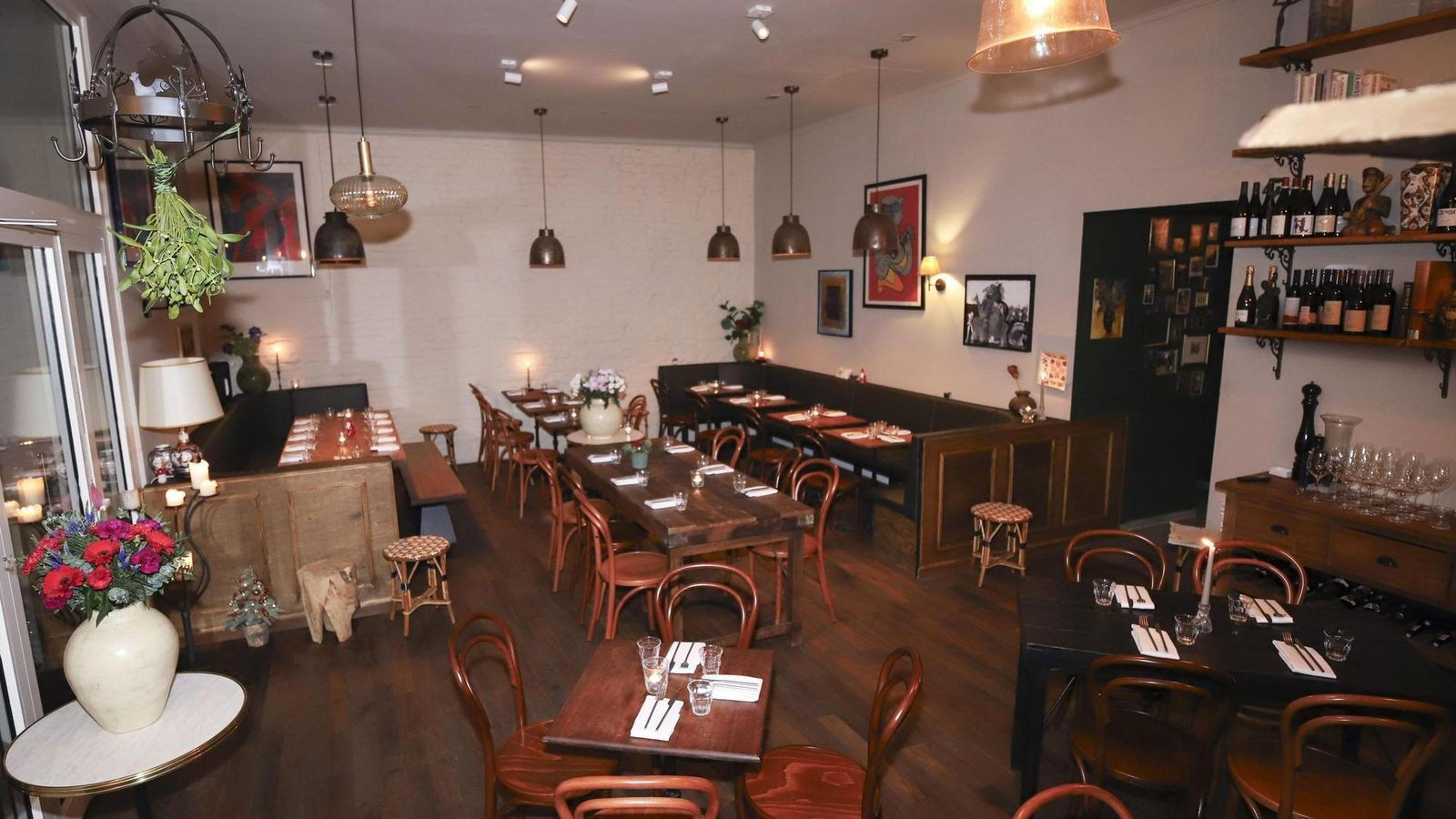
Bottega Seppel presents a quietly refined wine-bar experience anchored in candlelit atmosphere and attentive service. Situated on Wielandstraße in Charlottenburg, the room leans into a traditional, wine-led approach rather than cocktail theatrics. The emphasis is on low light, a residential calm and a close relationship between guest and host: the person behind the counter operates as a guide through a tightly curated list. The result is a classic, sophisticated space that rewards visitors who appreciate slow, considered drinking in a restrained, intimate setting rather than high-energy nightlife.
Best For
This is a venue built for evening, intimate and unrushed visits. The candlelit setting and the wine-led format make it a natural choice for date nights and long dinners, and its counter-focused service suits solo guests who want guidance from a knowledgeable host. Charlottenburg’s quieter residential pace means Bottega Seppel favors conversations over loud crowds, so it’s less about spectacle and more about lingering with a glass or two. If you’re looking for theatrical cocktails or a boisterous late-night scene, this isn’t that place; it’s designed for measured, wine-focused evenings.
Ordering Tips
Approach the counter ready to be guided: the piece emphasizes that the wine bar’s success depends on the relationship between guest and host. Instead of scanning a long list on your own, ask the person behind the counter for recommendations tailored to your taste and the mood of the evening. Expect a curated, service-forward selection rather than a broad pub-style list, and allow time for a slower, more deliberative pace—this is a spot meant for lingering. Low lighting and the candlelit room mean menus and labels may be read aloud by staff, so lean on their expertise.
Venue details
Ambiance
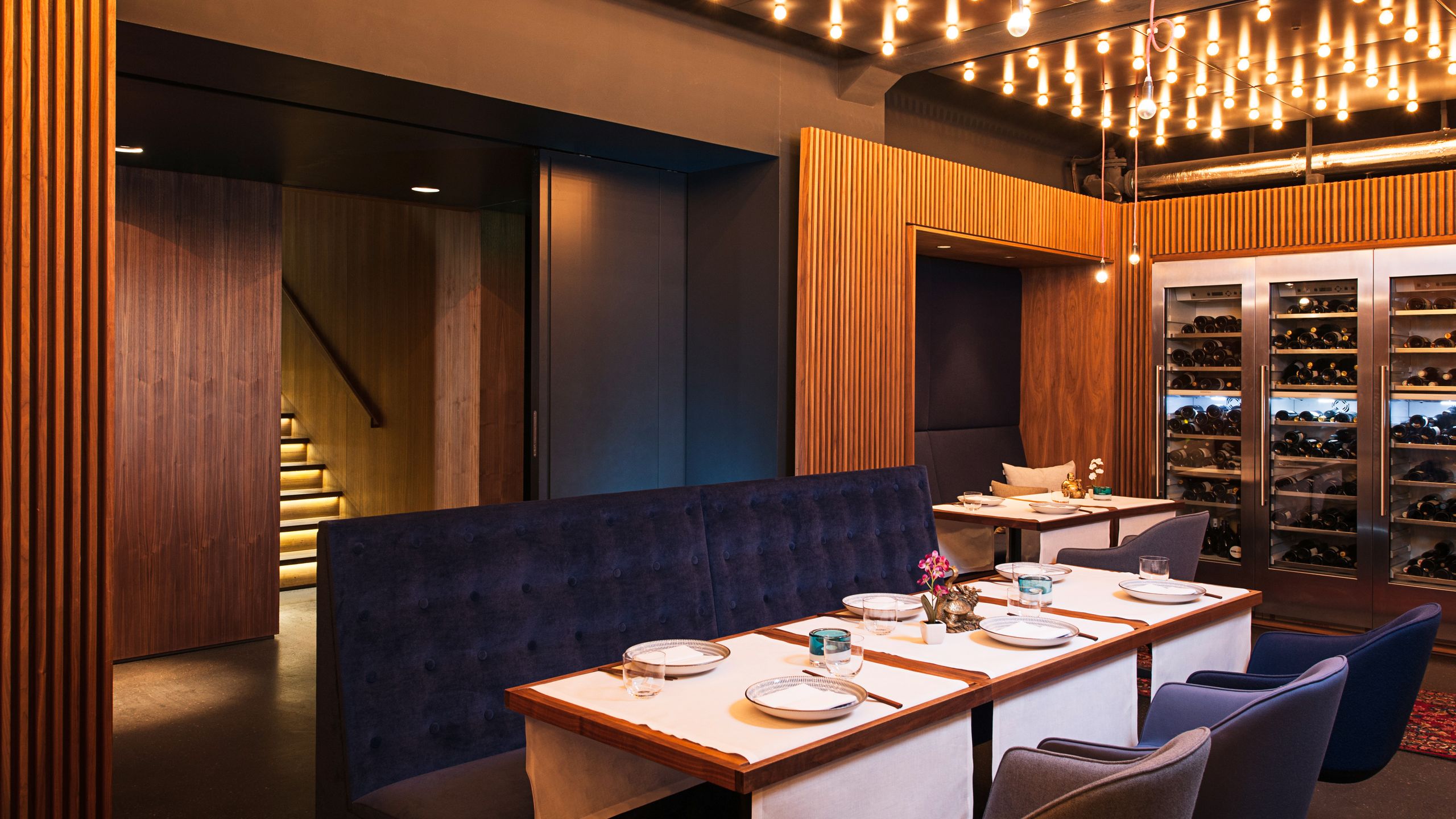
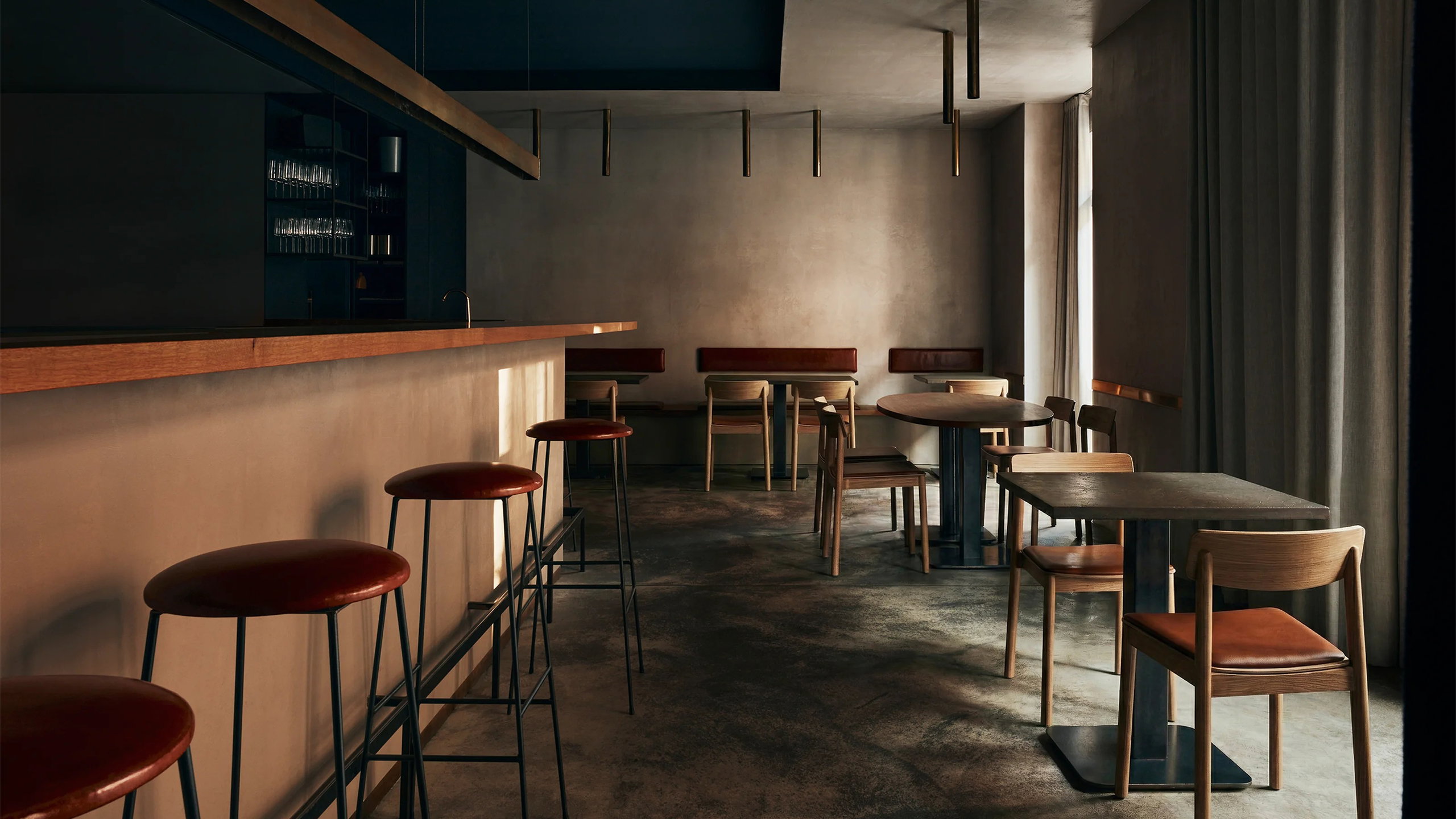
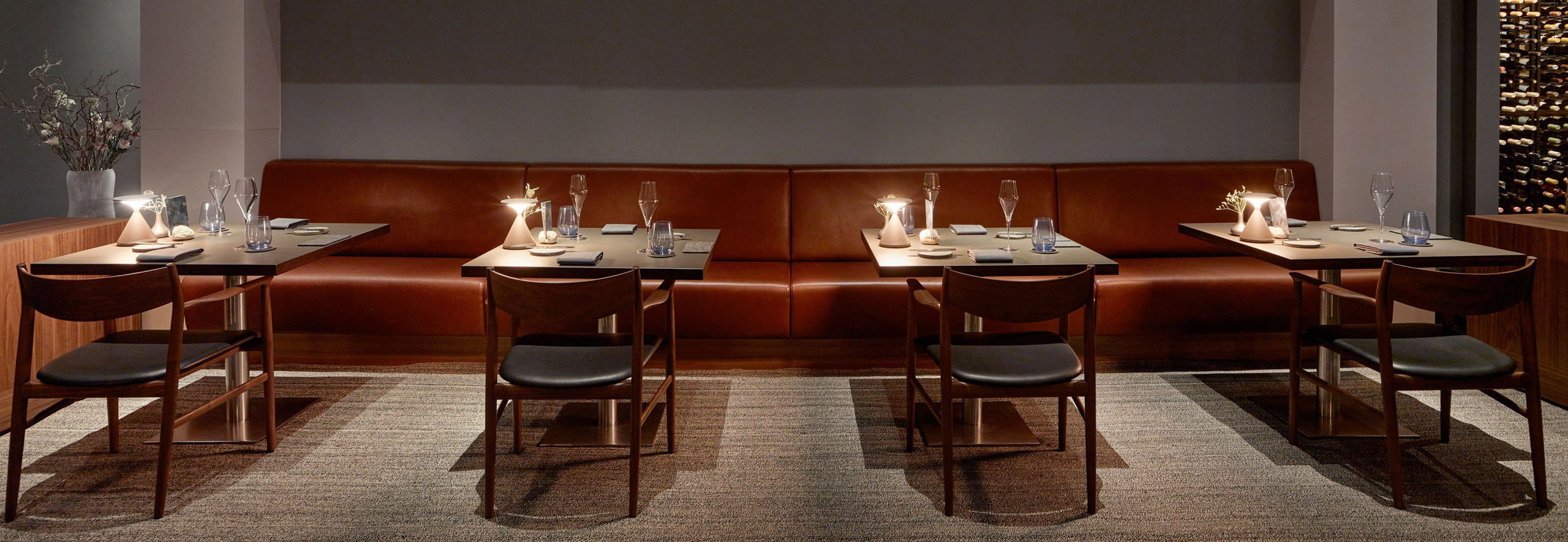
Warm candlelight, dark wood tones, parquet floors, art-decorated raw walls creating inviting gemütlichkeit.
Tags
Vibe
Best For
Experience
Format
At the Bar
- Bar Category
- Wine Bar
- Late Night
- Closes by Midnight
- Music
- Plattenspiel
Know before you go
Know Before You Go
- Getting there
- Wielandstraße 38, 10629 Berlin, Germany
Planning details
Location
Recognition and awards

Also consider
If you cannot get in
Try Viniculture for another wine-led Berlin option, especially if the list is the priority. Choose Kurpfalz Weinstuben if the group wants wine with a more classic dining-room setup.
Bar context
How it compares in Berlin
Choose Bottega Seppel over Vesper Bar or GRACE Bar if wine matters more than cocktails and the night needs a quieter, lower-pressure feel. The value case is strongest for drinkers who judge a place by bottle-list intent rather than room glamour or late-night energy.
Viniculture is the cleaner cross-shop for a pure wine focus, while Kurpfalz Weinstuben is better when the group wants a more classic restaurant setting around wine. Bottega Seppel is the middle option: less formal than a traditional dining room, more wine-specific than a general neighborhood bar.
Bristol Lounge & Eatery makes more sense for hotel-bar convenience and a polished all-purpose stop. Bottega Seppel is easier to recommend for a date or small group that wants a Charlottenburg address, a wine-led reason to go, and less ceremony around the booking.
Around this place
Discover more on Pearl
Unlock the full Bottega Seppel guide in Pearl, including awards, comparisons, FAQs, planning details, and nearby places.
Compare Bottega Seppel
| Venue | Location | Awards |
|---|---|---|
| Bottega Seppel | Berlin | Star Wine Lists 2026 |
| Viniculture | Berlin | No published awards |
| Kurpfalz Weinstuben | Berlin | No published awards |
| Bristol Lounge & Eatery | Berlin | No published awards |
| Vesper Bar | Berlin | 2026 Pinnacle GuideTop 500 Bars 2025 · #187 |
| GRACE Bar | Berlin | No published awards |


How Bottega Seppel Berlin compares with similar nearby venues.
FAQ
Frequently Asked Questions
Is Bottega Seppel open late?
Bottega Seppel is open Tuesday through Thursday from 6 PM to 10 PM, and Friday and Saturday from 6 PM to 10:30 PM. It is closed Monday and Sunday, so it is not a late-night or last-call option based on the hours.
Is the food good at Bottega Seppel?
The confirmed distinction is Star Wine List recognition in 2026, so that recognition is the most grounded reason to consider Bottega Seppel.
Is Bottega Seppel good for a date?
It can work for a date if the plan fits the profile: Berlin location, evening hours, smart-casual dress, and Star Wine List recognition. If you are considering a different kind of evening, GRACE Bar or Vesper Bar may be worth comparing.