
98Wines
Koshu Shi, Yamanashi
Winery in Yamanashi, Japan
 Book with Pearl
The Read
Enzan Terroir Focus
Price
$20–30tasting
Why go
98Wines is the Yamanashi pick for travellers building a serious Japanese wine day, backed by World's 50 Best Vineyards #20 recognition in 2025. It is not the easiest choice for casual visitors, so plan early and keep the schedule simple around the visit.
About 98Wines
98Wines is a Yamanashi venue with recognition from Pearl 2 Star Prestige (2025) and World's 50 Best Vineyards #20 (2025). Practical visitor details can change, so check directly with the venue before building the rest of the day around it.
The case for going is strongest for travellers who want a Yamanashi stop with clearly recognised external accolades. If the trip is more casual, compare it with other options in Japan before deciding how to spend the day.
Plan this as the anchor of a Yamanashi day
Keep the itinerary simple. Use Our full Yamanashi restaurants guide and other Yamanashi planning resources to build the rest of the day around meals, transport, and downtime. Confirm the current visit format directly with 98Wines before finalising plans.
For a wider Japan trip, compare this with Kanosuke, Eigashima (White Oak), Mars Shinshu Distillery, Shizuoka, and Yamazaki (Suntory). Those are different kinds of stops, so use them as broader trip-planning references rather than direct substitutes for a Yamanashi visit.
Who should make the effort
Go if the itinerary is built around recognised venues and you want to include a notable Yamanashi name. 98Wines has 2025 recognition from Pearl 2 Star Prestige and World's 50 Best Vineyards, and the dress code is casual. For practical questions such as visit availability, group suitability, shipping, food, or specific bottles, confirm directly with the venue rather than relying on assumptions.
The verdict: make 98Wines a Yamanashi priority if those recognitions matter to your trip and you are comfortable confirming the practical details in advance. Otherwise, compare it with Kanosuke, Eigashima (White Oak), Mars Shinshu Distillery, Shizuoka, or Yamazaki (Suntory), and plan the route around the venues that best fit your schedule.
Planning details
- Location
- 250-1, Enzan Fukuori, Yamanashi, 4040056, Japan
- Website
- 98wines.jp
The take
The Take
The Vibe
98Wines sits squarely within Yamanashi’s Koshu Valley, where volcanic soils and a ring of mountain ranges give the wines their compact, mineral-driven character. The writing emphasizes lineage and change — Meiji-era plantings meet a contemporary push toward small, terroir-attentive estates — so the place reads as quietly authoritative rather than flashy. Visitors encounter a landscape-first sensibility: wines that answer to steep diurnal shifts and concentrated growing seasons, and a production ethos that privileges specificity and origin. The overall mood is contemplative and sophisticated, framed by a distinctive, almost geological sense of place.
Best For
This is a destination for people who want to study place as much as taste wine. The copy repeatedly foregrounds terroir, historical plantings and the region’s concentrated growing conditions, which makes 98Wines especially well suited to wine-education outings and solitary exploration. Readers who travel from Tokyo or nearby cities with a focus on learning — tasting for minerality, vintage variation and site expression — will find the setting rewarding. It’s less about casual drinking and more about discerning how climate, soil and mountain shelter shape the finished wines.
Tasting Tips
When you visit, prioritize wines that explicitly point to Koshu Valley sites and expressions that emphasize mineral structure; the description stresses volcanic soils, river alluvium and sharp diurnal shifts that give wines their intensity. Ask for Koshu-variety bottlings or single-vineyard cuvées where available, and request a comparative flight if the producer offers it so you can sense how aspect and soil translate to the glass. Lean into questions about vineyard sites, vintage variation and the estate’s approach to expressing terroir rather than chasing stylistic trends.
Venue details
Ambiance
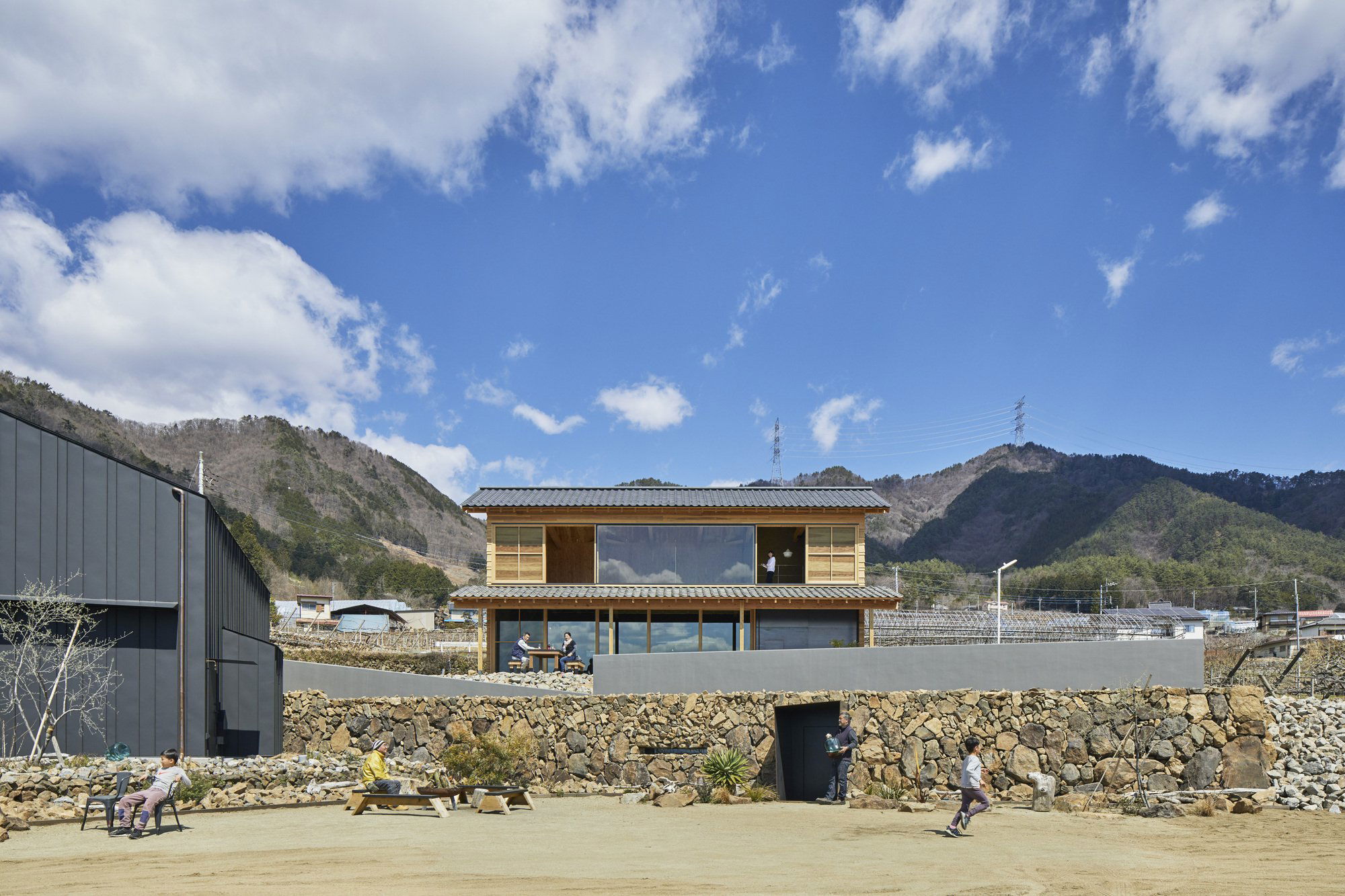
Clean, modern design with relaxing, stylish spaces, open terrace, and calming atmosphere overlooking Mt. Fuji.
Tags
Vibe
Best For
Experience
Sourcing
View
At the Vineyard
- Appellation
- Yamanashi
- Varietals
- Koshu, Muscat Bailey A
- Tour Duration
- 60-90 minutes
- Tour Languages
- Japanese, English
- Visits
- By reservation
- Farming
- Natural wine
- Production
- Small producer
- Wine Styles
- Still Red, Still White, Still Rose
- Wine Club
- Not available
Know before you go
Know Before You Go
- Getting there
- 250-1, Enzan Fukuori, Yamanashi, 4040056, Japan
Planning details
Location
250-1, Enzan Fukuori, Yamanashi, 4040056, Japan · Directions
Recognition and awards

Also consider
Also Consider
- Kanosuke, Notable alternative
- Eigashima (White Oak), Notable alternative
- Yamazaki (Suntory), Notable alternative
- Mars Shinshu Distillery, Notable alternative
- Shizuoka, Notable alternative
Winery context
How 98Wines compares with Japan's drinks destinations
Choose 98Wines over Kanosuke, Eigashima (White Oak), Yamazaki (Suntory), Mars Shinshu Distillery, and Shizuoka if the trip is specifically about Japanese wine rather than whisky. Its strongest advantage is focus: this is the better fit for a Yamanashi wine itinerary, while the others make more sense for travellers chasing distillery culture, brand history, or a broader spirits route.
For booking ease, the whisky peers may be simpler to fold into a Japan trip because they are more obvious visitor targets, but that also means demand can be heavy. 98Wines is the higher-conviction choice for wine enthusiasts who are willing to plan around access. Yamazaki (Suntory) is the more recognisable name for first-time Japan drinks travellers; Mars Shinshu Distillery and Shizuoka are better for whisky-focused explorers; Kanosuke and Eigashima (White Oak) suit drinkers comparing regional distillery styles.
On ambiance, expect the decision to split by trip style rather than price tier. 98Wines is the quieter, wine-first Yamanashi play. The distillery peers are stronger if the group wants a spirits-led visit with a more familiar tourism frame. If only one stop makes the itinerary, pick 98Wines for Japanese wine depth and Yamazaki (Suntory) for broad-name whisky appeal.
Explore Yamanashi
Around this place
Discover more on Pearl
Unlock the full 98Wines guide in Pearl, including awards, comparisons, FAQs, planning details, and nearby places.
Compare 98Wines
| Venue | Location | Awards |
|---|---|---|
| 98Wines | Yamanashi | 2025 World's 50 Best Vineyards · #202024 World's 50 Best Vineyards · #48 |
| Kanosuke | Kagoshima | No published awards |
| Eigashima (White Oak) | Akashi | No published awards |
| Yamazaki (Suntory) | Shimamoto | No published awards |
| Mars Shinshu Distillery | Miyada | No published awards |
| Shizuoka | Shizuoka | No published awards |
How 98Wines Yamanashi compares with similar nearby venues.
FAQ
Frequently Asked Questions
Does 98Wines offer shipping?
Confirm directly with 98Wines before you go if shipping matters to your plans.
Are there special purchase or membership options at 98Wines?
Confirm purchase and membership options directly with 98Wines before planning around them. What is confirmed is the venue's Pearl 2 Star Prestige (2025) recognition and World's 50 Best Vineyards #20 (2025) ranking.
Do I need a reservation at 98Wines?
If your Yamanashi schedule is tight, confirm the current visit process directly with 98Wines before planning around it.
How long should I plan for a visit to 98Wines?
Can 98Wines handle large groups?
Confirm directly with 98Wines before planning for a large group.