
Bodegas Vivanco
Briones, Valle de Mena
Winery in Valle de Mena, Spain
 Book with Pearl
The Read
Viticultural Institution
Why go
Book Bodegas Vivanco when the winery visit itself needs to carry the occasion. Its 2025 World's 50 Best Vineyards #24 recognition makes it a strong Rioja choice for celebrations, client hosting, and mixed groups who want more than a quick tasting. Plan it as the day's anchor stop rather than an add-on.
About Bodegas Vivanco
Bodegas Vivanco in Valle de Mena is best framed through the facts available: smart casual dress code, Pearl 3 Star Prestige (2025), and World's 50 Best Vineyards #24 (2025). Those confirmed signals make it a notable venue to consider, while any finer details about formats, pricing, hours, menus, or specific visitor services should be checked directly before you commit.
Choose this when recognition matters
The clearest confirmed external signals for Bodegas Vivanco are Pearl 3 Star Prestige (2025) and World's 50 Best Vineyards #24 (2025). If your group wants a venue with recognized prestige rather than an promise about a particular visit format, those are the safest facts to build around.
If you are comparing options, cross-shop naturally with Bodegas Muga, La Rioja Alta, Bodegas Roda, CVNE (Cune), and Dinastía Vivanco. Keep the comparison focused on your own priorities, because the supplied venue data does not verify detailed service formats, prices, hours, or specific highlights for Bodegas Vivanco.
Make the itinerary do the work
Do not overpack the day around assumptions that are not confirmed in the available data. Treat Bodegas Vivanco as the main named stop you are evaluating, then confirm practical details directly before arranging meals, transport, or backup plans.
For a broader comparison set, Bodegas Muga, La Rioja Alta, Bodegas Roda, CVNE (Cune), and Dinastía Vivanco are the relevant named venues to consider alongside Bodegas Vivanco. Other Valle de Mena dining or hospitality options can be considered generically as part of the wider trip plan.
Planning details
- Location
- N-232, 26330 Briones, La Rioja, Spain
- Website
- vivancoculturadevino.es/en
- Phone
- +34 941 322 013
The take
The Take
The Vibe
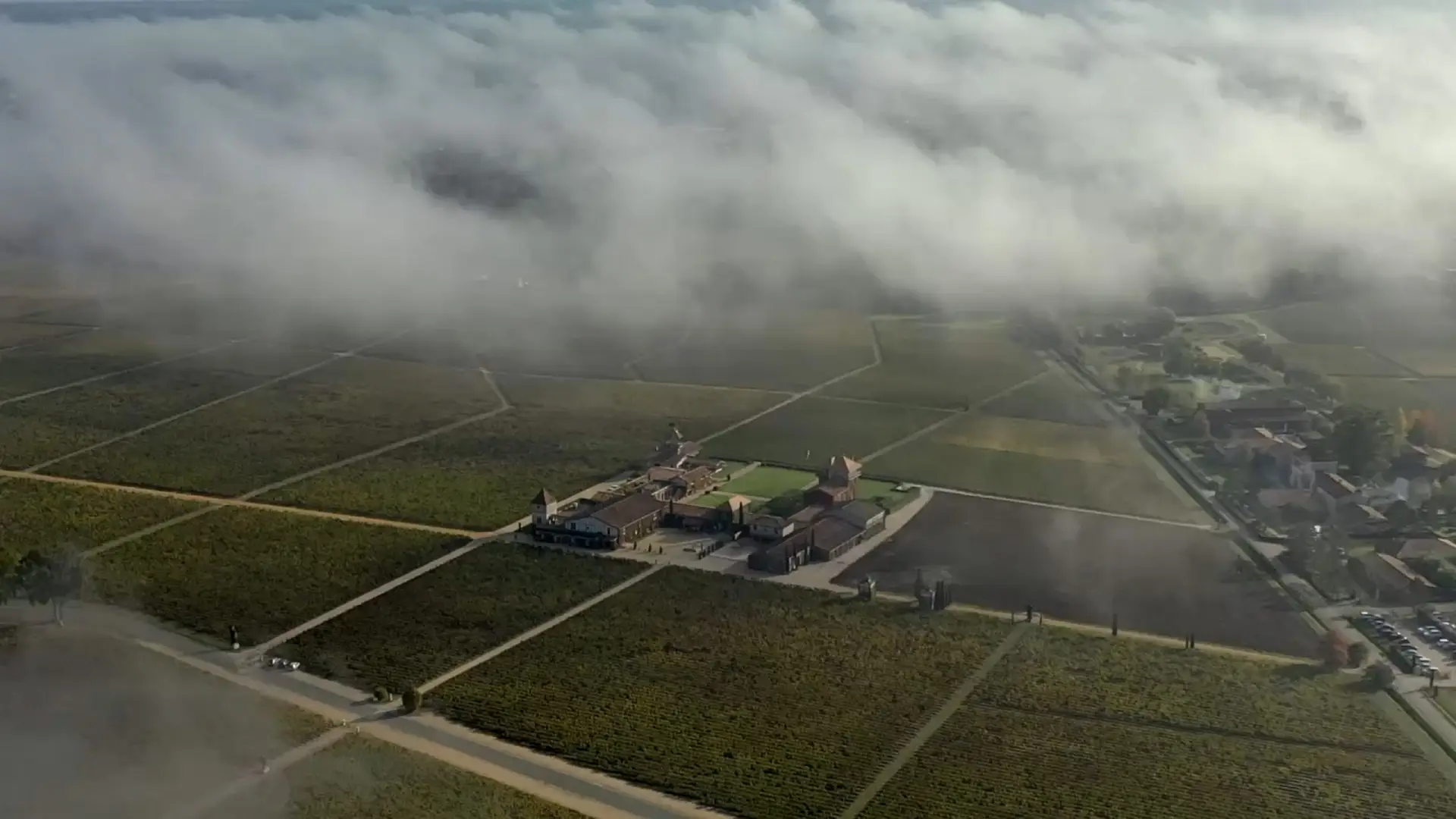
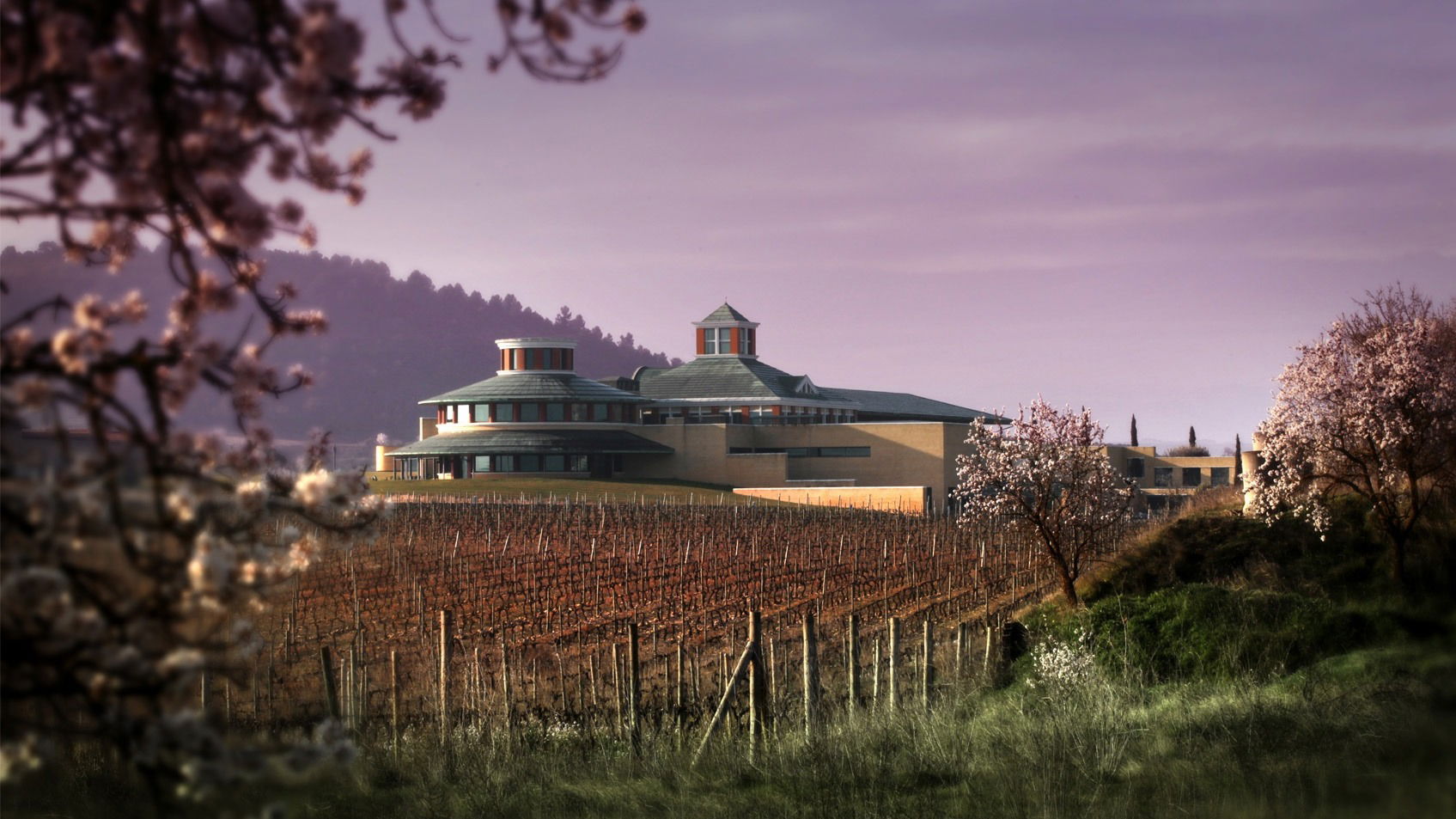
Bodegas Vivanco reads like a living archive: a century-old Rioja house with a museum and property views that together explain its wines. The narrative is rooted in place — Cantabrian foothills, wide diurnal swings and hilltop vineyards — and in history, with origins dating to 1915 and ties to the region's formative producers. The winery balances reverence for tradition with institutional polish, earning formal recognition in peer-assessment circles. Visitors encounter an experience that feels studied rather than decorative: museum interpretation, cellar spaces and landscape all front the story of why Rioja Alta wines are structured and age-worthy.
Best For
Vivanco is best for visitors who want to dig into Rioja Alta's terroir and history. The museum and cellar-tour framing make it an ideal stop for wine-education focused outings, whether solo travelers looking to explore curated exhibits or groups booking guided visits. The property’s vantage over vineyards and its archival emphasis suit anyone prioritizing context — students of wine, regional-minded oenophiles and organized group tours all get substantive material and clear interpretation about how climate and site shape the house style.
Tasting Tips
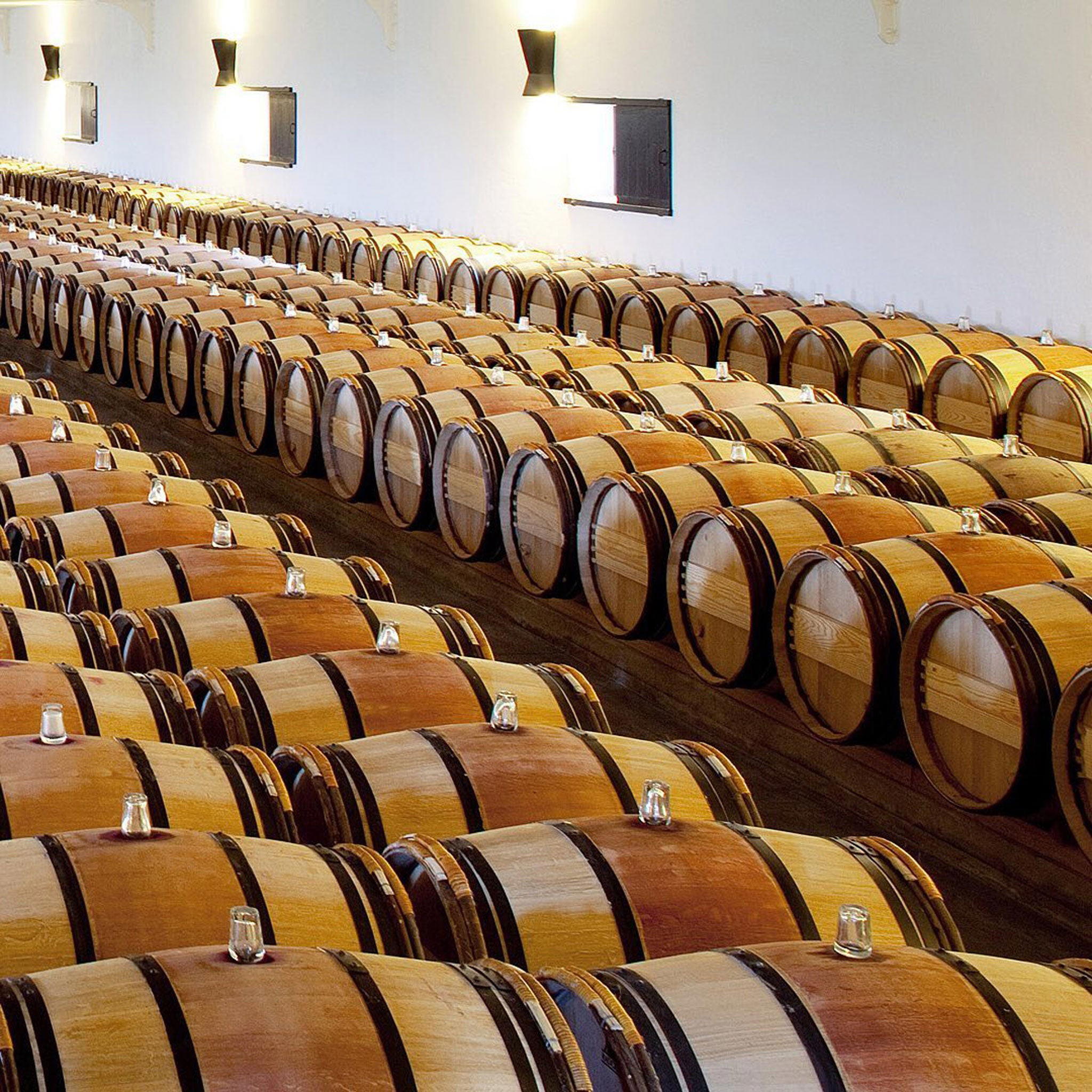
Plan time for both the museum and cellar components: the property foregrounds interpretation, so booking a guided tour or tasting that includes the museum and barrel-room visit ensures you see how exhibits connect to production. Check tour schedules in advance and allow a window to take in the estate views and grounds after a tasting. If you’re visiting with others, reserve tours ahead to secure group slots; independent visitors should look for self-guided museum hours and available tasting formats on the winery’s schedule.
Venue details
Ambiance
Sophisticated and educational atmosphere blending modern innovation with traditional Rioja winemaking heritage.
Tags
Vibe
Best For
Experience
Sourcing
View
At the Vineyard
- Appellation
- DOCa Rioja
- Varietals
- Tempranillo, Graciano, Garnacha, Mazuelo, Viura
- Tour Duration
- 60-90 minutes
- Visits
- By reservation
- Farming
- Sustainable
- Production
- Mid-size producer
- Wine Styles
- Still Red, Still White, Still Rose, Sparkling
- Wine Club
- Not available
Know before you go
Know Before You Go
- Getting there
- N-232, 26330 Briones, La Rioja, Spain
Planning details
Location

Also consider
Also Consider
- Dinastía Vivanco, Notable alternative
- CVNE (Cune), Notable alternative
- Bodegas Muga, Notable alternative
- La Rioja Alta, Notable alternative
- Bodegas Roda, Notable alternative
Winery context
How it compares with nearby Rioja names
Choose Bodegas Vivanco over Dinastía Vivanco when the brief is a more formal, destination-style visit with stronger external recognition. It is the safer call for a special occasion or hosted group because the experience has more weight than a casual tasting stop.
CVNE (Cune), Bodegas Muga, and La Rioja Alta make more sense if the group wants a producer-led Rioja tasting day with the winery name as the main draw. Vivanco is better when ambiance, interpretive depth, and group accessibility matter as much as the glass.
Bodegas Roda is the sharper cross-shop for serious wine drinkers who want a more focused cellar visit. For mixed groups, Vivanco is the more forgiving choice: easier to build a full itinerary around, better suited to milestone trips, and less dependent on everyone arriving with the same level of wine interest.
Explore Valle de Mena
Around this place
Discover more on Pearl
Unlock the full Bodegas Vivanco guide in Pearl, including awards, comparisons, FAQs, planning details, and nearby places.
Compare Bodegas Vivanco
| Venue | Location | Awards |
|---|---|---|
| Bodegas Vivanco | Valle de Mena | 2025 World's 50 Best Vineyards · #242024 World's 50 Best Vineyards · #312022 World's 50 Best Vineyards · #442020 World's 50 Best Vineyards · #41 |
| Dinastía Vivanco | Briones | 2019 World's 50 Best Vineyards · #24 |
| CVNE (Cune) | Haro | No published awards |
| Bodegas Muga | Haro | 2026 Falstaff Winery Guide2025 World's 50 Best Vineyards · #532024 World's 50 Best Vineyards · #232023 World's 50 Best Vineyards · #49 |
| La Rioja Alta | Haro | 2026 Falstaff Winery Guide |
| Bodegas Roda | Haro | 2026 Falstaff Winery Guide |

How Bodegas Vivanco Valle de Mena: Verified Guide compares with similar nearby venues.
FAQ
Frequently Asked Questions
Do I need a reservation at Bodegas Vivanco?
The supplied venue data does not verify a reservation policy, so confirm directly before planning around a visit. The confirmed facts are smart casual dress code, Pearl 3 Star Prestige (2025), and World's 50 Best Vineyards #24 (2025). If you are choosing between several venues, Dinastía Vivanco and CVNE (Cune) are relevant comparison names to consider.
When is the best time to visit Bodegas Vivanco?
The supplied venue data does not verify hours or a best time of day. Plan conservatively, confirm timing directly, and keep the location reference to Valle de Mena. If you need to reshuffle your plans, Bodegas Muga is another relevant comparison for your itinerary.
What other venues are relevant comparisons for Bodegas Vivanco?
Dinastía Vivanco, CVNE (Cune), Bodegas Muga, La Rioja Alta, and Bodegas Roda are the most relevant named comparisons to consider alongside Bodegas Vivanco. The supplied venue data does not verify detailed distances, service formats, or specific visit styles, so compare them directly when planning.
What is the dress code at Bodegas Vivanco?
The dress code for Bodegas Vivanco is smart casual. The supplied venue data does not verify more detailed attire requirements, so confirm directly if your plans depend on specific guidance.
What recognition is confirmed for Bodegas Vivanco?
The confirmed recognition for Bodegas Vivanco is Pearl 3 Star Prestige (2025) and World's 50 Best Vineyards #24 (2025). The supplied venue data does not verify additional awards or rankings.
How long should I plan for a visit to Bodegas Vivanco?
The supplied venue data does not verify visit length. Confirm timing directly and avoid building the day around assumptions. The strongest confirmed signals are Pearl 3 Star Prestige (2025) and World's 50 Best Vineyards #24 (2025), with Dinastía Vivanco and Bodegas Roda useful comparison names if your schedule changes.