

Tenuta Castelbuono (Tenute Lunelli)
Bevagna, Umbria
Winery in Umbria, Italy
 Book with Pearl
The Read
Sagrantino Terroir Authority
Price
$20–30tasting
Why go
Tenuta Castelbuono (Tenute Lunelli) is the Umbria choice for a planned, wine-led occasion rather than a casual tasting stop. Prioritise it if structured regional reds and a serious estate experience justify the planning effort; cross-shop Arnaldo Caprai or Lungarotti if the group wants a more familiar Umbrian winery comparison.
About Tenuta Castelbuono (Tenute Lunelli)
Tenuta Castelbuono (Tenute Lunelli) is an Umbria venue with two confirmed guide signals: Pearl 2 Star Prestige (2025) and World's 50 Best Vineyards #25 (2024). That is enough to make it a serious candidate for an Umbria itinerary, but it does not specify visitor hours, tasting formats, food service, pricing, bottle lists, or a specific flagship wine. Treat it as a venue to research directly before you build a day around it.
The safest reason to prioritise Tenuta Castelbuono is recognition, not an assumed menu, tour style, or particular bottle. If the occasion calls for a polished Umbria stop with international vineyard recognition, it belongs on the shortlist. If the group needs maximum flexibility, confirmed food, or a low-planning afternoon, verify those practical details before committing.
Choose it when the venue recognition is the point, not the convenience
Tenuta Castelbuono should be considered as part of an Umbria plan rather than as a guaranteed drop-in. It does not specify walk-in access, lunch service, transport arrangements, or a specific visitor schedule. If the itinerary needs breadth, use broader Umbria planning resources so the day does not hinge on assumptions.
For comparison, Arnaldo Caprai and Lungarotti are natural names to consider alongside Tenuta Castelbuono, while Famiglia Cotarella (Falesco), Distilleria Varnelli, and Sabatini Gin may fit different drinking interests. Keep the comparison practical: choose based on the current experience each venue offers, not on assumptions about tasting style, food, or bottle access.
For a celebration, treat the visit like a planned anchor
The stronger use case is a date, anniversary, client day, or itinerary where the recognition matters. The confirmed dress code is smart casual, so it is reasonable to dress neatly rather than treating the stop as purely casual. Beyond that, confirm the current visitor format directly before building the day, especially if timing, meals, transport, or accessibility matter.
Verdict: worth considering for travellers who want an Umbria venue with confirmed international vineyard recognition and Pearl 2 Star Prestige status. Skip or postpone it if the group needs food service, known hours, or a fully defined visit format before booking the rest of the day.
Planning details
- Location
- Vocabolo Castellaccio, 9, 06031 Bevagna PG
- Website
- worldsbestvineyards.com/previous-list/2023
The take
The Take
The Vibe
Tenuta Castelbuono presents as a focused, classic Umbrian estate where terroir and tradition drive the narrative. The copy emphasizes mineral soils, clay-limestone textures and a deliberate approach to translating site into wine, underscoring a refined, estate-scale seriousness. Critical recognition — a place on the World's Leading Vineyards list and a Pearl 2 Star Prestige rating — reinforces a sense of gravitas rather than flash. The tone is measured and instructive, oriented toward visitors who appreciate vineyard provenance, structured native varieties and the craft of patient winemaking rather than trend-driven tasting-room theatrics.
Best For
This estate is best for visitors with a keen interest in regional wines and for those marking a special visit to Umbria. The write-up frames Castelbuono as an exemplary Montefalco producer whose wines illustrate local soils and the distinctive character of Sagrantino. That focus makes the property a smart stop for people wanting to deepen their understanding of Umbrian viticulture and for travelers seeking a noteworthy, higher-profile winery experience. It reads as a destination for serious wine-minded guests and for occasions when the provenance of a bottle matters.
Tasting Tips
When selecting from Tenuta Castelbuono, prioritize expressions that showcase Sagrantino and the estate’s named bottlings — the text highlights the Vocabolo Castellaccio and the region’s tendency toward structured, tannic wines that reward aging. Expect wines that benefit from time in bottle; seek older vintages or reserve-style bottlings if you want more approachability and development. Read labels for vineyard-specific or prestige indications, and treat the visit as an opportunity to compare the estate’s interpretation of Montefalco soils rather than chasing light, easy-drinking styles.
Venue details
Ambiance
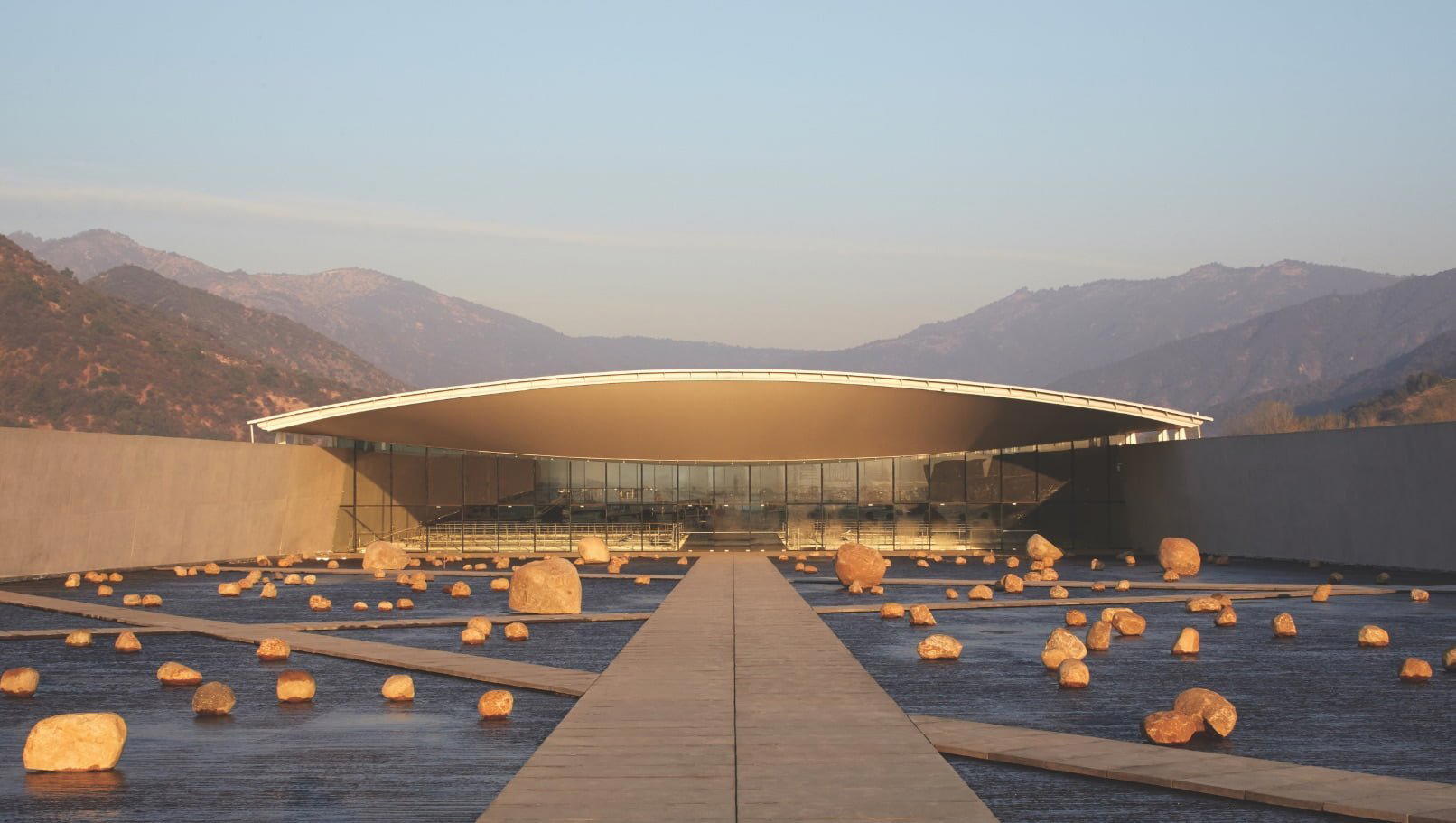
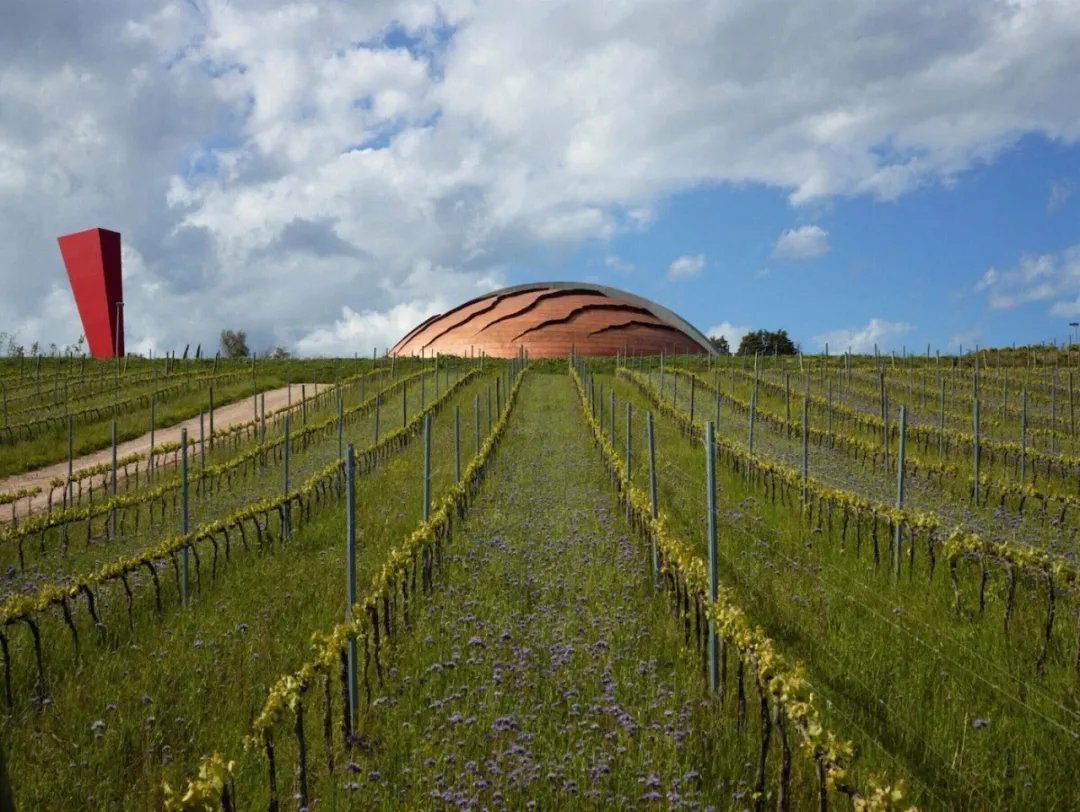
Refined and evocative atmosphere inside the striking copper-domed Carapace structure, with breathtaking panoramic views of rolling vineyards and landscapes.
Tags
Vibe
Best For
Experience
Sourcing
View
Accessibility
At the Vineyard
- Appellation
- Montefalco Sagrantino DOCG
- Varietals
- Sagrantino, Sangiovese, Merlot, Cabernet
- Tour Duration
- 60-90 minutes
- Tour Languages
- Italian, English
- Visits
- By reservation
- Farming
- Organic
- Wine Styles
- Still Red
- Wine Club
- Not available
Know before you go
Know Before You Go
- Getting there
- Vocabolo Castellaccio, 9, 06031 Bevagna PG
Planning details
Location
Vocabolo Castellaccio, 9, 06031 Bevagna PG · Directions
Recognition and awards


Also consider
Also Consider
- Arnaldo Caprai, Notable alternative
- Lungarotti, Notable alternative
- Distilleria Varnelli, Notable alternative
- Famiglia Cotarella (Falesco), Notable alternative
- Sabatini Gin, Notable alternative
Winery context
How it compares in Umbria
Arnaldo Caprai is the clearest cross-shop for travellers focused on Montefalco reds. Choose Tenuta Castelbuono (Tenute Lunelli) when the occasion needs a more design-led, destination-style estate feel; choose Arnaldo Caprai when the priority is benchmarking a major local producer against another serious name in the same regional conversation.
Lungarotti is the safer alternative for readers who want a broader, more classic Umbria winery reference point. Famiglia Cotarella (Falesco) works better for travellers comparing larger Italian wine-family operations, while Castelbuono is the stronger pick when the visit should feel tied to one focused estate stop.
If the group is split between wine and spirits, Distilleria Varnelli and Sabatini Gin answer a different brief. They are better fallback choices for cocktail-minded travellers; this estate is the better choice when the day is built around bottles, cellar decisions, and an Umbrian wine-country setting.
Explore Umbria
Around this place
Discover more on Pearl
Unlock the full Tenuta Castelbuono (Tenute Lunelli) guide in Pearl, including awards, comparisons, FAQs, planning details, and nearby places.
Compare Tenuta Castelbuono (Tenute Lunelli)
| Venue | Location | Awards |
|---|---|---|
| Tenuta Castelbuono (Tenute Lunelli) | Umbria | 2026 Falstaff Winery Guide2024 World's 50 Best Vineyards · #25 |
| Arnaldo Caprai | Montefalco | 2026 Falstaff Winery Guide |
| Lungarotti | Torgiano | 2026 Falstaff Winery Guide |
| Distilleria Varnelli | Muccia | No published awards |
| Famiglia Cotarella (Falesco) | Montefiascone | 2026 Falstaff Winery Guide |
| Sabatini Gin | Cortona | No published awards |
How Tenuta Castelbuono Umbria compares with similar nearby venues.
FAQ
Frequently Asked Questions
Do I need a reservation at Tenuta Castelbuono (Tenute Lunelli)?
A reservation policy is not specified. Plan ahead by checking directly with Tenuta Castelbuono before travelling, especially if you are arranging a broader Umbria itinerary. Arnaldo Caprai and Lungarotti are useful comparison points when deciding how to structure a day.
When is the best time to visit Tenuta Castelbuono (Tenute Lunelli)?
Opening hours or an ideal visiting window are not specified. Treat Tenuta Castelbuono as a stop to confirm directly rather than assuming daytime access, weekday availability, or walk-in flexibility.
Does Tenuta Castelbuono (Tenute Lunelli) serve food?
Food service is not specified. If a meal is important, do not assume one is available at Tenuta Castelbuono; verify directly and plan other Umbria dining separately if needed.