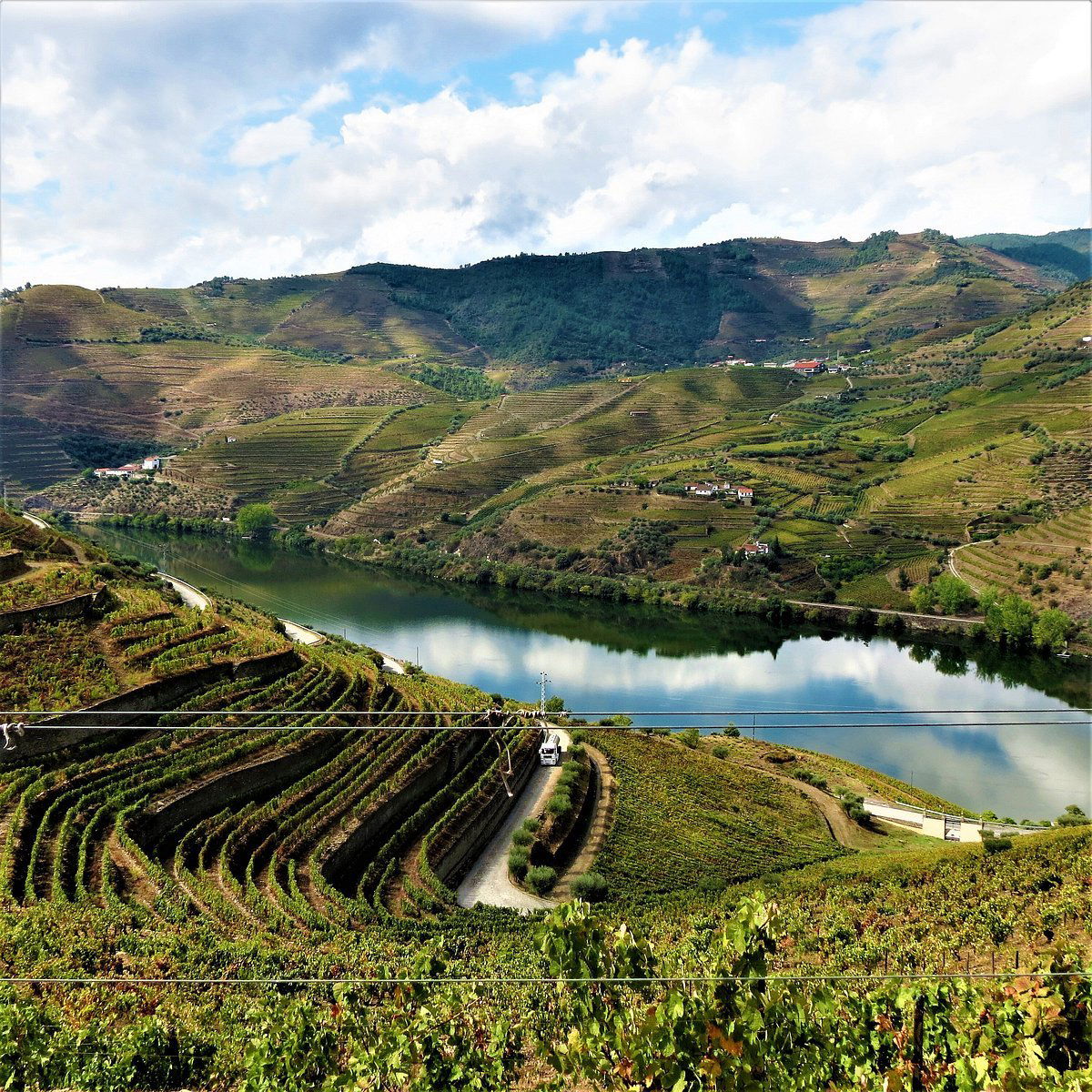

Quinta do Seixo (Sandeman), Douro Valley
Cima Corgo, Tabuaço
Winery in Tabuaço, Portugal
 Book with Pearl
The Read
Schist-Terroir Port Estate
Price
$30–50tasting
Why go
Quinta do Seixo (Sandeman), Douro Valley is the right call for a first Douro visit built around a major Port name and a polished tasting format. Prioritise it if recognition, structure, and vineyard setting matter; cross-shop Quinta do Infantado for a smaller-producer feel or Quinta do Bomfim for another classic Port-house itinerary anchor.
About Quinta do Seixo (Sandeman), Douro Valley
In the Douro Valley, Quinta do Seixo (Sandeman), Douro Valley is a recognised venue in Tabuaço. Key facts include Pearl 3 Star Prestige (2025), World's 50 Best Vineyards #42 (2023), and a smart casual dress code.
The practical verdict: consider it for a recognised Douro venue in Tabuaço. For comparison, Quinta do Infantado, Quinta do Bomfim, Quinta da Roêda (Croft), Quinta das Carvalhas, and Quinta do Noval are other Douro names travellers may consider when shaping a wider itinerary.
Choose this as a planned Douro stop, not a detail-light afterthought
First-timers should treat this as a planned part of a Douro itinerary rather than relying on assumptions about availability or visit format. The case rests on the venue itself, its Tabuaço setting, its smart casual dress code, and its recognised profile. If specific options matter, check the venue's official channels before committing the day around any particular format.
Keep the plan realistic. If you are comparing options in or around Tabuaço, match the winery plan with Our full Tabuaço restaurants guide and other general planning resources, while confirming current details directly with each venue.
Where it fits among Portugal wine stops
This is a Douro-first decision: consider it for a recognised Quinta do Seixo (Sandeman) venue in Tabuaço rather than as a generic Portugal-wide wine stop. If the trip spans multiple regions, compare those choices by region, logistics, and details rather than assuming that one wine destination substitutes neatly for another.
The trust case is clear enough without overcomplicating it: Quinta do Seixo carries external recognition, including World's 50 Best Vineyards #42 (2023) and Pearl 3 Star Prestige (2025). That does not automatically make it the right choice for every traveller. It makes it a strong candidate when the aim is a recognised Douro Valley name, while travellers seeking a different pace or style should compare it with other Douro options such as Quinta do Bomfim, Quinta do Infantado, Quinta da Roêda (Croft), Quinta das Carvalhas, or Quinta do Noval.
Planning details
- Location
- 5120 Valença do Douro
- Website
- sograpevinhos.com/visitas/cave/4
- Phone
- +351 254 732 800
The take
The Take
The Vibe
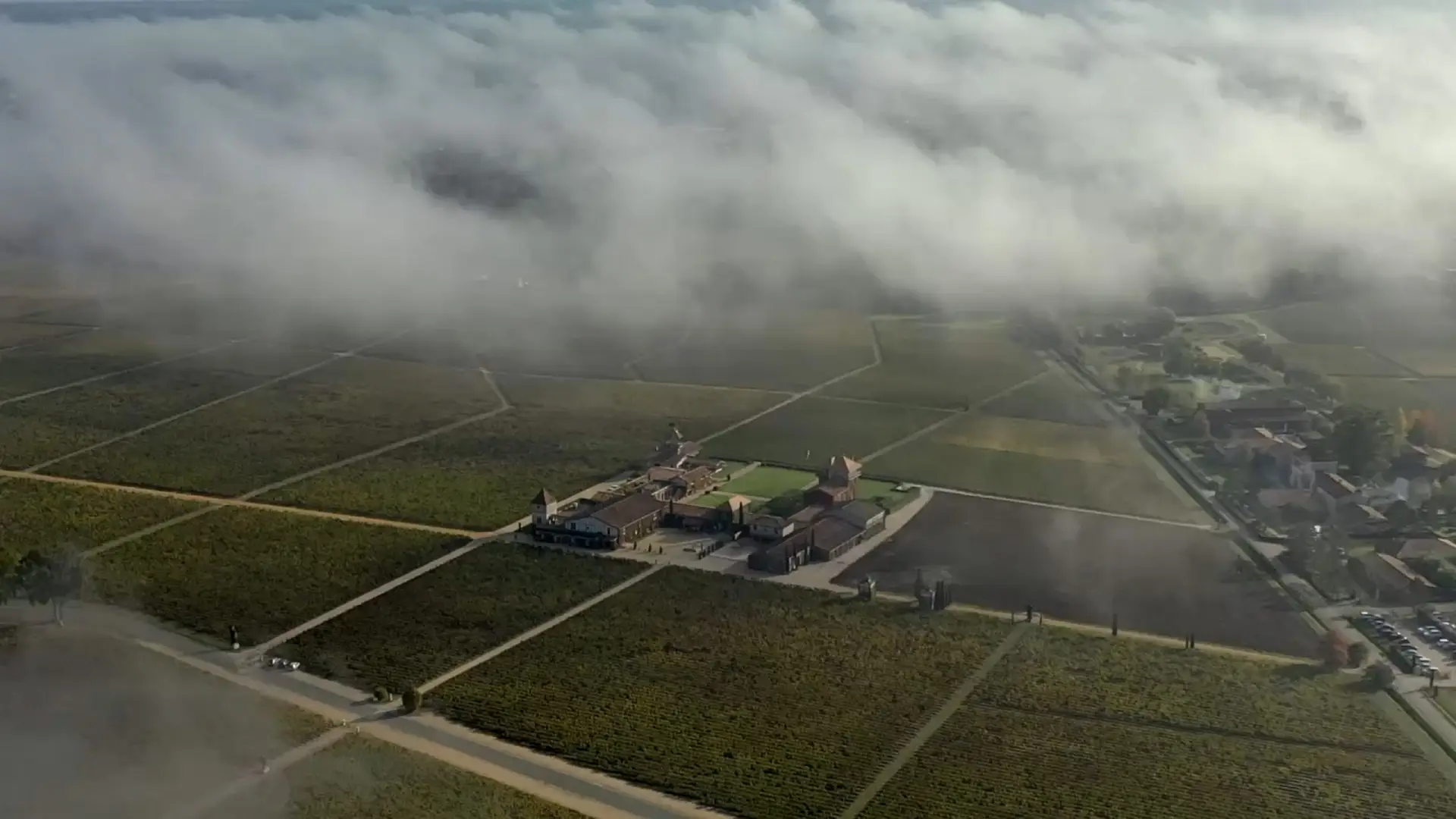
Quinta do Seixo reads like a site-first estate: the amphitheatre of south-facing schist terraces and the geology of the hillside are the dominant presence. The narrative is shaped by centuries of Port viticulture and the gravity of a long-established house, so the atmosphere comes across as classic and quietly sophisticated rather than flashy. Light and heat become part of the place’s personality—clear mornings emphasize the stone and the terraces—so visits feel contemplative and grounded in terroir. It’s an estate that privileges the land and history in its mood, offering an elegant but unostentatious sense of place.
Best For
This quinta is best for visitors who care about terroir, wine history, and concentrated vineyard character. It suits those seeking wine education and thoughtful tastings—oenophiles, small groups interested in a land-focused visit, and travelers marking a special occasion at a prestige Port estate. The property’s emphasis on schist, elevation and traditional Douro varieties makes it less about casual drop-ins and more about slow, attentive exploration of site-driven wines. It’s not a nightlife destination; it’s a place for learning, photography, and appreciating landscape-driven wines.
Tasting Tips
Plan to experience the place with the light in mind: the description singles out clear mornings when the schist terraces read most dramatically, so an early visit rewards views and photography. During tastings, focus on comparing how the classic Douro varieties—Touriga Nacional, Touriga Franca, Tinta Roriz and Tinta Barroca—contribute to both the estate’s Port expressions and its table wines; the copy explicitly links varietal roles to the estate’s portfolio. Ask about the schist’s thermal behaviour and how it shapes ripening—this geology-forward explanation is presented as the starting point for understanding what goes into the glass.
Venue details
Ambiance
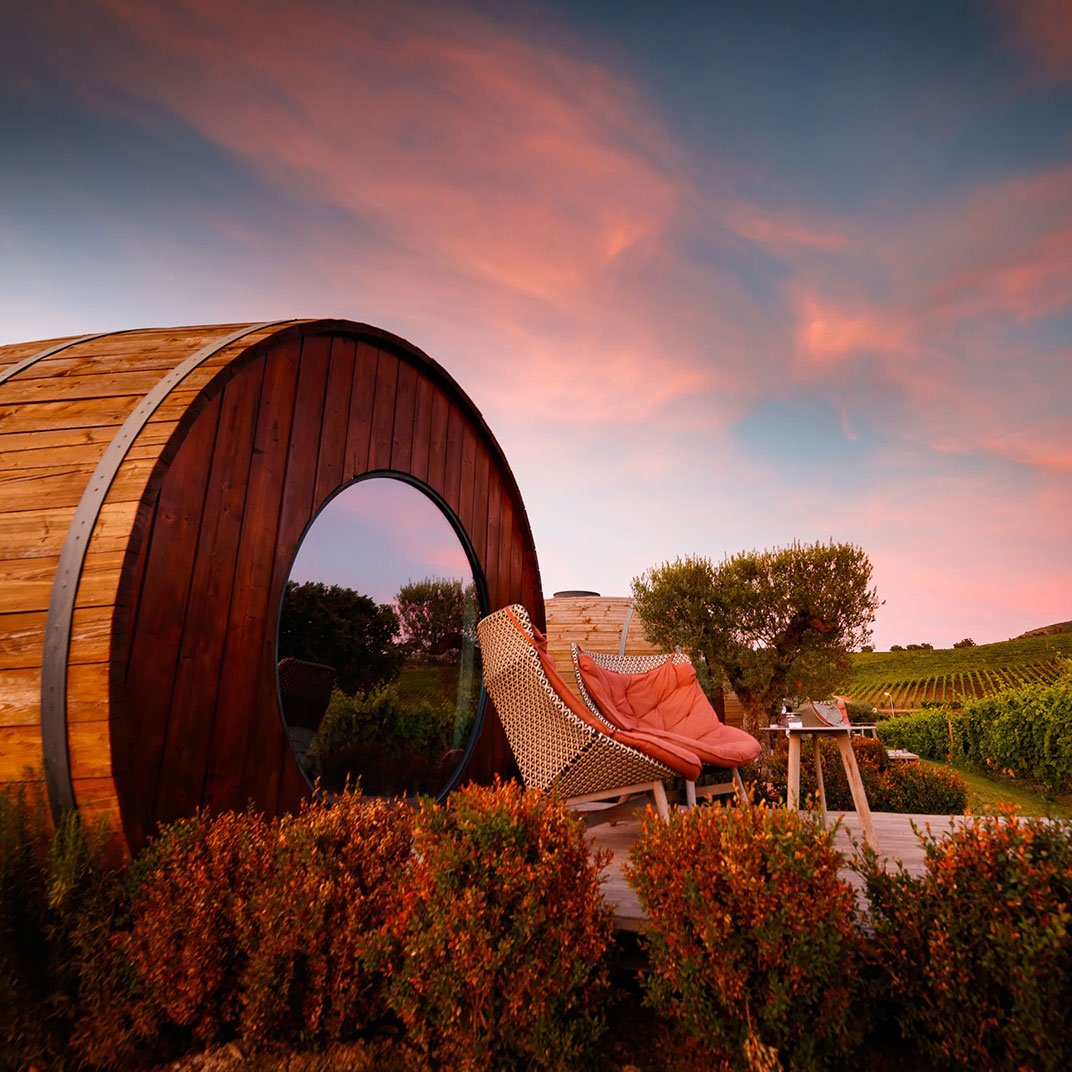
Warm and inviting with wood, green, and reddish tones reflecting Sandeman's history, enhanced by breathtaking Douro Valley vineyard and river vistas.
Tags
Vibe
Best For
Experience
Sourcing
View
At the Vineyard
- Appellation
- Douro DOC
- Varietals
- Touriga Nacional, Tinta Roriz
- Tour Duration
- 60-90 minutes
- Tour Languages
- English, Portuguese
- Visits
- By reservation
- Farming
- Sustainable
- Production
- Large producer
- Wine Styles
- Fortified
- Food Pairing
- Offered
- Wine Club
- Not available
Know before you go
Know Before You Go
- Getting there
- 5120 Valença do Douro
Planning details
Location
Recognition and awards

Also consider
If you cannot get in
Try Quinta do Bomfim first if the goal is a classic Port-house visit with broad appeal. For a quieter, more independent-feeling alternative, put Quinta do Infantado ahead of another large-name stop.
Winery context
How it compares with nearby Douro winery visits
Quinta do Seixo is the stronger choice for first-timers who want a high-recognition Port house and a more structured visit. Quinta das Carvalhas is the more natural cross-shop if the priority is a broad vineyard-estate feel, while Quinta do Noval suits travellers chasing another serious Douro name with a more collector-minded pull.
For value and ease, do not assume the famous label is always the smartest fit. Quinta do Bomfim is the practical alternative for a classic Port-house day, especially if this visit is hard to secure. Quinta da Roêda (Croft) is worth considering for a parallel Port-focused stop, while Quinta do Infantado is the better choice for visitors who prefer a smaller, less corporate-feeling producer context.
Explore Tabuaço
Around this place
Discover more on Pearl
Unlock the full Quinta do Seixo (Sandeman), Douro Valley guide in Pearl, including awards, comparisons, FAQs, planning details, and nearby places.
Compare Quinta do Seixo (Sandeman), Douro Valley
| Venue | Location | Awards |
|---|---|---|
| Quinta do Seixo (Sandeman), Douro Valley | Tabuaço | 2025 World's 50 Best Vineyards · #622023 World's 50 Best Vineyards · #42 |
| Quinta das Carvalhas | Pinhão | No published awards |
| Quinta do Noval | Pinhão | 2026 Falstaff Winery Guide2025 World's 50 Best Vineyards · #732024 World's 50 Best Vineyards · #362023 World's 50 Best Vineyards · #162022 World's 50 Best Vineyards · #482021 World's 50 Best Vineyards · #292020 World's 50 Best Vineyards · #49 |
| Quinta do Bomfim | Pinhão | 2025 World's 50 Best Vineyards · #662024 World's 50 Best Vineyards · #282022 World's 50 Best Vineyards · #372021 World's 50 Best Vineyards · #382019 World's 50 Best Vineyards · #37 |
| Quinta da Roêda (Croft) | Pinhão | No published awards |
| Quinta do Infantado | Sabrosa | 2022 World's 50 Best Vineyards · #282021 World's 50 Best Vineyards · #50 |

How Quinta do Seixo (Sandeman) Douro Valley compares with similar nearby venues.
FAQ
Frequently Asked Questions
How should I compare Quinta do Seixo (Sandeman), Douro Valley with other Douro options?
Use the confirmed facts: the Quinta do Seixo (Sandeman) name, the Tabuaço setting, Pearl 3 Star Prestige (2025), World's 50 Best Vineyards #42 (2023), and a smart casual dress code. For itinerary planning, compare Quinta do Seixo with other Douro options such as Quinta do Noval.