

Quinta do Noval
Pinhão
Winery in Pinhão, Portugal
 Book with Pearl
The Read
Pre-Phylloxera Terrace Viticulture
Price
$50–100tasting
Why go
Plan Quinta do Noval as a priority Douro visit, not a casual extra between stops. It suits special-occasion travellers and Port-focused groups who care about producer reputation, with Pearl 4 Star Prestige recognition and a World's 50 Best Vineyards #48 placement adding useful trust signals.
About Quinta do Noval
Pinhão rewards planning, and Quinta do Noval is a notable name to keep on a Douro shortlist. Details are limited: the venue is in Pinhão, the dress code is smart casual, and its recognition includes Pearl 4 Star Prestige (2025) and World's 50 Best Vineyards #48 (2022).
Specific visit formats, menus, prices, hours, seat counts, or tasting details are not available. Consider this a careful starting point rather than a full service brief. For a special occasion, the grounded reason to flag Quinta do Noval is its Pinhão setting and recognition, not any promise about a particular experience.
Choose this for recognition and a Pinhão setting
Quinta do Noval is best considered by visitors who want a recognised Pinhão venue and are comfortable confirming the practical details directly before making plans. Its recognition includes Pearl 4 Star Prestige (2025) status and its World's 50 Best Vineyards #48 placement in 2022.
If the group is comparing options, keep expectations simple and verify current arrangements before committing. For broader planning around the area, use our full Pinhão restaurants guide separately from any visit planning, since dining, hours, and service details for Quinta do Noval are not available.
The right visitor is booking around basics, not assumptions
This is a stronger fit for travellers who value recognition and can plan with care. The smart casual dress code is the only attire guidance available, so avoid building an itinerary around unspecified details such as specific tastings, food service, group capacity, or bottle access unless you have checked them directly.
Readers comparing nearby Douro options can also look at Quinta das Carvalhas, Quinta do Bomfim, Quinta da Roêda (Croft), Quinta do Infantado, and Quinta do Seixo (Sandeman). For other dining in Pinhão, compare generically and keep those plans separate from the limited facts available for Quinta do Noval.
Planning details
- Location
- R. da Praia 15, 5085-042 Pinhão
- Website
- quintadonoval.com
- Phone
- +351 259 104 194
The take
The Take
The Vibe
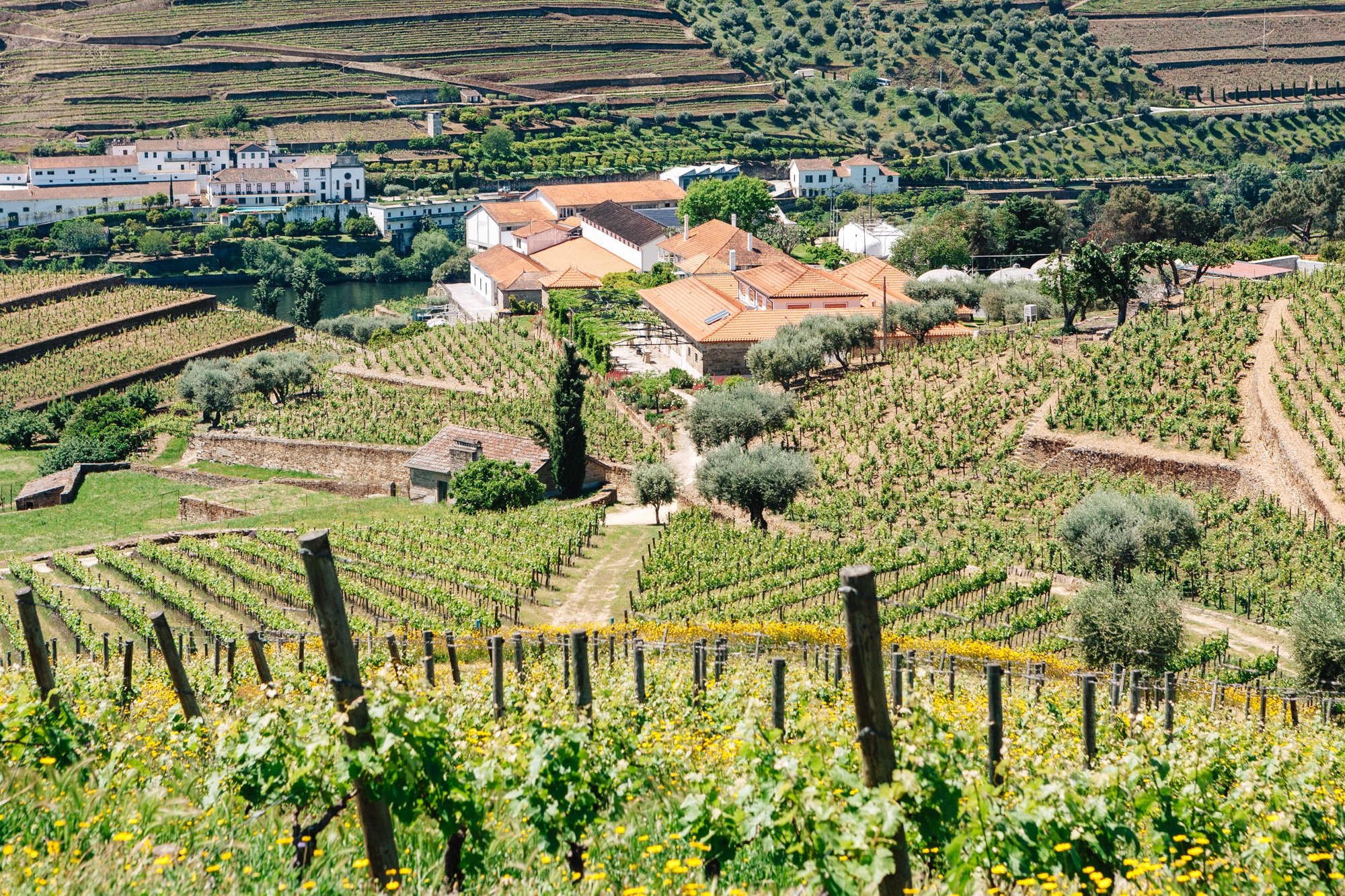
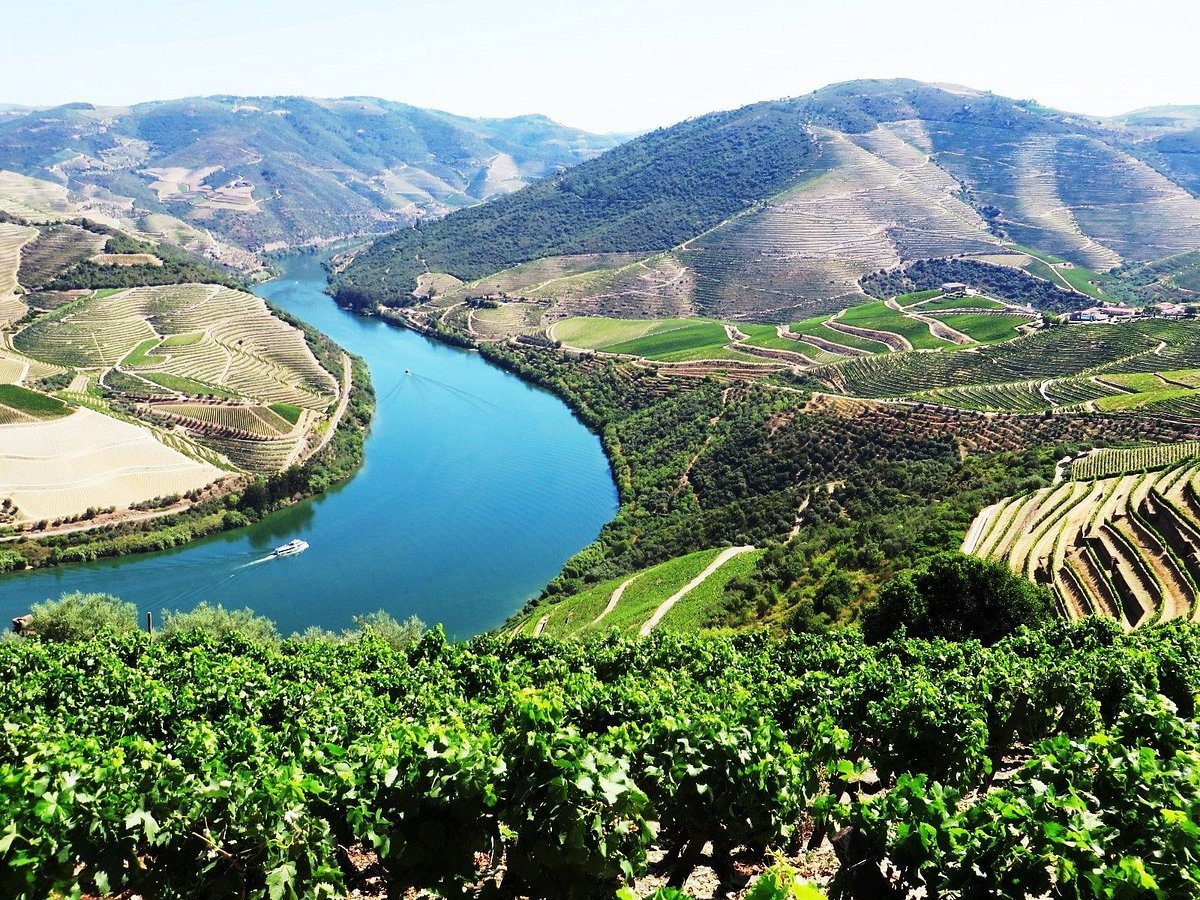
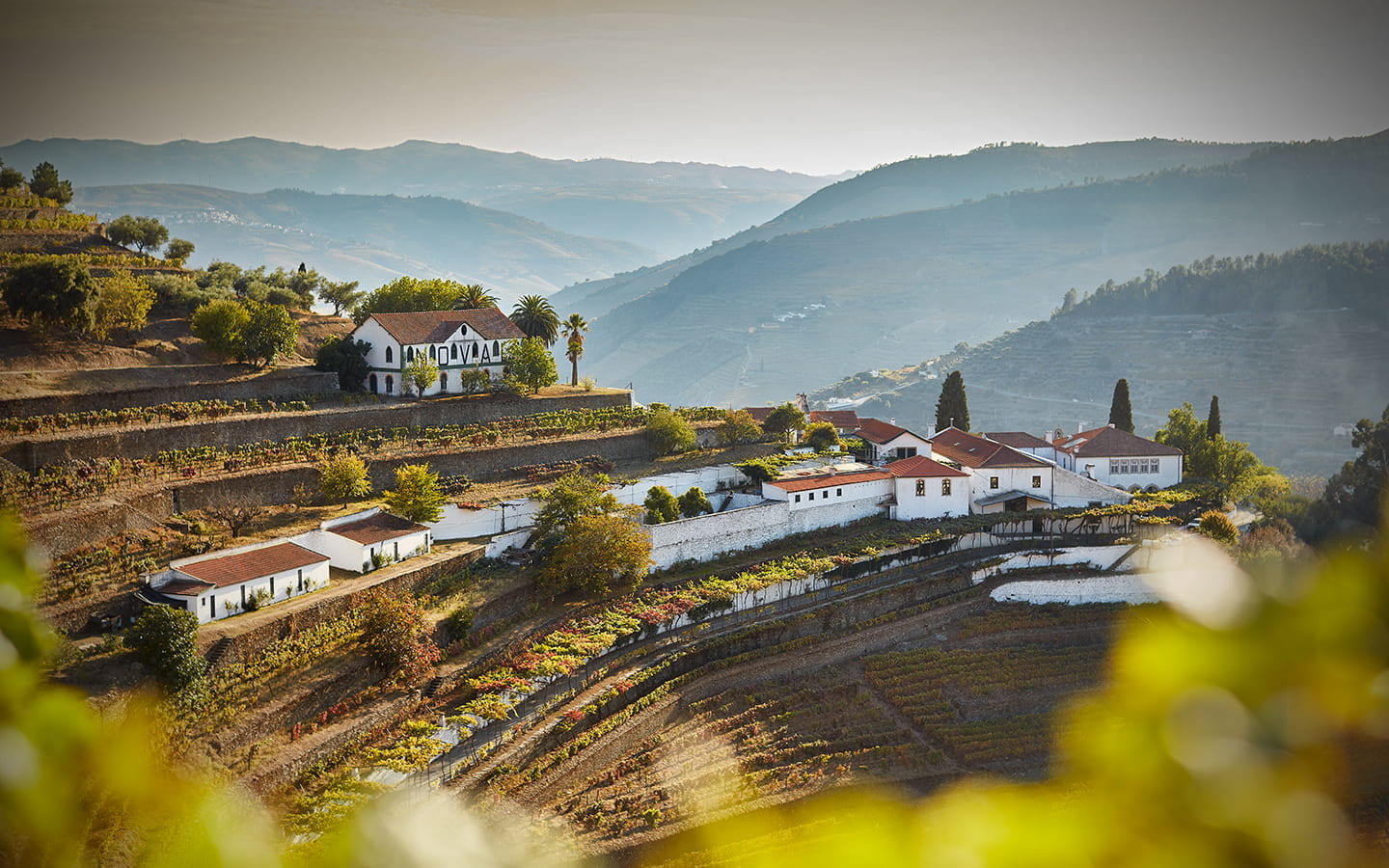
Quinta do Noval presents the Douro in elemental terms: sharp light, steep schist terraces and ancient vine holdings. The narrative is landscape-first, with retaining walls and angled vine rows dominating the experience rather than modern winery theatrics. There’s a deliberate, understated gravitas here — the estate’s history and the way vines have been coaxed from unforgiving slopes lend a classic, measured air. Visits feel contemplative, keyed to the rhythms of light and topography, and they reward attention to detail: soil, slope and vine age read like chapters of the winery’s story.
Best For
This is a place for focused wine study and quiet appreciation. Because the copy foregrounds terroir, vine age and the mechanics of steep-slope viticulture, Quinta do Noval suits people interested in wine education and understanding how place shapes style. Its premium positioning in the Port-producing zone also makes it appropriate for special-occasion visits where provenance and history matter. Solo explorers who want to soak in the landscape and trace the logic behind a wine’s texture will find plenty to engage them in the terraces and views.
Tasting Tips
When you taste here, orient your questions toward place and age: ask which parcels contribute to a given wine and how the oldest vines influence concentration and acidity. The write-up underscores the estate’s position in the Port-producing hierarchy, so inquire about their Port bottlings and estate-dedicated releases to compare how terrace, schist and river proximity register in the glass. Focus less on gimmickry and more on lineage — vintage history and vineyard provenance are the lenses that reveal Noval’s character.
Venue details
Ambiance
Historic and iconic vineyard estate with a scenic, terraced Douro Valley setting.
Tags
Vibe
Best For
Experience
Sourcing
View
At the Vineyard
- Appellation
- Douro DOC
- Varietals
- Touriga Nacional, Touriga Franca, Tinta Roriz, Tinto Cão, Sousão
- Tour Duration
- 90 minutes
- Tour Languages
- Portuguese, English, French, Spanish
- Visits
- By appointment only
- Farming
- Sustainable
- Production
- Large producer
- Wine Styles
- Fortified, Still Red, Still White
- Food Pairing
- Offered
- Shipping
- Available
- Founded
- 1715
- Wine Club
- Available
Know before you go
Know Before You Go
- Getting there
- R. da Praia 15, 5085-042 Pinhão
Planning details
Location


Also consider
Where to look if this does not fit
If the priority is a smoother Pinhão winery day, cross-shop Quinta do Bomfim. It is the stronger fallback for travellers who want a serious Douro name without making the itinerary feel too constrained.
If the group wants Port context with a lighter, more accessible feel, choose Quinta da Roêda (Croft). For a smaller-producer angle, Quinta do Infantado is the better second look.
Winery context
How it compares with other Pinhão winery visits
Quinta do Noval is the pick for visitors who want the highest-stakes Port name in the set and are willing to plan around access. Quinta das Carvalhas is easier to frame as a scenic Douro stop, while Quinta do Bomfim is the more practical choice for travellers who want a polished Pinhão visit with less pressure around the booking.
For value and simplicity, Quinta da Roêda (Croft) is the safer cross-shop: it gives Port context without making the whole day feel built around one appointment. Quinta do Seixo (Sandeman), Douro Valley is better for visitors prioritising brand familiarity and a broader tourist-ready setup outside central Pinhão.
Quinta do Infantado is the better alternative for travellers who want a smaller-producer feel. Choose Quinta do Noval when the occasion calls for a serious, reputation-led Douro visit; choose one of the others when ease, group flexibility, or a lighter schedule matters more.
Explore Pinhão
Around this place
Discover more on Pearl
Unlock the full Quinta do Noval guide in Pearl, including awards, comparisons, FAQs, planning details, and nearby places.
Compare Quinta do Noval
| Venue | Location | Awards |
|---|---|---|
| Quinta do Noval | Pinhão | 2026 Falstaff Winery Guide2025 World's 50 Best Vineyards · #732024 World's 50 Best Vineyards · #362023 World's 50 Best Vineyards · #162022 World's 50 Best Vineyards · #482021 World's 50 Best Vineyards · #292020 World's 50 Best Vineyards · #49 |
| Quinta das Carvalhas | Pinhão | No published awards |
| Quinta do Bomfim | Pinhão | 2025 World's 50 Best Vineyards · #662024 World's 50 Best Vineyards · #282022 World's 50 Best Vineyards · #372021 World's 50 Best Vineyards · #382019 World's 50 Best Vineyards · #37 |
| Quinta da Roêda (Croft) | Pinhão | No published awards |
| Quinta do Seixo (Sandeman), Douro Valley | Tabuaço | 2025 World's 50 Best Vineyards · #622023 World's 50 Best Vineyards · #42 |
| Quinta do Infantado | Sabrosa | 2022 World's 50 Best Vineyards · #282021 World's 50 Best Vineyards · #50 |
How Quinta do Noval Pinhão compares with similar nearby venues.
FAQ
Frequently Asked Questions
What is the flagship wine at Quinta do Noval?
A flagship wine is not specified. Quinta do Noval is in Pinhão and has Pearl 4 Star Prestige (2025) recognition, along with World's 50 Best Vineyards #48 in 2022.
When is the best time to visit Quinta do Noval?
How long should I plan for a visit to Quinta do Noval?
A visit length is not available. If you are planning time in Pinhão, confirm the current format and timing directly before building the rest of your schedule around Quinta do Noval.
Is the wine club at Quinta do Noval worth joining?
Wine-club details are not specified. Base any decision on current information from the venue rather than assumptions.