

Winery in Phalaborwa, South Africa
Qualito Craft Distillery
500Pearl PointsSpirits-first stop
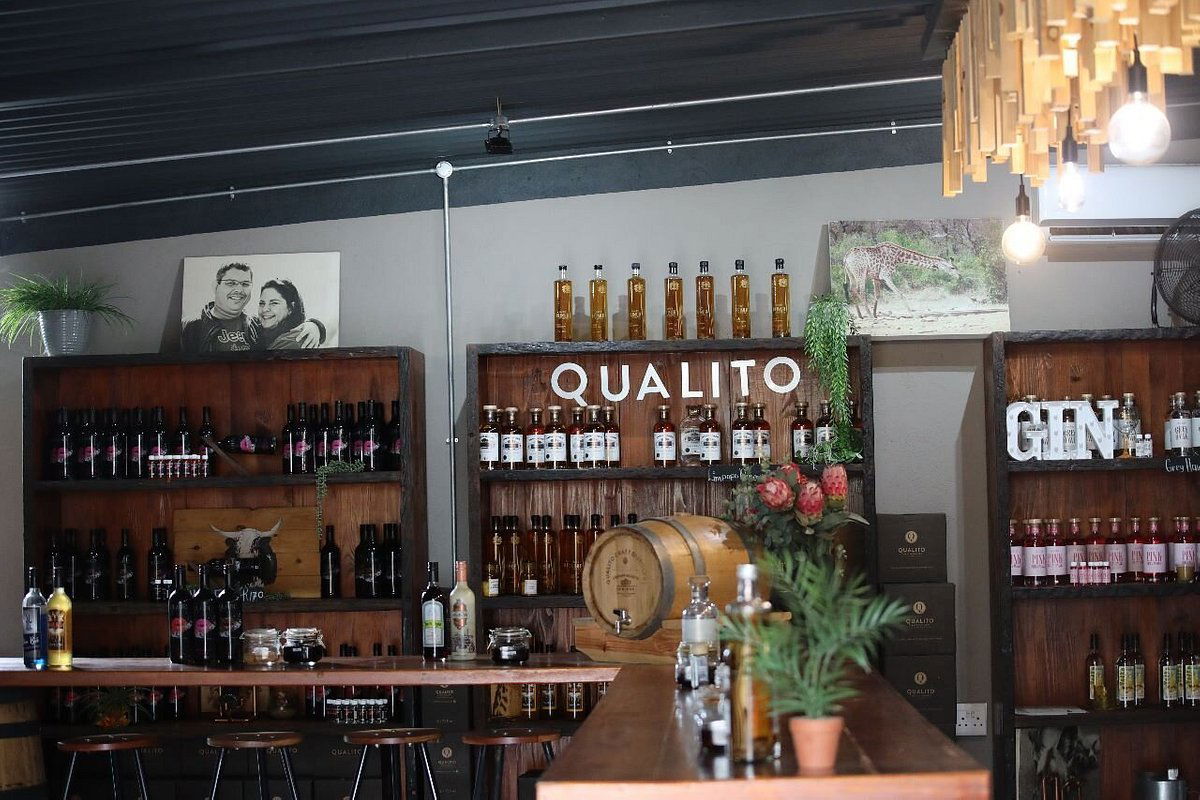
About Qualito Craft Distillery
Qualito Craft Distillery is worth considering if the trip is already taking you through Phalaborwa and you want a spirits-focused local stop. It is less convincing as a wine-club or allocation play because published membership, shipping, food, tasting details are not clear. Best for explorers with backup plans, not groups needing a fully mapped itinerary.
Qualito Craft Distillery is a Phalaborwa venue with a verified casual dress code and Pearl 2 Star Prestige recognition for 2025. Beyond those confirmed points, the available verified detail is limited, so it is best framed as a focused local listing rather than a venue to plan around with assumptions about menus, tastings, food service, shipping, group capacity, or membership programs.
The right reader is the traveler already spending time in Phalaborwa and looking for a local stop with confirmed recognition. If you need detailed planning information before committing, keep the rest of the day flexible and keep other dining in Phalaborwa in mind rather than relying on unverified service details.
Worth it for curious travelers, with limited verified detail
Qualito Craft Distillery should be judged on the information that is actually confirmed: it is a Phalaborwa venue with casual dress and Pearl 2 Star Prestige recognition in 2025.
That recognition gives curious travelers a reason to investigate, but the practical caution is important: the verified record does not confirm specific tasting formats, prices, food, delivery, seating, or membership mechanics. Treat the venue as a promising local lead, then confirm current arrangements directly before building a schedule around it.
How to use it in a Phalaborwa itinerary
For a Phalaborwa day, place Qualito Craft Distillery in a flexible slot and pair it with other plans in town. If you are comparing distillery venues more broadly, names such as Drayman's Brewery & Distillery, Dullstroom Distillery, Mhoba Rum Distillery, Summerfields Distillery (Duke Gin), and The Gin Company (Casterbridge) can provide wider context, but they should not be treated as Phalaborwa alternatives unless your route already includes them.
The verdict: worthwhile to consider for curious travelers already in Phalaborwa, especially given the Pearl 2 Star Prestige 2025 signal. Riskier for groups that need confirmed food, detailed tasting information, delivery options, or precise capacity before they commit.
Frequently Asked Questions
Is Qualito Craft Distillery worth including in a Phalaborwa itinerary?
Qualito Craft Distillery has verified Pearl 2 Star Prestige recognition for 2025 and a casual dress code. If you are already in Phalaborwa, it may be worth considering, but confirm current visit details directly before making firm plans.
Does Qualito Craft Distillery offer shipping or delivery?
The verified information does not confirm shipping or delivery for Qualito Craft Distillery. Plan around an in-person Phalaborwa visit unless the venue confirms current purchase or shipping options directly.
Can Qualito Craft Distillery handle large groups?
The verified information does not confirm group capacity for Qualito Craft Distillery. If you are planning for a group, check the venue's official channels before relying on it for a fixed itinerary.
What is Qualito Craft Distillery known for?
The grounded information here is that Qualito Craft Distillery is a Phalaborwa venue with a casual dress code and Pearl 2 Star Prestige recognition for 2025. Specific products, menus, or tasting formats are not confirmed in the verified information.
Does Qualito Craft Distillery serve food?
Food service is not confirmed in the verified information for Qualito Craft Distillery. If dining matters to your plan, check the venue's current channels directly and keep other Phalaborwa dining options in mind.
When is the best time to visit Qualito Craft Distillery?
The verified information does not confirm operating hours or a best time to visit. If you want to include Qualito Craft Distillery in a Phalaborwa itinerary, confirm current opening details directly before you go.
Location
36 Potgieter St, Phalaborwa, 1390
Phalaborwa, South Africa
Compare Qualito Craft Distillery
| Venue | Location | Awards |
|---|---|---|
| Qualito Craft Distillery | Phalaborwa | Pearl 2 Star Prestige (2025) |
| Summerfields Distillery (Duke Gin) | Hazyview | , |
| The Gin Company (Casterbridge) | White River | , |
| Mhoba Rum Distillery | Malelane | , |
| Dullstroom Distillery | Dullstroom | , |
| Drayman’s Brewery & Distillery | Pretoria | , |
How Qualito Craft Distillery Phalaborwa compares with similar nearby venues.
If you cannot make Qualito work
Cross-shop Mhoba Rum Distillery if the priority is a clearly defined spirit category, or Drayman's Brewery & Distillery if the group wants a broader drinks stop. For gin-specific travelers, Summerfields Distillery (Duke Gin) and The Gin Company (Casterbridge) are the more obvious comparisons.
How It Compares
Qualito Craft Distillery is the Phalaborwa pick for travelers who want the local option first and are comfortable planning around scarce public detail. Against Summerfields Distillery (Duke Gin) and The Gin Company (Casterbridge), it is less useful for anyone building a gin-specific route across better-known Lowveld-adjacent stops, but more convenient if Phalaborwa is already the overnight base.
For a stronger category focus, Mhoba Rum Distillery is the clearer cross-shop for rum drinkers, while Dullstroom Distillery makes more sense for travelers routing through the Highlands. Drayman's Brewery & Distillery is the broader drinks comparison, better suited to visitors who want brewery and distillery context in one stop.
On value, Qualito is a calculated gamble rather than an easy-value choice: the recognition is a reason to care, but lack of published pricing and format makes it harder to assess before committing. Choose it for Phalaborwa convenience and local discovery; choose the peers when the trip is built around a specific spirit category or a more predictable visitor setup.
Explore Phalaborwa
Save or rate Qualito Craft Distillery on Pearl
Keep this venue in your Pearl passport, rate it after you visit, and track it alongside every other place you collect.