

Winery in Malelane, South Africa
Mhoba Rum Distillery
500Pearl PointsRum-first stop
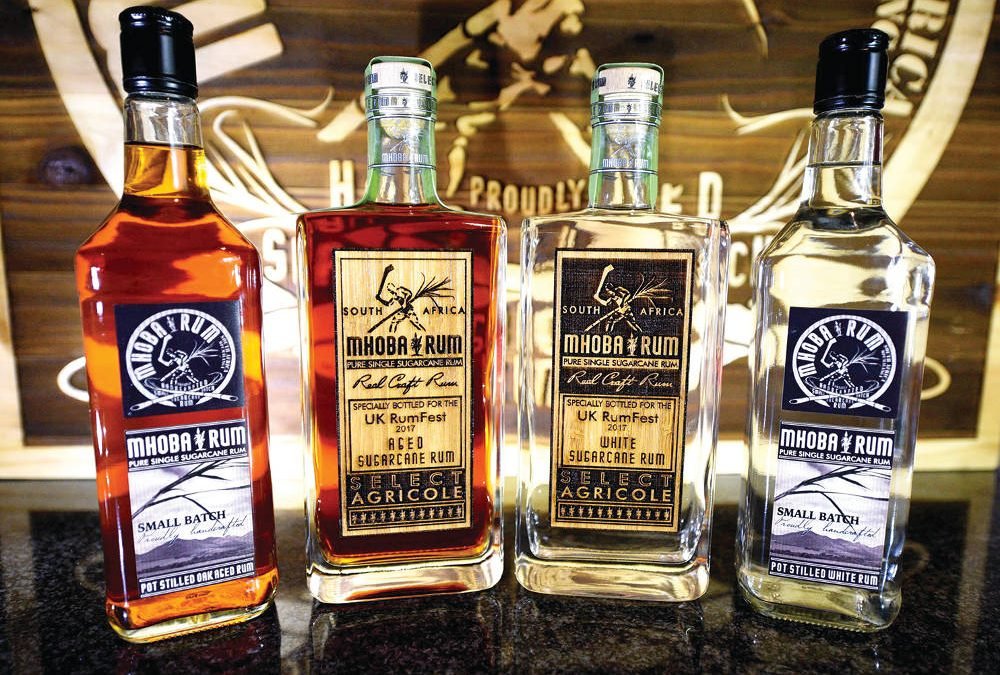
About Mhoba Rum Distillery
Choose Mhoba Rum Distillery if the priority is a rum-focused estate visit near Malelane rather than a standard wine-route tasting. It is strongest for planned special-occasion itineraries where the farm setting and spirits focus are part of the appeal; mixed groups wanting gin, beer, or a more casual stop should compare nearby distillery peers first.
Mhoba Rum Distillery is a Malelane venue with a casual dress code and Pearl 2 Star Prestige recognition for 2025. Beyond those confirmed points, the public-facing planning details available here are limited, so the safest approach is to verify current visit details directly before you build a full itinerary around it.
The main reason to consider it is simple: if Mhoba Rum Distillery is already on your Malelane plan, it gives you a venue with a clearly confirmed Pearl 2 Star Prestige (2025) signal. For mixed groups, compare the fit with other distillery options such as Drayman's Brewery & Distillery, Dullstroom Distillery, Qualito Craft Distillery, Summerfields Distillery (Duke Gin), or The Gin Company (Casterbridge), without assuming they are all in Malelane.
A Malelane venue with limited confirmed planning detail
The confirmed location detail is Malelane. Specific address, setting, opening arrangements, tasting format, food service, pricing, group capacity are not verified here, so treat those as items to confirm with the venue before visiting.
For a broader day in the area, use general Malelane planning resources, then build around food, drinks, stays, activities only after checking current details directly with each venue or provider.
Book for a confirmed Malelane distillery listing, not for unverified extras
Mhoba Rum Distillery should not be sold on unconfirmed details such as a specific address, menu, tasting format, price point, or service style. The grounded facts are that it is in Malelane, has a casual dress code, holds Pearl 2 Star Prestige recognition for 2025. If you are comparing spirits-focused venues more broadly, consider it alongside Drayman's Brewery & Distillery, Dullstroom Distillery, Qualito Craft Distillery, Summerfields Distillery (Duke Gin), and The Gin Company (Casterbridge), while checking each venue's own current details before making plans.
Frequently Asked Questions
When is the best time to visit Mhoba Rum Distillery?
The best time is not verified here. If you want to visit Mhoba Rum Distillery in Malelane, check the venue's official channels for current opening details before you go.
Does Mhoba Rum Distillery serve food?
Food service details are not verified here. If a meal is important to your Malelane plan, confirm directly with Mhoba Rum Distillery or plan dining separately.
Is there a verified club or membership program at Mhoba Rum Distillery?
A club or membership program is not verified here. The confirmed points are that Mhoba Rum Distillery is in Malelane, has a casual dress code, holds Pearl 2 Star Prestige recognition for 2025.
Is there a verified flagship product at Mhoba Rum Distillery?
A flagship product is not verified here. The venue is Mhoba Rum Distillery in Malelane, so confirm any current product or tasting details directly with the venue.
Do I need a reservation at Mhoba Rum Distillery?
Reservation requirements are not verified here. Before visiting Mhoba Rum Distillery in Malelane, check the venue's official channels for current booking guidance.
How long should I plan for a visit to Mhoba Rum Distillery?
A recommended visit length is not verified here. Plan only after confirming the current format and opening details with Mhoba Rum Distillery.
Can Mhoba Rum Distillery handle large groups?
Group capacity is not verified here. If you are planning for a group, contact Mhoba Rum Distillery directly before making arrangements.
Location
Strathmore Farm, Kaalrug Road, Malalane, Mpumalanga, Malalane, 1320
Malelane, South Africa
Compare Mhoba Rum Distillery
| Venue | Location | Awards |
|---|---|---|
| Mhoba Rum Distillery | Malelane | Pearl 2 Star Prestige (2025) |
| The Gin Company (Casterbridge) | White River | , |
| Summerfields Distillery (Duke Gin) | Hazyview | , |
| Dullstroom Distillery | Dullstroom | , |
| Qualito Craft Distillery | Phalaborwa | , |
| Drayman’s Brewery & Distillery | Pretoria | , |
How Mhoba Rum Distillery Malelane compares with similar nearby venues.
Also Consider
- The Gin Company (Casterbridge), Notable alternative
- Summerfields Distillery (Duke Gin), Notable alternative
- Dullstroom Distillery, Notable alternative
- Qualito Craft Distillery, Notable alternative
- Drayman's Brewery & Distillery, Notable alternative
How It Compares
Choose Mhoba Rum Distillery when rum is the reason for the trip and the group wants a farm-based spirits stop near Malelane. The Gin Company (Casterbridge) and Summerfields Distillery (Duke Gin) are cleaner fits for gin drinkers, especially if the group wants a lighter, more familiar tasting format.
For broader category range, Drayman's Brewery & Distillery is the safer cross-shop for groups split between beer and spirits. Dullstroom Distillery and Qualito Craft Distillery make more sense if the route already points that way; they are less direct choices for a Malelane-based itinerary.
On booking difficulty, treat Mhoba as the plan-ahead option rather than the easy fallback. For ambiance, it is the pick when the estate setting matters; for value, decide by the group's preferred spirit category first, because a rum-led visit only pays off if that is what the table actually wants.
Explore Malelane
Save or rate Mhoba Rum Distillery on Pearl
Keep this venue in your Pearl passport, rate it after you visit, and track it alongside every other place you collect.