

Winery in Dullstroom, South Africa
Dullstroom Distillery
500Pearl PointsSpirits-led stop
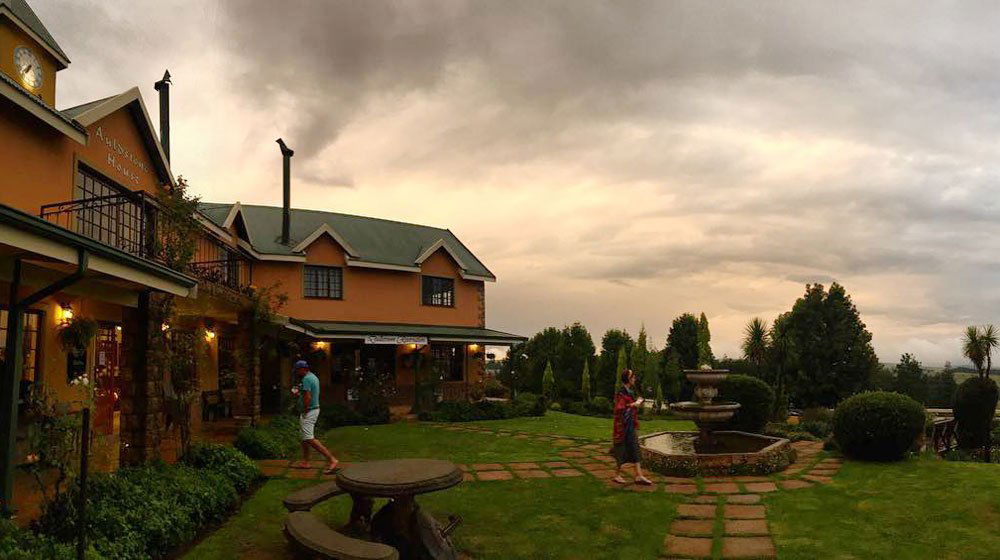
About Dullstroom Distillery
Dullstroom Distillery is worth considering for a focused spirits stop in Dullstroom, especially if local production matters more than a polished visitor format. Go in with a flexible plan: published details are thin, so it suits explorers better than travellers who need confirmed pricing, hours, a named flagship bottle before deciding.
Dullstroom Distillery is a Dullstroom venue with confirmed Pearl 2 Star Prestige recognition for 2025. The verified practical picture is limited: the dress code is casual, the confirmed accolade is the clearest reason to keep it on a Dullstroom itinerary. Treat this page as a cautious planning note rather than a promise of a specific tasting format, menu, product list, price point, or booking setup.
Because no verified details are available here for hours, pricing, products, tasting structure, reservations, shipping, or delivery, the safest expectation is simple: confirm directly before building a day around the visit. The grounded reason to consider Dullstroom Distillery is its confirmed Pearl 2 Star Prestige (2025) recognition, not any unverified service detail.
A focused Dullstroom stop for cautious planners
Dullstroom Distillery is best considered as a casual Dullstroom venue with a verified 2025 Pearl distinction. It is not possible to verify a particular service format from the information available here, so avoid assuming a set tasting, a published lineup, lunch service, or a detailed booking process.
Use it as part of a broader Dullstroom plan rather than the only fixed anchor of the day. If your trip depends on specific timings, products, or services, check those details directly with Dullstroom Distillery before you go.
Who should choose it, who should cross-shop
Choose Dullstroom Distillery if the appeal is a casual Dullstroom venue with confirmed Pearl 2 Star Prestige (2025) recognition. Cross-shop if the decision depends on confirmed pricing, a published lineup, a named flagship product, or a guaranteed service format.
The practical verdict: plan ahead, keep the schedule flexible, do not make the day depend on any unverified detail. For broader venue comparisons, consider Drayman's Brewery & Distillery, Mhoba Rum Distillery, Qualito Craft Distillery, Summerfields Distillery (Duke Gin), or The Gin Company (Casterbridge).
Frequently Asked Questions
When is the best time to visit Dullstroom Distillery?
There are no verified hours available here, so the best time to visit is only after confirming directly with the venue. The confirmed details are that Dullstroom Distillery is in Dullstroom, has a casual dress code, holds Pearl 2 Star Prestige recognition for 2025.
Is there a membership or club at Dullstroom Distillery?
No verified membership or club information is available here. Treat any membership decision as unconfirmed until you have checked directly with Dullstroom Distillery. Based on the verified facts, the clearer reason to consider the venue is its Pearl 2 Star Prestige (2025) recognition.
Do I need a reservation at Dullstroom Distillery?
No verified reservation policy is available here. If your visit to Dullstroom has a fixed time window, check directly with the venue before you go. The confirmed planning details are limited to the Dullstroom location, casual dress code, Pearl 2 Star Prestige (2025) recognition.
Does Dullstroom Distillery offer shipping or delivery?
No verified shipping or delivery information is available here. Do not assume shipping, delivery, or dispatch is part of the offer unless Dullstroom Distillery confirms it directly.
What product is Dullstroom Distillery known for?
No verified flagship product or bottle information is available here. Frame this as a Dullstroom venue with Pearl 2 Star Prestige (2025) recognition rather than planning around a specific product.
Location
Shop 4, Ivy Lane, 65 Naledi Drive, Dullstroom, 1110
Dullstroom, South Africa
Compare Dullstroom Distillery
| Venue | Location | Awards |
|---|---|---|
| Dullstroom Distillery | Dullstroom | Pearl 2 Star Prestige (2025) |
| The Gin Company (Casterbridge) | White River | , |
| Summerfields Distillery (Duke Gin) | Hazyview | , |
| Mhoba Rum Distillery | Malelane | , |
| Drayman’s Brewery & Distillery | Pretoria | , |
| Qualito Craft Distillery | Phalaborwa | , |
How Dullstroom Distillery compares with similar nearby venues.
Also Consider
- The Gin Company (Casterbridge), Notable alternative
- Summerfields Distillery (Duke Gin), Notable alternative
- Mhoba Rum Distillery, Notable alternative
- Drayman's Brewery & Distillery, Notable alternative
- Qualito Craft Distillery, Notable alternative
Dullstroom Distillery is the tighter, more local-feeling choice; the peers are safer if you want a clearer category promise. The Gin Company (Casterbridge) and Summerfields Distillery (Duke Gin) are better cross-shops for gin-focused travellers, while Dullstroom Distillery makes more sense when the priority is a Dullstroom stop with a compact, producer-led feel.
For range and category contrast, Mhoba Rum Distillery is the better pick if rum is the draw, Drayman's Brewery & Distillery is the more flexible option for groups split between beer and spirits. Dullstroom Distillery is less useful for mixed-interest groups unless everyone is aligned on a spirits-first visit.
If ease matters, compare availability carefully before choosing. Qualito Craft Distillery is another practical fallback for travellers building a broader craft-distillery route, while Dullstroom Distillery is the call for those already staying in town and willing to plan around a harder-to-secure visit.
Explore Dullstroom
Save or rate Dullstroom Distillery on Pearl
Keep this venue in your Pearl passport, rate it after you visit, and track it alongside every other place you collect.