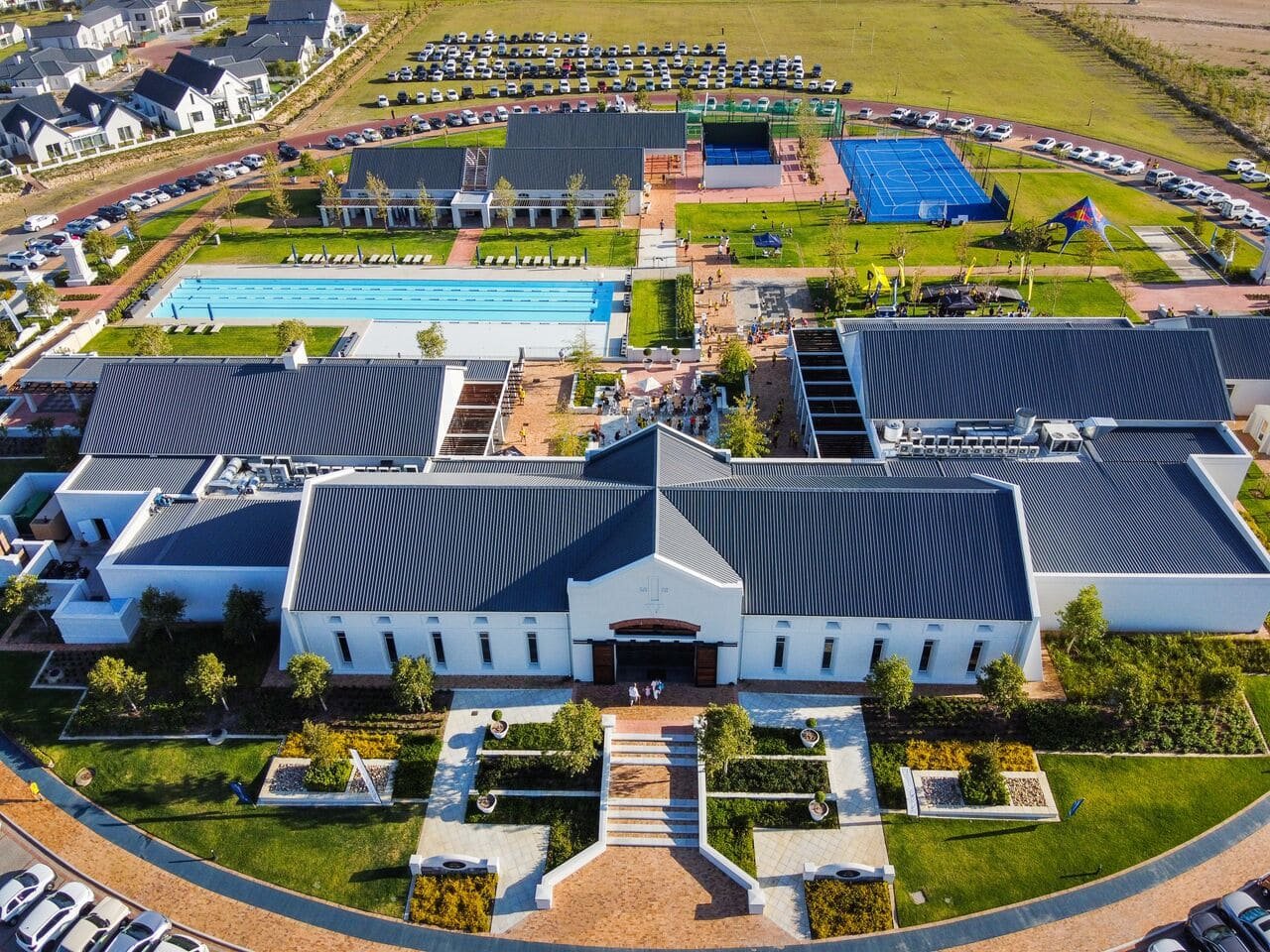
Val de Vie Estate
Paarl-Franschhoek Valley, Paarl
Winery in Paarl, South Africa
 Book with Pearl
The Read
Berg River Valley Estate Living
Price
$20–30tasting
Why go
Val de Vie Estate is the polished Paarl choice for celebrations where the estate setting matters as much as the wine stop. It is less useful for visitors chasing a quick tasting-room circuit, so confirm the format before building a large-group plan around it.
About Val de Vie Estate
For planning a Paarl visit, treat Val de Vie Estate as a venue where only a few details are here: the dress code is smart casual, and it holds Pearl 3 Star Prestige recognition for 2025. Beyond those anchors, confirm the exact public visitor format directly before building an itinerary around it.
The recognition is the strongest confirmed signal. Pearl 3 Star Prestige in 2025 places Val de Vie Estate in a more serious consideration set than an ordinary listing, but it does not confirm specific dining, tasting, pricing, hours, or group-service details. Use the accolade as a quality marker, then verify the practical details that matter for your visit.
Choose it with the confirmed details in mind
Val de Vie Estate is in Paarl. The page should not be read as confirming a specific street address, tasting format, restaurant offer, visitor schedule, or booking policy. If those details matter, check with the venue before you go.
For a couple or small group, the safest approach is to plan around the confirmed basics and avoid assuming extras. For a larger occasion, confirm the relevant arrangements in advance, including availability, timing, available services, and any venue-specific requirements.
Where it fits in a Paarl plan
Use Val de Vie Estate as one Paarl option to compare with other venues. For comparison, look at Laborie Estate, Plaisir de Merle, Rupert & Rothschild Vignerons, Vrede en Lust Wine Estate, and Wilderer Distillery. For broader trip planning, keep our full Paarl wineries guide open alongside our full Paarl restaurants guide, our full Paarl hotels guide, our full Paarl bars guide, and our full Paarl experiences guide.
If you are comparing beyond the immediate Paarl plan, use other regional or international profiles only as broader planning references rather than direct local substitutes.
The decision is simple: shortlist Val de Vie Estate when a Paarl venue with smart-casual expectations and Pearl 3 Star Prestige recognition fits the occasion. If you need confirmed hours, pricing, menus, tasting details, delivery options, or group capacity, verify those points before committing.
Planning details
- Location
- R301 Jan Van Riebeeck Dr, Paarl, 7646
- Website
- valdevie.co.za
- Phone
- +27 21 863 6100
The take
The Take
The Vibe
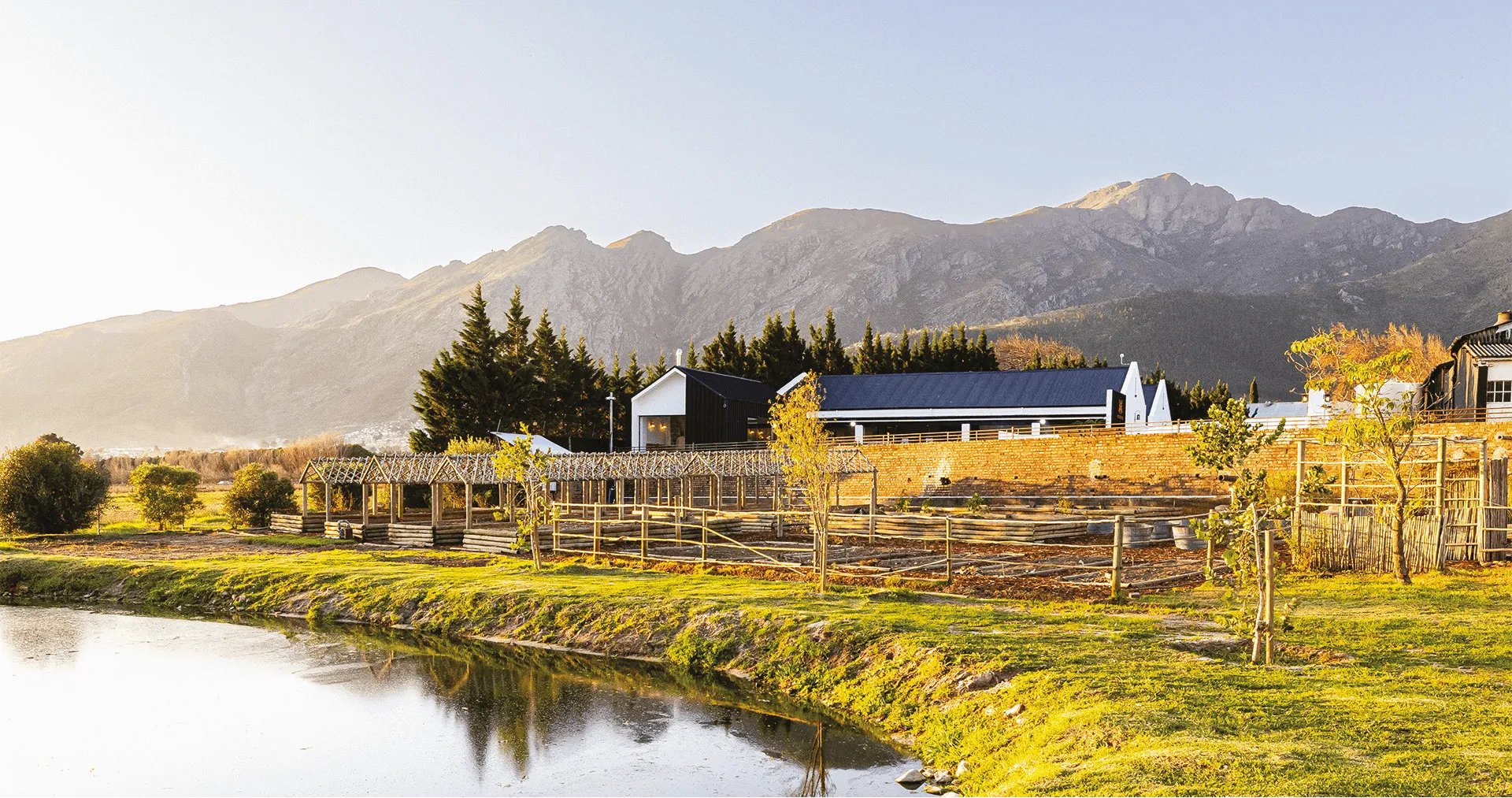
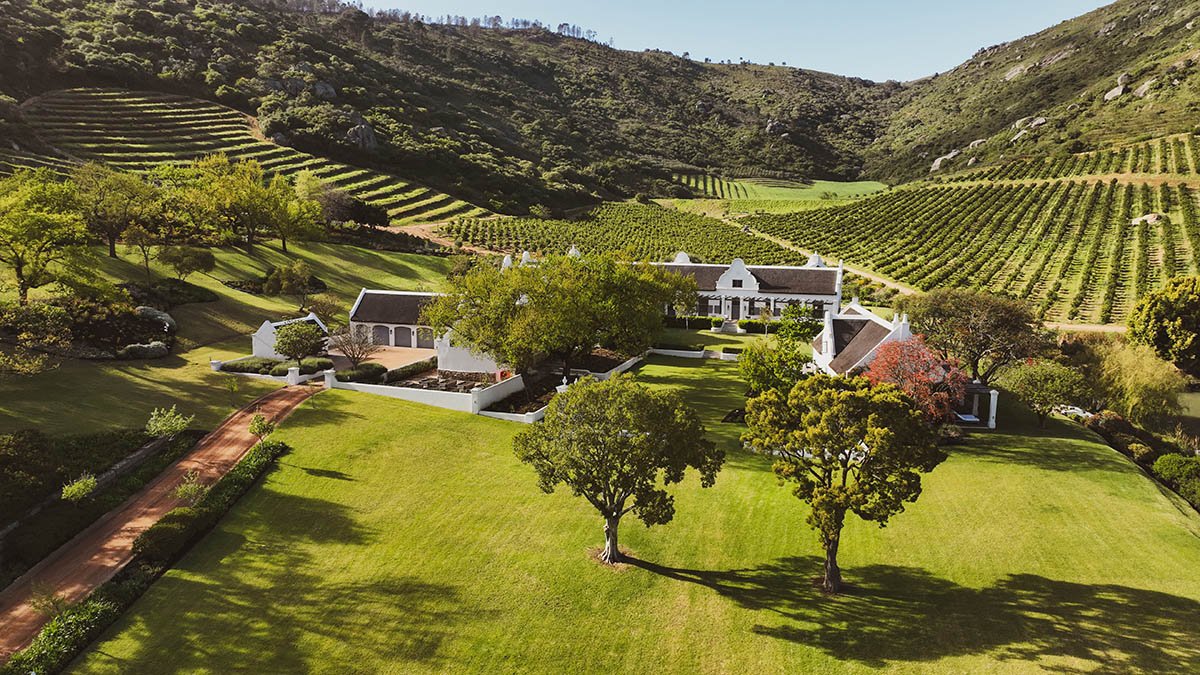
Val de Vie Estate presents the measured confidence of a large, land-anchored wine estate set in the Berg River corridor between Paarl Rock and the Simonsberg foothills. The narrative here is one of scale and long-term intent: estate infrastructure supports deliberate cellar decisions rather than reactive choices. That institutional feel is tempered by the region’s distinctive, continental climate and the visual sweep of vineyard country. Recent recognition at the Pearl 3 Star Prestige level underscores a consistent, estate-focused commitment to quality, so the atmosphere reads as composed, enduring and quietly assured rather than ephemeral or flash-driven.
Best For
The estate is primarily for visitors who care about wine-making at scale — enthusiasts, collectors and groups interested in cellar philosophy and maturation strategies. Because Val de Vie operates at an estate tier with on-site cellars and blending programmes, it suits educational visits and tastings that dig into barrel selection, oak time and aging decisions. The property’s size and infrastructure also make it a natural fit for organized groups or corporate gatherings that want a vineyard setting with the resources to host structured wine-focused programming.
Tasting Tips
When engaging with Val de Vie, focus on estate-tier releases and discussions of cellar technique. The description emphasizes deliberate choices — barrel selection, time in oak and blending strategies — so ask tasting hosts which bottlings reflect those decisions and look for the estate’s Pearl 3 Star Prestige-recognized releases. Query staff about the cellar’s aging philosophy and how individual wines evolve from barrel to bottle; those conversations will illuminate the differences between small-batch styles and the estate’s longer-term programs.
Venue details
Ambiance
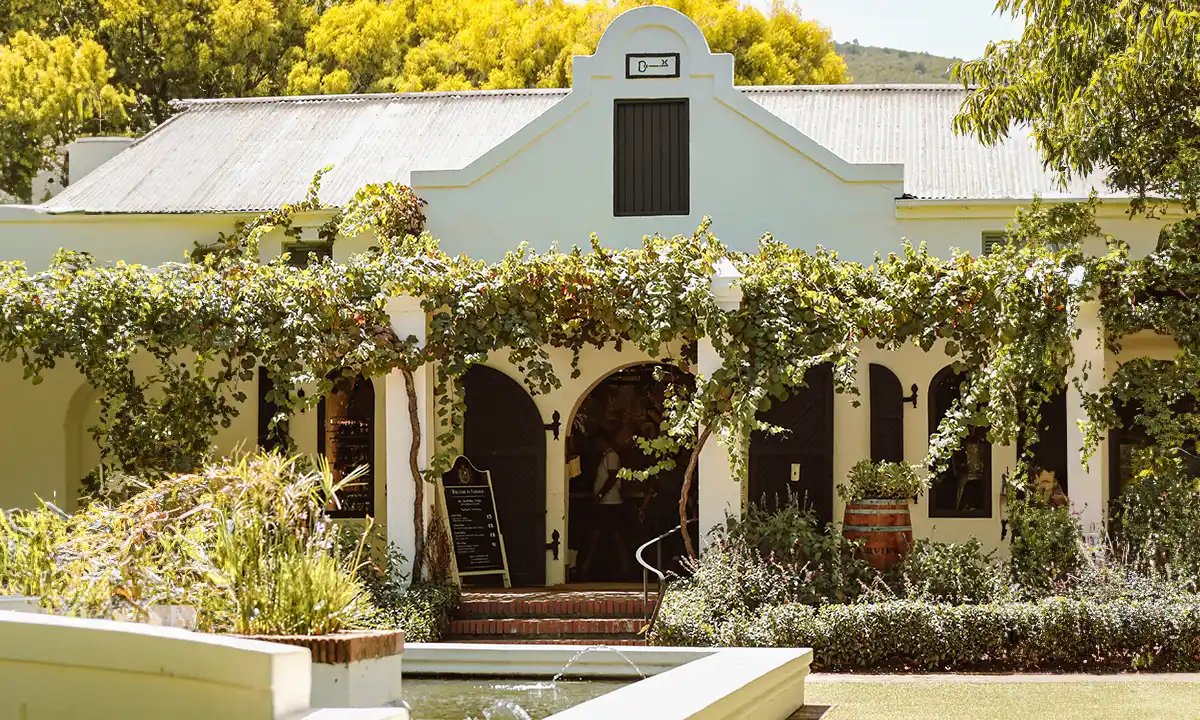
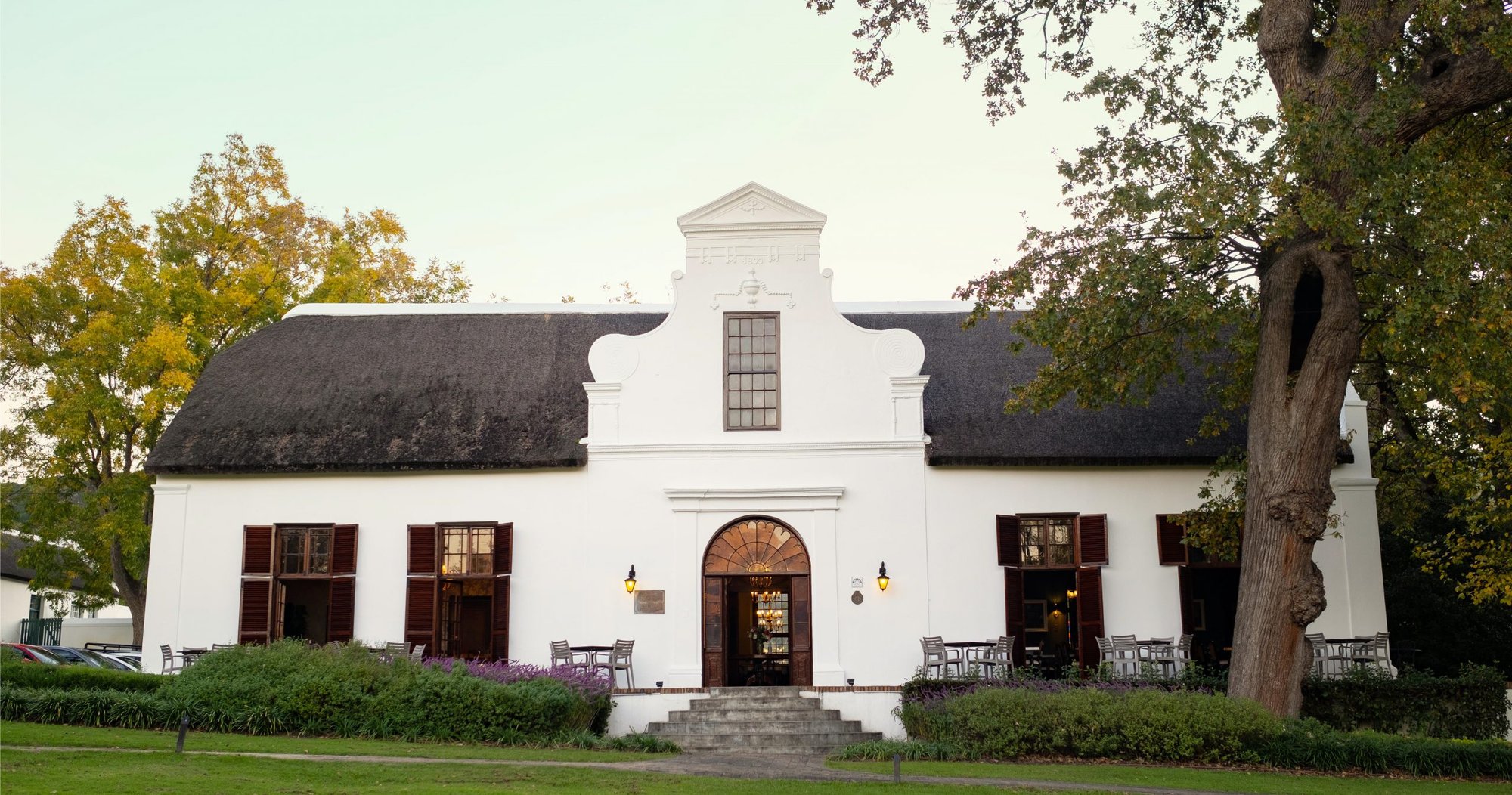
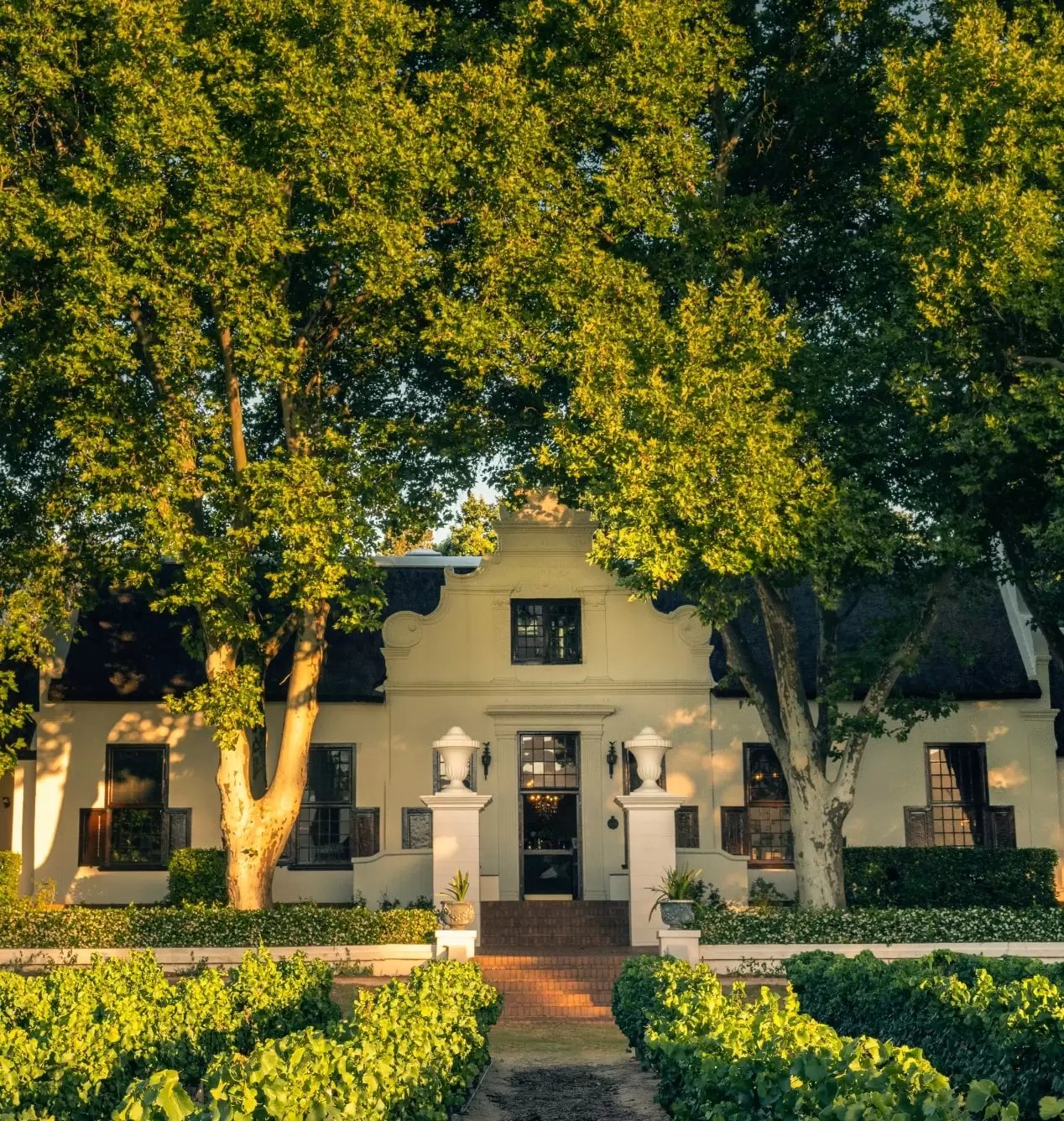
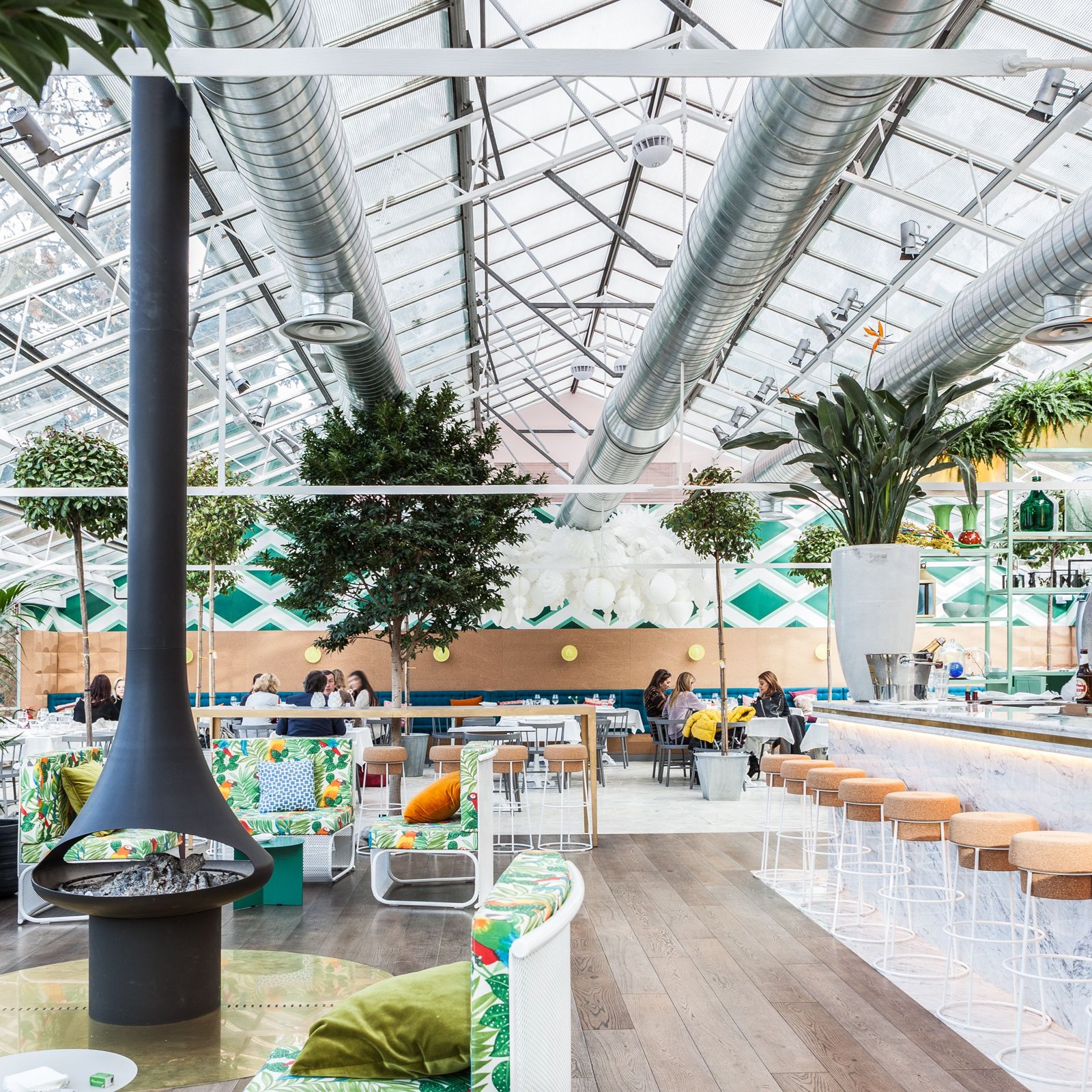
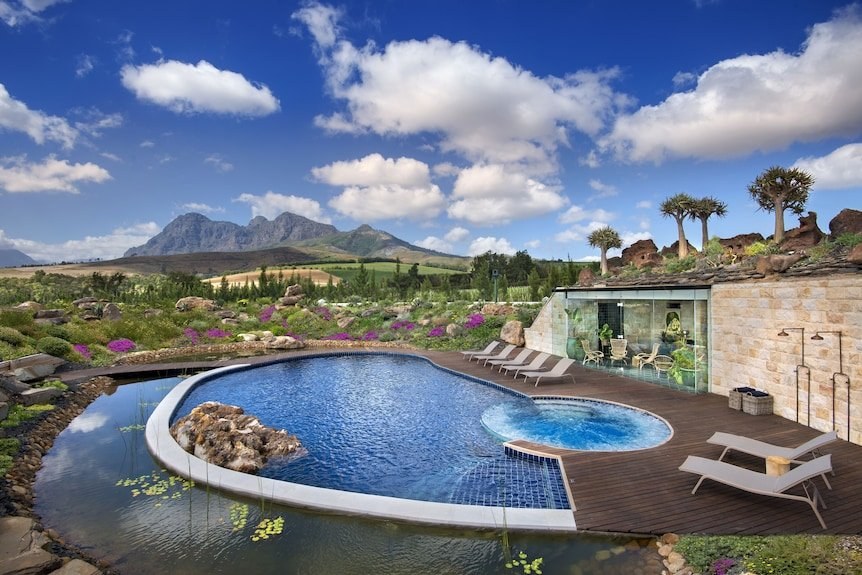
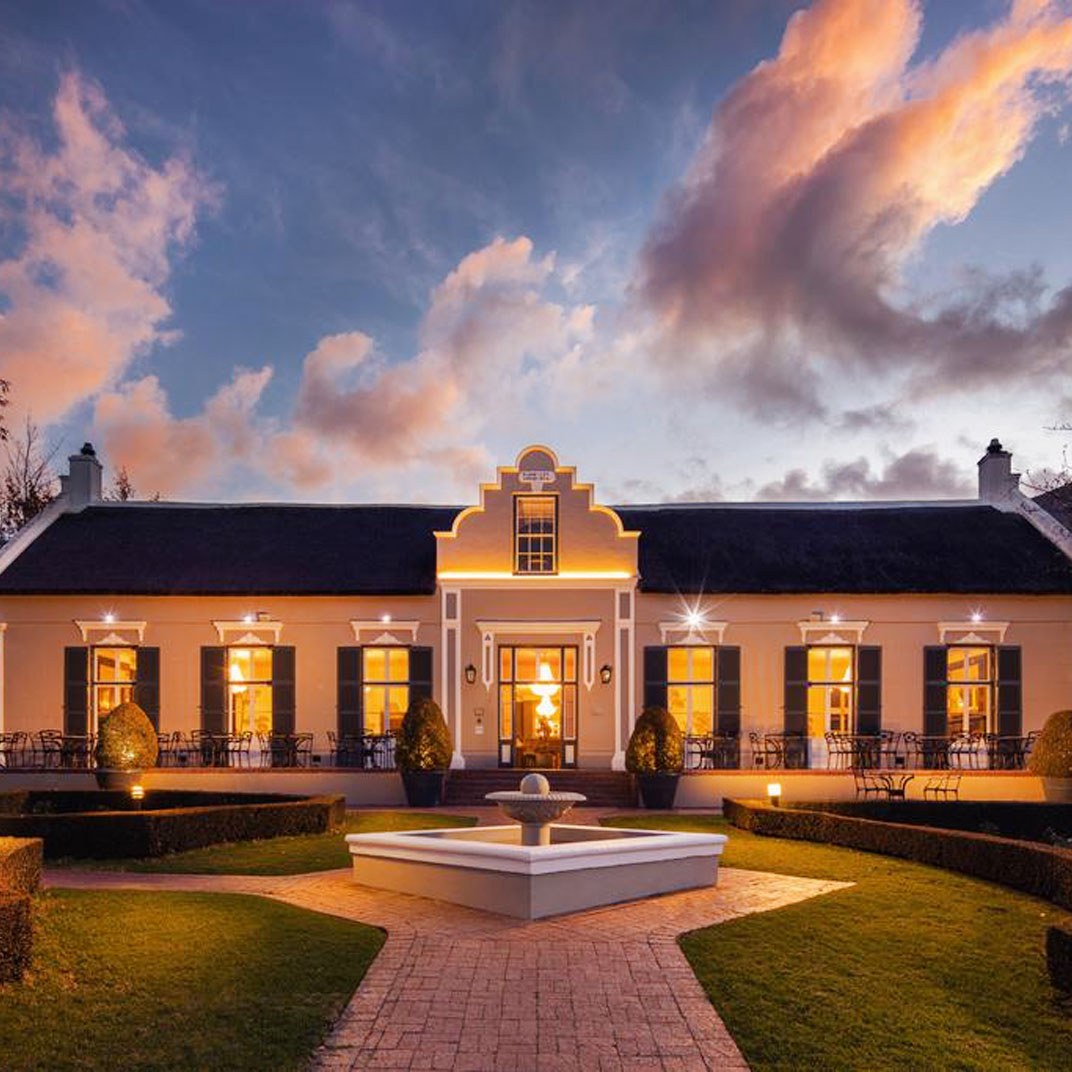
Elegant and refined with mountain and vineyard views, combining historic winemaking tradition with modern luxury in a relaxed country environment.
Tags
Vibe
Best For
Experience
Sourcing
View
At the Vineyard
- Appellation
- Paarl-Franschhoek Valley
- Varietals
- Sauvignon Blanc, Chardonnay, Pinot Noir, Merlot, Chenin Blanc
- Tour Duration
- 90-120 minutes
- Tour Languages
- English
- Visits
- By appointment only
- Farming
- Sustainable
- Wine Styles
- Still Red, Still White, Sparkling
- Food Pairing
- Offered
- Shipping
- Available
- Wine Club
- Available
Know before you go
Know Before You Go
- Getting there
- R301 Jan Van Riebeeck Dr, Paarl, 7646
Planning details
Location
Also consider
Where to go if you cannot make this work
Try Laborie Estate if you need a Paarl alternative that fits more easily into a mixed itinerary. Pick Plaisir de Merle if the draw is estate atmosphere and you want another wine-country setting without relying on Val de Vie Estate availability.
Winery context
How Val de Vie Estate compares in Paarl
Choose Val de Vie Estate when ambiance and occasion value matter more than a simple tasting stop. Compared with Wilderer Distillery, it reads more like a composed estate outing than a spirits-led detour, so it suits celebrations and hosted groups better than a casual add-on.
Rupert & Rothschild Vignerons and Vrede en Lust Wine Estate are stronger cross-shops if your priority is a wine-focused visit outside the immediate Paarl lane. Plaisir de Merle is the better comparison for readers who want heritage-estate atmosphere without making the whole day feel centered on one address.
If availability or group fit becomes the issue, Laborie Estate is the practical backup in Paarl: easier to slot into a broader town itinerary and better for visitors who want winery time without overcommitting the afternoon. Val de Vie Estate is the splurge-feeling pick; Laborie Estate is the safer plan-B.
Explore Paarl
Around this place
Discover more on Pearl
Unlock the full Val de Vie Estate guide in Pearl, including awards, comparisons, FAQs, planning details, and nearby places.
Compare Val de Vie Estate
| Venue | Location | Awards |
|---|---|---|
| Val de Vie Estate | Paarl | No published awards |
| Wilderer Distillery | Paarl | No published awards |
| Rupert & Rothschild Vignerons | Franschhoek | 2026 Falstaff Winery GuideWe're Smart World Top Restaurants 2025 |
| Vrede en Lust Wine Estate | Franschhoek | No published awards |
| Plaisir de Merle | Paarl | No published awards |
| Laborie Estate | Paarl | 2026 Falstaff Winery Guide |


How Val de Vie Estate Paarl compares with similar nearby venues.
FAQ
Frequently Asked Questions
What other venues can I compare with Val de Vie Estate?
Rupert & Rothschild Vignerons, Vrede en Lust Wine Estate, Plaisir de Merle, Laborie Estate, and Wilderer Distillery are useful comparison venues to consider when planning around Val de Vie Estate.