Vrede en Lust Wine Estate
Franschhoek
Winery in Franschhoek, South Africa
 Book with Pearl
The Read
Western Valley Estate Viticulture
Price
$20–30tasting
Why go
Prioritise Vrede en Lust Wine Estate if the plan is a serious Franschhoek wine day on the Simondium side rather than a village-centre wander. Its 2025 Pearl 2 Star Prestige recognition gives it a strong quality signal, but pair it carefully with nearby estates instead of overloading the itinerary.
About Vrede en Lust Wine Estate
Vrede en Lust Wine Estate is a Franschhoek venue with a smart-casual dress code and Pearl 2 Star Prestige recognition in 2025. Those details give the listing both a practical cue and a quality marker: visitors know to arrive in a polished but relaxed style, and they can place the estate among Franschhoek options with a recognised level of distinction. Visitors should confirm opening hours, tasting formats, food service, pricing, reservations, specific wines, and visitor facilities directly with the estate before building a day around it. In other words, the recognition is a reason to investigate further, but not a substitute for checking how the estate is operating when you intend to visit.
The main reason to shortlist it is confidence. Pearl 2 Star Prestige recognition in 2025 gives Vrede en Lust Wine Estate a clear quality signal for travellers comparing Franschhoek options, especially in a region where many estates can appear similarly appealing at first glance. It helps narrow the field and suggests that the venue is worth taking seriously when you are deciding where to spend limited time in the valley. That does not automatically make it the right stop for every visitor. If you are weighing it against other estate-led possibilities, compare the role it would play in your itinerary with Babylonstoren, Plaisir de Merle, Rupert & Rothschild Vignerons, Val de Vie Estate, or Wilderer Distillery, then confirm the practical details directly. The point is not simply to collect another estate name, but to understand whether this particular stop fits the rhythm, expectations, and logistics of your day.
Plan it as a confirmed stop, not an assumed add-on
The strongest way to use this listing is as a starting point for planning, rather than as a complete operating guide. Because opening hours, tasting formats, food details, booking requirements, and pricing are not listed here, avoid treating Vrede en Lust Wine Estate as a spontaneous final stop or assuming a specific service will be available. That caution matters most when the rest of the day depends on timing, transport, meals, or a sequence of estate visits. A venue can be highly appealing on paper, but the experience still depends on what is actually available on the day, whether a visit needs to be arranged in advance, and how it fits with the rest of your route. Build the visit only after confirming the current offer, then use Our full Franschhoek restaurants guide if you need to shape the rest of the day around dining. This keeps the plan flexible without letting uncertainty do the planning for you.
For a broader Franschhoek plan, keep the comparison simple: decide whether Vrede en Lust Wine Estate is the main estate visit for the day, or whether it sits alongside another named option such as Rupert & Rothschild Vignerons, Plaisir de Merle, Babylonstoren, Val de Vie Estate, or Wilderer Distillery. If it is the main stop, confirm the details early enough that the rest of the itinerary can be built around it with confidence. If it is intended to sit alongside another venue, check the practical points carefully so that the day does not rely on assumptions about availability, timing, or services. The information supports considering it seriously; the practical details should be checked before travel. That balance is the sensible approach here: the listing gives enough reason to shortlist Vrede en Lust Wine Estate, but the final decision should rest on direct, current confirmation.
Planning details
- Location
- Intersection R45 and Simondium-Klapmuts Roads, Franschhoek Wine Route, Simondium, 7670
- Website
- vnl.co.za
- Phone
- +27 21 874 1611
The take
The Take
The Vibe
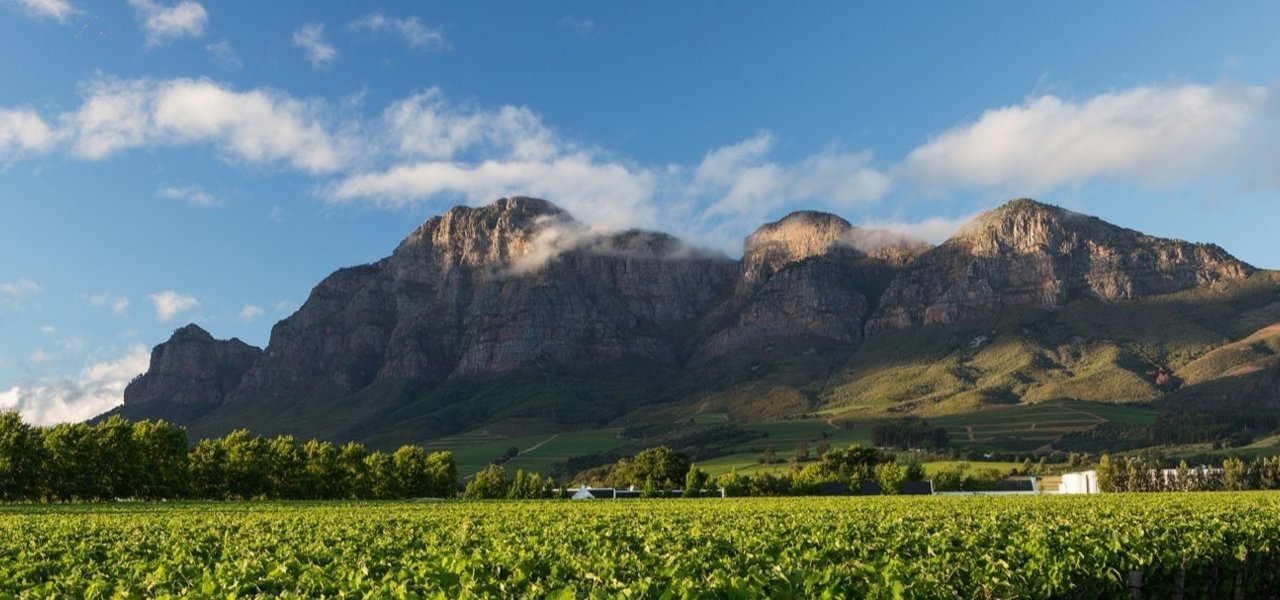
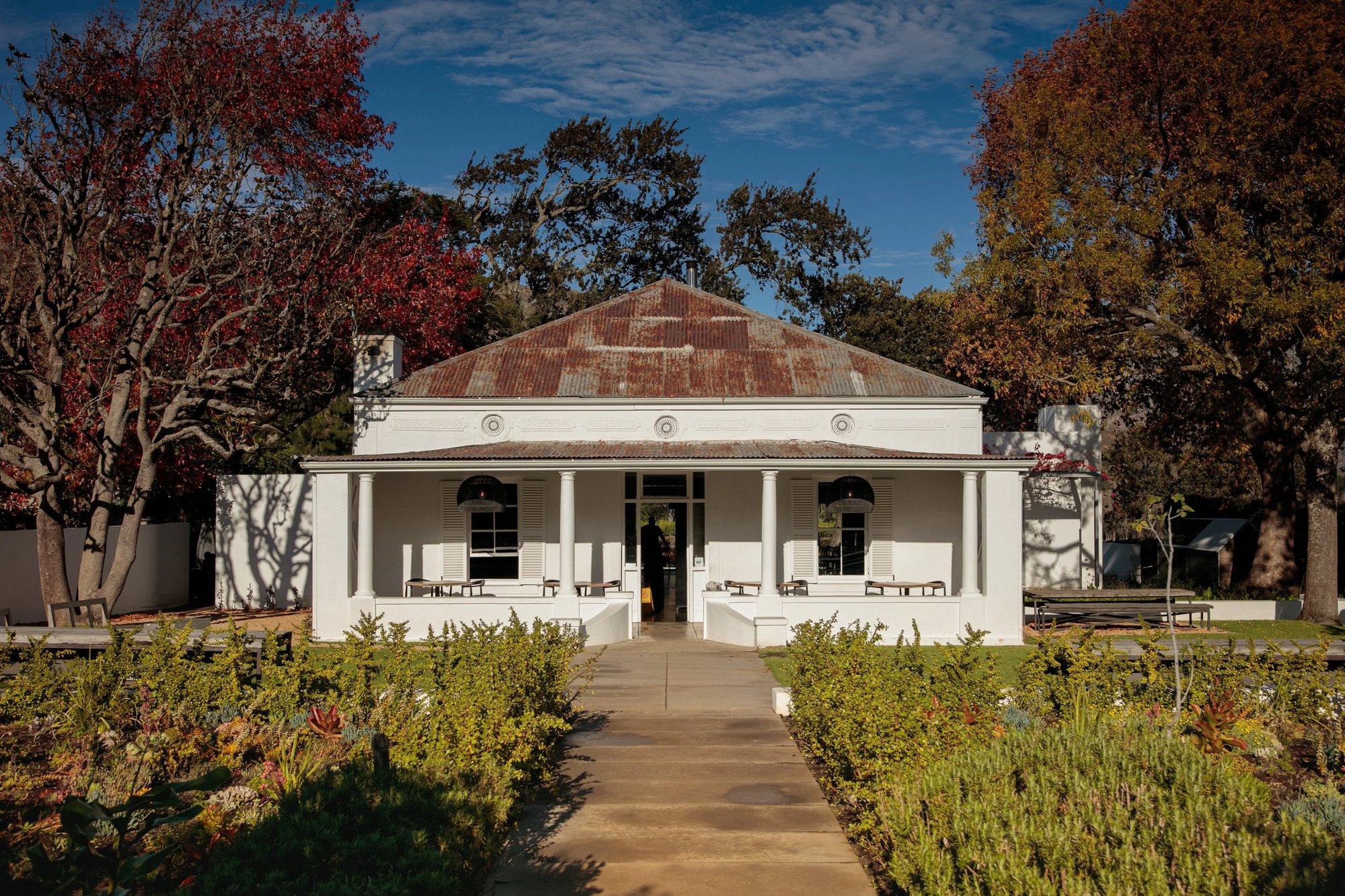
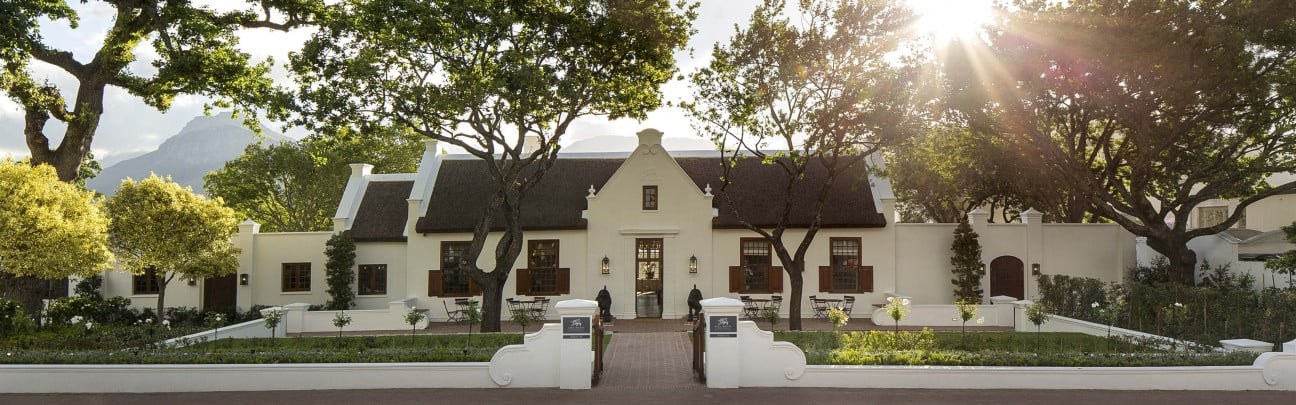
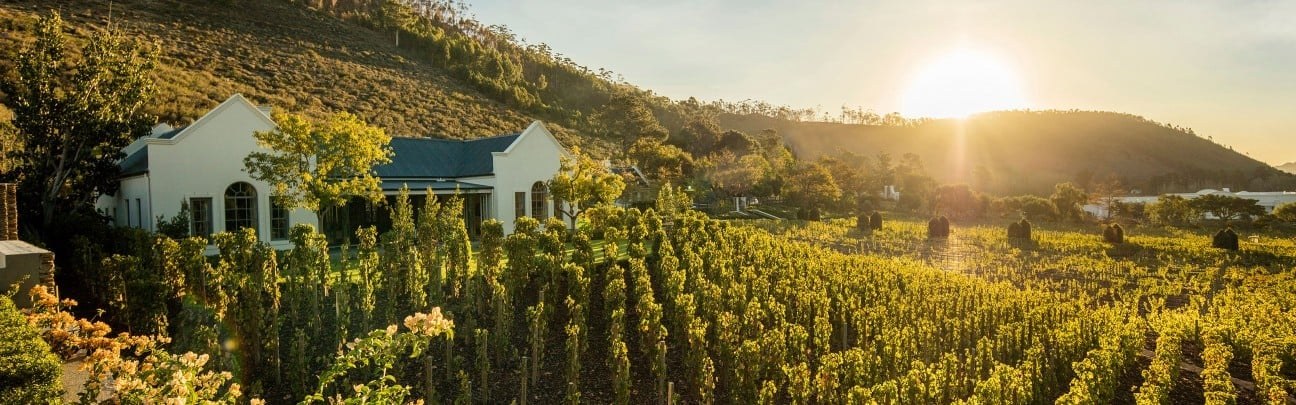
Vrede en Lust reads like a place where agricultural rigor and heritage hospitality meet. The narrative foregrounds Huguenot history and a working-farm identity, so the estate feels rooted and historically resonant rather than trend-driven. Vineyard slopes give way to a flatter agricultural belt, lending a calm, open quality to the grounds; the estate's name — 'peace and pleasure' — underlines a relaxed, charming temperament. Expect classic Old‑World references in both the vineyards and the visitor experience: this is a historic Cape Winelands estate that favors thoughtful presentation over flash.
Best For
This estate is well suited to visitors who care about terroir, history and cellar quality. The Pearl 2 Star Prestige mention highlights judged excellence in cellar work and hospitality, making Vrede en Lust a natural stop for curious wine learners and small celebratory groups who appreciate context as much as tasting notes. Its location on the valley edge also makes it a scenic pause for couples and travelers exploring Franschhoek's wine routes, especially those who value an estate that reads as both a productive farm and a place to linger.
Tasting Tips
Focus your visit on tasting and questions about terroir and cellar practice: the estate's Pearl accolade specifically cites 'cellar quality,' so ask staff about the estate's production approach and how the valley-edge soils influence the wines. Choose a guided or estate-focused tasting when available to get historical context—Franschhoek's Huguenot roots and European reference points are central to understanding the house style. Keep the conversation about site and vintage variations rather than hunting for trendy labels; this estate rewards curiosity about place and process.
Venue details
Ambiance
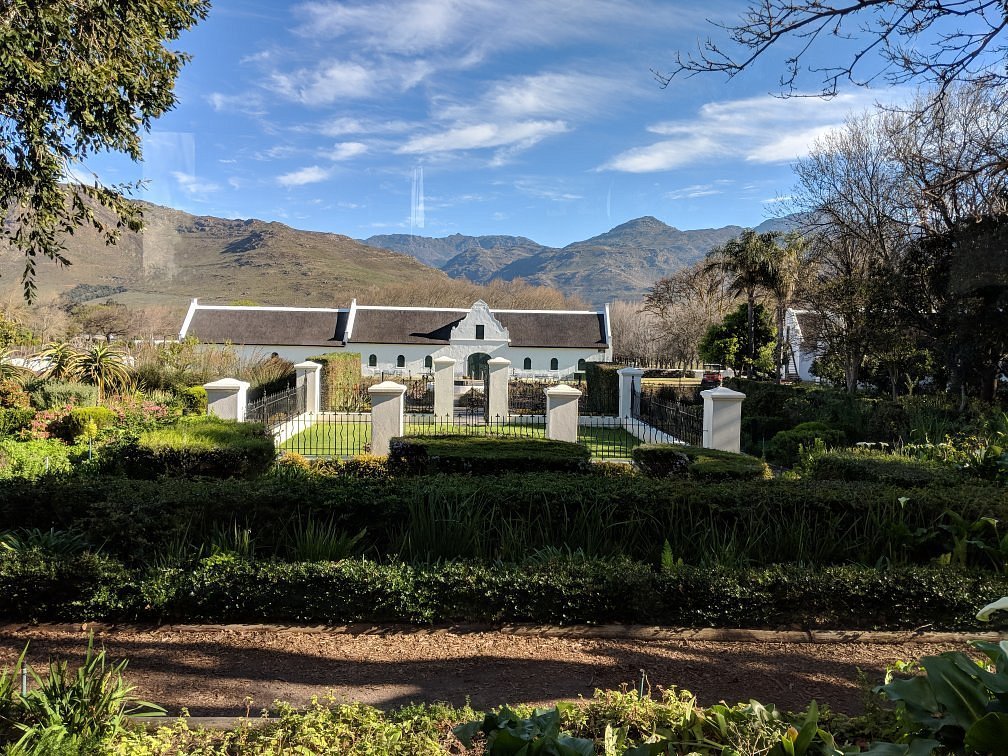
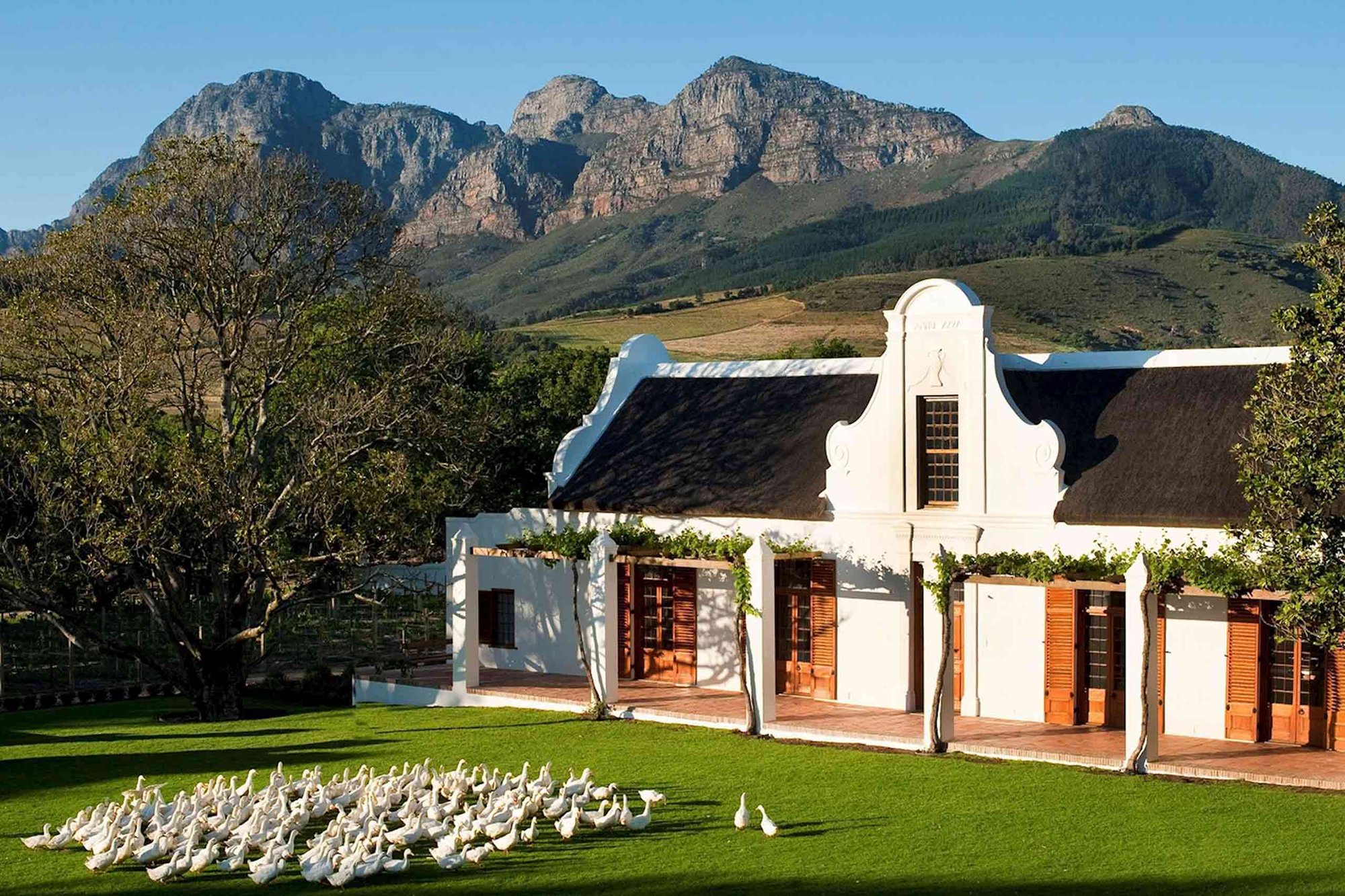
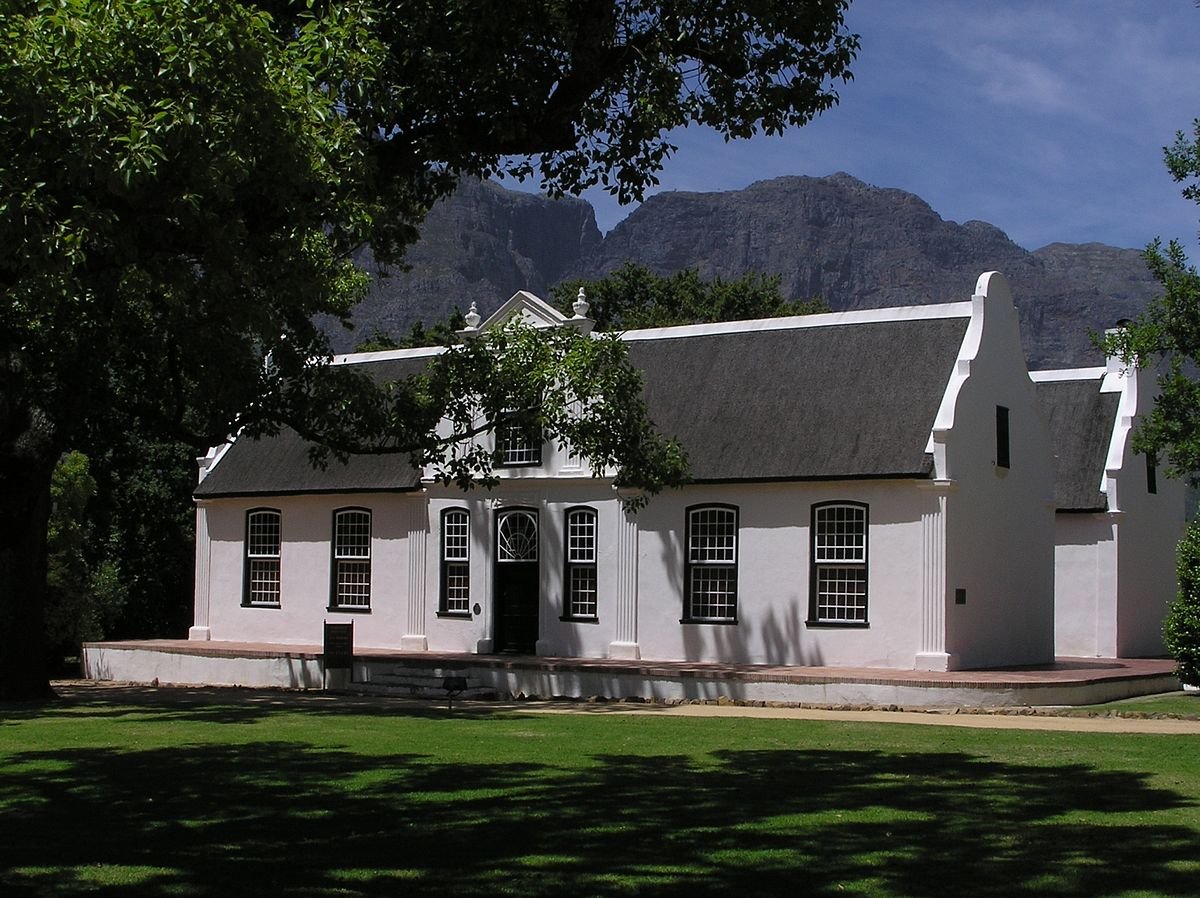
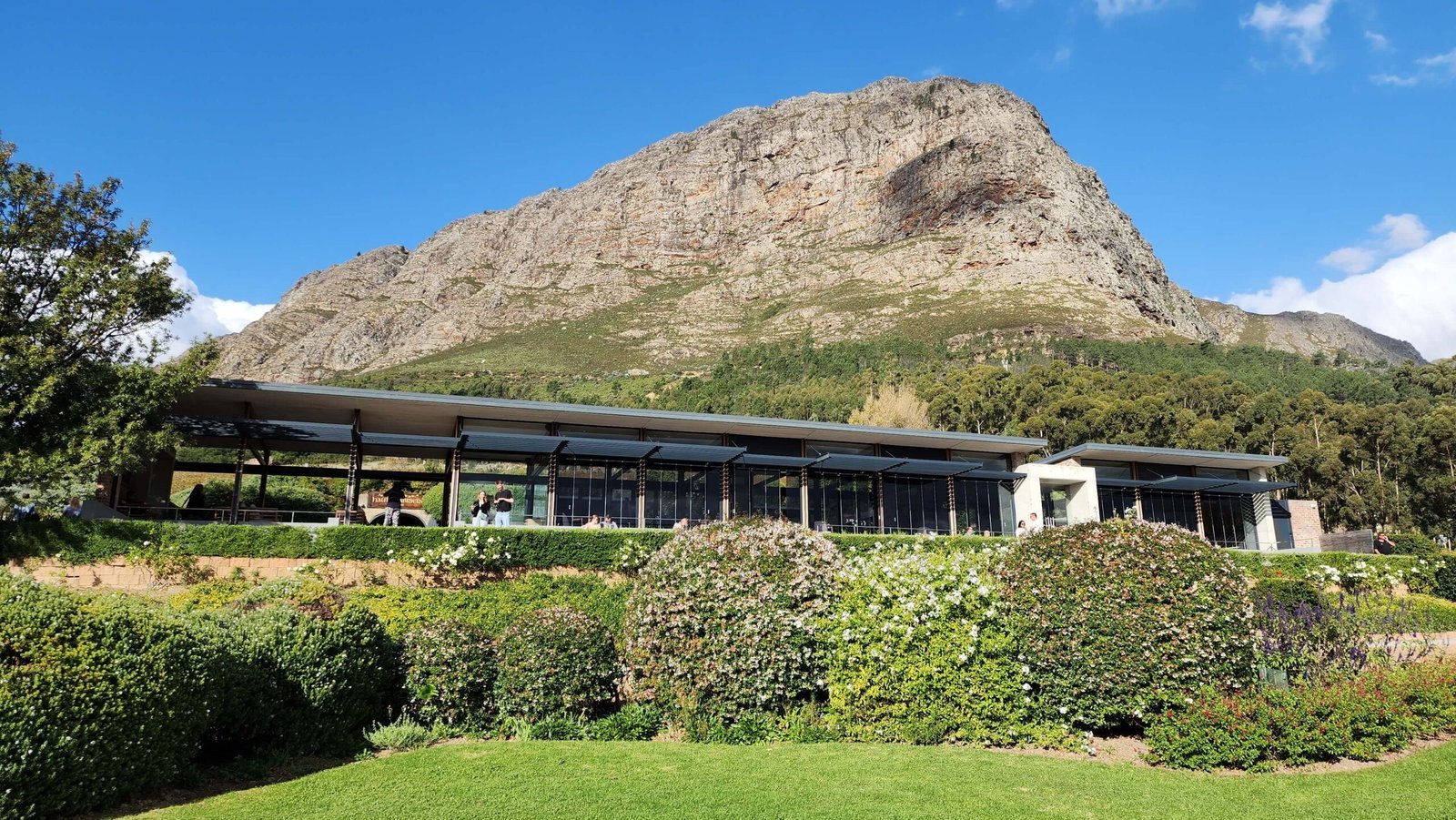
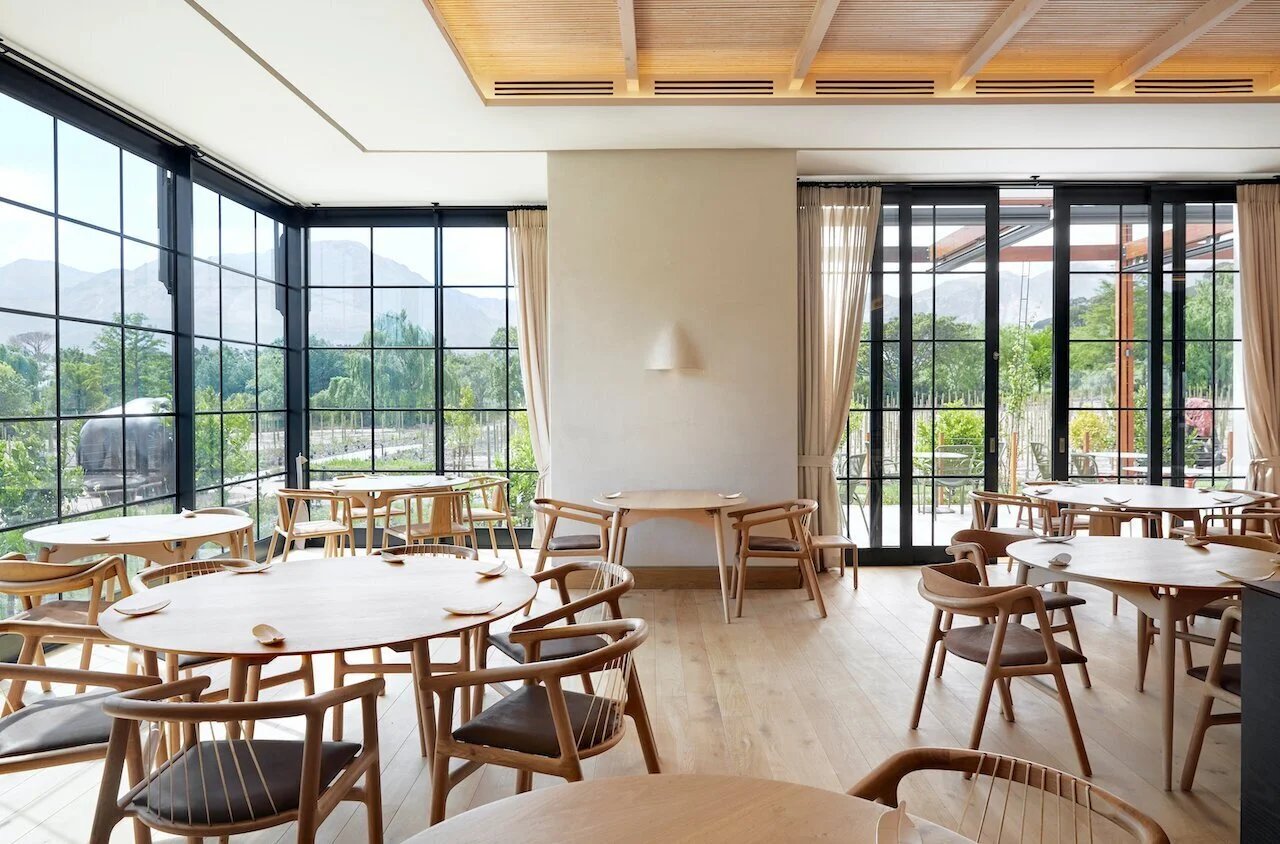
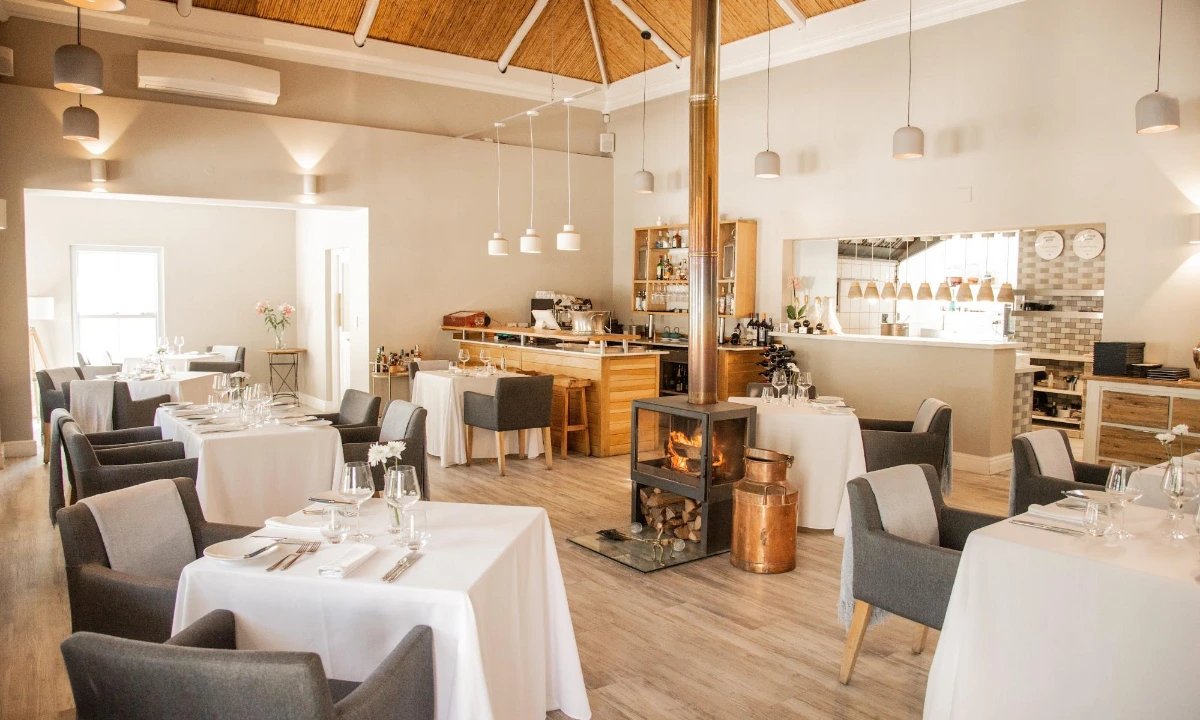
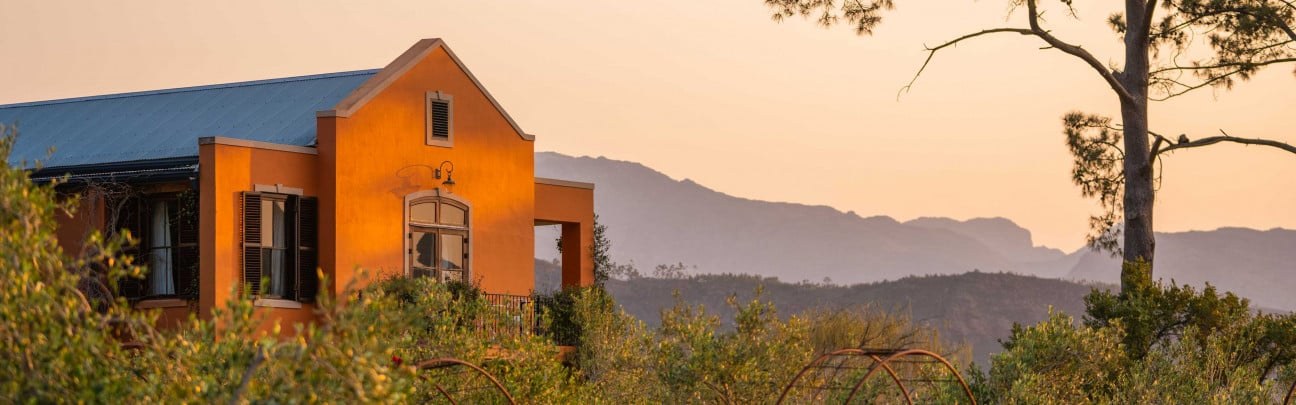
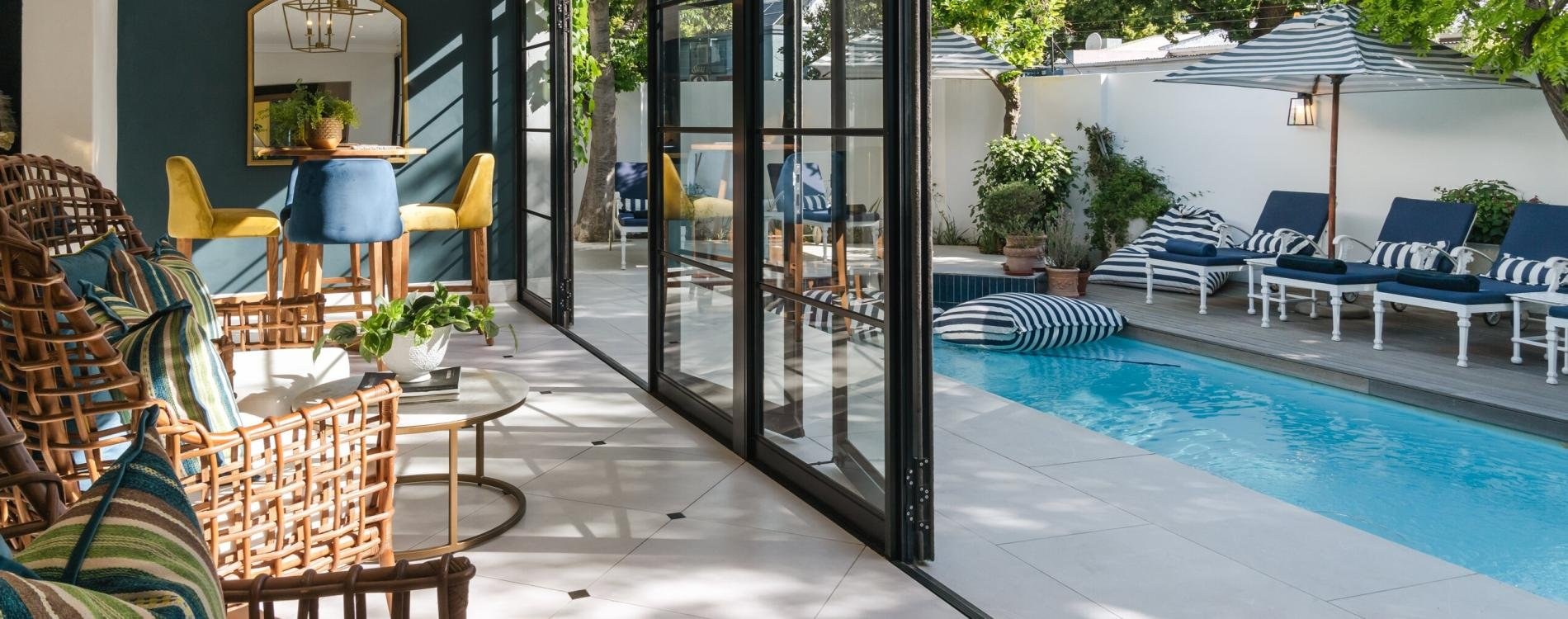
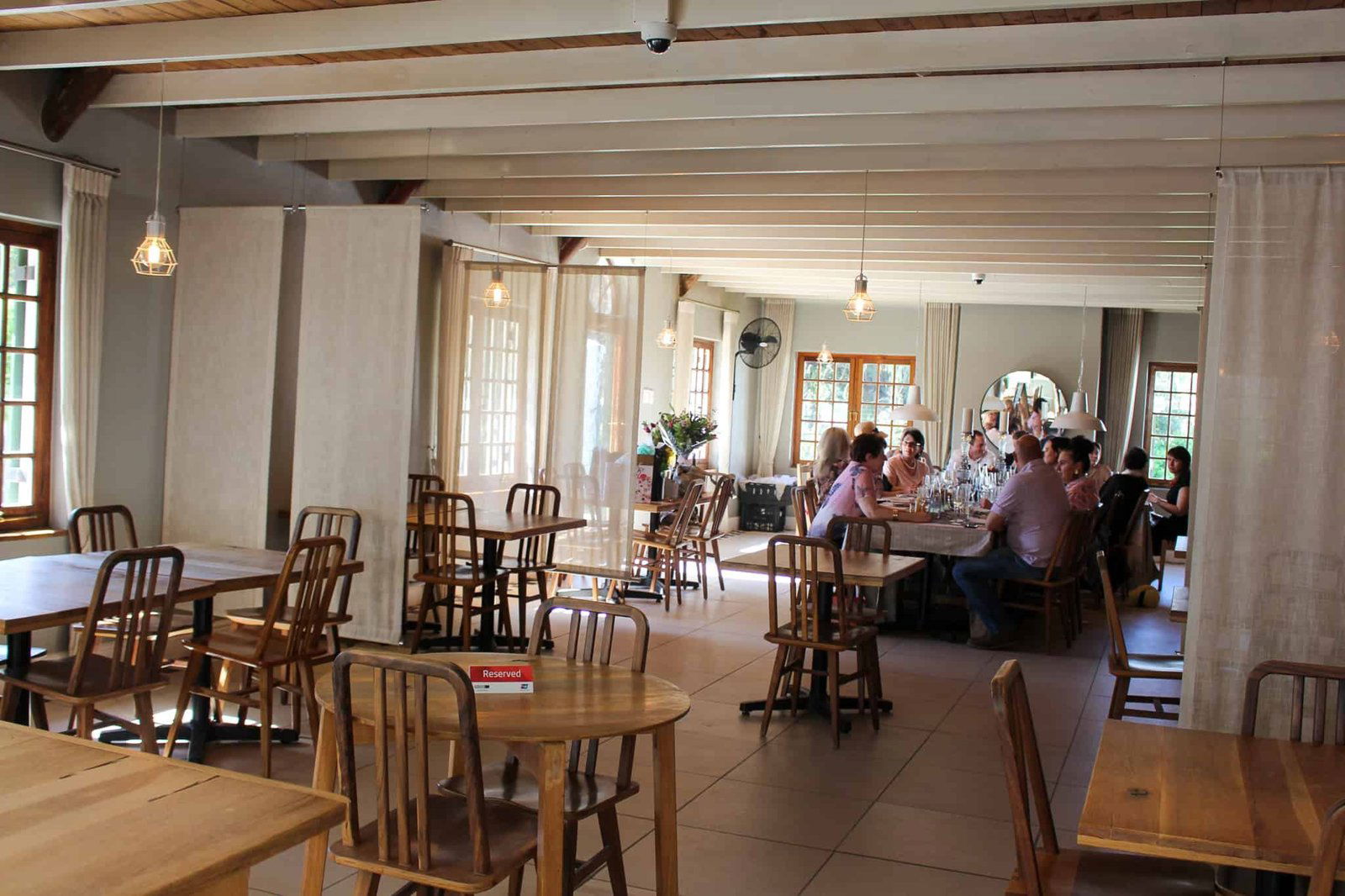
Serene and elegant atmosphere amid vineyards and Simonsberg mountains, with historic architecture and breathtaking scenic views.
Tags
Vibe
Best For
Experience
Sourcing
View
At the Vineyard
- Appellation
- Franschhoek
- Varietals
- Syrah, Cabernet Sauvignon, Malbec, Petit Verdot, Merlot
- Tour Duration
- 60-90 minutes
- Visits
- Walk-ins welcome
- Farming
- Sustainable
- Production
- Mid-size producer
- Wine Styles
- Still Red, Still White, Still Rose, Sparkling
- Food Pairing
- Offered
- Wine Club
- Not available
Know before you go
Know Before You Go
- Getting there
- Intersection R45 and Simondium-Klapmuts Roads, Franschhoek Wine Route, Simondium, 7670
Planning details
Location
Intersection R45 and Simondium-Klapmuts Roads, Franschhoek Wine Route, Simondium, 7670 · Directions
Also consider
If this does not fit the day
Try Rupert & Rothschild Vignerons first if the group still wants a wine-focused Franschhoek stop. Choose Babylonstoren instead if the visit needs more time on the property and a broader estate feel.
Winery context
How it compares for a Franschhoek wine day
Choose Vrede en Lust Wine Estate when the goal is a focused wine-route stop with a strong recognition signal and an efficient Simondium-side itinerary. Rupert & Rothschild Vignerons is the closer cross-shop for travellers who want another serious wine name in the same general Franschhoek orbit, while Babylonstoren is the better fit when the day needs a larger estate experience beyond the glass.
Plaisir de Merle and Val de Vie Estate make more sense for travellers willing to widen the route outside central Franschhoek patterns. They are less useful as simple substitutes if the day is already built around the Franschhoek Wine Route. Wilderer Distillery is the category break: pick it when the group wants spirits instead of another winery, not as a like-for-like estate comparison.
For value, the decision comes down to itinerary discipline rather than a confirmed price spread. Vrede en Lust is easier to recommend when it replaces a weaker stop nearby; Babylonstoren earns its place when the group wants to spend longer on one property. Rupert & Rothschild is the cleaner backup if the brief is wine-first and the schedule is tight.
Explore Franschhoek
Around this place
Discover more on Pearl
Unlock the full Vrede en Lust Wine Estate guide in Pearl, including awards, comparisons, FAQs, planning details, and nearby places.
Compare Vrede en Lust Wine Estate
| Venue | Location | Awards |
|---|---|---|
| Vrede en Lust Wine Estate | Franschhoek | No published awards |
| Rupert & Rothschild Vignerons | Franschhoek | 2026 Falstaff Winery GuideWe're Smart World Top Restaurants 2025 |
| Plaisir de Merle | Paarl | No published awards |
| Babylonstoren | Franschhoek | No published awards |
| Val de Vie Estate | Paarl | No published awards |
| Wilderer Distillery | Paarl | No published awards |


How Vrede en Lust Wine Estate Franschhoek compares with similar nearby venues.
FAQ
Frequently Asked Questions
What is the flagship wine at Vrede en Lust Wine Estate?
No flagship wine is listed, so do not choose this stop for a specific bottle by name based on this page alone. Consider the estate on its Franschhoek listing and Pearl 2 Star Prestige recognition, then confirm current wines directly with the venue.
What other venues should I compare with Vrede en Lust Wine Estate?
Useful comparisons include Babylonstoren, Plaisir de Merle, Rupert & Rothschild Vignerons, Val de Vie Estate, and Wilderer Distillery. Use them to decide what kind of estate or drinks-focused stop best fits your wider itinerary.