Domaine Bertrand Machard de Gramont
Nuits-Saint-Georges
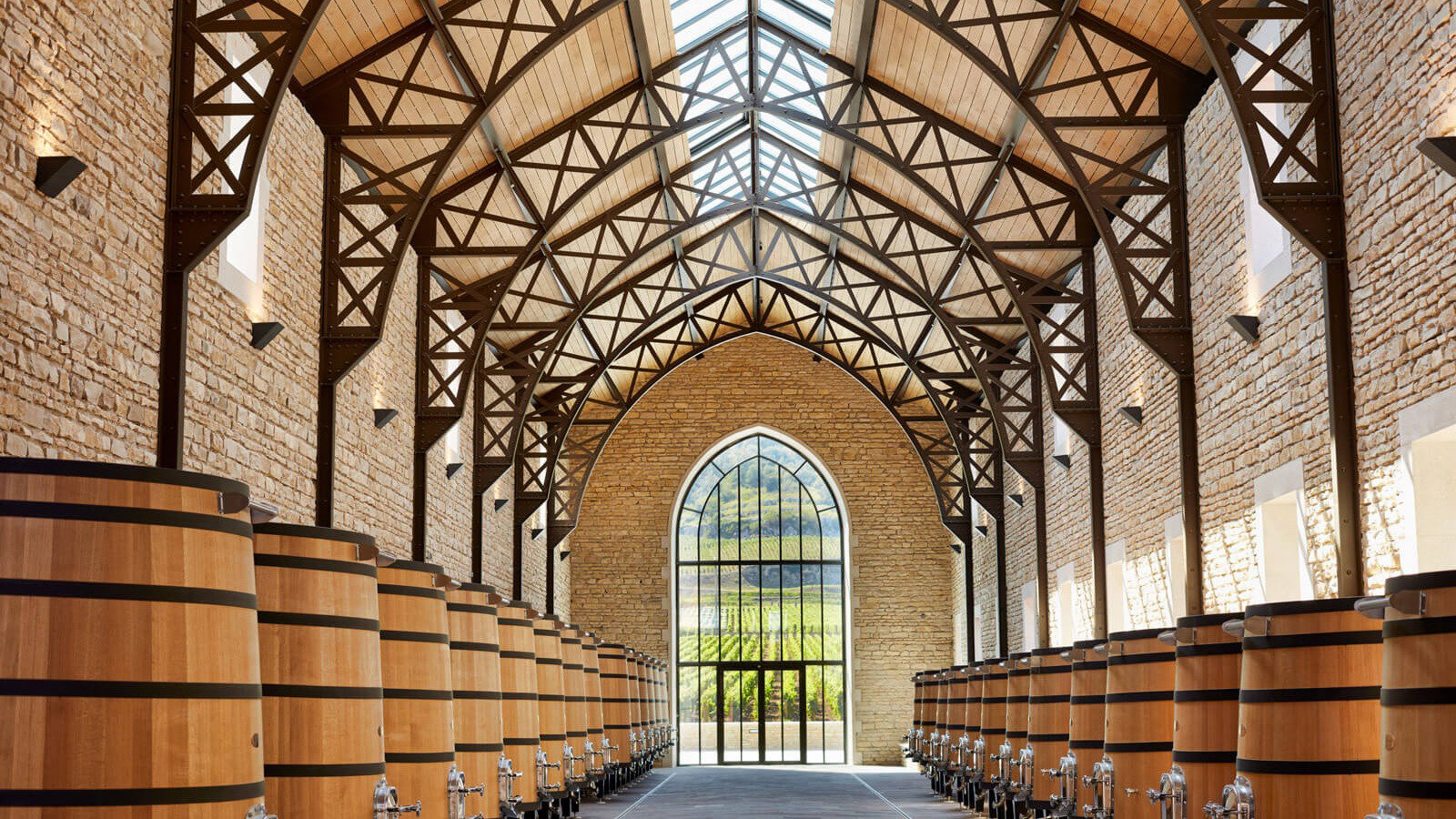
Winery in Nuits-Saint-Georges, France
 Book with Pearl
The Read
Nuits-Saint-Georges Premier Cru Specialist
Why go
Book Domaine Bertrand Machard de Gramont only if a focused Nuits-Saint-Georges producer visit is the point of the day. It is better suited to small Burgundy-focused groups than casual tasters looking for a packaged experience, and it should be cross-shopped with Domaine Henri Gouges, Domaine Faiveley, and Domaine Robert Chevillon before locking the itinerary.
About Domaine Bertrand Machard de Gramont
Domaine Bertrand Machard de Gramont is a Nuits-Saint-Georges venue recognized with Pearl 2 Star Prestige (2025). For visitors, the clearest practical detail is the dress code: smart casual. Research current details directly before building the rest of a trip around it.
Specific public details such as visit format, pricing, food service, group capacity, and opening hours are unavailable in the guide, so confirm current arrangements through the venue's official channels before making plans.
A quiet Nuits-Saint-Georges stop for careful planning
For travelers considering Domaine Bertrand Machard de Gramont, the strongest signal is its Pearl 2 Star Prestige recognition for 2025. Beyond that, avoid assuming a particular hospitality setup, service format, or walk-in policy unless the venue confirms it directly.
For readers mapping a Nuits-Saint-Georges itinerary, pair this page with Our full Nuits-Saint-Georges guide. Other names to consider for comparison include Domaine Henri Gouges, Domaine Faiveley, Domaine Robert Chevillon, Domaine Arnoux Lachaux, and Domaine Leroy. If the day needs supporting plans, use Our full Nuits-Saint-Georges restaurants guide and other Nuits-Saint-Georges planning resources rather than relying on details alone.
Who should prioritize it, and who should cross-shop
Prioritize Domaine Bertrand Machard de Gramont if you are specifically researching Nuits-Saint-Georges and want a venue with Pearl 2 Star Prestige recognition. Because detailed service information is limited, it is well suited to travelers who are comfortable confirming practical details directly before committing.
For comparison, Domaine Henri Gouges, Domaine Robert Chevillon, Domaine Faiveley, Domaine Leroy, and Domaine Arnoux Lachaux may help frame broader trip planning. Keep those comparisons focused on research rather than assuming the same visitor experience, availability, or service format.
Planning details
- Location
- 13 Rue de Vergy, 21700 Nuits-Saint-Georges
- Phone
- +33 3 80 61 16 96
The take
The Take
The Vibe
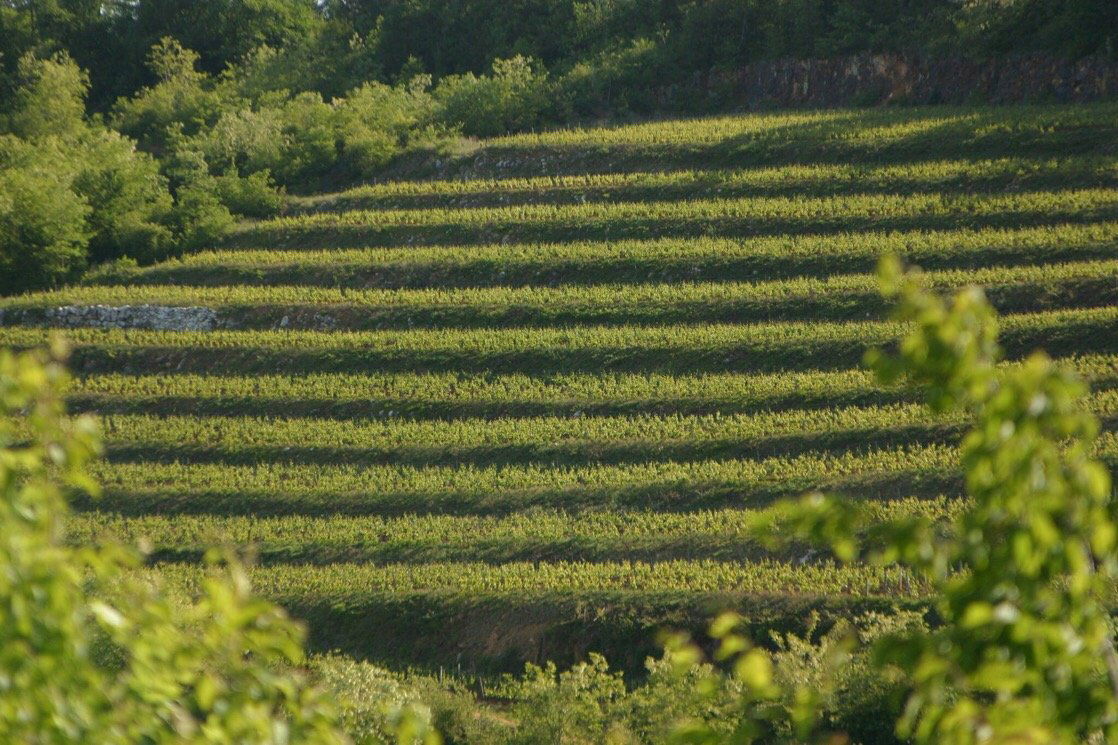
Domaine Bertrand Machard de Gramont reads as a terroir-first, family-scale Burgundian estate. The write-up emphasizes parcel-level expression: iron-rich soils and near-surface limestone give Nuits-Saint-Georges wines structure and grip rather than overt perfume. The domaine’s identity is built on that specificity, and its inclusion at Pearl prestige tier signals a producer aligned with serious regional makers rather than négociants. The tone is measured and focused—quiet, unflashy, and intent on site clarity—appealing to visitors who prefer thoughtful, terroir-driven Pinot Noir over immediate charm.
Best For
Visitors who want to study Burgundy or deepen their understanding of Pinot Noir find this domaine particularly rewarding. The description foregrounds parcel-level differences across Nuits-Saint-Georges and cites cellar depth and regional credibility—markers that matter to wine students, collectors, and educators. It’s a good fit for solo exploration or small, focused tastings rather than boisterous group outings. The domaine’s Pearl-tier association with La Paulée also makes it appropriate for milestone tastings and special-occasion visits when guests seek wines with provenance and a clear sense of place.
Tasting Tips
When tasting at this domaine, prioritize parcel information and older vintages that showcase cellar depth. The note about 41 Premier Crus and contrasting northern versus southern parcels is a practical guide: northern plots tend toward rounder, Vosne-like character, while southern, rockier sites deliver austerity and grip. Ask which parcel a cuvée comes from and whether barrel or bottle age examples are available to taste — those choices reveal the site’s expression. Bottlings identified by lieu-dit or parcel will best illustrate the argument for parcel-level Pinot in Nuits-Saint-Georges.
Venue details
Ambiance
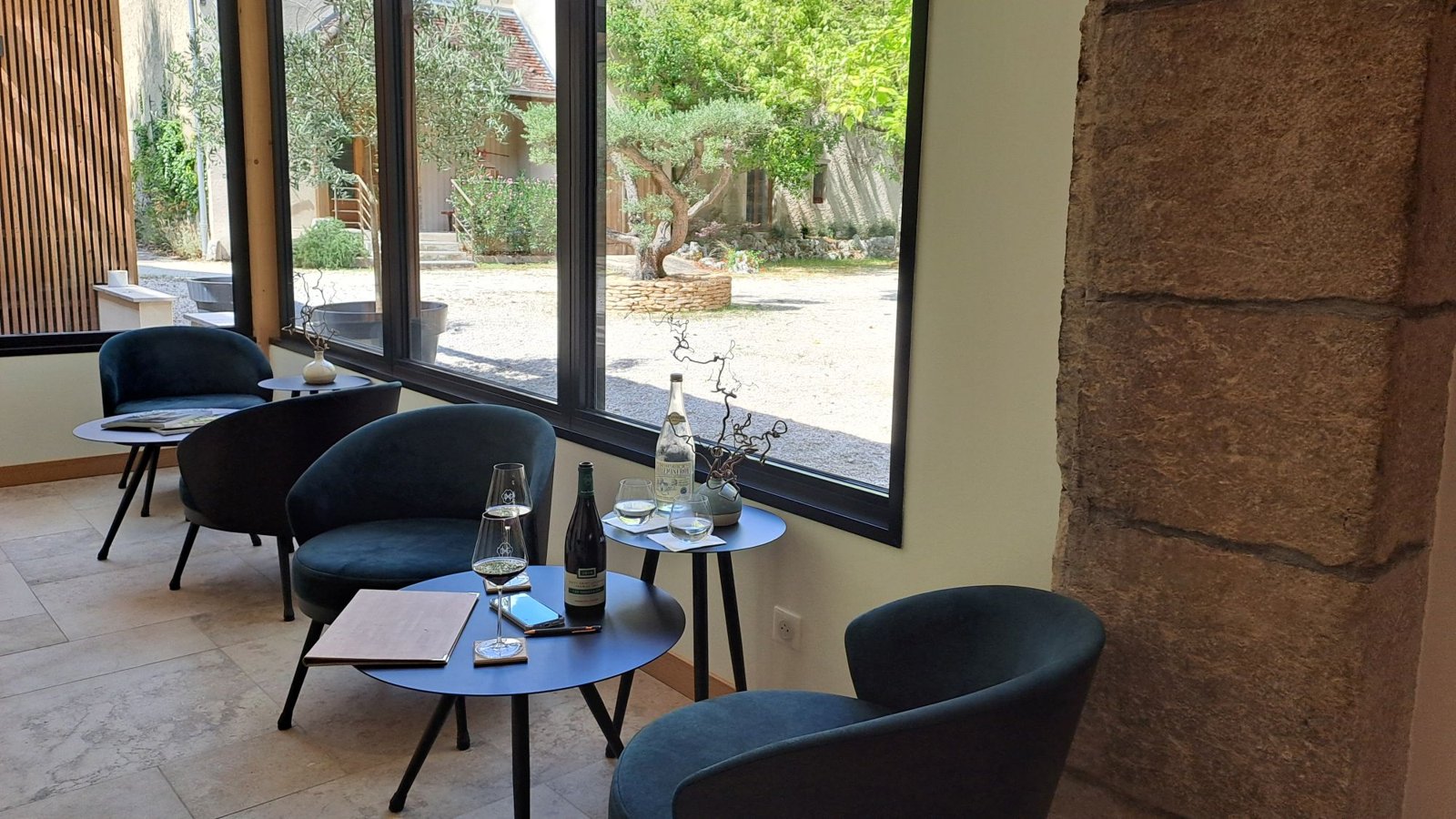
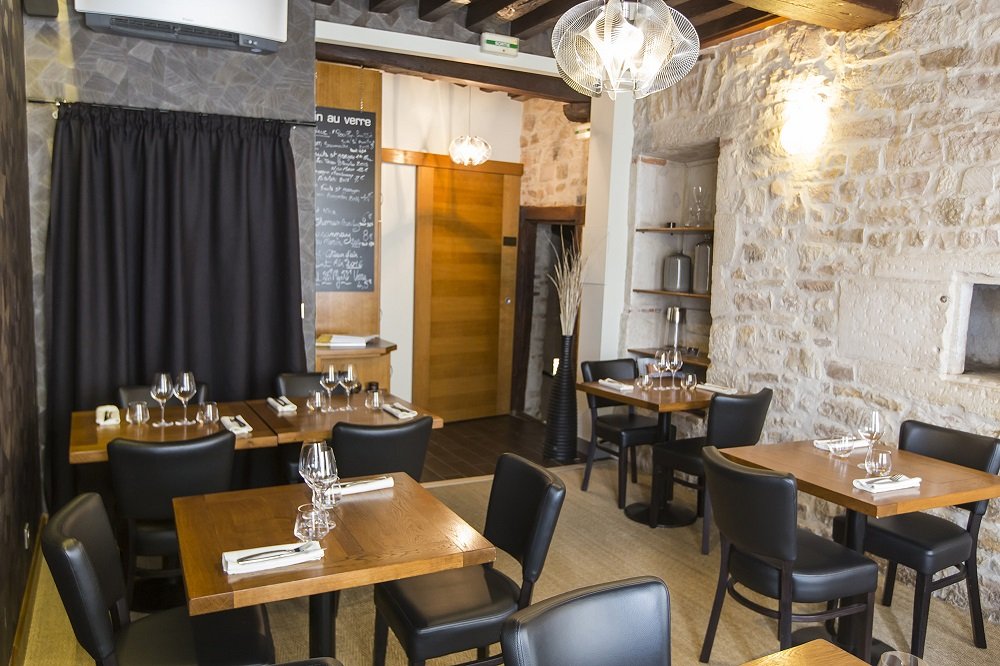
Classic rustic winery atmosphere in Hautes-Côtes with focus on minimal intervention winemaking.
Tags
Vibe
Best For
Experience
Sourcing
View
At the Vineyard
- Appellation
- Nuits-Saint-Georges AOC
- Varietals
- Pinot Noir, Aligoté, Chardonnay
- Tour Duration
- 60-90 minutes
- Visits
- By appointment only
- Farming
- Organic
- Wine Styles
- Still Red, Still White
- Wine Club
- Not available
Know before you go
Know Before You Go
- Getting there
- 13 Rue de Vergy, 21700 Nuits-Saint-Georges
Planning details
Location
13 Rue de Vergy, 21700 Nuits-Saint-Georges · Directions
Also consider
If you cannot secure it
Try Domaine Henri Gouges if the priority is staying within Nuits-Saint-Georges and keeping the day focused on the village. Try Domaine Faiveley if the group needs a more recognizable name to justify a special-occasion stop.
Winery context
How it compares in Nuits-Saint-Georges
Domaine Robert Chevillon and Domaine Henri Gouges are the more obvious cross-shops for travelers who want a Nuits-Saint-Georges visit with stronger name recognition. Domaine Bertrand Machard de Gramont is the quieter play: better for a small, serious group that values a focused producer stop over a more familiar label.
Domaine Faiveley is the safer choice if the group needs a more established Burgundy name to anchor the day. If the brief is celebration travel with less risk, start there; if the brief is a tighter Nuits-Saint-Georges itinerary with a lower-key feel, keep Domaine Bertrand Machard de Gramont on the shortlist.
Domaine Leroy and Domaine Arnoux Lachaux sit in a different access category. Treat them as aspirational comparisons, not substitutes. For a realistic Burgundy day, this domaine competes more directly with Robert Chevillon, Henri Gouges, and Faiveley on practicality, mood, and itinerary fit.
Explore Nuits-Saint-Georges
Around this place
Discover more on Pearl
Unlock the full Domaine Bertrand Machard de Gramont guide in Pearl, including awards, comparisons, FAQs, planning details, and nearby places.
Compare Domaine Bertrand Machard de Gramont
| Venue | Location | Awards |
|---|---|---|
| Domaine Bertrand Machard de Gramont | Nuits-Saint-Georges | No published awards |
| Domaine Robert Chevillon | Nuits-Saint-Georges | No published awards |
| Domaine Henri Gouges | Nuits-Saint-Georges | No published awards |
| Domaine Faiveley | Nuits-Saint-Georges | 2026 Falstaff Winery Guide2026 Michelin 1 Grape - Burgundy2025 World's 50 Best Vineyards · #592025 Pearl 4 Star Prestige |
| Domaine Leroy | Vosne-Romanée | 2026 Michelin 3 Grapes - Burgundy2026 Falstaff Winery Guide2025 Pearl 5 Star Prestige |
| Domaine Arnoux Lachaux | Vosne-Romanée | 2026 Michelin 1 Grape - Burgundy2025 Pearl 4 Star Prestige |





How Domaine Bertrand Machard de Gramont compares with similar nearby venues.
FAQ
Frequently Asked Questions
Is there a membership program at Domaine Bertrand Machard de Gramont?
A membership program is not listed. The quality signal is Pearl 2 Star Prestige (2025), but any membership, allocation, or purchasing details should be checked directly with the venue.
What other venues are near Domaine Bertrand Machard de Gramont?
For comparison while planning, consider Domaine Robert Chevillon and Domaine Henri Gouges. Domaine Faiveley, Domaine Leroy, and Domaine Arnoux Lachaux can also be useful reference points, depending on the kind of trip you are planning.
Do I need a reservation at Domaine Bertrand Machard de Gramont?
Does Domaine Bertrand Machard de Gramont offer shipping?
Does Domaine Bertrand Machard de Gramont serve food?
Food service is not listed. If you need a meal as part of the day, plan separately in Nuits-Saint-Georges and confirm any venue-specific details directly.