
Acra Winery
Nemea
Winery in Nemea, Greece
 Book with Pearl
The Read
Agiorgitiko Terroir Precision
Why go
Acra Winery is worth pursuing if the trip to Nemea is built around serious wine rather than casual tasting-room convenience. The lack of published practical detail makes it less suitable for large groups or rigid itineraries, but wine-focused visitors should keep it on the shortlist and confirm tasting format, bottle availability, and shipping before committing.
About Acra Winery
Acra Winery is a Nemea venue with a casual dress code and Pearl 2 Star Prestige recognition for 2025. For a special occasion, group outing, or tightly scheduled day, it is best to check directly before committing.
Visitors should confirm the practical details with Acra Winery in advance, then decide whether it fits the day they are planning in Nemea.
Worth the effort if the visit is planned carefully
Acra Winery may be a strong candidate for travelers specifically looking to include a winery stop in Nemea, especially given its 2025 Pearl 2 Star Prestige recognition. The casual dress code also makes it easy to fit into a relaxed regional itinerary.
Before building a day around Acra Winery, confirm timing, booking requirements, group suitability, and any on-site experience directly. If the visit is tied to an anniversary, client event, or travel day with limited flexibility, keep other options in mind as backups.
How to judge the visit before committing
Acra Winery is in Nemea, has a casual dress code, and holds Pearl 2 Star Prestige recognition for 2025; other details should be confirmed before arrival.
Readers building a wider itinerary can compare Acra Winery with Barafakas Winery, Gaia Wines, Palivou Estate, Papaioannou Vineyards, and Semeli Estate, or look at other dining in Nemea generically when planning the rest of the trip.
Planning details
- Location
- Nemea 205 00
- Website
- acrawinery.com
- Phone
- +30 693 185 2760
The take
The Take
The Vibe
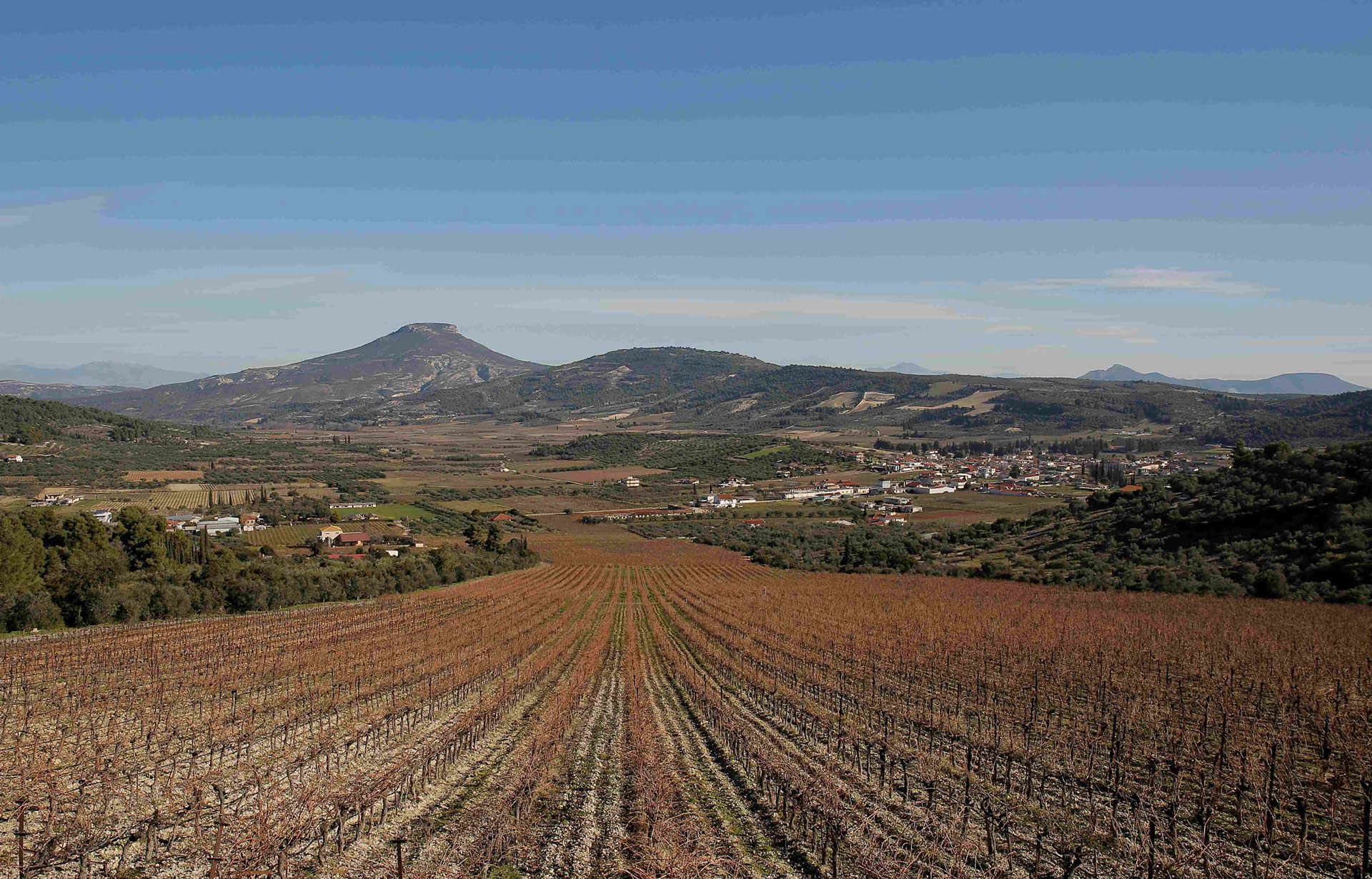
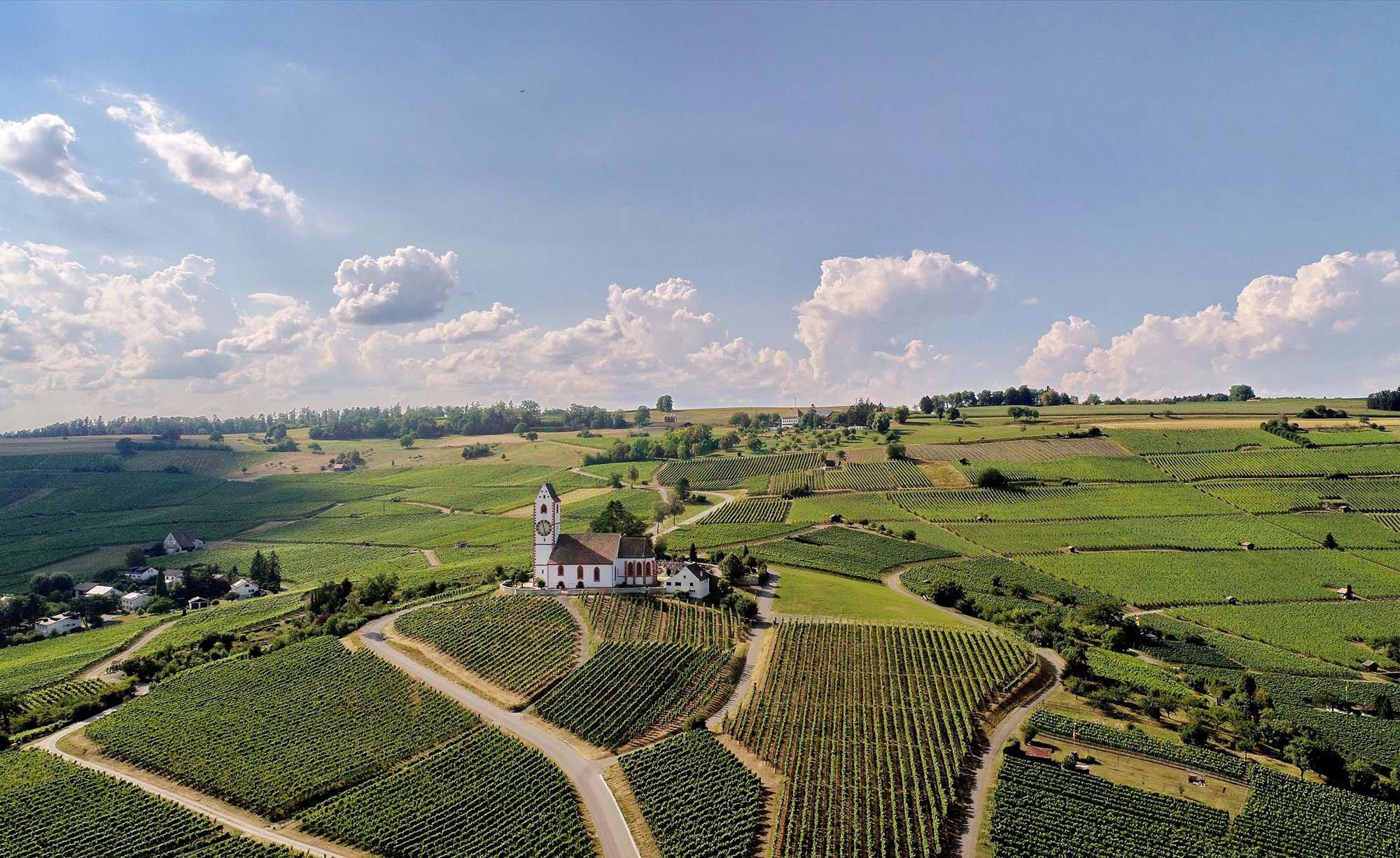
Acra reads as a terroir-forward, sophisticated winery where the landscape is the lead actor. The copy emphasizes altitude, volcanic residue and mixed soils, and a cooler mountain air that sharpens late-afternoon light—details that shape restrained, structured Agiorgitiko rather than plush, easy-drinking fruit. Its recent Pearl 2 Star Prestige recognition frames the operation as serius and internationally minded, so the overall impression is refined and contemplative rather than flashy. Visitors can expect a venue defined by geology and viticultural intent: thoughtful wines, clear provenance, and a quietly ambitious ethos.
Best For
Acra is best for visitors who want to study place and grape. The winery’s copy centers on how Nemea’s altitude and soils shape Agiorgitiko, making it an ideal stop for wine-education–minded travelers and solo explorers focused on terroir and stylistic nuance. It suits people who enjoy learning about vineyard differences, structure and aging potential rather than those seeking a casual tasting room throwaway. In short, this is a destination for guests who came to understand why and how a region produces distinct, age-worthy expressions.
Tasting Tips
When tasting at Acra, orient your conversation around site and altitude: ask which parcels and elevations contributed to each bottling. The description stresses how high-altitude vineyards produce tighter tannins and brighter acidity, so request higher-elevation expressions to experience that structural profile. Given the Pearl 2 Star Prestige designation, inquire about the estate’s flagship or prestige bottlings to sample wines meant for aging. Focus on comparative sips that show lower- versus higher-altitude versions of Agiorgitiko, and ask about recommended cellaring windows for the more structured wines.
Venue details
Ambiance
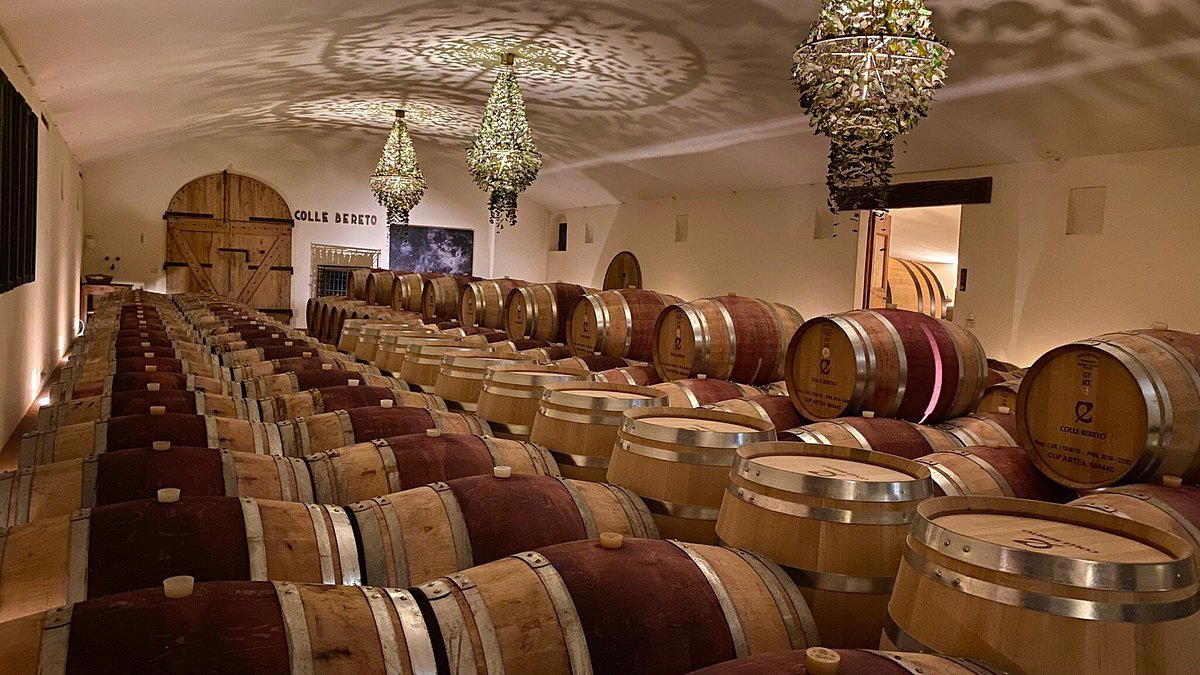
Rustic and scenic winery setting amid Nemea vineyards with an intimate, innovative atmosphere.
Tags
Vibe
Best For
Experience
Sourcing
View
At the Vineyard
- Appellation
- Nemea
- Varietals
- Agiorgitiko, Assyrtiko, Malbec
- Tour Duration
- 60-90 minutes
- Visits
- By appointment only
- Farming
- Organic
- Wine Styles
- Still Red, Still White, Still Rose
- Wine Club
- Not available
Know before you go
Know Before You Go
- Getting there
- Nemea 205 00
Planning details
Location
Recognition and awards

Also consider
Also Consider
- Barafakas Winery, Notable alternative
- Gaia Wines, Notable alternative
- Palivou Estate, Notable alternative
- Papaioannou Vineyards, Notable alternative
- Semeli Estate, Notable alternative
Winery context
How Acra Winery compares in Nemea
Acra Winery is the higher-friction choice: useful for a wine-led visit, less useful for travelers who want clearly published logistics before planning the day. If ease matters more, cross-shop Barafakas Winery, Palivou Estate, or Papaioannou Vineyards first, since all three sit in Nemea and make sense as practical alternatives when building a compact route.
For a broader wine itinerary, Gaia Wines and Semeli Estate are better cross-shops if the day can stretch beyond the immediate Nemea core. Acra is the pick when the priority is a focused, potentially more selective visit; the peers are safer when the priority is minimizing booking risk, comparing several producers, or keeping a group moving.
Value depends on format rather than a listed price tier. For couples or small groups, Acra can justify the effort if the tasting offers enough depth to guide bottle decisions. For larger celebrations, start with Palivou Estate or Papaioannou Vineyards as fallback options, then use Acra only if timing and confirmation are clean.
Explore Nemea
Around this place
Discover more on Pearl
Unlock the full Acra Winery guide in Pearl, including awards, comparisons, FAQs, planning details, and nearby places.
Compare Acra Winery
| Venue | Location | Awards |
|---|---|---|
| Acra Winery | Nemea | 2026 Falstaff Winery Guide |
| Barafakas Winery | Nemea | 2025 Decanter Winery Prestige |
| Gaia Wines | Koutsi | 2026 Falstaff Winery Guide |
| Palivou Estate | Nemea | 2026 Falstaff Winery Guide |
| Papaioannou Vineyards | Nemea | 2026 Falstaff Winery Guide |
| Semeli Estate | Koutsi | No published awards |

How Acra Winery Nemea compares with similar nearby venues.
FAQ
Frequently Asked Questions
Does Acra Winery ship wine?
Is the wine club at Acra Winery worth joining?
If membership or repeat-purchase options matter to you, ask Acra Winery directly and compare the confirmed details with Barafakas Winery and Gaia Wines before committing.
What other venues can I compare with Acra Winery?
Relevant names to compare include Barafakas Winery, Gaia Wines, Palivou Estate, Papaioannou Vineyards, and Semeli Estate. Use Acra Winery as one reference point and compare booking details directly.
When is the best time to visit Acra Winery?
Choose a time only after confirming availability directly with Acra Winery, especially if you plan to visit other options such as Palivou Estate or Semeli Estate on the same day.
Can Acra Winery handle large groups?
Do I need a reservation at Acra Winery?
Because Acra Winery is in Nemea and holds 2025 Pearl 2 Star Prestige recognition, it is sensible to confirm booking requirements directly before visiting.