
Disznókő
Mezőzombor
Winery in Mezőzombor, Hungary
 Book with Pearl
The Read
Botrytis-Driven Prestige
Price
$20–30tasting
Why go
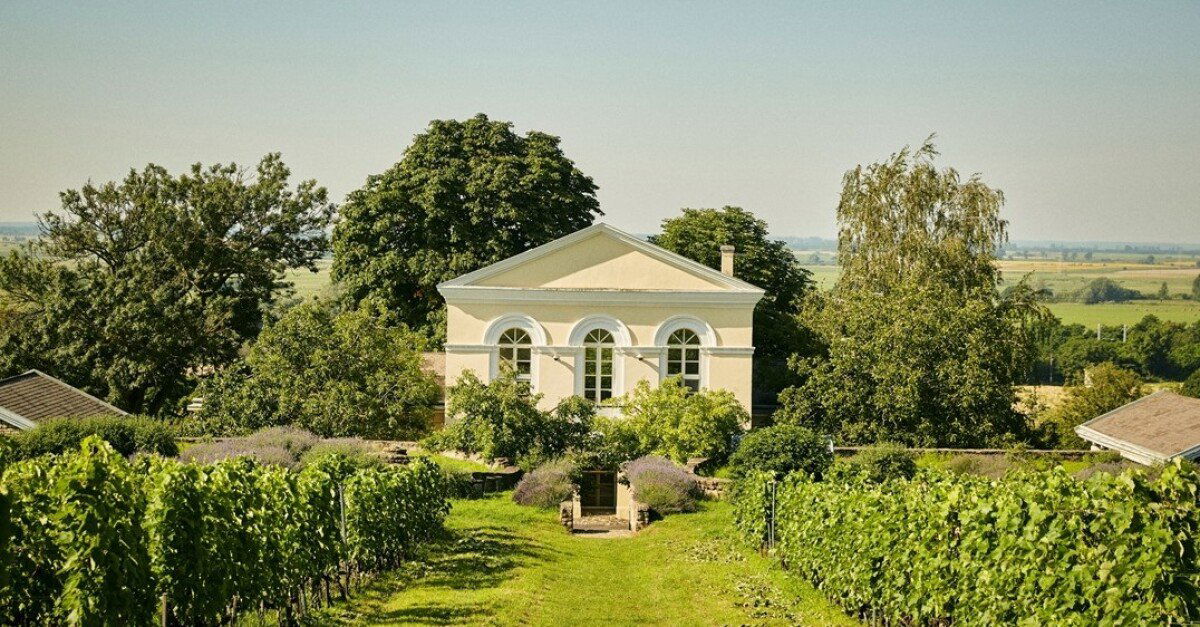
Prioritize Disznókő if the estate setting matters as much as the tasting. It is better suited to a planned Tokaj wine day than a quick drop-in, with international vineyard recognition and a location outside Mezőzombor that makes the grounds part of the experience.
About Disznókő
Disznókő is a Mezőzombor venue with daily daytime opening hours, a smart-casual dress code, Pearl 3 Star Prestige recognition for 2025, and a World's 50 Best Vineyards #45 placement in 2023. For visit format, booking process, food service, shipping, pricing, and on-site programs, check directly with the venue before making plans.
For planning, the most reliable starting point is the schedule. Disznókő is open Monday through Thursday from 10 AM to 6 PM, Friday and Saturday from 10 AM to 7 PM, and Sunday from 10 AM to 6 PM. Relevant comparison venues include Gróf Degenfeld Winery, Holdvölgy, Szent Tamás Winery, Szepsy, and Zsirai Winery.
Book this if the vineyard recognition is part of the point
Disznókő has an international profile through World's 50 Best Vineyards #45 in 2023, along with Pearl 3 Star Prestige recognition in 2025. Those are strong reasons to place it high on a Mezőzombor itinerary, especially for travelers who want a recognized stop.
For visit format, pricing, reservations, dining, and shipping, check the venue's official channels before finalizing plans. The smart-casual dress code is the safest standard to follow when preparing for a visit.
How to place it within a wider route
Within a broader trip, Disznókő is best understood as a recognized Mezőzombor stop with notable accolades and practical opening hours. Keep plans focused on those details unless you have arranged specific tastings, menus, cellars, tours, or hospitality elements directly with the venue.
If you are comparing multiple venues, use Disznókő alongside Gróf Degenfeld Winery, Holdvölgy, Szent Tamás Winery, Szepsy, and Zsirai Winery as natural reference points. For meals, hotels, bars, or other services, verify details separately rather than assuming they are part of the Disznókő visit.
Planning details
- Location
- 3931 Mezőzombor, Külterület, Hrsz.0202, Hungary
- Website
- disznoko.hu
- Phone
- +3647569410
The take
The Take
The Vibe
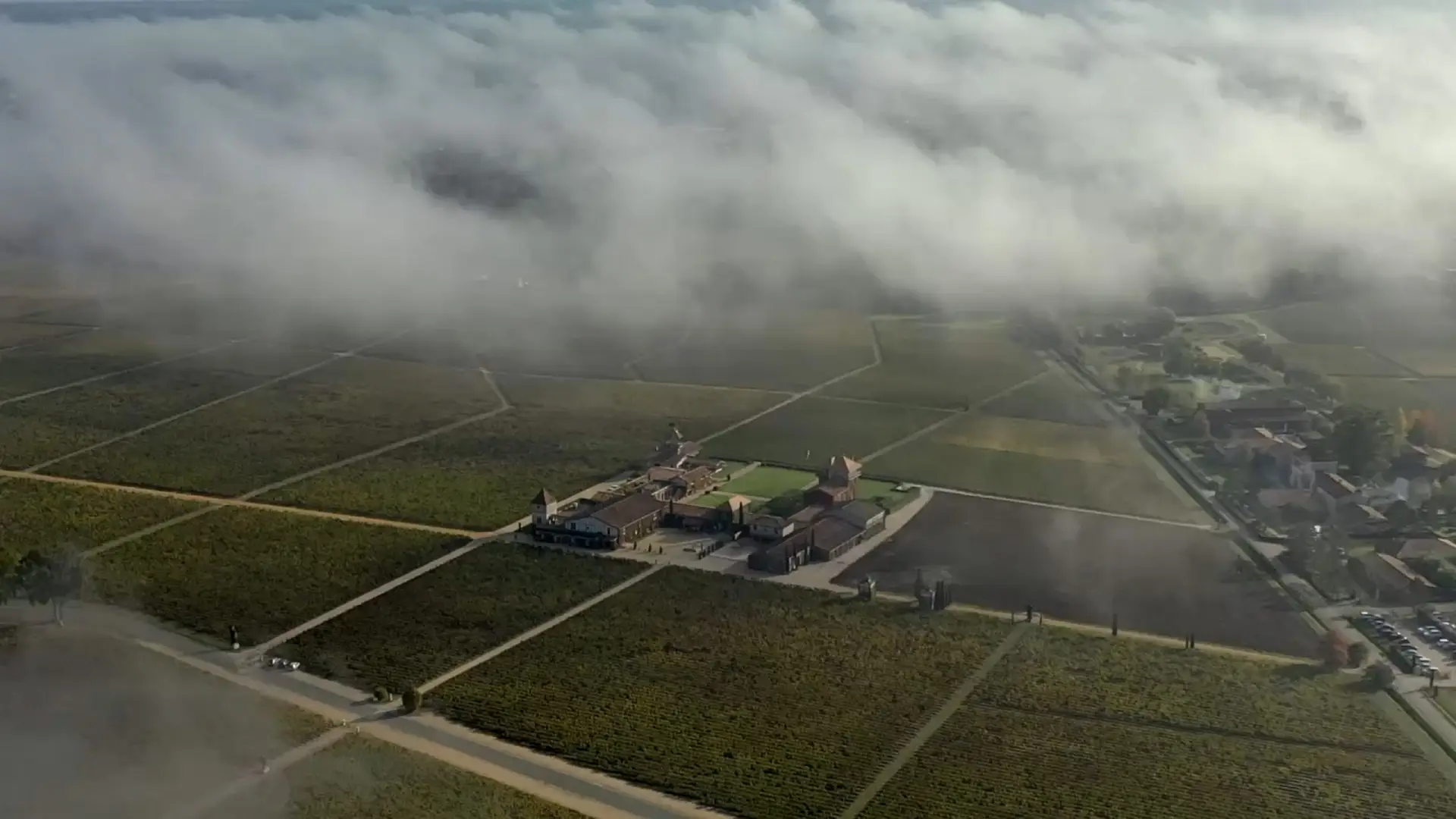
Disznókő reads like a place where history and geology share the stage. Perched on a steep south-facing slope in Tokaj, the estate’s volcanic rhyolite tuff and clay soils shape both vineyard character and the wines that follow. The property’s long pedigree—winemaking activity in the area since at least the 17th century and Disznókő’s status as one of the original dűlő classifications—gives the site a quietly iconic, historic presence. Scale matters here: more than 100 hectares of contiguous vineyard allow a consistent approach across exposures, so the landscape itself feels like the primary storyteller.
Best For
This is a destination for people who come to learn as much as they come to taste. Disznókő is tailored to wine education and close study of terroir: tastings are framed as an exercise in reading soil and slope, with Furmint and botrytis-affected Aszú at the center of the conversation. The estate’s pedigree and distinctive sweet wines also make it appropriate for special occasions when you want provenance and a sense of place to be part of the celebration.
Tasting Tips
When you visit, prioritize structured tastings that foreground the estate’s soil-driven contrasts—notes point squarely to exercising your palate across different parcels and elevations. Focus on Furmint in both dry and sweet expressions and include an Aszú to understand how botrytis and the site’s microclimate shape sweetness and acidity. Ask staff to frame pours by parcel or elevation so you can compare the rhyolite-dominant upper plots with the clayier lower sites; the description underscores those exact transitions as the estate’s point of interest.
Venue details
Ambiance
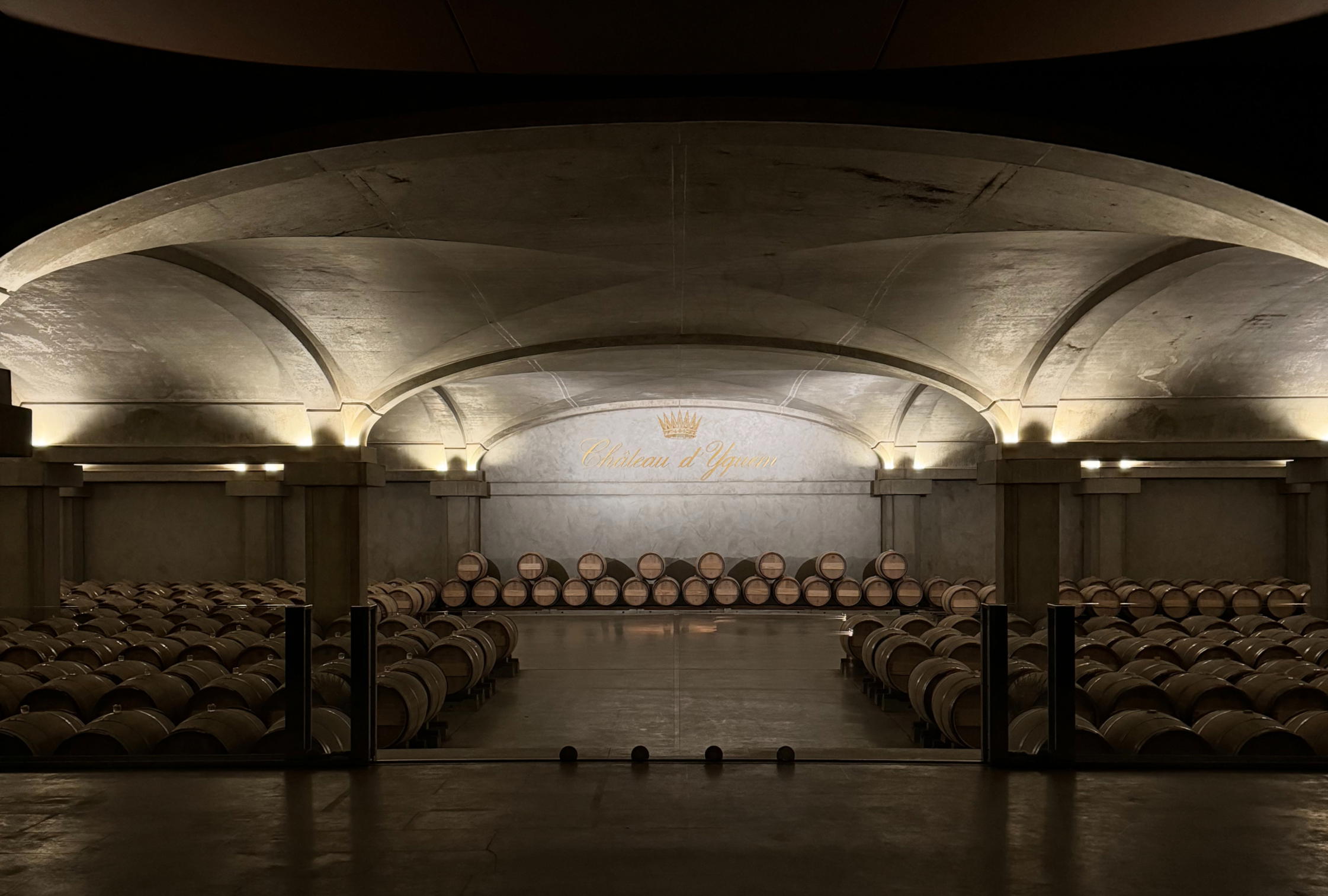
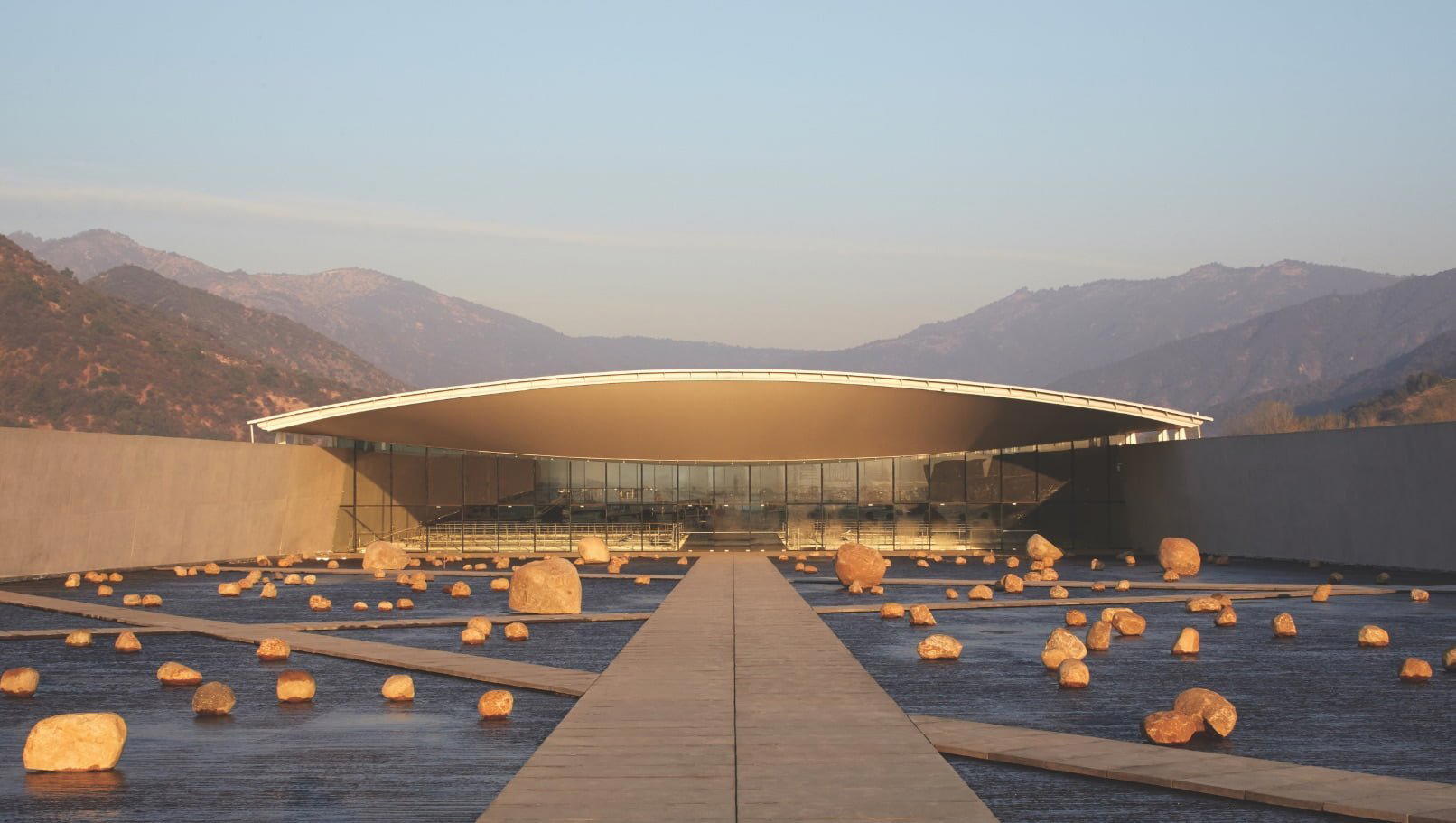
Historic cellars provide a charming, cool atmosphere for tastings; scenic vineyard setting with breathtaking views and elegant modern-traditional winery architecture.
Tags
Vibe
Best For
Experience
Sourcing
View
At the Vineyard
- Appellation
- Tokaj
- Varietals
- Furmint
- Tour Duration
- 60-90 minutes
- Tour Languages
- English
- Visits
- By reservation
- Farming
- Sustainable
- Wine Styles
- Still White, Dessert
- Food Pairing
- Offered
- Wine Club
- Not available
Know before you go
Know Before You Go
- Getting there
- 3931 Mezőzombor, Külterület, Hrsz.0202, Hungary
Planning details
Location
Recognition and awards

Also consider
Also Consider
- Szent Tamás Winery, Notable alternative
- Zsirai Winery, Notable alternative
- Holdvölgy, Notable alternative
- Szepsy, Notable alternative
- Gróf Degenfeld Winery, Notable alternative
Winery context
How it compares in Tokaj
Choose Szent Tamás Winery or Holdvölgy if the priority is a tighter cellar-led visit with less emphasis on estate grounds. Disznókő is the stronger pick when ambiance and vineyard context are part of the value calculation, while those peers may suit travelers trying to fit multiple Tokaj appointments into one day.
Szepsy is the sharper cross-shop for collectors who care first about producer reputation and are prepared for a tougher booking path. Disznókő feels more compelling for travelers who want the visit itself to carry the day, not just the label. Zsirai Winery is a better fallback for a more accessible Tokaj stop if the schedule needs flexibility.
Gróf Degenfeld Winery makes sense for visitors who want a broader hospitality feel around the wine experience. Disznókő is the better choice for a wine-focused explorer who wants the estate landscape to explain the region, while Gróf Degenfeld is easier to justify when the day also needs comfort, pacing, and non-wine-friendly structure.
Explore Mezőzombor
Around this place
Discover more on Pearl
Unlock the full Disznókő guide in Pearl, including awards, comparisons, FAQs, planning details, and nearby places.
Compare Disznókő
| Venue | Location | Awards |
|---|---|---|
| Disznókő | Mezőzombor | 2025 World's 50 Best Vineyards · #632023 World's 50 Best Vineyards · #45 |
| Szent Tamás Winery | Mád | No published awards |
| Zsirai Winery | Mád | No published awards |
| Holdvölgy | Mád | 2026 Falstaff Winery Guide |
| Szepsy | Mád | 2026 Falstaff Winery Guide2024 World's 50 Best Vineyards · #432023 World's 50 Best Vineyards · #35 |
| Gróf Degenfeld Winery | Tarcal | No published awards |

How Disznókő Mezőzombor compares with similar nearby venues.
FAQ
Frequently Asked Questions
When is the best time to visit Disznókő?
Use the opening hours as your planning baseline: Monday through Thursday from 10 AM to 6 PM, Friday and Saturday from 10 AM to 7 PM, and Sunday from 10 AM to 6 PM.
Does Disznókő offer shipping?
Does Disznókő offer a membership program?
How long should I plan for a visit to Disznókő?
What other venues are relevant comparisons for Disznókő?
Relevant comparison names include Szent Tamás Winery, Zsirai Winery, Holdvölgy, Szepsy, and Gróf Degenfeld Winery. Confirm locations, hours, and visit requirements separately before building an itinerary.