
Château de Malle
Preignac, La Cadière-d'Azur
Winery in La Cadière-d'Azur, France
 Book with Pearl
The Read
Limestone-Rooted Bandol Viticulture
Price
$50–100tasting
Why go
Château de Malle is worth targeting for a slower, occasion-led winery visit in La Cadière-d'Azur, especially if a private or more personal tasting format is available. The draw is heritage and setting rather than convenience, so confirm access before building a full day around it.
About Château de Malle
Château de Malle in La Cadière-d'Azur belongs on a serious shortlist for its location, Comte de Bournazel as chef/owner, a smart casual dress code, and Pearl 3 Star Prestige recognition for 2025. Travelers should still contact the venue directly before planning around visit formats, menus, drinks, prices, hours, booking rules, or on-site services. In practical terms, restraint matters: the essentials establish relevance, while important planning questions should be settled with the venue before committing to an itinerary.
For travelers comparing notable options in the wider region, Château de Malle is most useful as a Pearl-recognized venue with a clear location, named chef/owner, dress expectation, and 2025 recognition. If the occasion depends on a particular service, meal, or timed itinerary, check those details first and avoid assuming that additional offerings are available. This is especially important for travelers arranging a special stop, coordinating with companions, or fitting several venues into the same day.
Choose it for a Pearl-recognized stop in La Cadière-d'Azur
The grounded case for Château de Malle is direct: it is in La Cadière-d'Azur, it carries Pearl 3 Star Prestige recognition for 2025, and the stated dress code is smart casual. That makes it a venue to approach with a more considered plan than a casual last-minute stop, while still avoiding assumptions about format, availability, or what is included. The smart casual note is useful because it gives guests a basic tone to follow, but broader questions that often shape a visit, such as whether there is a set structure, a dining component, or a defined arrival process, should be asked directly.
Before building a day around Château de Malle, contact the venue for current hours, prices, menus, food service, visit structure, and booking conditions. Treat the recognition as a signal of standing, not as a complete operational guide. If you are comparing Château de Malle with other notable regional names such as Château Miraval, Château Simone, Château de Brégançon, Château de Pibarnon, or Domaine de la Sanglière, keep each venue's details separate and check current information directly. That approach prevents one property's known offering from being mistakenly projected onto another, which is a common risk when planning from regional reputation alone.
Plan from the essentials, not assumptions
Use the essentials as the planning floor: La Cadière-d'Azur location, Comte de Bournazel as chef/owner, smart casual dress, and Pearl 3 Star Prestige recognition in 2025. Ask the venue directly about anything more specific, including visit length, dining availability, private formats, special-occasion arrangements, and other on-site services. A sensible plan is to begin with the essentials, then ask targeted questions about the exact experience you want, rather than relying on implication or comparison. Château de Malle is best suited to travelers who are comfortable checking practical details before committing their time.
Planning details
- Location
- 410 Chemin de la Croix des Signaux, 83740 La Cadière-d'Azur, France
- Website
- chateau-de-malle.fr
- Phone
- +33 5 56 63 59 33
The take
The Take
The Vibe
Château de Malle reads as a deeply historic, terroir-forward estate. The write-up foregrounds a lineage that stretches back to a documented 1670 vintage and treats continuity as a working method rather than mere nostalgia. That long view yields wines framed by geological detail — limestone outcrops and clay seams — and the copy positions the domaine as a producer of layered, terroir-driven bottlings recognized by rigorous national selectors. The overall impression is refined and knowledgeable: a place where history and careful observation shape tasting profiles rather than trend-led stylistic gestures.
Best For
This estate is best for people who prize terroir literacy and structured, complex wines. The text emphasizes centuries of site-specific observation and an award-level reputation, making the property a natural stop for visitors focused on wine education, collectors seeking benchmark estate bottlings, or small gatherings that want a distinctive, serious wine experience. The writing suggests a setting that rewards deliberate tasting and discussion rather than casual, lightweight rosé outings.
Tasting Tips
When selecting wines here, look for estate bottlings that articulate the interplay between ripe fruit and a saline, mineral backbone; the description repeatedly highlights that structural tension as a defining characteristic. Favor cuvées or vintages noted for expression of soils — the write-up contrasts limestone outcrops with clay seams — and consider higher-tier or prestige-labeled releases, which the text signals are recognized by national awards. In tasting room contexts, lean into side-by-side comparisons that reveal vintage and parcel-driven differences.
Venue details
Ambiance
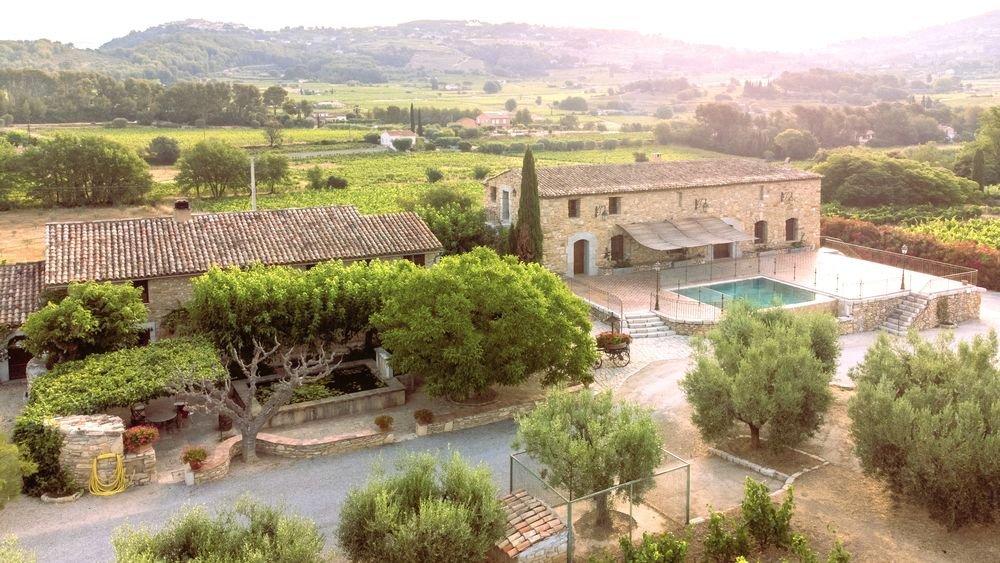
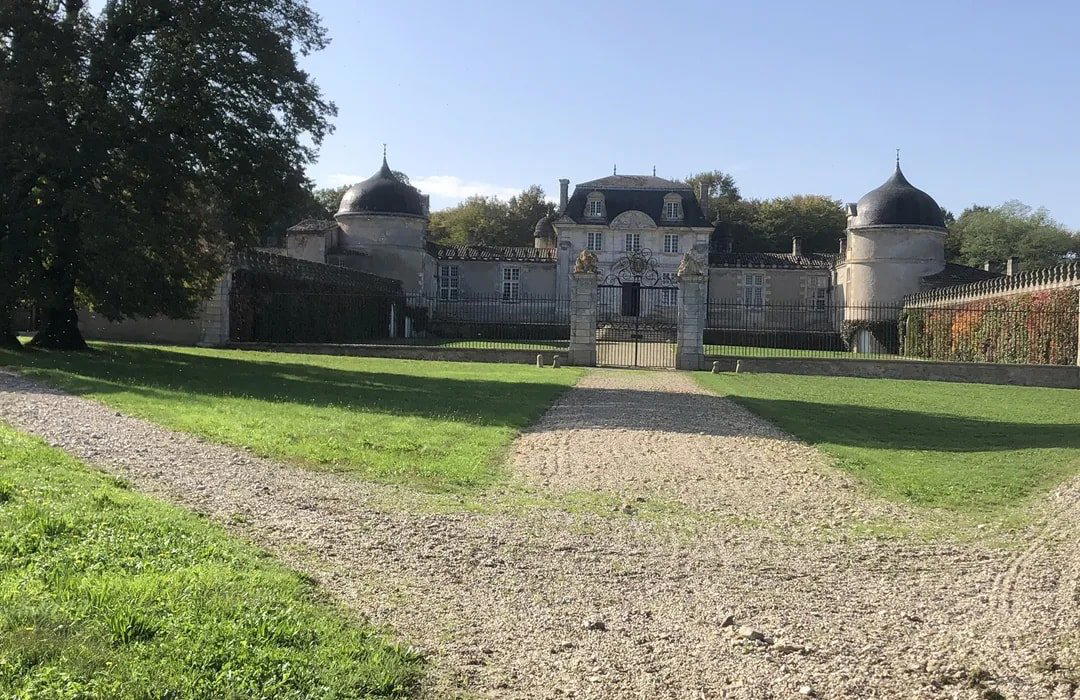
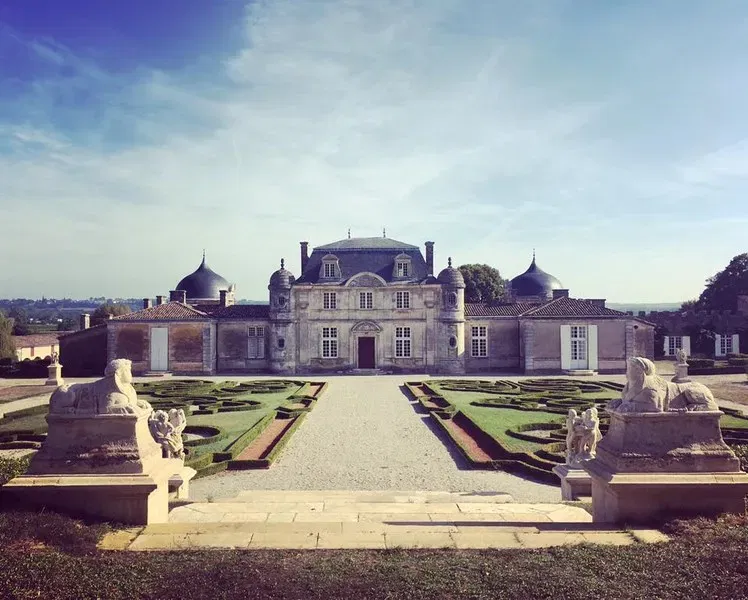
Refined and historic with elegant grounds featuring a reflecting lake and parkland surroundings, evoking classical French estate charm.
Tags
Vibe
Best For
Experience
View
At the Vineyard
- Appellation
- Sauternes AOC, Graves AOC
- Varietals
- Semillon, Sauvignon Blanc, Muscadelle, Merlot, Cabernet Sauvignon
- Tour Duration
- 90-120 minutes
- Tour Languages
- French, English
- Visits
- By appointment only
- Wine Styles
- Dessert, Still White, Still Red
- Food Pairing
- Offered
- Wine Club
- Not available
Know before you go
Know Before You Go
- Getting there
- 410 Chemin de la Croix des Signaux, 83740 La Cadière-d'Azur, France
Planning details
Location
410 Chemin de la Croix des Signaux, 83740 La Cadière-d'Azur, France · Directions
Recognition and awards
Also consider
Where to look if this does not line up
If Château de Malle is not available, start with Château de Pibarnon for a serious winery stop that still feels destination-worthy. For a more wine-reference-driven alternative, Château Simone is the cleaner cross-shop.
If the priority is keeping the day moving rather than holding out for a harder slot, compare Domaine de la Sanglière and Château de Brégançon before locking the rest of the itinerary.
Winery context
How Château de Malle compares nearby
Choose Château de Malle when the goal is a formal, heritage-led winery visit with a special-occasion feel. Château de Pibarnon is the more obvious cross-shop for travelers who want a serious regional wine stop with a strong estate identity, while Château Miraval will appeal more to visitors who care about name recognition and a broader Provence itinerary.
For ambiance, Château de Malle is the pick when the château setting is part of the point. Château Simone reads as the stronger choice for wine-focused travelers who want a classic Provence reference point, while Domaine de la Sanglière and Château de Brégançon are better backups if availability matters more than ceremony.
Booking difficulty is the deciding factor. If Château de Malle access lines up, prioritize it for a celebration or small-group tasting. If the schedule is fixed, Château de Pibarnon or Château Simone are cleaner alternatives for a wine-first day, while Domaine de la Sanglière and Château de Brégançon are easier names to keep in the backup column.
Explore La Cadière-d'Azur
Around this place
Discover more on Pearl
Unlock the full Château de Malle guide in Pearl, including awards, comparisons, FAQs, planning details, and nearby places.
Compare Château de Malle
| Venue | Location | Awards |
|---|---|---|
| Château de Malle | La Cadière-d'Azur | 2025 Pearl 3 Star Prestige |
| Château de Pibarnon | Roquefort-la-Bédoule | 2025 Pearl 3 Star Prestige |
| Château Miraval | Correns | 2025 Pearl 2 Star Prestige |
| Château Simone | Meyreuil | 2025 Pearl 3 Star Prestige |
| Domaine de la Sanglière | Bormes-les-Mimosas | 2025 Pearl 3 Star Prestige |
| Château de Brégançon | Saint-Cyr-sur-Mer | 2025 Pearl 2 Star Prestige |
How Château de Malle compares with similar nearby venues.
FAQ
Frequently Asked Questions
How long should I plan for a visit to Château de Malle?
Confirm the current visit length and service format directly with Château de Malle before setting aside time, especially if the stop is part of a larger La Cadière-d'Azur itinerary.
Does Château de Malle serve food?
Do not plan on dining at Château de Malle unless the venue confirms that option directly.
When is the best time to visit Château de Malle?
What is the dress code at Château de Malle?
The dress code for Château de Malle is smart casual.
What recognition does Château de Malle have?
Château de Malle holds Pearl 3 Star Prestige recognition for 2025.
What other venues can I compare with Château de Malle?
For regional comparison, travelers may also look at Château de Pibarnon, Château Miraval, Château Simone, Domaine de la Sanglière, and Château de Brégançon. Confirm each venue's current location details, hours, and services directly before building a route.