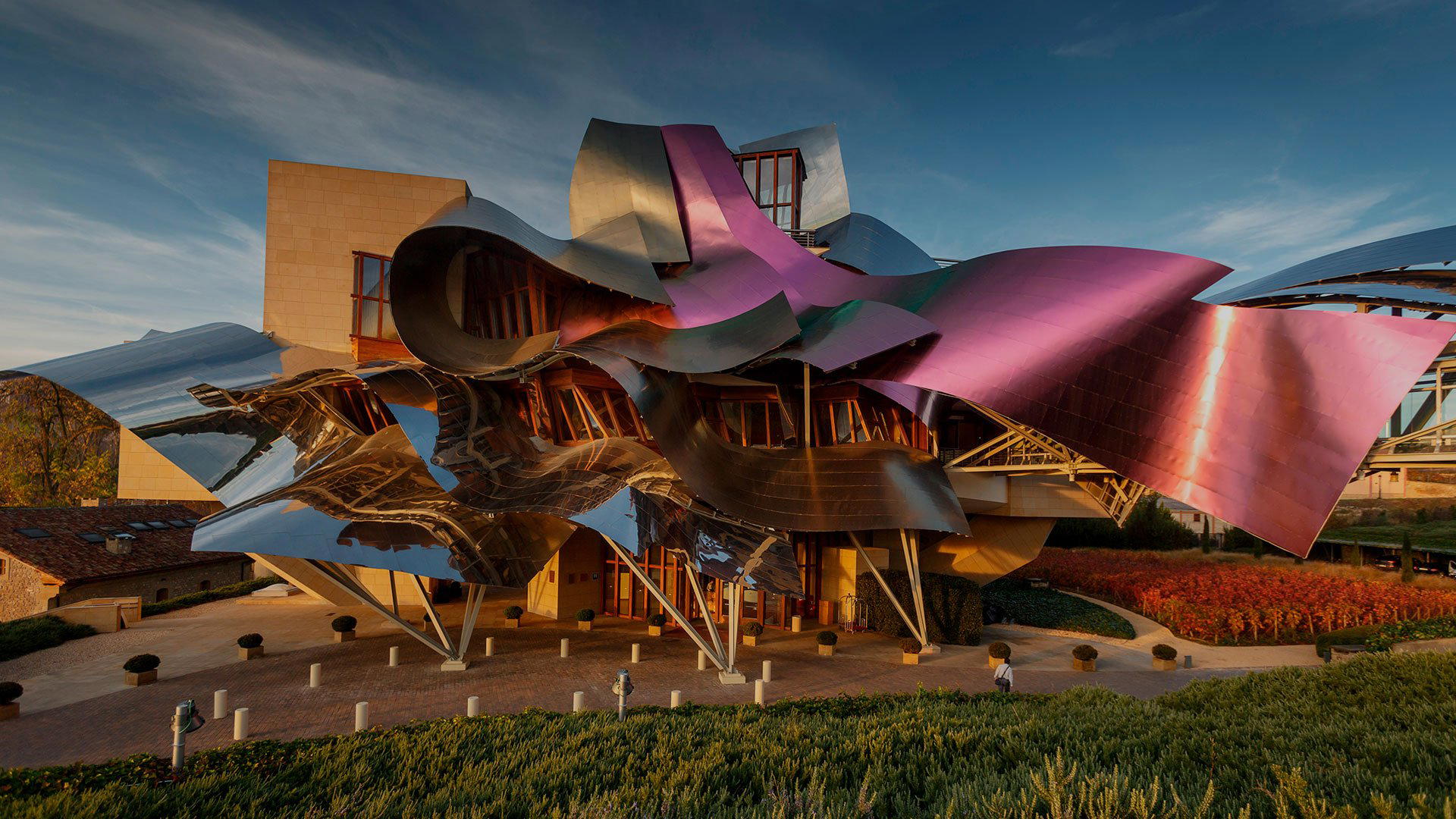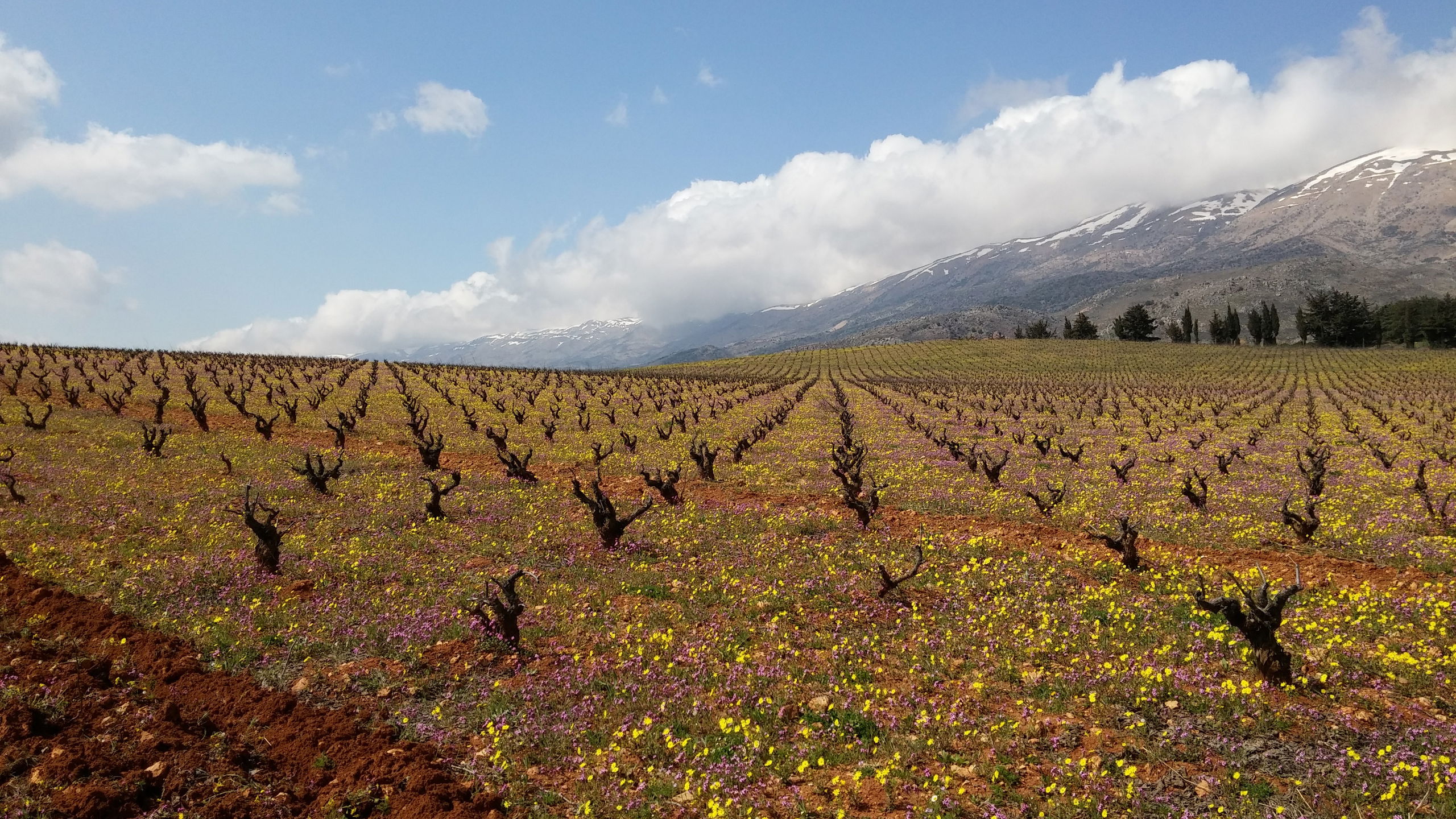


Château Kefraya
West Bekaa Valley, Kafraya
Winery in Kafraya, Lebanon
 Book with Pearl
The Read
Limestone-Driven Bekaa Viticulture
Why go
Prioritise Château Kefraya for a wine-focused celebration or planned Bekaa Valley winery day, especially if international recognition matters to the group. It is less suited to a casual, low-effort tasting stop; availability and transport planning are the main deciding factors.
About Château Kefraya
Château Kefraya is a Kafraya venue with a strong recognition profile: Pearl 3 Star Prestige in 2025 and a #41 placement on World's 50 Best Vineyards in 2023. Those accolades make it a strong candidate for travellers who want a visit anchored by a recognised name rather than an interchangeable stop.
That recognition does not automatically make it the right choice for every plan. If logistics are the main concern, compare it with other options such as Château Cana, Château Heritage, Château Héritage, Château Oumsiyat, or Karam Wines before committing. If the occasion calls for a recognised Kafraya name, Château Kefraya is the venue to consider first. The dress code is smart casual.
Choose it for a recognised Kafraya venue, not an improvised stop
The strongest reason to prioritise Château Kefraya is its standing. Pearl 3 Star Prestige and World's 50 Best Vineyards #41 give the visit a clear point of difference, especially for travellers who care about external recognition when choosing where to spend time in Kafraya.
Keep the plan practical and check current visit details directly before you go. Hours, prices, menus, tour formats, transport arrangements, and booking rules should be checked through the venue's official channels before building the day around them.
Worth it for recognition-led Kafraya plans if the details work
The value case is strongest when the accolades matter to the group. A visit may make sense for travellers who want a Kafraya venue with Pearl 3 Star Prestige and World's 50 Best Vineyards recognition, while visitors looking only for the simplest option should compare alternatives before deciding.
For a broader Kafraya trip, keep the rest of the day simple and check each component separately. Other dining or hospitality choices in Kafraya can be planned around the venue, while Château Kefraya's specific service format, menu, price point, and schedule should be checked directly.
Planning details
- Location
- Kefraya Road, Kafraya, 16-5768
- Website
- chateaukefraya.com
- Phone
- +961 1 485207
The take
The Take
The Vibe
Château Kefraya reads like a place rooted in place and history: arriving through limestone and altitude frames the visit before a single sip. The writing emphasizes the Bekaa’s long winemaking arc — from Phoenician-era production to a modern revival — which gives the estate a classic, historic aura rather than a flash-in-the-pan, tasting-room vibe. The landscape is the protagonist here: cooling nights, dry air and exposed soils create a measured, contemplative atmosphere. Visitors can expect an elegant, low-key experience that prioritizes terroir and geological context over gimmickry.
Best For
This estate is best for visitors who want to understand wine as a product of place. The text foregrounds terroir, elevation and climatic contrast, so Château Kefraya suits educational tastings and visits that focus on geology and viticultural practice. It also rewards visitors who appreciate a scenic, historic setting—those marking a special occasion or joining a focused group outing for a deeper exploration of Lebanese terroir will find the context especially meaningful. The emphasis is on learning and observation rather than loud socializing.
Tasting Tips
Frame your visit around terroir: ask staff to explain how elevation, limestone soils and the valley’s diurnal swings shape the wines. Because the piece stresses structural intensity from high-altitude vines and irrigation discipline, request comparative tastings or any lineup that highlights different parcels or vintages so you can track that structure. Prioritize wines that illustrate the Bekaa’s characteristic acidity and concentration, and steer conversation toward site, soil and climate to make the most of the estate’s educative strengths.
Venue details
Ambiance
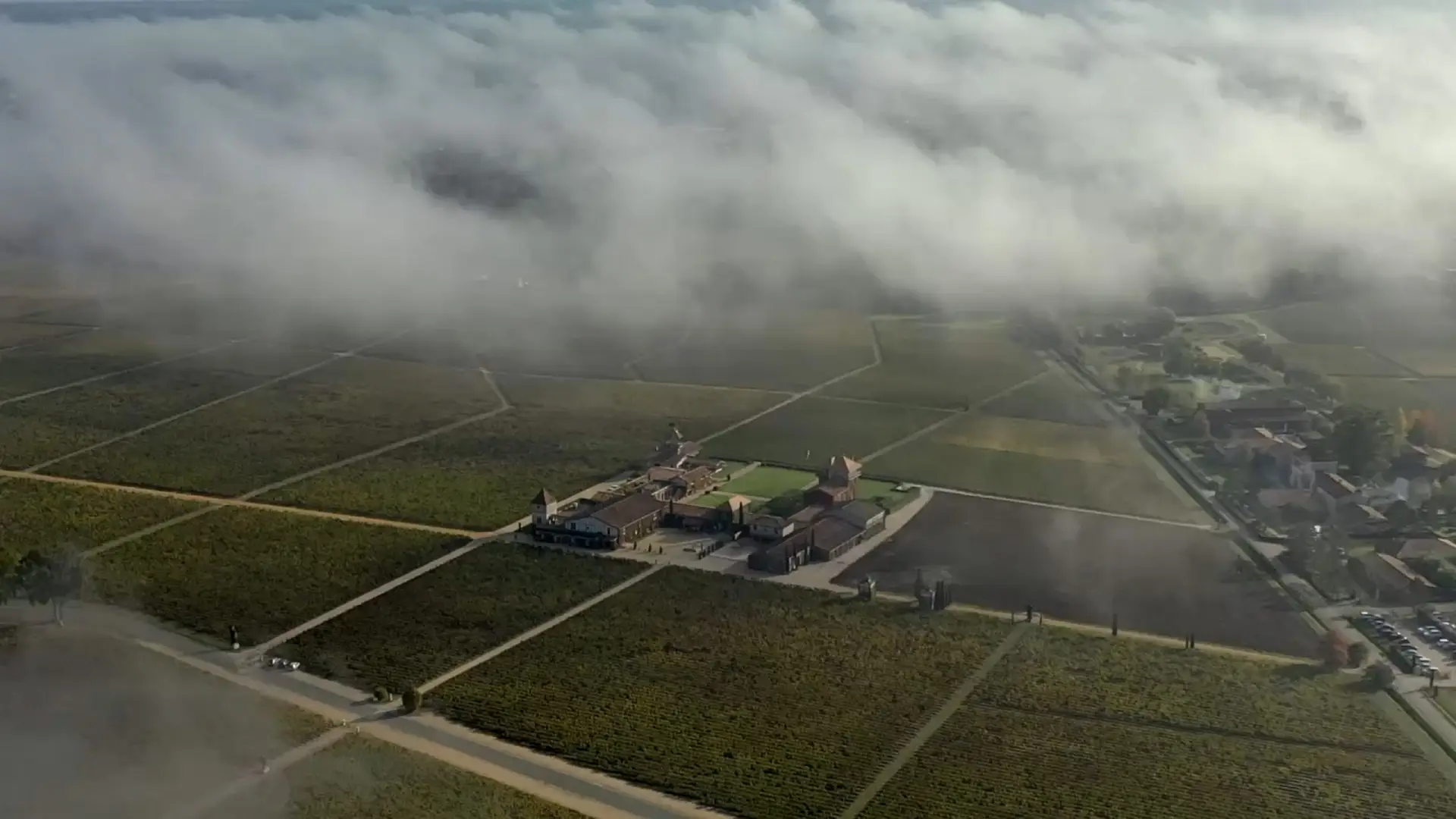
Elegant and refined atmosphere evoking ancient heritage amid terraced vineyards and mountain foothills.
Tags
Vibe
Best For
Experience
Sourcing
View
At the Vineyard
- Appellation
- Bekaa Valley
- Varietals
- Cabernet Sauvignon, Syrah, Chardonnay, Viognier, Carmenère
- Tour Duration
- 60-90 minutes
- Visits
- By reservation
- Farming
- Sustainable
- Wine Styles
- Still Red, Still White, Still Rose
- Wine Club
- Not available
Know before you go
Know Before You Go
- Getting there
- Kefraya Road, Kafraya, 16-5768
Planning details
Location
Recognition and awards


Also consider
Where to Look If You Can't Get In
If availability does not work, try Château Cana for a winery day that can feel less formal, or Karam Wines if the group wants another Lebanese producer without making the whole day depend on one hard-to-secure visit.
Winery context
How It Compares
Château Kefraya is the stronger choice when the day needs polish, recognition, and a sense of occasion. Compared with Château Heritage and Château Héritage, it reads as the more occasion-led option, but that also means it is less forgiving if the group is trying to keep plans loose.
If ease matters more than name value, cross-shop Château Cana and Karam Wines before committing. Those make more sense for travellers building a flexible wine-country day, while Château Kefraya is better for visitors who want the winery to be the anchor.
Château Oumsiyat is the better comparison for readers weighing atmosphere against booking friction. Choose Château Kefraya when recognition and a more formal estate feel matter; choose the alternatives when value, flexibility, or a lower-pressure visit matters more.
Explore Kafraya
Around this place
Discover more on Pearl
Unlock the full Château Kefraya guide in Pearl, including awards, comparisons, FAQs, planning details, and nearby places.
Compare Château Kefraya
| Venue | Location | Awards |
|---|---|---|
| Château Kefraya | Kafraya | 2026 Falstaff Winery Guide2025 World's 50 Best Vineyards · #922024 World's 50 Best Vineyards · #462023 World's 50 Best Vineyards · #41 |
| Château Heritage | Bekaa Valley | 2026 Falstaff Winery Guide2025 World's 50 Best Vineyards · #332024 World's 50 Best Vineyards · #352021 World's 50 Best Vineyards · #392020 World's 50 Best Vineyards · #482019 World's 50 Best Vineyards · #49 |
| Château Héritage | Bekaa Valley | 2026 Falstaff Winery Guide2025 World's 50 Best Vineyards · #332024 World's 50 Best Vineyards · #352021 World's 50 Best Vineyards · #392020 World's 50 Best Vineyards · #482019 World's 50 Best Vineyards · #49 |
| Château Cana | بحمدون | 2026 Falstaff Winery Guide2021 World's 50 Best Vineyards · #48 |
| Karam Wines | Southern Lebanon | 2021 World's 50 Best Vineyards · #14 |
| Château Oumsiyat | Bekaa Valley | 2021 World's 50 Best Vineyards · #212020 World's 50 Best Vineyards · #38 |
How Château Kefraya Kafraya compares with similar nearby venues.
FAQ
Frequently Asked Questions
When is the best time to visit Château Kefraya?
Choose a time only after checking current visit details with the venue, including opening hours, visit times, and seasonal scheduling.
How long should I plan for a visit to Château Kefraya?
Plan only after checking the latest details directly. Visit length, service format, and reservation timing should be checked before travelling to Kafraya.
Where is Château Kefraya?
Château Kefraya is in Kafraya. For door-to-door planning, check the venue's official directions before travelling.
What recognition does Château Kefraya have?
Château Kefraya has Pearl 3 Star Prestige recognition for 2025 and was ranked #41 on World's 50 Best Vineyards in 2023.