

Jordan Vineyard & Winery
Alexander Valley, Healdsburg
Winery in Healdsburg, United States
 Book with Pearl
The Read
Bordeaux-Referenced Restraint
Price
$50–100tasting
Why go
Jordan Vineyard & Winery is the Healdsburg pick for travelers who want a polished Alexander Valley estate visit rather than a casual downtown tasting-room stop. Book it when wine context and a food-pairing format matter more than flexibility; choose Banshee Wines or Simi Winery instead if the group needs an easier, lower-friction Healdsburg option.
About Jordan Vineyard & Winery
Keep Jordan Vineyard & Winery on a Healdsburg shortlist for its recognized status and its fit for visitors who want a polished winery stop.
Book with current details, not assumptions
Jordan Vineyard & Winery is best considered by travelers who are deliberately choosing a Healdsburg winery and want a venue with clear prestige markers.
The dress code is smart casual, so plan attire accordingly, but avoid building the day around specifics such as a particular menu, seating setup, or service style without checking first.
Where it fits in a Healdsburg wine day
For a tighter Healdsburg itinerary, use Our full Healdsburg wineries guide to build the wine route, then keep meal and sleep logistics separate with Our full Healdsburg restaurants guide, Our full Healdsburg hotels guide, Our full Healdsburg bars guide, and Our full Healdsburg experiences guide.
Cross-shop by mood and schedule. Banshee Wines, Edmeades Winery, Sbragia Family Vineyards, Simi Winery, and Stonestreet Winery are natural names to consider alongside Jordan Vineyard & Winery when comparing winery options. Other dining in Healdsburg can be planned separately if the day also needs a meal.
The decision here is simple: choose Jordan Vineyard & Winery when the trip calls for a recognized Healdsburg winery with smart-casual expectations.
Planning details
- Location
- 1474 Alexander Valley Rd, Healdsburg, CA 95448
- Website
- jordanwinery.com
- Phone
- +1 707-431-5250
The take
The Take
The Vibe
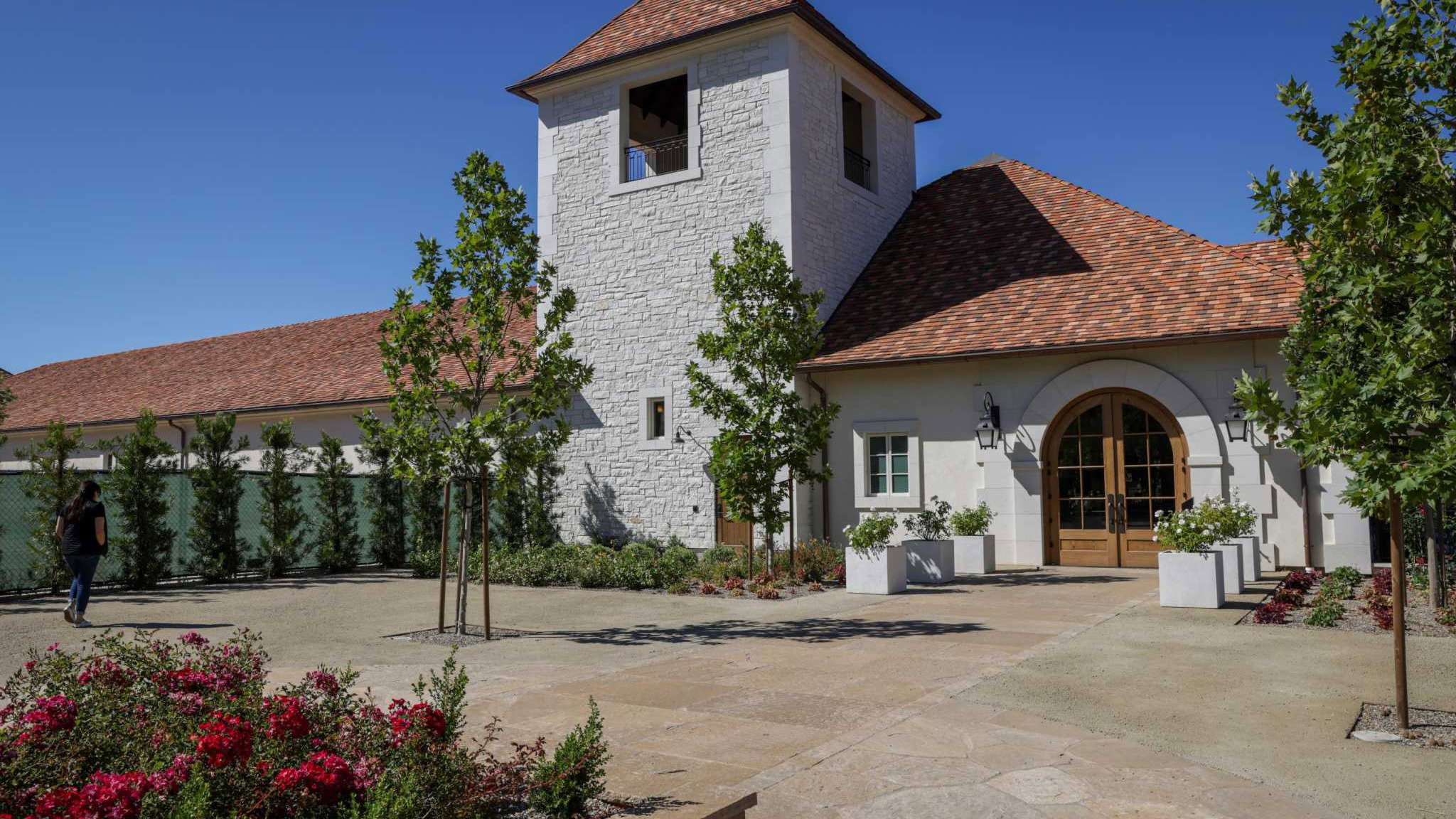
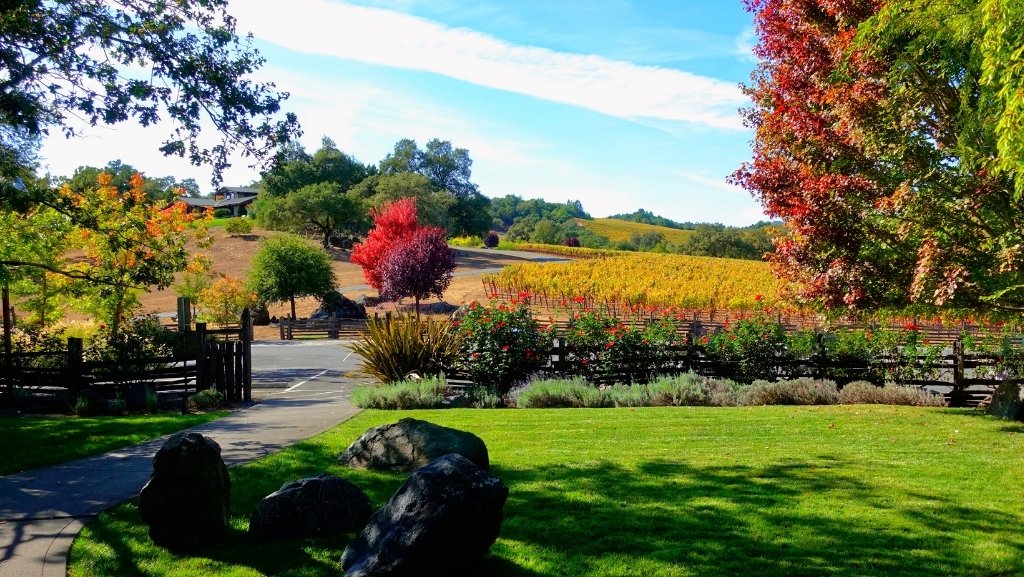
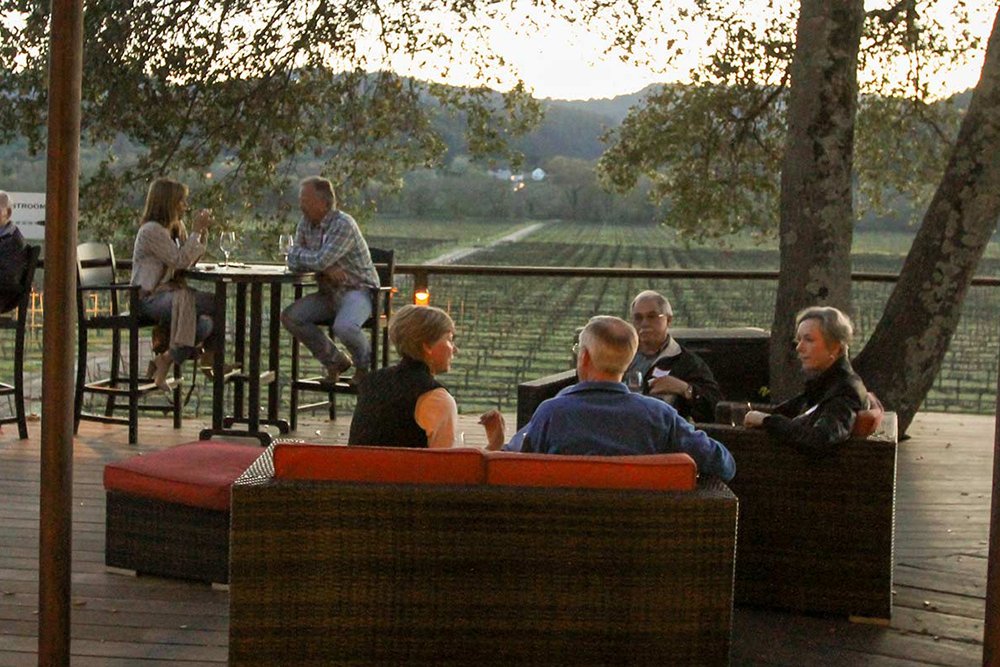
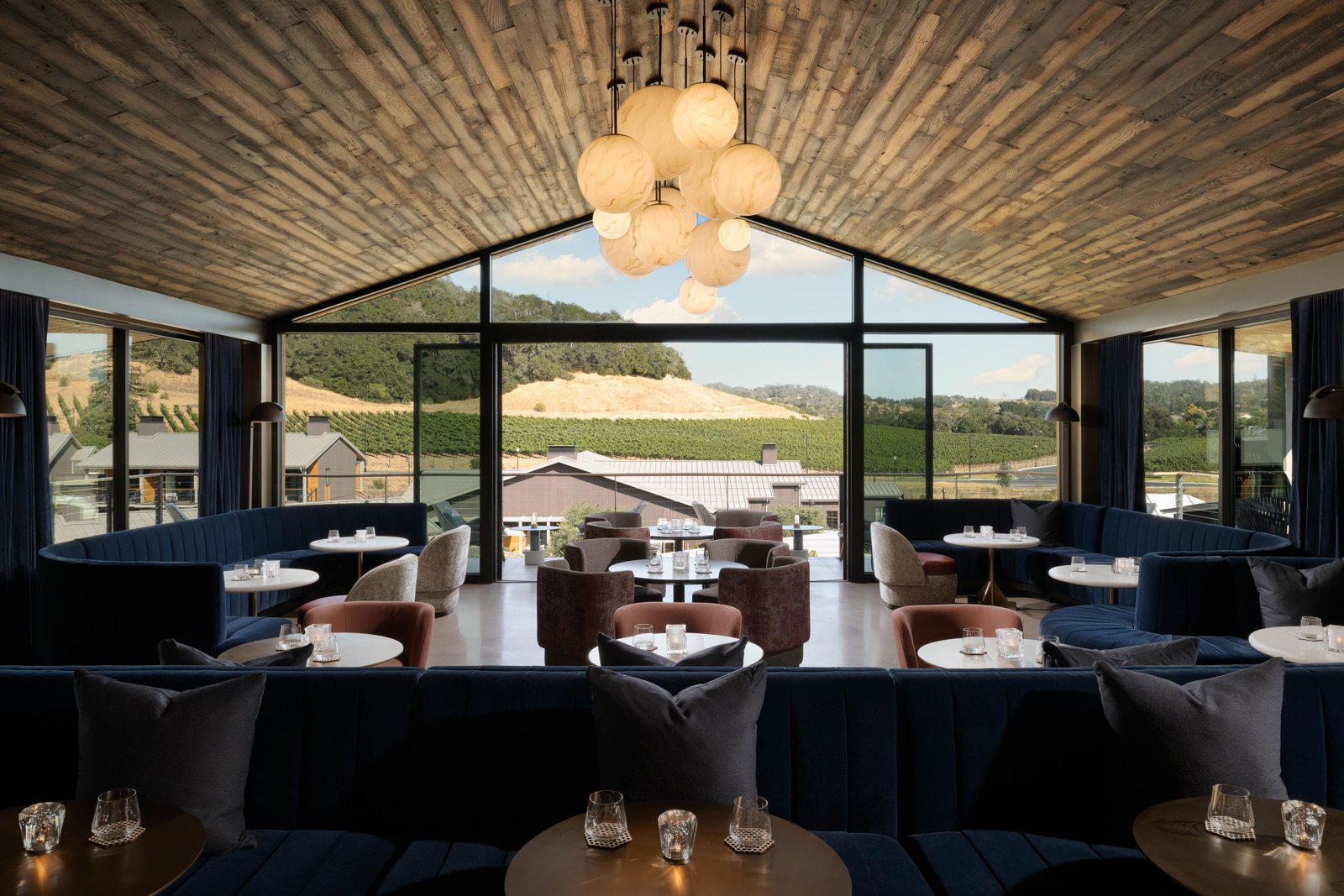
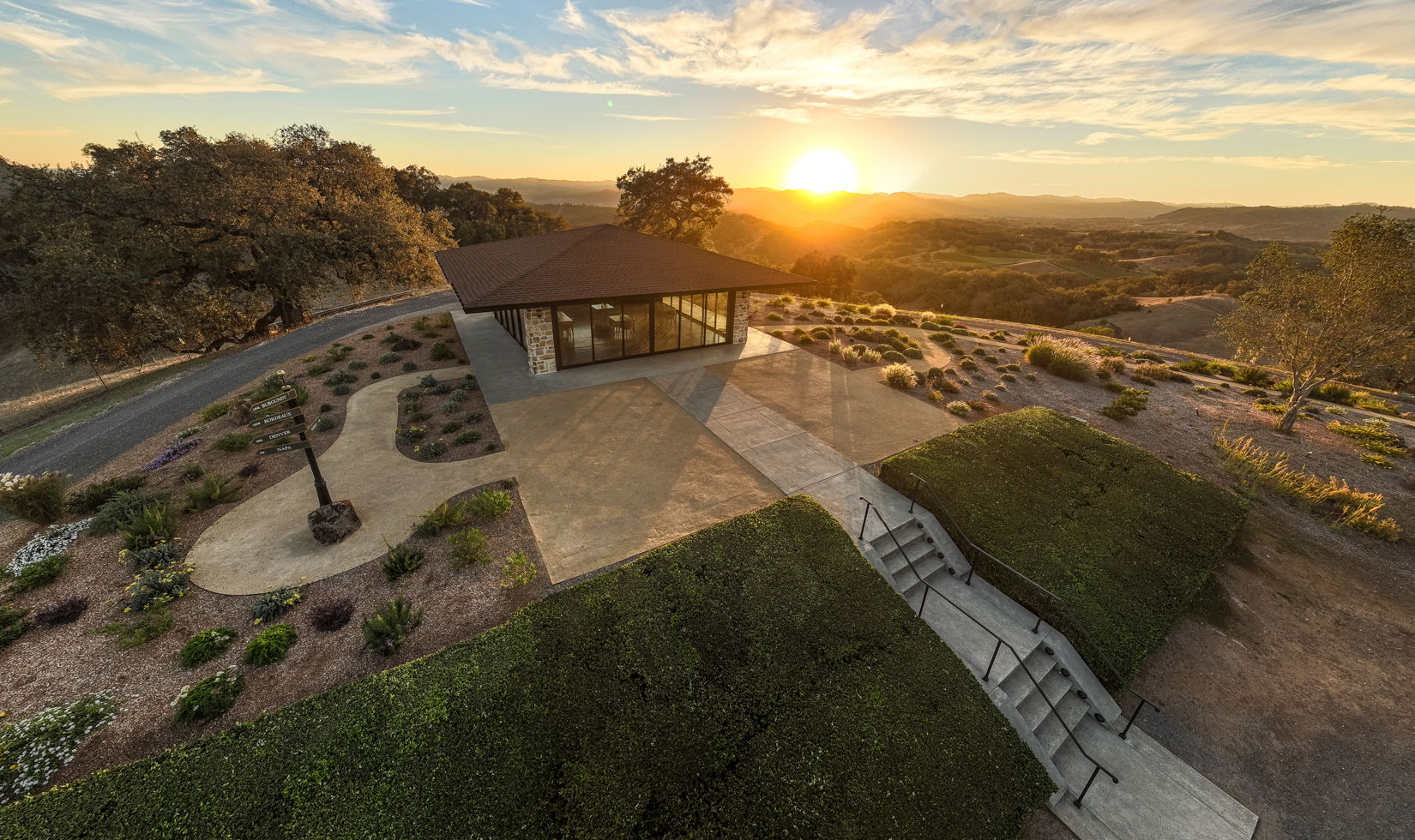
Jordan Vineyard & Winery presents itself as a cultivated, historic estate that frames California fruit in the language of Bordeaux. The ivy-clad château and the rolling Alexander Valley hills create a deliberate architectural identity that reads as old‑world form over new‑world terroir. Across five decades the property refines rather than reinvents its thesis, favoring restraint, clarity and food‑friendly structure over flashy ripeness. That combination produces a serene, charming sense of place: visitors encounter a measured, architecturally driven estate where landscape and winemaking work in concert to emphasize nuance and longevity.
Best For
Jordan is well suited to visitors who prize thoughtful tasting and a strong sense of place: couples on a romantic getaway, groups marking a special occasion and wine lovers focused on education. The estate’s longstanding emphasis on restrained Cabernet Sauvignon alongside a Chardonnay program lends itself to side‑by‑side comparison and conversations about terroir and stylistic choices. Because the house intentionally positions its wines to pair with food, Jordan rewards slower, meal‑oriented visits and visitors who want to trace how a single estate has evolved across decades.
Tasting Tips
When tasting at Jordan, center your attention on the winery’s flagship Cabernet Sauvignon and its Chardonnay program: those two wines define the house style referenced in the estate history. Ask staff to point out the estate’s lower‑alcohol, food‑friendly approach and to compare vintages to hear how restraint and oak use have changed over time. Request context about Alexander Valley and the Russian River sources mentioned for the Chardonnay to understand site influences, and focus on structure, acidity and balance when planning food pairings that complement the wines’ measured style.
Venue details
Ambiance
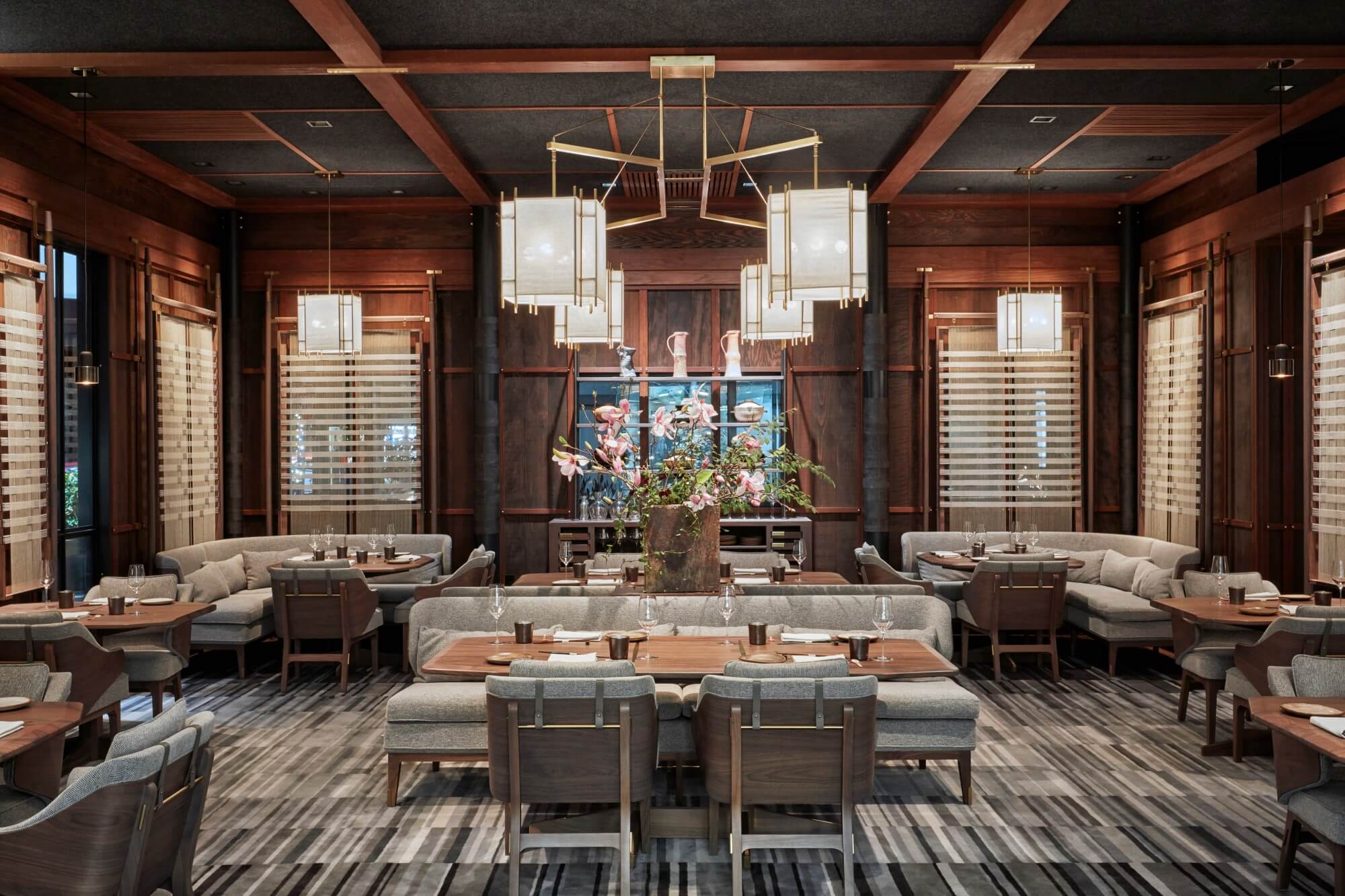
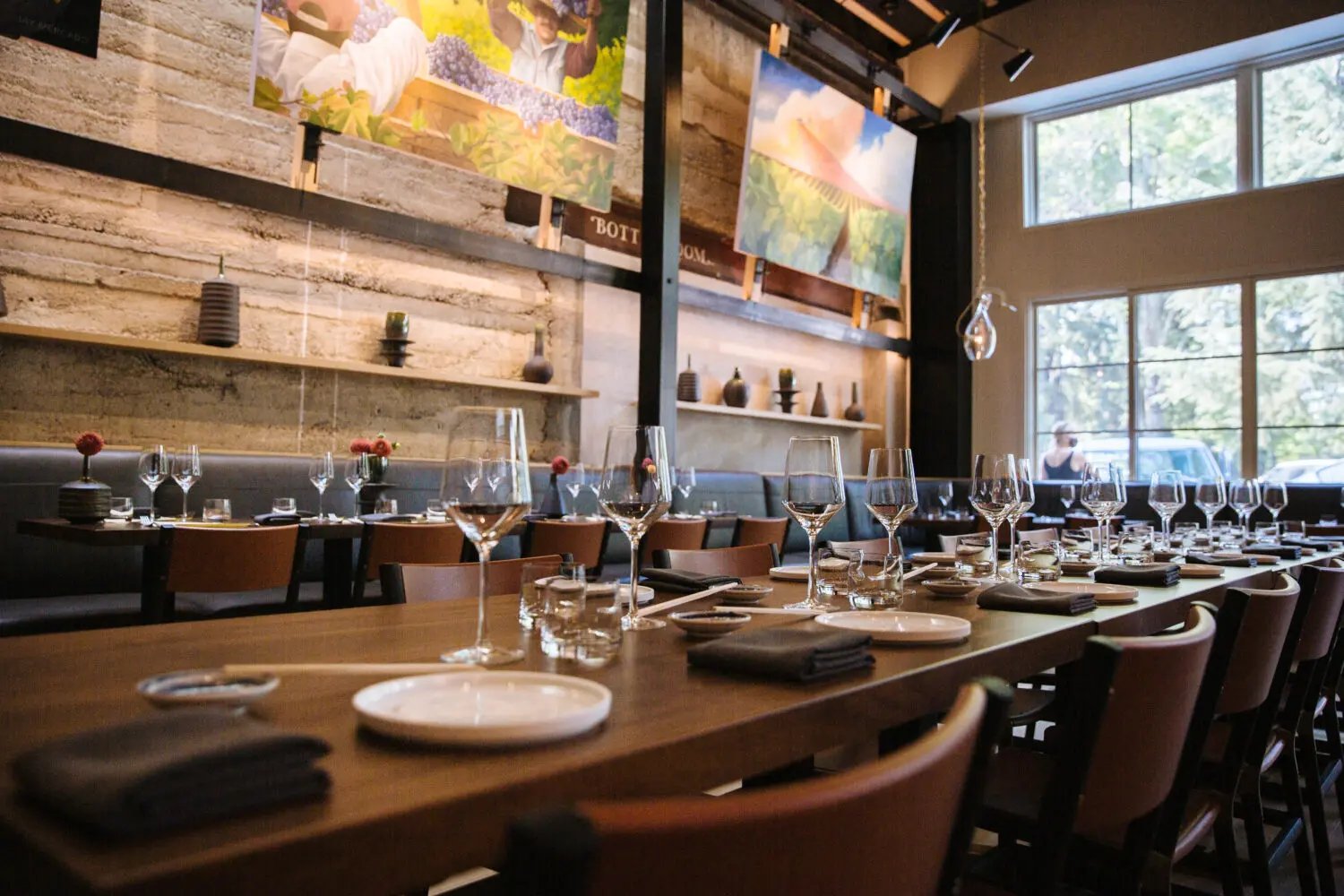
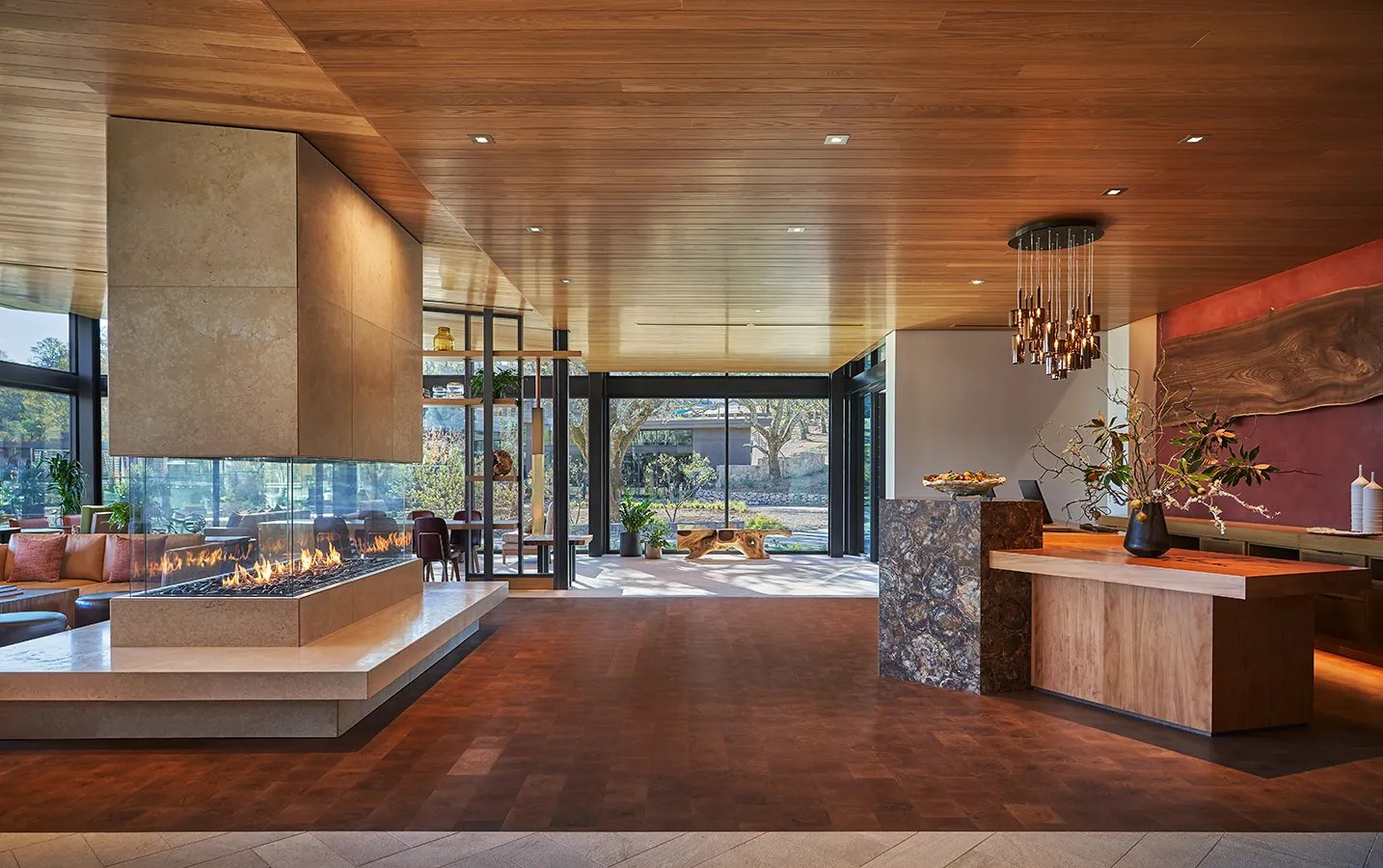
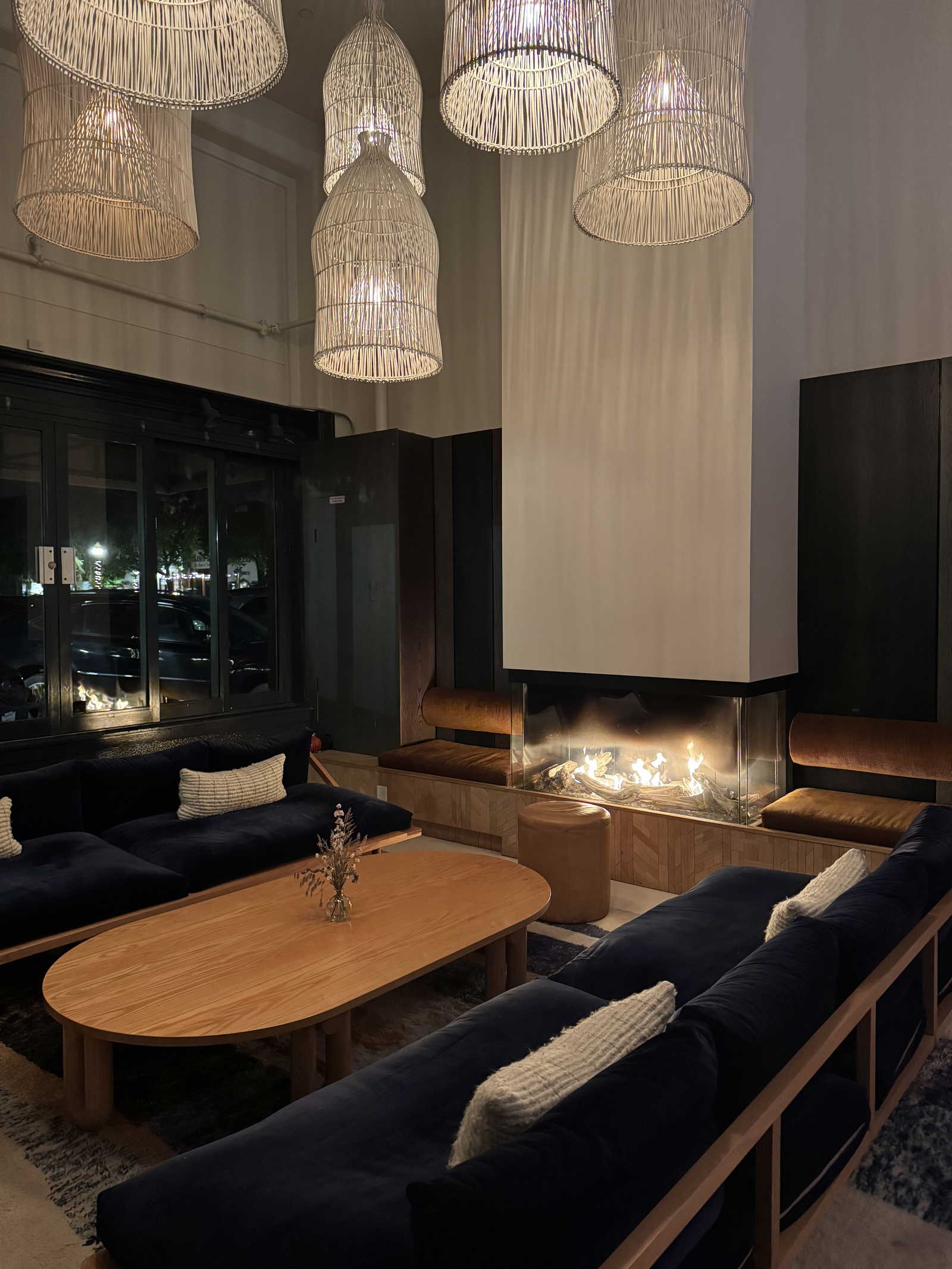
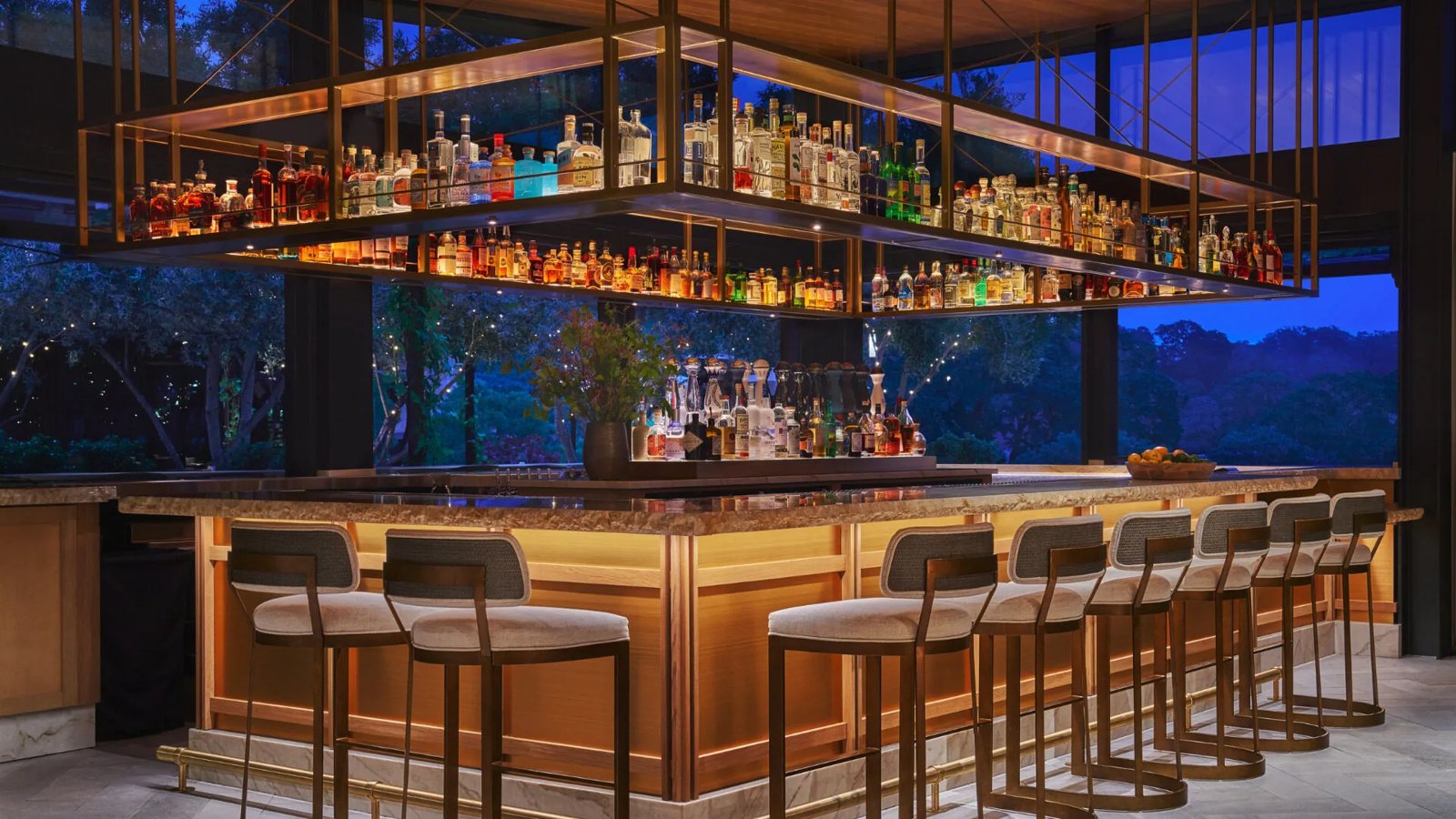
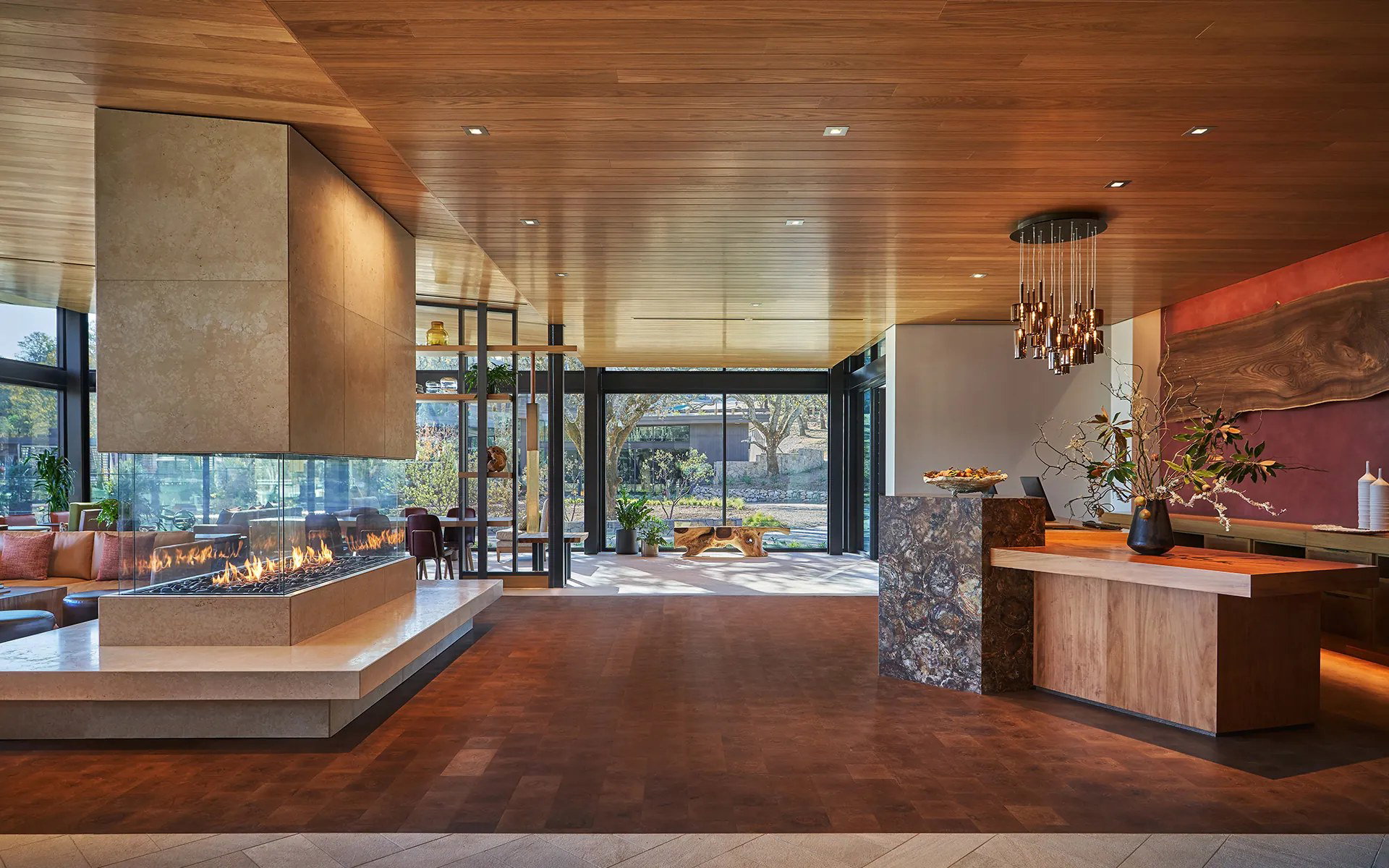
Elegant and sophisticated with a French chateau atmosphere, featuring natural beauty, hospitality-focused design, and serene estate grounds.
Tags
Vibe
Best For
Experience
Sourcing
View
At the Vineyard
- Appellation
- Alexander Valley
- Varietals
- Cabernet Sauvignon, Merlot, Chardonnay, Cabernet Franc, Petit Verdot
- Tour Duration
- 60-90 minutes
- Tour Languages
- English
- Visits
- By appointment only
- Farming
- Sustainable
- Wine Styles
- Still Red, Still White
- Food Pairing
- Offered
- Shipping
- Available
- Wine Club
- Available
Know before you go
Know Before You Go
- Getting there
- 1474 Alexander Valley Rd, Healdsburg, CA 95448
Planning details
Location


Also consider
Where to go if you cannot book it
Try Stonestreet Winery first if the goal is another wine-focused estate stop near Healdsburg. Choose Banshee Wines if the group needs a more flexible tasting-room option in town.
Winery context
How it compares in Healdsburg
Jordan Vineyard & Winery is the harder, more appointment-driven choice in this set, and that is the point: book it when the visit needs to feel like the anchor of the day. Banshee Wines is the better fallback for a looser Healdsburg plan, especially if the group wants a town-based tasting with less scheduling pressure. Simi Winery also makes more sense for visitors who want a familiar Healdsburg name without building the whole afternoon around one estate.
Stonestreet Winery is the closest peer for travelers who care about Alexander Valley context and a more destination-led tasting. Choose Jordan when the priority is a polished estate experience with strong recognition; choose Stonestreet when the group wants another Healdsburg-area winery with a serious wine focus and potentially less pressure around the booking.
Sbragia Family Vineyards and Edmeades Winery sit outside the core Healdsburg comparison for most itineraries. They are worth considering when the day is built around broader Sonoma or Mendocino-area exploration, but for a Healdsburg-first trip, Jordan is the higher-commitment choice and Banshee or Simi are the easier backups.
Around this place
Discover more on Pearl
Unlock the full Jordan Vineyard & Winery guide in Pearl, including awards, comparisons, FAQs, planning details, and nearby places.
Compare Jordan Vineyard & Winery
| Venue | Location | Awards |
|---|---|---|
| Jordan Vineyard & Winery | Healdsburg | 2026 Falstaff Winery Guide2025 World's 50 Best Vineyards · #132024 World's 50 Best Vineyards · #242023 World's 50 Best Vineyards · #202022 World's 50 Best Vineyards · #46 |
| Sbragia Family Vineyards | Geyserville | No published awards |
| Stonestreet Winery | Healdsburg | 2026 Falstaff Winery Guide |
| Banshee Wines | Healdsburg | No published awards |
| Simi Winery | Healdsburg | No published awards |
| Edmeades Winery | Philo | No published awards |
How Jordan Vineyard & Winery Healdsburg compares with similar nearby venues.
FAQ
Frequently Asked Questions
Does Jordan Vineyard & Winery serve food?
Do not plan on a food component unless your booking details or the venue's official channels include it. If your priority is a meal in Healdsburg, plan that separately.