Mackmyra
Valbo, Gävle
Winery in Gävle, Sweden
 Book with Pearl
The Read
Boreal Terroir Distillation
Why go
Mackmyra is worth prioritising if the trip is specifically about Swedish whisky and Gävle is already part of the plan. Treat it as a planned anchor rather than a casual tasting-room stop, especially for mixed-interest groups. Cross-shop Hernö Gin for easier group appeal and Smögen for another whisky-focused Nordic detour.
About Mackmyra
Is Mackmyra worth visiting in Gävle? It can be, but its public profile is limited. Mackmyra is in Gävle, has a casual dress code, and holds Pearl 3 Star Prestige recognition for 2025.
Because details such as visit format, opening hours, pricing, reservations, services, and specific offerings are not available, plan with care and confirm the practical details directly before building an itinerary around it.
Book with the basics in mind
Mackmyra is best considered a planned Gävle stop rather than something to evaluate from assumptions about format, timing, or services. The casual dress code keeps the visit expectation relaxed, while the Pearl 3 Star Prestige recognition gives it a clear reason to appear on a premium Gävle shortlist.
For planning around the city, cross-check other dining in Gävle through our full Gävle restaurants guide. If the visit turns into a longer weekend, our full Gävle bars guide can help with broader city planning.
Who should choose this for a Gävle itinerary
Choose Mackmyra if your plans specifically include Gävle and you want a Pearl-recognised venue with a casual dress code. If you are comparing other named options, Hernö Gin and Smögen may also be part of a broader shortlist, but they should be evaluated on their own details rather than assumed to fit the same kind of visit.
The main caveat is practical clarity. With no public details available for hours, price, reservation requirements, or visit format, the safer recommendation is to confirm directly before committing a day around Mackmyra. That does not weaken its recognition; it simply means the planning decision should stay grounded in what is known.
Quick reference: Mackmyra is a Pearl 3 Star Prestige 2025 venue in Gävle with a casual dress code. Confirm practical details directly before visiting.
Planning details
- Location
- 818 32 Mackmyra
- Phone
- +46 26 541 880
The take
The Take
The Vibe
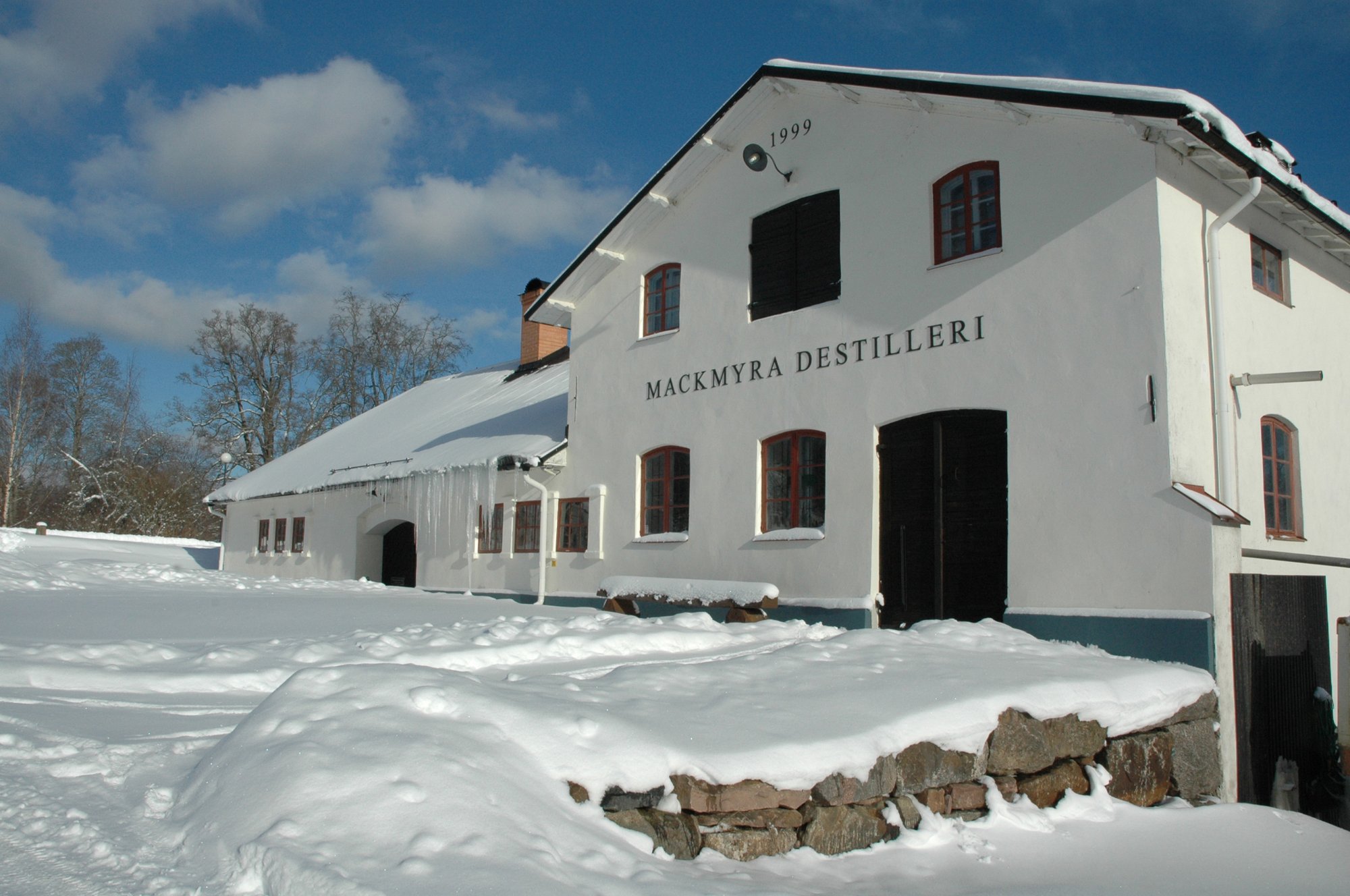
Mackmyra presents a working‑industrial character rooted in place — industrial‑heritage brick sits alongside modern timber buildings at the edge of a boreal pine corridor. The site reads less like a curated visitor attraction and more like an operational distillery, where the faint sweet‑grain note of spirit production rubs up against resin from the surrounding forest. That material tension — local grain, Swedish oak, peat from local sources and warehouse maturation shaped by seasonal temperature swings — creates a distinctly Nordic single‑malt identity that feels both grounded in tradition and deliberately exploratory.
Best For
This is a destination for people curious about production‑led spirits and the idea of terroir in whisky. The complex suits small groups and educational outings where tasting and conversation about cask choices, local ingredients and warehouse influence are the focus. Visitors who enjoy getting behind the scenes — comparing expressions and understanding how Swedish oak, ex‑bourbon casks and seasonal warehouse conditions shape flavor — will get the most out of a visit. It’s less about polished tasting‑room theatrics and more about seeing craft and context at work.
Tasting Tips
When tasting at Mackmyra, look for expressions that highlight the distillery’s stated components: Swedish oak maturation, ex‑bourbon casks and local peat. Ask staff to explain how seasonal temperature swings in their warehouses affect aging and flavor; comparative samples that show differences between cask types or warehouse locations bring that point to life. If available, request a flight that contrasts a peat‑led bottling with a lighter, grain‑forward release so you can hear how Nordic ingredients position Mackmyra between Speyside restraint and Islay weight.
Venue details
Ambiance
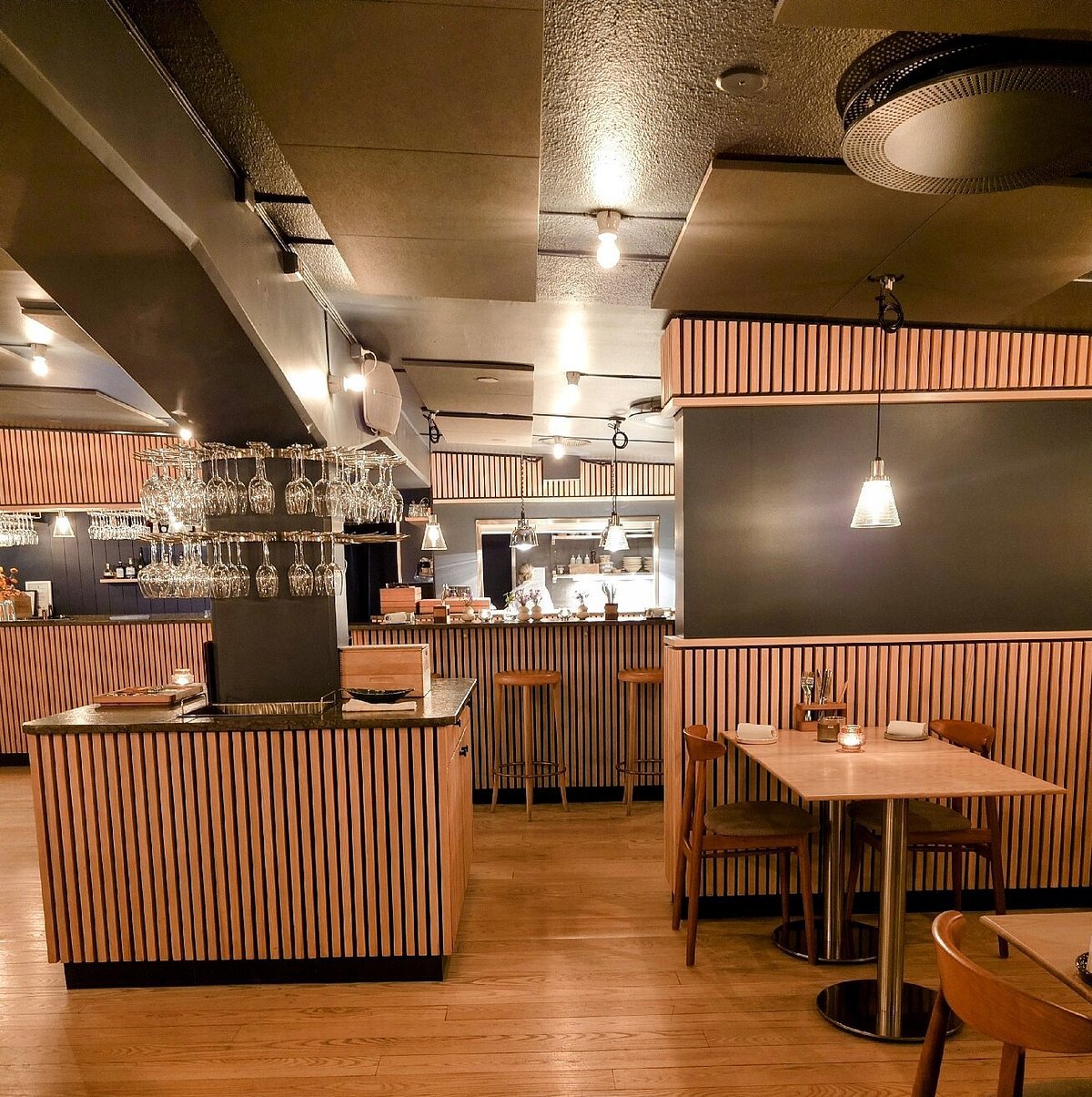
Relaxed atmosphere with modern industrial design, stunning views from the tasting room, and knowledgeable staff.
Tags
Vibe
Best For
Experience
Sourcing
Accessibility
At the Vineyard
- Appellation
- Gävle
- Tour Duration
- 60-90 minutes
- Tour Languages
- English
- Visits
- By reservation
- Farming
- Sustainable
- Production
- Small producer
- Food Pairing
- Offered
- Wine Club
- Available
Know before you go
Know Before You Go
- Getting there
- 818 32 Mackmyra
Planning details
Location
818 32 Mackmyra · Directions
Also consider
Also Consider
- Hernö Gin, Notable alternative
- Smögen, Notable alternative
Winery context
How Mackmyra compares with other Nordic spirits stops
Mackmyra is the more obvious choice if the brief is Swedish whisky near Gävle. Against Hernö Gin, it asks for a more specialist audience: whisky drinkers will get the clearer reason to commit, while mixed groups may find gin easier to agree on.
Smögen is the closer cross-shop for whisky-focused travelers, but the decision is more about trip shape than category. Pick Mackmyra if Gävle is the base and the visit needs to fit a broader city itinerary. Pick Smögen if the draw is a smaller coastal spirits detour and the route already points that way.
On value, Mackmyra makes the strongest case when the visit is treated as the main event. Hernö Gin is the safer fallback for broader ambiance and group accessibility; Smögen is the better comparison for drinkers who want another whisky-led stop rather than a more general spirits experience.
Explore Gävle
Around this place
Discover more on Pearl
Unlock the full Mackmyra guide in Pearl, including awards, comparisons, FAQs, planning details, and nearby places.
Compare Mackmyra
| Venue | Location | Awards |
|---|---|---|
| Mackmyra | Gävle | No published awards |
| Hernö Gin | Härnösand | No published awards |
| Smögen | Hunnebostrand | No published awards |
How Mackmyra Gävle compares with similar nearby venues.
FAQ
Frequently Asked Questions
When is the best time to visit Mackmyra?
Hours or best visiting time are not available. Confirm timing directly with Mackmyra before planning a visit in Gävle. Its Gävle location, casual dress code, and Pearl 3 Star Prestige recognition for 2025 are known.
Can Mackmyra handle large groups?
Group capacity is not available. If you are planning with a group, check directly with Mackmyra before visiting. Information on seating, capacity, or group services is not provided.
Does Mackmyra offer purchases or shipping?
Purchase and shipping services are not available. Contact Mackmyra directly for any questions about current availability or services.
Does Mackmyra offer a membership program?
Membership details are not available. Base any membership decision on current information from Mackmyra rather than assumptions.
Do I need a reservation at Mackmyra?
How long should I plan for a visit to Mackmyra?
Visit length or format is not available. Plan only after confirming current details with Mackmyra. The profile is limited to Gävle, casual dress, and Pearl 3 Star Prestige recognition for 2025.