Smögen
Hunnebostrand
Winery in Hunnebostrand, Sweden
 Book with Pearl
The Read
Atlantic Coast Terroir
Why go
Smögen is worth prioritizing for a drinks-focused Hunnebostrand itinerary, especially if Swedish bottles and producer context matter more than frictionless logistics. Treat it as a targeted stop, not a casual walk-in plan: the available profile supports serious interest, but travelers who need clear hours, pricing, and an easy booking path should cross-shop first.
About Smögen
For planning in Hunnebostrand, Smögen is listed in Hunnebostrand, has a casual dress code, and holds Pearl 3 Star Prestige (2025). Practical details such as hours, pricing, visit format, menu, booking process, and specific services should be confirmed directly.
The recommendation is therefore cautious. Smögen may be worth considering if you are already planning around Hunnebostrand and want to include a Pearl-recognized venue, but it should not be treated as a fully defined stop without confirming current details directly. If your group needs fixed timing, known pricing, or a clearly described format before committing, build in a backup plan.
Worth planning around for its recognition
Smögen's Pearl 3 Star Prestige (2025) recognition is the clearest reason to keep it on a shortlist. Specific beverages, dishes, tasting formats, retail options, or hospitality services are not described here, so it should not be used for detailed menu or service planning.
What is clear is simple: Smögen is in Hunnebostrand, dress is casual, and it carries Pearl 3 Star Prestige (2025). Treat any visit as something to confirm in advance rather than a spontaneous stop based on assumed hours, pricing, or format.
Use comparisons to decide how much uncertainty is acceptable
If you are comparing Smögen with other names, consider options such as Hernö Gin, Mackmyra, Aalborg Akvavit, and Linie Aquavit on their own terms rather than assuming they share the same location, format, or visitor setup. Smögen remains the Hunnebostrand reference point here; other dining in Hunnebostrand can be considered generically as backups if your plans require more certainty.
Quick reference: consider Smögen if its Pearl 3 Star Prestige (2025) recognition and Hunnebostrand location fit your plans, but confirm all practical details directly before relying on it as the anchor of a day.
Planning details
- Location
- Ståleröd Ljungliden 1, 456 93 Hunnebostrand
- Phone
- +46 76-162 63 03
The take
The Take
The Vibe
Smögen sits quietly on the Bohuslän coast, the kind of understated producer that rewards attention. The writing emphasizes a salt-weathered landscape, red-painted timber architecture and an open-water horizon, and the tone presents a venue that is more reserved than flashy. That makes Smögen feel like a hidden coastal retreat: serene in mood, charming in its vernacular buildings and modest in its ambitions. The Pearl 3 Star Prestige rating signals craft and consistency, but the place itself is unassuming, drawing visitors who want provenance and place more than spectacle.
Best For
Smögen is best for people who want to engage with a producer rooted in its landscape. The profile highlights terroir, regional development and a reputation among recognised Nordic producers, so it suits anyone interested in learning how local conditions shape spirits and drinks. The venue’s small-community setting and unobtrusive presence also make it a natural choice for solitary exploration—visitors who prefer contemplative, education-led visits rather than busy tourist experiences. In short, it fits those seeking focused, place-driven discovery.
Venue details
Ambiance
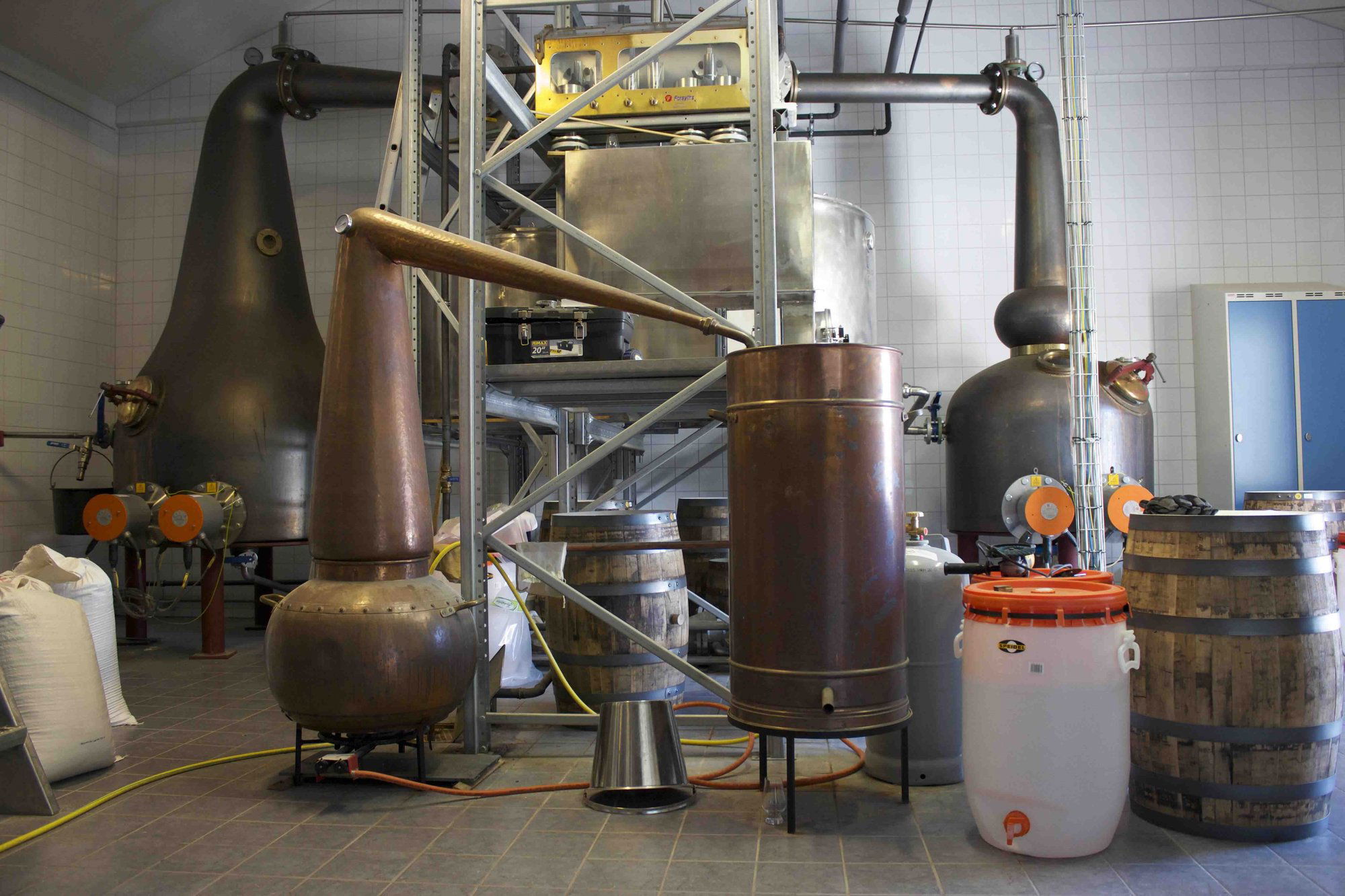
Cozy, rustic atmosphere in small production facilities on the scenic west coast.
Tags
Vibe
Best For
Experience
View
At the Vineyard
- Appellation
- Hunnebostrand
- Varietals
- Optic, Concerto, Laureate, Golden Promise
- Tour Duration
- 60-90 minutes
- Tour Languages
- English
- Visits
- By appointment only
- Wine Club
- Available
Know before you go
Know Before You Go
- Getting there
- Ståleröd Ljungliden 1, 456 93 Hunnebostrand
Planning details
Location
Ståleröd Ljungliden 1, 456 93 Hunnebostrand · Directions
Also consider
Where to look if Smögen is not practical
If this proves too difficult to fit into the schedule, start with Mackmyra for a Swedish whisky-focused alternative or Hernö Gin for a gin-led producer visit. Both are easier to position within a category-specific drinks itinerary.
Winery context
How Smögen compares with Nordic spirits peers
Choose Smögen if the trip is already centered on Hunnebostrand and the appeal is a selective Swedish producer stop. Compared with Linie Aquavit and Aalborg Akvavit, it reads as the higher-friction choice: better for a purpose-built itinerary, weaker for travelers who want an easy, broadly familiar spirits stop with fewer planning variables.
Mackmyra is the safer cross-shop for visitors who want a more recognizable Swedish whisky reference point, while Hernö Gin is the cleaner choice for gin-focused travelers who want a clearer category lane. Smögen is the pick when scarcity and specificity matter more than convenience.
On value for money, the issue is not a visible price comparison; it is planning risk. If a confirmed format and predictable ambiance matter, Mackmyra or Hernö Gin are easier decisions. If the group is comfortable working around limited public-facing details, Smögen is the more exploratory booking.
Explore Hunnebostrand
Around this place
Discover more on Pearl
Unlock the full Smögen guide in Pearl, including awards, comparisons, FAQs, planning details, and nearby places.
Compare Smögen
| Venue | Location | Awards |
|---|---|---|
| Smögen | Hunnebostrand | No published awards |
| Linie Aquavit | Gjelleråsen | No published awards |
| Aalborg Akvavit | Aalborg | No published awards |
| Mackmyra | Gävle | No published awards |
| Hernö Gin | Härnösand | No published awards |
How Smögen Hunnebostrand compares with similar nearby venues.
FAQ
Frequently Asked Questions
Do I need a reservation at Smögen?
Plan ahead and confirm directly before treating Smögen in Hunnebostrand as a drop-in stop. Its Pearl 3 Star Prestige (2025) recognition makes advance checking sensible.
When is the best time to visit Smögen?
Choose a time only after confirming current details directly with Smögen, especially if your Hunnebostrand plans are fixed.
How long should I plan for a visit to Smögen?
Allow flexibility until you have confirmed what kind of visit is currently available.
What practical details are for Smögen?
The details here are limited to Smögen being in Hunnebostrand, having a casual dress code, and holding Pearl 3 Star Prestige (2025). Other planning details should be confirmed directly.
How should I compare Smögen with other names?
Use the details first: Smögen is in Hunnebostrand, has a casual dress code, and holds Pearl 3 Star Prestige (2025). If comparing it with names such as Mackmyra, Hernö Gin, Linie Aquavit, or Aalborg Akvavit, check each one directly rather than assuming similar formats or services.