Book with Pearl
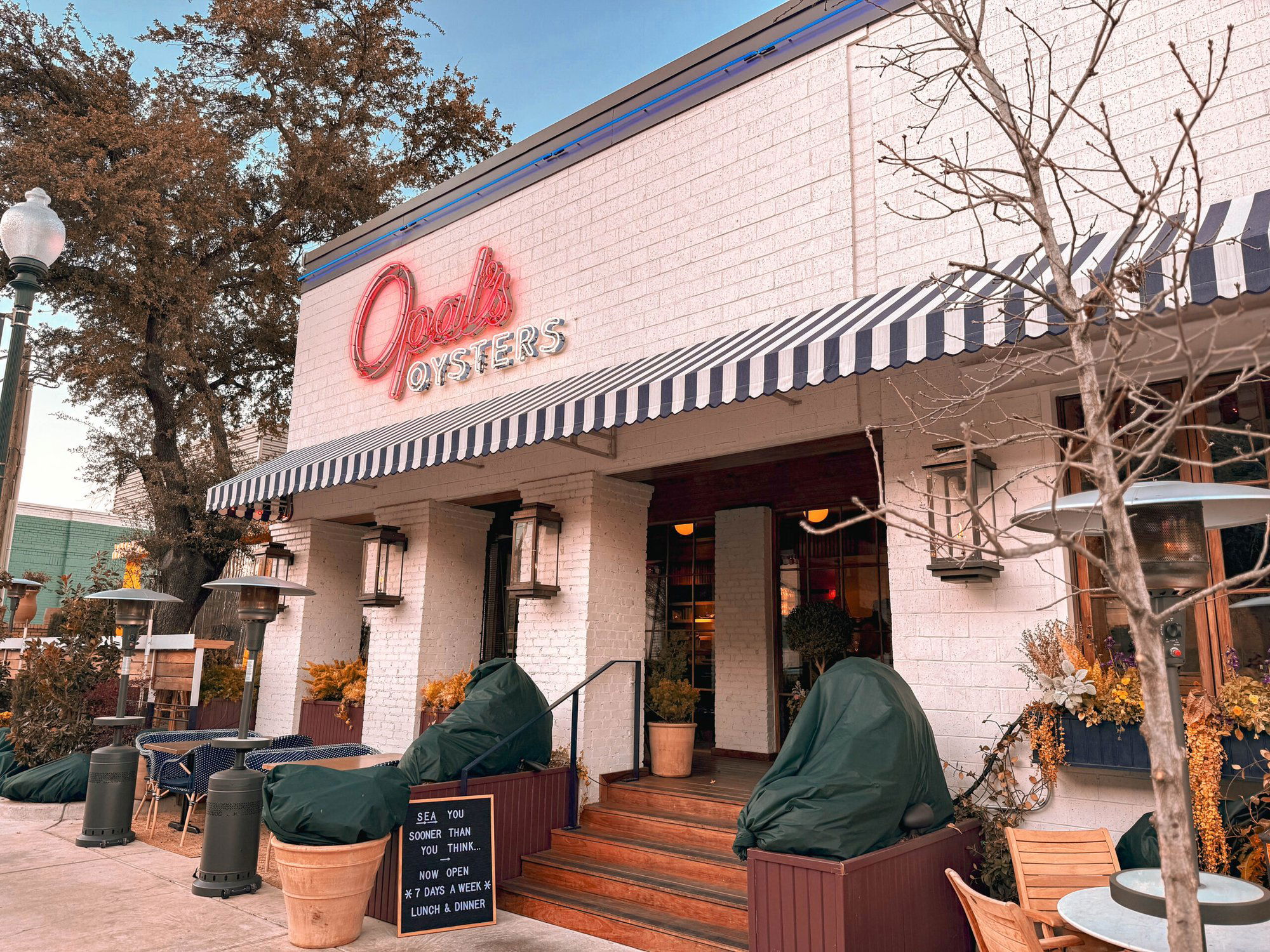
Opal's Oysters Wine Dinner - Château de Beaucastel
A Waco wine dinner at Opal's Oysters featuring Château de Beaucastel pairings and a Southern France food theme.


Châteauneuf-du-Pape, Flayosc
Winery in Flayosc, France
Inland Var Terroir Depth
Why go
Château de Beaucastel is worth prioritizing for collectors and special-occasion travelers who care more about cellar credibility than easy logistics. The draw is the producer signal: first vintage 1779, winemaker Césaire Desfrièches, and recognition from World's 50 Best Vineyards in 2023. Casual tasters should compare nearby winery options before building a day around it.
Château de Beaucastel in Flayosc is presented with a narrow, fact-led brief: Césaire Desfrièches is the chef/owner, the dress code is smart casual, and the venue earned Pearl 4 Star Prestige recognition in 2025 and a World's 50 Best Vineyards ranking of #34 in 2023. Beyond those points, public-facing claims about formats, menus, visit structure, pricing, hours, shipping, or on-site services should be confirmed directly with the venue before you plan around them.
For readers, the strongest reason to pay attention is recognition rather than hospitality detail. The venue has both Pearl 4 Star Prestige status and a World's 50 Best Vineyards placement, which makes it relevant for travelers comparing premium stops in and around Flayosc. Useful planning links include Our full Flayosc guide, Our full Flayosc restaurants guide, Our full Flayosc hotels guide, Our full Flayosc bars guide, and Our full Flayosc experiences guide.
The reliable planning cues are simple: Château de Beaucastel is in Flayosc, the dress code is smart casual, and its recognition includes Pearl 4 Star Prestige (2025) and World's 50 Best Vineyards #34 (2023). That supports a polished, occasion-minded approach, but it does not establish specific opening hours, reservation rules, visit duration, lunch service, menus, pricing, or shipping availability.
If you are building an itinerary, keep the plan flexible until the venue confirms the practical details. For guests who need certainty on food, accessibility, dietary accommodations, or a timed experience, the safest move is to contact Château de Beaucastel directly rather than relying on assumptions. Château Roubine, Château de Berne, Château de Roquefort, Château de Saint-Martin, and Domaine Ott may also be useful comparison points when weighing regional options.
The value case rests on the reputation signals, not on extras. Pearl 4 Star Prestige and a World's 50 Best Vineyards #34 ranking give Château de Beaucastel a clear premium profile for travelers who care about recognized venues. Césaire Desfrièches is the chef/owner, and smart casual is the dress expectation.
The verdict: consider Château de Beaucastel if you want a recognized Flayosc venue with a premium profile. Do not plan around specific meals, tastings, shipping, or service details unless those are confirmed directly by the venue.
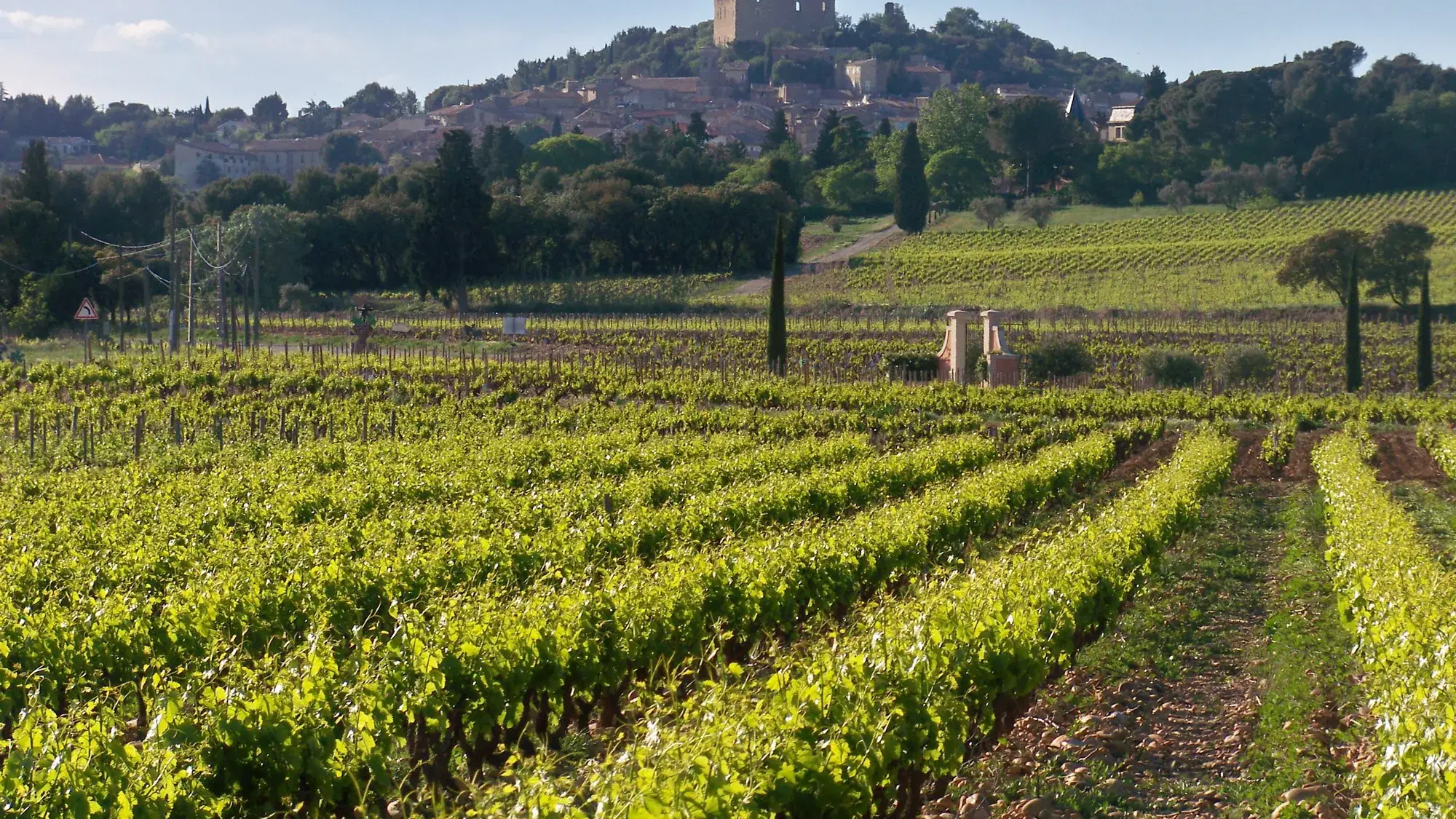
Château de Beaucastel presents as a deeply historic, scenic Provençal estate where long continuity and terroir are foregrounded. The writing places the property in a landscape of rolling garrigue and limestone outcrops, and repeatedly anchors the house in a lineage that dates to 1779. That combination of age and place gives the winery a measured, sophisticated presence: this is the sort of address where vineyard knowledge and generational practice shape the wines. Visitors can expect an environment more contemplative than flashy, with the surrounding countryside and the estate’s history doing much of the talking.
This estate reads as a destination for learning and for marking important moments. The text’s emphasis on parcel specificity, vintage variation and long-running production makes Château de Beaucastel well suited to wine-education visits — tastings that interrogate terroir, age and vintage distinctions. Its centuries-long pedigree and considered approach to site expression also make it appropriate for special occasions when guests want provenance and gravitas, rather than novelty. The setting and narrative are geared toward visitors who value context, history and nuanced wines over casual drop-ins.
When engaging with wines from this estate, frame questions around place and time: ask about parcel-designate expressions and how a given vintage’s rainfall and mistral influence shaped the harvest. Prioritize bottles that showcase the estate’s age-worthy tendencies and complexity rather than novelty cuvées; older vintages or estate bottlings that emphasize terroir will illustrate the points made in the description. If you want a tasting that teaches, steer the conversation toward canopy and soil management, ripening patterns across parcels, and how continuity of production informs stylistic choices.
Historic château setting amid expansive vineyards with a sophisticated, timeless atmosphere.
Chateau de Berne Hotel Spa Cellars, Chemin des Imberts, Flayosc, France · Directions
Choose Château de Berne if the group wants a fuller estate day with hospitality built around the setting. Choose Domaine Ott if brand recognition matters and the trip needs a clearer Provence winery identity for mixed wine knowledge levels.
Against Château de Berne, Château de Beaucastel is the more collector-coded choice, while Berne is the safer pick for travelers who want the estate setting to carry more of the day. If the plan includes hotel, spa, or a broader hospitality experience, Berne is easier to justify. If the decision is mainly about bottle credibility and producer history, Beaucastel has the stronger pull.
Château Roubine, Domaine Ott, and Château de Saint-Martin are better cross-shops for groups that want a Provence winery day with less pressure around access. Domaine Ott is the name to compare if the group cares about brand recognition; Château Roubine and Château de Saint-Martin make more sense when the priority is a smoother visit format rather than a prestige-first producer stop.
Château de Roquefort is the practical alternative if this visit is too hard to coordinate. For a splurge-style wine occasion, keep Beaucastel in first position. For value for money, easier planning, or a larger mixed-interest group, the is likely to be more forgiving.
Unlock the full Château de Beaucastel guide in Pearl, including awards, comparisons, FAQs, planning details, and nearby places.
| Venue | Location | Awards |
|---|---|---|
| Château de Beaucastel | Flayosc | 2025 Pearl 4 Star Prestige2023 World's 50 Best Vineyards · #34 |
| Château de Berne | Fargues | No published awards |
| Château Roubine | Lorgues | 2025 Pearl 4 Star Prestige |
| Domaine Ott | Taradeau | 2025 Pearl 3 Star Prestige |
| Château de Roquefort | Taradeau | 2025 Pearl 2 Star Prestige |
| Château de Saint-Martin | La Motte | 2025 Pearl 2 Star Prestige |
How Château de Beaucastel Flayosc compares with similar nearby venues.
No specific season or opening schedule is provided. The grounded planning facts are that Château de Beaucastel is in Flayosc and has recognition from Pearl 4 Star Prestige (2025) and World's 50 Best Vineyards #34 (2023). Confirm current timing directly with the venue before arranging a visit.
No visit duration is provided. Keep your itinerary flexible until Château de Beaucastel confirms the format and timing. If you are comparing regional options such as Château de Berne, Château Roubine, or Domaine Ott, verify each venue's current arrangements separately.
Pearl events
Public events currently associated with this Pearl venue.
A Waco wine dinner at Opal's Oysters featuring Château de Beaucastel pairings and a Southern France food theme.
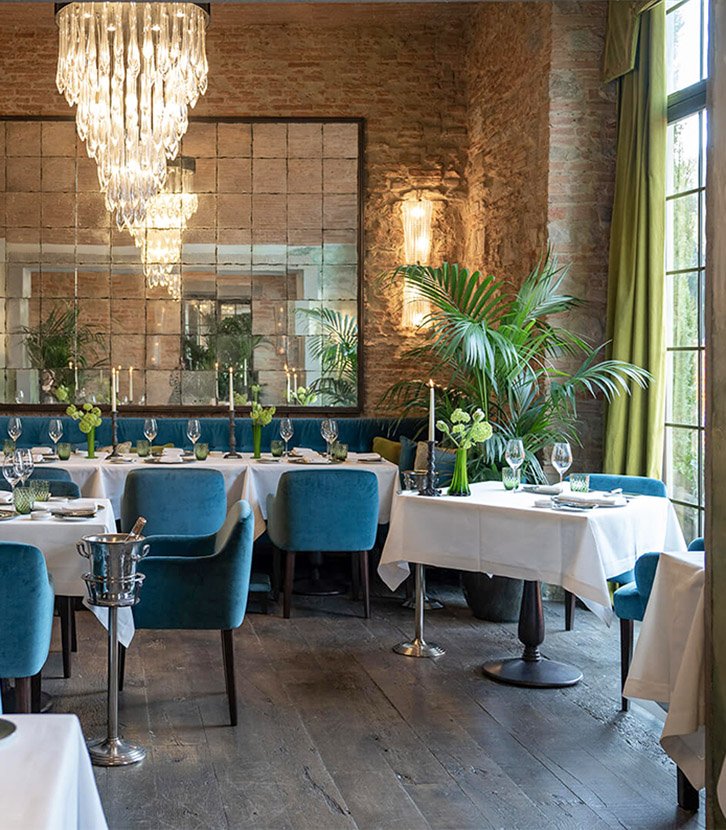 Le Jardin de BerneFlayoscLe Jardin de Berne holds a 2025 Michelin star and operates evenings only within Château de Berne's 515-hectare estate…
 Le Bistrot du Château de BerneFlayoscLe Bistrot du Château de Berne earned a Michelin Bib Gourmand in 2024 and a Michelin Plate in 2025; a strong value…
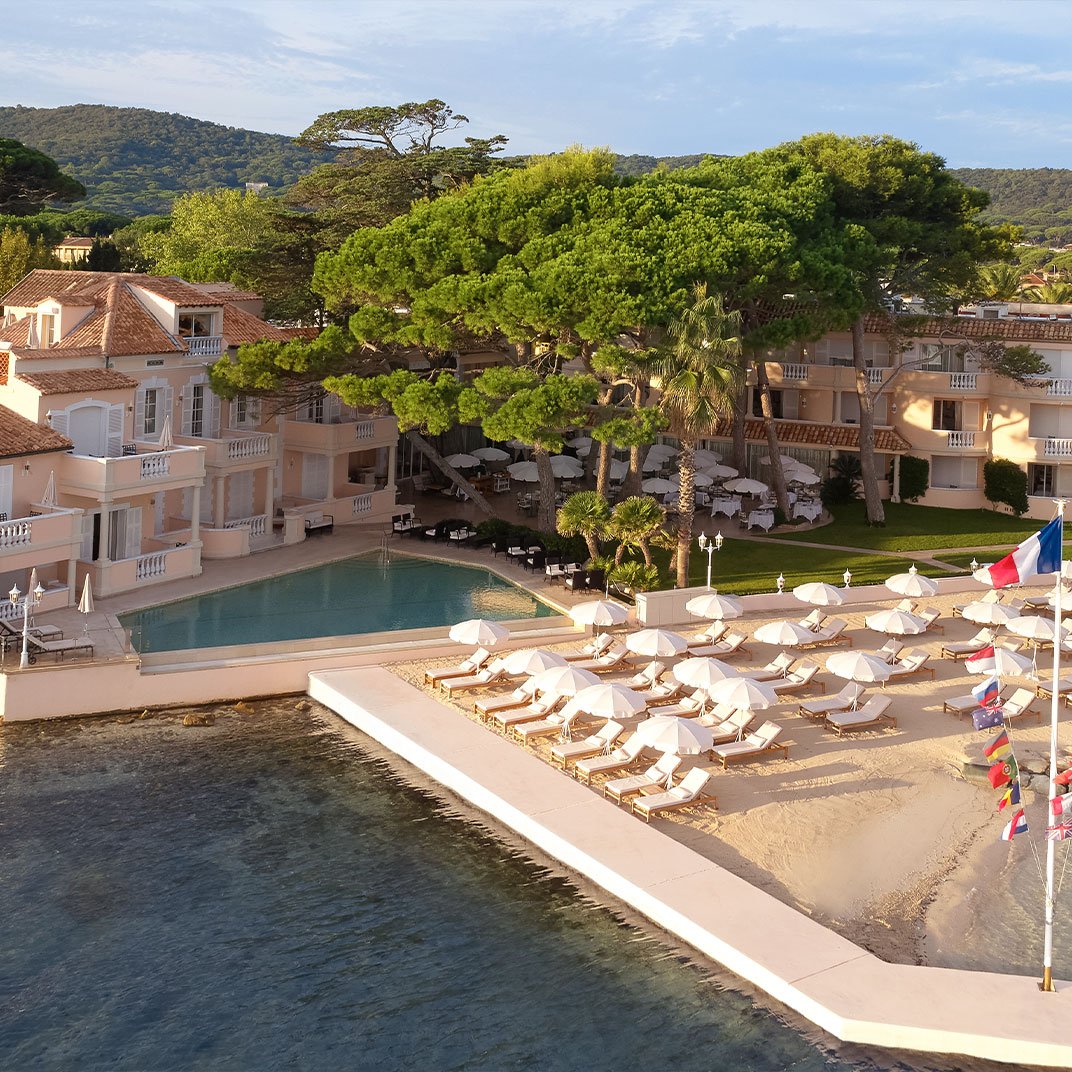 Le NidFlayoscLe Nid holds consecutive Michelin Bib Gourmand awards (2024 and 2025) and; …
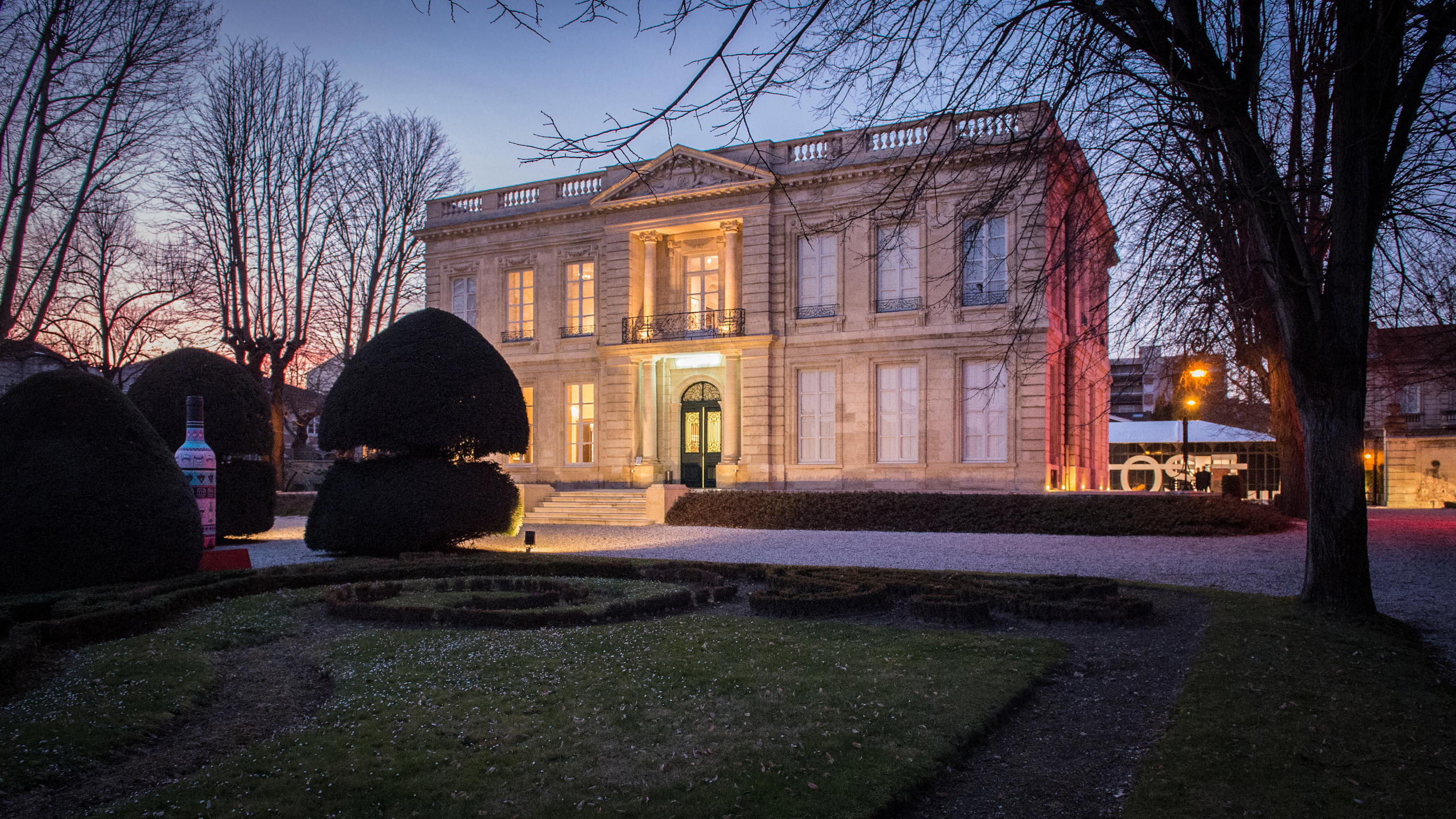
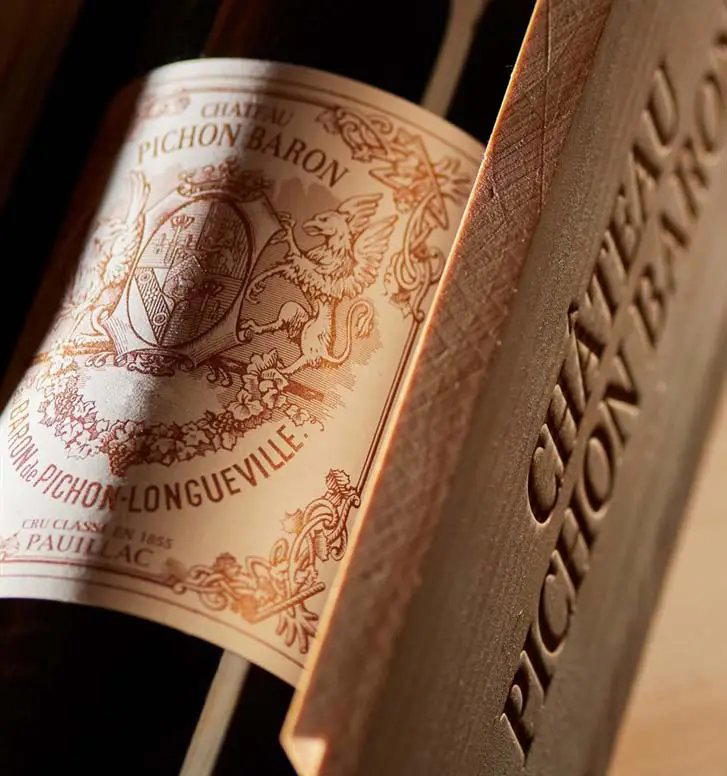 Château Pichon Longueville BaronPauillacChâteau Pichon Longueville Baron is a winery in Pauillac, Bordeaux.
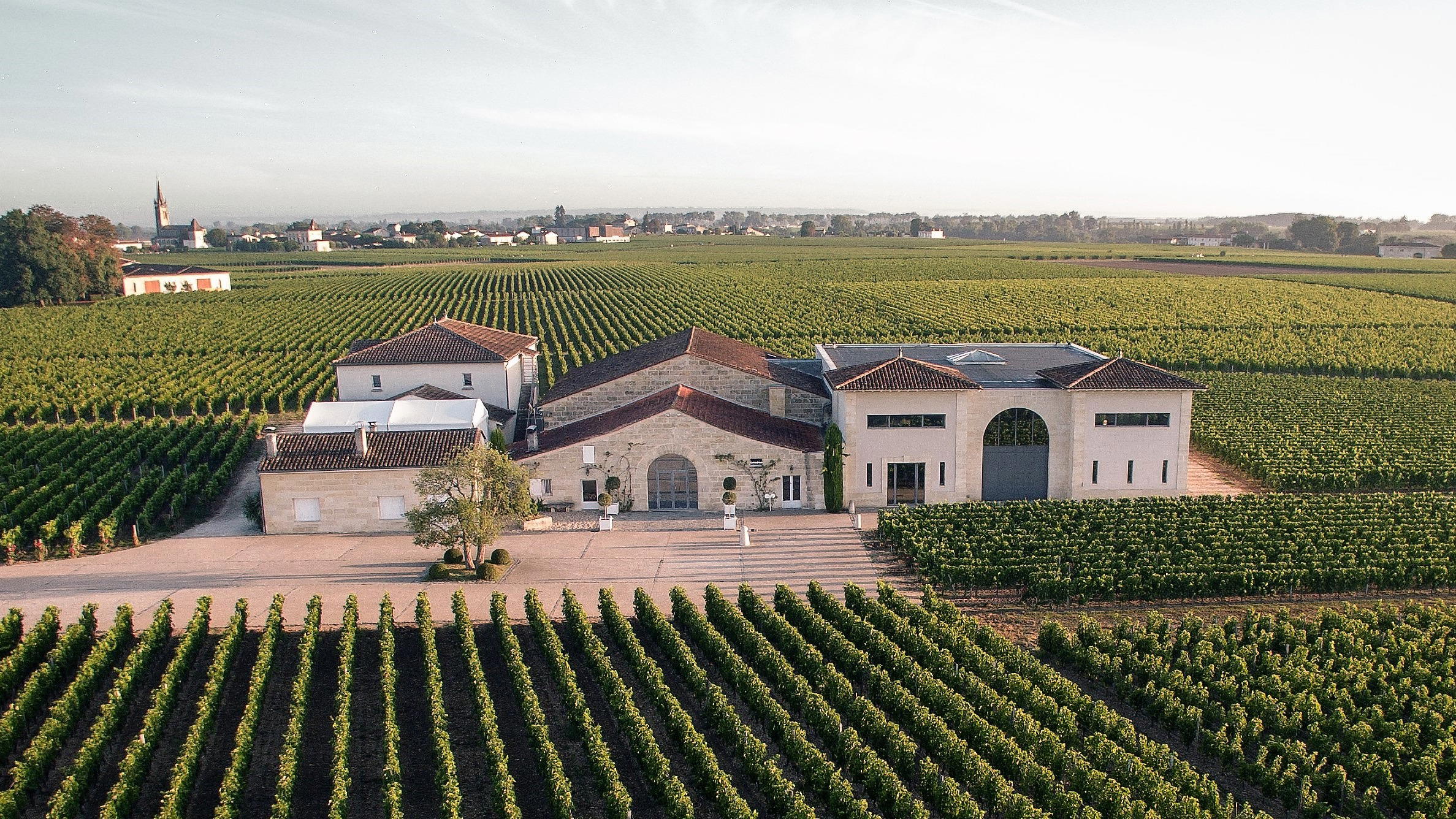
 Château Pape ClementPessacChâteau Pape Clément is a wine estate in Pessac, Bordeaux.
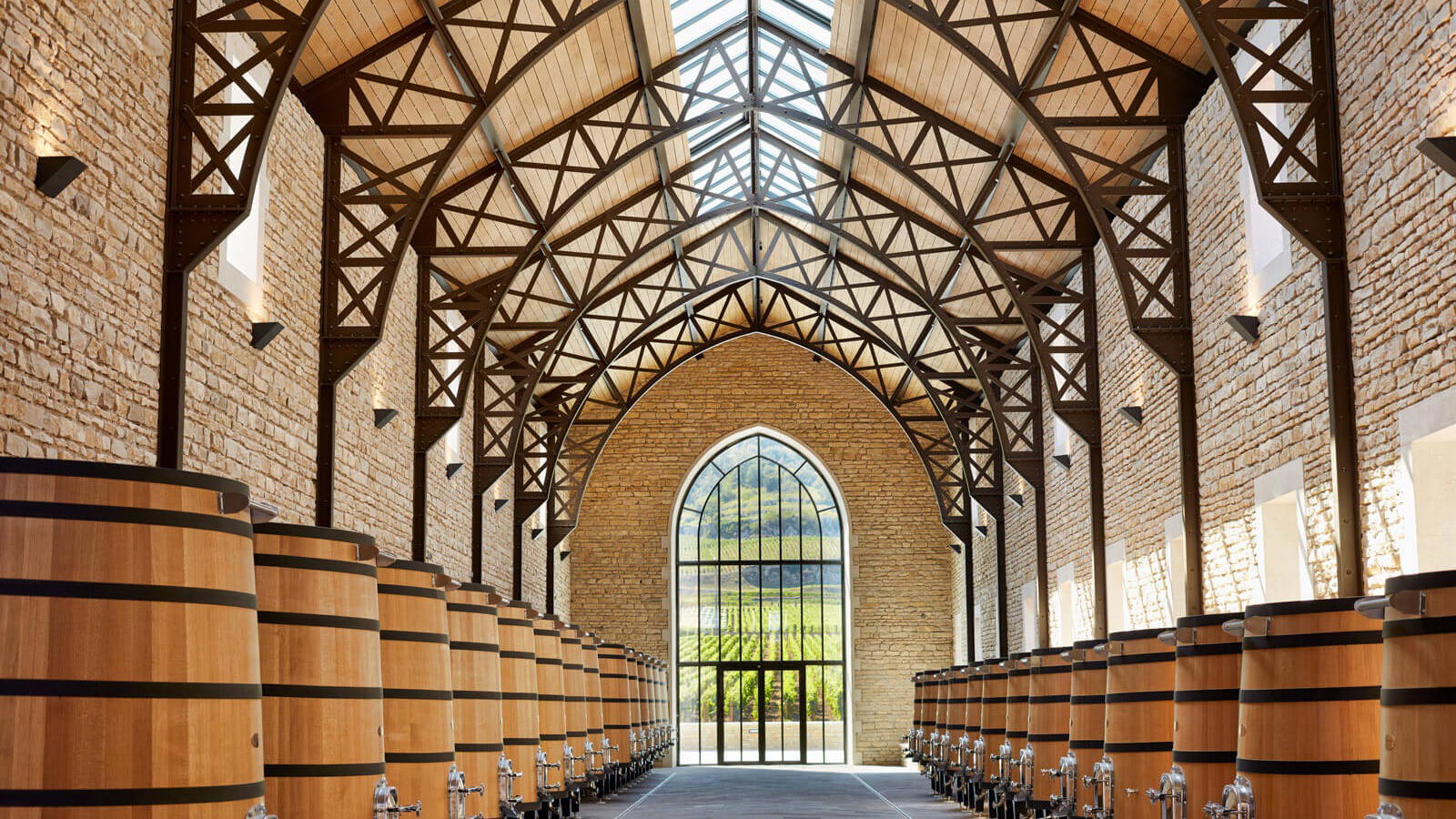
 Château La ConseillantePomerolChâteau La Conseillante is worth pursuing for serious Pomerol collectors and first-timers who care about access more than casual cellar-door ease. Treat any allocation or club-style opportunity as a due-diligence decision: confirm terms, purchase expectations, and shipping before committing.
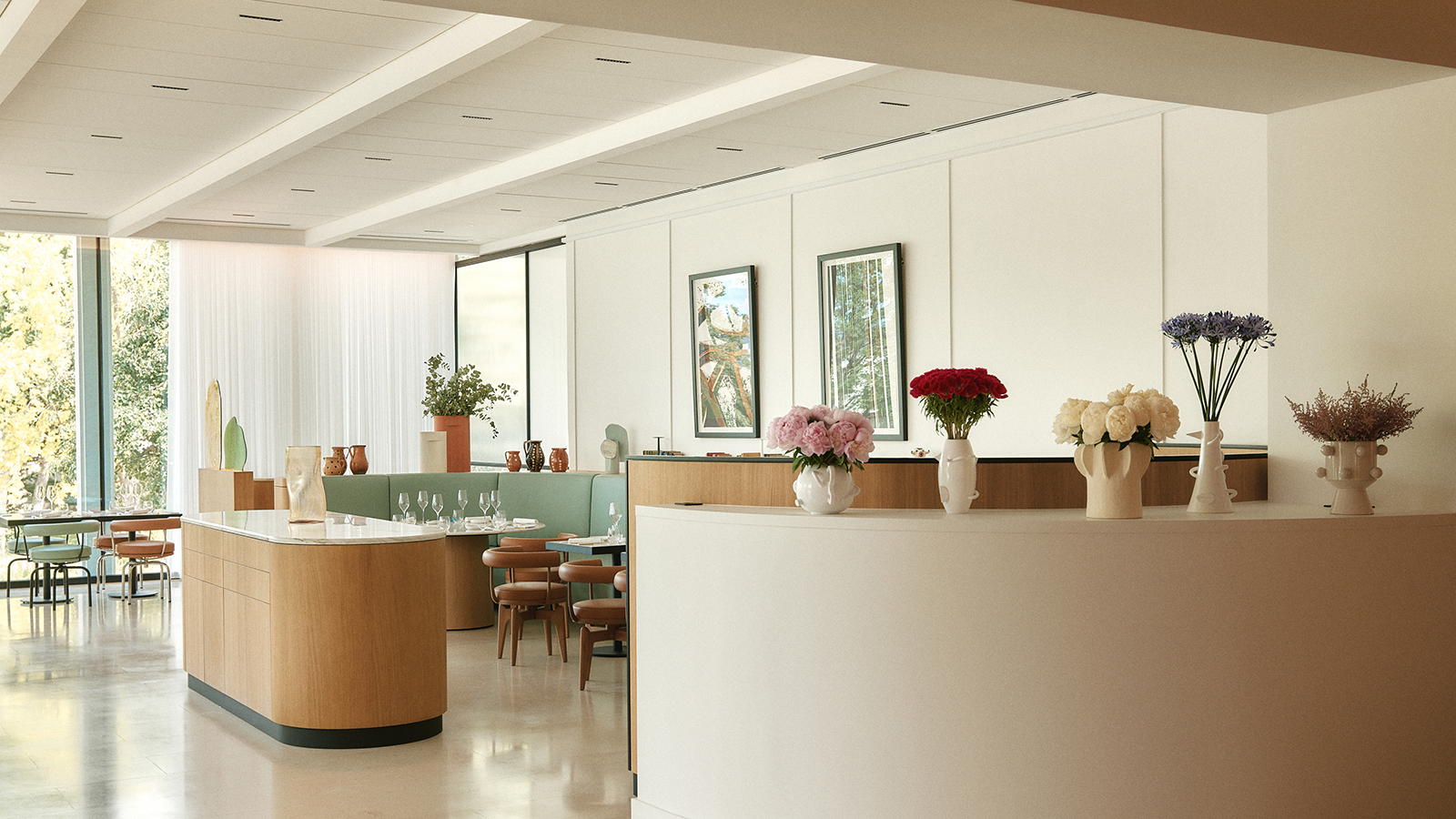
 Domaine FaiveleyNuits-Saint-GeorgesDomaine Faiveley is a winery on Rue du Tribourg in Nuits-Saint-Georges.
 TaittingerReimsTaittinger is a winery on Place Saint-Nicaise in Reims.