
    Winery in Elqui Valley, Chile

    Viñedos de Alcohuaz

    610pts

    Granite-Altitude Viticulture

    Viñedos de Alcohuaz, Winery in Elqui Valley

    About Viñedos de Alcohuaz

    Viñedos de Alcohuaz sits high in Chile's Elqui Valley, where extreme Andean altitude and granite soils define everything in the glass. Founded in 2005 and awarded a Pearl 2 Star Prestige rating in 2025, this is one of the country's most geographically demanding wine estates — reached by a rough mountain road and producing wines shaped almost entirely by place rather than intervention.

    Where the Road Ends and the Altitude Begins

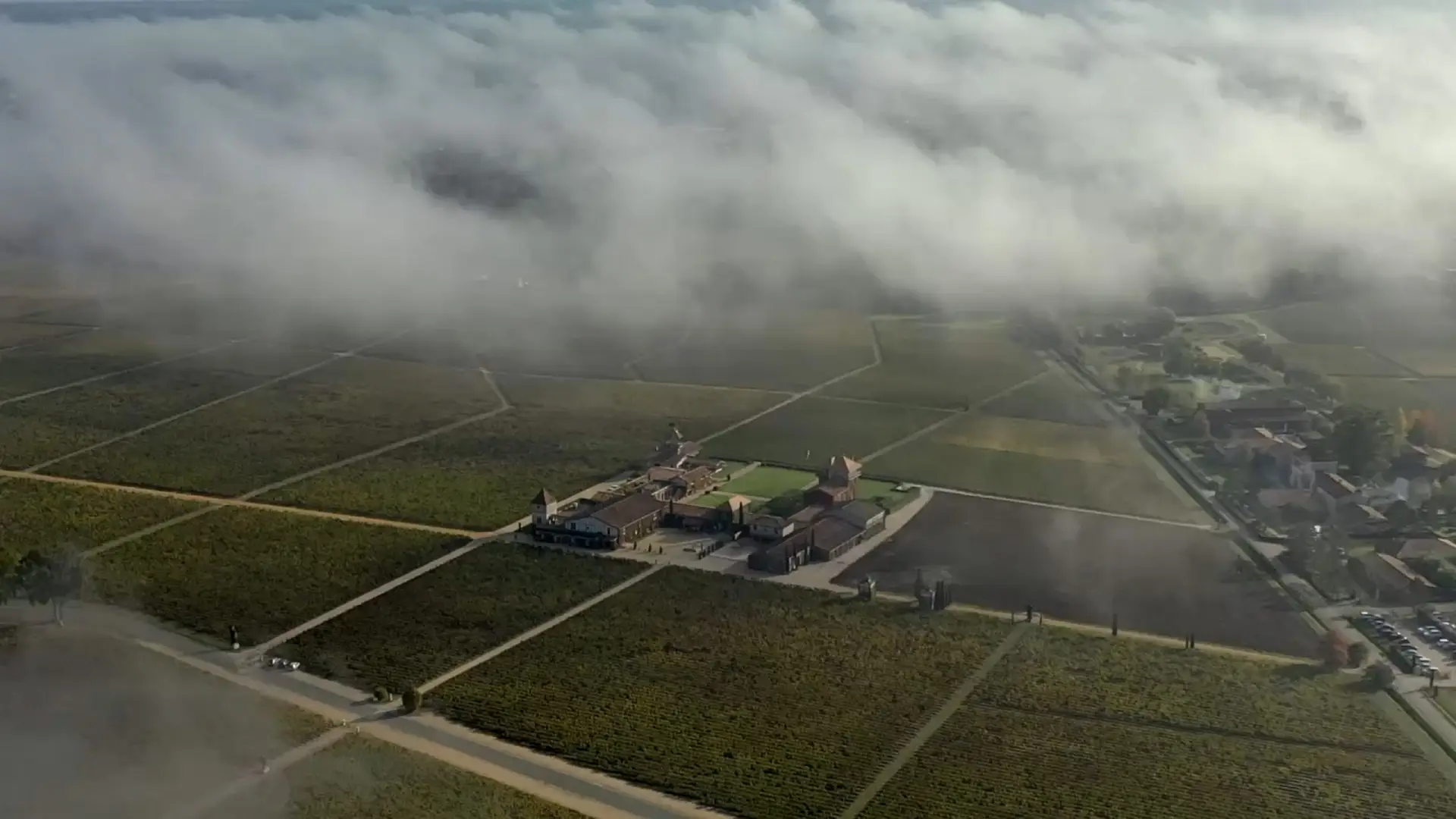
    The approach to Viñedos de Alcohuaz sets the terms before you arrive. Route D485 climbs past the village of Horcón, the road narrowing and the valley walls tightening around you, until 3.5 kilometres later the estate appears in the rocky foothills of the Andes at an elevation that puts most Chilean wine country firmly below. This is not a winery you pass on a highway or find at the end of a well-signed tourist route. The geography announces its priorities immediately: altitude, isolation, and the kind of skeletal granite terrain that forces vines to work harder than they would almost anywhere else in the country.

    The Elqui Valley is Chile's northernmost wine region of consequence, a narrow corridor carved by the Elqui River into the pre-Andean desert. It sits at roughly 30 degrees south latitude, in a zone that most classical wine mapping would have written off — too hot, too arid, too far from the temperate comfort zones that shaped the industry's Central Valley heartland. What those maps missed was altitude. As you climb toward Alcohuaz, temperatures drop sharply, ultraviolet radiation intensifies, and the diurnal temperature swings between day and night reach extremes that preserve acidity in fruit that would otherwise cook flat. The result is a wine region that operates by different rules than [Viña De Martino in Isla de Maipo](https://www.enprimeurclub.com/wineries/vina-de-martino-isla-de-maipo-winery) or the more familiar Central Valley producers.

    Two Decades of Reading a Difficult Terrain

    Viñedos de Alcohuaz was founded in 2005, and grapes have been cultivated on the estate for over a decade since — long enough for the winery to have accumulated real knowledge of how this specific site performs across vintages. That kind of tenure matters in an extreme environment. The Elqui Valley's high-altitude sub-zones respond differently to each season's rainfall patterns, frost windows, and the particular intensity of Andean summer sun. Wineries that arrived more recently are still learning what the land will and won't do; estates with roots here pre-dating the broader international interest in Chilean altitude viticulture carry observational data that cannot be replicated quickly.

    Chile's wine identity has long been anchored further south , in the Maipo, Colchagua, and Casablanca valleys, where volume and brand recognition accumulated over generations. The Elqui sits outside that established axis, which meant that producers working here in the mid-2000s were, in effect, arguing for the region's potential before the evidence base was fully assembled. Comparison with estates such as [Viña Falernia in Vicuña](https://www.enprimeurclub.com/wineries/vina-falernia-vicuna-winery) , Viña Falernia being among the earliest Elqui Valley producers to build an international export profile , helps locate Viñedos de Alcohuaz within a small but determined group of estates that collectively established the valley's credibility. Where [Viña Casa Silva in San Fernando](https://www.enprimeurclub.com/wineries/vina-casa-silva-san-fernando-winery) or [El Gobernador (Miguel Torres Chile) in Curicó](https://www.enprimeurclub.com/wineries/el-gobernador-miguel-torres-chile-curico-winery) operate within the country's more familiar viticultural belt, Alcohuaz and its Elqui peers have had to make the case for a different kind of Chilean wine altogether.

    What Altitude and Granite Actually Do to the Wine

    The terroir argument for Elqui's upper reaches is specific and measurable. Granite-dominant soils drain aggressively, restricting water availability and pushing root systems deep. Vines under these conditions produce smaller berries with concentrated skin-to-juice ratios. The elevation , which across the Alcohuaz sub-zone can reach well above 2,000 metres in parts of the wider area , extends the growing season by cooling the ripening curve, giving phenolics and sugars more time to develop in parallel rather than sugars racing ahead. The ultraviolet intensity at altitude thickens grape skins, which in red varieties translates to structural tannin; in whites, it drives aromatic compound development at levels less common in lower-altitude production.

    This set of conditions shapes wine character in ways that are detectable even without knowing the origin. Elqui Valley high-altitude reds tend toward a leaner profile than the plush Cabernet-forward expression associated with Maipo producers like [Viña Santa Rita in Buin](https://www.enprimeurclub.com/wineries/vina-santa-rita-buin-winery) or the broader Colchagua reds of [Viña MontGras in Palmilla](https://www.enprimeurclub.com/wineries/vina-montgras-palmilla-winery). The Syrah planted in parts of the Elqui corridor develops a northern-Rhône tension , darker spice, more mineral grip , rather than the rounder, more generous character the variety delivers in warmer Chilean zones. This is what genuine terroir expression looks like in practice: not a marketing position, but a set of physical constraints that leave a traceable signature in the finished wine.

    Recognition and Where It Places the Estate

    In 2025, Viñedos de Alcohuaz received a Pearl 2 Star Prestige rating from EP Club, a recognition that places it within the upper tier of independently assessed Chilean producers. That rating carries weight in the context of Chile's wider wine scene, where the bulk of prestige-level recognition has historically concentrated in the Central Valley and the coastal appellations of Leyda and San Antonio. A 2 Star Prestige designation for an Elqui Valley producer reflects the degree to which Chile's critical conversation has shifted to acknowledge what altitude viticulture is producing in the north. Estates such as [Viña Seña in Panquehue](https://www.enprimeurclub.com/wineries/vina-sena-panquehue-winery) or [Viña Ventisquero in Santiago](https://www.enprimeurclub.com/wineries/vina-ventisquero-santiago-winery) hold their own prestige positions but operate in a different competitive set , one where the winery's identity derives from variety selection and blending philosophy rather than from the stark geographical argument that Alcohuaz makes on the basis of location alone.

    Planning the Visit

    Getting to Viñedos de Alcohuaz requires deliberate planning. The estate sits 3.5 kilometres past Horcón on Route D485 , a mountain road that demands a capable vehicle and attention to conditions. The nearest substantial town is Vicuña, which serves as the practical base for visits to the upper Elqui Valley and is reachable from La Serena, the regional capital approximately 60 kilometres to the west. La Serena has an airport with connections to Santiago, making a two-day itinerary feasible: fly north, base in Vicuña or the valley itself, and allow time for the altitude adjustment that affects visitors coming directly from sea level.

    Because contact details and current visiting hours are not publicly listed in this record, confirming access arrangements before arrival is advisable , remote mountain wineries in the Elqui often operate by appointment rather than open-door access, and the distance from any alternative destination makes an unconfirmed visit a poor risk. The same planning logic applies to combining Alcohuaz with other valley stops: [Pisco Alto del Carmen Distillery in Huasco](https://www.enprimeurclub.com/wineries/pisco-alto-del-carmen-distillery-huasco-winery) and [Atacamasour Distillery in San Pedro de Atacama](https://www.enprimeurclub.com/wineries/atacamasour-distillery-san-pedro-de-atacama-winery) sit in the broader northern Chilean corridor and reward a regional itinerary rather than a single-destination approach.

    For a broader orientation to what Elqui Valley producers are doing collectively, [our full Elqui Valley restaurants guide](https://www.enprimeurclub.com/cities/elqui-valley) maps the valley's key stops and practical logistics in detail.

    Frequently Asked Questions

    Is Viñedos de Alcohuaz more low-key or high-energy?
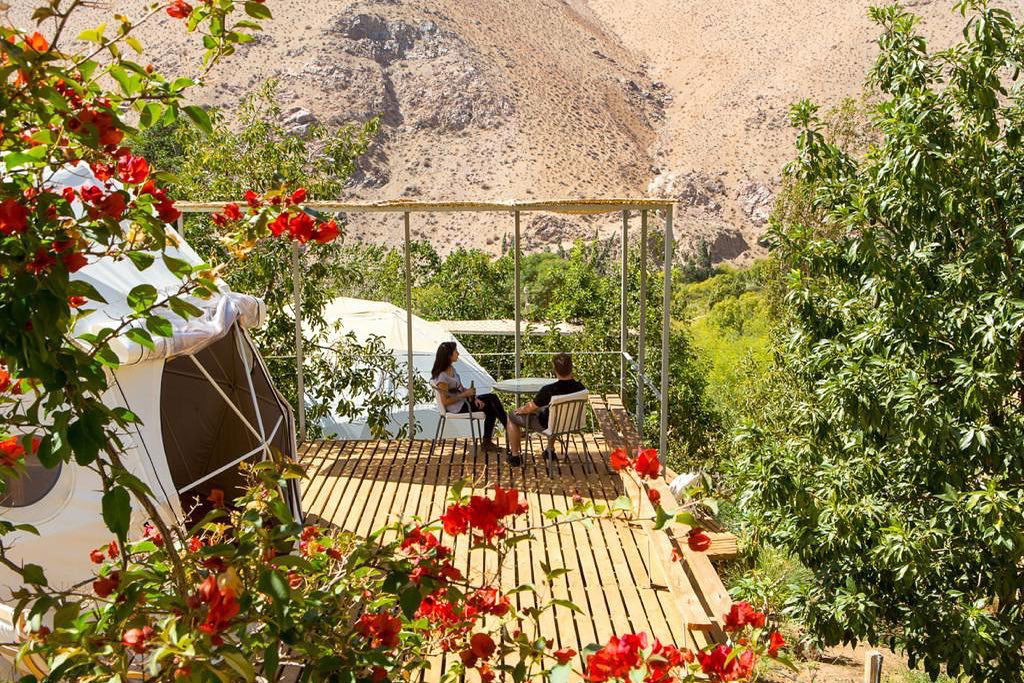
    Low-key, by geography as much as by design. The estate sits on a remote mountain road in the upper Elqui Valley, far from any wine-tourism infrastructure. Visits here are about the place itself , the altitude, the silence, the physical reality of the terrain , rather than any organised tasting theatre. The Pearl 2 Star Prestige rating (2025) confirms the quality of what's in the bottle, but the setting keeps the experience spare and unmediated.
    What wines should I try at Viñedos de Alcohuaz?
    Without a published tasting menu in the available record, specific current releases cannot be confirmed here. What the estate's location and history do indicate is that Elqui Valley high-altitude production tends to favour varieties suited to cool-ripening conditions , Syrah and Muscat have been particularly associated with the valley's identity. Any wines from the estate's granite-soil, high-altitude plots will be shaped by the terroir conditions that define this sub-zone, and cross-referencing with the EP Club 2 Star Prestige recognition provides a baseline for quality expectations.
    What is Viñedos de Alcohuaz known for?
    The estate is known for its extreme position within Chile's northern wine country: founded in 2005 at altitude in the rocky Andean foothills, it represents the upper-elevation edge of Elqui Valley viticulture. Its EP Club Pearl 2 Star Prestige rating (2025) marks it as one of the recognised quality producers in a region that has spent two decades making the case for altitude-driven Chilean wine. The estate's identity derives from its site rather than from varietal marketing or scale.
    How far ahead should I plan for Viñedos de Alcohuaz?
    Given that specific booking details , website, phone, current hours , are not publicly available in this record, the safest approach is to seek contact information through the EP Club Elqui Valley guide or through La Serena's regional tourism office well before your intended travel dates. Remote Andean estates frequently operate on appointment schedules with limited capacity, and the logistics of reaching Alcohuaz by mountain road make a confirmed arrangement worth the lead time.

    Recognized By

    Keep this place

    Save or rate Viñedos de Alcohuaz on Pearl

    Keep this venue in your Pearl passport, rate it after you visit, and track it alongside every other place you collect.