Kilchoman
Bruichladdich
Winery in Bruichladdich, United Kingdom
 Book with Pearl
The Read
Field-to-Bottle Farm Distilling
Why go
Kilchoman is worth prioritising for travellers building a serious Islay whisky itinerary around Bruichladdich. Book it when the goal is production context and bottle judgment, not a casual drop-in tasting; compare it with Bruichladdich, Bowmore, Caol Ila, Ardnahoe, Bunnahabhain before fixing the day.
About Kilchoman
Pearl 3 Star Prestige (2025) is the confirmed signal that matters here. For Kilchoman in Bruichladdich, the reliable profile is deliberately narrow: it is a casual-dress venue with recognition, but the verified record does not support specific claims about menus, prices, hours, booking rules, drinks programs, or group capacity.
Use this page as a planning checkpoint rather than a source for unverified specifics. If you are comparing Kilchoman with other named options such as Ardnahoe, Bowmore, Bruichladdich, Bunnahabhain, or Caol Ila, keep the comparison focused on what is confirmed here: venue name, Bruichladdich location, casual dress code, Pearl 3 Star Prestige (2025).
Plan around confirmed basics
The case for considering Kilchoman is strongest when your itinerary already includes Bruichladdich and you want to prioritise a Pearl-recognised stop. Beyond that, the verified data does not confirm whether walk-ins, advance reservations, private visits, timed services, or specific visitor arrangements are available. If the broader day includes other dining, hotels, or bars, use general Bruichladdich planning resources before fixing the route.
Do not build a plan around unsupported assumptions. The practical move is to confirm current visitor details directly, then build outward from the basics verified here. For a wider itinerary, compare Kilchoman only with clearly relevant named options such as Ardnahoe, Bowmore, Bruichladdich, Bunnahabhain, Caol Ila, or refer more generally to other dining and visitor stops in Bruichladdich.
How to think about value
Because published pricing, product specifics, hours, menus, service formats are not part of the verified profile here, the value call should be based on whether Kilchoman's confirmed qualities fit your trip. Those confirmed qualities are direct: Bruichladdich, casual dress, Pearl 3 Star Prestige (2025).
For cross-shopping, keep the comparison honest and limited. Bowmore, Ardnahoe, Bunnahabhain, Caol Ila, Bruichladdich, Kilchoman can be considered as named reference points, but this page does not verify detailed differences among them. Choose Kilchoman when a Pearl-recognised Bruichladdich stop fits the itinerary, confirm any practical details before you go.
Planning details
- Location
- Rockside Farm, Bruichladdich, Isle of Islay PA49 7UT, UK
- Website
- kilchomandistillery.com
- Phone
- +44 1496 850011
The take
The Take
The Vibe
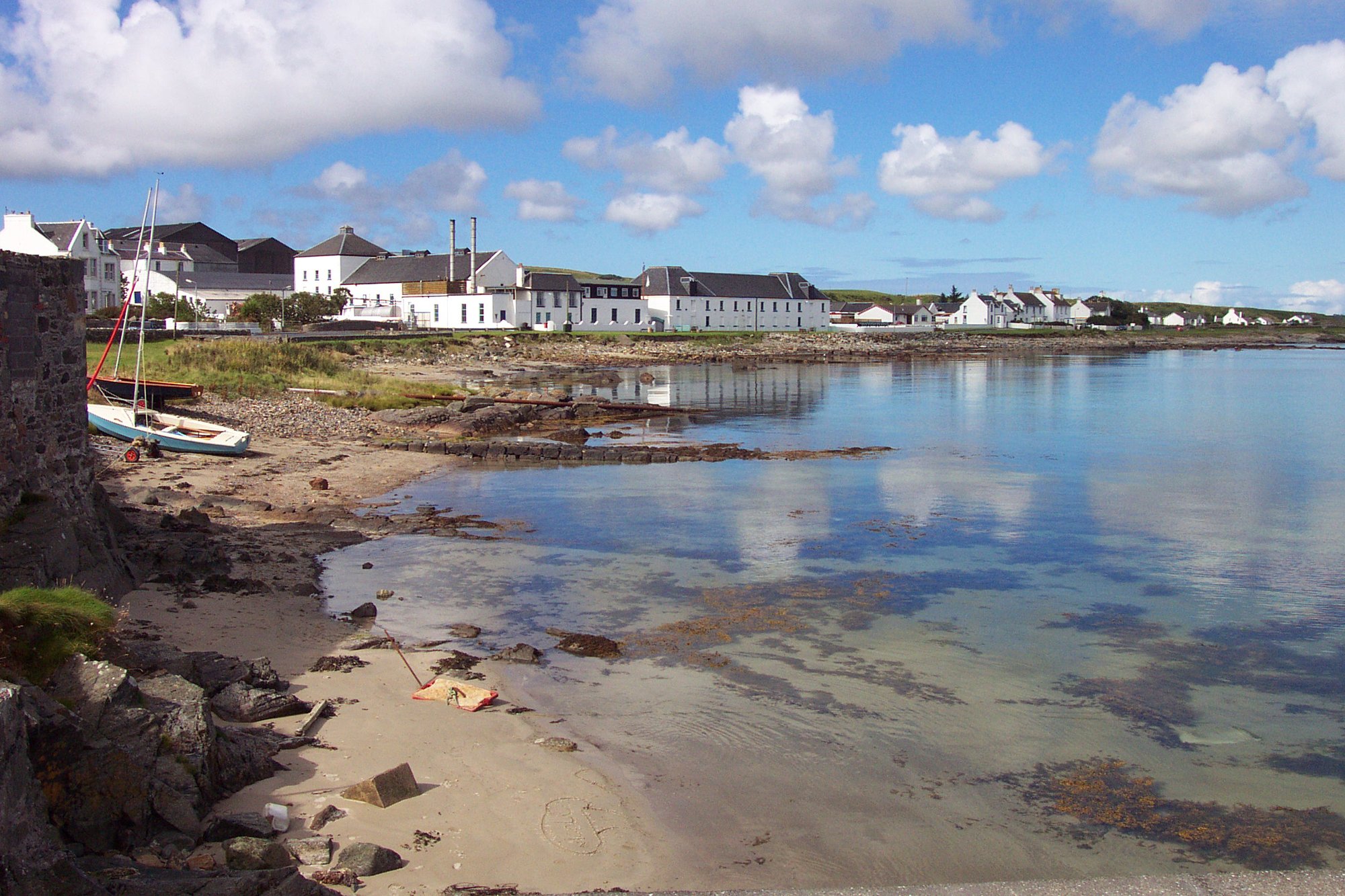
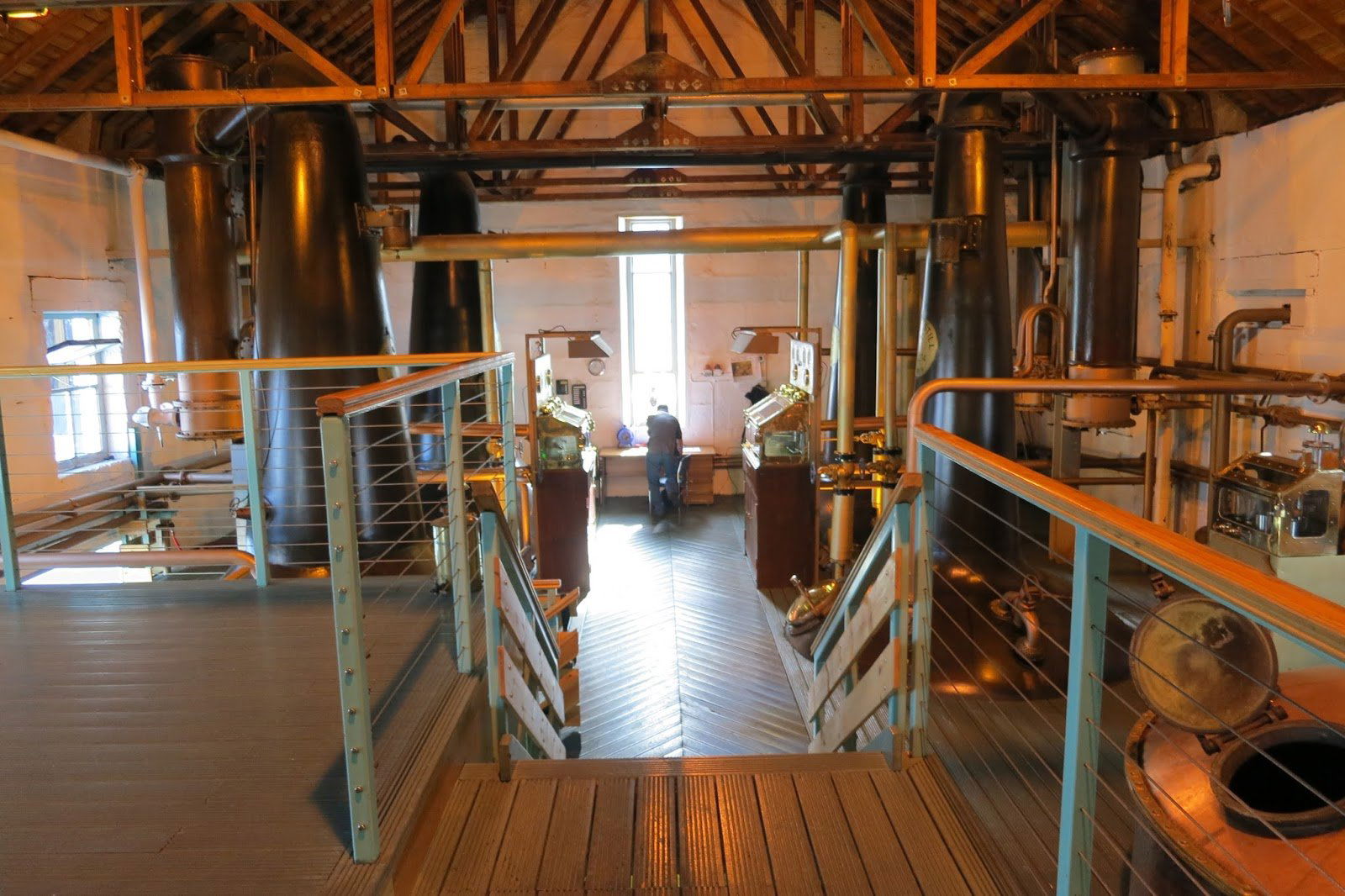
Kilchoman presents itself as a working farm distillery where the landscape and production are inseparable. The approach across Rockside Farm and the exposed Atlantic setting give the site a purposeful, hands‑on character: small buildings, floor malting and visible agricultural routines rather than a polished visitor centre. That compression of grain‑to‑bottle production lends the place an intimate, craft‑focused temperament—less theatrical heritage tourism and more pragmatic, provenance‑driven whisky making. The coastal light, peat‑laden air and practical farm infrastructure shape both the atmosphere and the spirit in the bottle.
Best For
Kilchoman is best for visitors who prioritise provenance and process. Enthusiasts who want to trace barley from field to still, learn about floor malting and understand how farm‑scale choices influence peat, salinity and overall flavour will find the visit rewarding. It suits solo explorers and small groups seeking deep, technical context rather than glossy tourist trappings. The distillery’s specialist recognition and production focus make it a strong fit for educational outings and anyone curious about the practical realities of a self‑contained farm distillery.
Tasting Tips
When you visit, concentrate questions on production and provenance: ask about on‑site barley cultivation, the floor‑malting routine and how those steps alter smoke and coastal character. Look for the distillery’s highlighted bottlings—the description notes a 2025 Pearl 3 Star Prestige recognition—and use those as reference points when tasting. Comparing expressions that emphasise farm‑malted grain with more widely sourced malts clarifies Kilchoman’s stylistic differences. If a tour is available, prioritise it to see the agricultural setup; that context is central to appreciating what’s in the glass.
Venue details
Ambiance
Modern, bright visitor centre with warm hospitality; comfortable and welcoming atmosphere enhanced by knowledgeable, passionate staff and scenic farm surroundings overlooking Machir Bay.
Tags
Vibe
Best For
Experience
Sourcing
View
Accessibility
At the Vineyard
- Tour Duration
- 60-150 minutes
- Wine Club
- Not available
Planning details
Location
Rockside Farm, Bruichladdich, Isle of Islay PA49 7UT, UK · Directions
Also consider
Where to look if Kilchoman is not the right fit
If the group wants a simpler Bruichladdich-based plan, choose Bruichladdich first. If the trip needs a more recognisable Islay name, compare availability at Bowmore or Caol Ila.
Winery context
How Kilchoman compares on Islay
Choose Kilchoman over Bruichladdich if the priority is a focused west-side distillery stop with a stronger sense of production context. Bruichladdich is the easier anchor for travellers staying in or around the village, while Kilchoman asks for more intentional planning and rewards visitors who want the day to feel less like a quick tasting circuit.
Bowmore and Caol Ila are better fits for visitors who want established-name recognition and a more conventional Islay checklist. Kilchoman is the sharper pick for enthusiasts comparing bottle decisions across producers, especially when the question is what is worth taking home rather than which label is easiest to recognise.
Ardnahoe and Bunnahabhain make more sense for a north-east Islay day. If the route is already built around Bruichladdich, Kilchoman is the cleaner pairing; if the group wants simpler logistics across multiple stops, the north-east pairing may be easier to manage.
Explore Bruichladdich
Around this place
Discover more on Pearl
Unlock the full Kilchoman guide in Pearl, including awards, comparisons, FAQs, planning details, and nearby places.
Compare Kilchoman
| Venue | Location | Awards |
|---|---|---|
| Kilchoman | Bruichladdich | No published awards |
| Bruichladdich | Bruichladdich | No published awards |
| Bowmore | Bowmore | No published awards |
| Caol Ila | Port Askaig | No published awards |
| Ardnahoe | Port Askaig | No published awards |
| Bunnahabhain | Port Askaig | No published awards |
How Kilchoman Bruichladdich compares with similar nearby venues.
FAQ
Frequently Asked Questions
What is confirmed about Kilchoman?
The verified profile confirms Kilchoman in Bruichladdich, a casual dress code, Pearl 3 Star Prestige (2025). If you are comparing named alternatives, Bowmore and Caol Ila are relevant reference points, but this page does not verify detailed differences among them.