    Winery in Bruichladdich, United Kingdom

    Bruichladdich

    1,250pts

    Atlantic-Driven Terroir Whisky

    Bruichladdich, Winery in Bruichladdich

    About Bruichladdich

    On the western shore of Islay, Bruichladdich distillery holds a Pearl 4 Star Prestige rating (2025) and operates as one of Scotland's most closely watched independent Scotch whisky producers. The distillery sits at the intersection of progressive farming philosophy and traditional island craft, drawing visitors who come specifically to understand how Atlantic-facing terroir shapes spirit character. Tours and tastings require advance planning given the distillery's remote location on the PA49 peninsula.

    Where the Atlantic Sets the Terms

    The western shore of Islay is not a gentle place. Atlantic weather moves across the peninsula without obstruction, salt and rain working into every surface, and the barley fields that supply Bruichladdich distillery grow in soil that has absorbed centuries of that exposure. This is the environmental argument that Islay whisky producers make against mainland equivalents — that place is not incidental to flavour, it is the flavour. Bruichladdich, holding a Pearl 4 Star Prestige rating in 2025, sits at the sharper end of that argument, having built its post-revival identity around the idea that Scottish terroir deserves the same scrutiny afforded to Burgundian vineyard parcels.

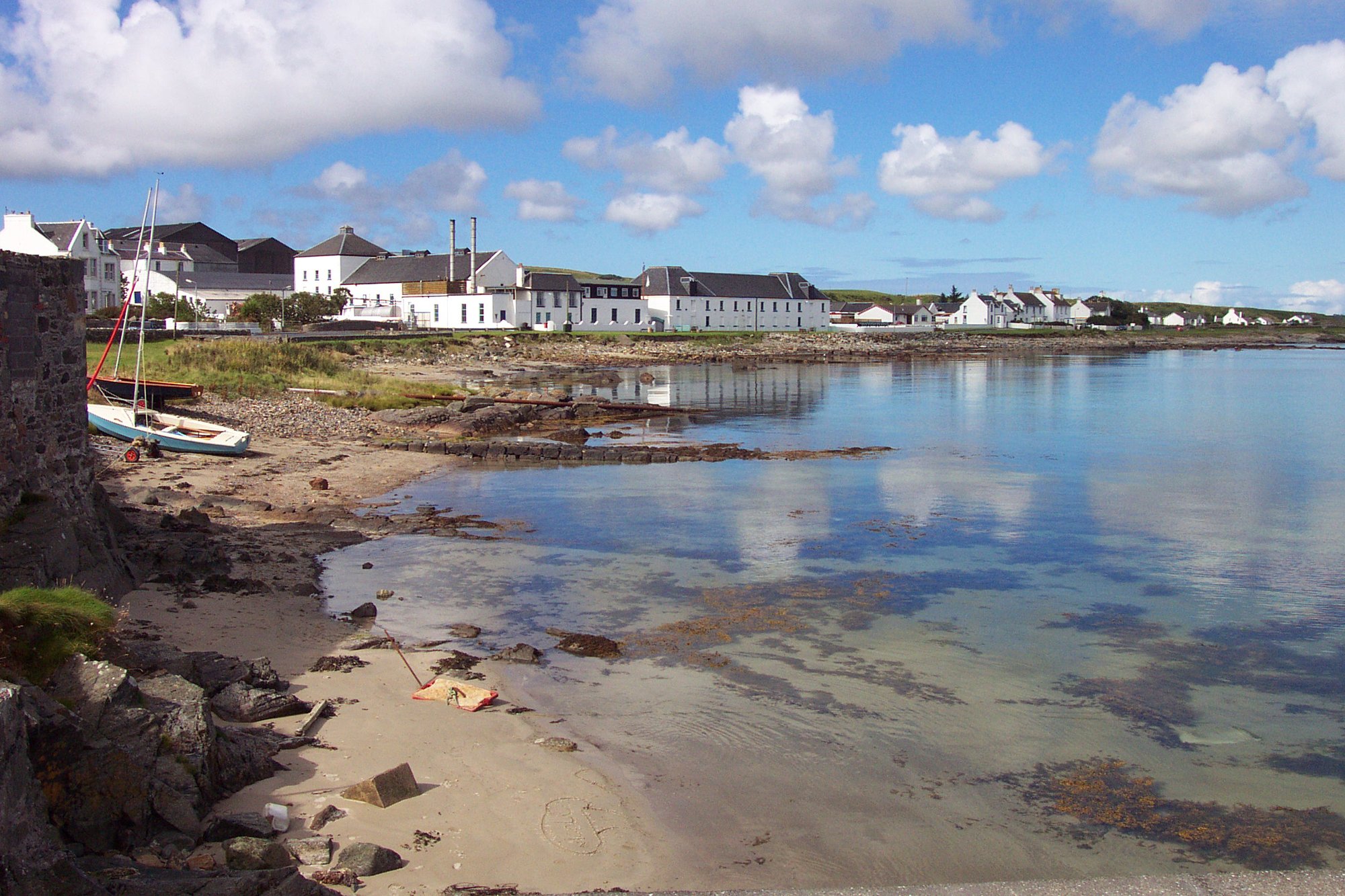
    Approaching the distillery from the village road, the whitewashed Victorian buildings read more as working farm than visitor attraction. That impression is not accidental. Across Islay, distilleries occupy a spectrum between heritage theme park and functional production site, and Bruichladdich has consistently positioned itself toward the latter. The warehouses face the loch, condensation builds on cold metal in the chill air, and the smell of fermentation is present before you reach the entrance. These are the sensory conditions that serious whisky producers argue cannot be replicated in a purpose-built visitor centre fifty miles from the barley source.

    Terroir as Operating Principle

    The terroir argument in Scotch whisky is more contested than in wine. Distillation concentrates certain compounds and strips others, and the industry spent decades maintaining that grain origin was irrelevant compared to cask management and maturation time. Bruichladdich has been among the most consistent voices pushing back on that consensus, sourcing Scottish-grown barley and in some expressions specifying farm and field with the precision of a Burgundy négociant. Whether that translates into detectable sensory difference is a debate that occupies tasting rooms and specialist forums in roughly equal measure — but the commitment to provenance has influenced how a younger generation of Scottish distillers frames their own production philosophies.

    Islay itself splits into distinct production zones. The southern and eastern shores , Ardbeg, Lagavulin, Laphroaig , occupy the peat-smoke register that defined Islay's international reputation through the 1980s and 1990s. Bruichladdich's position on the western peninsula places it in a different conversation. The core unpeated expressions draw on a lighter, more mineral character, while the Port Charlotte and Octomore lines introduce heavy peat at levels that invert the island's conventional geography: the most intensely peated whiskies now come from a distillery not associated with the peat-smoke tradition. That inversion is part of what keeps Bruichladdich interesting to specialists. Nearby, Kilchoman operates as Islay's only farm distillery, taking a different but equally terroir-focused approach to island production.

    The Distillery as Working Environment

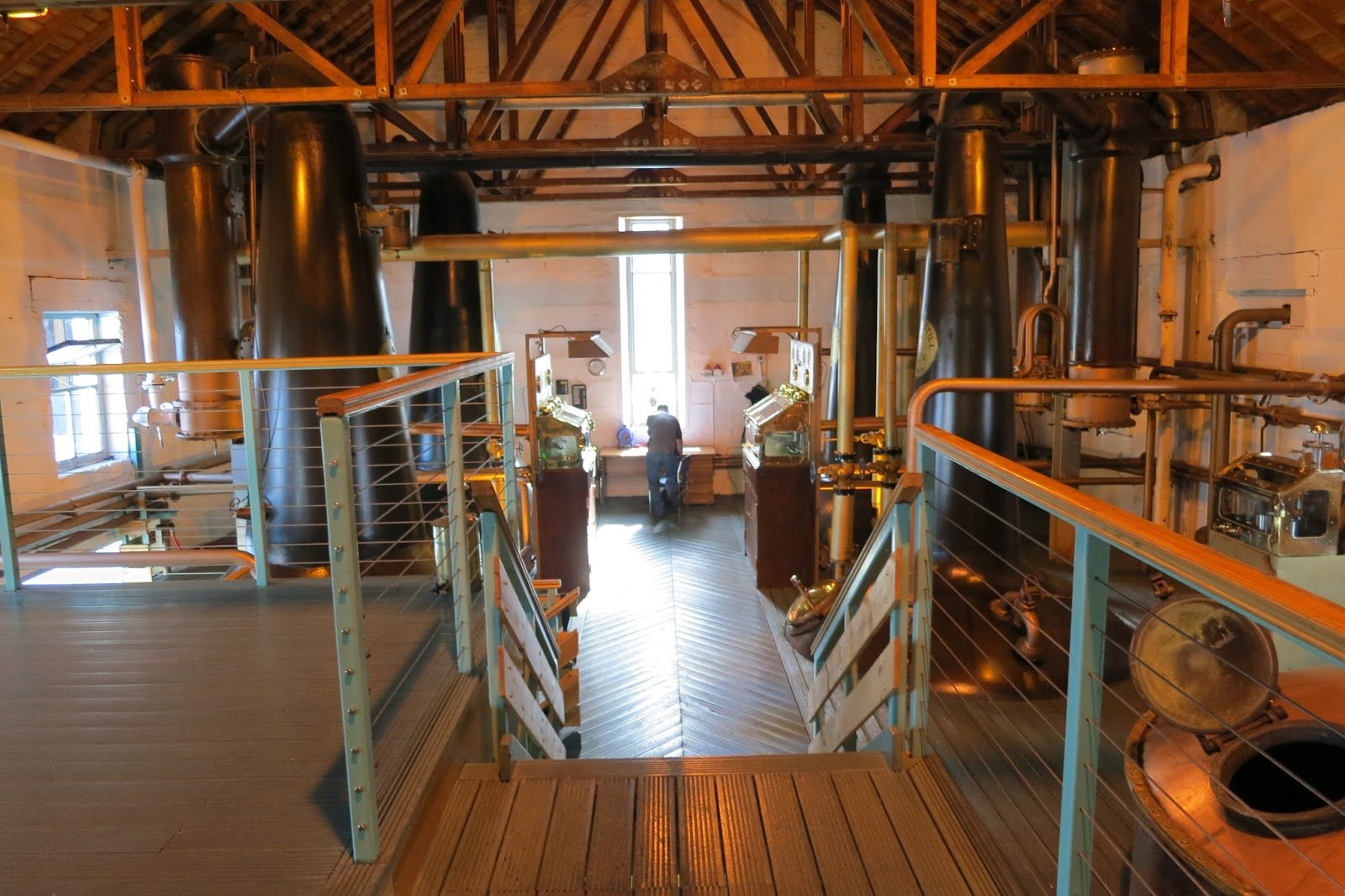
    Visitor experiences at Bruichladdich are structured around production access rather than polished theatre. Tours move through active production spaces, and the distillery has retained open wooden washbacks and a Victorian-era still house that reflects the original 1881 infrastructure. That architectural continuity is not merely aesthetic , the equipment dimensions and geometry influence fermentation character in ways that modernisation would alter. Scotland's distillery tourism has divided into two broad formats: the fully staged heritage experience with gift shop at the centre, and the production-access format where the operational reality of whisky-making is the actual content. Bruichladdich operates within the second category, which requires a different kind of visitor preparation but delivers a more technically grounded understanding of the process.

    The practical logistics of reaching Bruichladdich reflect its location. Islay is accessible by ferry from Kennacraig on the Kintyre peninsula, with the crossing taking approximately two hours. The distillery sits in the village of Bruichladdich on the western side of Loch Indaal, around three miles from Bowmore. Given the island's limited public transport, most visitors plan around a hire car or a dedicated distillery tour departing from the ferry terminal at Port Ellen or Port Askaig. Advance booking for tours is strongly recommended, particularly between May and September when Islay's visitor numbers concentrate. The distillery's Pearl 4 Star Prestige recognition suggests a visitor experience calibrated for engaged whisky travellers rather than casual day-trippers.

    How Bruichladdich Sits in the Scottish Whisky Field

    Within Scotland's broader distillery landscape, Bruichladdich occupies a position analogous to the smaller, philosophically driven producers that have emerged across other spirit categories , independently minded, provenance-oriented, and willing to accept a more specialist audience in exchange for production integrity. Ardnahoe in Port Askaig represents a newer entrant to the Islay conversation, while established mainland names like Aberlour in Aberlour and Cardhu in Knockando operate within more conventional Speyside parameters. Further afield, Auchentoshan Distillery in Clydebank represents the Lowland triple-distillation tradition, and Balblair Distillery in Edderton and Clynelish Distillery in Brora anchor the Northern Highland style. Each of these producers defines its identity through regional and environmental specificity , the same logic Bruichladdich applies, but expressed through Islay's particular conditions of Atlantic exposure, maritime humidity, and locally grown grain.

    For visitors constructing a broader Scottish whisky itinerary, the contrast between Islay producers is instructive. Dornoch Distillery in Dornoch and Dunphail Distillery in Dunphail represent the newer wave of small-scale Highland producers approaching terroir questions from different angles. Bladnoch Distillery in Bladnoch occupies the Lowland region, while Deanston in Deanston and Glen Garioch Distillery in Oldmeldrum each bring Highland inflections shaped by their own geographic and agricultural conditions. Taken together, these producers map a country where place still determines character , the same argument Bruichladdich has been making from its position on Loch Indaal's western shore. For a full guide to eating, drinking, and staying in the area, see our full Bruichladdich restaurants guide.

    Planning Your Visit

    Bruichladdich distillery is located at Bruichladdich, Isle of Islay PA49 7UN. The island is reached by CalMac ferry from Kennacraig (approximately two hours) or by regional flights into Islay Airport from Glasgow. Hire cars are available at the airport and ferry terminals, and are the most practical means of reaching the distillery. Tour formats and availability should be confirmed directly with the distillery before travel, as capacity is limited and high-demand periods sell out weeks in advance. The Pearl 4 Star Prestige rating (2025) places this experience in the upper tier of Scottish distillery visits, and the depth of engagement on offer justifies treating it as a primary destination rather than an incidental stop on a wider Islay day.

    Frequently Asked Questions

    What's the must-try whisky at Bruichladdich?
    The unpeated Bruichladdich Classic Laddie serves as the clearest expression of the distillery's terroir argument , Scottish-grown barley, no peat, and a profile shaped by Atlantic-facing maturation rather than smoke. For a direct comparison to the island's peat tradition, the Port Charlotte expressions apply heavy peat to the same provenance-focused production philosophy, making the contrast between the two lines the most instructive tasting pairing the distillery offers. The Octomore series, recognised within specialist whisky circles as among the most heavily peated spirits produced anywhere, extends that contrast further. All three lines sit within the Pearl 4 Star Prestige recognition awarded in 2025.
    Why do people go to Bruichladdich?
    Visitors come primarily to engage with a production philosophy that treats Scottish agricultural terroir as the central variable in whisky character , a position Bruichladdich has held more consistently than most distilleries of comparable size. The 2025 Pearl 4 Star Prestige award reflects a visitor experience calibrated for specialists rather than casual tourists. Islay's concentration of active distilleries within a small geographic area also means that Bruichladdich typically forms part of a multi-day island itinerary, with the distillery's western shore location offering a different environmental context from the southern Kildalton coast.
    Can I walk in to Bruichladdich?
    Walk-in availability at Bruichladdich depends on tour capacity on the day, and the distillery's remote location on the Isle of Islay means that arriving without a booking carries real risk, particularly between May and September. Given the logistics of reaching Islay by ferry or flight, advance booking is the practical approach , arriving on the island without a confirmed tour slot and finding no availability would represent a significant wasted journey. Check current booking arrangements directly with the distillery before travel.
    How does Bruichladdich's approach to barley sourcing differ from other Scottish distilleries?
    Bruichladdich has been among the most explicit advocates for field-level barley provenance in Scottish whisky production, specifying farm and sometimes individual field sources on certain bottlings in a manner more commonly associated with wine appellation systems. This extends to experiments with heritage barley varieties grown on Scottish soil, which places the distillery's production philosophy closer to the natural wine movement than to conventional grain-sourcing practice in the spirits industry. The Pearl 4 Star Prestige recognition (2025) acknowledges a visitor and production programme built substantially around that provenance framework, and it distinguishes Bruichladdich from peers like Kilchoman , which grows its own barley on-site , in that the sourcing network extends across multiple Scottish farms rather than a single estate.
    Keep this place

    Save or rate Bruichladdich on Pearl

    Keep this venue in your Pearl passport, rate it after you visit, and track it alongside every other place you collect.