Roagna
Barbaresco
Winery in Barbaresco, Italy
 Book with Pearl
The Read
Langhe Single-Vineyard Nebbiolo
Why go
Roagna is a high-effort Barbaresco target for travelers who care about producer credibility, allocation potential, and a wine-led itinerary. Choose it over easier stops if the trip is built around serious Piedmont wine; cross-shop Produttori del Barbaresco or Engine Gin if the group needs a more flexible backup.
About Roagna
Roagna is a Barbaresco venue with confirmed Pearl 3 Star Prestige recognition for 2025. Beyond that accolade and a smart casual dress code, the public details are limited, so planning should stay flexible and be confirmed directly with the venue before you build a day around it.
For trip planning, keep the focus on what is confirmed: Roagna is in Barbaresco, and its current details should be checked before visiting. First-timers can pair that with practical city coverage from our full Barbaresco restaurants guide, our full Barbaresco hotels guide, our full Barbaresco bars guide, and our full Barbaresco experiences guide.
Worth considering for a prestige-led Barbaresco plan
The clearest reason to keep Roagna on a shortlist is its confirmed 2025 Pearl 3 Star Prestige recognition. That makes it a notable name to consider when planning a Barbaresco itinerary, especially if the group is comparing recognized venues rather than building an improvised day.
For context, travelers may also compare Roagna with Gaja and Produttori del Barbaresco when shaping a plan. Bruno Giacosa is another name to consider for a broader premium route, while Distilleria Romano Levi and Engine Gin fit different kinds of itineraries.
Plan with confirmed details, not assumptions
The dress code is smart casual. Specific details such as visit format, service style, purchasing logistics, hours, pricing, and seasonal recommendations are not confirmed in the data so they should not be assumed. Check Roagna directly before finalizing timing or expectations.
The verdict: include Roagna if you want a Barbaresco stop with confirmed 2025 Pearl 3 Star Prestige recognition and you are comfortable verifying the practical details yourself. If you need a fully specified visit format before planning, compare other options first, then widen the itinerary only as needed.
Planning details
- Location
- Località Paglieri, 9, 12050 Barbaresco CN
- Website
- roagna.com
- Phone
- +39 0173 635109
The take
The Take
The Vibe
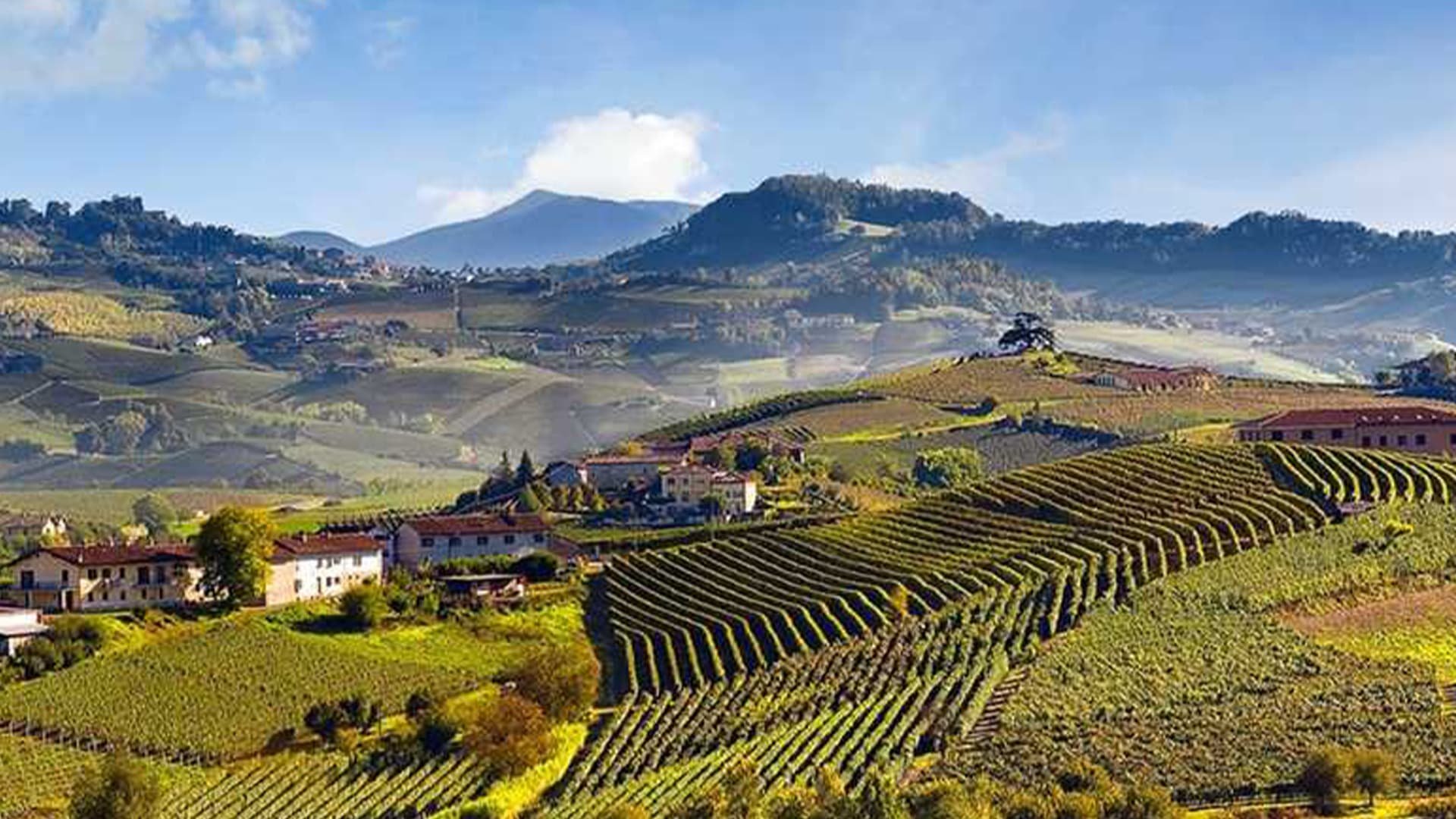
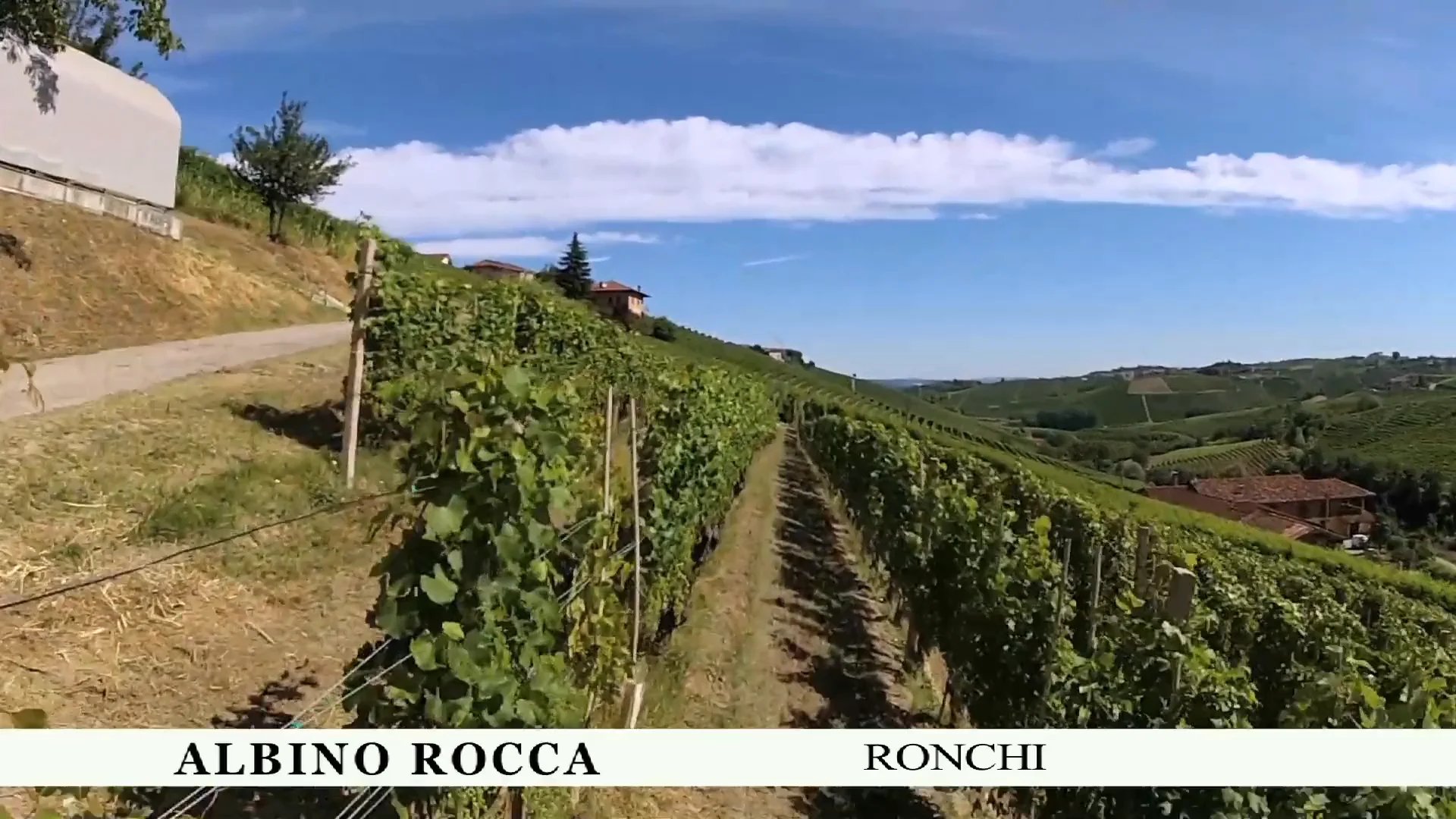
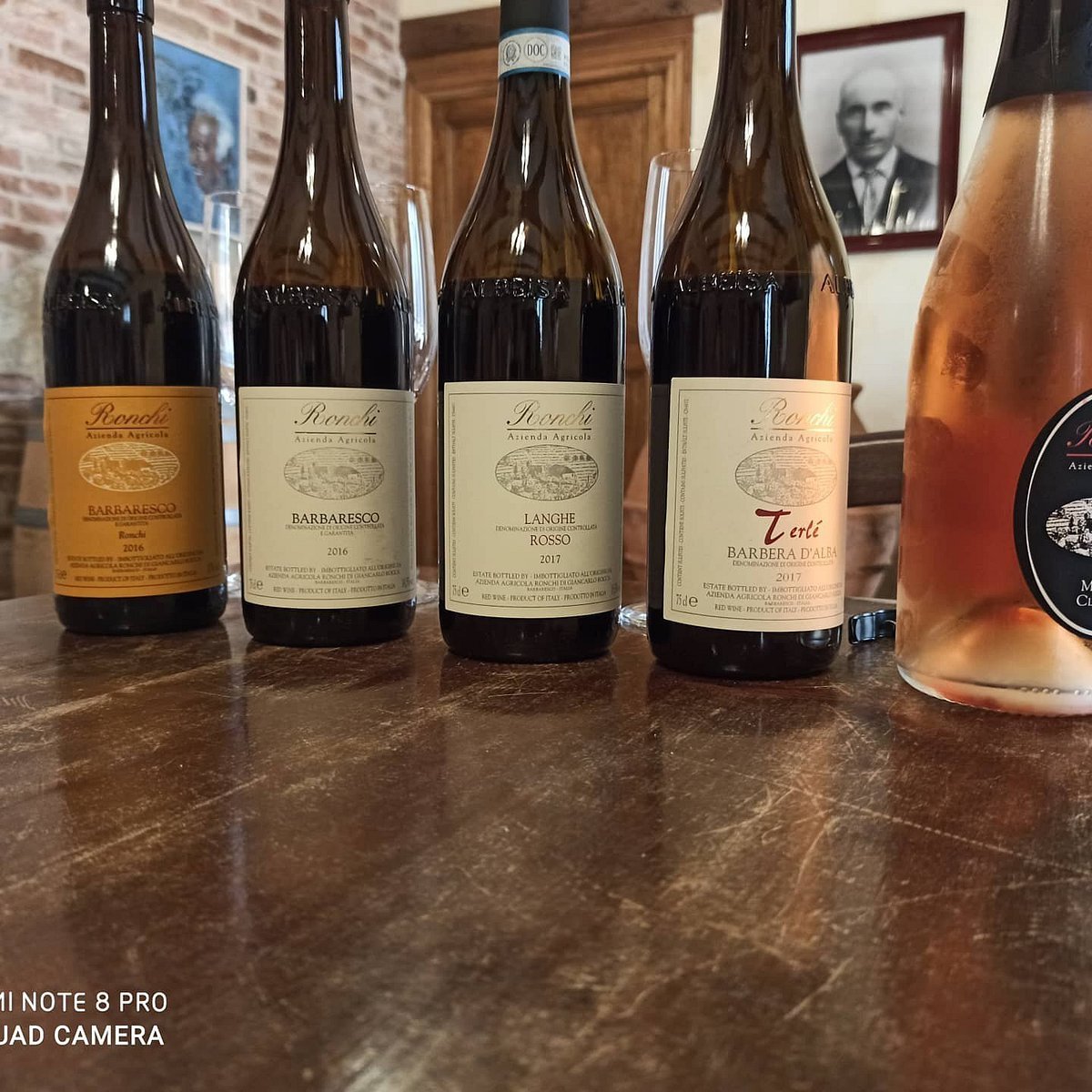
Roagna presents the feel of a serious, old‑world grower set in a compact Langhe village. Arrival is immediate — the village tower and the agricultural geometry of Paglieri frame the estate — and that sense of place carries through to the tasting room. This is a working family property that privileges low production and extended élevage over tourist infrastructure; the writing emphasizes tradition and discipline rather than theatrical hospitality. The tone is quietly authoritative: you come to learn the site and its wines, not to be entertained. The atmosphere rewards patience and attention to the craft of Barbaresco.
Best For
Roagna is best for visitors who prioritize terroir, close study and serious wine education. It suits collectors, students and enthusiasts who want to compare site expression within Barbaresco’s recognised producing zones — especially Paglieri — and who appreciate low‑volume, family‑run production with longer élevage. The estate’s placement in the specialist cohort (and its Pearl 3 Star Prestige rating for 2025) signals that tastings focus on provenance and technique rather than commercial breadth. Travelers seeking an unvarnished, workaday view of winemaking and those prepared for appointment‑style visits get the most from a stop here.
Tasting Tips
Treat a visit to Roagna as an appointment with a working grower rather than a stroll into a tourist tasting room. The description stresses the traditional Langhe model and the estate’s role in Paglieri, so book ahead and confirm the format of the tasting before you arrive. Come with specific questions about site selection and élevage — the estate’s low production and extended ageing are central to understanding the wines. Be prepared for a focused, educational tasting rather than a casual walk‑up experience, and allow time to discuss vineyard location and production choices with whoever is hosting the visit.
Venue details
Ambiance
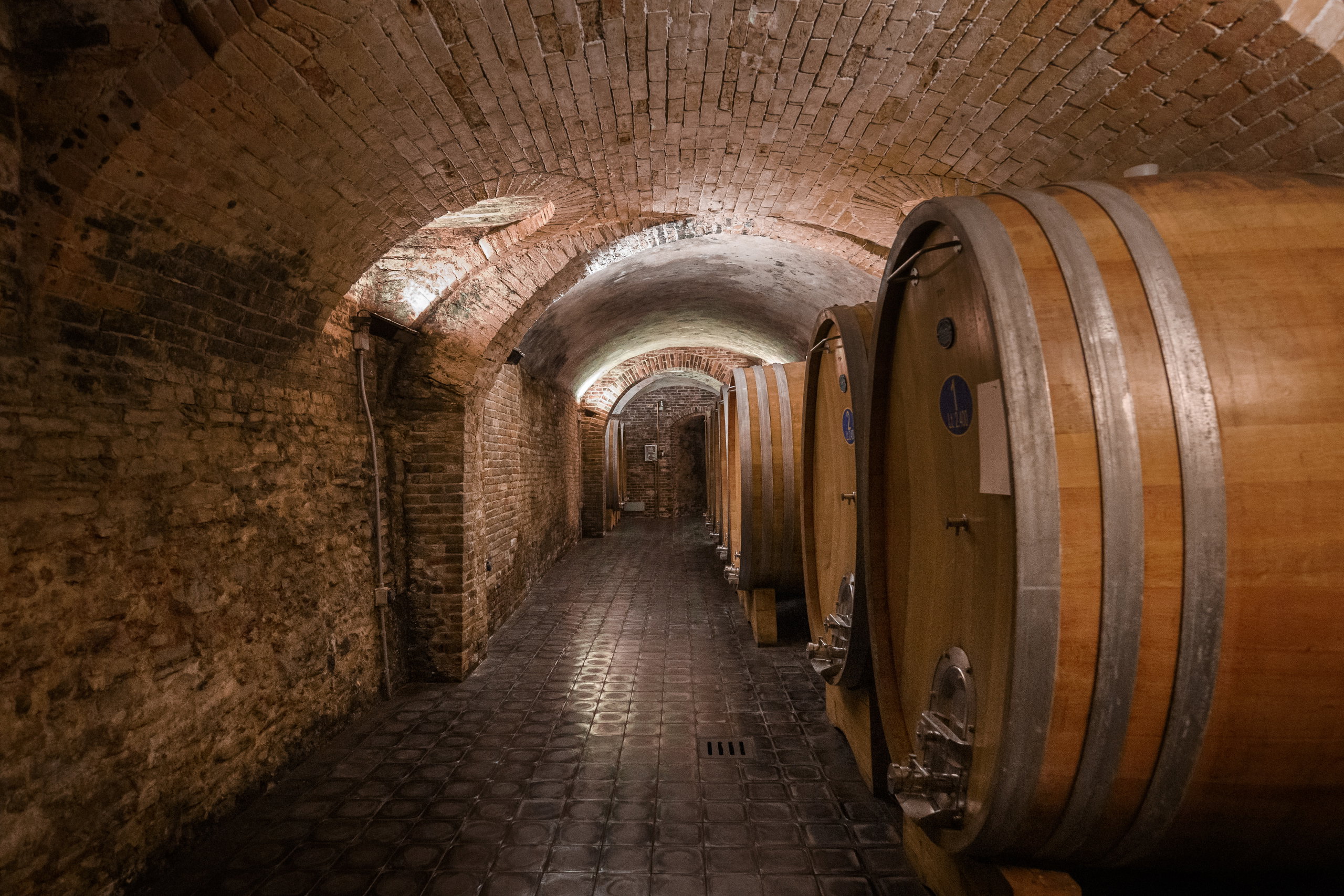
Deeply traditional atmosphere in historic cellars with emphasis on terroir-driven wines aged in large oak barrels for years.
Tags
Vibe
Best For
Experience
View
At the Vineyard
- Appellation
- Barbaresco DOCG
- Varietals
- Nebbiolo, Dolcetto, Chardonnay
- Tour Duration
- 60-90 minutes
- Visits
- By appointment only
- Production
- Small producer
- Wine Styles
- Still Red
- Wine Club
- Available
Know before you go
Know Before You Go
- Getting there
- Località Paglieri, 9, 12050 Barbaresco CN
Planning details
Location
Also consider
If access does not work out
Try Produttori del Barbaresco first if the goal is an approachable Barbaresco benchmark. Choose Gaja if the trip still needs a prestige-led wine anchor and the group is prepared for another hard-to-secure stop.
Winery context
How Roagna compares in Barbaresco
Choose Roagna when the priority is a serious producer visit and possible long-term buying value, not convenience. Gaja is the more obvious prestige comparison in Barbaresco, while Produttori del Barbaresco is the smarter fallback for travelers who want a broader, easier-to-understand regional benchmark.
Engine Gin serves a different purpose: it works better when the group is split between wine and spirits, or when a lower-friction stop matters more than cellar seriousness. Distilleria Romano Levi and Bruno Giacosa are better treated as itinerary extensions outside the immediate Barbaresco core rather than direct substitutes.
For value, Roagna makes sense when access could support future buying. For ambiance, the draw is the vineyard-country setting rather than a polished hospitality script. For booking ease, keep Produttori del Barbaresco and Engine Gin as practical alternatives.
Explore Barbaresco
Around this place
Discover more on Pearl
Unlock the full Roagna guide in Pearl, including awards, comparisons, FAQs, planning details, and nearby places.
Compare Roagna
| Venue | Location | Awards |
|---|---|---|
| Roagna | Barbaresco | No published awards |
| Engine Gin | Barbaresco | No published awards |
| Gaja | Barbaresco | 2026 Falstaff Winery Guide2025 Pearl 5 Star Prestige2020 World's 50 Best Vineyards · #36 |
| Produttori del Barbaresco | Barbaresco | 2026 Falstaff Winery Guide |
| Distilleria Romano Levi | Neive | No published awards |
| Bruno Giacosa | Neive | 2026 Falstaff Winery Guide2025 Pearl 4 Star Prestige |



How Roagna Barbaresco compares with similar nearby venues.
FAQ
Frequently Asked Questions
Does Roagna offer shipping or purchasing options?
The location is Barbaresco. If those arrangements are essential, compare current policies with Gaja or other relevant options before you commit.
Are membership or club details available for Roagna?
What is confirmed is Roagna's 2025 Pearl 3 Star Prestige recognition, which makes it a notable Barbaresco name to consider. For comparison, Produttori del Barbaresco and Gaja are useful reference points when shaping a premium itinerary.
Does Roagna serve food?
If your day needs a confirmed meal plan, arrange dining separately in Barbaresco and treat Roagna's practical details as something to verify before visiting.
What other venues can I compare with Roagna?
Gaja and Produttori del Barbaresco are useful comparisons. Bruno Giacosa is also relevant for a broader premium route, while Distilleria Romano Levi and Engine Gin are different categories and make sense only if they fit your wider itinerary.