

Winery in Ancram, United States
Hillrock Estate Distillery
500Pearl PointsEstate-drive pour
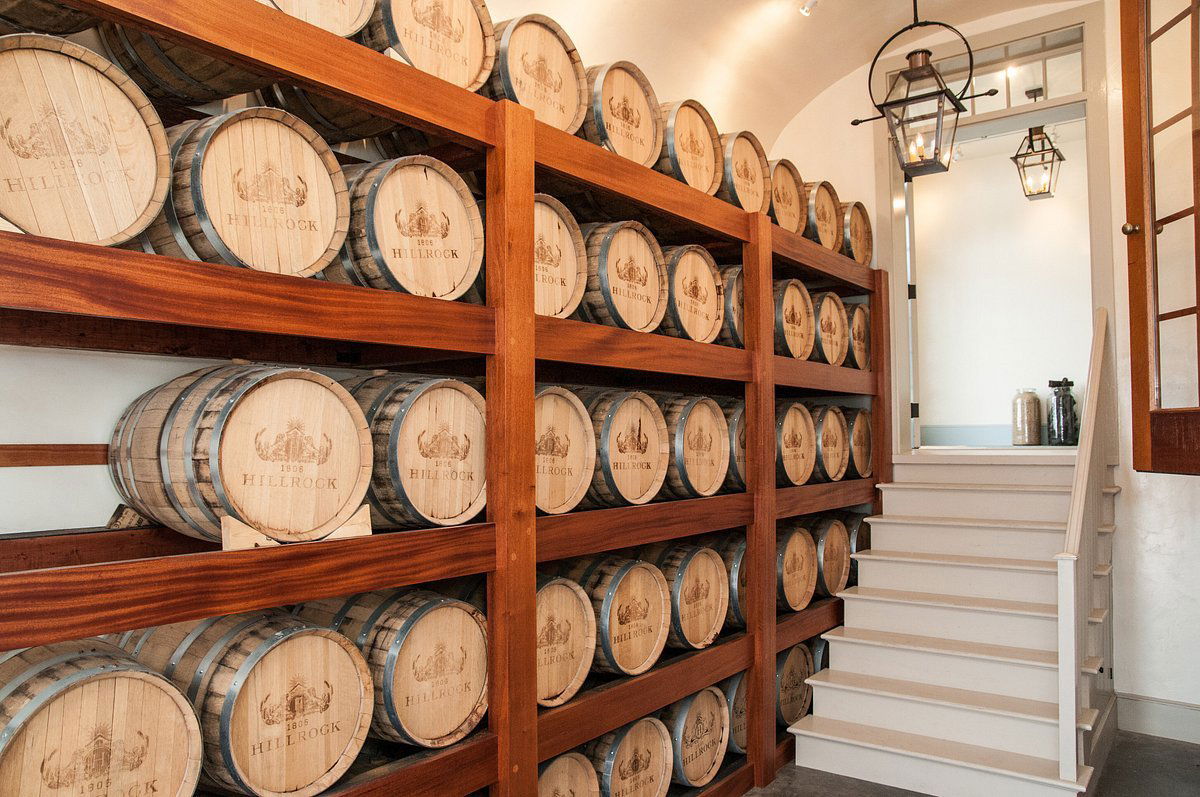
About Hillrock Estate Distillery
Hillrock Estate Distillery is worth prioritizing if the estate setting is part of the reason for going, not just a backdrop. Its 2025 Pearl 2 Star Prestige signal makes it a serious Ancram-area spirits stop, but travelers looking for a traditional vineyard day should cross-shop Millbrook Vineyards & Winery instead.
Is Hillrock Estate Distillery worth planning around in Ancram? The verified signal is direct: Hillrock Estate Distillery holds Pearl 2 Star Prestige for 2025, the listed dress code is smart casual. Beyond that, travelers should avoid assuming specific visit formats, schedules, group policies, shipping, or other services unless they confirm them directly with the venue.
Use the recognition as a reason to take Hillrock Estate Distillery seriously, not as proof of a particular experience. If you are comparing distillery or winery stops in the broader region, Dutch's Spirits, Taconic Distillery, Tenmile Distillery, Harvest Spirits (Barber's Farm), and Millbrook Vineyards & Winery are useful names to check alongside Hillrock Estate Distillery.
The verified case for Hillrock Estate Distillery
The grounded case is recognition and location: Hillrock Estate Distillery is in Ancram and is listed with Pearl 2 Star Prestige in 2025. The dress code is smart casual, so visitors should plan for a polished but not formal appearance.
What is not verified here is just as important. This guide does not have confirmed public details for hours, pricing, visit format, food service, shipping, large-group handling, or reservation requirements. Treat those as direct-confirmation items before building an itinerary around the stop.
Who should prioritize it, who should cross-shop
Prioritize Hillrock Estate Distillery if a Pearl-recognized Ancram venue is specifically what you want to include. Cross-shop if your plans depend on details not confirmed here, such as timing, service format, group size, or a wine-focused visit.
For broader planning, compare Hillrock Estate Distillery with Dutch's Spirits, Harvest Spirits (Barber's Farm), Taconic Distillery, Tenmile Distillery, Millbrook Vineyards & Winery. The practical decision is simple: choose Hillrock Estate Distillery when its Ancram location and Pearl 2 Star Prestige recognition are enough to anchor the plan; confirm directly before relying on any operational details.
Frequently Asked Questions
How long should I plan for a visit to Hillrock Estate Distillery?
Pearl does not have a verified visit length for Hillrock Estate Distillery. The confirmed details are that it is in Ancram, has Pearl 2 Star Prestige for 2025, lists smart casual dress. Confirm timing directly with the venue before planning around it.
Can Hillrock Estate Distillery handle large groups?
Large-group handling is not verified in the available data. If group size matters, contact Hillrock Estate Distillery directly and compare confirmed policies with options such as Taconic Distillery or Dutch's Spirits.
Do I need a reservation at Hillrock Estate Distillery?
Reservation requirements are not verified here. Because Hillrock Estate Distillery has Pearl 2 Star Prestige for 2025, it is sensible to confirm current access and booking details directly before you go.
Does Hillrock Estate Distillery have a membership program?
A membership program is not verified in the available data for Hillrock Estate Distillery. If membership benefits matter to your decision, confirm them directly with the venue and compare with Millbrook Vineyards & Winery or Harvest Spirits (Barber's Farm) only after checking current details.
When is the best time to visit Hillrock Estate Distillery?
Pearl does not have verified hours or seasonal guidance for Hillrock Estate Distillery. Check the venue's current information before setting a visit time, especially if you are also comparing Taconic Distillery or Tenmile Distillery for the same itinerary.
What other venues should I compare with Hillrock Estate Distillery?
Millbrook Vineyards & Winery is a useful comparison for travelers considering Hillrock Estate Distillery. Harvest Spirits (Barber's Farm) and Taconic Distillery are also relevant comparison points if you are deciding among venues in the broader region.
Does Hillrock Estate Distillery ship products?
Shipping is not verified in the available data for Hillrock Estate Distillery. Confirm directly with the venue before planning around shipping, check current policies separately for Millbrook Vineyards & Winery and Tenmile Distillery if you are comparing options.
Location
408 Poole Hill Rd, Ancram, NY 12502
Ancram, United States
Compare Hillrock Estate Distillery
| Venue | Location | Awards |
|---|---|---|
| Hillrock Estate Distillery | Ancram | Pearl 2 Star Prestige (2025) |
| Dutch’s Spirits | Pine Plains | , |
| Taconic Distillery | Stanfordville | , |
| Millbrook Vineyards & Winery | Millbrook | , |
| Tenmile Distillery | Wassaic | , |
| Harvest Spirits (Barber’s Farm) | Valatie | , |
How Hillrock Estate Distillery Ancram compares with similar nearby venues.
If You Can't Get In
Try Taconic Distillery if the priority is staying within the distillery category, or Millbrook Vineyards & Winery if the day works better as a wine-country itinerary. Both are more sensible backups than forcing a difficult appointment into an already packed schedule.
How It Compares
Hillrock Estate Distillery is the estate-led pick in this group: choose it when ambiance and a destination feel matter as much as the tasting itself. Dutch's Spirits and Taconic Distillery are better cross-shops for readers who want a distillery visit without making the grounds the main event.
For wine-first travelers, Millbrook Vineyards & Winery is the cleaner alternative because the category fit is clearer. For spirits-focused travelers comparing access and day-planning flexibility, Tenmile Distillery and Harvest Spirits (Barber's Farm) are useful backups if Hillrock is too difficult to arrange.
Value depends on what the reader wants from the stop. If the goal is a quick tasting, this is likely more commitment than needed. If the goal is a destination spirits visit with a stronger sense of place, Hillrock is the one to prioritize.
Explore Ancram
Save or rate Hillrock Estate Distillery on Pearl
Keep this venue in your Pearl passport, rate it after you visit, and track it alongside every other place you collect.