Millbrook Vineyards & Winery
Millbrook
Winery in Millbrook, United States
 Book with Pearl
The Read
Cold-Climate Estate Viticulture
Why go
Choose Millbrook Vineyards & Winery when the day should revolve around wine rather than a broader spirits crawl. It is the stronger fit for wine-focused travelers in Millbrook, while Taconic Distillery, Tenmile Distillery, Dutch's Spirits, and Hillrock Estate Distillery suit groups looking for a distillery-led itinerary.
About Millbrook Vineyards & Winery
Millbrook Vineyards & Winery is a Millbrook venue with a casual dress code and Pearl 2 Star Prestige recognition for 2025. Plan with the venue's current official information before making firm arrangements.
This guide is best read as a concise planning note rather than a detailed service guide. If you are comparing named options, keep the decision broad: Millbrook Vineyards & Winery and Benmarl Winery are the wine-named options here, while Taconic Distillery, Tenmile Distillery, Dutch's Spirits, and Hillrock Estate Distillery are separate comparison venues.
Choose it for a Millbrook venue visit with limited details
For travelers considering a Millbrook visit, Millbrook Vineyards & Winery can be considered as a venue stop, but the available guidance is limited. Dress casually, note the Pearl 2 Star Prestige recognition, and avoid assuming specific services that are not listed here. For wider planning, pair this page with broader Millbrook planning resources, then confirm meals, hotels, or drinks separately.
Because no menu, visit structure, price, list of offerings, or service format is listed, the comparison should stay high-level. Benmarl Winery is the other wine-named comparison here. Taconic Distillery, Tenmile Distillery, Dutch's Spirits, and Hillrock Estate Distillery may be useful alternatives for travelers considering other named venues.
Confirm practical details and keep the rest of the day flexible
Plan carefully, but do not assume a specific booking method, schedule, or availability from this guide alone. The listing does not include hours or reservation details, so confirm current information directly before building the rest of the day around a visit. For a fuller Millbrook day, round out the rest of your plans with current local planning information.
Millbrook Vineyards & Winery is best treated as a Millbrook listing with limited details rather than as a fully documented itinerary on its own. Use the confirmed facts, Millbrook location, casual dress, and Pearl 2 Star Prestige recognition as the starting point, then verify practical details before choosing it over Benmarl Winery or over other named comparison venues such as Taconic Distillery, Tenmile Distillery, Dutch's Spirits, and Hillrock Estate Distillery.
Planning details
- Location
- 26 Wing Rd, Millbrook, NY 12545
- Website
- millbrookwine.com
- Phone
- +1 845-677-8383
The take
The Take
The Vibe
Millbrook Vineyards & Winery reads like a quietly sophisticated Hudson Valley estate. The writing emphasizes genuine historical roots and a producer that sits comfortably in the region’s lineage, while recent industry recognition frames the operation as a premium showpiece rather than a regional curiosity. The text positions Millbrook as an underexplored, terroir-forward destination — scenic and rustic in setting but polished in execution — where mineral soils and elevation inform restrained, structural wines. Visitors should expect an editorial, cultivated atmosphere that privileges origin and nuance over flashy fruit, making the property feel both rooted in history and quietly elevated.
Best For
Millbrook is best for travelers who come with a wine-focused agenda and for those planning a short regional escape. The copy explicitly contrasts instinctive weekend trips to Napa with the less-visited Hudson Valley, signaling that Millbrook suits weekend explorers seeking a different American wine narrative. It also speaks to guests who prioritize understanding terroir — people interested in why climate, diurnal shifts and local soils matter to a bottle. In short, the estate is a strong pick for weekend escapes centered on tasting and learning, and for visitors who value measured, place-driven wines.
Tasting Tips
When tasting at Millbrook, orient yourself toward expressions that foreground terroir and structure rather than overt fruitiness. The description highlights acid retention, mineral complexity and the winery’s recognition within a wider premium field, so ask staff which wines were shaped by the Taconic foothills’ granitic and schist-rich soils or which bottles contributed to the Pearl 2 Star Prestige recognition. Seek out examples that show acidity and mineral lift — these are the regional signatures the text points to — and treat the tasting as an exercise in reading place rather than chasing ripe, fruit-driven profiles.
Venue details
Ambiance
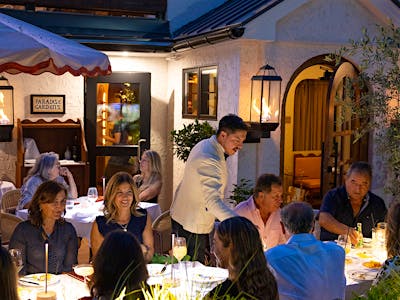
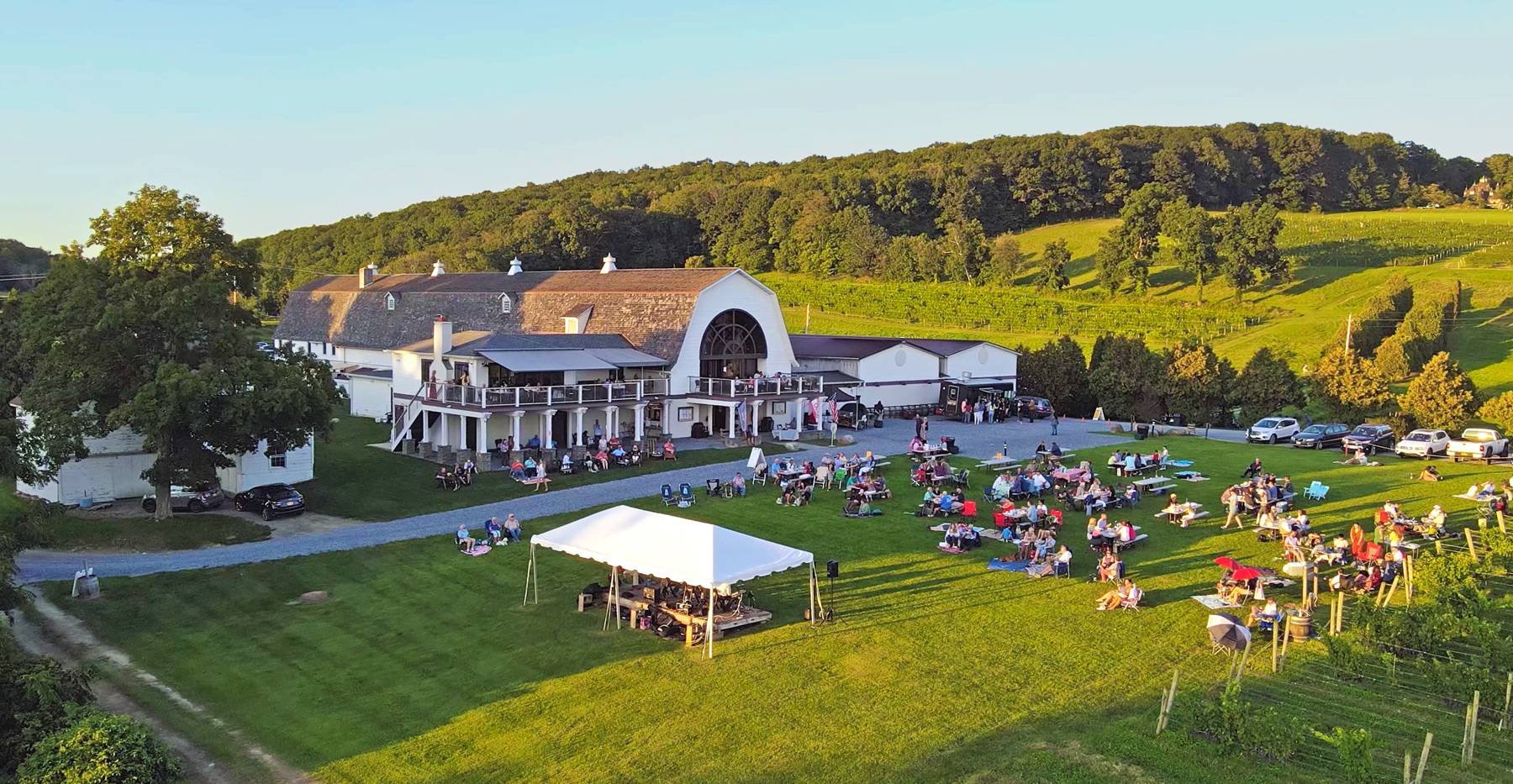
Beautiful grounds with vineyard views, picnic areas by the lake, balcony terrace, and cozy tasting room with warm welcomes and educational tastings.
Tags
Vibe
Best For
Experience
View
At the Vineyard
- Appellation
- Hudson Valley AVA
- Varietals
- Chardonnay, Riesling, Cabernet_Franc, Pinot_Noir, Tocai_Friulano
- Visits
- By reservation
- Wine Styles
- Still White, Still Red
- Food Pairing
- Offered
- Shipping
- Available
- Wine Club
- Available
Know before you go
Know Before You Go
- Getting there
- 26 Wing Rd, Millbrook, NY 12545
Planning details
Location
Also consider
Where to go if this is full
Try Benmarl Winery first if the group still wants a winery. For a drinks itinerary that does not need to stay wine-focused, Taconic Distillery or Hillrock Estate Distillery are the cleaner pivots.
Winery context
How it compares in Millbrook
Millbrook Vineyards & Winery is the wine-first choice in this set. Taconic Distillery, Tenmile Distillery, Dutch's Spirits, and Hillrock Estate Distillery make more sense for groups that want whiskey or a spirits-led stop. Choose the winery when the priority is a tasting-room day built around wine rather than cocktails or distillation.
Benmarl Winery is the closest wine comparison for readers deciding between winery visits. With no verified public pricing across this set, value should be judged by fit: Millbrook is the better pick for a focused Millbrook wine stop, while Benmarl is the obvious cross-shop if the group wants another Hudson Valley winery rather than a distillery.
Booking difficulty is the practical separator. Treat Millbrook Vineyards & Winery as harder to slot casually and keep a backup from the peer list. For ambiance, choose the winery for a calmer countryside wine itinerary; choose the distilleries when the group wants a stronger spirits identity and a less wine-specific afternoon.
Explore Millbrook
Around this place
Discover more on Pearl
Unlock the full Millbrook Vineyards & Winery guide in Pearl, including awards, comparisons, FAQs, planning details, and nearby places.
Compare Millbrook Vineyards & Winery
| Venue | Location | Awards |
|---|---|---|
| Millbrook Vineyards & Winery | Millbrook | No published awards |
| Taconic Distillery | Stanfordville | No published awards |
| Tenmile Distillery | Wassaic | No published awards |
| Dutch’s Spirits | Pine Plains | No published awards |
| Hillrock Estate Distillery | Ancram | No published awards |
| Benmarl Winery | Marlboro | No published awards |
How Millbrook Vineyards & Winery compares with similar nearby venues.
FAQ
Frequently Asked Questions
Do I need a reservation at Millbrook Vineyards & Winery?
Reservation requirements are not listed in the venue details. Before planning a visit to Millbrook Vineyards & Winery in Millbrook, confirm current booking guidance directly with the venue.
Is there a membership program at Millbrook Vineyards & Winery?
Membership terms are not listed in the venue details, so review current information directly with Millbrook Vineyards & Winery before making a decision.
When is the best time to visit Millbrook Vineyards & Winery?
Hours and seasonal timing are not listed in the venue details. Plan around the venue's current information and keep the rest of your Millbrook schedule flexible until those details are confirmed.
What specific offering is Millbrook Vineyards & Winery known for?
No specific offering is listed in the venue details. Treat Millbrook Vineyards & Winery as a Millbrook venue to research directly rather than planning around a specific named item.
Does Millbrook Vineyards & Winery serve food?
Food service details are not listed in the venue information. If food availability matters to your visit, confirm current details directly with Millbrook Vineyards & Winery and plan Millbrook dining separately if needed.
What other venues can I compare with Millbrook Vineyards & Winery?
Benmarl Winery is the named wine-named comparison in this guide. Taconic Distillery, Tenmile Distillery, Dutch's Spirits, and Hillrock Estate Distillery are other named comparison venues.