

Winery in Stanfordville, United States
Taconic Distillery
500Pearl PointsRural Spirits Stop
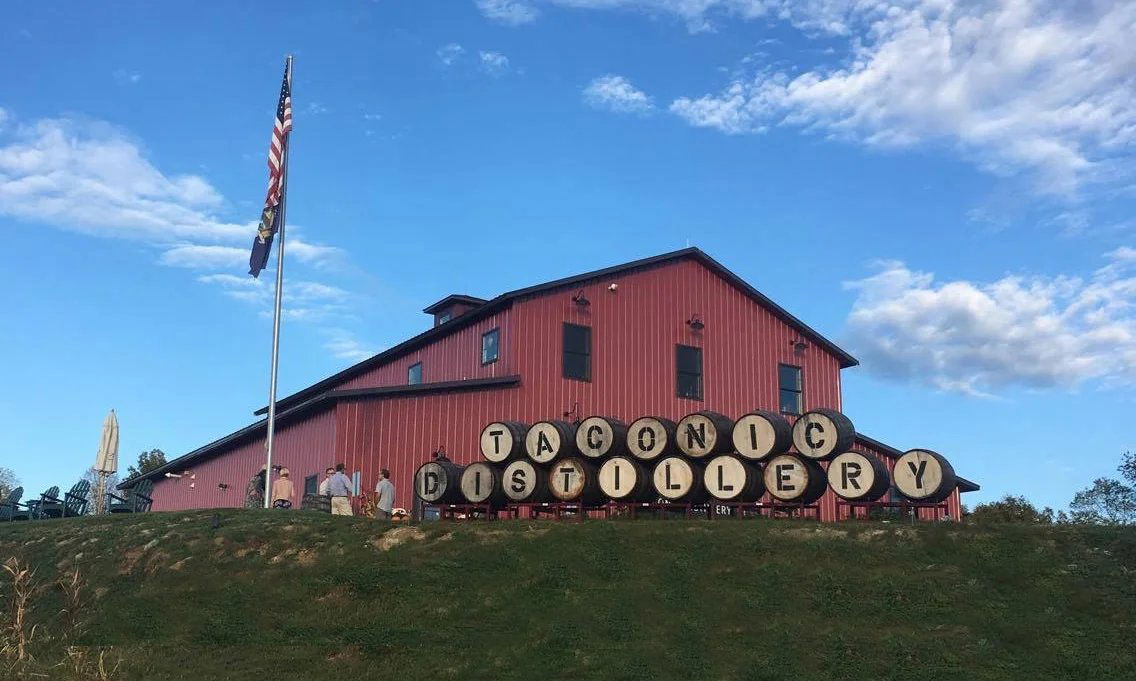
About Taconic Distillery
Taconic Distillery is a better fit for a spirits-focused Stanfordville stop than for a wine-and-food pairing itinerary. Book it into a Hudson Valley drinks route if the group wants a distillery anchor; cross-shop nearby wineries if the priority is a longer vineyard visit or meal-led tasting day.
Build the day around Taconic Distillery as a Stanfordville stop rather than assuming a long meal. The verified basics are limited: it is Taconic Distillery in Stanfordville, the dress code is casual, it holds Pearl 2 Star Prestige (2025). Use those facts to decide whether it fits the day instead of assuming a full dining, pairing, or tasting-room program.
The main decision is category. Taconic Distillery is best framed as a distillery visit rather than a winery outing. If the group is specifically looking for a wine-focused stop, compare it with regional options such as Benmarl Winery or Millbrook Vineyards & Winery instead of expecting Taconic Distillery to serve that role.
Choose it for a Stanfordville distillery stop, not a food-pairing itinerary
If food pairings are the deciding factor, the available verified information does not confirm that kind of experience here. The safer plan is to treat Taconic Distillery as one anchor in the day and handle meal planning separately with other Stanfordville dining or regional options.
For travelers comparing categories, the split is simple: choose Taconic Distillery when the group wants a distillery stop in Stanfordville; choose a winery when the group wants a wine-led outing. Benmarl Winery and Millbrook Vineyards & Winery are better comparisons for wine-focused planning, while Dutch's Spirits, Hillrock Estate Distillery, Tenmile Distillery are more natural comparisons for distillery-focused planning.
Good for explorers who want a clear category choice
The draw is the specificity: Taconic Distillery gives a Stanfordville itinerary a different shape from a winery-focused day. That can help mixed groups decide whether the outing should center on a distillery or on wine, but the available verified information does not support promises about menus, service format, seating, pricing, hours, or a broader hospitality program.
Quick read: choose Taconic Distillery for a casual Stanfordville distillery stop with Pearl 2 Star Prestige (2025). Choose a winery such as Benmarl Winery or Millbrook Vineyards & Winery if wine is the main goal, or compare with Dutch's Spirits, Hillrock Estate Distillery, Tenmile Distillery when planning around distilleries.
Frequently Asked Questions
How long should I plan for a visit to Taconic Distillery?
The verified information does not confirm a visit length, hours, or service format. Plan conservatively and check directly with Taconic Distillery before building a larger Stanfordville itinerary around it.
Is Taconic Distillery a winery?
Taconic Distillery is best treated as a distillery in Stanfordville. If you want a wine-focused stop, compare with Millbrook Vineyards & Winery or Benmarl Winery.
Do I need a reservation at Taconic Distillery?
Reservation requirements are not verified here. Check directly with Taconic Distillery before visiting, especially if you are planning around a group or a fixed schedule.
Does Taconic Distillery serve food?
Food service is not verified here. If food is important, plan a separate restaurant stop in Stanfordville or nearby and treat Taconic Distillery as a distinct part of the outing.
When is the best time to visit Taconic Distillery?
Verified hours are not provided here, so the best time to visit cannot be stated from the available information. Check directly with Taconic Distillery before making the trip to Stanfordville.
Does Taconic Distillery offer shipping?
Shipping is not verified for Taconic Distillery. Check the venue's official channels for any current purchase or shipping information.
Location
179 Bowen Rd, Stanfordville, NY 12581
Stanfordville, United States
Compare Taconic Distillery
| Venue | Location | Awards |
|---|---|---|
| Taconic Distillery | Stanfordville | Pearl 2 Star Prestige (2025) |
| Millbrook Vineyards & Winery | Millbrook | , |
| Dutch’s Spirits | Pine Plains | , |
| Hillrock Estate Distillery | Ancram | , |
| Tenmile Distillery | Wassaic | , |
| Benmarl Winery | Marlboro | , |
How Taconic Distillery Stanfordville compares with similar nearby venues.
Also Consider
- Millbrook Vineyards & Winery, Notable alternative
- Dutch's Spirits, Notable alternative
- Hillrock Estate Distillery, Notable alternative
- Tenmile Distillery, Notable alternative
- Benmarl Winery, Notable alternative
How it compares in the Hudson Valley drinks circuit
Choose Taconic Distillery when the group wants a spirits-led stop near Stanfordville rather than a vineyard afternoon. Millbrook Vineyards & Winery and Benmarl Winery are better fits for wine-focused visitors, especially when the day needs the slower rhythm of a tasting-room itinerary rather than a distillery stop.
Among distillery peers, Dutch's Spirits, Hillrock Estate Distillery, Tenmile Distillery are the more direct cross-shops. Pick Taconic Distillery for the Stanfordville anchor; look at Hillrock Estate Distillery or Tenmile Distillery when the itinerary can stretch farther and the group wants to compare distillery settings rather than mix categories.
For value, the right comparison is not only price but wasted time: a wine-first group should not force a distillery stop, a spirits-first group should not default to a vineyard. If the group is split, pair Taconic Distillery with Millbrook Vineyards & Winery or Benmarl Winery so each side gets a focused visit instead of a compromise stop.
Explore Stanfordville
Save or rate Taconic Distillery on Pearl
Keep this venue in your Pearl passport, rate it after you visit, and track it alongside every other place you collect.