.png?width=1200&quality=80)
Zum See
Swiss · Zum See, Zermatt
Restaurant in Zermatt, Switzerland
 Book with Pearl
The Read
Car-Free Alpine Table
Dress
Smart Casual
Why go
Zum See holds a Michelin Plate for 2024 and 2025 at Zermatt's entry-level price tier: a rare combination in one of Switzerland's most expensive resort towns. Set in a converted alpine farmhouse outside the village centre, it's the Swiss regional table that Zermatt's dining scene genuinely needs. Book for a midweek lunch and walk there; the journey is part of it.
About Zum See
A Michelin-recognised Swiss table at entry-level prices: book it
In a resort town where a bowl of pasta can cost you €30 and a full dinner at Alpine Gourmet Prato Borni or Brasserie Uno will push well past €100 per head, Zum See sits at the budget end of the spectrum (€ price tier) while holding a Michelin Plate for both 2024 and 2025. That combination is the clearest signal Zermatt dining offers: recognised quality without the premium room rate to match. If you've already eaten here once and wondered whether it warranted a return, the answer is yes: and the reasoning is below.
What Zum See actually is
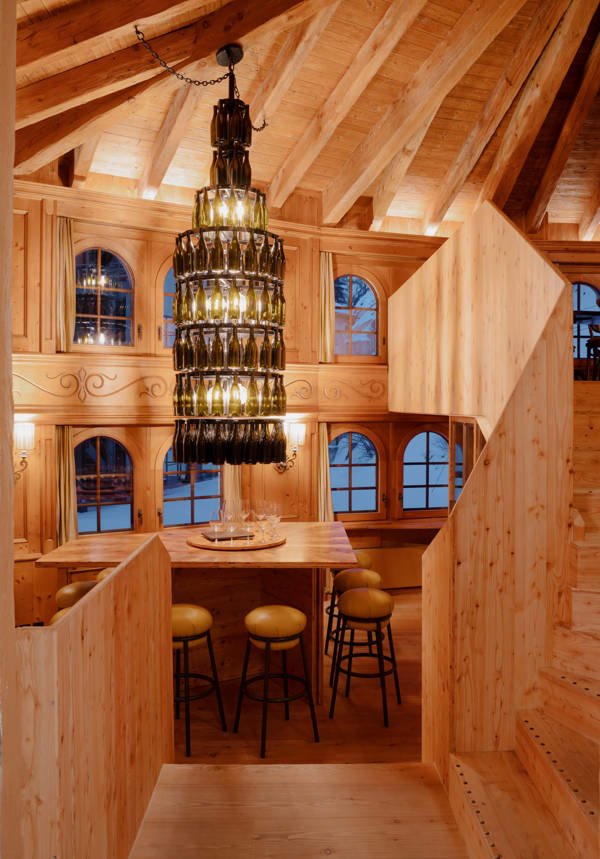
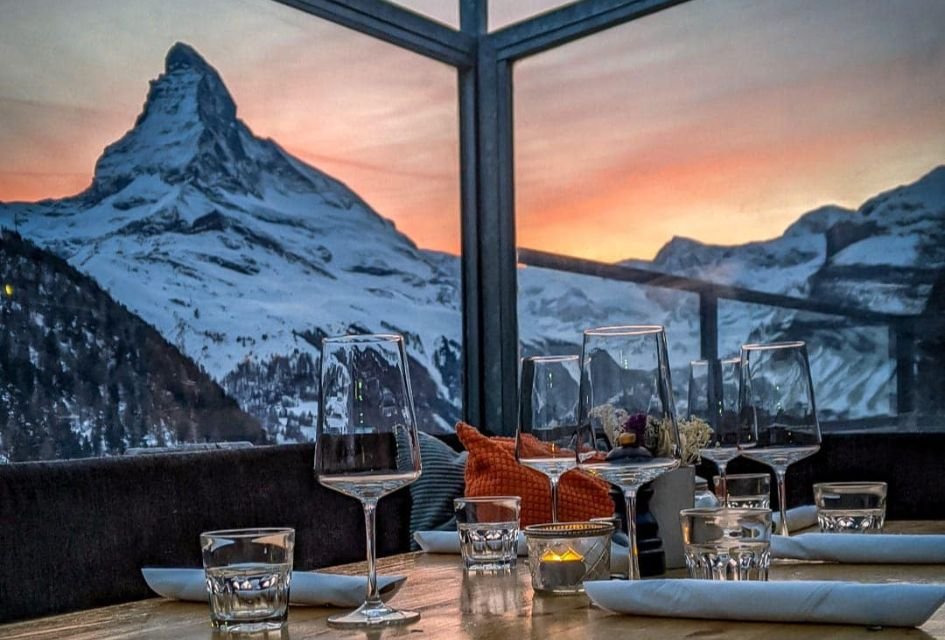
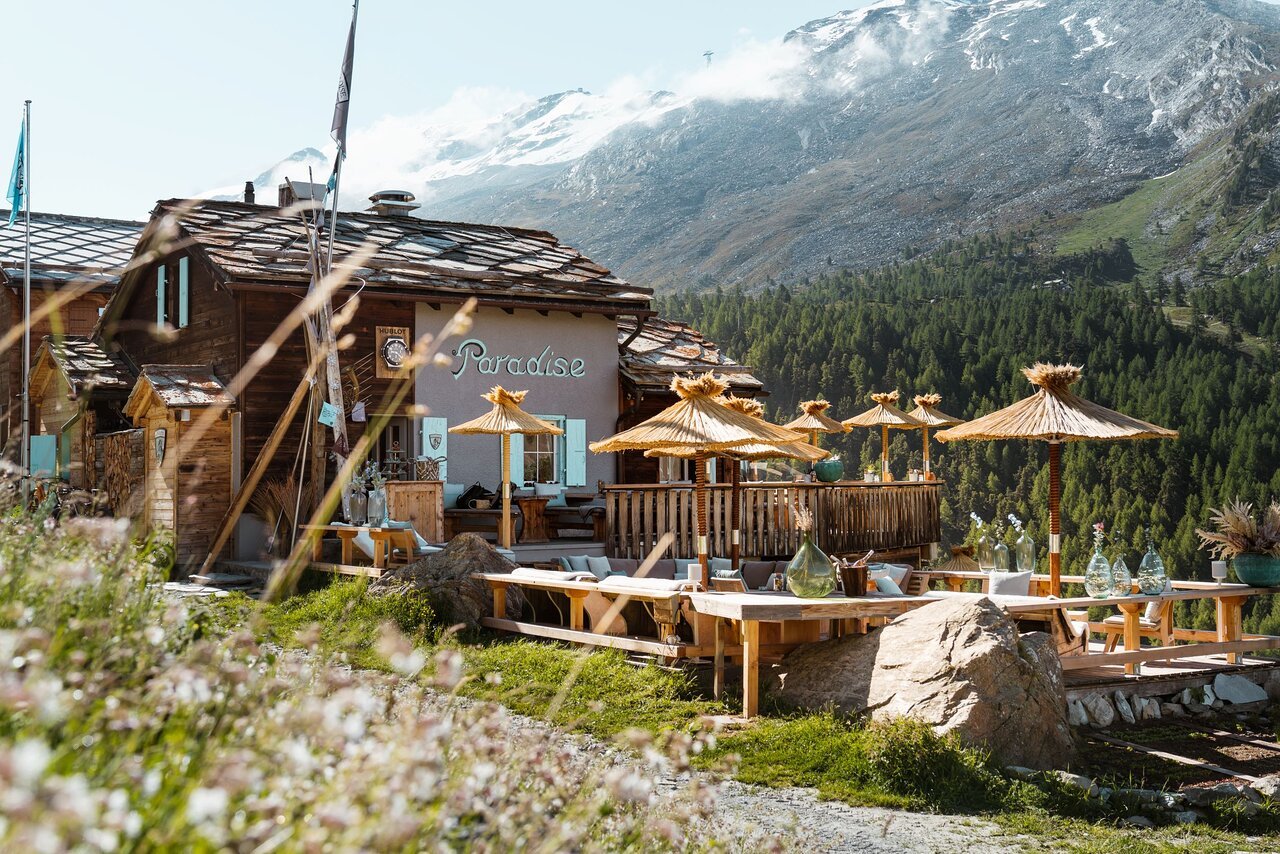
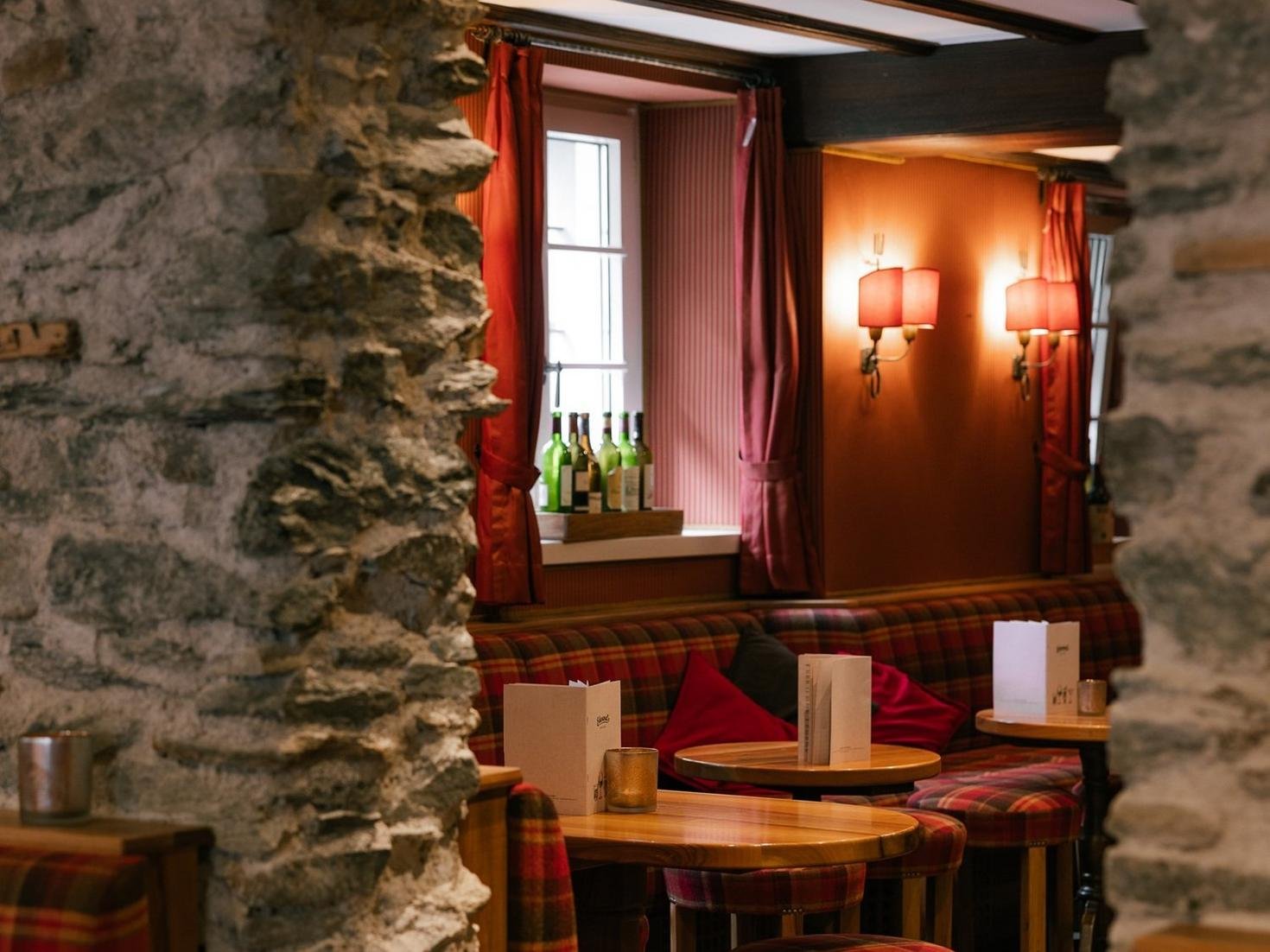
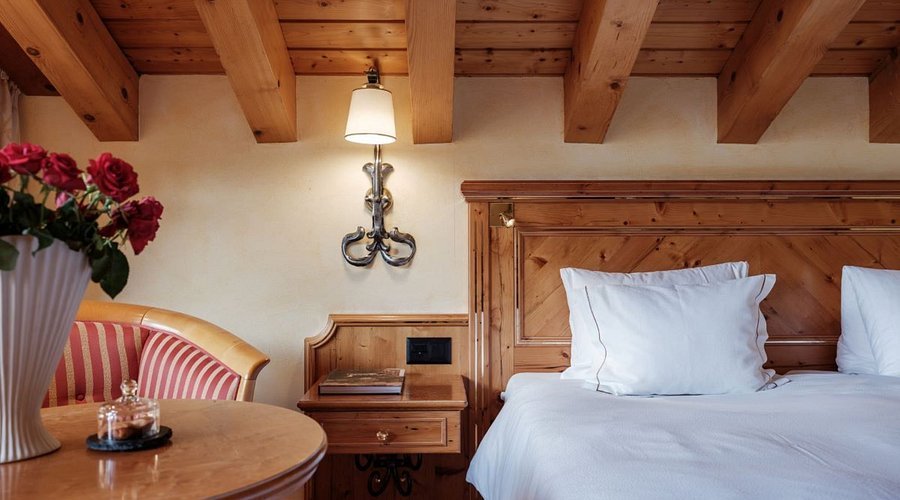
Zum See is a Swiss restaurant on the outskirts of Zermatt, reached on foot or by sledge depending on the season. The physical space matters here more than the address: the building is a converted mountain farmhouse, the kind of low-ceilinged, timber-heavy room that functions as its own argument for dining in the Alps rather than in a hotel dining room. Seating is arranged at close quarters, which makes it warm in winter and communal in a way that larger resort restaurants simply are not. If you've visited once and sat inside, consider requesting outdoor terrace seating on a return visit when conditions allow, the setting changes the meal considerably.
The cuisine is Swiss, grounded in the kind of regional produce and preparation that the Michelin Plate designation rewards: technically sound cooking with clear local identity, not fusion or haute cuisine ambition. This is the right place for a long, unhurried lunch rather than a short dinner between ski runs.
Why it matters to Zermatt specifically
Zermatt is a car-free, high-altitude resort with a concentrated dining scene that skews heavily toward hotel restaurants and tourist-facing trattorias. Venues that are genuinely rooted in Swiss alpine tradition, rather than performing it, are rarer than the brochures imply. Zum See is one of them. Its location outside the main village core, accessible on foot along a mountain path, means it draws a more deliberate crowd than the walk-in traffic that fills central Zermatt. You choose to go to Zum See; you don't stumble into it. That self-selection shows in the atmosphere.
For visitors staying multiple nights and working through Zermatt's restaurant scene, Zum See fills a specific gap: it's the Swiss anchor. You can eat Italian at Madre Nostra, contemporary at Brasserie Uno, or creative at After Seven, but for the regional Swiss table that justifies coming to the Alps, Zum See is the clearest answer at this price range. Chez Vrony offers a comparable Swiss positioning, but at a higher price tier. Zum See delivers the same cultural grounding for considerably less.
It also holds up against the broader Swiss dining map. The country produces tables like Hotel de Ville Crissier in Crissier, Schloss Schauenstein in Fürstenau, and Cheval Blanc by Peter Knogl in Basel at the top tier. Zum See is not operating at that level of ambition, and it doesn't need to. Its role is different: it's the regional Swiss table that a mountain resort of Zermatt's reputation should have, and it executes that role with enough consistency to earn two consecutive Michelin Plates.
When to go
Timing matters at Zum See more than at most Zermatt restaurants. The venue operates seasonally, aligned with Zermatt's ski and summer hiking windows. Lunch on a clear day, particularly in late winter or early spring when snow conditions are at their leading and the terrace is usable, is the optimal visit. Midweek lunch is less pressured than weekend slots, which fill with day visitors and groups. If you're planning a dinner visit, earlier sittings give you more of the atmosphere before the room reaches full capacity. Summer visits, particularly July and August when the hiking trails are open, offer a different but equally valid experience: the walk to Zum See becomes part of the occasion in a way that winter approaches don't replicate.
For the Swiss dining context beyond Zermatt, consider also Memories in Bad Ragaz, Maison Wenger in Le Noirmont, The Restaurant in Zurich, Widder in Zurich, and Gasthof zur Sonne in Stäfa if you're building a wider Swiss itinerary.
Explore more of what Zermatt offers: hotels, bars, wineries, and experiences.
Know Before You Go
- Price tier: €, among the most affordable Michelin-recognised options in Zermatt
- Awards: Michelin Plate 2024 and 2025
- Location: Outside central Zermatt, plan for a walk or sledge transfer
- Booking difficulty: Easy, reservations recommended for weekends and peak season, but availability is generally accessible
- Leading timing: Midweek lunch in late winter/spring or summer hiking season
- Getting there: Zermatt is car-free; arrive by train via Täsch or the Glacier Express
Planning details
- Hours
- Monday: 8:30 AM–5 PM · Tuesday: 8:30 AM–5 PM
- Location
- Zum See 24, 3920 Zermatt, Switzerland
- Reservations
- Book on the venue's website
- Website
- zumsee.ch
- Phone
- +41 27 967 20 45
The take
The Take
The Vibe
Zum See presents arrival as part of the experience: reaching the restaurant requires a deliberate walk through Zermatt's car-free streets, and that unhurried approach sets a composed tone before the first bite. The place leans on its long-standing reputation and the mountain backdrop to create a setting that feels both intimate and reliably composed. The Michelin Plate nod reinforces a quietly elevated dining sensibility (not ostentatious, but clearly curated) so the room reads as a comfortable, refined refuge in a busy resort town.
Best For
This is a restaurant you pick for milestone meals and celebrations. Zum See is suited to special occasions, and its Michelin Plate recognition in consecutive years plus a high volume of positive reviews suggests consistent delivery for visitors who expect a memorable night out. In a village where the mountains provide much of the spectacle, Zum See holds its own as a destination that justifies repeat bookings and feels appropriate for anniversary dinners, celebratory outings, and other events where the setting matters as much as the food.
Ordering Tips
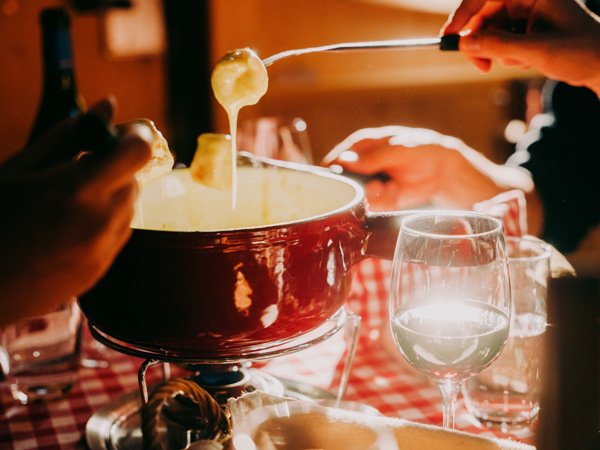
Stick to what the house is known for: the signature Cremeschnitte and Savoyard-influenced plates are highlighted alongside regional mains. Cremeschnitte, fish soup and chanterelles pasta are signature dishes, so sampling one helps showcase the kitchen's strengths. The Michelin Plate designation signals focused, well-executed cooking rather than gimmicks, so prioritize clear, seasonal flavors when ordering to get the most representative experience.
Venue details
Ambiance
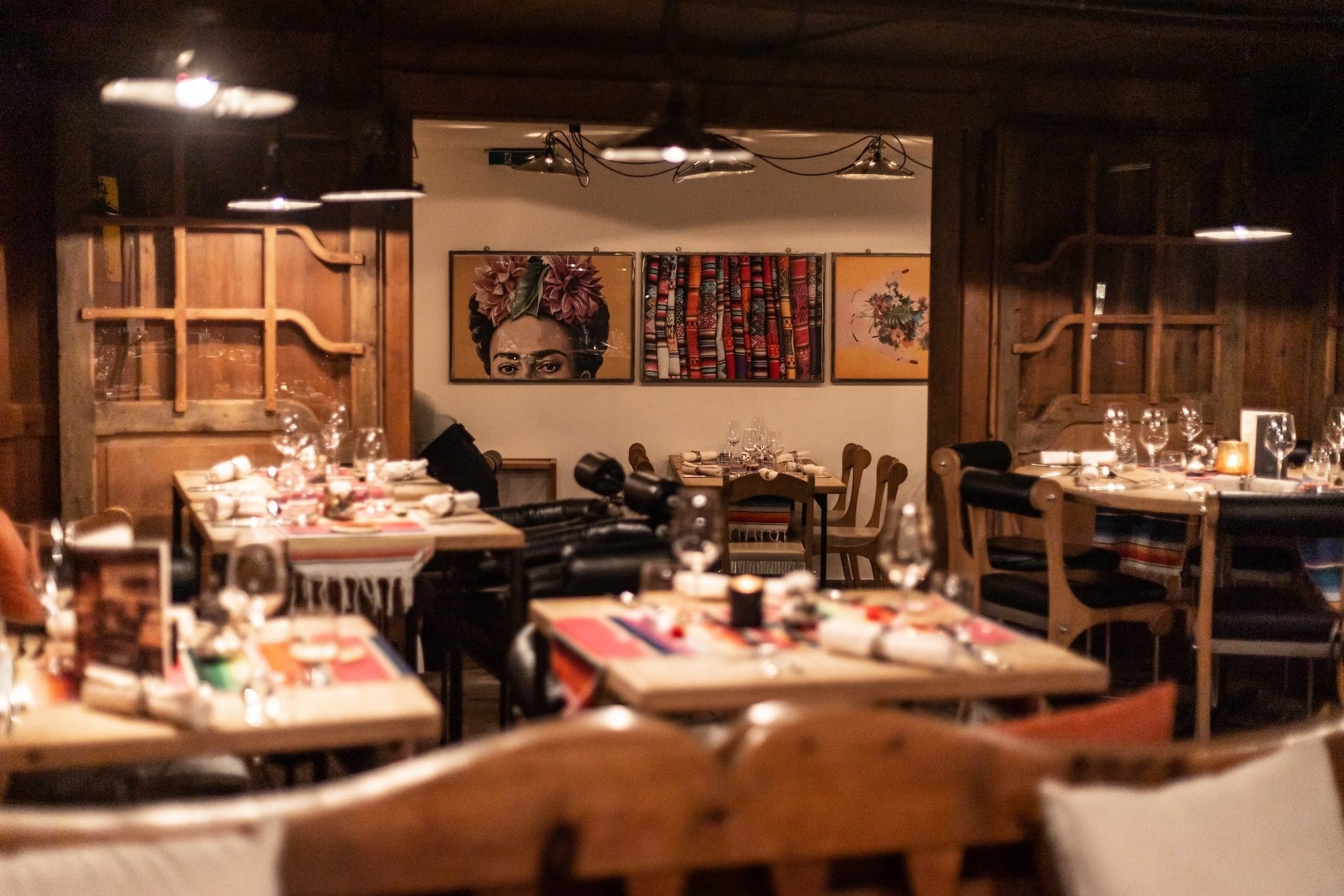
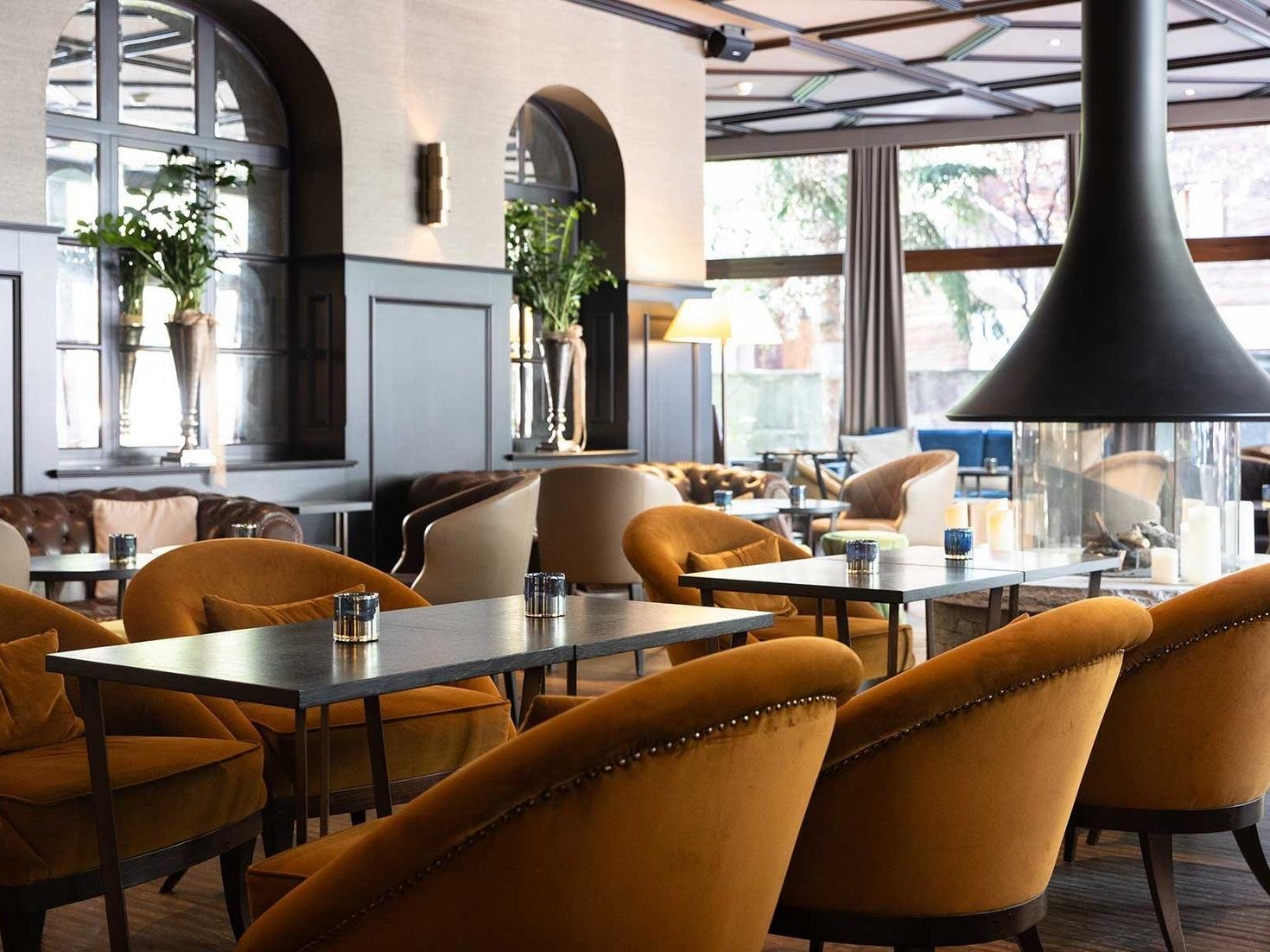
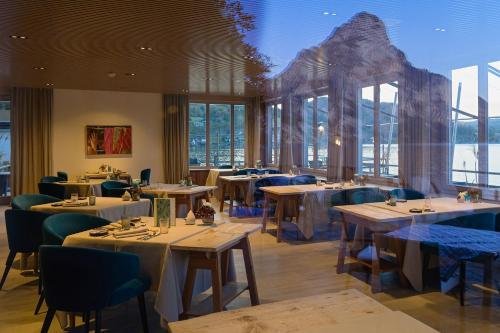
Cozy chalet-style interior with low wood-beamed ceilings, tiny windows, warm welcoming atmosphere, rather dark, tight, and a bit noisy; romantic sun terrace outdoors.
Tags
Vibe
Best For
Experience
Sourcing
View
At the Table
- Dress Code
- Smart Casual
- Noise Level
- Conversational
- Service Style
- Upscale Casual
- Meal Pacing
- Leisurely
- Capacity
- Medium
- Kitchen
- Traditional
- Menu Format
- A la carte
- Dietary
- Vegetarian friendly, Vegan options, Gluten-free options
- Outdoor Seating
- Yes
Signature Dishes
- Cremeschnitte
- fish soup
- chanterelles pasta
Know before you go
Know Before You Go
- Getting there
- Zum See 24, 3920 Zermatt, Switzerland
Planning details
Hours
- Monday
- 8:30 AM–5 PM
- Tuesday
- 8:30 AM–5 PM
- Wednesday
- 8:30 AM–5 PM
- Thursday
- 8:30 AM–5 PM
- Friday
- 8:30 AM–5 PM
- Saturday
- 8:30 AM–5 PM
- Sunday
- 8:30 AM–5 PM
Location
Zum See 24, 3920 Zermatt, Switzerland · Directions
Recognition and awards
Also consider
Also Consider
- Alpine Gourmet Prato Borni: Creative, €€€€
- Brasserie Uno: Contemporary, €€€€
- Aroleid Restaurant: Creative, €€
- Capri: Italian, €€€€
- Madre Nostra: Italian, €€€
Restaurant context
Zum See sits at the affordable end of Zermatt's dining spectrum (€), which immediately separates it from most of its comparison set. Alpine Gourmet Prato Borni, Brasserie Uno, and Capri all sit at €€€€: four to five times the price tier. For a diner asking where the best value sits in Zermatt, Zum See's Michelin Plate at the lowest price point is a clear answer. The trade-off is format: Zum See is a Swiss regional table in a farmhouse setting, not a contemporary tasting menu or a polished hotel dining room. If the latter is what you're after, Brasserie Uno offers contemporary cooking and a more central location at a significantly higher spend.
Aroleid Restaurant is the closest peer on price (€€) and the most direct comparison for budget-conscious diners choosing between two non-splurge options. Aroleid leans creative; Zum See leans traditional Swiss. The decision between them comes down to what you want from an alpine meal: regional authenticity versus more contemporary plating. Zum See's back-to-back Michelin Plates give it a slight critical edge, though both are easy to book.
Madre Nostra at €€€ fills the mid-tier Italian slot and is worth considering for group dinners where Italian suits the table better than Swiss. But if you're in Zermatt and want a meal that reflects where you actually are, Zum See delivers that more directly than any of its Italian or contemporary peers at any price point. For first-timers building a Zermatt itinerary, the sequence that makes most sense is: Zum See for Swiss authenticity, then one of the €€€€ venues for a splurge night.
Explore Zermatt
Around this place
Discover more on Pearl
Unlock the full Zum See guide in Pearl, including awards, comparisons, FAQs, planning details, and nearby places.
Compare Zum See
| Venue | Location | Cuisine | Awards | Price |
|---|---|---|---|---|
| Zum See | Zermatt | Swiss | 2025 Michelin Plate2024 Michelin Plate | € |
| Alpine Gourmet Prato Borni | Zermatt | Creative | 2025 Michelin 1 Star2024 Michelin 1 Star | €€€€ |
| Brasserie Uno | Zermatt | Contemporary | 2025 Wine Spectator Best of Award of Excellence2025 Michelin 1 Star2024 Michelin 1 Star | €€€€ |
| Aroleid Restaurant | Zermatt | Creative | 2025 Michelin Plate2024 Michelin Plate | €€ |
| Capri | Zermatt | Italian | 2025 Michelin 1 Star2024 Michelin 1 Star | €€€€ |
| Madre Nostra | Zermatt | Italian | 2025 Michelin Plate2024 Michelin Plate | €€€ |


How Zum See Zermatt compares with similar nearby venues.
FAQ
Frequently Asked Questions
What should I wear to Zum See?
Dress practically. Zum See is reached on foot or by sledge from central Zermatt, so whatever you wear needs to handle the approach in ski or hiking gear. The restaurant holds a Michelin Plate but sits at the entry-level price range (€), which signals an alpine lunch setting rather than a formal dinner room. Layered, casual-outdoorsy works well here.
Can Zum See accommodate groups?
Groups can dine at Zum See, but the location outside central Zermatt means coordinating arrival matters more than at a standard restaurant. Factor in the walk or sledge transfer when planning timing for larger parties. Given the seasonal operating windows and Michelin Plate status, booking well ahead for groups is advisable rather than assuming availability.
What should a first-timer know about Zum See?
The access is part of the deal: Zum See sits outside Zermatt's centre and is reached on foot or by sledge depending on the season, so treat the visit as a planned excursion, not a casual drop-in. It earns a Michelin Plate at budget price-range (€) in a town where most comparable-quality meals cost three to four times more. Book ahead: the combination of seasonal operation and Michelin recognition means it fills up, especially during peak ski and summer hiking periods.