

Brasserie Uno
Contemporary · Zermatt Village, Zermatt
Restaurant in Zermatt, Switzerland
 Book with Pearl
The Read
Alpine Surprise Tasting
Price
$150–200per person
Why go
Brasserie Uno holds a 2024 Michelin star and runs 4- and 6-course surprise tasting menus built around regional Swiss ingredients: no à la carte, no shortcuts. At €€€€ it's Zermatt's most technically serious dining option, with a relaxed open-kitchen room that defies the resort-hotel formula. Book well ahead; this is one of the harder tables in Zermatt to secure.
About Brasserie Uno
Book Before You Land in Zermatt
If you're planning a trip to Zermatt and Brasserie Uno is on your list, the reservation needs to happen before you book your train through the Mattertal. This is a small restaurant running a single multi-course surprise tasting menu, with a loyal local and tourist following and a Michelin star earned in 2024. Tables move fast, and the format: a 3.5-hour commitment with no à la carte fallback: means every seat is spoken for by guests who planned ahead. Walk-ins are not a realistic strategy here. Book as far out as you can manage, flag any dietary requirements at the time of reservation, and note that vegetarian and vegan menus are available but must be requested in advance.
What You're Booking Into
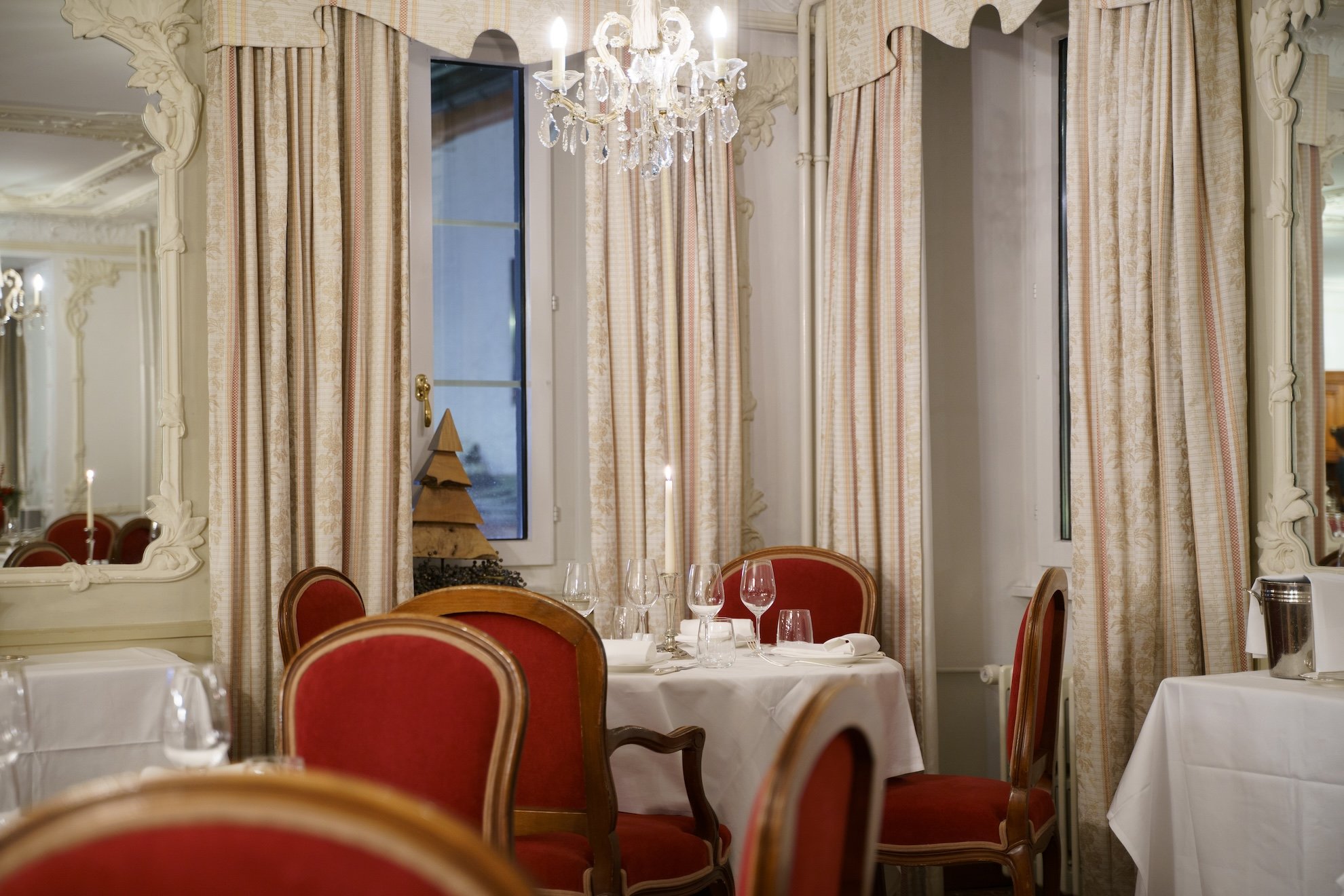
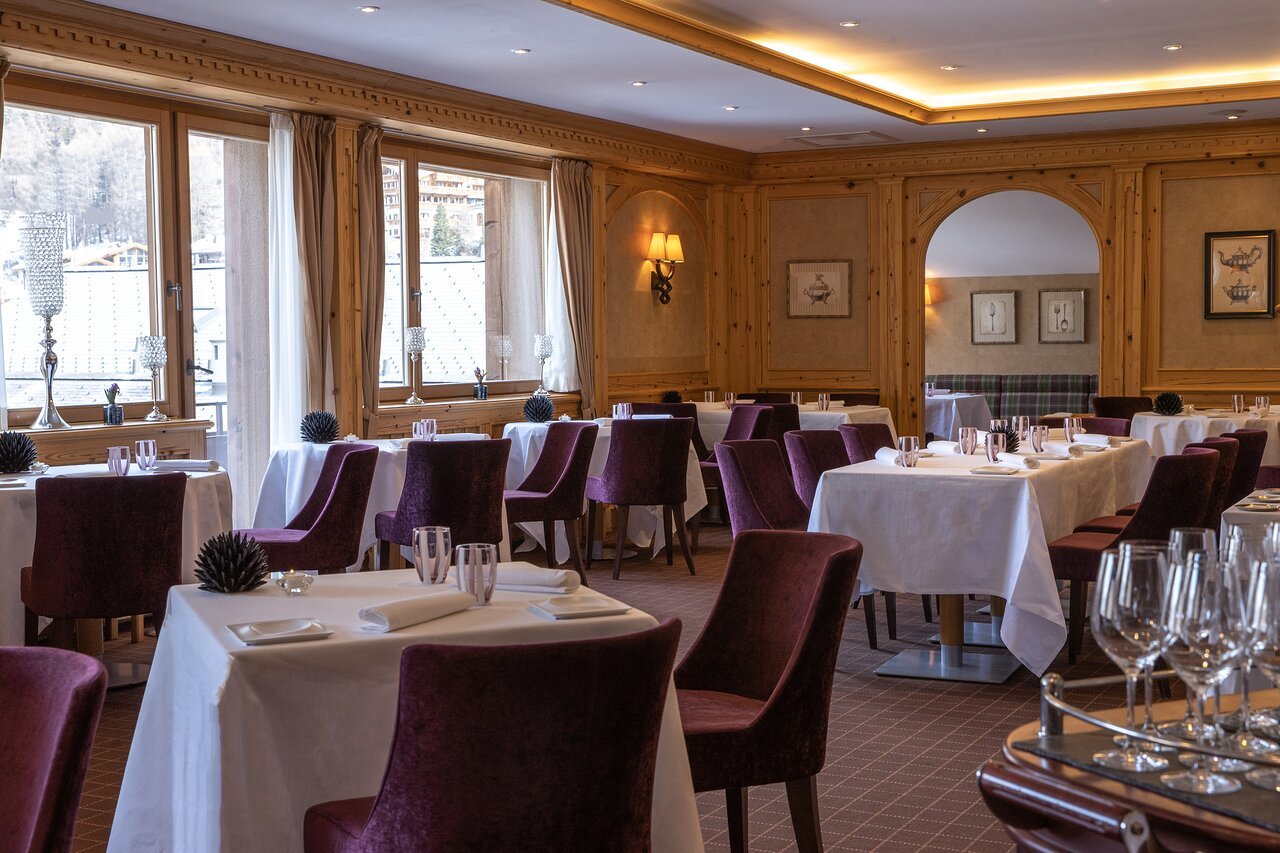
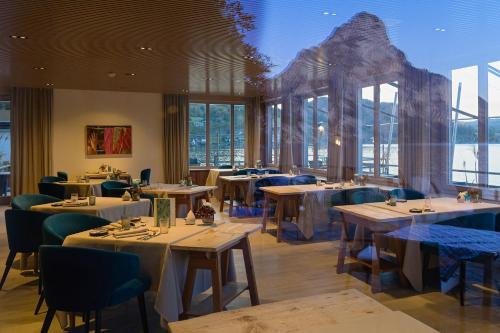
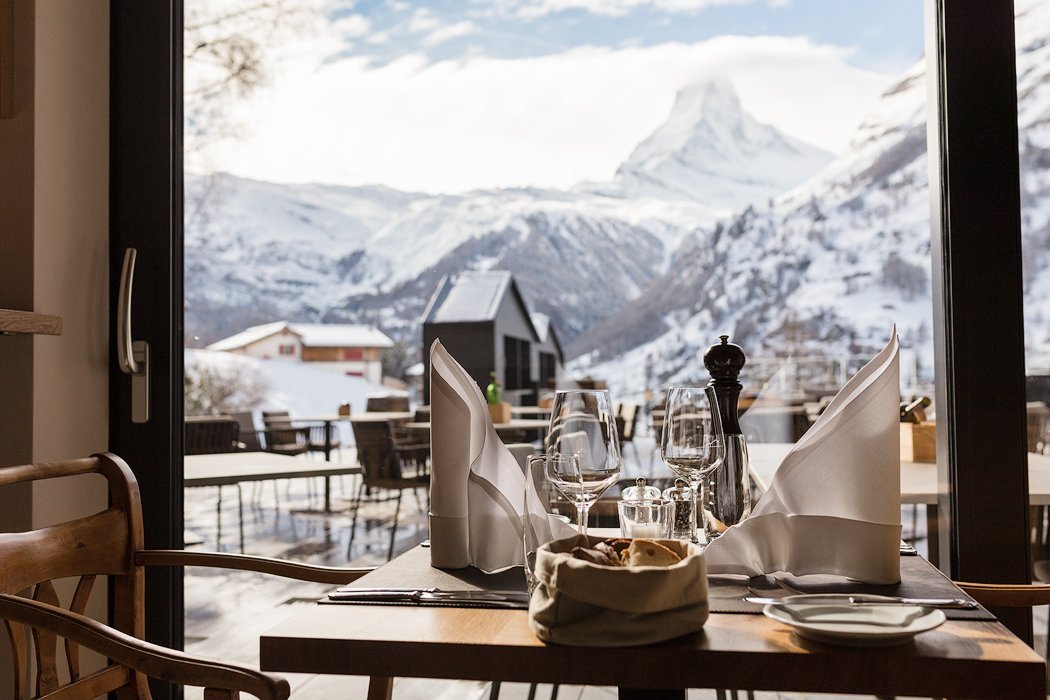
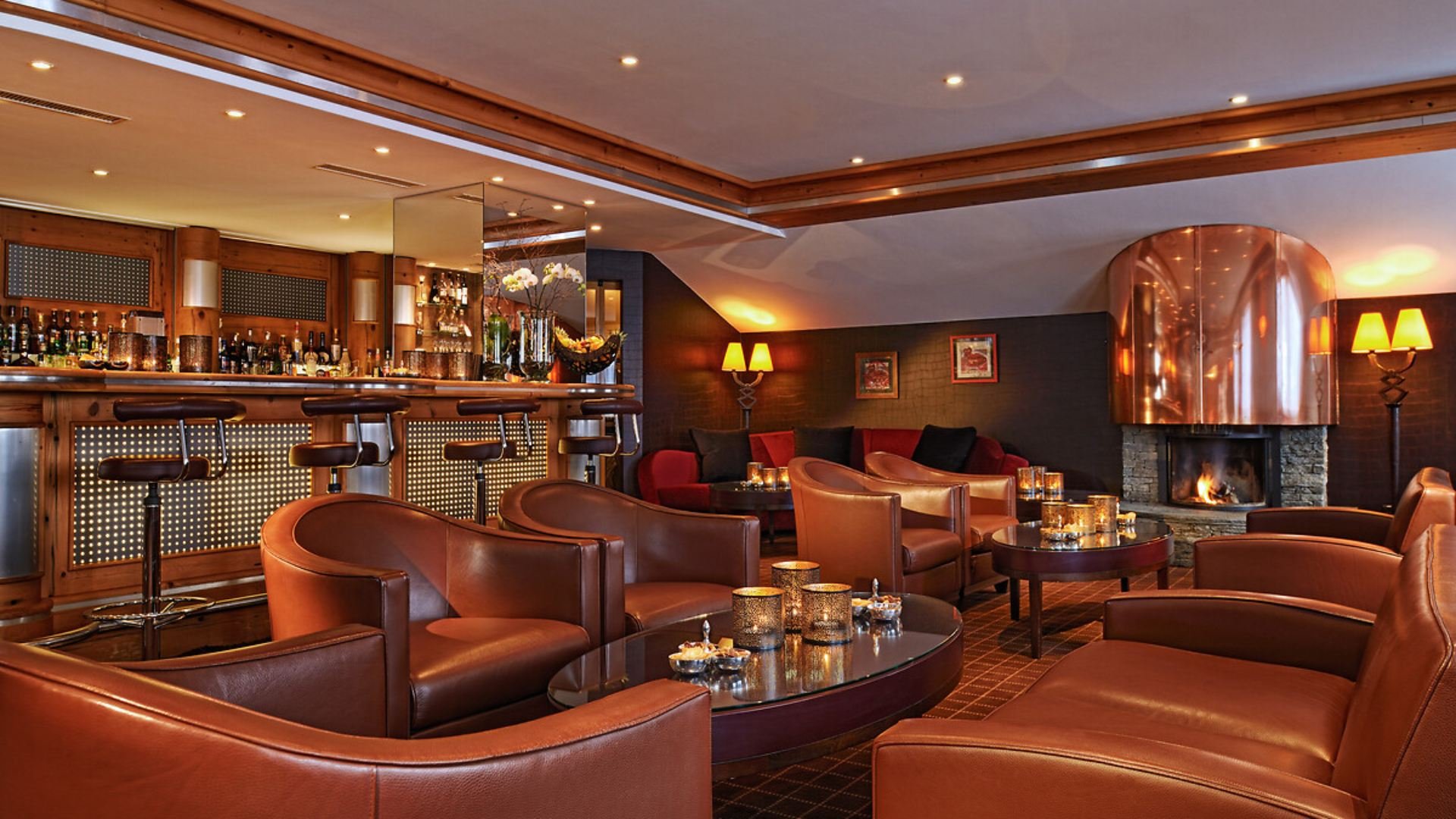
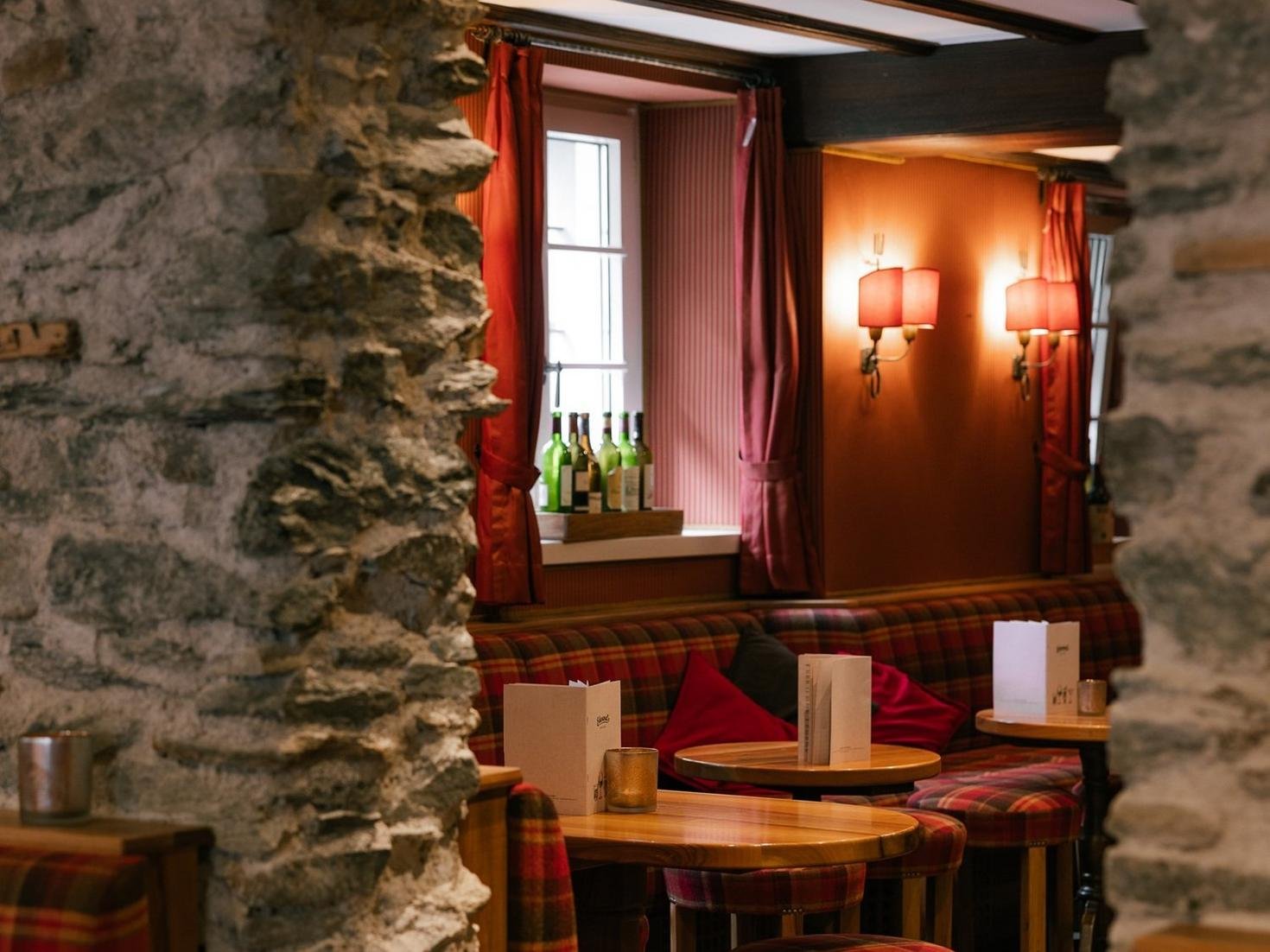
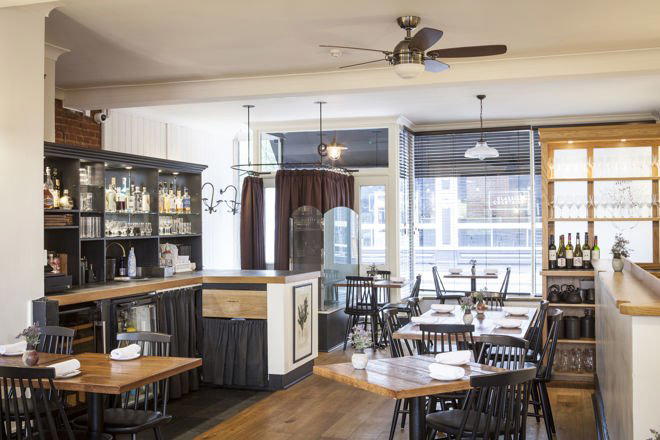
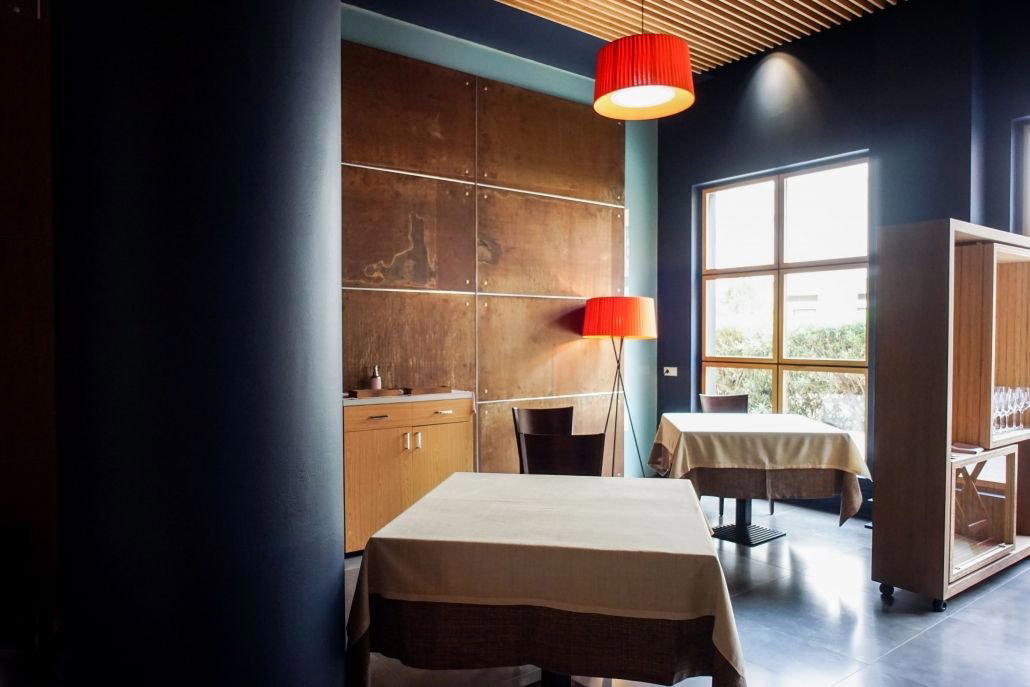
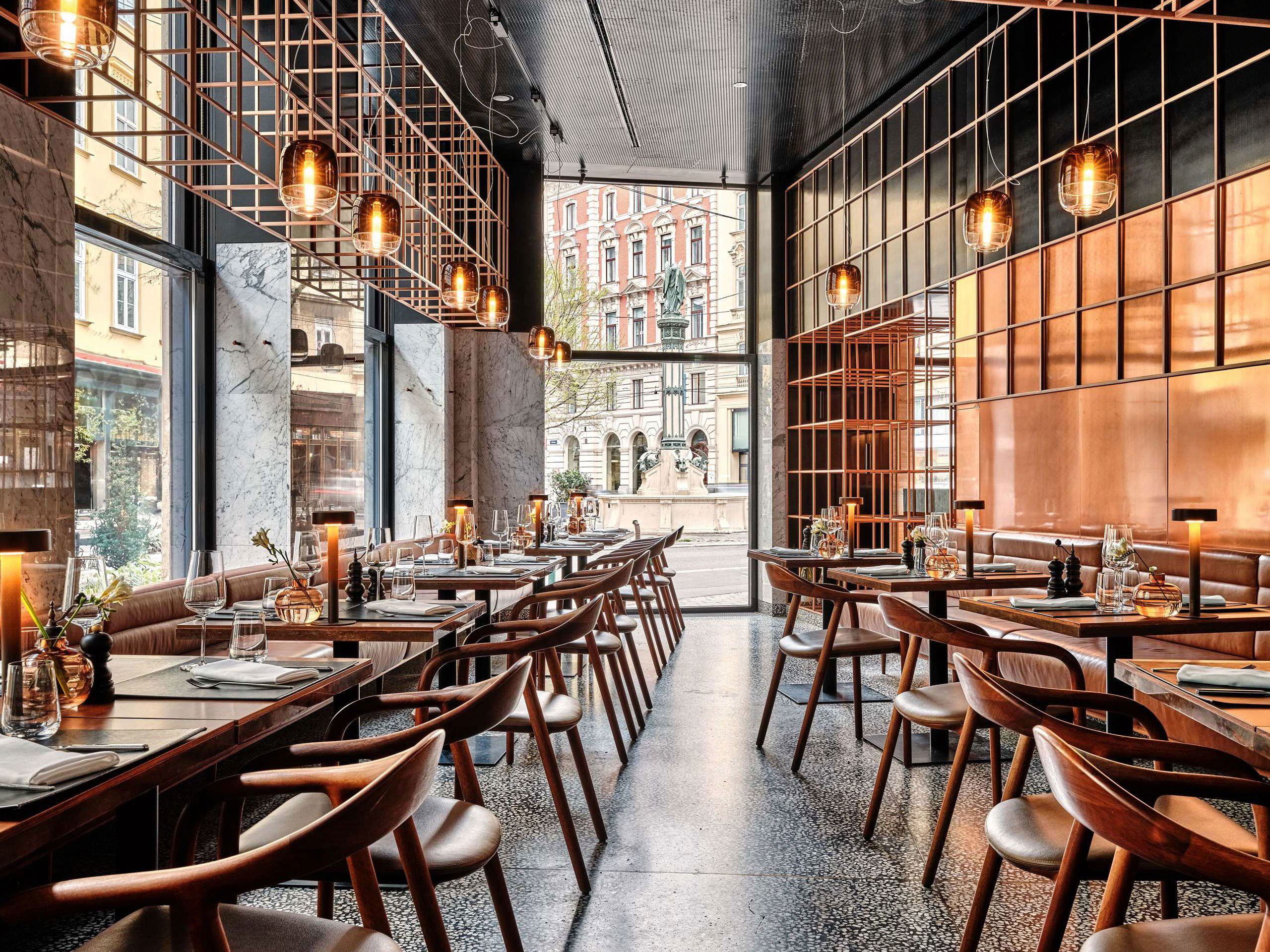
Brasserie Uno sits at ground level beneath the Matterhornblick Hotel on Kirchstrasse, and the room feels closer in spirit to a well-run Berlin neighbourhood restaurant than a resort-town dining room. Tables are set close together, the atmosphere runs deliberately relaxed, and the open kitchen means you can watch the chefs working through each course as the evening unfolds. There is no dress performance required here, the tone is laid-back in a way that is unusual for a Michelin-starred room at this price tier in a Swiss alpine resort.
The kitchen operates under Chef Florian Muller, with the broader culinary direction shaped by Chef Davide Cretoni, and the wine programme overseen by Wine Director Tony Wong and Sommelier Chris Li. What arrives at the table is a surprise tasting menu built around regional Swiss ingredients, with seasonality and provenance treated as structural commitments rather than marketing language. Dishes like pike-perch over creamed sauerkraut with Swiss caviar, or spicy turnip prepared both raw and lightly marinated with herbs, give a clear picture of how this kitchen operates: local ingredients handled with technical precision, bold flavour combinations that still feel considered rather than showy. The cooking sits in French and seafood territory by classification, but the sensibility is its own, contemporary in approach, alpine in sourcing.
The Cuisine Case: Why This Kitchen Earns the Star
For a restaurant with a Michelin star in a mountain resort, the temptation is often to play to the room, oversized portions, crowd-pleasing richness, theatrical presentations. Brasserie Uno takes a different position. The tasting menu format means the kitchen controls pacing and progression, and the emphasis on seasonality forces genuine creative discipline. You're not getting a fixed menu polished over years of repetition, you're getting dishes that shift with what's available and what the kitchen is choosing to work with at that moment. That's a harder format to execute consistently, and the 2024 Michelin recognition suggests it's doing so.
The 3.5-hour duration is not incidental. This is not a kitchen rushing courses to turn tables. Plan your evening around the restaurant, not the other way around, and the experience, watching courses develop from the open kitchen, moving through a sequence of regionally grounded dishes, becomes the point of the night rather than a backdrop to it. If you've been once and found yourself watching the clock, go back with the evening cleared and see what changes.
The Wine List
The wine programme earns attention in its own right. With approximately 400 selections and an inventory of 1,600 bottles, it's a serious list for a restaurant of this size. Pricing sits at the $$$ tier, meaning expect many bottles in the $100+ range, and the strengths are in France (particularly Burgundy) and Italy. If you're bringing your own, corkage is $85, reasonable for a Michelin-starred room, though the list depth makes a case for letting the sommelier guide the pairing. Tony Wong and Chris Li are named staff, and with a list this deep in a small room, the sommelier relationship is worth building rather than ignoring.
How It Compares
At €€€€ with a Michelin star and a multi-course format, Brasserie Uno is Zermatt's most technically serious dining option at the leading end. After Seven competes at the same price tier with a creative menu, and is worth considering if you want a different style of fine dining in the same city. For guests who want to spend less without losing quality, Aroleid Restaurant offers creative cooking at €€, and Chez Vrony delivers strong regional cuisine with a very different atmosphere. If you're building a Zermatt dining itinerary across multiple nights, see our full Zermatt restaurants guide for the broader picture.
For context on where Brasserie Uno sits within Switzerland's wider fine dining scene, the one-star comparison set includes rooms like Colonnade in Lucerne and 7132 Silver in Vals. At the multi-star end of Swiss fine dining, Hotel de Ville Crissier in Crissier, Schloss Schauenstein in Fürstenau, Cheval Blanc by Peter Knogl in Basel, and Memories in Bad Ragaz represent the tier above. Brasserie Uno's informal room and surprise-menu format make it the more accessible entry point into Swiss Michelin dining, but that accessibility in atmosphere shouldn't be read as a shortcut in the cooking.
Practical Details
Reservations: Book as early as possible, the limited seat count and tasting-menu-only format make this one of the harder tables in Zermatt to secure. Contact the venue directly to reserve. Format: Multi-course surprise tasting menu only, no à la carte, no children's menu. Vegetarian and vegan menus available on advance request; dietary restrictions must be noted at booking. Time commitment: Allow the full 3.5 hours. Budget: €€€€ for food; wine list pricing at $$$, with corkage at $85 if you bring your own. Meals: Lunch and dinner. Location: Ground level, Matterhornblick Hotel, Kirchstrasse 38, Zermatt. Getting around Zermatt: See our Zermatt hotels guide, bars guide, wineries guide, and experiences guide to plan the rest of your stay.
Pearl's Take
Book Brasserie Uno if you want the most technically grounded tasting menu in Zermatt, a kitchen with a Michelin star that earns it through seasonal discipline and regional sourcing rather than resort-town spectacle. The room is small and informal in a way that works in your favour. The 3.5-hour format is the price of admission; treat it as the structure of your evening and it pays off. For comparable contemporary cooking at this level outside Switzerland, César in New York City and Jungsik in Seoul offer a useful reference point for what a serious contemporary tasting menu looks like at the international level. Also consider Alpine Gourmet Prato Borni and Arvenstube if you want alternatives within the Zermatt area that sit outside the tasting-menu format.
Planning details
- Hours
- Monday: Closed · Tuesday: 7–10:30 PM
- Location
- Ground level, Underneath Matterhornblick Hotel, Kirchstrasse 38, 3920 Zermatt, Switzerland
- Reservations
- Book on SevenRooms
- Website
- brasserieuno.com
- Phone
- +41 79 851 17 68
The take
The Take
The Vibe
Brasserie Uno reads like a compact urban brasserie dropped into the foot of the Matterhorn. The room is close-knit, tables set near one another and an open kitchen visible from most seats, which gives the service a kinetic, city-restaurant energy uncommon in Zermatt. Rather than the hushed formality of many hotel dining rooms or the rustic mountain hut, Uno foregrounds the cooking: the kitchen is the show, and the dining room hums with focused conversation and the clatter of service. The overall effect is modern and lively, with a tasting-menu seriousness tempered by a less ceremonial, more immediate vibe.
Best For
Brasserie Uno is best for diners who prioritize the food experience above all else. The house runs a multi-course surprise tasting for both lunch and dinner, and the format requires commitment: plan for roughly three and a half hours at the table. There is no à la carte option and no children's menu, so the restaurant suits adult diners seeking a sustained, chef-led sequence rather than casual or family-oriented meal formats. It fits special evenings and food-focused date nights where the tasting itself is the point of the visit.
Ordering Tips
Expect a surprise multi-course tasting at either lunch or dinner and block out about three and a half hours for the meal; there is no à la carte menu and no children's menu. The room’s tables are set close together and the open kitchen is visible from most seats, so anticipate an energetic, engaged dining atmosphere rather than hushed formality. Given the commitment the format requires, plan your timing accordingly and be prepared for a paced, multi-course service centered on the kitchen’s sequence.
Venue details
Ambiance
Cozy and rustic with warm lighting from Edison bulbs, sheep-wool pelts on seats, open kitchen, and a laid-back, welcoming atmosphere.
Tags
Vibe
Best For
Experience
Sourcing
At the Table
- Noise Level
- Conversational
- Service Style
- Upscale Casual
- Meal Pacing
- Leisurely
- Capacity
- Intimate
- Kitchen
- Modern
- Menu Format
- Tasting menu
- Dietary
- Vegetarian friendly, Vegan options, Gluten-free options
Know before you go
Know Before You Go
- Getting there
- Ground level, Underneath Matterhornblick Hotel, Kirchstrasse 38, 3920 Zermatt, Switzerland
Planning details
Hours
- Monday
- Closed
- Tuesday
- 7–10:30 PM
- Wednesday
- 7–10:30 PM
- Thursday
- 7–10:30 PM
- Friday
- 7–10:30 PM
- Saturday
- 7–10:30 PM
- Sunday
- Closed
Location
Ground level, Underneath Matterhornblick Hotel, Kirchstrasse 38, 3920 Zermatt, Switzerland · Directions
Recognition and awards
Also consider
Also Consider
- After Seven: Creative, €€€€
- Aroleid Restaurant: Creative, €€
- Bazaar: International, €€
- Capri: Italian, €€€€
- Madre Nostra: Italian, €€€
Restaurant context
At €€€€ with a 2024 Michelin star, Brasserie Uno is the benchmark for serious fine dining in Zermatt. The closest competitor at the same price tier is After Seven, which also runs a creative menu at €€€€. The choice between the two comes down to format preference: Brasserie Uno commits you to a surprise tasting menu and a 3.5-hour sitting, while After Seven may offer different structural options. If Michelin recognition and a regionally grounded tasting format are your criteria, Brasserie Uno is the clearer pick. At the same price tier for Italian cuisine, Capri (€€€€) is the alternative for guests who prefer a different cuisine tradition over contemporary Swiss-French tasting menus.
For diners who want quality without the €€€€ commitment, the options open up meaningfully. Madre Nostra (Italian, €€€) sits a tier below on price and delivers a different but credible experience for a group dinner or a night when you want to spend less. Aroleid Restaurant (Creative, €€) is the strongest value case in Zermatt's creative dining category: if budget is a constraint, this is where to go. Bazaar (International, €€) is the most accessible price point among the peer set, suited to casual nights or diners who haven't planned a full fine dining evening.
The practical summary: book Brasserie Uno if you want the highest technical standard in Zermatt and are committed to the tasting menu format. Book After Seven if you want top-tier creative dining with potentially more flexibility. Go to Aroleid if you want quality cooking at a fraction of the price. Madre Nostra and Capri are the right answers when the occasion calls for Italian rather than contemporary French-Swiss.
Explore Zermatt
Around this place
Discover more on Pearl
Unlock the full Brasserie Uno guide in Pearl, including awards, comparisons, FAQs, planning details, and nearby places.
Compare Brasserie Uno
| Venue | Price | Booking Difficulty | Awards |
|---|---|---|---|
| Brasserie Uno | €€€€ | Hard | 2025 Wine Spectator Best of Award of Excellence2025 Michelin 1 Star2024 Michelin 1 Star |
| After Seven | €€€€ | Unknown | 2026 Falstaff Restaurant Guide2025 Michelin 1 Star2024 Michelin 1 Star |
| Aroleid Restaurant | €€ | Unknown | 2025 Michelin Plate2024 Michelin Plate |
| Bazaar | €€ | Unknown | 2025 Michelin Bib Gourmand2024 Michelin Bib Gourmand |
| Capri | €€€€ | Unknown | 2025 Michelin 1 Star2024 Michelin 1 Star |
| Madre Nostra | €€€ | Unknown | 2025 Michelin Plate2024 Michelin Plate |

.png?width=1200&quality=80)

What to weigh when choosing between Brasserie Uno and alternatives.
FAQ
Frequently Asked Questions
Can Brasserie Uno accommodate groups?
Small groups can be accommodated, but the close-set tables and tasting-menu-only format make this a poor fit for large parties. The kitchen runs a multi-course surprise menu for all diners, so everyone at the table eats the same progression: useful to know before booking a group with varied preferences. Dietary restrictions and vegetarian or vegan needs must be flagged at the time of reservation.
What should a first-timer know about Brasserie Uno?
There is no à la carte option and no children's menu: you're committing to a multi-course surprise tasting menu that runs around 3.5 hours. Build your evening around it, not before or after a cable car. The kitchen holds a Michelin star (2024) and works with regional, seasonal ingredients, so the menu changes; you won't know what you're getting until you're seated.
What should I wear to Brasserie Uno?
The room has a laid-back atmosphere closer to a Berlin neighbourhood restaurant than a formal alpine dining room, despite the Michelin star. A smart, put-together look fits the tone: leave the ski gear at the hotel but a jacket is not required.
Is the tasting menu worth it at Brasserie Uno?
Yes, if a 3.5-hour multi-course format suits you. The kitchen uses regional Swiss ingredients with clear emphasis on seasonality and provenance: this is not a resort restaurant padding a menu for tourists. The Michelin 1 Star (2024) reflects genuine technical ambition, and the open kitchen means you can watch the preparation throughout. If you want a shorter, more flexible dinner, Brasserie Uno is the wrong format.
Is Brasserie Uno worth the price?
At €€€€ with cuisine priced at $66+ for a typical two-course equivalent, you're paying for a Michelin-starred tasting menu in a high-cost mountain resort: that context matters. The wine list runs to 400 selections with 1,600 bottles in inventory and a $85 corkage fee, giving you flexibility on spend. For Zermatt's top-end dining, this is where the technical ambition is highest; if you want a more relaxed spend, the alternatives are less demanding.
What are alternatives to Brasserie Uno in Zermatt?
After Seven is the most direct comparison at the top end of Zermatt dining. For a less format-intensive evening, Aroleid Restaurant offers a different register. Capri and Madre Nostra suit diners who want something less structured than a multi-course tasting menu. Bazaar works if you're after a more social, sharing-plate style dinner.
Is Brasserie Uno good for a special occasion?
Yes: the combination of a Michelin star (2024), a 3.5-hour tasting menu, and a serious 400-selection wine list makes this well-suited to a celebratory dinner. The atmosphere is pleasingly informal rather than stiff, which helps if the occasion calls for conversation over ceremony. Book as far ahead as possible; the limited seat count makes last-minute availability unlikely, especially during ski season.