


The Whitebrook
Creative British · Wye Valley, Whitebrook
Restaurant in Whitebrook, United Kingdom
 Book with Pearl
The Read
Forage-Led Botanical Tasting Menu
Chef
Chris Harrod
Dress
Smart Casual
Why go
The Whitebrook serves a nine-course tasting menu at £145 per head from a remote Welsh valley near Monmouth, where Chris Harrod's kitchen sources from the Wye Valley and its own kitchen garden. La Liste-recognised (85pts, 2025) and hard to book, this is a genuine destination restaurant for diners who want ingredient-led cooking with a clear point of view. Book weeks in advance and stay the night if you plan to drink well.
About The Whitebrook
Nine courses, £130 per head, and a valley so remote you will need to commit before you go
That price point tells you what The Whitebrook is: a full-commitment destination restaurant in the Welsh borders, where the format is a nine-course tasting menu at dinner and the surroundings are a winding, wooded valley outside Monmouth. This is not a restaurant you fall into. You plan it, drive to it, and give it an evening. The question is whether it deserves that effort: and for most diners willing to engage with Chris Harrod's ingredient-led cooking, the answer is yes.
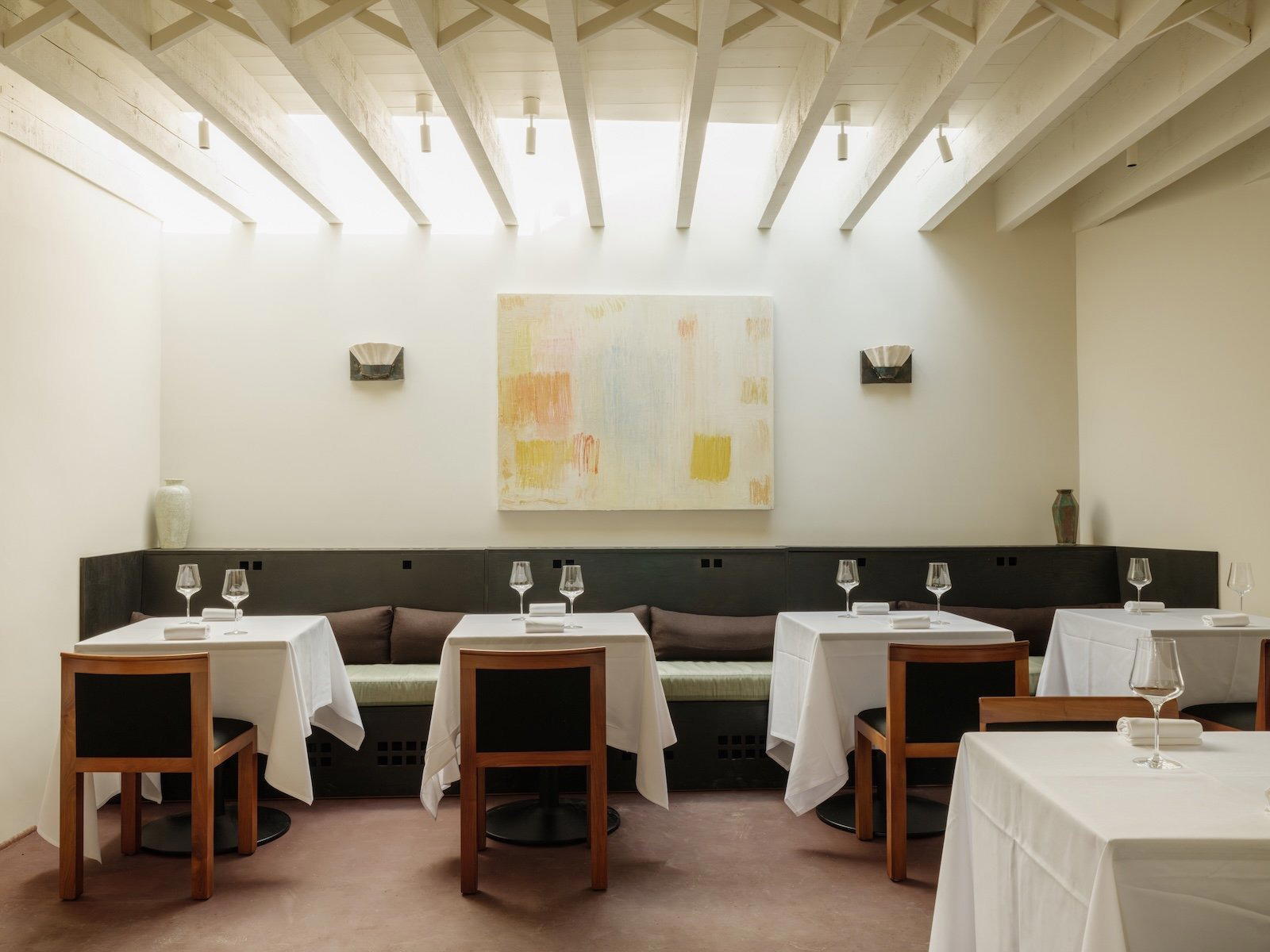
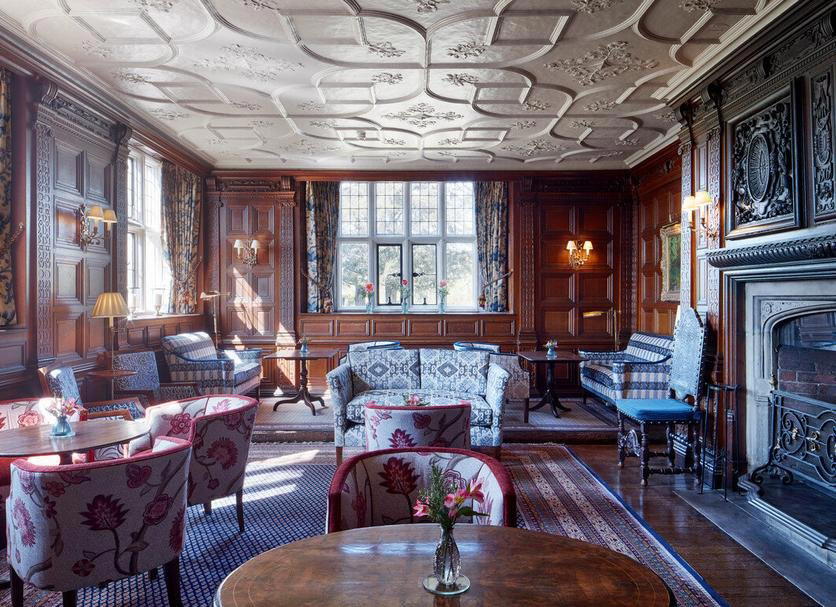
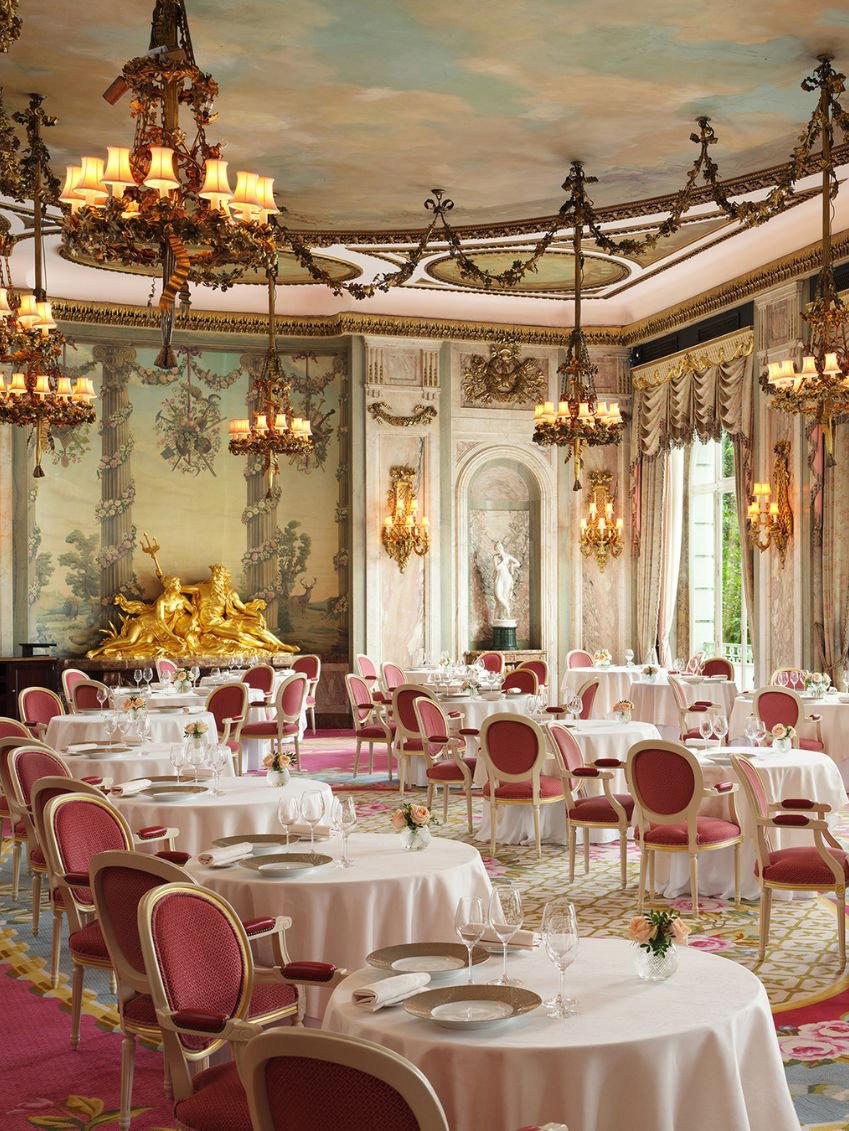
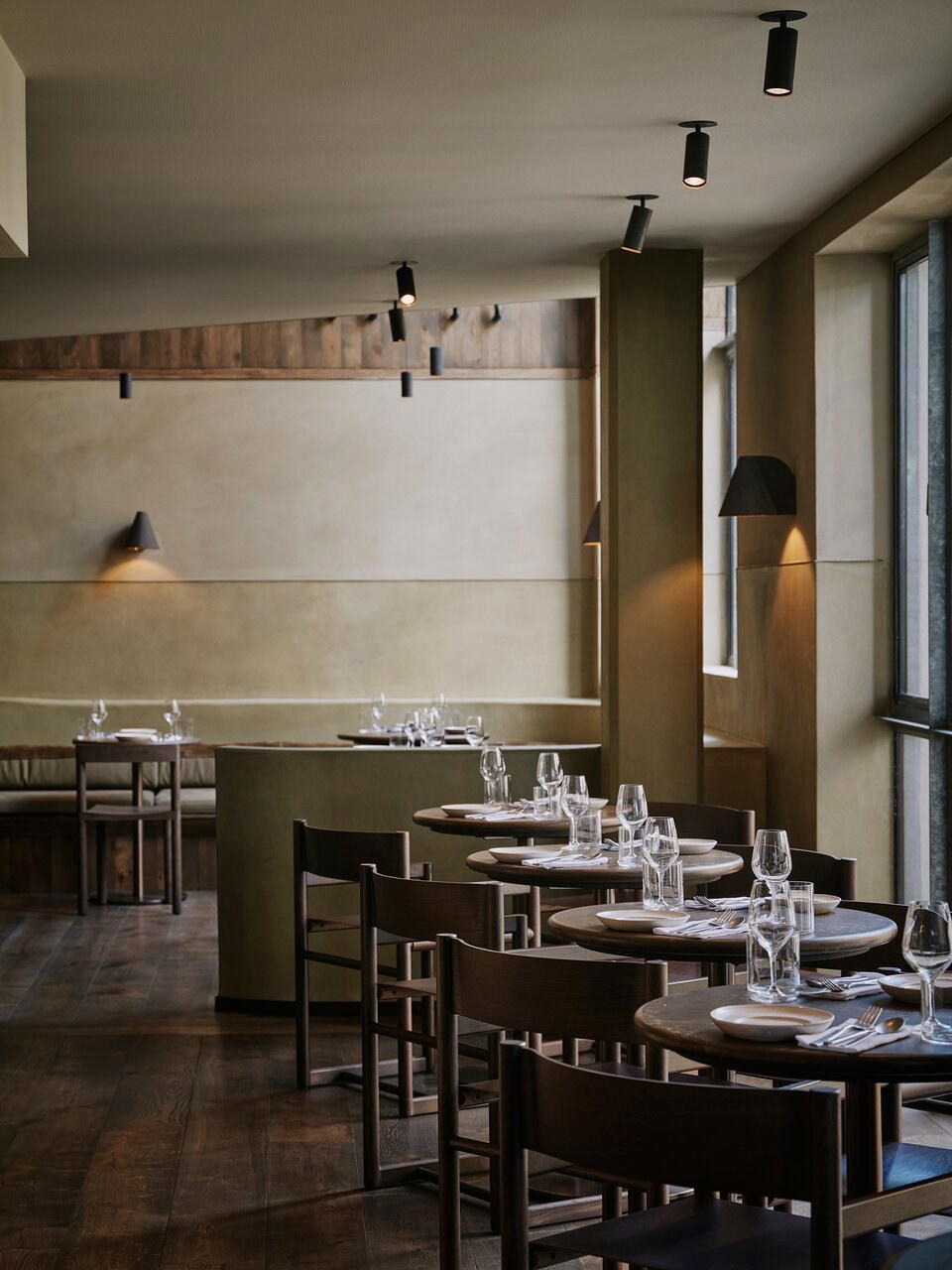
The physical space sets the tone before a plate arrives. Polished wood floors, pale walls hung with original art, and well-spaced tables with crisp linen produce a room that reads formal without feeling stiff. It is a former pub, which gives the building a solidity and scale that purpose-built restaurant rooms often lack, and the woodland setting outside the windows closes the gap between kitchen and landscape in a way that feels intentional rather than incidental. For a special occasion, the room works: intimate enough for conversation, considered enough to signal the evening matters.
Service is knowledgeable and attentive, which matters here because the menu requires explanation. When a dish features arrowgrass, sea spinach, and blightweed alongside Cornish day-boat turbot, a good server is part of the experience, not a luxury. The wine list is wide-ranging, covers most regions and price points, and includes a strong selection from UK vineyards.
Sourcing is the point, not the garnish
The editorial angle on The Whitebrook that most reviewers reach for is the foraged-and-foliage shorthand, but that framing undersells what Harrod is actually doing. The sourcing here is structural: ingredients come from the Wye Valley and the kitchen's own garden, and the menu is built around what that supply chain produces rather than fitted to a predetermined template. That means vegetables are frequently the lead component of a course, not a supporting actor.
The carrot tart illustrates this clearly: intense grated carrot with buttermilk sauce and alexanders seeds in a wafer-thin crunchy case. The mugwort-smoked beets with homemade black pudding, sticky Madeira sauce, caramelised shallot, and wild leaves show the same logic: the vegetable is the anchor and the other elements orbit it. Radishes blanched in lemon verbena with woodruff cultured cream, white crabmeat with fennel fronds and pineapple weed sauce, turbot with smoked roe and Jersey Royals brightened by foraged sea herbs: each dish reflects a kitchen that forages and grows with intention rather than decoration.
Middle White suckling pig is the signature meat course, and the version with pine-nut purée, garden leeks, girolles, broad beans, and nasturtium leaves is the kind of dish that draws the meal together: familiar protein, unfamiliar context. Desserts follow the same sourcing logic, honey and elderflower cream with dandelion honey and sweet cicely, then Herefordshire black cherries with meadowsweet, cherry-stone ice cream, and hazelnut cake. The menu moves from light to earthy to dark across nine courses, and when it fires it is genuinely good cooking.
The honest caveat: not every course lands for every diner. A handful of reviewers note that the emphasis on foraged leaves and root vegetables at this price can feel uneven, with some dishes working less well than others. The suckling pig and fish courses draw the most consistent praise. This is a kitchen with a clear point of view, and the nine-course format means you experience all of it, the peaks and the occasional flat note alike.
Booking intelligence
The Whitebrook is a hard table to secure. Book as far in advance as possible, several weeks at minimum, and further out for weekend dinners or special occasions. The combination of a remote location, a small room, and a reputation that earns La Liste scores of 82–85 points across consecutive years means demand consistently outpaces availability. If you are planning around a specific date, treat the booking as the first thing to arrange, not the last. Lunch offers a shorter menu at a lower price point and tends to be slightly more accessible, though it is not a walk-in proposition either.
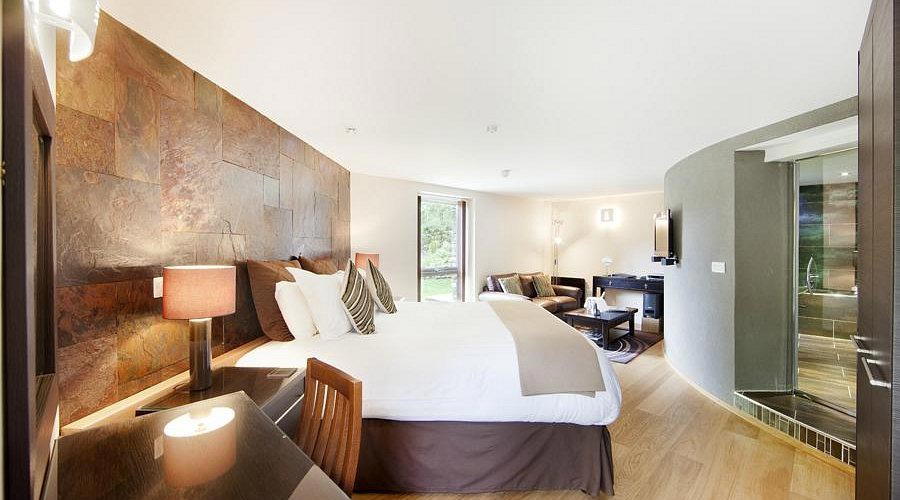
Accommodation is available on-site, which is worth factoring into the decision. Driving a narrow Welsh valley road after nine courses and a sommelier-backed wine list is avoidable if you stay over, and the rooms follow the same nature-inside design logic as the dining room.
Know Before You Go
- Price: £130 per person for the nine-course dinner tasting menu; cheaper options available at lunch
- Booking difficulty: Hard, book weeks in advance, further for weekends and special occasions
- Format: Nine-course tasting menu at dinner; shorter menu at lunch
- Location: Monmouth NP25 4TX, a remote wooded valley; a car is essential
- Rooms: Accommodation available on-site; strongly recommended if you plan to drink well
- Wine list: Wide-ranging, with good UK vineyard selection at various price points
- Awards:
Pearl's take
For the right diner, someone who wants a cooking-led destination experience and is willing to engage with a kitchen that treats vegetables and foraged ingredients as seriously as prime protein, The Whitebrook justifies both the price and the drive. It sits in the same conversation as Black Swan in Oldstead and L'Enclume in Cartmel as a destination restaurant where the sourcing philosophy shapes every course, and it is one of the strongest cases for this style of cooking in Wales. For broader context on destination restaurants with a rural British footing, see also Moor Hall in Aughton, Gidleigh Park in Chagford, and Le Manoir aux Quat' Saisons in Great Milton.
If you are in the area and want to compare options, CHAPTERS in Hay-on-Wye is the closest Creative British alternative. For a full picture of eating, drinking, and staying in the region, see our full Whitebrook restaurants guide, our full Whitebrook hotels guide, our full Whitebrook bars guide, our full Whitebrook wineries guide, and our full Whitebrook experiences guide.
Planning details
- Hours
- Location
- Location
- Monmouth NP25 4TX, United Kingdom
- Reservations
- Book on the venue's website
- Website
- thewhitebrook.co.uk
- Phone
- +44 1600 860254
The take
The Take
The Vibe
The Whitebrook presents as a quietly accomplished countryside restaurant housed in a converted pub on a wooded slope above the Wye Valley. Inside, pale walls, polished wood floors and original art set a restrained, charming tone; crisp napery and well-spaced tables keep the room uncluttered. Service is knowledgeable, and the place cultivates a gentle tension: it resists overt formality while serving food that insists on precise attention. The overall effect is scenic, intimate and deliberately measured: rustic roots refined by exacting, modern cooking.
Best For
This is a destination dinner spot for guests who travel for food rather than proximity. The Whitebrook holds a Michelin star and centers on a nine-course tasting menu, positioning it for date nights and special occasions or as the focal point of a countryside culinary weekend. The restaurant is especially suited to diners seeking a composed, low-volume environment where service and sequential tasting courses are central to the experience. Expect a meal that reads like a purpose-driven tasting rather than casual pub fare.
Ordering Tips
Book the tasting: the house offers a nine-course dinner that is the featured experience, explicitly priced in the copy at £130 per person. The kitchen leans heavily on foraged ingredients and its kitchen garden, so menus are seasonal and driven by provenance; choose the full tasting to sample that approach. A remote, winding approach through the Wye Valley means you should allow time for travel and arrive prepared for a structured, multi-course dinner at a Michelin-recognized country restaurant.
Venue details
Ambiance
Calm and relaxing with well-spaced tables in an attractively decorated interior, creating a cosy, unpretentious atmosphere amid fairy woods by a sparkling stream.
Tags
Vibe
Best For
Experience
Sourcing
View
At the Table
- Dress Code
- Smart Casual
- Noise Level
- Quiet
- Service Style
- Formal
- Meal Pacing
- Extended Experience
- Capacity
- Intimate
- Kitchen
- Modern
- Menu Format
- Tasting menu
- Wine Program
- Deep wine list
- Dietary
- Vegetarian friendly
- Outdoor Seating
- Yes
Signature Dishes
Everything but the squeal
Know before you go
Know Before You Go
- Getting there
- Monmouth NP25 4TX, United Kingdom
Planning details
Hours
Location
Location
Monmouth NP25 4TX, United Kingdom · Directions
Recognition and awards



Also consider
Also Consider
- CORE by Clare Smyth: Modern British, ££££
- Restaurant Gordon Ramsay: Contemporary European, French, ££££
- Sketch, The Lecture Room and Library: Modern French, ££££
- The Ledbury: Modern European, Modern Cuisine, ££££
- Dinner by Heston Blumenthal: Modern British, Traditional British, ££££
Restaurant context
Comparing The Whitebrook against London's ££££ tier requires acknowledging the format difference first. CORE by Clare Smyth and The Ledbury operate in a more competitive and higher-scrutiny environment, with kitchen teams and service structures that reflect London pricing expectations. At £130 per head for nine courses in a 275-cover-reviewed rural room, The Whitebrook offers comparable ambition at a price point that looks reasonable against either of those London alternatives, where the same format would cost meaningfully more once wine and service are included.
Dinner by Heston Blumenthal and Sketch, The Lecture Room and Library are better comparisons for occasion dining with a theatrical edge, but neither shares the sourcing-led philosophy that defines The Whitebrook. If the draw is a kitchen that builds menus around what it grows and forages rather than what the market supplies, The Whitebrook is doing something those restaurants are not. Restaurant Gordon Ramsay is the obvious choice if you want French-rooted technical cooking at the same price tier with London convenience, but the experience is categorically different in character and setting.
For diners deciding between destination restaurants in rural Britain, the closest stylistic peers are L'Enclume in Cartmel and Black Swan in Oldstead: both kitchen-garden-led, both hard to book, and both requiring the same level of advance planning. The Whitebrook is the Welsh borders answer to that category: smaller profile, similar commitment, and a cooking style that rewards the drive. If you want the easiest booking in this comparison set, The Whitebrook is not it: but on value per course relative to London pricing, it makes a strong argument.
Explore Whitebrook
Around this place
Discover more on Pearl
Unlock the full The Whitebrook guide in Pearl, including awards, comparisons, FAQs, planning details, and nearby places.
Compare The Whitebrook
| Venue | Cuisine | Price | Awards | Booking Difficulty |
|---|---|---|---|---|
| The Whitebrook | Creative British | ££££ | 2026 Harden's Top 100 UK Restaurants · #882026 AA 4-Rosette RestaurantsMichelin Guide Great Britain & Ireland 20262026 Michelin 1 Star2026 La Liste Top RestaurantsThe Good Food Guide 20252025 La Liste Top Restaurants2025 Michelin 1 Star2024 Michelin 1 Star | Hard |
| CORE by Clare Smyth | Modern British | ££££ | Star Wine Lists 2026 · #12026 Harden's Top 100 UK Restaurants · #252026 OAD Top Restaurants in Europe Ranked · #532026 National Restaurant Awards Top 100 · #872026 AA 5-Rosette RestaurantsMichelin Guide Great Britain & Ireland 20262026 La Liste Top Restaurants2025 National Restaurant Awards Top 100 · #382025 OAD Top Restaurants in Europe Ranked · #46 | Unknown |
| Restaurant Gordon Ramsay | Contemporary European, French | ££££ | 2026 OAD Classical in Europe Ranked · #682026 AA 4-Rosette RestaurantsMichelin Guide Great Britain & Ireland 20262026 La Liste Top Restaurants2026 Falstaff Restaurant Guide2025 National Restaurant Awards Top 100 · #142025 OAD Classical in Europe Ranked · #96The Good Food Guide 20252025 Michelin 3 Stars | Unknown |
| Sketch, The Lecture Room and Library | Modern French | ££££ | 2026 Harden's Top 100 UK Restaurants · #532026 OAD Classical in Europe Ranked · #1202026 AA 5-Rosette RestaurantsMichelin Guide Great Britain & Ireland 20262026 La Liste Top Restaurants2025 OAD Classical in Europe Ranked · #105We're Smart World Top Restaurants 20252025 Michelin 3 Stars2024 OAD Classical in Europe Ranked · #117 | Unknown |
| The Ledbury | Modern European, Modern Cuisine | ££££ | Star Wine Lists 2026 · #12026 Harden's Top 100 UK Restaurants · #42026 National Restaurant Awards Top 100 · #42026 OAD Top Restaurants in Europe Ranked · #142026 AA 4-Rosette RestaurantsMichelin Guide Great Britain & Ireland 20262026 La Liste Top Restaurants2026 Falstaff Restaurant Guide2025 National Restaurant Awards Top 100 · #3 | Unknown |
| Dinner by Heston Blumenthal | Modern British, Traditional British | ££££ | Star Wine Lists 2026 · #12026 OAD Top Restaurants in Europe Ranked · #1442026 AA 4-Rosette Restaurants2026 OAD Top Restaurants in Asia Recommended2026 La Liste Top RestaurantsMichelin Guide Great Britain & Ireland 20262026 Falstaff Restaurant Guide2025 Michelin 2 Stars2025 La Liste Top Restaurants | Unknown |








How The Whitebrook stacks up against the competition.
FAQ
Frequently Asked Questions
What should I wear to The Whitebrook?
Dress formally. Reviewers consistently describe The Whitebrook as a smart, polished room with crisp linen and knowledgeable service: this is nine courses at £130 per head, not a country gastropub. A jacket for men is appropriate; anything you would wear to a serious London tasting room fits the register here.
How far ahead should I book The Whitebrook?
Book as far ahead as possible: several weeks at minimum for midweek, longer for weekend dinners. The Whitebrook is a destination restaurant drawing diners from well outside the region, which compresses availability fast. If you have a fixed travel date, lock in the reservation before you book accommodation.
Is the tasting menu worth it at The Whitebrook?
Yes, if you are willing to engage with a kitchen that treats foraged vegetables and botanicals as seriously as meat and fish. At £130 for nine courses, the format is justified by Chris Harrod's sourcing from the Wye Valley and the restaurant's own kitchen garden, recognised by La Liste (85pts in 2025, 82pts in 2026). Diners who want a conventional protein-led progression may find the approach uneven; those who trust the kitchen tend to leave converted.
Is The Whitebrook worth the price?
For most diners who make the trip with clear expectations, yes. At £130 per head for nine courses with hyper-local sourcing and a sommelier-backed wine list, the price is in line with serious tasting menus in London: without London's ease of access. The honest caveat: a minority of reviewers find the heavy forage emphasis produces uneven dishes, though the same reviewers typically single out the meat and fish courses as excellent.
Is lunch or dinner better at The Whitebrook?
Lunch if price is a factor: cheaper options are available at midday compared to the full nine-course dinner at £130 per head. Dinner if you want the complete format and are staying overnight, which makes more sense given the restaurant's location down a winding valley lane outside Monmouth. The setting rewards an unhurried visit rather than a quick turnaround.
What should I order at The Whitebrook?
The format is a set tasting menu, so there is no à la carte selection to navigate. Middle White suckling pig is a documented signature, and the kitchen's botanically driven vegetable courses define the meal's character. If you have a strong preference against foraged leaves and weeds as primary components, flag it when booking: the restaurant also runs a creative vegetarian menu, which suggests kitchen flexibility.