
Restaurant in Kyoto, Japan
WASHOKU TOKU
290Pearl PointsFlexible washoku without the kaiseki commitment.

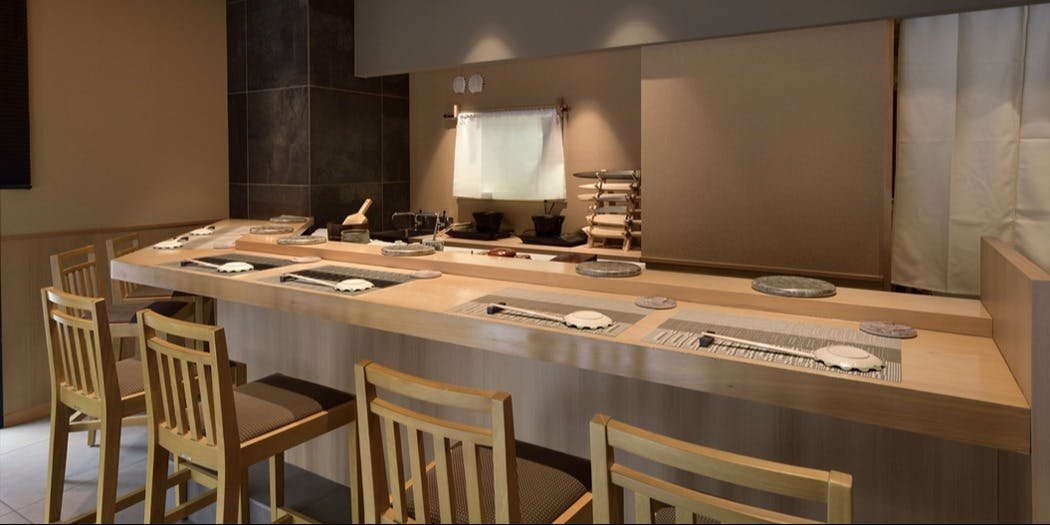
About WASHOKU TOKU
A Michelin Plate-recognised washoku restaurant in Kyoto's Kita Ward, Washoku Toku earns its reputation on à la carte seasonal cooking at ¥¥ pricing — rare in a city where serious Japanese dining typically demands a ¥¥¥¥ kaiseki commitment. The flexible format, portion-adjustable menu, and sourcing-driven kitchen make it a practical choice for solo diners, couples, and small groups alike.
The Verdict
If you've eaten at Washoku Toku before, the question on a return visit isn't whether the kitchen can still cook — it's whether the seasonal menu has shifted enough to make the trip worth repeating. At a ¥¥ price point in a city where serious washoku often demands ¥¥¥¥ commitments, the answer is reliably yes. This is a Michelin Plate-recognised restaurant in Kita Ward that punches above its price tier, and the à la carte format means you're not locked into a fixed sequence that might not suit your appetite or group. For a special occasion where you want quality without the formality of kaiseki, Washoku Toku is one of the more sensible bookings in Kyoto.
What You're Actually Booking
The format here is à la carte washoku, which matters more than it might initially sound. Most of Kyoto's celebrated Japanese dining operates on kaiseki terms: a set progression, a fixed price, and a commitment to the full sequence. Washoku Toku breaks from that structure. You order what you want, in the portions you want, and the kitchen adjusts accordingly. The flexibility to scale portions up or down is a genuine practical advantage — useful for solo diners who want range without waste, and for groups with varying appetites.
The menu follows the season, which in Kyoto is not a marketing phrase but a sourcing reality. The city's proximity to the mountains of northern Kyoto Prefecture and the fishing grounds of the Sea of Japan means that what appears on the menu in autumn genuinely differs from what you'd find in spring. The sashimi plate is finished with green peppercorns, a choice that uses sharpness to draw out the natural sweetness of the seafood rather than competing with it, a sourcing-aware approach that respects the ingredient. The 'Kamo Wasa' dish, quick-boiled duck tenderloin, takes its cue from yakitori technique: fast, high heat, minimal intervention, letting the quality of the protein carry the dish. That philosophy, source well, intervene sparingly, runs through the menu.
Rice-based dishes deserve attention beyond the obvious. The menu includes donburi, rice soup, and fried rice, which in lesser hands would read as filler. Here they function as a practical way to explore the kitchen's sourcing across different preparations. For a solo diner building a meal across several small dishes, this range is useful. For a group, it means the table can cover more ground without defaulting to the same two or three items.
Michelin Plate recognition (2024) signals that the kitchen is cooking at a level the guide's inspectors found worth noting, not a star, but a marker of quality that places it above the noise in a city with deep competition. That profile suggests a restaurant doing honest, repeatable work rather than chasing a launch-week spike.
Who Should Book
Washoku Toku is a good fit for a date or a celebration where you want the occasion to feel considered without the full weight of a multi-hour kaiseki ritual. The ¥¥ pricing means a couple can eat well without the bill becoming the main subject of conversation afterward. It also works for solo diners, the à la carte structure is genuinely better suited to eating alone than a fixed tasting menu, and the portion flexibility means you can cover five or six dishes without over-ordering.
For a business meal where you need to actually talk, the à la carte format gives the table control over pacing. You're not at the mercy of a kitchen sending courses on its own schedule. That's a meaningful difference in practice.
If you're considering Washoku Toku alongside heavier kaiseki commitments at venues like Kyokaiseki Kichisen or Kikunoi Roan, the decision comes down to format preference and budget. Washoku Toku is the right call if you want seasonal Japanese cooking without a fixed progression and without a ¥¥¥¥ price tag. For the full kaiseki experience, those other venues are the correct choice. For everything else, this one holds its ground.
Kyoto has other Japanese dining options worth knowing. Isshisoden Nakamura, Gion Matayoshi, and Kodaiji Jugyuan each occupy different positions in the city's dining range. For Japanese cooking beyond Kyoto, Myojaku in Tokyo and Azabu Kadowaki in Tokyo represent comparable approaches to seasonal washoku at varying price points. Further afield, HAJIME in Osaka, Goh in Fukuoka, and akordu in Nara are worth the trip if you're building a wider itinerary across the Kansai region. For everything else in Kyoto, hotels, bars, experiences, see our full Kyoto restaurants guide, hotels guide, bars guide, wineries guide, and experiences guide.
Practical Details
Budget: ¥¥, mid-range by Kyoto standards, accessible by the city's fine-dining benchmarks. Booking difficulty: Easy, reservations are direct to secure; advance planning is sensible but not critical. Address: 45-1 Murasakino Kamimonzencho, Kita Ward, Kyoto. Format: À la carte only; no fixed tasting menu. Portions: Flexible, can be scaled up or down on request. Recognition: Michelin Plate 2024. Leading for: Dates, solo dining, casual celebrations, and groups who want menu range without a set progression.
Frequently Asked Questions
Is WASHOKU TOKU good for solo dining?
Yes, the à la carte format makes Washoku Toku a practical solo choice. You can order as little or as much as you like, with portions adjustable up or down — a genuine advantage when dining alone. At the ¥¥ price point, it won't stretch the budget the way a full kaiseki counter would.
Can WASHOKU TOKU accommodate groups?
The à la carte format suits groups well: everyone orders independently, portions can be scaled, and there's no fixed menu pacing to coordinate around. For larger groups, check the venue's official channels to confirm table availability, as no private dining details are on record. It's a more relaxed fit than omakase or kaiseki settings for group bookings.
Does WASHOKU TOKU handle dietary restrictions?
The menu is broad — sashimi, rice dishes, donburi, rice soup, and fried rice — which gives reasonable flexibility for pescatarians and those avoiding red meat. The 'Kamo Wasa' duck dish signals that meat is present, but the range of seafood and rice-based options means alternatives exist. Specific allergy or dietary needs should be confirmed directly with the restaurant before booking.
Is WASHOKU TOKU good for a special occasion?
It works well for a low-key celebration or a considered date night, particularly if you want Kyoto's seasonal Japanese cooking without committing to a multi-hour kaiseki progression. The Michelin Plate recognition (2024) adds credibility for occasions where the setting needs to feel earned, but it won't have the ceremony of Kichisen or Gion Sasaki if that's what the occasion calls for.
Is WASHOKU TOKU worth the price?
At ¥¥, it sits in Kyoto's accessible mid-range tier and delivers Michelin Plate-level seasonal washoku with adjustable portions — good value for what's on the plate. If you want the full kaiseki ritual, Kyokaiseki Kichisen is the benchmark and priced accordingly. Washoku Toku is the right call when you want quality seasonal cooking without a fixed tasting menu and a four-figure bill.
Location
45-1 Murasakino Kamimonzencho, Kita Ward, Kyoto, 603-8217, Japan
Kyoto, Japan
Compare WASHOKU TOKU
| Venue | Price |
|---|---|
| WASHOKU TOKU | ¥¥ |
| Gion Sasaki | ¥¥¥¥ |
| cenci | ¥¥¥ |
| Ifuki | ¥¥¥¥ |
| Kyokaiseki Kichisen | ¥¥¥¥ |
| SEN | ¥¥¥¥ |
Side-by-side comparison to help you decide where to book.
Also Consider
- Gion Sasaki, Kaiseki, Japanese, ¥¥¥¥
- cenci, Italian, ¥¥¥
- Ifuki, Kaiseki, ¥¥¥¥
- Kyokaiseki Kichisen, Japanese, ¥¥¥¥
- SEN, French, Japanese, ¥¥¥¥
How It Compares
Against Kyoto's kaiseki tier, Gion Sasaki, Ifuki, Kyokaiseki Kichisen, and SEN, Washoku Toku is a different proposition entirely. Those venues charge ¥¥¥¥ for fixed multi-course progressions that are the point of the visit. Washoku Toku charges ¥¥ for à la carte washoku where you control the structure. If you're committed to the kaiseki format and the budget supports it, the ¥¥¥¥ venues deliver an experience Washoku Toku doesn't attempt to replicate. If you want seasonal Japanese cooking without the ceremony or cost, Washoku Toku is the clearer value call.
cenci at ¥¥¥ occupies an interesting middle position, Italian-influenced, more contemporary in approach, and a tier above Washoku Toku on price. For a diner who wants something outside traditional Japanese formats, cenci is the right choice. For a diner who wants washoku specifically, cenci isn't a substitute. The comparison is less about quality and more about what kind of evening you're planning.
On booking difficulty, Washoku Toku is the easiest option in this peer group, reservations are accessible without the weeks-out lead time that the ¥¥¥¥ kaiseki venues often require. That accessibility, combined with the ¥¥ pricing and Michelin Plate recognition, makes it the most practical entry point for visitors who want Kyoto's seasonal Japanese cooking without a significant planning runway. For the definitive kaiseki experience, the ¥¥¥¥ tier is where you go. For everything else, Washoku Toku holds the value position in this set.
Recognized By

Explore Kyoto
Save or rate WASHOKU TOKU on Pearl
Keep this venue in your Pearl passport, rate it after you visit, and track it alongside every other place you collect.