Restaurant in Washington DC, United States
Credible Japanese, easier to book than expected.
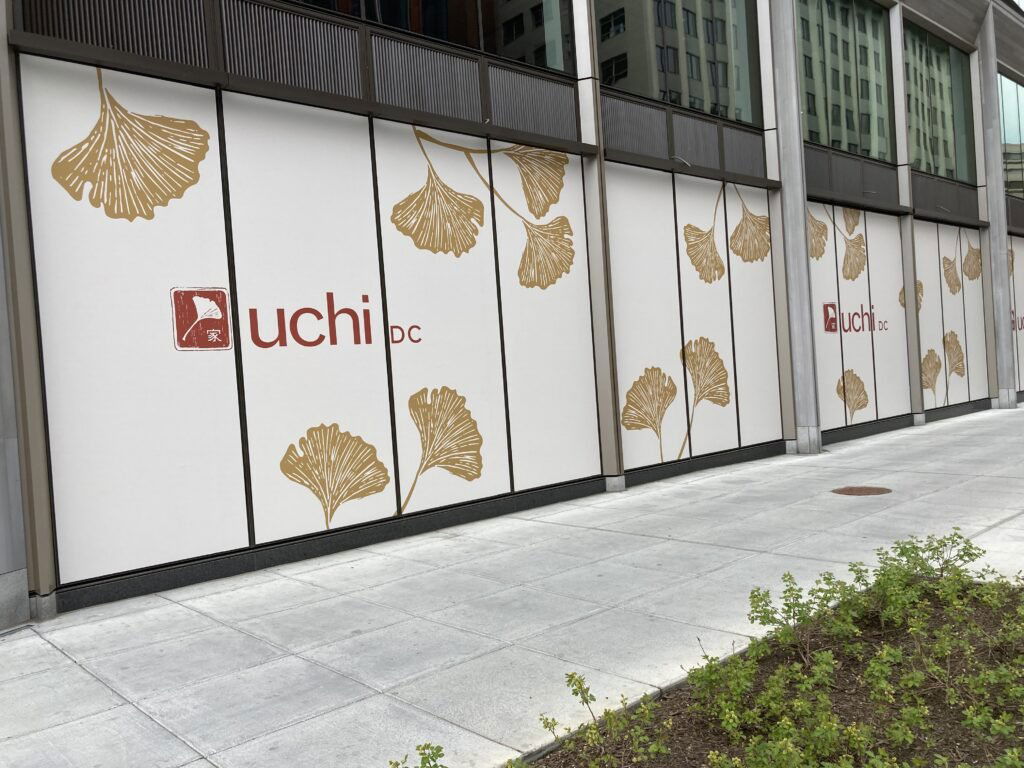
Uchi's D.C. location brings its Texas-born Japanese small-plates format to Washington with easier booking than you'd expect from a restaurant of this caliber — 1–2 weeks out is usually enough for weeknights. The shareable format suits groups and food-focused diners better than sushi purists. A practical and rewarding choice in a city where comparable Japanese cooking is harder to access.
Getting a table at Uchi D.C. is more direct than at most Japanese restaurants of comparable reputation in this city. Booking difficulty is rated easy, which puts it in a different tier from the reservation scrambles you'd face at comparable omakase counters elsewhere. That accessibility doesn't mean you should be complacent — peak weekend slots at the Uchi D.C. outpost do fill, and the optimal play is to book 1–2 weeks out for a weeknight visit, when the room is quieter and the experience is more focused.
Uchi is a Texas-born sushi and Japanese concept that expanded to D.C., and its arrival matters to the neighborhood it occupies. Washington's Japanese dining scene has historically been uneven — strong at the high-end omakase level, thinner in the middle tier where creative, ingredient-driven Japanese cooking sits. Uchi occupies that middle space with confidence. It is not a traditional omakase house, and it is not a casual conveyor-belt operation. The format is closer to a modern Japanese small-plates restaurant, the kind where the menu rewards sharing and exploration over a single defining dish.
For food and travel enthusiasts who want depth and context, Uchi's Texas roots are relevant: the original Austin location helped establish a template for creative Japanese cooking outside of the coasts, influencing a generation of chefs. The D.C. location carries that DNA. If you've eaten at Shokunin in Austin or tracked the evolution of Japanese-American cooking through spots like Smyth in Chicago, you'll recognize the sensibility , serious technique, less formality than a traditional Japanese restaurant, and a menu designed to be ordered in rounds.
Weeknights between Tuesday and Thursday are the optimal window. The room operates at a more considered pace, staff attention is less divided, and you're more likely to have a genuine conversation about the menu. Weekend evenings, particularly Friday and Saturday after 8 PM, trend louder and more social , fine if that's the energy you want, less ideal if you're there to focus on the food. If you're visiting D.C. for a specific trip, book Uchi mid-week and save the weekend slot for something that benefits from the buzz, like Canton Disco's Modern Chinese barbecue format.
| Detail | Uchi D.C. | Katsumi | Maru San |
|---|---|---|---|
| Cuisine | Sushi / Japanese | Japanese / Sushi | Nikkei / Peruvian-Japanese |
| Booking Difficulty | Easy | Not confirmed | Not confirmed |
| Leading Timing | Weeknight, 1–2 wks out | Check availability | Check availability |
| Format | Small plates / shareable | Japanese / Sushi | Fusion small plates |
| Good for | Groups, explorers | Sushi purists | Creative diners |
| Venue | Cuisine | Price | Awards | Booking Difficulty | Value |
|---|---|---|---|---|---|
| Uchi (D.C. location) | Sushi / Japanese | Easy | — | ||
| The Inn at Little Washington | New American | Michelin 3 Star | Unknown | — | |
| Maru San | Nikkei / Peruvian-Japanese | Unknown | — | ||
| Ulivo | Italian | Unknown | — | ||
| Katsumi | Japanese / sushi | Unknown | — | ||
| Canton Disco | Modern Chinese / Chinese barbecue | Unknown | — |
A quick look at how Uchi (D.C. location) measures up.
Booking is more accessible than the Uchi brand reputation might suggest — you don't need weeks of advance planning. Uchi D.C. serves Japanese cuisine in a format that works for groups as well as pairs, which sets it apart from the counter-only omakase spots in the city. Go on a Tuesday or Wednesday if you want the kitchen at its least pressured pace. It's a credible introduction to the Uchi style without the friction of harder-to-book options.
Specific menu details aren't confirmed in our data, so we won't fabricate dish names. What the Uchi brand is known for across its locations is a Japanese-influenced menu that blends traditional technique with American-market creativity. Ask the server what's moving best that week — kitchens at this level rotate based on supply, and that question tends to surface the strongest plates.
Uchi D.C. serves Japanese cuisine in a full-service, à la carte format, which generally makes it more adaptable than an omakase counter where the chef controls every course. If you have specific dietary needs, check the venue's official channels before booking rather than assuming on arrival. The group-friendly format suggests the kitchen is set up to accommodate varied orders at the same table.
Yes, provided you're not expecting the intimacy of a small omakase counter. Uchi D.C. handles groups well and operates at a price point that signals occasion dining without requiring the commitment of a tasting-menu-only format. For a milestone where the focus is on the meal itself rather than the theater of a chef's counter, it's a solid pick. If you want a more exclusive, chef-driven experience, a dedicated omakase venue would be a better fit.
Maru San and Katsumi are the most direct comparisons if Japanese cuisine is the priority. The Inn at Little Washington operates in a different category entirely — more formal, tasting-menu format, and significantly harder to book — so only consider it if the occasion warrants that level of investment. Canton Disco and Ulivo serve different cuisines and are better suited to nights when Japanese isn't the specific goal.
Keep this venue in your Pearl passport, rate it after you visit, and track it alongside every other place you collect.
