The Saga
Spanish · West End, Washington DC
Restaurant in Washington DC, United States
 Book with Pearl
The Read
Iberian Tradition, Latin Recast
Chef
James Kent
Dress
Smart Casual
Why go
The Saga is one of Washington D.C.'s most credentialled Spanish-Latin restaurants, ranked #46 on OAD Top Restaurants in North America (2025) and holding a Michelin Plate. Chef Enrique Limardo's ingredient-driven menu, arroz, reimagined tapas, and sharing mains, justifies the $$$$ price point. Book well in advance; this one is hard to get into.
About The Saga
Is The Saga worth booking for a special occasion in Washington, D.C.?
Yes: if Spanish-Latin cooking at the top tier of D.C.'s dining scene matches what you're celebrating. For a $$$$ night out anchored in bold, ingredient-driven cooking, this is one of the clearest yeses on the D.C. map.
The Room and the Food
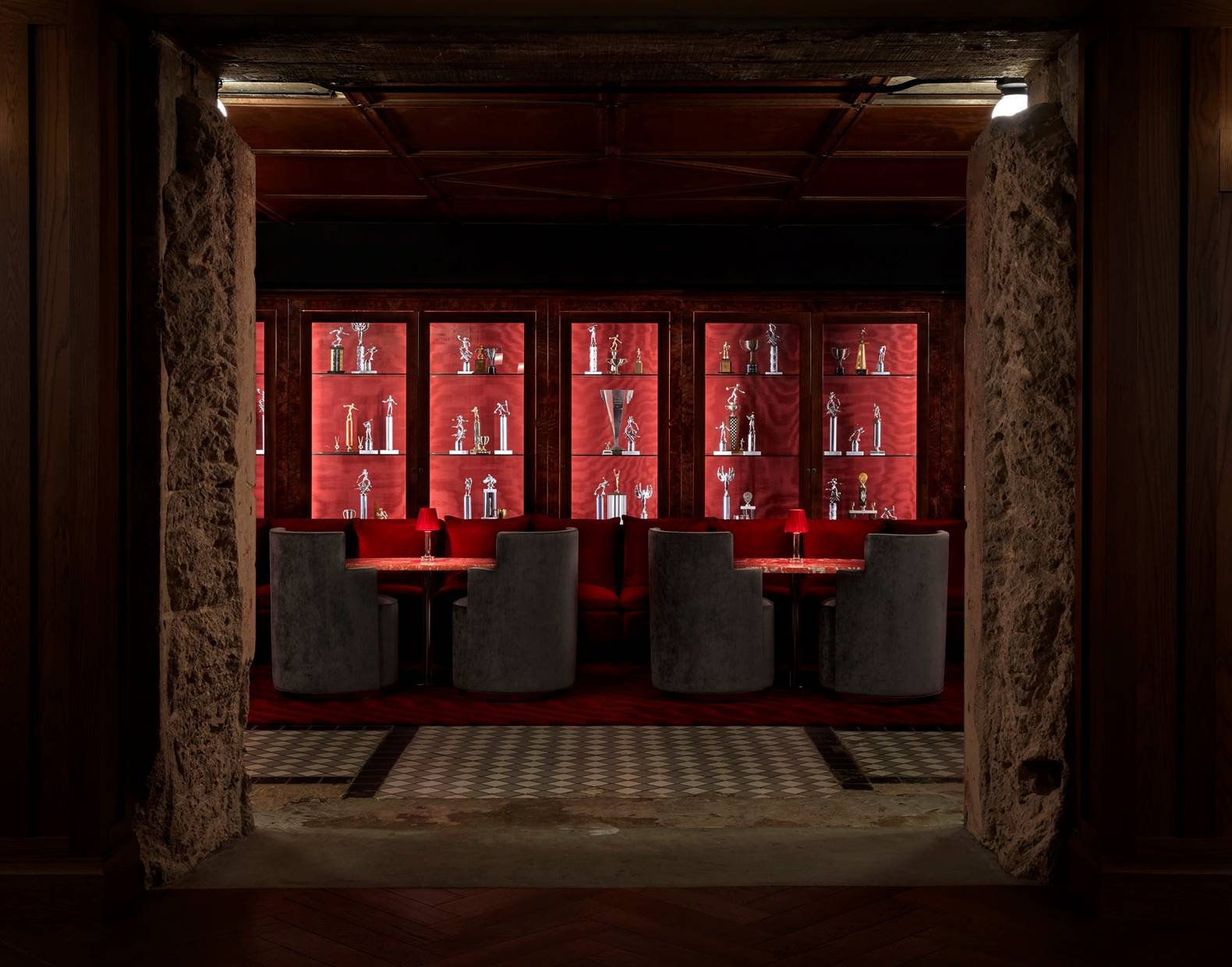
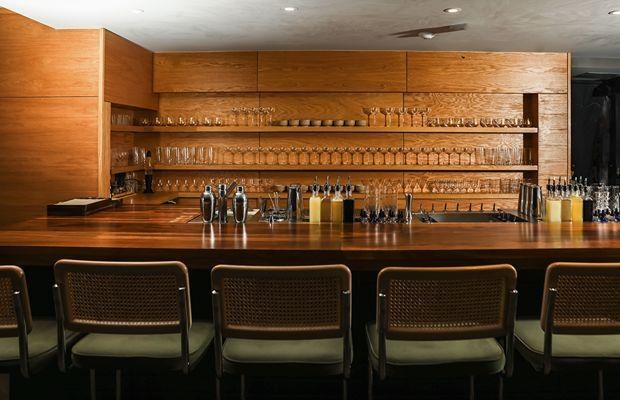
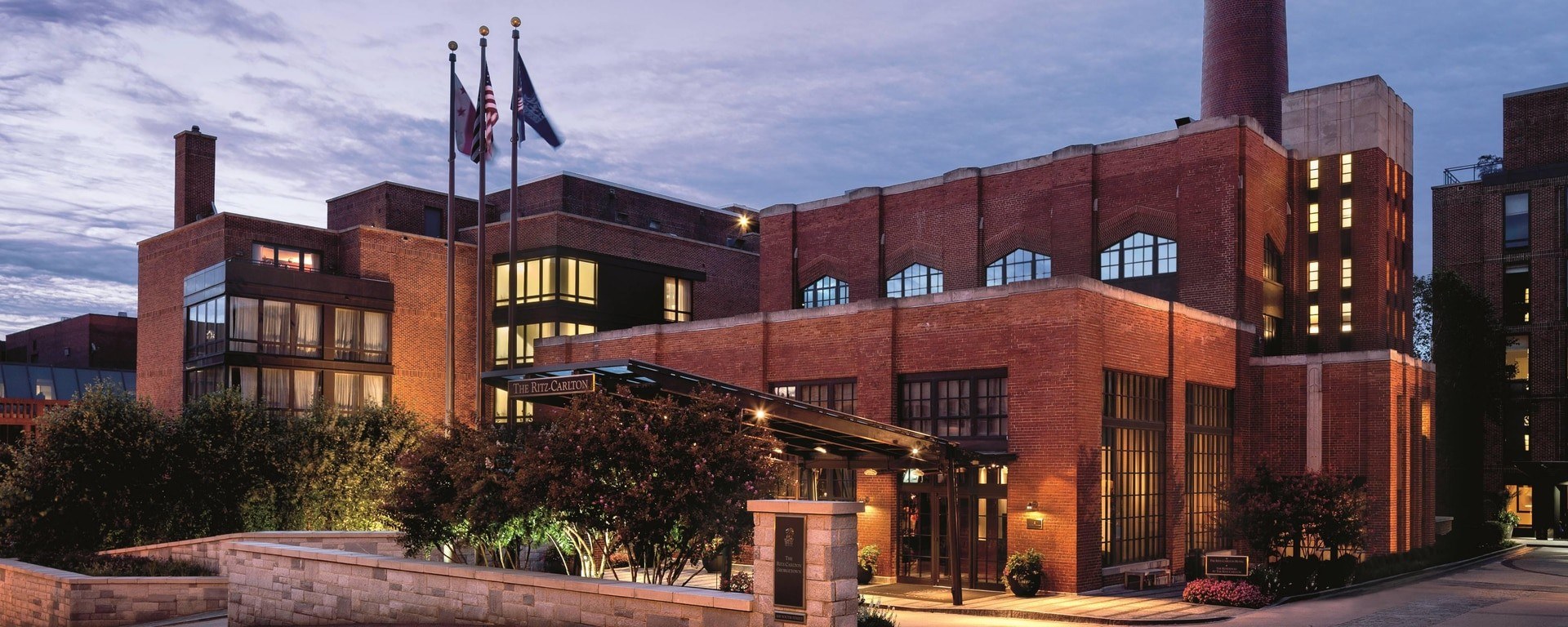
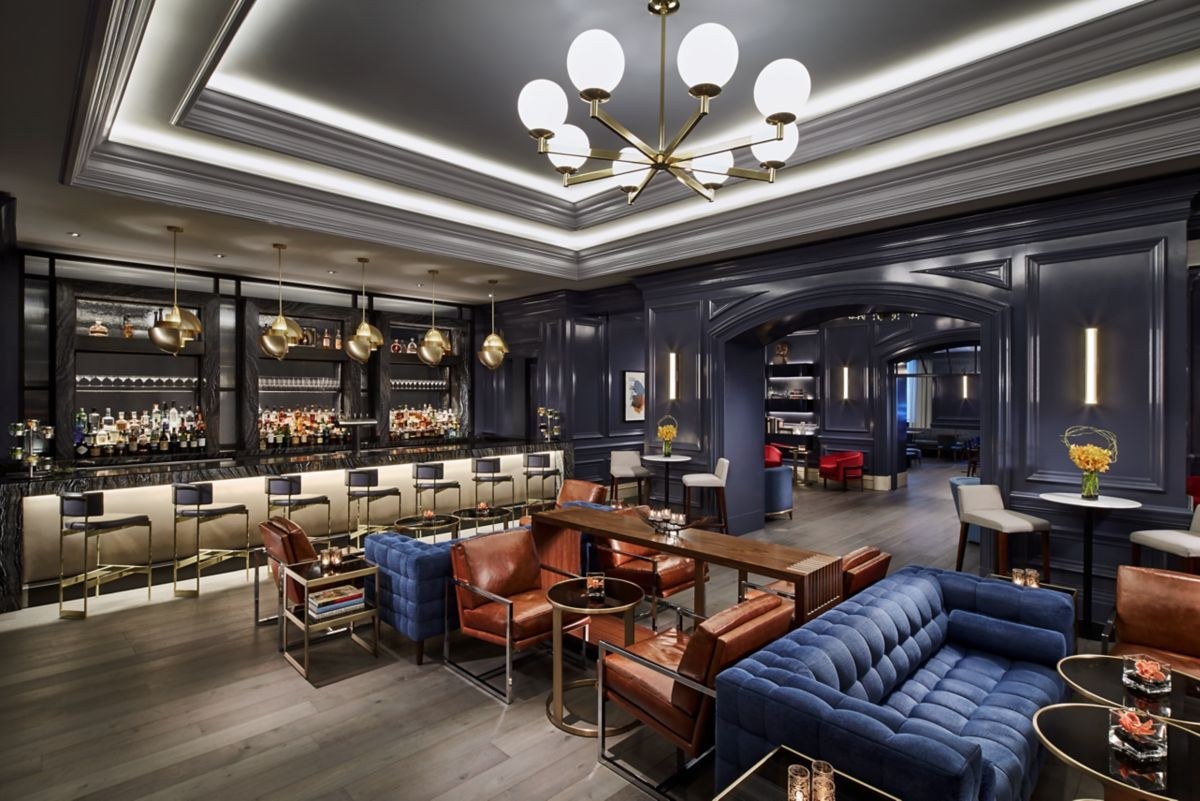
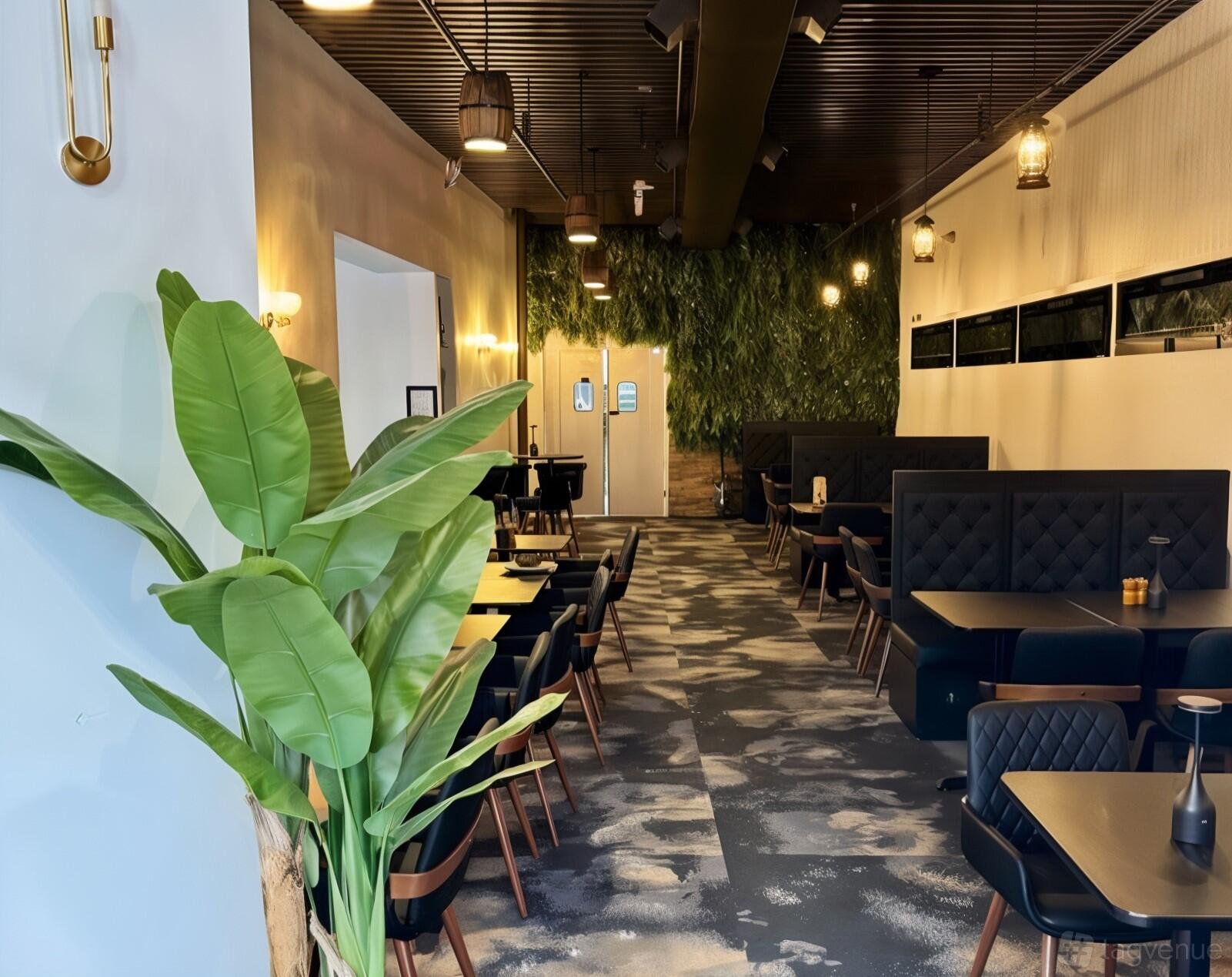
Walk into The Saga and the first thing you register is restraint: cream walls, pale wood, glass, and almost no visual noise. The minimalist interior, positioned just beside The Ritz-Carlton on 22nd St NW, signals that the kitchen is the point: not the décor. That calculation pays off. The menu, built by Enrique Limardo (the force behind Imperfecto), takes Spanish classics as its foundation and pulls in Latin American technique and flavour at every turn. It is a combination that sounds familiar on paper but reads with genuine conviction on the plate.
The ingredient choices here are not incidental. Dishes like the arroz morada, pink-hued rice built around a salt-baked beet purée, roasted vegetables, fava beans, and a pine nut vinaigrette, show a kitchen that sources and prepares with specificity. The beet is not a garnish; it is the structural decision that makes the dish. The pan con tomate and patatas bravas, both reimagined from their Catalan and Spanish originals, demonstrate similar care: these are not lifted wholesale from a tapas template. The lamb shoulder, sized for sharing, anchors the meat-forward main section for tables that want something substantial to centre the meal.
The arroz section is worth particular attention. Devoting an entire menu category to rice is a commitment, it signals a kitchen focused on technique over crowd-pleasing breadth, and the arroz morada alone justifies that decision. For the right diner, this is exactly the kind of ingredient-led editorial cooking that warrants a $$$$ price point. For someone who wants a wider survey of Spanish classics without the reinterpretation, Del Mar or Xiquet by Danny Lledo may be a more comfortable fit.
Why the OAD Trajectory Matters
Saga has moved from #32 to #77 to #46 across three consecutive OAD North America rankings, an uneven climb that nonetheless confirms it belongs in the top tier of the continent's Spanish and contemporary dining rooms. For a special occasion where the credential matters as much as the food itself (a business dinner, an anniversary, a milestone birthday), that ranking provides cover. You are not taking a risk; you are booking a kitchen that reviewers with serious track records have consistently placed at a high level. Comparable benchmark restaurants nationally include Le Bernardin in New York City, Alinea in Chicago, and The French Laundry in Napa, The Saga occupies a similar tier of intent and execution in its own category, if a different register entirely. Internationally, ZURRIOLA in Tokyo and Arco by Paco Pérez in Gdańsk represent the kind of serious Spanish cooking this kitchen is in conversation.
How It Compares in D.C.
Against the rest of D.C.'s $$$$ tier, The Saga sits in a distinct lane. Albi and Causa both operate in the same price band and are comparably hard to book; Albi is the stronger choice if you want Middle Eastern flavour profiles, Causa if Peruvian-Japanese technique is the draw. Bresca and Gravitas lean further into New American and contemporary French registers. Oyster Oyster is worth noting for plant-forward diners at a lower price point. alternative for serious Spanish cooking. For broader D.C. options across all price points and cuisines, see our full guides: Washington, D.C. restaurants, Washington, D.C. bars, Washington, D.C. hotels, Washington, D.C. wineries, and Washington, D.C. experiences. For travellers comparing Spanish cooking across other cities, Lazy Bear in San Francisco, Emeril's in New Orleans, and Single Thread Farm in Healdsburg illustrate the range of ambition operating at this level nationally.
Planning details
- Hours
- Monday: 7 AM–2:30 PM, 5–9 PM · Tuesday: 7 AM–2:30 PM, 5–9 PM
- Location
- 1190 22nd St NW, Washington, DC 20037
- Reservations
- Book on OpenTable
- Website
- sevenreasonsgroup.com/the-saga
- Phone
- (202) 480-9892
The take
The Take
The Vibe
The Saga presents itself with immediate restraint: cream walls, pale wood and glass surfaces absorb light and reduce visual noise so the food becomes the focal point. The dining room’s pared-back palette and diffused light create a quiet, intimate atmosphere where details matter and attention is concentrated on each plate. Design choices favor subtlety over spectacle, producing a controlled, minimal backdrop that supports the kitchen’s ambitious reinterpretations of Spanish tradition. Dining here feels careful and considered, a place where the room deliberately yields to the cooking.
Best For
The Saga suits dinners that call for focus: business meals, expense-account evenings and diplomatic entertaining are explicitly part of its neighborhood context. Its restrained, food-forward room also makes it a solid pick for intimate special-occasion dinners or a considered date night where conversation and cuisine share equal weight. Because the menu highlights rice centrepieces and shareable preparations, larger groups who appreciate composed, communal plates can also find it rewarding, though the overall tone favors composed, sit-down service rather than loud or casual gatherings.
Ordering Tips
Make the arroz section the anchor of the meal: the menu devotes an entire section to rice preparations that function as centrepieces, so plan to order one as a shared main. Start with the updated small plates, the pan con tomate and the reworked patatas bravas are described as familiar yet recalibrated, then add a protein like gambas al ajillo or cochinillo for contrast. Because the restaurant emphasizes concentration on the food, opt for fewer, well-chosen dishes to let the kitchen’s reinterpretations register fully.
Venue details
Ambiance
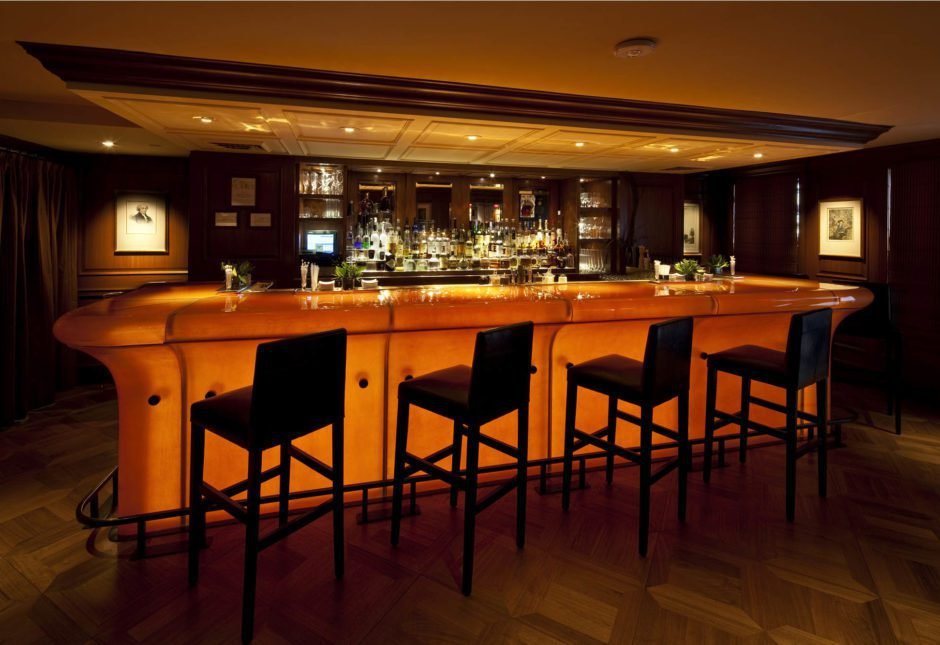
Lovely ambiance with easy but fun music, warm decor, light-filled space highlighting a dramatic bar and open kitchen, stylish casual-elegant atmosphere.
Tags
Vibe
Best For
Experience
At the Table
- Dress Code
- Smart Casual
- Noise Level
- Conversational
- Service Style
- Upscale Casual
- Meal Pacing
- Leisurely
- Capacity
- Medium
- Kitchen
- Modern
- Menu Format
- Small plates, A la carte
- Outdoor Seating
- Yes
Signature Dishes
- arroz verde
- arroz rojo
- gambas al ajillo
- cochinillo
- patatas bravas
Know before you go
Know Before You Go
- Getting there
- 1190 22nd St NW, Washington, DC 20037
Planning details
Hours
- Monday
- 7 AM–2:30 PM, 5–9 PM
- Tuesday
- 7 AM–2:30 PM, 5–9 PM
- Wednesday
- 7 AM–2:30 PM, 5–9 PM
- Thursday
- 7 AM–2:30 PM, 5–9 PM
- Friday
- 7 AM–2:30 PM, 5–10 PM
- Saturday
- 7 AM–2:30 PM, 5–10 PM
- Sunday
- 7 AM–2:30 PM
Location
1190 22nd St NW, Washington, DC 20037 · Directions
Also consider
Also Consider
- Albi: United States, Middle Eastern, $$$$
- Causa: Peruvian, $$$$
- Oyster Oyster: New American, Vegetarian, Vegetarian (Sustainable), $$$
- Bresca: Modern French, Contemporary, $$$$
- Gravitas: New American, Contemporary, $$$$
Restaurant context
At $$$$ across the board, The Saga competes directly with Albi, Causa, Bresca, and Gravitas for D.C.'s top-tier dinner spend. The clearest differentiator is cuisine: The Saga is the strongest option in the city for Spanish-Latin cooking with genuine ingredient focus, while Albi wins on Middle Eastern depth and Causa on Peruvian-Japanese technique. Bresca and Gravitas sit in the modern French and New American registers respectively: both are worth considering for diners who want more familiar European fine-dining frameworks.
On booking difficulty, all five venues are competitive. The Saga's OAD Top 50 North America ranking (2025) makes it the most externally validated of the group for a celebration meal where the credential matters: if you are taking someone to dinner to impress, that ranking provides a clear signal. Bresca carries strong local critical recognition and is a reliable choice for date-night atmosphere at the same price tier. Gravitas offers a tasting-menu-first format for diners who want the kitchen to drive the decisions.
If budget is a consideration, Oyster Oyster at $$$ undercuts all of them while delivering serious, plant-forward cooking with its own critical standing: it is the pragmatic choice when $$$$ is a stretch. For Spanish cooking in particular, Xiquet by Danny Lledo and Del Mar are the most direct alternatives to The Saga within the city, and worth comparing on availability before you commit.
Explore Washington DC
Around this place
Discover more on Pearl
Unlock the full The Saga guide in Pearl, including awards, comparisons, FAQs, planning details, and nearby places.
Compare The Saga
| Venue | Price | Booking Difficulty | Awards |
|---|---|---|---|
| The Saga | $$$$ | Hard | No published awards |
| Albi | $$$$ | Unknown | Washingtonian 100 Very Best Restaurants 2026 · #12026 North America's 50 Best Restaurants · #6RAMMYS 2026 Winners - Formal Fine Dining Restaurant of the Year2025 World's 50 North America's Best Restaurants · #342025 Robb Report 100 Greatest American Restaurants of the 21st Century · #892025 OAD Casual in North America Ranked · #1302025 Michelin 1 Star2024 James Beard Awards · #12024 OAD Casual in North America Ranked · #109 |
| Causa | $$$$ | Unknown | Washingtonian 100 Very Best Restaurants 2026 · #162025 OAD Top Restaurants in North America Ranked · #2752025 James Beard Awards2025 Michelin 1 Star2024 OAD Top Restaurants in North America Ranked · #2252024 Michelin 1 Star |
| Oyster Oyster | $$$ | Unknown | Washingtonian 100 Very Best Restaurants 2026 · #622026 OAD Top Restaurants in North America Highly Recommended2025 Food & Wine Global Tastemakers Top Restaurants · #152025 OAD Top Restaurants in North America Ranked · #251We're Smart World Top Restaurants 20252025 Wine Spectator Award of Excellence2025 The Best Chef One Knife2025 Michelin 1 Star2024 OAD Top Restaurants in North America Ranked · #203 |
| Bresca | $$$$ | Unknown | 2026 Wine Spectator Award of Excellence2025 OAD Top Restaurants in North America Ranked · #322025 Wine Spectator Award of Excellence2025 Michelin 1 Star2024 OAD Top Restaurants in North America Ranked · #372024 Michelin 1 Star2023 OAD Gourmet Casual Dining in North America Ranked · #212023 OAD Top Restaurants in North America Ranked · #35 |
| Gravitas | $$$$ | Unknown | 2026 OAD Top Restaurants in North America Recommended2025 OAD Top Restaurants in North America Ranked · #4952025 Michelin 1 Star2024 OAD Top Restaurants in North America Ranked · #5362024 Michelin 1 Star2023 OAD Top Restaurants in North America Recommended |










A quick look at how The Saga measures up.
FAQ
Frequently Asked Questions
What should a first-timer know about The Saga?
Go in with a plan: the menu rewards navigation. Tapas and small plates anchor the early meal, the arroz section is a genuine highlight, and mains are sized for sharing rather than solo plates. The room at 1190 22nd St NW is deliberately understated, cream, pale wood, glass, so the food carries the show. At $$$$, expect to order several courses to get the full picture, and note that The Saga has held OAD Top Restaurants in North America placement across three consecutive years, which is the clearest external benchmark for what you're paying for.
Does The Saga handle dietary restrictions?
The menu skews meat-forward on main courses, but the arroz and vegetable sections offer real options: the arroz morada, for instance, is built around beet purée, roasted vegetables, fava beans, and pine nut vinaigrette. No specific allergy or dietary accommodation policy is documented publicly, so flag any restrictions when booking rather than assuming the kitchen will surface options unprompted.
Is The Saga good for a special occasion?
Yes, with the right expectations. The Saga holds a Michelin Plate and an OAD #46 North America ranking for 2025, which puts it at the credentialed end of D.C.'s $$$$ tier. The minimalist room is stylish without being loud, which works for dinners where conversation matters. If you want theatrical tableside production or a set tasting-menu format, this is not that restaurant: the Spanish-Latin sharing format is the occasion itself.
What are alternatives to The Saga in Washington, D.C.?
Xiquet by Danny Lledo is the closest direct comparison for Spanish cooking in D.C. and worth checking if The Saga is fully booked. For a different angle on ambitious, ingredient-driven cooking at the $$$$ tier, Bresca and Gravitas are both credentialed alternatives. Albi and Causa occupy the same upper range but with Middle Eastern and Peruvian focuses respectively, so they serve a different brief rather than a substitute one.
Is the tasting menu worth it at The Saga?
No tasting menu format is confirmed in current records for The Saga: the documented structure is à la carte small plates, arroz courses, and shared mains. At $$$$, the spend adds up through ordering rather than through a set sequence. That format suits tables that want to control pacing and focus on specific sections like the arroz dishes, but it means the value calculation depends on how deliberately you order rather than on a fixed menu price.