
.png?width=1200&quality=80)
St. James
Caribbean · Cardozo, Washington DC
Restaurant in Washington DC, United States
 Book with Pearl
The Read
Trinidadian-Rooted Shared Plates
Price
$50–100per person
Dress
Smart Casual
Why go
St. James brings Michelin Plate-recognised modern Caribbean cooking to 14th Street NW, built around the culinary traditions of Trinidad's Port of Spain. Owner Jeanine Prime's shared-plates menu — anchored by 12-hour jerk brisket, callaloo soup with lump crab, and Trinidadian rum cocktails — delivers sourcing discipline and flavour depth that is hard to find at the $$$ price point in Washington, D.C.
About St. James
St. James, Washington D.C.: Should You Book?
Yes — book it, and do so soon. St. If you are considering this for a Friday or Saturday night, treat the reservation window as you would a Michelin-starred room: plan at least two to three weeks out. Mid-week is more forgiving, but this is not a walk-in venue.
What St. James Actually Is
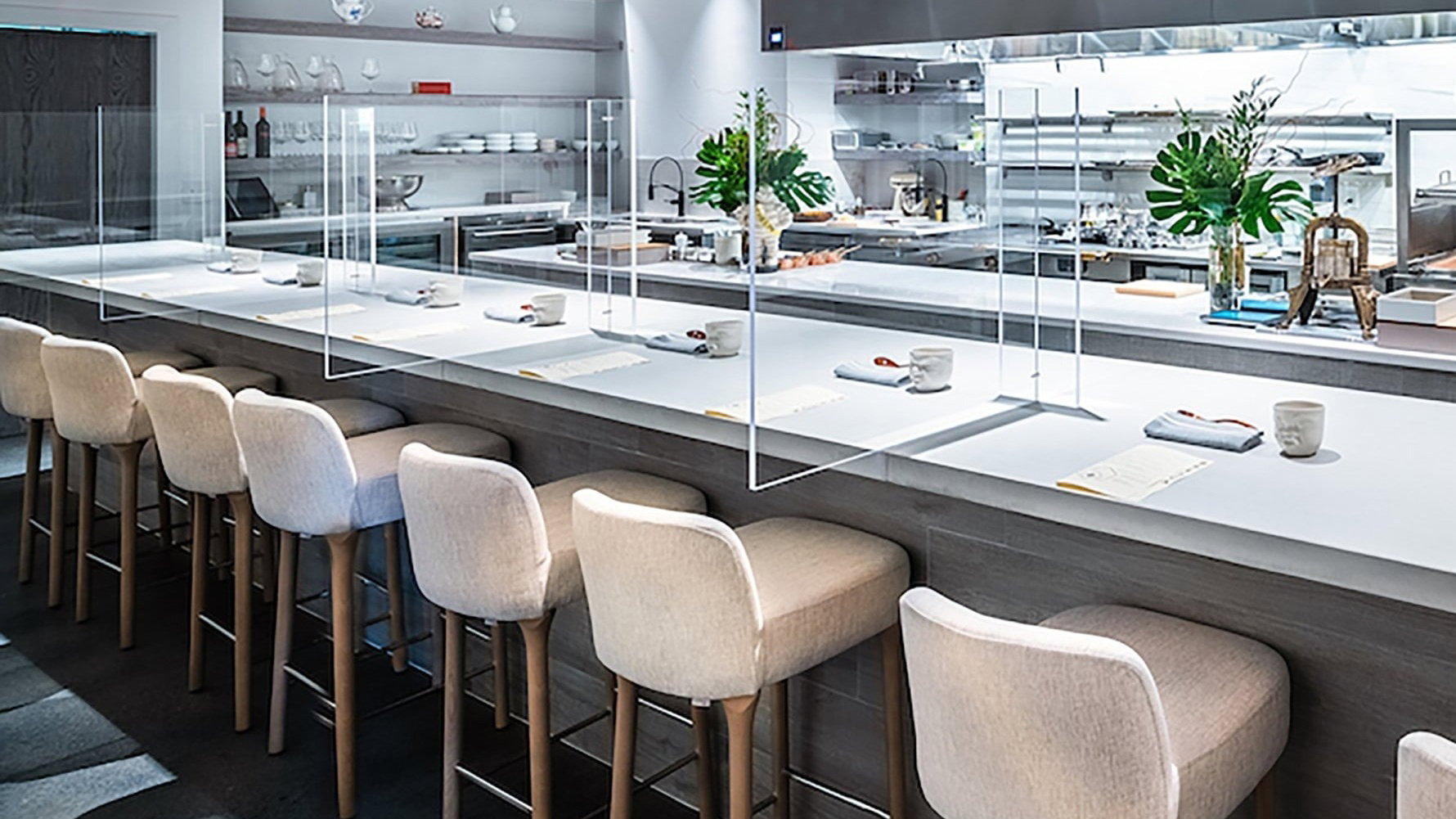
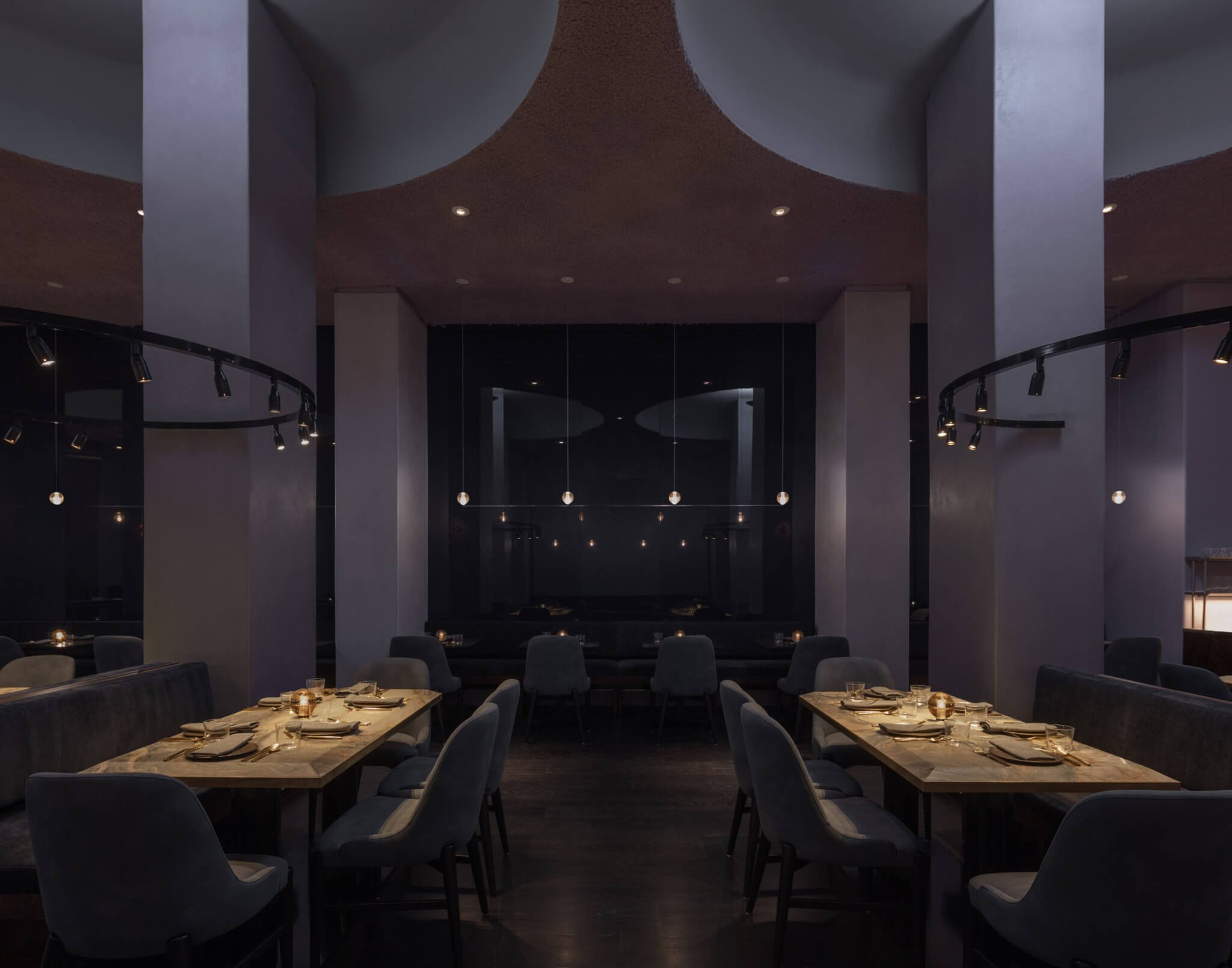
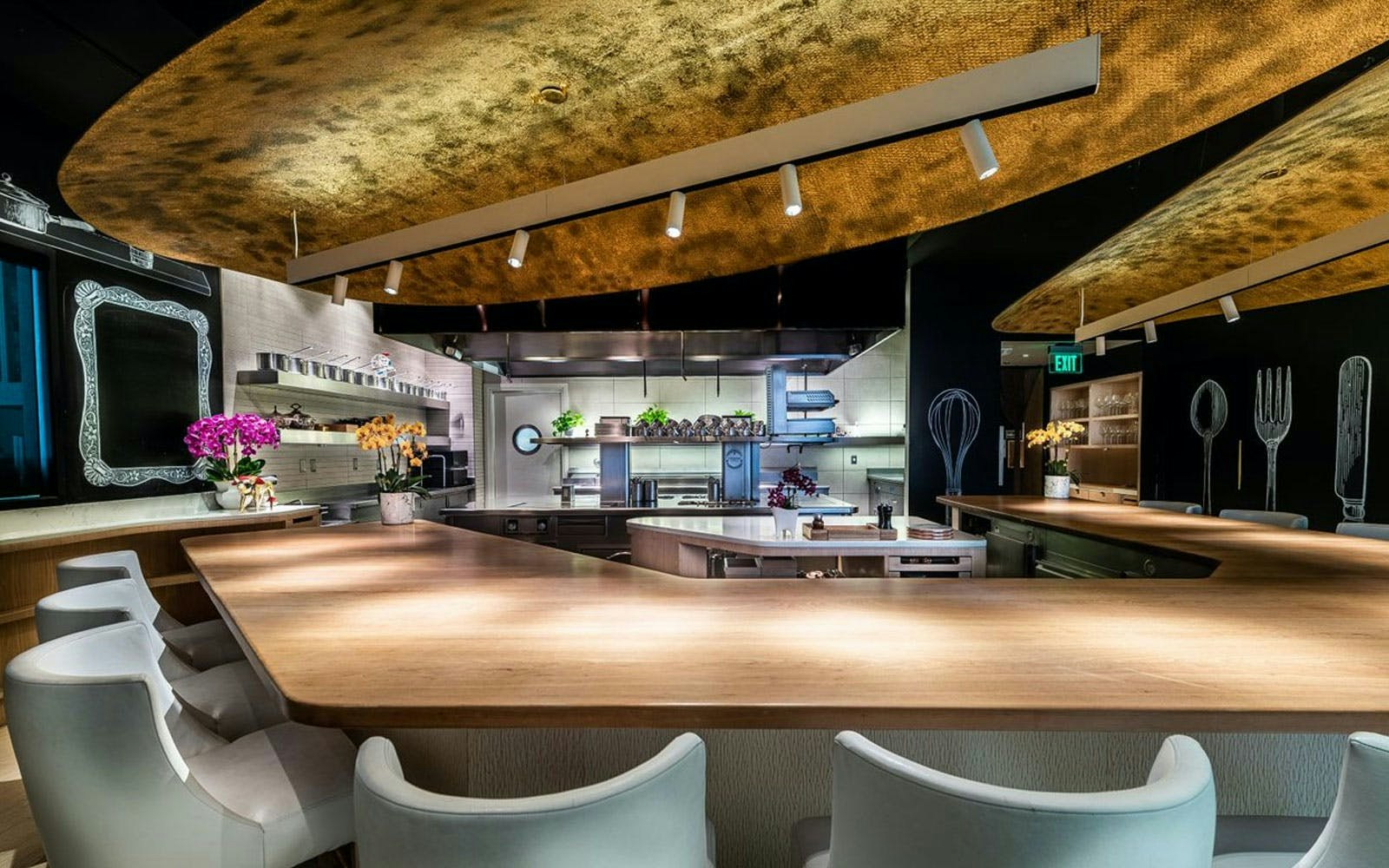
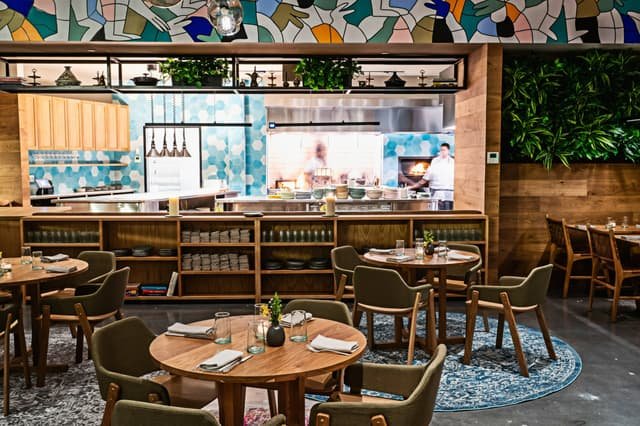
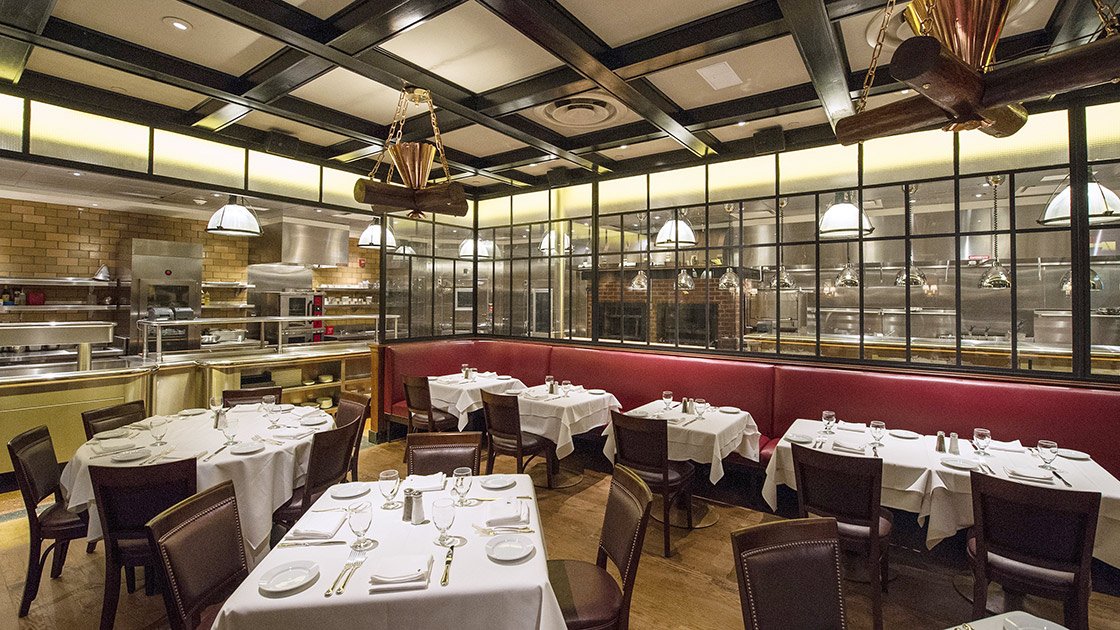
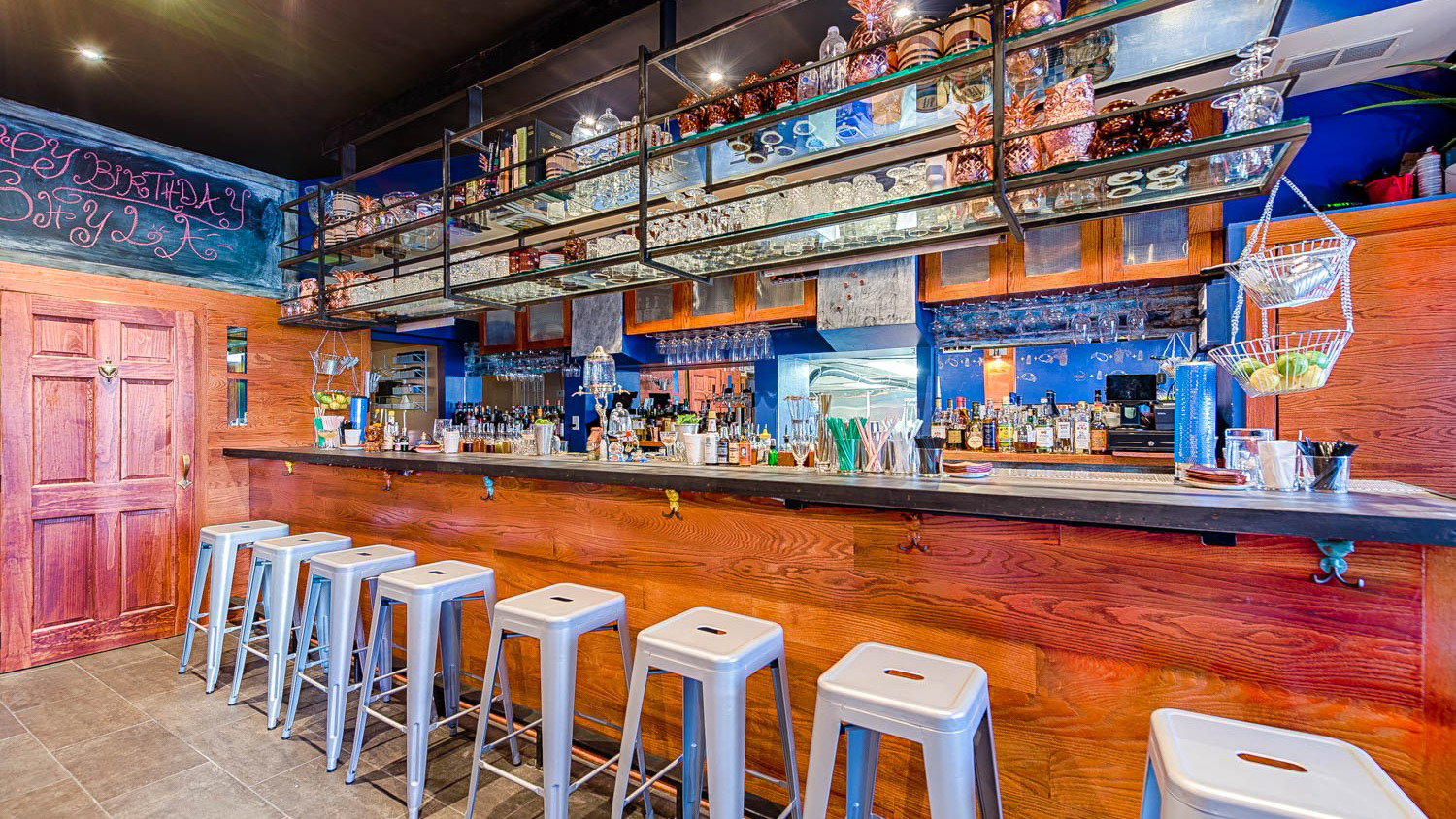
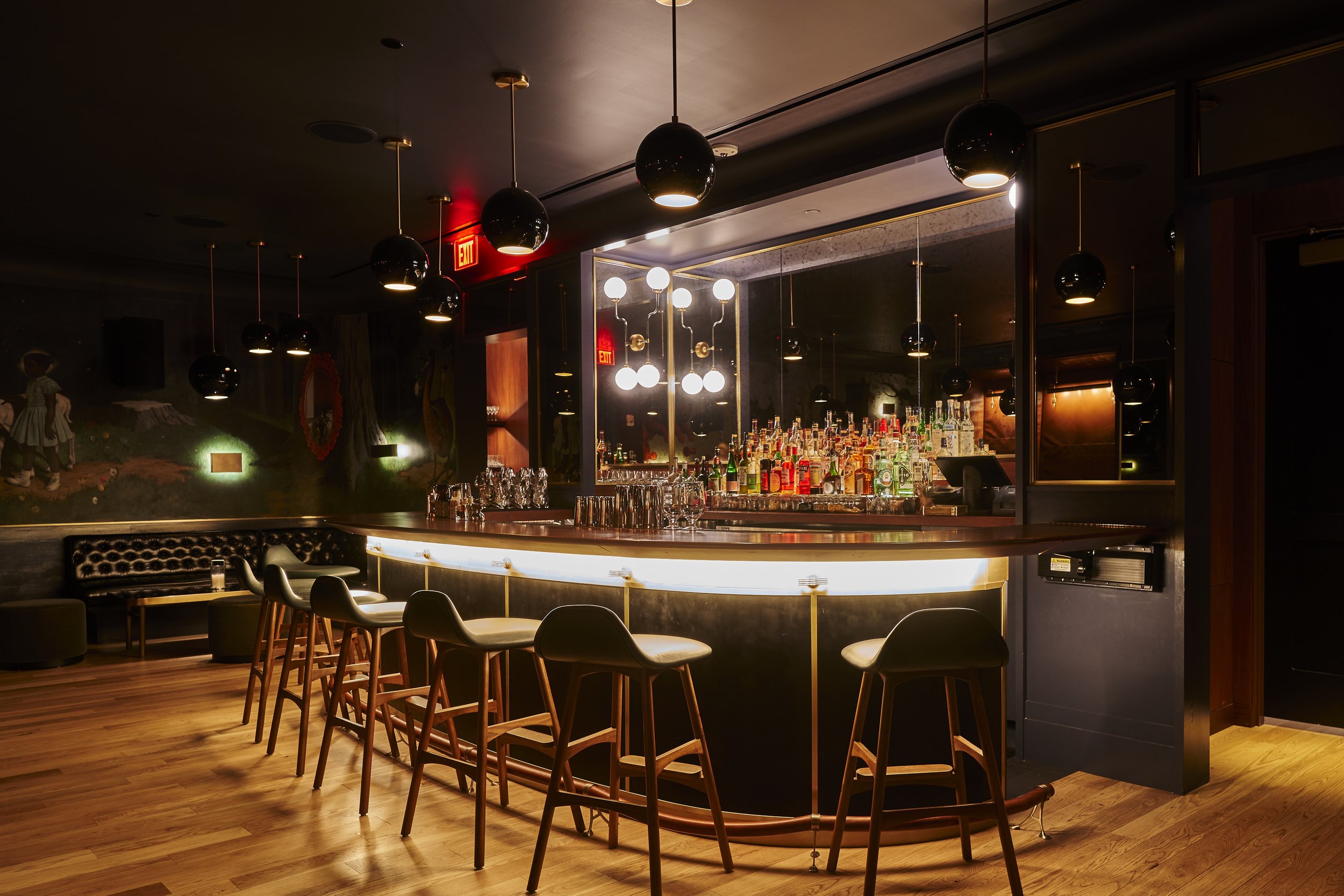
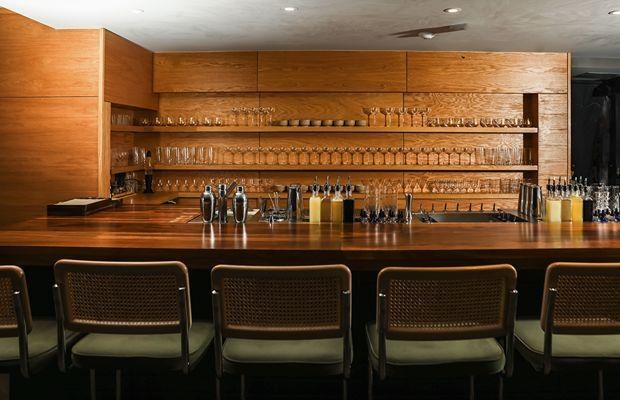
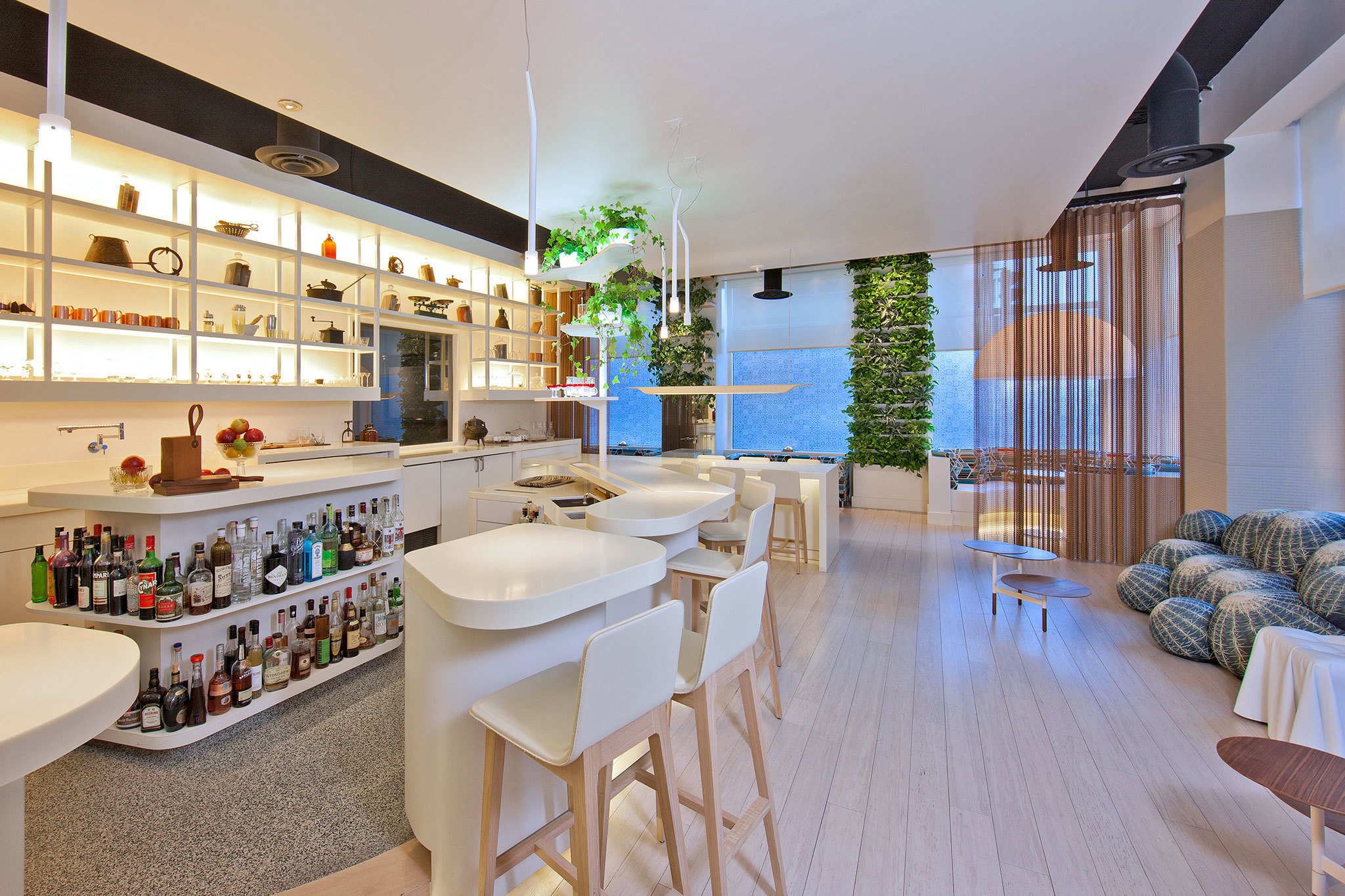
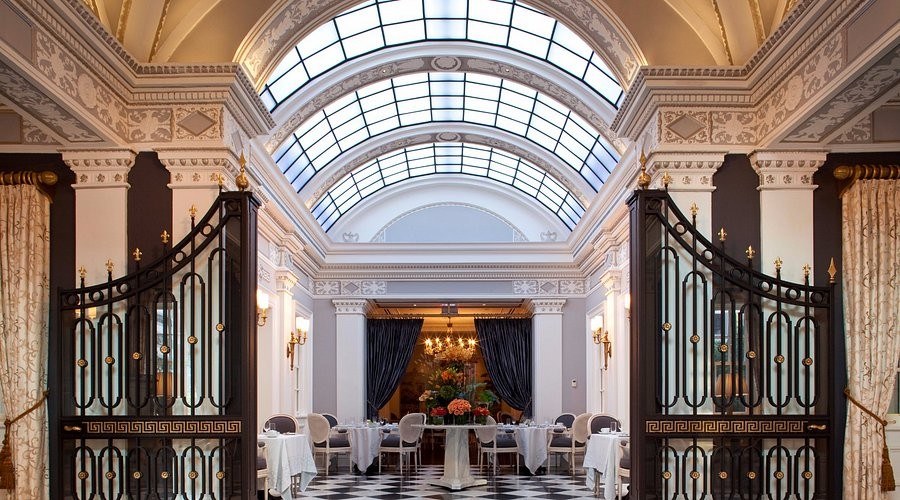
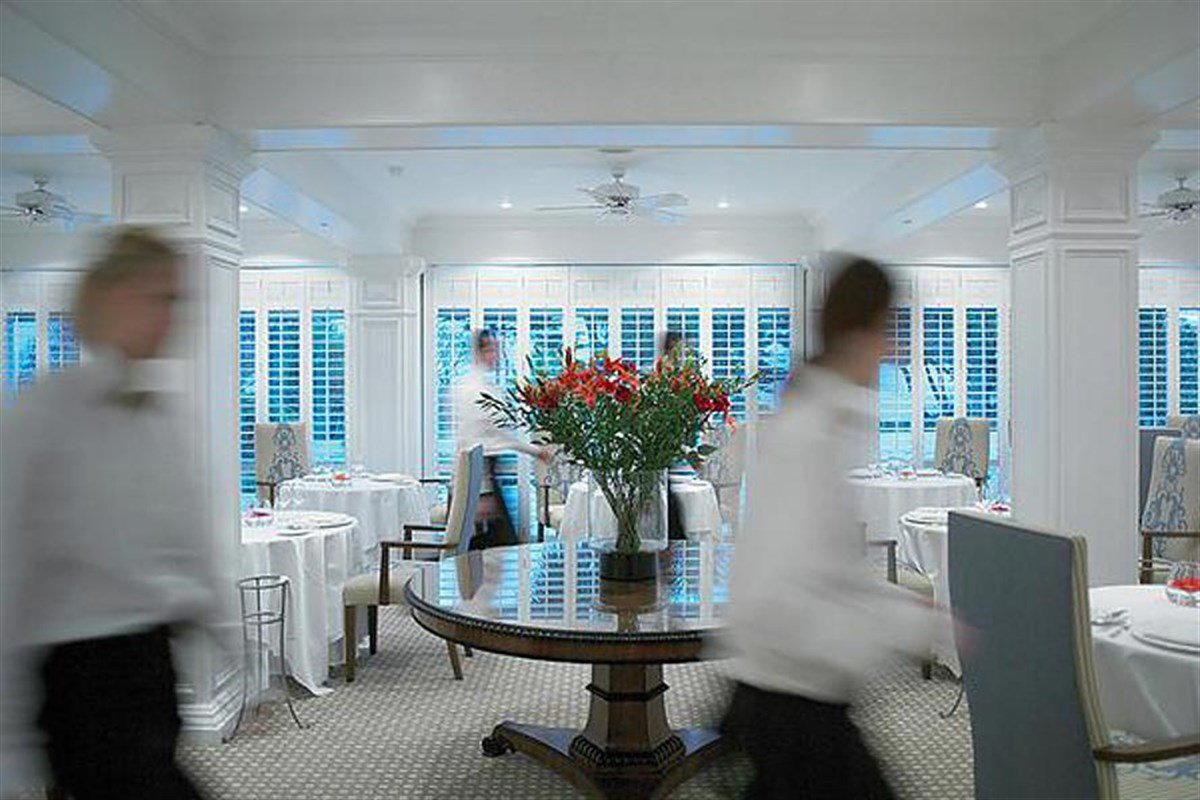
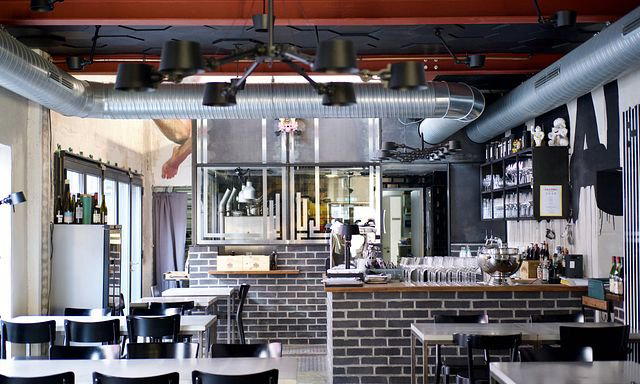
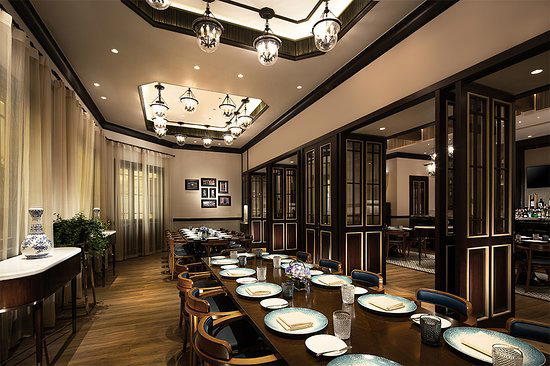
St. James is a modern Caribbean restaurant at 2017 14th St NW, named for the district within Trinidad's Port of Spain. Owner Jeanine Prime built a shared-plates format around ingredients and cooking techniques that travel well beyond any single island tradition — the menu draws from across the Caribbean basin and its global diaspora, with Trinidadian rum cocktails as the throughline. The room carries industrial touches softened by vivid colour, which produces an energy that is warm and social rather than quiet or intimate. Expect a lively atmosphere most evenings; this is not a hushed tasting-menu room. If conversation is the priority, arrive early in service.
The Ingredients Argument
The sourcing logic at St. James is what earns the Michelin recognition and justifies the $$$ price point. The jerk brisket, one of the kitchen's most discussed dishes, marinates for 12 hours before it goes into the smoker. That timeline is not incidental: it signals a kitchen that is building flavour from raw material rather than finishing with sauce. Callaloo soup uses puréed spinach and coconut milk as a base, finished with lump crab meat. The layering here, the bitterness of the greens, the fat of the coconut, the sweetness of the crab, reflects a sourcing philosophy where each component is chosen to do specific work. The Trini-style taro dumplings in curry sauce, served with sweet plantains finished with candied ginger, extend the same logic: these are ingredients selected for contrast and depth, not familiarity.
At $$$ per head, you are paying for that preparation discipline as much as for the dining room. Caribbean cuisine at this level of technical rigour is rare in Washington, D.C. For comparison, Cane offers a different take on the category with a broader Gulf Coast influence, while Oyster Oyster applies comparable sourcing discipline to a vegetable-forward New American format at the same price tier. St. James is the stronger choice if you want specifically Caribbean depth rather than regional American produce.
Who This Is For
St. James rewards diners who want to eat across the menu rather than anchor to a single dish. The shared-plates format means a table of two or four will get a better read on the kitchen than a solo diner ordering two or three plates. Groups who come curious about Caribbean cooking traditions, not just looking for a familiar jerk chicken, will find the menu genuinely instructive. The rum cocktail program is designed to pair with the food, not compete with it, which makes it worth following the staff's guidance on pairings rather than ordering independently.
For food and travel enthusiasts who track how cuisines move and evolve through diaspora, St. James offers real depth. The Trinidad framing is specific enough to be meaningful: the kitchen is not presenting a generic pan-Caribbean menu, but one that has clear roots and clear points of departure from them. That specificity is what separates it from Caribbean restaurants that lean on broad tropical aesthetics rather than sourcing and technique.
If you are looking for comparables that reach similar depth through different culinary traditions, Albi does it through Middle Eastern cooking at the $$$$ tier, and Causa applies the same rigour to Peruvian cuisine, also at $$$$. St. James sits a price tier below both and delivers a comparable quality of sourcing and kitchen discipline, that gap matters if budget is part of your calculus.
For broader context on where St. James sits within the D.C. dining scene, see our full Washington, D.C. restaurants guide. If you are building a full trip around the city, our Washington, D.C. hotels guide, bars guide, and experiences guide cover the surrounding picture.
Practical Details
Reservations: Book two to three weeks ahead for weekends; mid-week has more availability but walk-ins carry risk. Booking difficulty is moderate. Price: $$$ per head, mid-range by D.C. standards, competitive for Michelin-recognised Caribbean dining. Address: 2017 14th St NW, Washington, DC 20009. Format: Shared plates, come with two or more for the leading experience. Drinks: Trinidadian rum-focused cocktail program; follow the staff's pairing guidance. Atmosphere: Industrial-meets-colourful room, energetic in the evening, arrive early if you want a quieter experience.
How It Compares
Oyster Oyster is the closest price-tier peer at $$$, but the two restaurants serve different instincts. Oyster Oyster applies sourcing rigour to a vegetable-forward, sustainable New American menu, it is the better call if your group skews vegetarian or if you want to explore D.C.'s farm-to-table credentials. St. James wins on flavour complexity and the rum cocktail program, and is the clearer choice if Caribbean cuisine is specifically what you are after.
Rooster & Owl also sits at $$$ and offers a contemporary format with strong sourcing credentials, but the experience is more tasting-menu-adjacent and structured. St. James is a better fit for groups who want the freedom of shared plates and a louder, more social room. For a special-occasion dinner where the format and progression of the meal matter as much as the food, Rooster & Owl is worth considering instead.
Albi, Causa, and Rose's Luxury all operate at the $$$$ tier, which puts them a step above St. James on price. If budget is not the constraint, Albi is the most direct comparison in terms of how it handles diaspora cuisine, it does for Levantine cooking what St. James does for Trinidad's culinary tradition. St. James is the stronger value play: Michelin-recognised quality, a drinks program that holds its own, and a price point that leaves room to order across the menu without restraint.
Pearl Picks: More to Explore
- Jônt, Modern French tasting menu in D.C. for a completely different style of occasion dining
- Cane, Caribbean-influenced cooking in D.C. for a side-by-side comparison on the category
- The Lone Star, Caribbean dining in Barbados for a source-region reference point
- 2210 by NattyCanCook, Caribbean in London for a diaspora-cooking comparison across markets
- Emeril's, New Orleans, for Caribbean and Gulf Coast culinary overlap in a different American city
Planning details
- Location
- 2017 14th St NW, Washington, DC 20009
- Website
- stjames-dc.com
- Phone
- (202) 695-8620
The take
The Take
The Vibe
St. James greets you with an industrial framework softened by vivid pops of Trinidadian color. The room functions like an editorial—design choices that deliberately signal a lively, considered experience rather than minimalist restraint. That interplay of exposed surfaces and bright, culturally specific accents gives the dining room a purposeful, contemporary energy. The menu’s shared-plates structure mirrors the room’s sociable intent: food is meant to circulate, prompt debate and second orders, and reinforce a convivial, mid-to-upper-mid dining proposition. Overall it reads as a thoughtful, design-forward interpretation of Caribbean flavors in a city dining context.
Best For
This is a place built for social dinners and exploratory dining on 14th Street. The shared-plates format encourages groups to order across the menu, while the cocktail program and mid-tier price point make it suitable for lively date nights and nights out with friends. Because the concept emphasizes a specific Trinidadian geography in both cocktails and cooking, it also rewards diners who are seeking a focused, serious take on Caribbean cuisine rather than a generic island approach. Expect a convivial, conversation-forward evening rather than a quiet, formal meal.
Ordering Tips
Treat the menu as a circulation plan: order multiple plates to share and let dishes move around the table. The restaurant’s signature items—the cassava dumpling and crab, jerk chicken wings, callaloo and curry crab—are natural starting points; the description explicitly frames dishes to ‘circulate’ and to ‘prompt a second order of the plantains,’ so plan to reorder favorites. The cocktail list is shaped by the restaurant’s Trinidadian focus, so consider starting with a cocktail that echoes the kitchen’s regional specificity and build a mix of smaller and heartier shared plates for the table.
Venue details
Ambiance
Contemporary space with industrial touches, vivid pops of color, greenery, palm frond murals, and a lively Caribbean soundtrack creating a convivial and energetic atmosphere.
Tags
Vibe
Best For
Experience
Accessibility
At the Table
- Dress Code
- Smart Casual
- Noise Level
- Lively
- Service Style
- Upscale Casual
- Meal Pacing
- Leisurely
- Capacity
- Medium
- Kitchen
- Modern
- Menu Format
- Small plates, A la carte
- Wine Program
- Curated
- Drinks Focus
- Rum cocktails
- Dietary
- Vegetarian friendly, Gluten-free options, Vegan options
- Outdoor Seating
- Yes
Signature Dishes
- cassava dumpling and crab
- jerk chicken wings
- callaloo
- curry crab
Know before you go
Know Before You Go
- Getting there
- 2017 14th St NW, Washington, DC 20009
Planning details
Location
Recognition and awards
Also consider
Also Consider
- Oyster Oyster, New American, Vegetarian, Vegetarian (Sustainable), $$$
- Albi, United States, Middle Eastern, $$$$
- Causa, Peruvian, $$$$
- Rooster & Owl, Contemporary, $$$
- Rose’s Luxury, New American, Contemporary, $$$$
Restaurant context
Oyster Oyster is the closest price-tier peer at $$$, but the two restaurants serve different instincts. Oyster Oyster applies sourcing rigour to a vegetable-forward, sustainable New American menu, it is the better call if your group skews vegetarian or if you want to explore D.C.'s farm-to-table credentials. St. James wins on flavour complexity and the rum cocktail program, and is the clearer choice if Caribbean cuisine is specifically what you are after.
Rooster & Owl also sits at $$$ and offers a contemporary format with strong sourcing credentials, but the experience is more structured and tasting-menu-adjacent. St. James is a better fit for groups who want shared plates and a louder, more social room. For a special-occasion dinner where the progression of the meal matters as much as the food, Rooster & Owl is worth considering instead.
Albi, Causa, and Rose's Luxury all operate at the $$$$ tier, a step above St. James on price. If budget is not the constraint, Albi is the most direct comparison in terms of how it handles diaspora cuisine, it does for Levantine cooking what St. James does for Trinidad's culinary tradition. St. James is the stronger value play: Michelin-recognised quality, a drinks program that holds its own, and a price point that leaves room to order across the menu without restraint.
Explore Washington DC
Around this place
Discover more on Pearl
Unlock the full St. James guide in Pearl, including awards, comparisons, FAQs, planning details, and nearby places.
Compare St. James
| Venue | Cuisine | Price | Awards | Booking Difficulty |
|---|---|---|---|---|
| St. James | Caribbean | $$$ | Washingtonian 100 Very Best Restaurants 2026 · #192025 Michelin Plate2024 Michelin Plate | Moderate |
| Oyster Oyster | New American, Vegetarian, Vegetarian (Sustainable) | $$$ | Washingtonian 100 Very Best Restaurants 2026 · #622026 OAD Top Restaurants in North America Highly Recommended2025 Food & Wine Global Tastemakers Top Restaurants · #152025 OAD Top Restaurants in North America Ranked · #251We're Smart World Top Restaurants 20252025 Wine Spectator Award of Excellence2025 The Best Chef One Knife2025 Michelin 1 Star2024 OAD Top Restaurants in North America Ranked · #203 | Unknown |
| Albi | United States, Middle Eastern | $$$$ | Washingtonian 100 Very Best Restaurants 2026 · #12026 North America's 50 Best Restaurants · #6RAMMYS 2026 Winners - Formal Fine Dining Restaurant of the Year2025 World's 50 North America's Best Restaurants · #342025 Robb Report 100 Greatest American Restaurants of the 21st Century · #892025 OAD Casual in North America Ranked · #1302025 Michelin 1 Star2024 James Beard Awards · #12024 OAD Casual in North America Ranked · #109 | Unknown |
| Causa | Peruvian | $$$$ | Washingtonian 100 Very Best Restaurants 2026 · #162025 OAD Top Restaurants in North America Ranked · #2752025 James Beard Awards2025 Michelin 1 Star2024 OAD Top Restaurants in North America Ranked · #2252024 Michelin 1 Star | Unknown |
| Rooster & Owl | Contemporary | $$$ | Washingtonian 100 Very Best Restaurants 2026 · #652026 OAD Casual in North America Recommended2025 OAD Casual in North America Ranked · #7532025 Michelin 1 Star2024 Michelin 1 Star | Unknown |
| Rose’s Luxury | New American, Contemporary | $$$$ | Washingtonian 100 Very Best Restaurants 2026 · #232026 OAD Top Restaurants in North America Ranked · #682025 OAD Top Restaurants in North America Ranked · #572025 Michelin 1 Star2024 OAD Top Restaurants in North America Ranked · #562024 Michelin 1 Star2023 OAD Gourmet Casual Dining in North America Ranked · #12023 OAD Top Restaurants in North America Ranked · #74Pearl Recommended Restaurants | Unknown |











What to weigh when choosing between St. James and alternatives.
FAQ
Frequently Asked Questions
How far ahead should I book St. James?
Two to three weeks ahead for weekend tables. Mid-week slots open up more frequently, but walk-ins carry real risk given the Michelin Plate recognition and consistent demand on the 14th Street corridor. Book online as soon as your date is confirmed.
Is the tasting menu worth it at St. James?
St. James runs a shared-plates format rather than a fixed tasting menu, so you build your own progression across the menu. That works in your favor at $$$: ordering three to four dishes between two people hits the kitchen's range without locking you into a set sequence. Start with the callaloo soup, add the jerk brisket, and the Trini-style taro dumplings.
Is St. James good for solo dining?
Workable, but not the format's sweet spot. The shared-plates menu is designed for two or more to spread across dishes; solo diners can still order two or three plates, but you'll see less of the kitchen's range. Bar seating, if available, helps. For solo Caribbean dining in D.C. this is still a strong option at the $$$ tier.
What should a first-timer know about St. James?
Come ready to share. The menu is built around convivial, shared plates with Caribbean and global influences, anchored by Trinidadian rum cocktails. The jerk brisket marinates for 12 hours before smoking, so it's not something to skip. The space has industrial touches with vivid color — casual enough that there's no dress pressure, but the food is Michelin Plate-level serious.
Is St. James good for a special occasion?
Yes, particularly for a group of two to four who want a convivial dinner over multiple dishes rather than a formal tasting experience. The 2024 Michelin Plate gives it credibility, and the Trinidadian rum cocktail list adds a point of difference that most D.C. special-occasion spots lack. Don't expect white-tablecloth formality — this is celebratory, not ceremonial.
Is St. James worth the price?
At $$$, yes — the Michelin Plate recognition backs the pricing, and the kitchen earns it through technique: 12-hour marinated jerk brisket, callaloo soup with lump crab, taro dumplings in curry sauce. You're paying for a level of sourcing and execution that justifies the tier. For a more budget-conscious Caribbean meal in D.C. you'll need to drop a price tier and accept less ambition on the plate.
What are alternatives to St. James in Washington, D.C.?
Albi is the closest peer in terms of Michelin recognition and Middle Eastern shared plates at a similar price point — different cuisine, comparable format and seriousness. Rose's Luxury is worth considering if you want a looser, more eclectic shared-plates experience. Oyster Oyster is the pick if you want vegetable-forward cooking with similar D.C. buzz. None of them replicate St. James's Caribbean focus.