
Noriko Omakase
Japanese · Kamionek, Warsaw
Restaurant in Warsaw, Poland
 Book with Pearl
The Read
Praga Counter Omakase
Price
$50–100per person
Dress
Smart Casual
Why go
Michelin-recognised Japanese omakase, Noriko Omakase holds a Michelin Plate for 2024 and 2025. At €€€€, it is a clear choice for special occasions where a chef-led, sequential format is the point. Book ahead for weekends; the format does not translate to takeout.
About Noriko Omakase
Is Noriko Omakase Worth Booking in Warsaw?
Yes: and it's one of the clearest answers you'll get in the Warsaw dining scene. If you are looking for a formal Japanese omakase experience in Poland, this is the venue to benchmark against. The question is not whether it is good: it is whether it is the right fit for your occasion and budget.
What to Expect
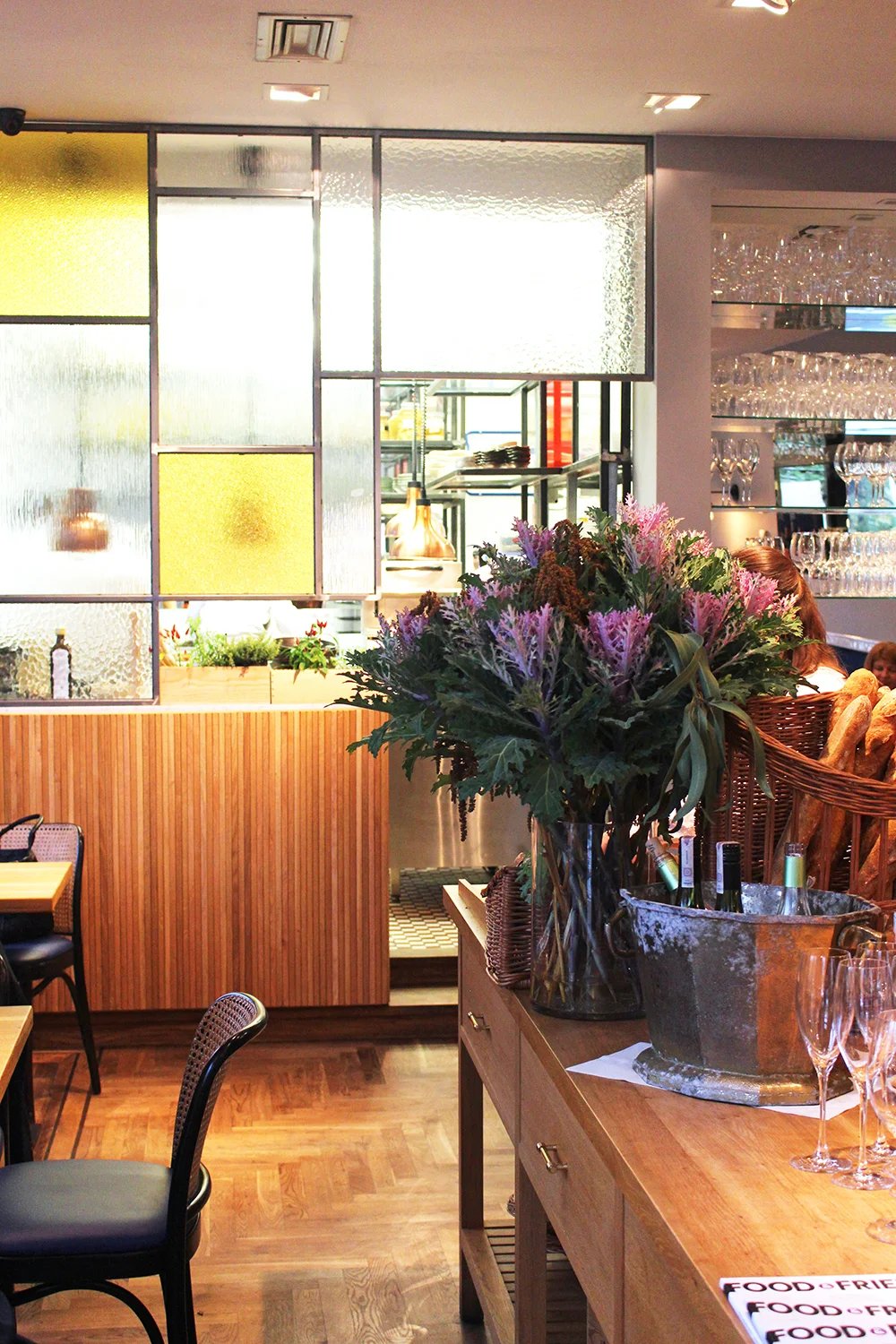
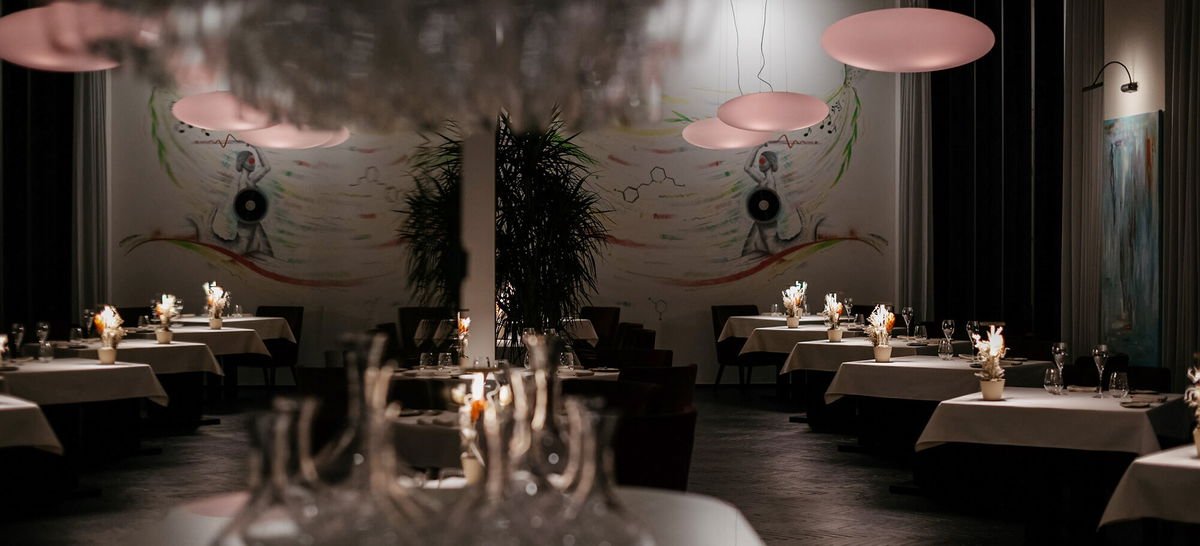
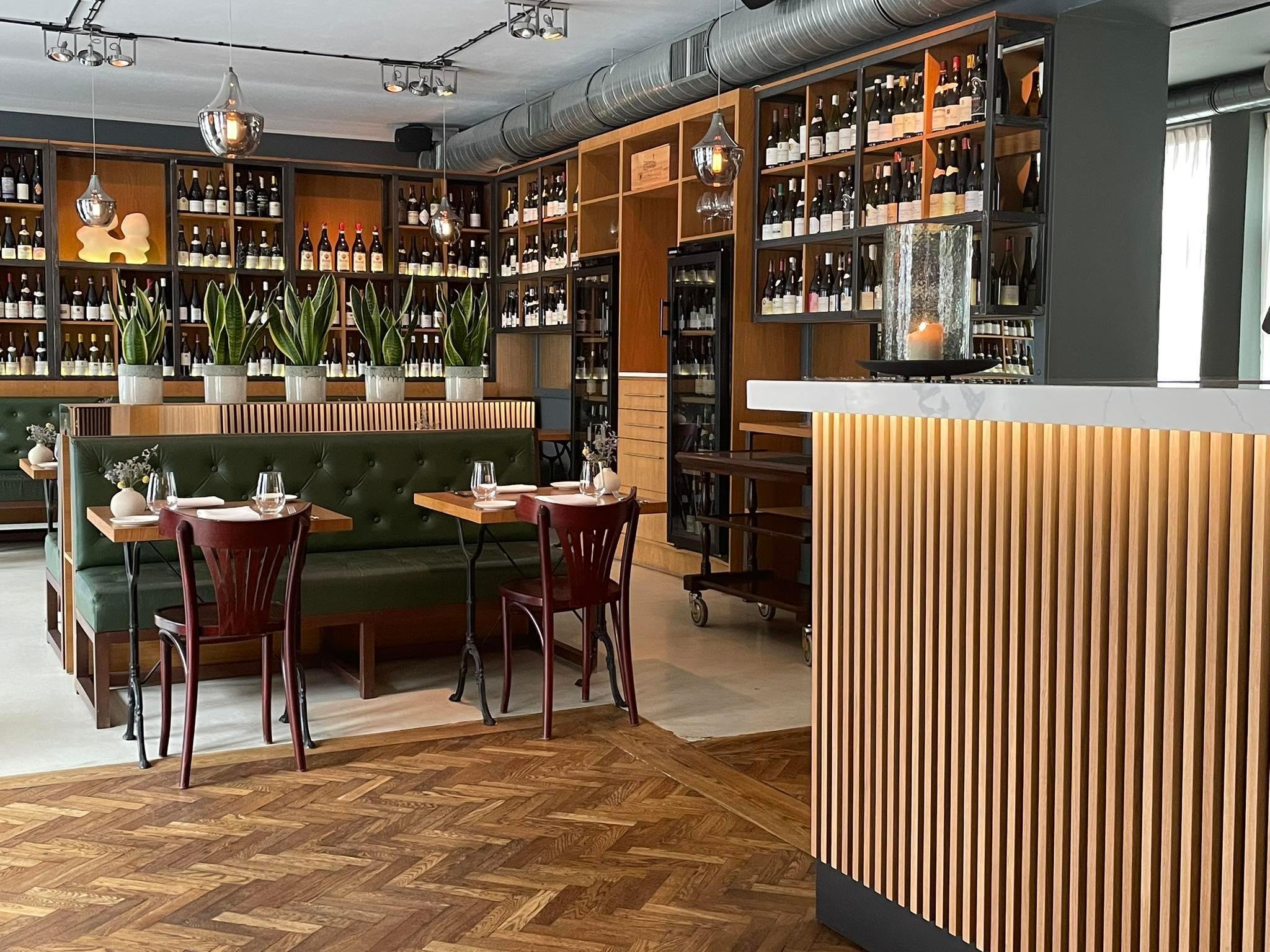
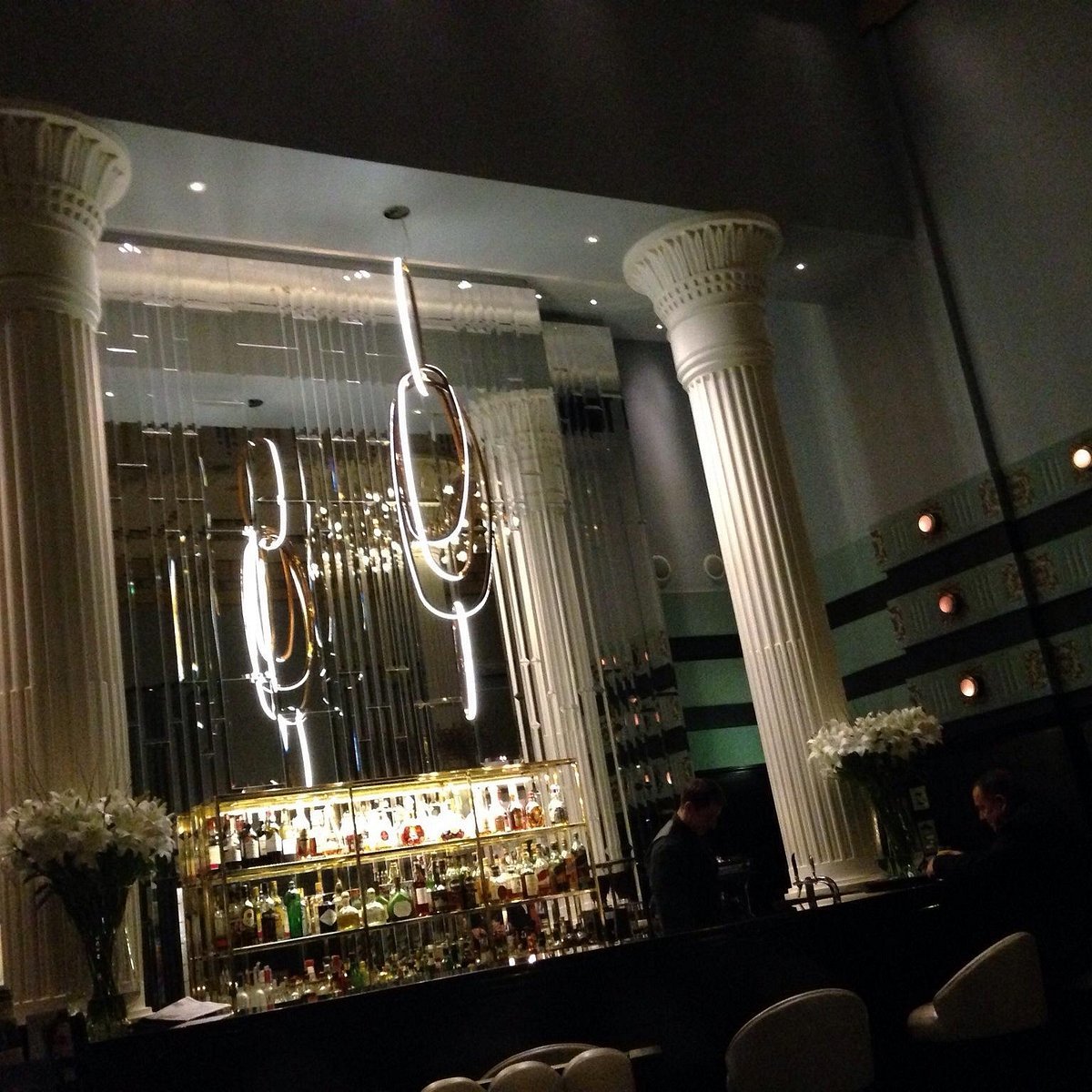
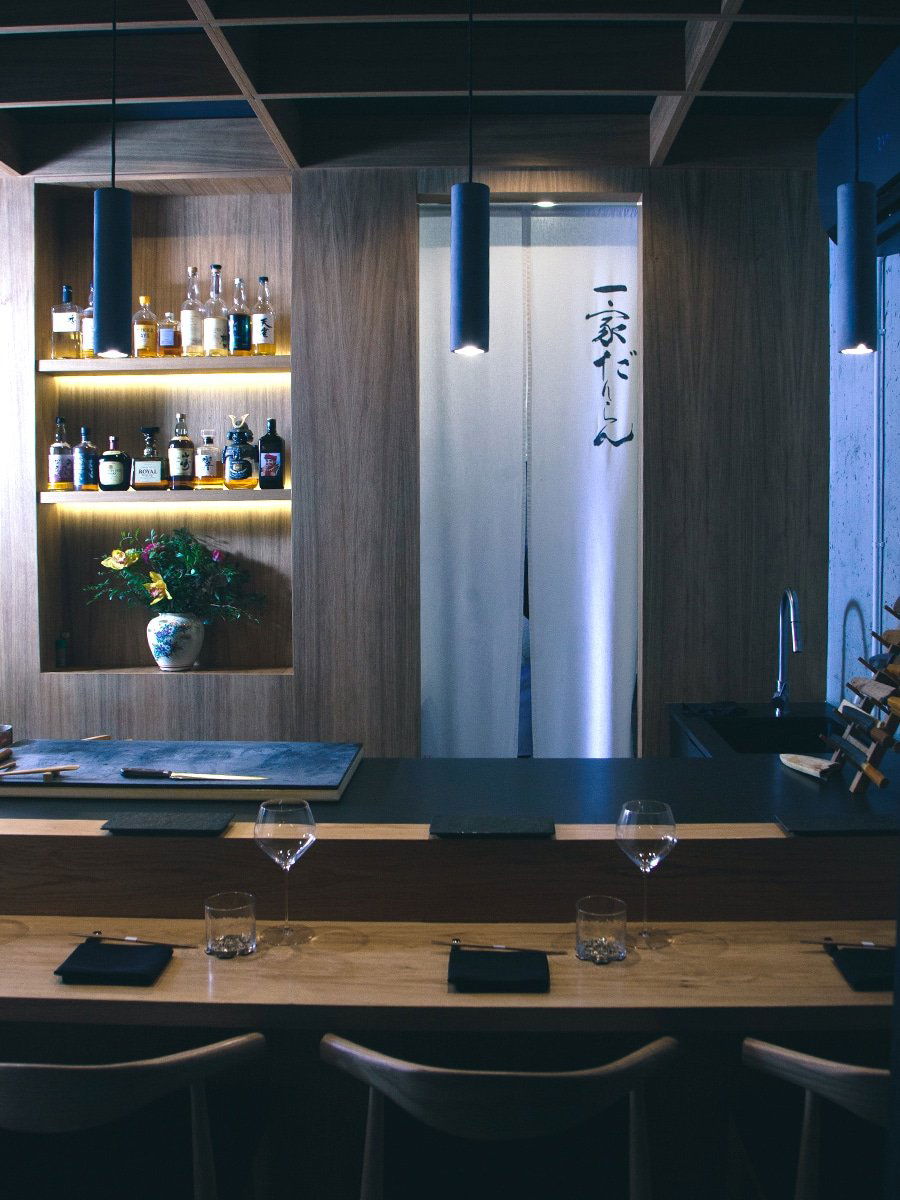
Noriko Omakase is located at Mińska 45, in Warsaw's Praga district, a post-industrial neighbourhood that has become a serious address for ambitious dining. The setting at Mińska signals intent before you sit down: the visual language of omakase dining, counter seating, restrained plating, deliberate presentation, frames the meal as a performance you watch as much as eat. Each course arrives composed, with the visual precision that defines the format. This is not a venue where the food blends into the background of conversation. The presentation is the point.
The omakase format means the kitchen decides what you eat and in what order. That structure works well for special occasions and date nights because it removes the decision fatigue of ordering and replaces it with a shared experience that unfolds at the chef's pace. For business dining, it can work depending on the relationship, the format encourages attention to the food, which either deepens the conversation or restricts it, depending on your guest.
Recent Evolution
The consecutive Michelin Plate recognition in 2024 and 2025 is the relevant signal here. A Michelin Plate, awarded to restaurants the inspectors consider worth visiting, below Star level, indicates that the guide is tracking this venue consistently, not just noting a single strong year. For a Japanese omakase restaurant operating in Warsaw, retaining Michelin attention across two consecutive cycles suggests the kitchen has stabilised its standard rather than coasting on early momentum. That matters when you are spending at the €€€€ tier: you want evidence of consistency.
On Takeout and Delivery
Omakase does not travel. That is not a critique of Noriko specifically, it is the nature of the format. The entire premise of omakase is sequential, counter-served courses where timing, temperature, and presentation are controlled by the kitchen in real time. Rice-forward dishes cool and change texture within minutes. Delicate garnishes collapse in transit. If you are considering Noriko for delivery or takeout, the honest answer is: book a table instead, or choose a different venue for off-premise dining. The experience here is inseparable from the room and the service rhythm. Taking it home would be a different, lesser thing. For a Warsaw Japanese option that works better off-premise, a neighbourhood sushi spot with a la carte ordering will serve you better in that context.
Booking and Logistics
Booking ahead is recommended, omakase restaurants typically operate with small seat counts and fixed seatings, which means availability can close quickly for popular dates. That said, the booking difficulty for Noriko is rated Easy relative to comparable venues. Plan ahead by a week or two for weekends; weekday availability is likely more accessible.
Know Before You Go
- Address: Mińska 45/lok 204, 03-808 Warsaw (Praga district)
- Price tier: €€€€, budget for a full omakase spend per head
- Awards: Michelin Plate 2024 and 2025
- Booking difficulty: Easy, but advance booking is still recommended for weekends
- Format: Omakase, chef-determined courses, no a la carte
- Leading for: Special occasions, date nights, serious food occasions
- Not ideal for: Takeout, delivery, or large groups expecting flexible ordering
How It Compares
For Warsaw dining at the €€€€ level, Noriko Omakase occupies a distinct position because there is no direct Japanese omakase competitor in the city's current dining conversation. The more relevant comparison is against Warsaw's other high-end, experience-led restaurants. Rozbrat 20 and hub.praga both operate at €€€ and offer modern cuisine with strong execution, they are the alternatives to consider if you want a serious meal with more ordering flexibility. NUTA also operates in Warsaw's creative dining tier and is worth comparing if the tasting-menu format appeals but Japanese cuisine is not the priority.
If budget is a constraint, alewino at €€ delivers a thoughtful Modern Polish experience at a fraction of the spend, and Bez Gwiazdek at €€€ sits in the middle of the range with modern Polish cooking that has built a strong following. Neither replicates the omakase format, but both offer strong occasion dining with more accessible pricing. For something more casual in the same Praga area, Bar Rascal and Butchery & Wine at €€ cover natural wine and grills respectively, good options if the table wants flexibility over formality.
If you are calibrating Noriko against Japanese omakase globally, the relevant frame is that Warsaw is not Tokyo. For reference, venues like Myojaku and Azabu Kadowaki in Tokyo represent the category at its deepest level. Noriko is not competing in that conversation, what it offers is omakase-format dining executed to a Michelin-recognised standard in a city where that format is rare. On those terms, it earns its price tier.
Worth Booking in Poland?
If you are travelling in Poland and building a dining itinerary, Noriko sits comfortably alongside the country's most recognised restaurants. Bottiglieria 1881 in Kraków and Arco by Paco Pérez in Gdańsk are the natural peers at the Michelin-recognised end of the national market. Muga in Poznań, Acquario in Wrocław, and 1911 in Sopot round out the high-end picture across Polish cities. Among that group, Noriko is the only venue offering Japanese omakase, which makes it genuinely distinct.
For a full picture of what Warsaw has to offer, see our Warsaw restaurants guide, Warsaw bars guide, Warsaw hotels guide, Warsaw wineries guide, and Warsaw experiences guide.
Planning details
- Location
- Mińska 45/lok 204, 03-808 Warszawa, Poland
- Website
- norikosushi.pl
- Phone
- +48 510 339 210
The take
The Take
The Vibe
Noriko Omakase presents a restrained, highly focused dining atmosphere centered on the chef's counter. The experience emphasizes discipline and Japan-rooted technique, and consecutive Michelin Plate recognition underscores the kitchen's exacting standards. The space reads as intimate and quietly elegant, where attention is fixed on each piece of nigiri and small-format courses. Service and pacing follow a fine-dining logic rather than casual sushi-bar shorthand, so the room feels deliberate and refined. For guests who prize technical precision, subtle flavors and a low-key, sophisticated setting, Noriko delivers a concentrated omakase moment rather than a bustling, showy night out.
Best For
Noriko is best for focused, occasion-driven dinners: think date nights, anniversaries and celebratory meals where the meal itself is the event. Its placement in the €€€€ bracket and repeated Michelin Plate recognition position it as a destination for diners seeking high-level omakase rather than a casual sushi stop. The counter format channels interaction with the chef and rewards guests who want a guided tasting sequence and close attention to sourcing and technique. International visitors and Warsaw-based fine-dining regulars who prioritize a chef-led menu will find Noriko aligns with those expectations.
Ordering Tips
Accepting the omakase flow is the clearest path to the restaurant's strengths: the counter format and chef-led sequence are the point. Lean into the kitchen's signatures, the nigiri of turbot with liver, engawa temaki, chawanmushi and tuna temaki are highlighted dishes, and approach the meal as a progression rather than an à la carte outing. Be aware of the restaurant's premium positioning (€€€€) and Michelin recognition, which signal a tightly executed tasting and pricing aligned with that level. If you value technique and seasonality, let the chef compose the order and prioritize the signature nigiri and temaki moments.
Venue details
Ambiance
Warm, inviting, and minimalist design with an L-shaped counter that fosters intimate interaction between diners and chef; elegant yet relaxed atmosphere encouraging conversation and immersion in the experience.
Tags
Vibe
Best For
Experience
Sourcing
At the Table
- Dress Code
- Smart Casual
- Noise Level
- Quiet
- Service Style
- Omakase Bar
- Meal Pacing
- Extended Experience
- Capacity
- Intimate
- Kitchen
- Traditional
- Menu Format
- Omakase, Counter dining, Tasting menu
- Drinks Focus
- Japanese whisky, Sake
- Dietary
- Pescatarian friendly, Allergy accommodating
Signature Dishes
- nigiri of turbot with liver
- engawa temaki
- chawanmushi
- tuna temaki
Know before you go
Know Before You Go
- Getting there
- Mińska 45/lok 204, 03-808 Warszawa, Poland
Planning details
Location
Recognition and awards
Also consider
Also Consider
- Rozbrat 20: Modern European, Modern Cuisine, €€€
- alewino: Modern Polish, Traditional Cuisine, €€
- Bez Gwiazdek: Modern Polish, Modern Cuisine, €€€
- Butchery & Wine: Bistro, Meats and Grills, €€
- hub.praga: Modern Cuisine, €€€
Restaurant context
Noriko Omakase has no direct Japanese omakase competitor in Warsaw, which simplifies one part of the comparison. The more useful question is how it stacks up against Warsaw's other serious dining options when you are deciding where to spend at the high end. Rozbrat 20 at €€€ offers modern European cooking with a strong track record and more flexibility in ordering: it is the better pick if a shared table with a la carte options matters more than a structured chef-led experience. hub.praga at €€€ covers modern cuisine in the same Praga neighbourhood at a lower price tier, making it the practical alternative if you want serious food nearby without the full omakase commitment.
Bez Gwiazdek at €€€ is worth shortlisting for modern Polish cuisine with a following that suggests genuine quality. It sits at the same price tier as Rozbrat 20 and offers more familiar menu formats for guests who are less comfortable with the fixed-course structure. If budget is the primary variable, alewino at €€ delivers thoughtful Modern Polish cooking at a significantly lower spend: the right call for a good dinner that does not require a full occasion-dining budget. Butchery & Wine at €€ is the casual, meat-focused option for when the table wants straightforward bistro food without ceremony.
The honest comparison is this: Noriko at €€€€ is the right booking if Japanese omakase is specifically what you want and you are treating the meal as an event. If you want a strong dinner at a slightly lower price point with more ordering flexibility, Rozbrat 20 or hub.praga serve that purpose well. Noriko does not compete with those venues on flexibility or value: it competes on format specificity and the prestige of consecutive Michelin recognition, which is a different proposition entirely.
Explore Warsaw
Around this place
Discover more on Pearl
Unlock the full Noriko Omakase guide in Pearl, including awards, comparisons, FAQs, planning details, and nearby places.
Compare Noriko Omakase
| Venue | Price | Booking Difficulty | Awards |
|---|---|---|---|
| Noriko Omakase | €€€€ | Easy | Michelin Guide Poland 20262025 Michelin Plate2024 Michelin Plate |
| Rozbrat 20 | €€€ | Unknown | Star Wine Lists 2026 · #1Michelin Guide Poland 20262026 OAD Top Restaurants in Europe Recommended2026 Wine Spectator Best of Award of Excellence2025 The Best Chef One Knife2025 Michelin 1 Star2024 OAD Top Restaurants in Europe Ranked · #5202024 Michelin 1 Star |
| alewino | €€ | Unknown | Star Wine Lists 2026Michelin Guide Poland 20262026 Falstaff Restaurant Guide2025 Michelin Plate2024 Michelin Bib Gourmand2023 OAD Casual in Europe Recommended |
| Bez Gwiazdek | €€€ | Unknown | Star Wine Lists 2026Michelin Guide Poland 20262026 OAD Top Restaurants in Europe Recommended2025 OAD Top Restaurants in Europe Ranked · #6182025 Michelin Plate2024 OAD Top Restaurants in Europe Ranked · #5482024 Michelin Plate2023 OAD Top New Restaurants in Europe Recommended |
| Butchery & Wine | €€ | Unknown | Star Wine Lists 2026 · #1Michelin Guide Poland 20262026 OAD Casual in Europe Recommended2025 Michelin Plate2024 Michelin Plate |
| hub.praga | €€€ | Unknown | Star Wine Lists 2026Michelin Guide Poland 20262025 The Best Chef One Knife2025 Michelin 1 Star2024 Michelin Plate |
.png?width=1200&quality=80)







Comparing your options in Warsaw for this tier.
FAQ
Frequently Asked Questions
Is Noriko Omakase good for solo dining?
Yes: omakase is one of the few formats where solo dining is genuinely comfortable, not an afterthought. Counter seating puts you directly in the action, and the sequential nature of the meal means there is no awkward menu navigation. At €€€€ in Warsaw, Noriko is a strong solo splurge against which most of the city's alternatives at that price point are table-service restaurants designed for groups.
What should I wear to Noriko Omakase?
The venue data does not specify a dress code, but the €€€€ price point and Michelin Plate recognition (2024, 2025) signal that this is not a casual drop-in. Dress as you would for a serious dinner reservation: neat, considered clothing is appropriate. Avoid anything you would wear to a casual izakaya.
What should I order at Noriko Omakase?
There is nothing to order: that is the point of omakase. The chef sets the menu and the sequence; your only decision is whether to book. If you want to make selections, omakase is not the right format and you should look at an à la carte Japanese restaurant instead.
Is Noriko Omakase good for a special occasion?
Yes, and it is one of the clearest choices in Warsaw for exactly this purpose. The omakase format, a fixed, chef-led sequence at the counter, provides built-in occasion structure, and the consecutive Michelin Plate recognition in 2024 and 2025 means the kitchen is operating at a documented level. Book ahead; this is not a walk-in venue for a celebration.
What are alternatives to Noriko Omakase in Warsaw?
For €€€€ dining in Warsaw without the omakase format, Rozbrat 20 and Butchery & Wine are the closest comparable options in terms of price and seriousness. Hub.praga covers the Praga neighbourhood at a lower price point if the location appeals but the spend does not. Alewino and Bez Gwiazdek are stronger choices if wine focus matters more than cuisine format.
Is Noriko Omakase worth the price?
At €€€€, Noriko is priced at the top of Warsaw's restaurant market, and the Michelin Plate for both 2024 and 2025 confirms that inspectors found the kitchen consistently worthy of attention. For the omakase format specifically, where you are paying for the chef's complete control of the meal, it represents a cleaner value proposition than most Warsaw alternatives at the same spend. If you want choice over what you eat, the format will frustrate regardless of quality.
Is the tasting menu worth it at Noriko Omakase?
The omakase is the entire offering, not one option among several, so the question is whether the format suits you rather than whether to upgrade. Two consecutive Michelin Plate awards (2024, 2025) indicate the kitchen is delivering at a level that justifies the €€€€ price in a city where that spend has few credible competitors in Japanese cuisine. If omakase as a format works for your group, the case for booking is clear.